29 apr. 2022
IVAM Centre Julio González
share


29 apr. 2022
IVAM Centre Julio González
share
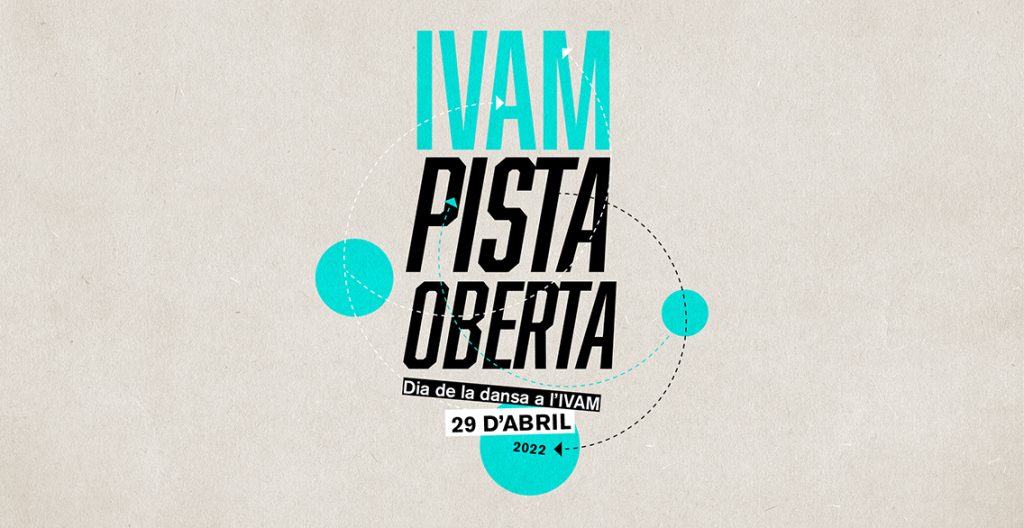
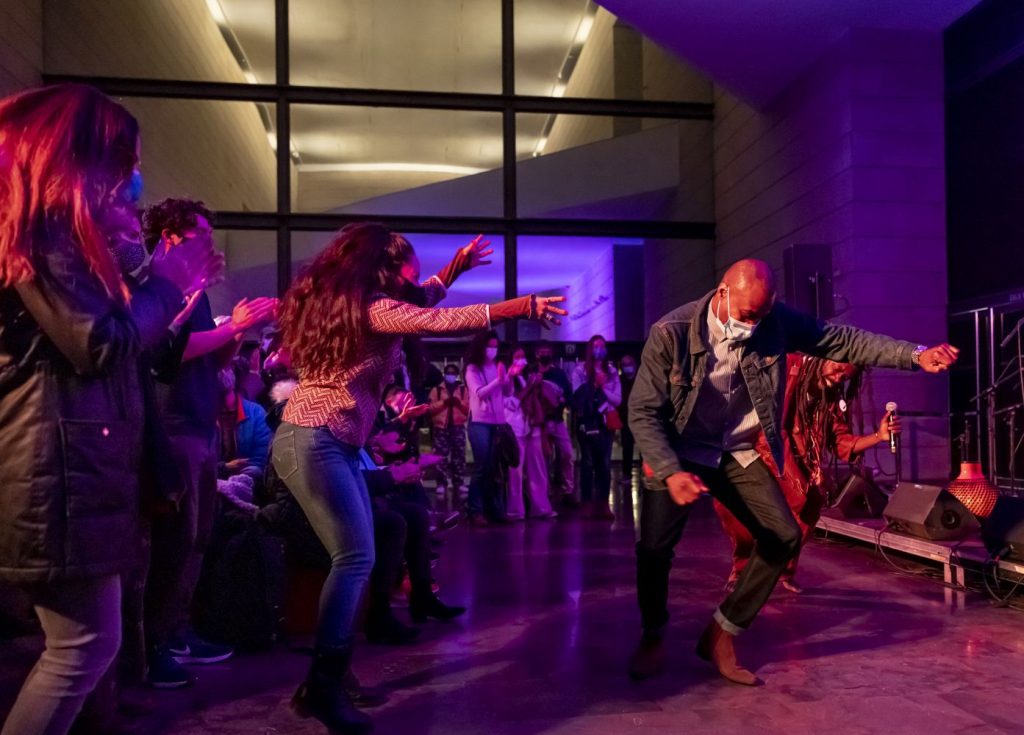
Throughout the day, the hall at IVAM will become a stage shared by a diversity of dances: from paso dobles and boleros to African dances, hip-hop, vogue and breakdancing, to a stage for techno and rondalles valencianes. It will be a repurposed space that invites people to come to IVAM and dance together in the museum.
11 a.m.- 12 p.m.Pasodobles, coplas, boleros and songs from an entire lifetime
Through a selection of classic songs from the 20th century, the day of dance begins with ballroom dancing in collaboration with dance students from the Universitat Popular of Rovella and San Marcelino.
12:30 p.m. – 2:30 p.m. Urban dancefloor: hip hop, vogue, breakdance, funk, et al
Club Mutante (Julia Zac + Inka Romaní) and DJ Madnel (Manel Ferrandiz)
Invitación abierta a cuerpos inquietos, bailarines experimentados y amateurs para descubrir diferentes estilos relacionados con las danzas urbanas como el hip hop, vogue, breakdance, funk, entre otros, con el fin de explorar diferentes técnicas y dinámicas y disfrutar del freestyle.
5-6 p.m. Fethe Sabar. African dances
Women’s federation of African dance
An invitation to families, little ones and grown-ups, to learn about and dance a selection of different choreographies from various cultures of the African continent.
6-7:30 p.m. Sarau! Bailes valencianos
Grup de Danses l’esvaraeta, Les Postisses i Rondalla Hortibera
The IVAM hall will become the location for an evening party of traditional dances: jotas, malaguenyes and boleros which bring back the essence of tradition from the past and the present.
8-9 p.m. Last dance: en route to twerking
BIANO will offer us a session of electronic remember music that will take us from the sound environments of the mythical clubbing route, the Ruta del Bakalao, to the music of today.

29 apr. 2022
IVAM Centre Julio González
share
IVAM EXTENDED PROGRAMME, in collaboration with La Mutant
Within the framework of Ensayos sobre lo cutre. Lecturas del archivo Miguel Benlloch (Essays on seediness. Readings from the archive of Miguel Benlloch) and programed around the Day of Dance, IVAM travels to La Mutant to present this performance by María Salgado and Fran MM Cabeza de Vaca.
Jinete Último Reino is the name given to a piece of research that is structured around a trilogy of independent theatrical pieces which, in turn, are Fragments of a work that is still in the process of creation and which will bring this project, begun in 2017 by María Salgado and Fran MM Cabeza de Vaca, to an end.
Consisting of music, poetry and performance, Jinete Último Reino is a journey of sound and language that is neither linear nor narrative, based around desire, repression, the norm and rebellion.
Biographies
María Salgado (1984) and Fran MM Cabeza de Vaca (1976) have worked together in Madrid since 2012, starting from an idea for using audio text as an intersection between poetry and language, sound art, music and performance. The area of research entitled Hacía un ruido (Made a noise) (2012-2016), which focuses on the cycle of political disobedience of 2011, gave rise to self-published graphic posters and leaflets, a book, a record, an instrumental piece for ensembles, a sound exhibition of two months’ duration, and a hybrid recital that toured different spaces and contexts in locations such as Madrid, New York, Barcelona and Guadalajara (Mexico). Jinete Último Reino (2017-ongoing) is the area of research that they are currently immersed in, which investigates sexual and gender dissidence. Its origin lies in an instrumental piece whose musical score was published in the Present Tense Pamphlets collection (Northwestern University). In connection with this area of research, they have also produced an audio piece for Radio Reina Sofía, posters (Manifiesto, 2018), music scores, and two theatrical pieces of 60 minutes duration: Frag. 3 and Frag. 2. They were premiered respectively at the (Madrid, 2017) and at the MACBA (Barcelona, 2019). Both have toured and continue to tour at various theaters, museums, and festivals. Recently, they have produced Frag. 1 of the trilogy, a work that was premiered in November 2021 at the Sala Negra of Teatros del Canal, as part of the Autumn Festival. Around this work, they have produced the audiovisual piece entitled Nana de esta pequeña era (This little era lullaby), commissioned by Pedro G. Romero for the Bergen Assembly (Norway, 2020), exhibited as an installation at WKV Stuttgart (Politics of life, 2020), and the octophonic installation, A la poesía la llama lengua a la lengua la llama continuidad…, (Poetry is called by language is called by continuity…) which was recently exhibited within Komunikazio-inkomunikazio at Tabakalera (Donosti, 2021).
14 jul. 2022 – 15 jan. 2023
IVAM Centre Julio González
floor B, G1
share
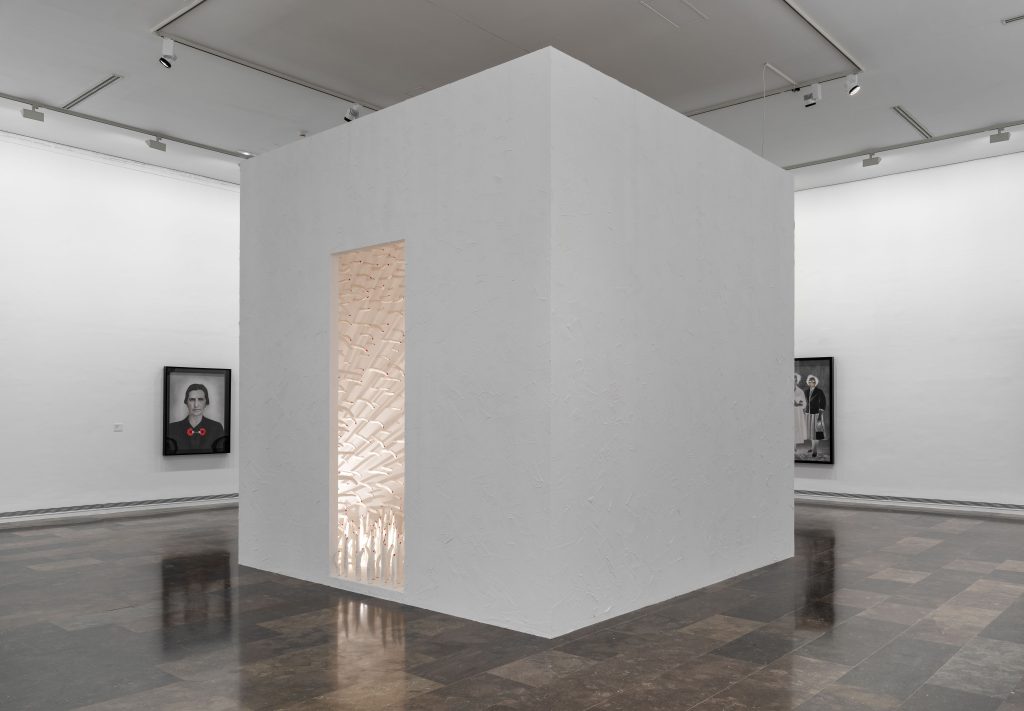
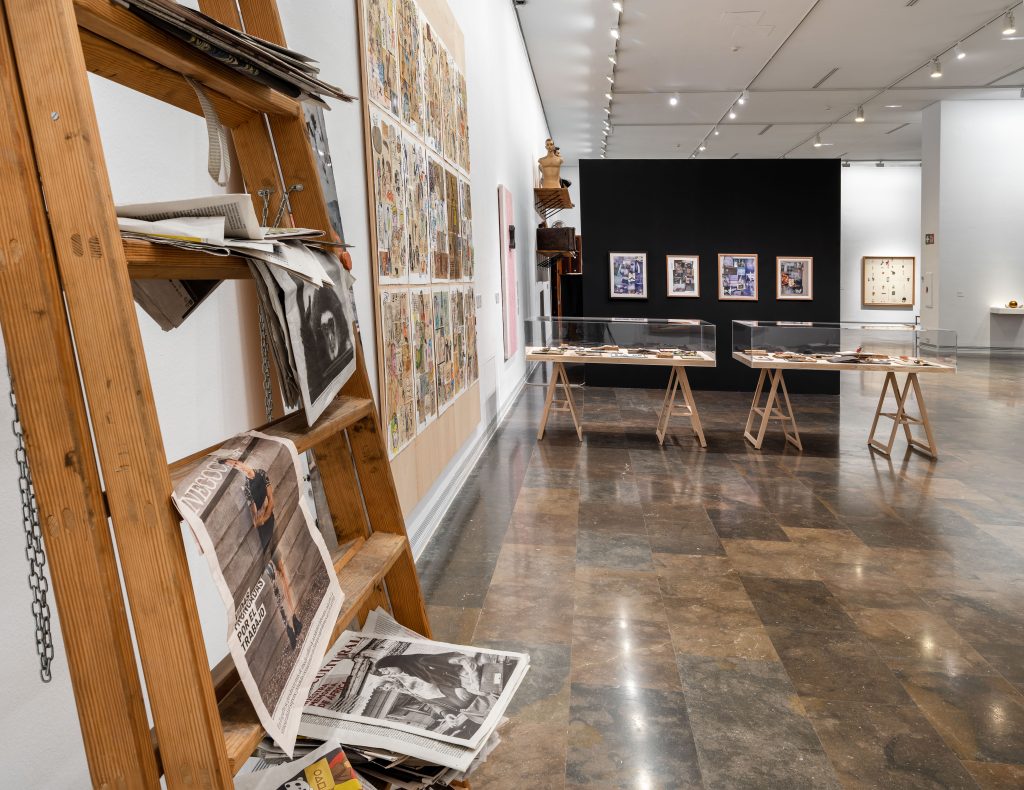
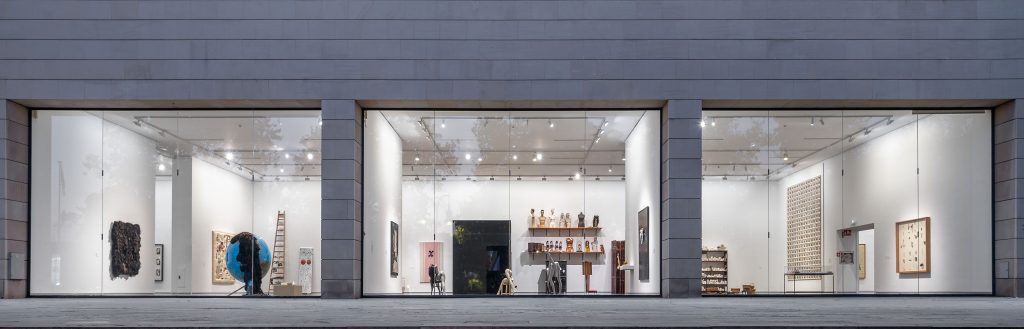
On the occasion of the Julio González Award being granted to Carmen Calvo (Valencia, 1950), IVAM has organized an exhibition which reviews the principal lines of this artist’s research from the late 1960s to the present time. To a large extent, one of Carmen Calvo’s works supports the recovery and re-creation of images and of discarded objects. In her complex creative process, the artist constructs her personal view of the world activating mechanisms such as daydreams, memories, desires and fears.
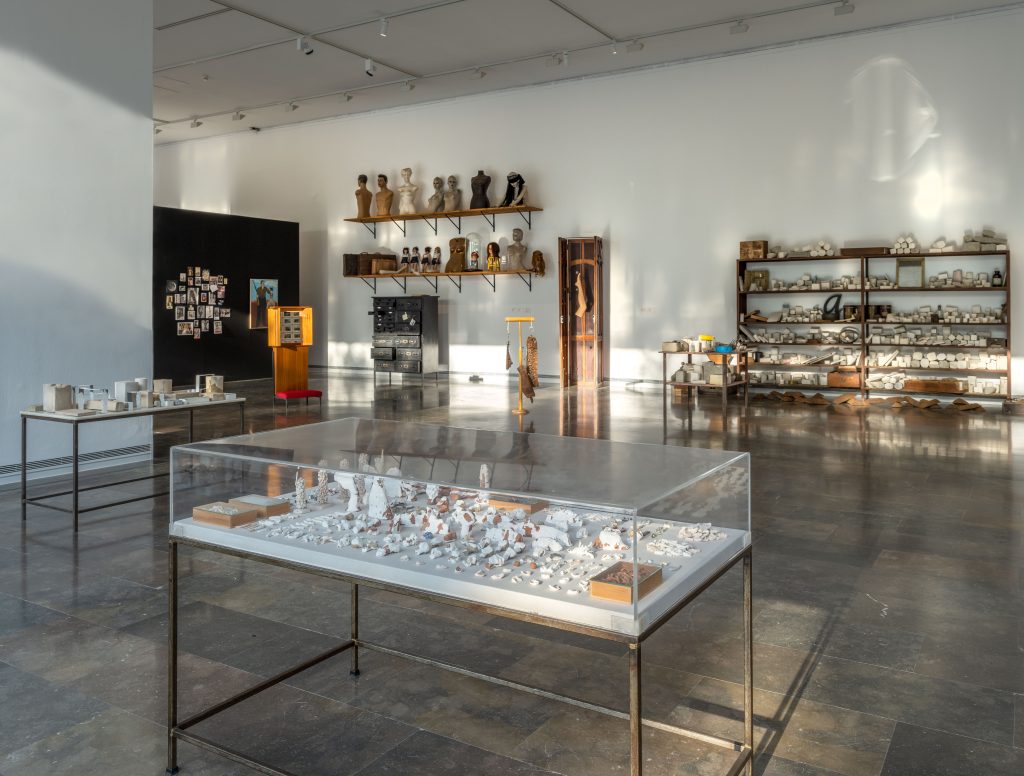
The tour of this exhibition begins with a selection of works, created during the 1980s, belonging to her emblematic series Escrituras, Recopilación y Reconstrucción (Writing, Compilation and Reconstruction). This is a series of works in plaster of Paris and clay which are assembled in a patient exercise of archaeological compilation and classification, works that evoke recovered vestiges of ancient writings.
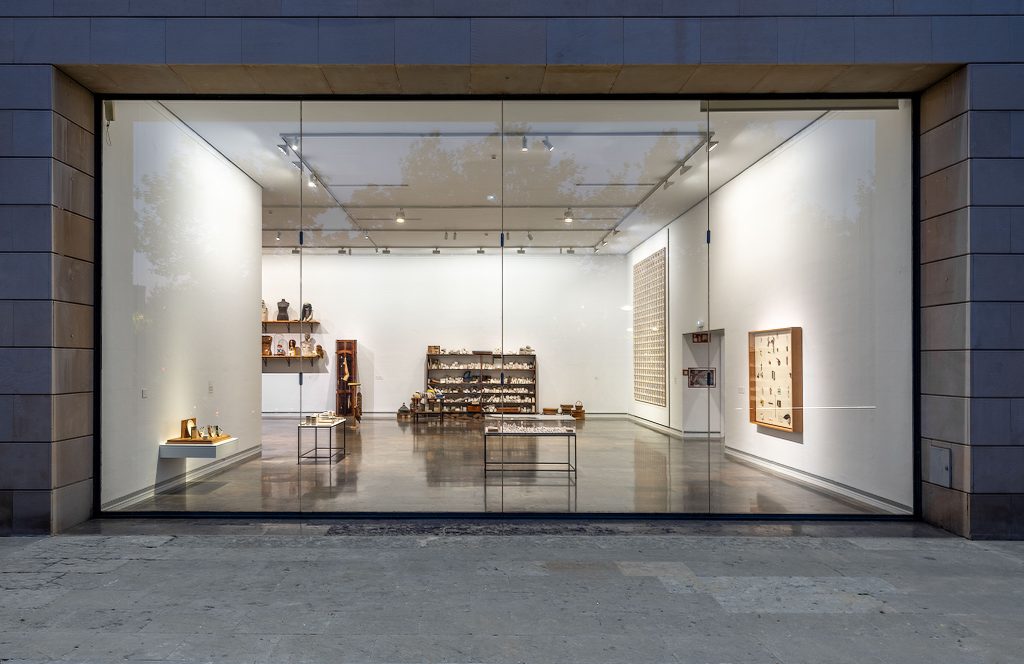
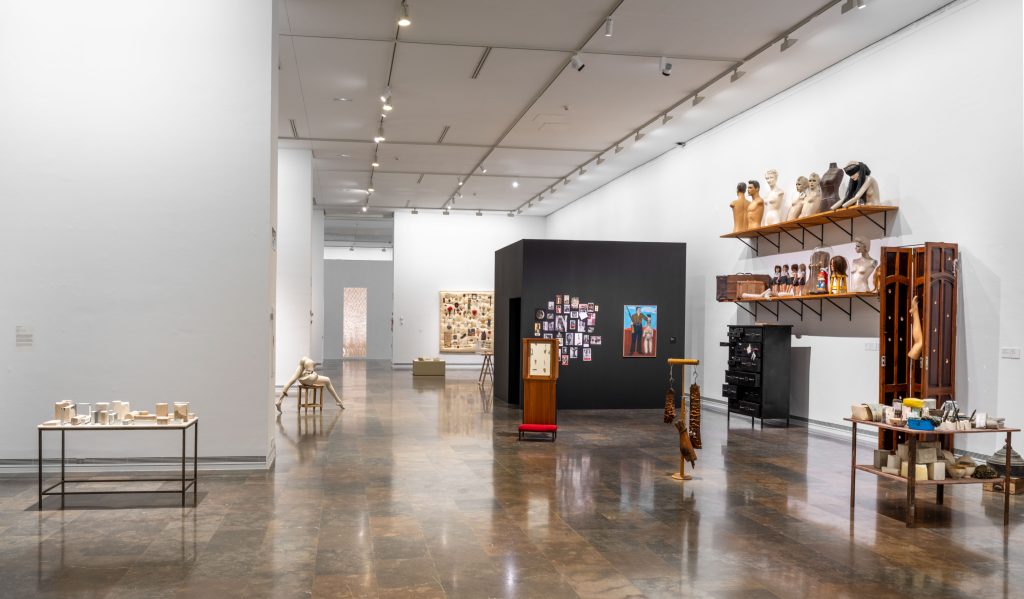
In this exhibition, the central nave of Gallery 1 presents a re-creation of the artist’s studio, a jumbled scenario in which the artworks cohabit with shelves, dolls, magazines and fragments of diverse objects and mannequins; images and references that, like a cabinet of curiosities, becomes the real cornerstone of her work.
A notable place within this exhibition is occupied by Carmen Calvo’s critical look at women’s oppression and inequality. A reflection that the artist has intensified during the past decade through the use of photographic images that she has rescued and taken part in and that show us, in a very direct manner, silenced women, mistreated in their everyday work, festivities and families. Hidden and oppressed faces under cloths, rags, ropes and the enigmatic remains of toys.
28 apr. 2022
IVAM Centre Julio González
share
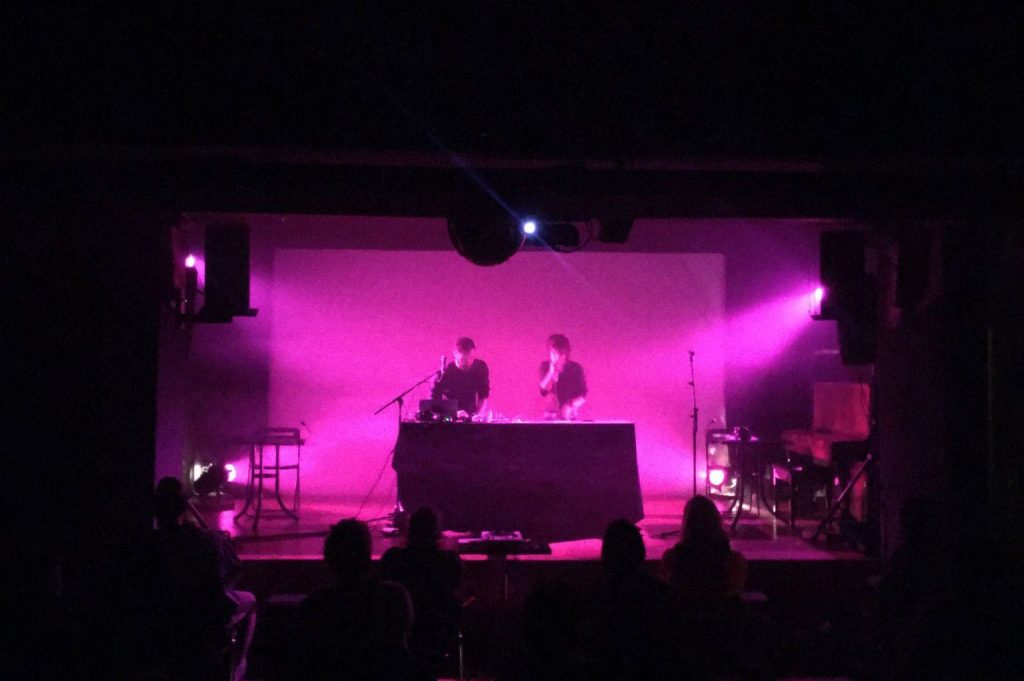
Part of the Ensayos sobre lo cutre. Lecturas del archivo Miguel Benlloch (Essays on seediness. Readings from the Miguel Benlloch archive) exhibition and the programming around the Day of Dance, IVAM presents the performance Negro (Negro Live set) y Rossa (RSRJ RJRS) by María Salgado and Fran MM Cabeza de Vaca.
Both pieces explore moments of subjective and collective disobedience, not through speech, but through aesthetic materiality of some audios and some texts. Negro (Negro Live set) talks about desire as a driving force from poems with luxurious language, snippets of a political manifesto with the form of a poem, putting videoclips into words and extreme lyrical loops; while Rossa (RSRJ RJRS) akes binary classifications of gender and identity to the extreme to dissolve them and rave about them using a combinatorial analysis (Gertrude Stein and Steve Reich).
To finish, a lullaby composed from the one that Lorca and La Argentinita recorded in 1931, invites us and alerts us to the dangers offered by the world after sleep, saving the power of encouragement and re-enchantment that this type of songs have by definition. Outside of the pre-recorded meanings and the tones homogenized by the discourse about order, a listening experience opens up in the body. Desire + Dissolution + Re-enchantment > an imagination.
Duration: 45 minutes
Creation and Performance: María Salgado and Fran MM Cabeza de Vaca
Biographies
María Salgado (1984) and Fran MM Cabeza de Vaca (1976) have worked together in Madrid since 2012, drawing from an idea of audio text as an intersection between poetry, language, sound art, music and performance. The area of research, entitled Hacía un ruido (Towards a noise) (2012-2016), which focused on the cycle of political disobedience of 2011, resulted in graphic self-published posters and pamphlets, a book, a CD, an instrumental ensemble piece, an audio installation that lasted for two months, and a hybrid recital that toured around various spaces and contexts in places like Madrid, New York, Barcelona and Guadalajara (Mexico). Jinete Último Reino (2017-en curso),(2017 – ongoing), the research area in which they are currently immersed, looks at sexual and gender dissent. It originates from an instrumental piece whose score was published in the Present Tense Pamphlets In relation to this area of research, they have also produced a sound piece for the Reina Sofia Radio, posters (Manifiesto, 2018), scores, and two 60-minute performance pieces: Frag. 3 y Frag. 2, which premiered in Matadero (Madrid, 2017) and at the MACBA (Barcelona, 2019) respectively. Both have toured, and continue to tour, various theatres, museums and festivals. They recently produced Frag. 1 of the trilogy, a work that premiered in November 2021 in the Sala Negra (Black Hall) at the Teatros del Canal theatre, within the Autumn Festival. Around this, they have produced an audio-visual piece entitled ‘Nana de esta pequeña era’ (This little era lullaby), commissioned by Pedro G. Romero for the Bergen Assembly (Norway, 2020), exhibited as an installation at the WKV Stuttgart (Politics of life, 2020), and the octophonic installation, ‘A la poesía la llama lengua a la lengua la llama continuidad…’ (Poetry is called language, language is called continuity), recently exhibited within the Komunikazio-inkomunikazio at Tabakalera (Donostia, 2021).

26 may. 2022 – 16 oct. 2022
IVAM Centre Julio González
floor B, G3
share
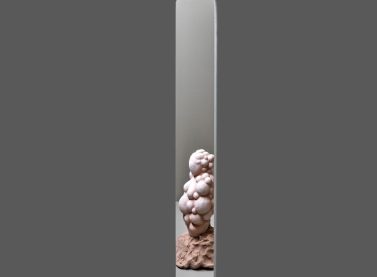
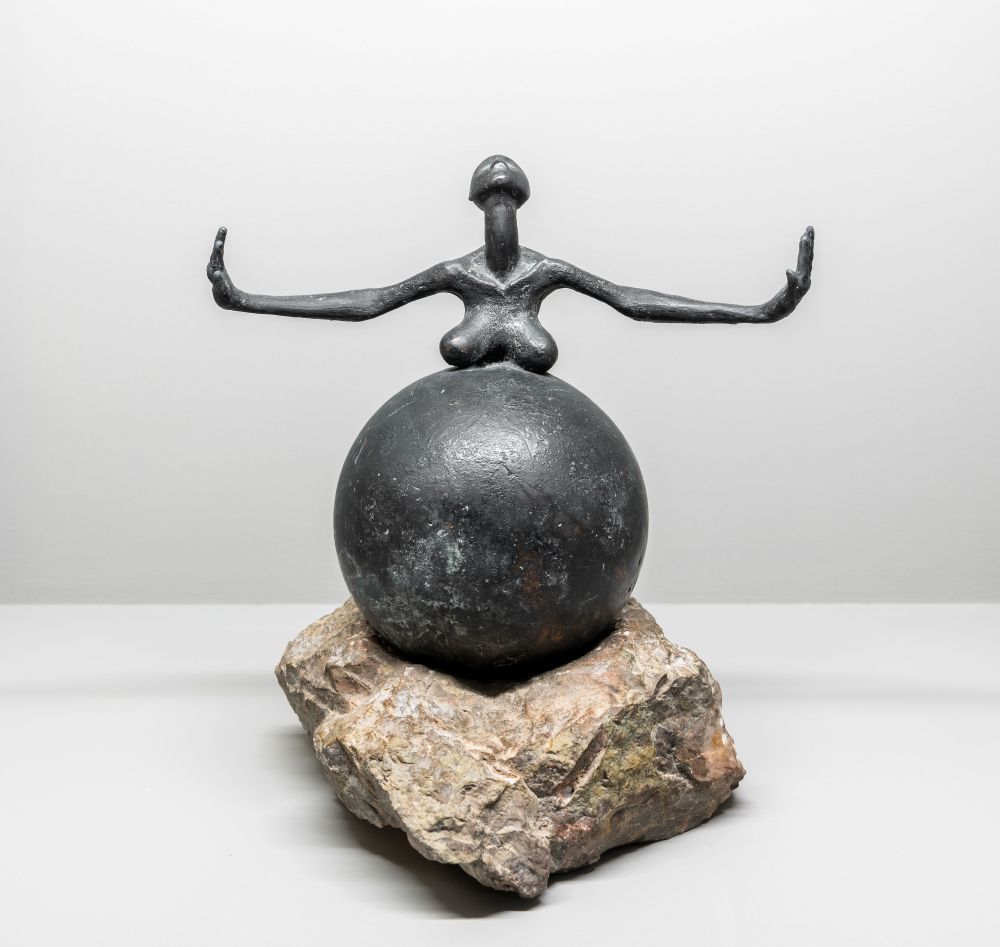
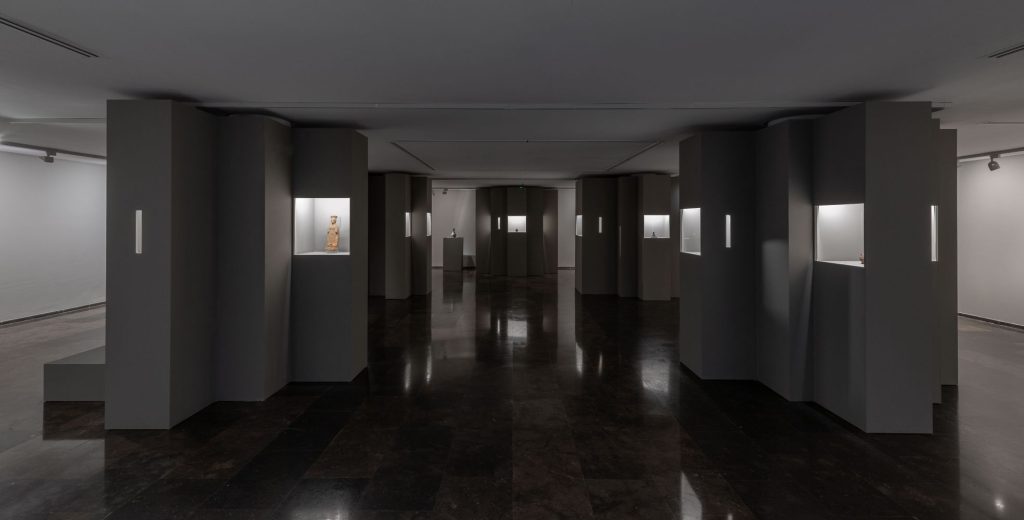
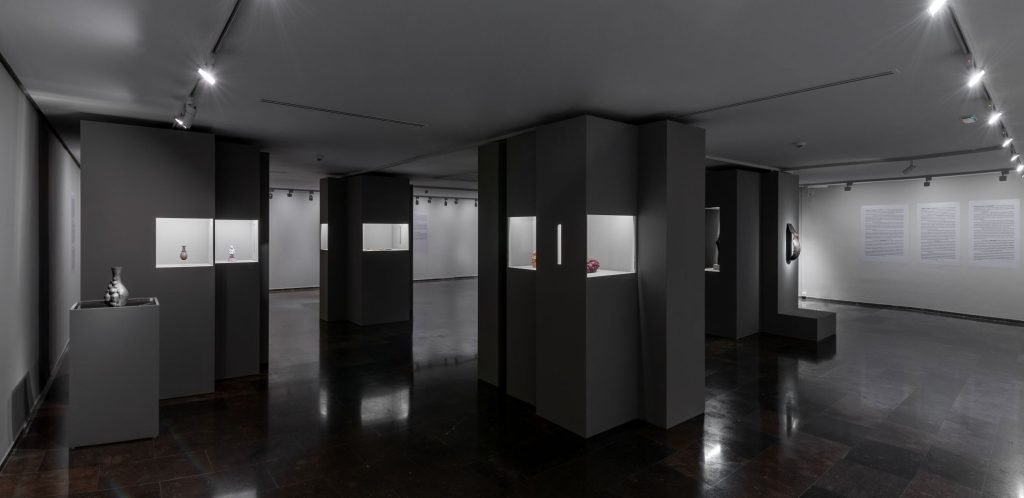
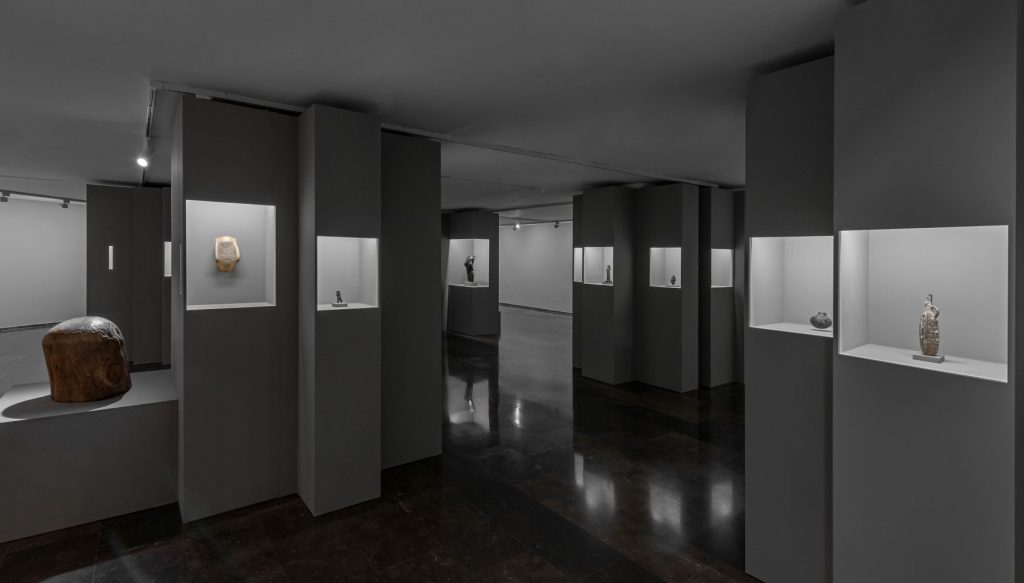
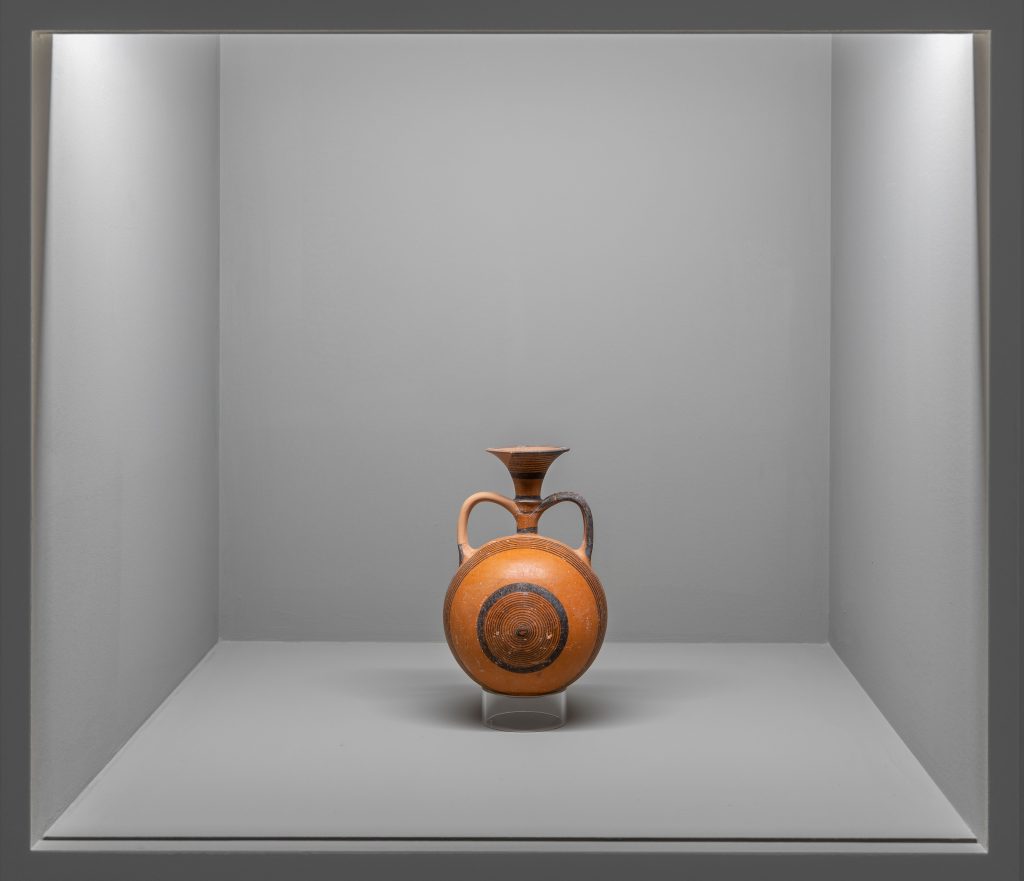
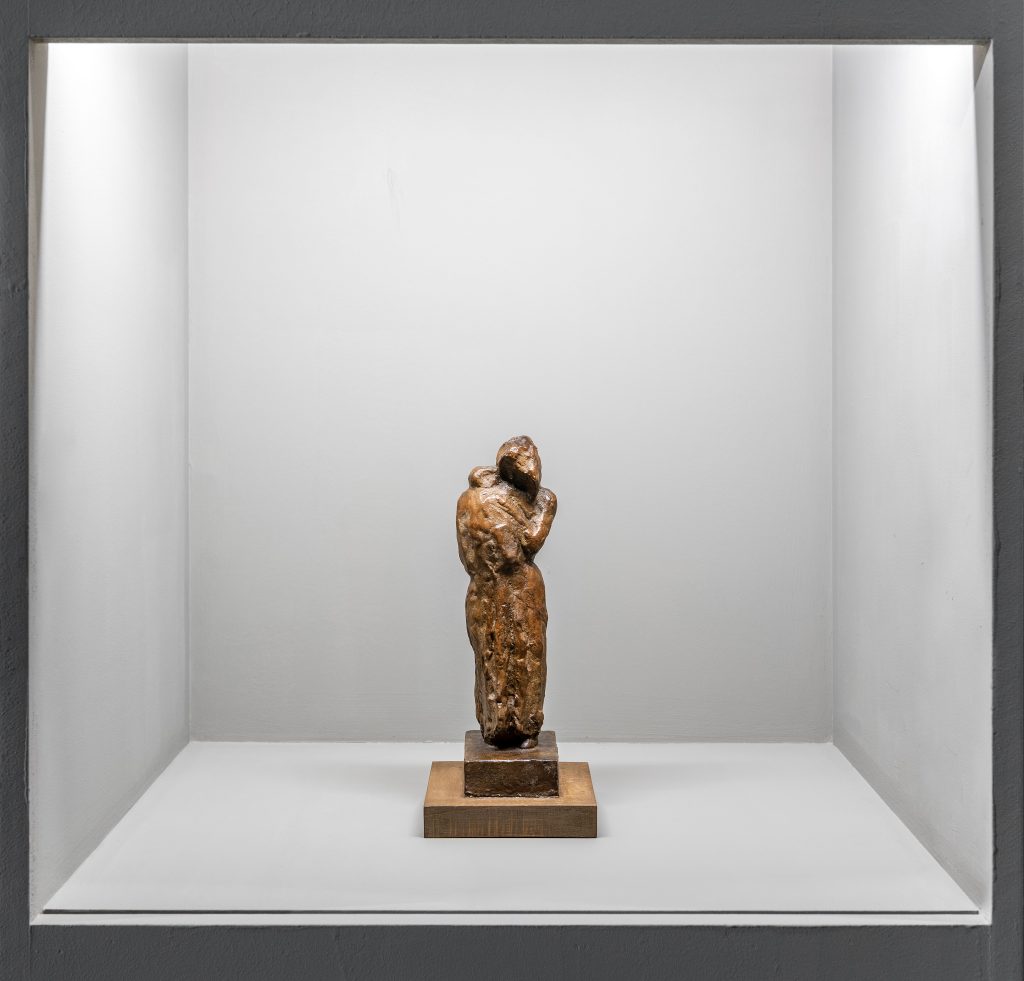
The exhibition Mar Arza. A pesar / A saber / A tientas (In spite / In short / In darkness) is a specific project by Mar Arza for Gallery 3. Designed as an installation, which has brought together archaeological pieces that are displayed in dialogue with works by Julio González and works by the artist herself. By juxtaposing some of these examples of cultures of different geographical and temporary origins, you can perceive one continuous thread in the gestures and nuances of the human condition. Successive clues are shown that hold they hypothesis of the continued existence of shapes: those that are transmitted through time and coexist in the shared imagination.
With a time span comprising seven millennia, the set of pieces brings together diversity and similarity. The body lists its potential and, at the same time, moves to areas of conflict that are related to contemporaneity and where feminine subjectivity plays a fundamental role, not just from the present.
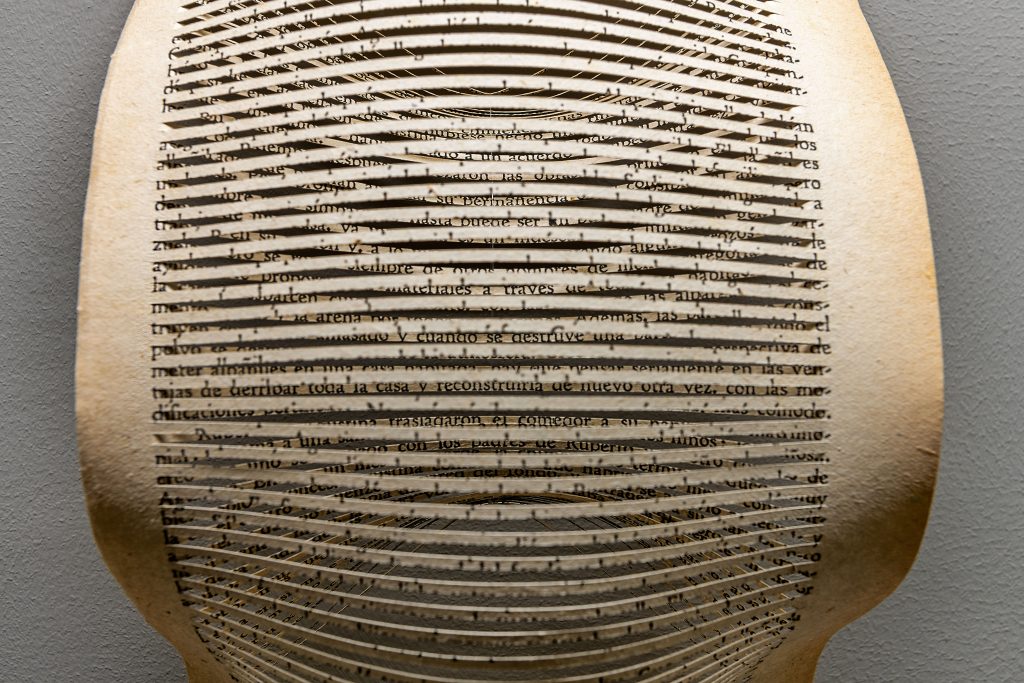
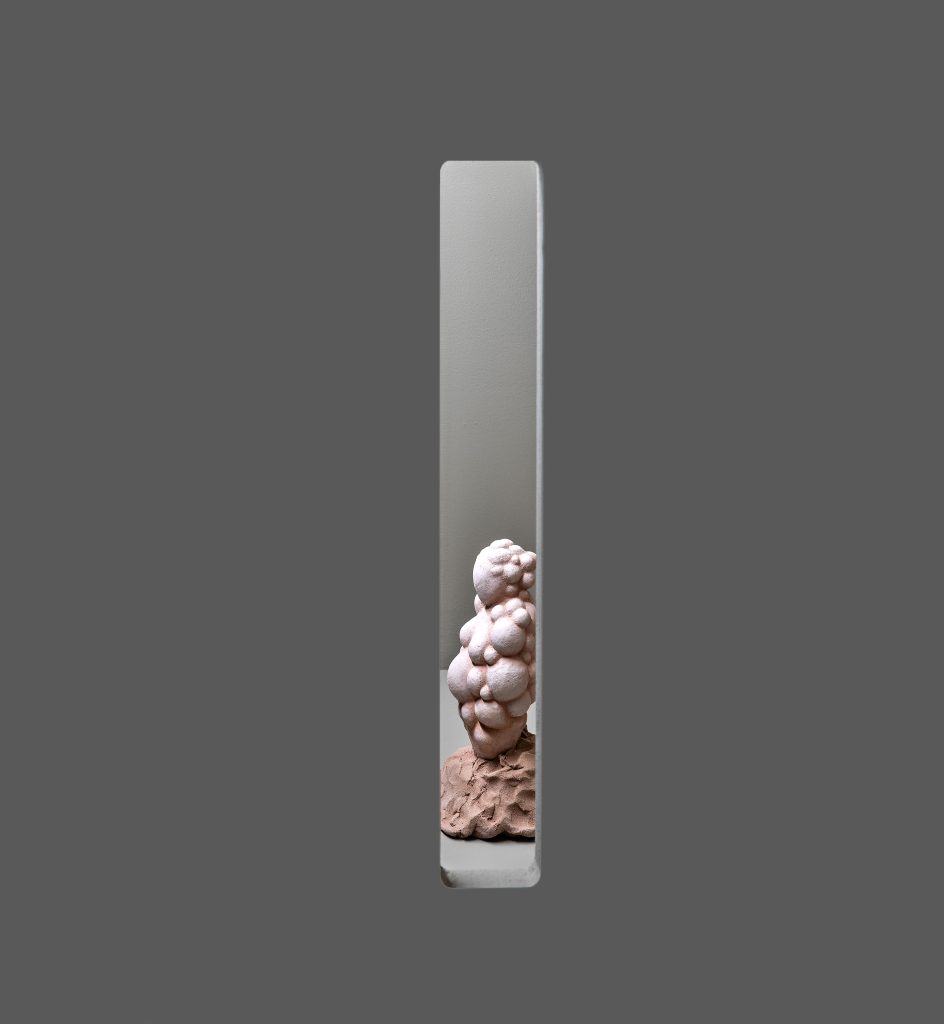
The selection of works by Mar Arza reveals a line of work where reflection of the pregnant body includes a substrate which has been prolonged over the years in a transversal way, taking different approaches and using different materials. Brought together in this exhibition through a device which conditions your perception and reading, the sculptures broaden the echo of their dysfunctionality.
12 may. 2022 – 26 jun. 2022
IVAM Centre Julio González
share
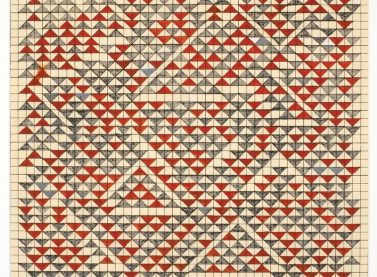
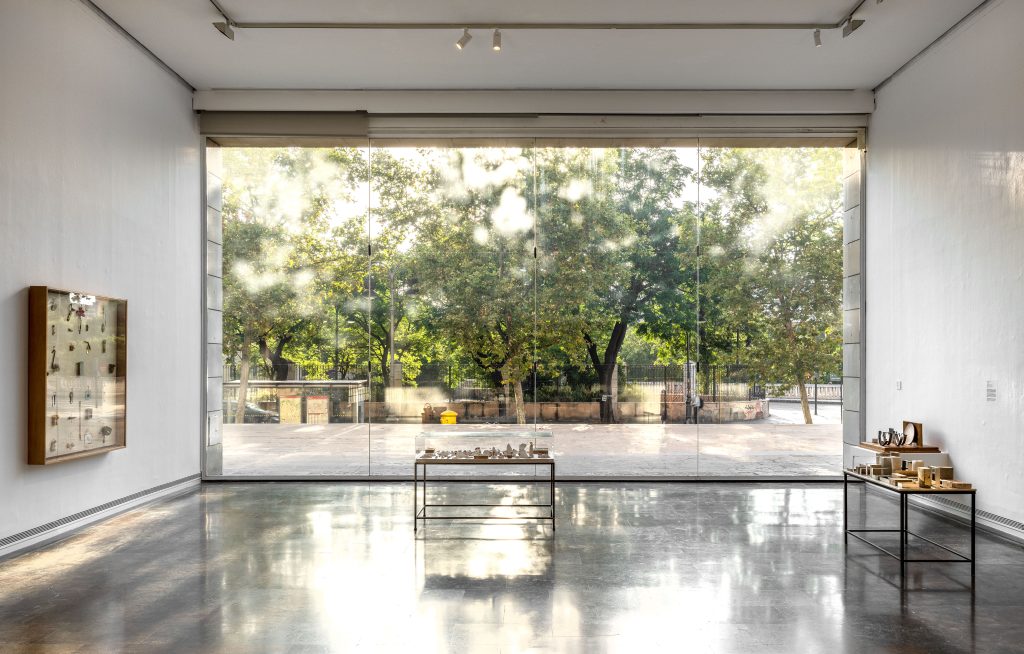
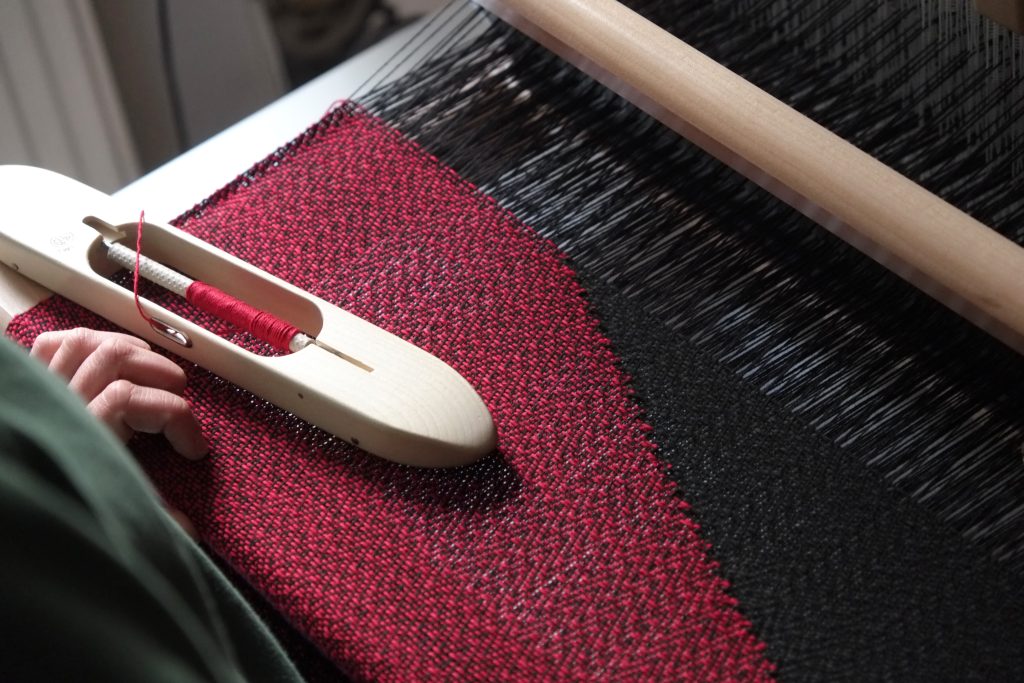
Part of the exhibition Anni and Josef Albers. Art and life, we have invited artist Andrea Canepa to hold a talk with the work of Anni Albers, the result is a specific piece, On weaving, which can be seen in the hall at IVAM
“I love the idea of writing with threads, of reading by touch. When humans began to write, language – which, at the time, only existed in our body (our mind, our voice) – acquired a separate existence as an artefact, as an abstraction. I think about the material nature of paper and how ink doesn’t alter its structure. I think about information stored digitally, and about how its material support is almost irrelevant: the same data can be stored nowadays on a chip, yesterday on a magnetic tape and before that on punch card. I imagine writing with threads as a way of anchoring the language of the material world, giving it a single body that it can no longer be separated from, because the structure that shapes the fabric is the information on it.
The piece On Weaving is part of that desire to write with threads. To do this, I use the connection between the history of textiles and the history of computing. The art of weaving is a mathematical question, it is about understanding patterns and structures. Weaving is the original binary system: warp and weft, passing over and under translate easily into on and off, ones and zeros. In this piece, the characters of the alphabet are transferred to a textile pattern based on binary code to transcribe the first chapter of the book On Weaving by artist Anni Albers.” Andrea Canepa
Andrea Canepa
On weaving
Two pieces of loom-woven textiles with cotton thread
600 x 78 cm y 400 x 78 cm
2022
Andrea Canepa (Lima-1980) began her studies in Fine Arts at the Catholic University of Peru and completed them at the Polytechnic University of Valencia, where she graduated with a master’s degree in Visual Arts and Multimedia. In 2020, she received a research grant from the Senate Department for Culture and Europe in Berlin. In 2014, she received the ARCO Community of Madrid Award for Young Artists and the Miquel Casablancas Award; in 2013, she won the Generaciones Award and the Endesa Grant for Plastic Arts in Spain. She has worked as an artist in residence at Gasworks- UK, MATADERO – Spain, Cité des Arts – France, Tokyo Wonder Site –Japan, Beta Local- Puerto Rico, Bauhaus Master’s Houses– Germany, Jan Van Eyck Academie – Holland and at the Spanish Academy in Rome – Italy. Her works form part of collection such as CA2M, IVAM, the Provincial Museum of Teruel, and of Foundations such as Endesa, Montemadrid, DKV and Inelcom (Spain), Bauhaus Dessau Foundation (Germany) and MASM (Peru).
11 may. 2022
IVAM Centre Julio González
share
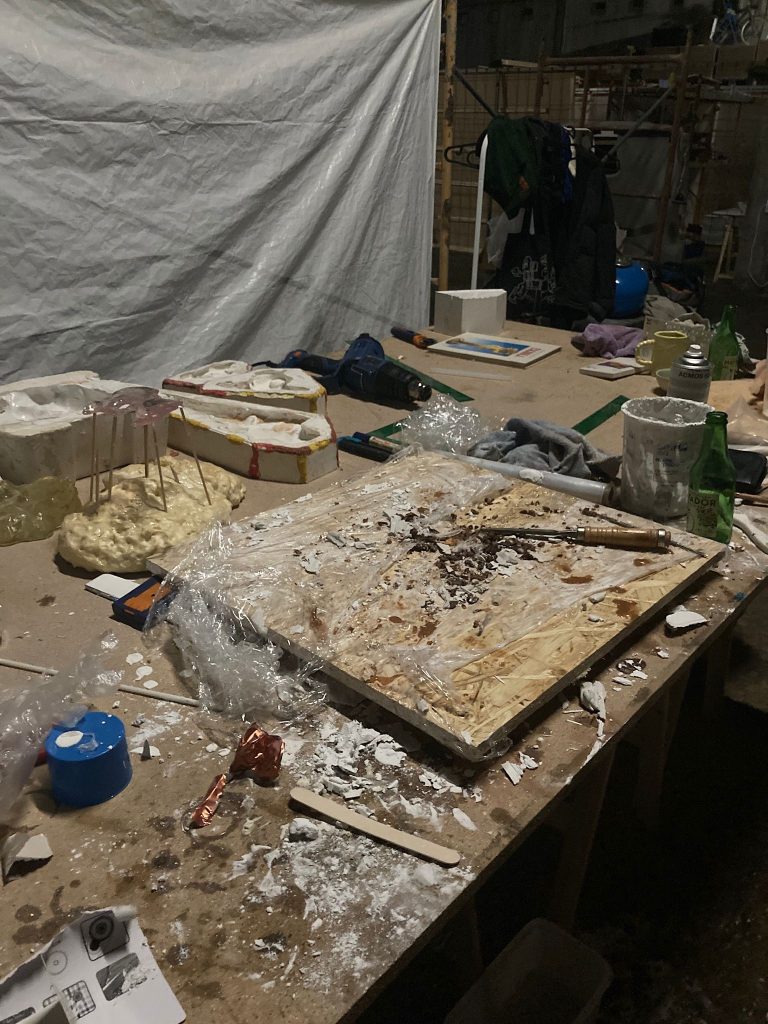
Claudia Dyboski, an artist from the Art and Context Program, invites the Valencian sculptor Óscar Carretero to share a workshop to rethink the materials and discourse that they each share in their art practice.
«Trash» is a sculpture workshop using recycled materials and found objects. Óscar Carretero and Claudia Dyboski propose an approach to art production without resources, without rules, without technique. They affirm that «the use of waste objects within their projects is very common among young artists, as much because of an evident scarcity as a real fascination for waste, and to show the public the potential that it has as a medium for sculpture».
Óscar Carretero marks his art practice with his roots, a town on the Valencian coast that is both traditional in character and set in its ways. After an avalanche of ideas and the need for new ways of expression, the backbone of his work revolves around the mechanization of emotions through sculptural prosthesis that interacts with its corporeality in an intimate and visceral way, and which has a performative and aesthetic nature. Through industrial and mechanical materials, he manifests a synergy between a more calculated functionality and a record that is open to error.


09 apr. 2022
IVAM Centre Julio González
share
Grammatical gastronomies with @cocinasmigrantes (migrantkitchens)
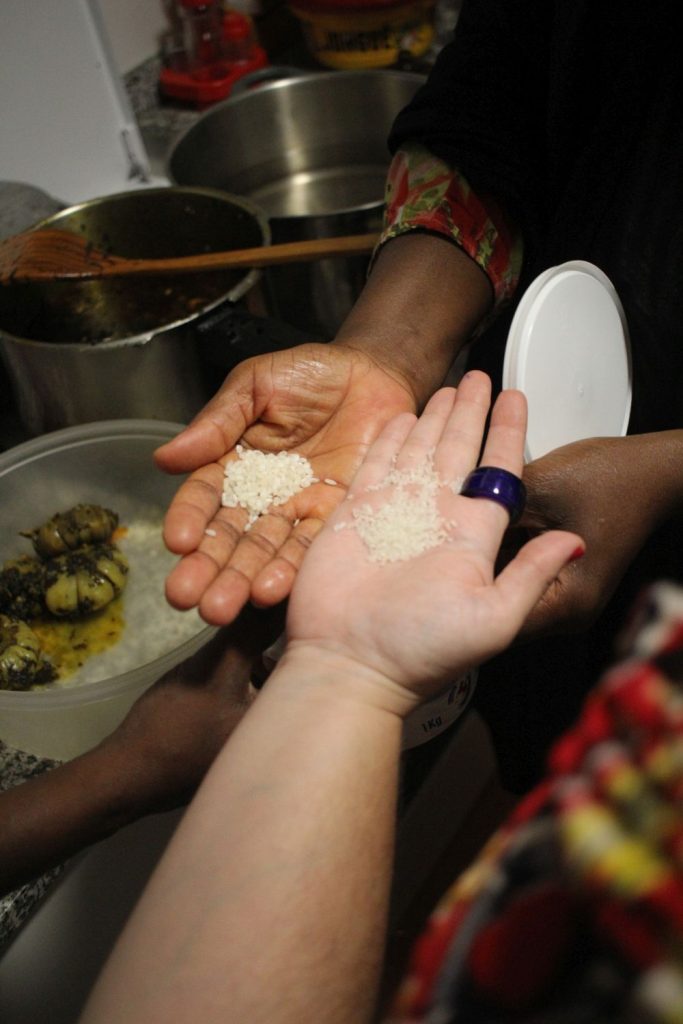
@cocinasmigrantes proposes gastronomy as a tool for opening spaces for dialogue and intercultural gatherings. The ingredients, flavors, recipes and culinary processes help to energize this experiential and participatory session in which we reflect on identity, migration and memory through food.
This activity is proposed as an experiment with grammatical gastronomies, those inner structures that, in the same way as language, operate to give meaning and order to our social and natural experience. We use different sound, visual, tactile, linguistic and, of course, tasting applications as ways to mediate among the participants and the elements of migrant gastronomies to build new grammatical structures as potentially fluid and open identities.
We address the case of the Afghan diaspora through the technical and culinary support provided by Najib and his family, who will invite us to sample their gastronomy at the end the activity.
There will be printed copies of the Gastronomic Guide of migrant Valencia, a project that captures the research process that preceded this activity, and we will give these out to every participant.
Practical information:
15 mar. 2022
IVAM Centre Julio González
share
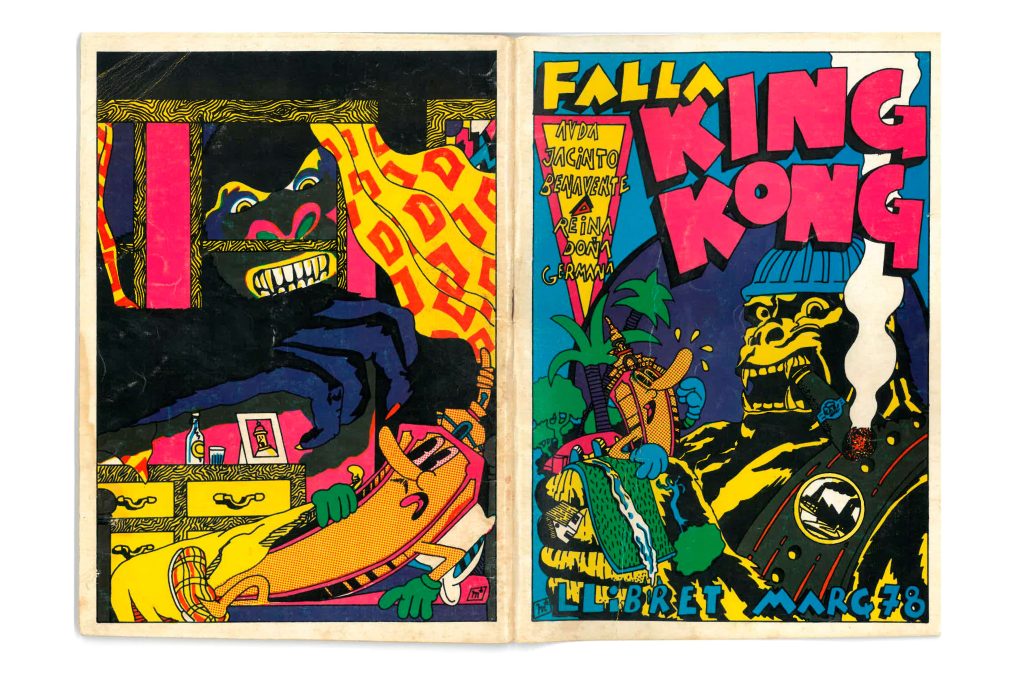
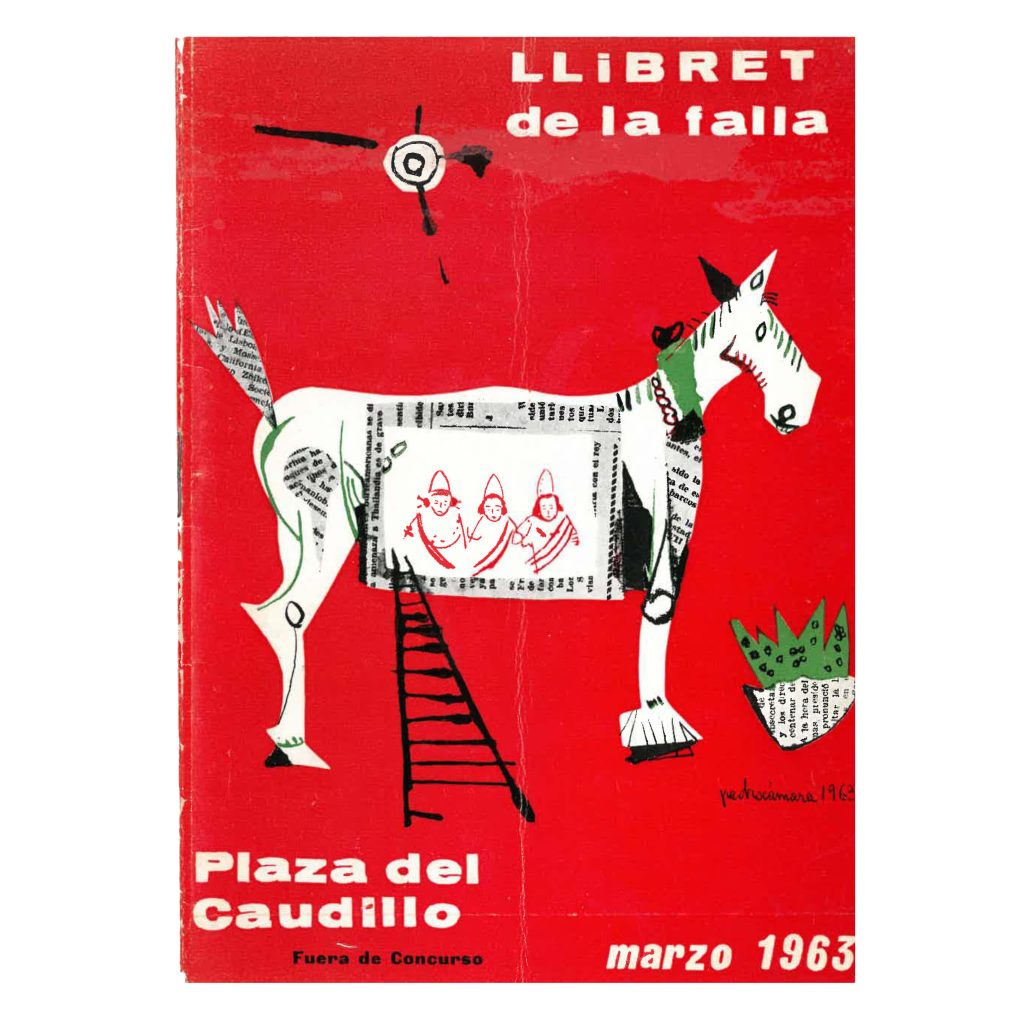
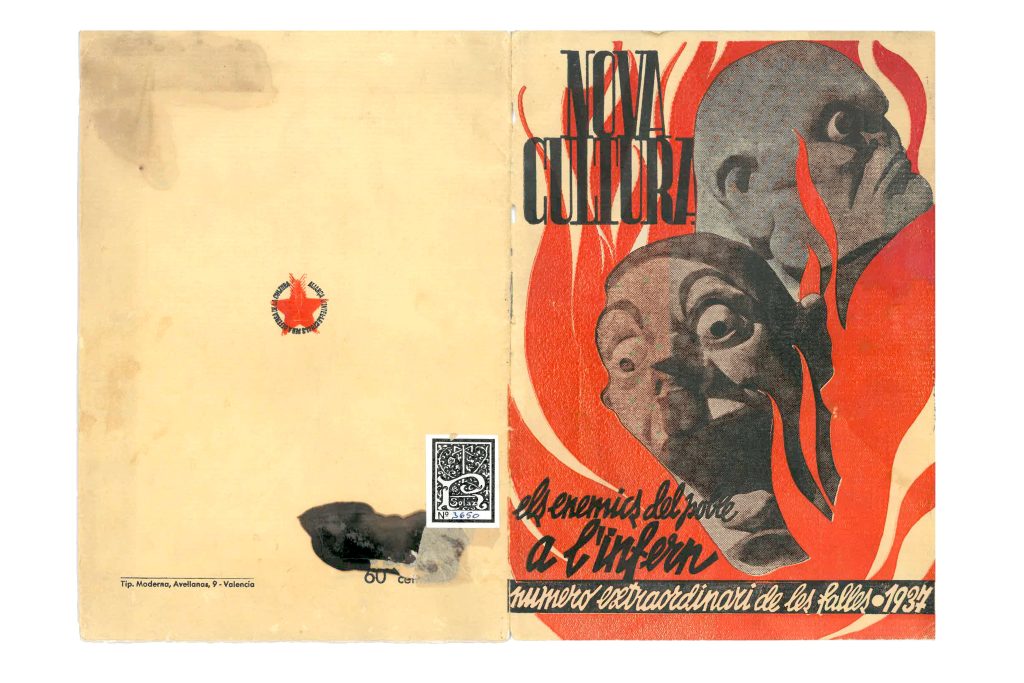
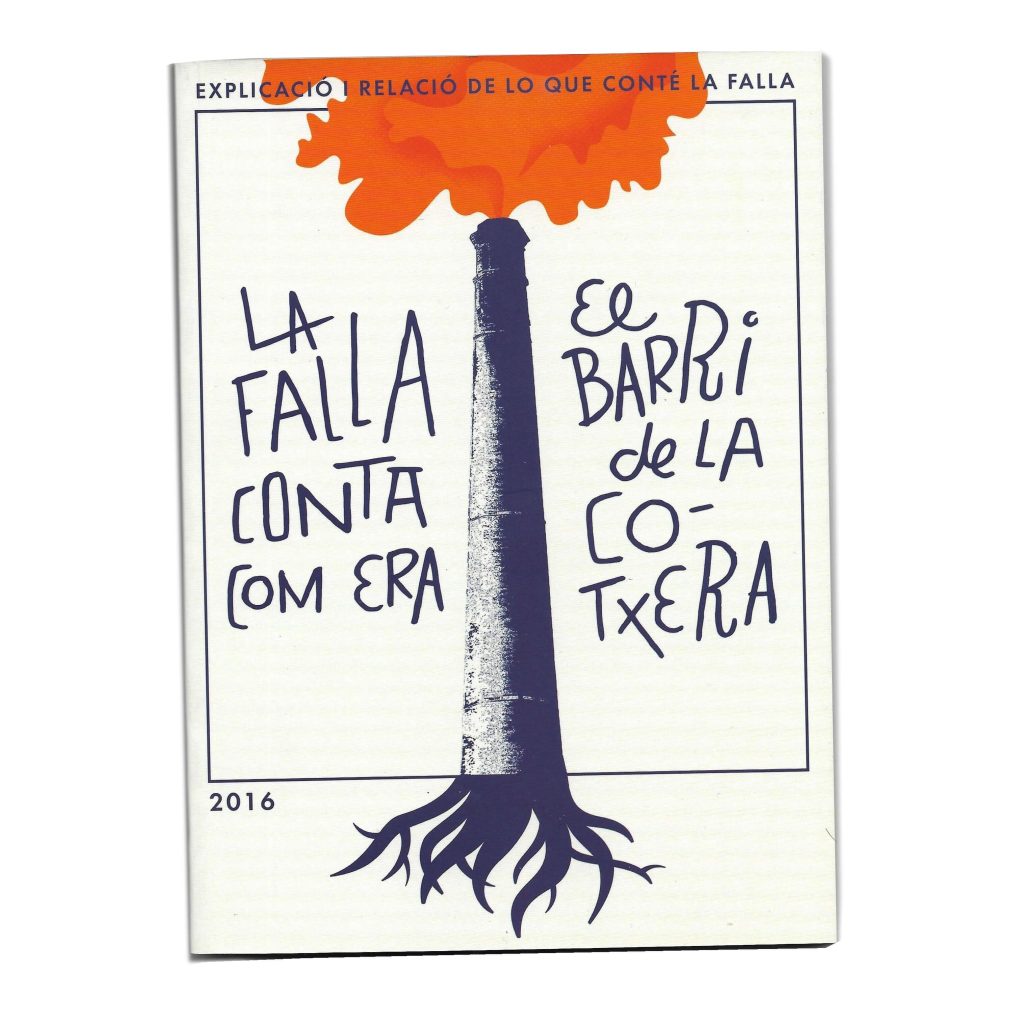
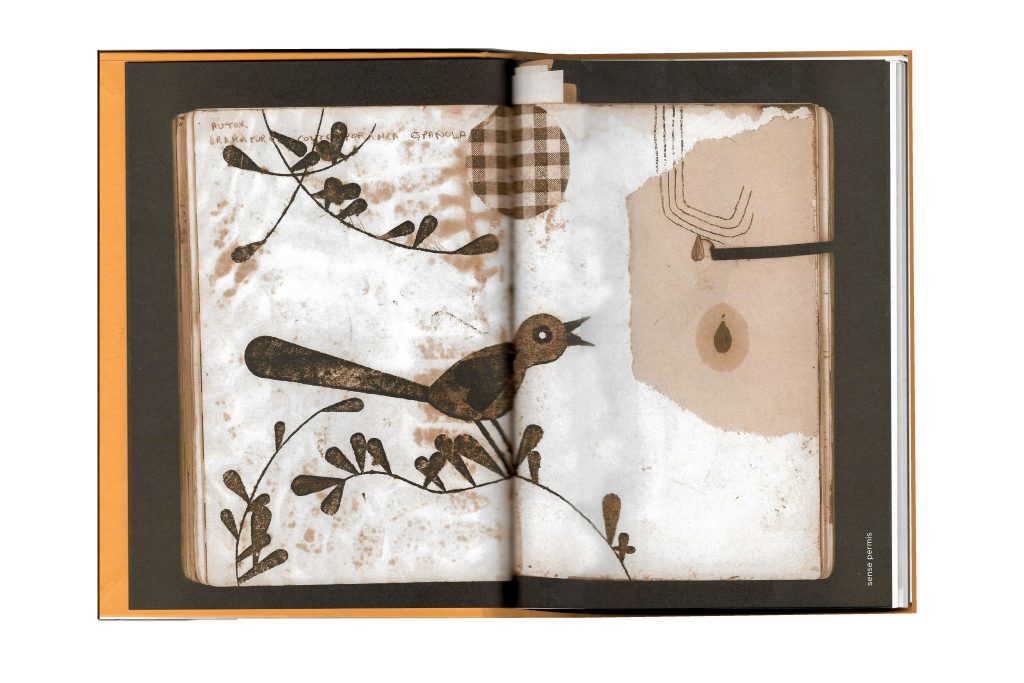
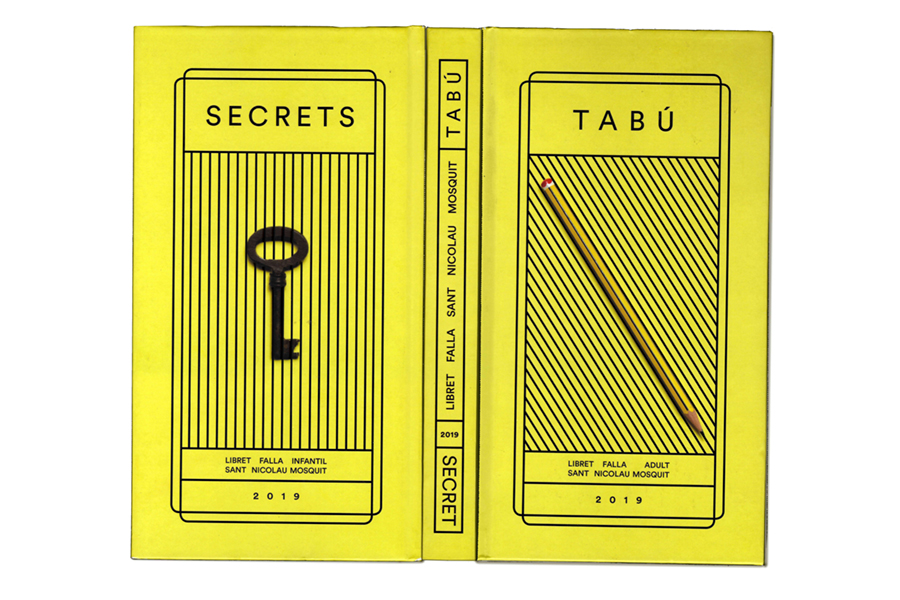
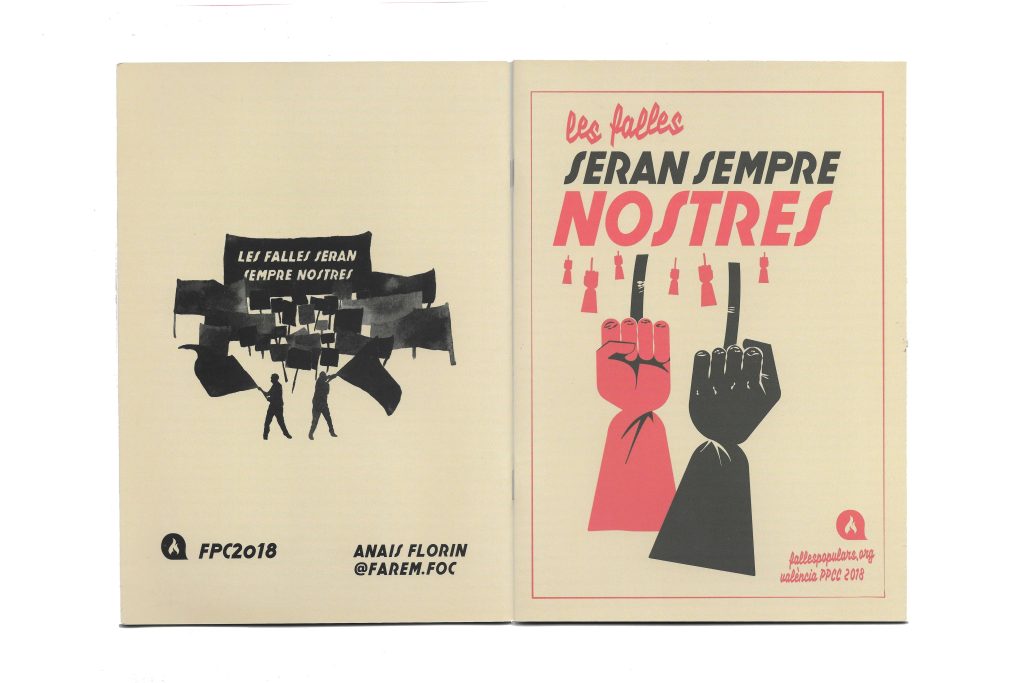
IVAM presents El llibret de falla: una oportunitat cultural, a cultural project directed by Ricardo Ruíz. Halfway between a temporary library and an archive under permanent construction, the llibret de falla contributes to placing value on a rich and vast collective heritage that lies hidden in the presence of other manifestations of the falla. This library gathers examples of different houses and country houses spread around the town, it underlines these productions as a genuinely local literary genre, as a space for free expression which has given and continues to give a space to poets, writers, illustrators, photographers, designers… but above all, that it is born and is sustained by the impulse of the collective.
The opening conversation for the installation is led by Ricardo Ruiz, along with Josep Lluis Marín, the director of the exhibition “El llibret de falla (1850-2015). Explicació i relació de la festa” (Explanation and relationship of the festival), Miquel Platero, the developer of the Centre de Documentació d’Art Efímer, Iban Ramon, llibrets designer, Julia Pineda, member of the Asamblea de Falles Populars i Combatives, Elena Muñoz, ex-president of the Falla Mossén Sorell – Corona y Armand Llácer, communications manager at LaImprenta CG.
Tuesday, 19:00 hrs. Carmen Alborch Auditorium

03 apr. 2022
IVAM Centre Julio González
share
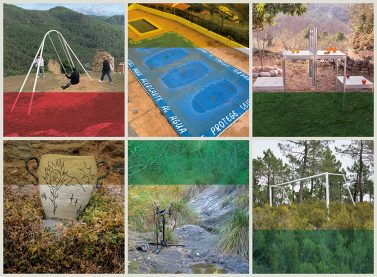
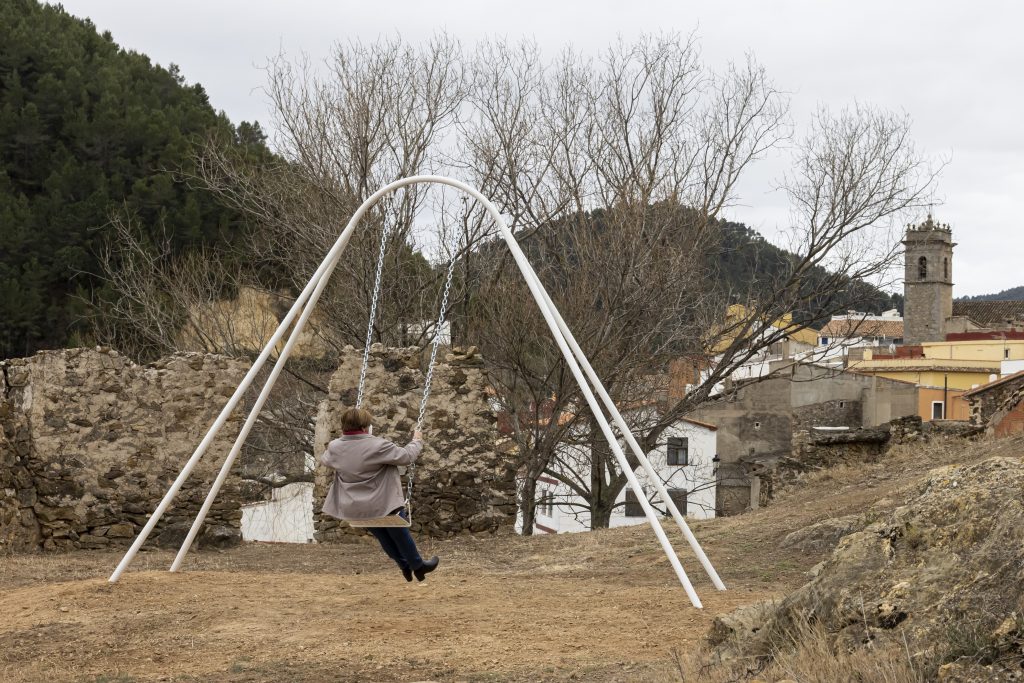
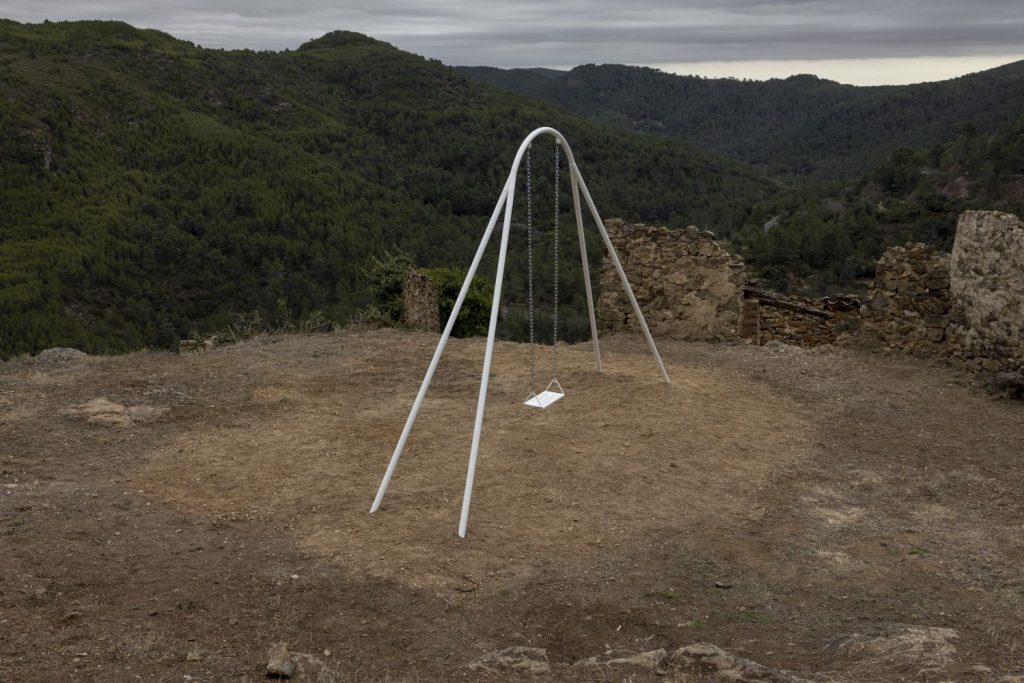
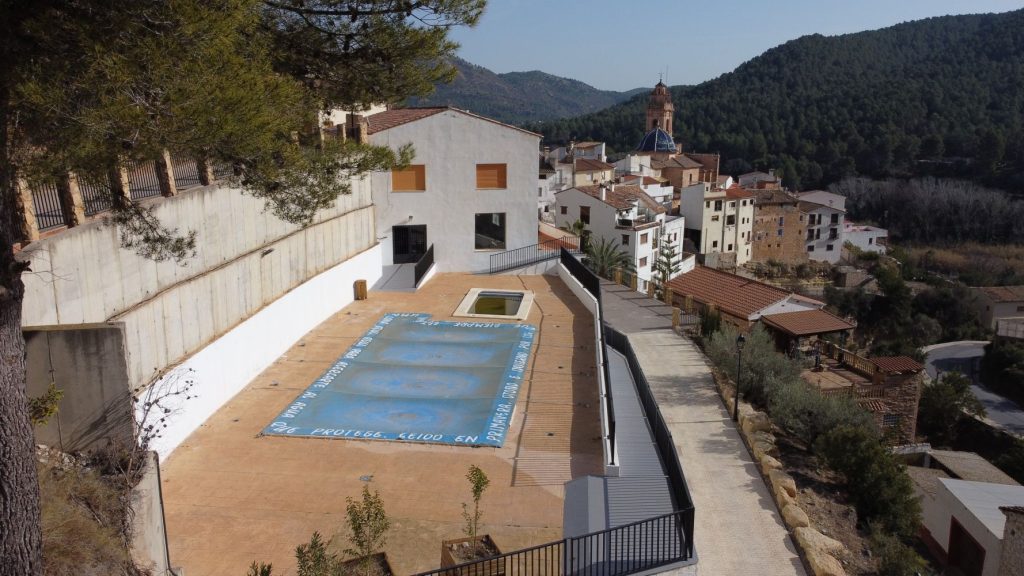
Visit the art interventions of Alto Mijares with Fent Estudi and Carlos Izquierdo. Villamalur-Fuentes de Ayódar (Castellón)
We will connect with the landscape of the Sierra de Espadán Natural Park through the art interventions developed by Fent Estudi en Villamalur and Carlos Izquierdo in Fuentes de Ayódar.
Serás Villamalur invites us to swing in one of the village plots. Your momentum will activate the balance through which you can enjoy the marvelous views of the hills and the locality. At the same time, Fent Estudi will explain their vision of the swing as a memory device connected to childhood and the passing of time.
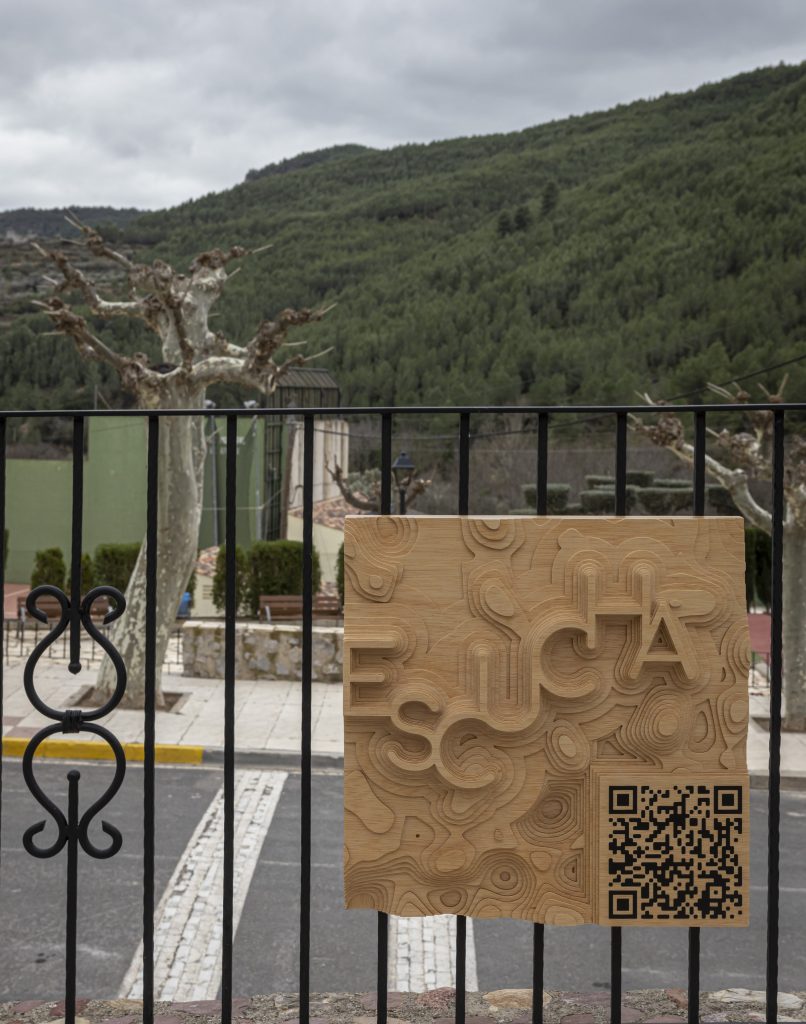
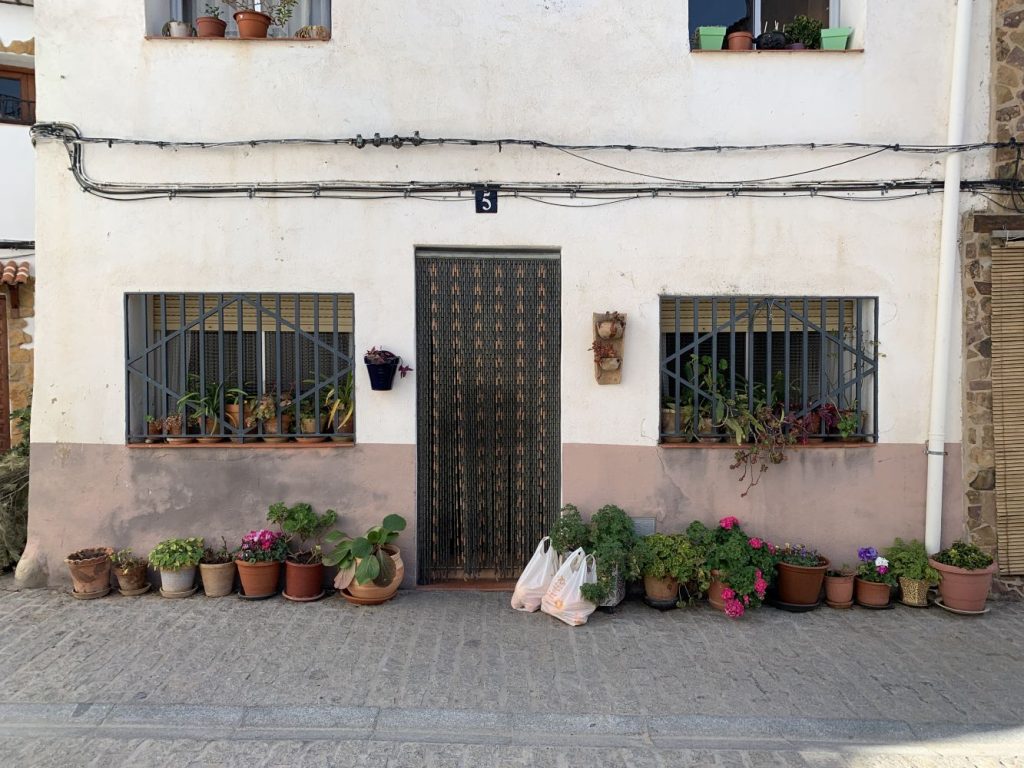
Cauce Aural is a soundpiece through which you walk through Fuentes de Aýodar while listening, connecting and mixing the sounds with the current sounds around you. During the visit, Carlos Izquierdo will talk to us about the inspirations and intentions of his work.
IVAM’s invitation to discover the art interventions in these two small Alto Mijares municipalities is part of the Confluències programe, a project that is being developed from within the line of action L’IVAM al territori.
NOTE: There will be a stop of approximately one hour for lunch. You can either take your own food or try the local gastronomy.

10 apr. 2022
IVAM Centre Julio González
share
Visit the art interventions of Alto Mijares with Sandra Mar and LUCE. Torrechiva-Espadilla-Vallat (Castellón)
We will leave the city and visit the art interventions in three small municipalities of Alto Mijares that have been created within the context of Confluències, a program that is being developed from within the line of action L’IVAM al territori.
From September 2021, the smallest towns of the Alto Mijares region have brought together a selection of artists that have created specific interventions in each locality, after having stayed in the towns for a period of time and having actively listened within these contexts.
In the company of Sandra Mar at Torrechiva and LUCE at Espadilla, we will stroll through these localities to discover the reflections and the results of their research, which have materialized in the respective art interventions of Un Tesoro and Espadilla y su entorno.
During the day, we will visit a third town, Vallat, to sit on the chairs that form part of the art installation Tres arbres i tretze fruites by Laura Palau. This is, most certainly, a space that is conducive to conversation and the exchange of impressions about everything that has occurred throughout the day before returning to the city.
NOTE: There will be a stop of approximately one hour for lunch. You can either take your own food or try the local gastronomy.
24 mar. 2022
IVAM Centre Julio González
share
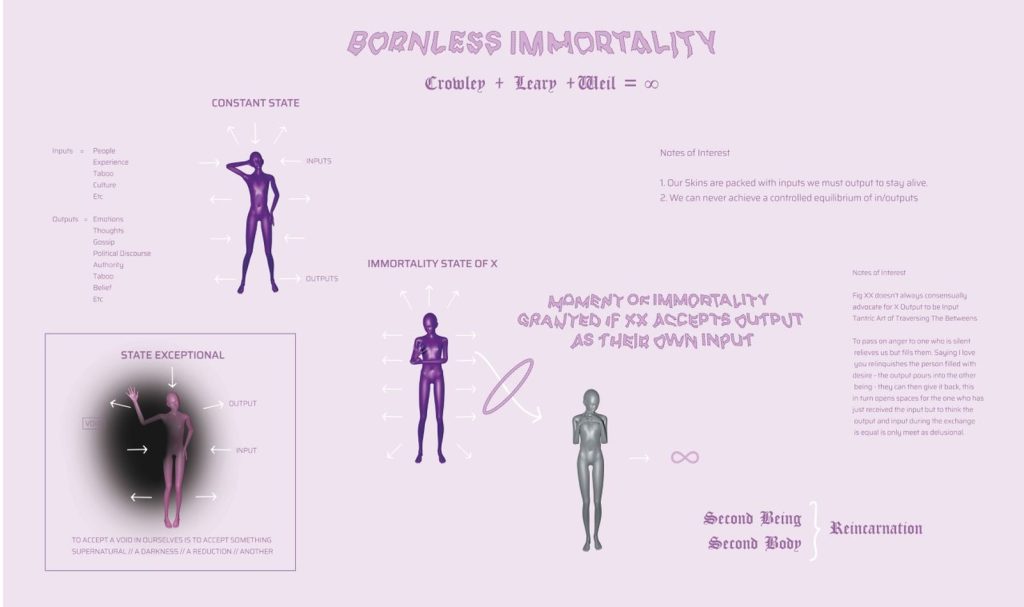
The Art and Context Program offers a session which is led by those invited from the Omsk Social Club. Worlding as Workshop uses the Omsk methodology of Real Game Play, trancing and bodying to create a participatory worlding experiment. Using an infrastructure of decentralized visualization and ways of think for the participants, Omsk Social Club proposes to start a new kind of small group vision, a work which they call “perception as participation”.
The concepts that drive Omsk Social Club are based on questions such as, who has the authority to create reality? Is there subconscious consensus?, and themes such as collaborative narration, immortality without birth and the bleeding space.
You do not require any previous experience to take part in the workshop, it will not be documented, and you will need to be present for the complete duration of the workshop.
Please bring your own yoga mat with you.
Biography
The work of Omsk is created between two vivid worlds: that of life as we know it, and that of role play. These worlds merge into one. This is where Omsk positions its speculative fictions, through immersive installations that move within the space for which, in 2017, they coined the name Real Game Play (RGP). Their work attempts to induce states which could potentially be a fiction or a reality that has not yet been lived.
Omsk works in close collaboration with spectator networks: everything is unique and unrehearsed. The installations they create examine virtual egos, popular experiences and political phenomena, allowing the works to become a dematerialized hybrid of current culture, along with the unique personal experiences of the participant. In the past, Real Game Play at the Omsk Social Club has introduced landscapes and themes, such as otherkin, the rave culture, survivalism, catfishing, desire&sacrifice, positive trolling, algorithm strategies and decentralized cryptocurrencies.
They have exhibited in numerous institutions, galleries, theatres and spaces throughout Europe, such as the Martin Gropius Bau, House of Electronic Kunst Basel, HKW, Berlín, Seventeen, London Volksbühne, Berlín, Stroom den Haag, Den Haag Netherlands and Light Art Space Berlín. They have taken part in the CTM Festival (2021), 34th Biennial in Liubliana (2021) 6th Biennial in Athens (2018), Transmediale Festival (2019), The Influencers (2018) and Impakt Festival (2018). In 2021, they were co-curators of the 7th Biennial in Athens with Larry Ossei-Mensah.