Collection History


The IVAM Collection is the core of the museum and provides a fundamental foundation for its programme. In its early years, the combined acquisition and donation of a substantial part of Julio González’s work (1876–1942), together with the donation of works by Ignacio Pinazo (1849–1916), endowed the museum with a highly valuable legacy and directed it towards a reflection on modernity that had been largely absent in the Valencian Community until then.

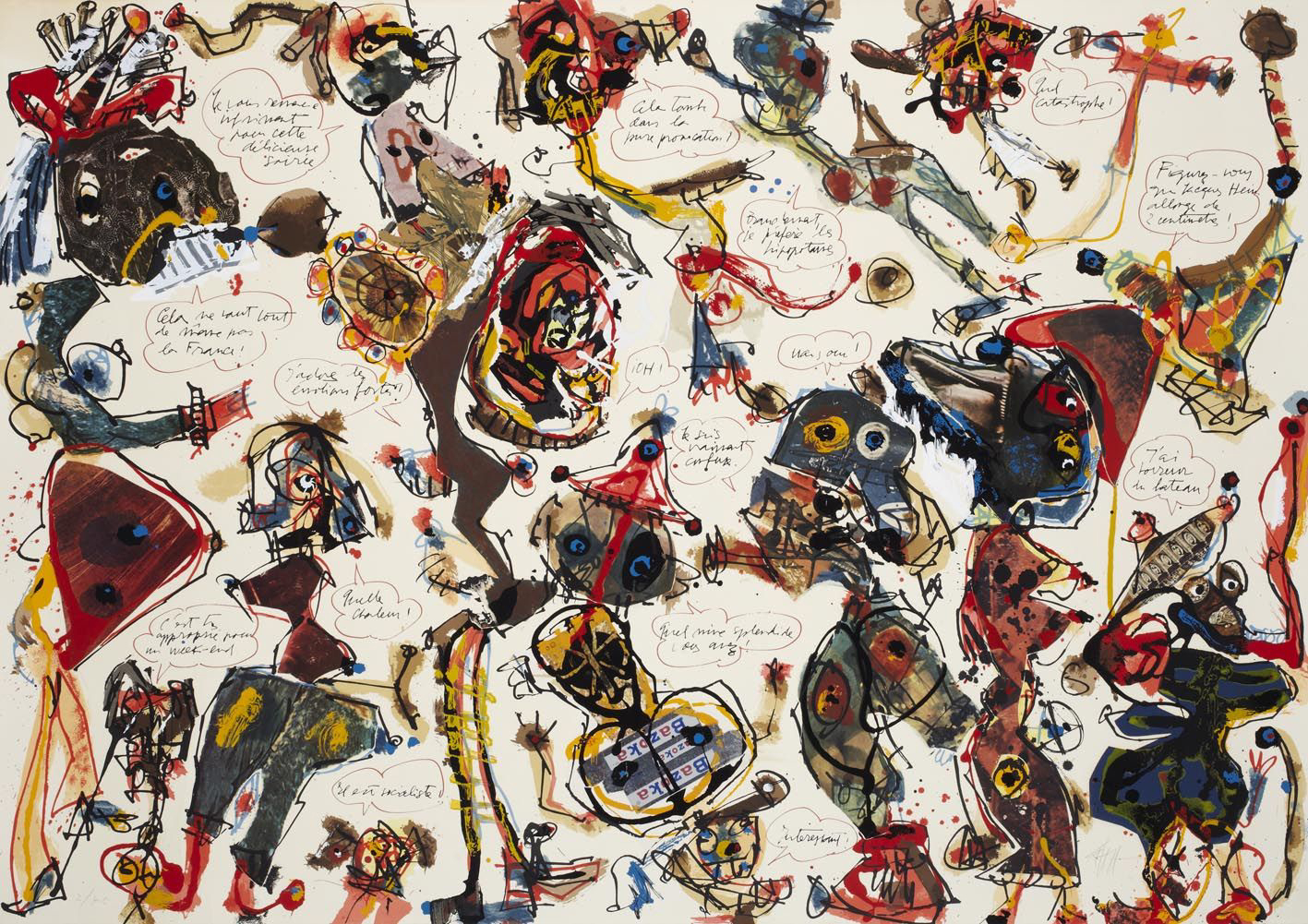
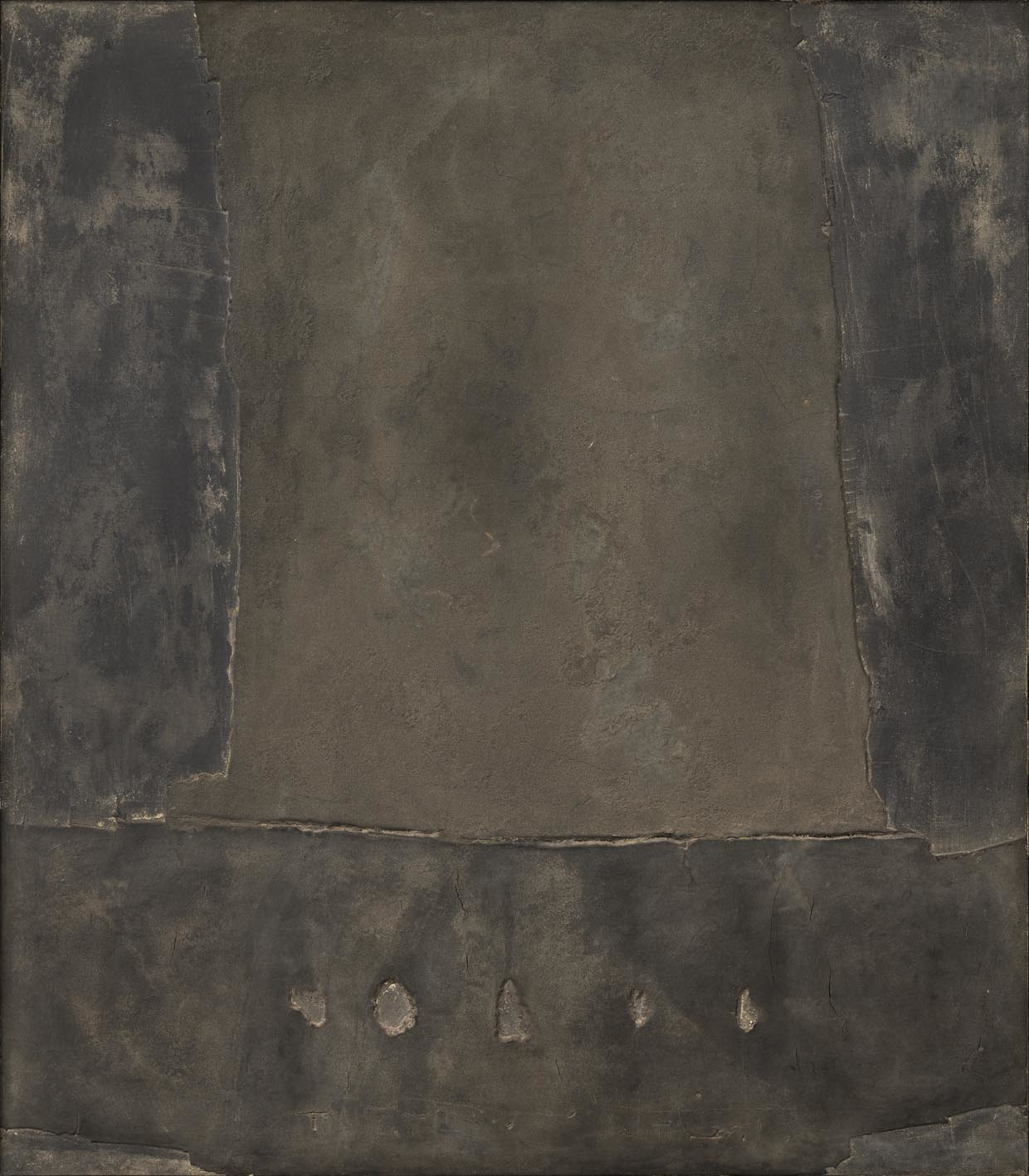
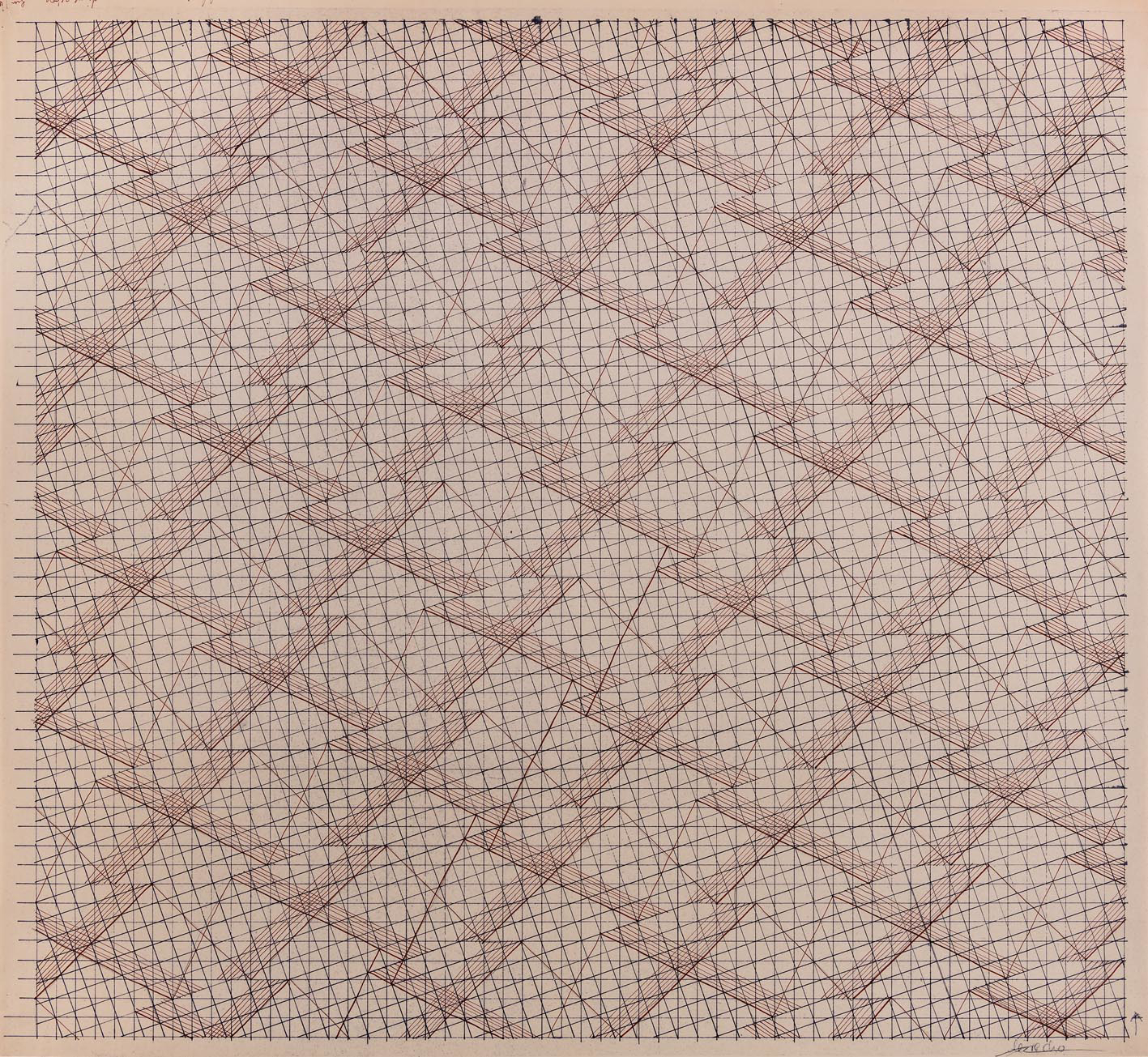
The IVAM Collection began to take shape in 1984 with the acquisition of works by Eduardo Arroyo, Equipo Crónica, Antoni Tàpies and Eusebio Sempere. However, its founding milestone came in 1985 with the incorporation of an extensive group of works by Julio González through the purchase and donation made by his heirs, Carmen Martínez and Vivianne Grimminger. The presence of this artist, associated with the historical avant-gardes, was decisive in shaping the narrative of the Collection and establishing a bridge between international modernity and the Spanish context.

The inclusion of Ignacio Pinazo as another of the pillars of the museum’s holdings made it possible to highlight the Valencian art scene’s early connection with modernity, through his contribution to a distinctive form of Impressionism and his experimentation approaching abstraction.

In a country marked by decades of distance from modern and contemporary art, the IVAM Collection project was conceived from a historicist perspective. With González and Pinazo as its initial focal points, the holdings were structured according to the canonical narrative of art history, from the historical avant-gardes to post-war abstraction—particularly European Informalism—Pop Art and the New Figurations, while also paying close attention to the Valencian context, including the Parpalló Group and Estampa Popular.

The fact that the collection of modern art was initiated in the 1980s posed difficulties in acquiring some of the major names and works around which the official narrative of Art History had been constructed. However, this circumstance encouraged a strategy focused on less conventional works and media—books, photomontages, drawings, graphic works and maquettes—which broadened the scope of the artistic narrative and enabled a reading of the particular, marginalised and overlooked.

Julio González

The work of Julio González (Barcelona, 1876 – Arcueil, France, 1942) has contributed decisively to the development of contemporary sculpture. Lying fully at the intersection of the new languages that evolved in the first decades of the last century, the constructive proposals of this artist are among the most authentic expressions of the modern sensibility, laden with reason, feeling and hope.

The acquisition and donation in July 1985 of a set of 360 works (sculptures, drawings, work in precious metals, paintings and reliefs) and of part of the artist’s archive marked the starting point of the IVAM project, and has had a profound effect on the centre’s collection and exhibitions focusing on the art that best expresses the anxieties and concerns of each period. The IVAM’s collection of works by Julio González makes it a worldwide referent for those exploring the evolution of the different sensibilities converging on the field of sculpture. This magnificent representation from the artist’s legacy was reinforced with a significant selection of works by his brother Joan, from the Paris years, and by his daughter Roberta, who worked to ensure the diffusion and appreciation of her father’s work.

Born into a family of craftsmen who ran a metal workshop in the Barcelona of modernisme (art nouveau), a time of great architectural projects in the city, González learned the techniques of metalwork during his youth. However, his creative aspirations, which he shared with his brother Joan, encouraged him to broaden his academic training before moving to Paris in 1900. After his arrival in the French capital, his creative vocation was consolidated through contact with artistic circles and figures of the stature of Pablo Gargallo and Pablo Picasso.

His collaboration with the latter in the late 1920s, centred on a series of projects for metal sculptures, was crucial for González. While he showed Picasso the plastic possibilities that iron had attained through several generations of craftsmanship, the consequences were even greater in the case of the Catalan sculptor, who saw the alternative of a formal renovation in his creative practice. He dedicated himself fully to sculpture, beginning a singular career that was to produce surprising results. In the following decade, he took part in some of the most advanced exhibitions of the day, such as the international show of the Cercle et Carré (Circle and Square) movement organised by Torres-García and Michel Seuphor, which included works by artists like Mondrian, Arp, Pevsner, Kandinsky and Le Corbusier, and whose repercussion was enormous.

Julio González used the procedures of autogenous welding to create metal assemblages from rods, plates and a variety of objects, generating pieces based on the absence of solid mass and the principle of constructed sculpture. He adapted his skill at welding and forging to the new demands of an art open to the great themes and challenges which were to mark the rise of the modern spirit, faced with great tragedies that truncated the hankering after progress. With his exquisite technique, he penetrated his material to achieve highly evocative works on the basis of a combination of planes, lines and forms that complement, intersect or rival one another. In the 1930s, he made sculptures of great importance for his artistic career. These works employ a variety of themes and techniques that reflect the artist’s determination to leave us an artistic legacy projected towards both the future and the past from a specific time and place. His heads, his women, his masks and his arms maintain a fine balance between abstraction and figuration that transmits the restrained emotion proper to human nature.

In surveying the sculptural work of Julio González, it is largely possible to identify an early phase characterised by a formal analysis through planes, with cut and welded plates. Afterwards there emerges another linear form which allows him to advance in the expression of the three-dimensional and dynamic character of his figures. His third path of formal investigation is distinguished by the positive use of empty space, materialising in the effects of light and shadow obtained by the use of curved plates. Finally, we find a naturalist manner that is accentuated in his final years after his contribution to the Pavilion of the Spanish Republic at the International Exposition in Paris, where he exhibited La Montserrat. The work chosen by González was originally Woman in front of a Mirror, but the opinion of José Gaos, the curator of the pavilion, finally prevailed, and the sculpture presented was the one that incarnated resistance against barbarity. The first option was destined for another exhibition whose intentions were more specifically artistic, Origins and Development of International Independent Art, held that year at the Jeu de Paume in Paris, which constituted the first systematic overview of the artistic trends of the 20th century.

Another factor of variety found in the work of Julio González, which blends in with the syntactic factor, lies in the perseverance of themes like motherhood, masks, feminine and dancing figures and dreams. This persistence of themes responds to a tradition in classical sculpture that receives new formal solutions in the hands of the artist.

Julio González remains the mirror in which we see and confront ourselves when we wish to seek the most essential and complex aspects of the aesthetic experience in its most innovative and human manifestation. His investigations of the expressive and aesthetic possibilities of iron have enthroned him as the inventor of sculpture made in this metal, which has produced illustrious examples in recent decades both inside and outside Spain. The structural solutions and the emotional charge of Julio González’s works prepared the way for the imposing spatial creations of artists like Eduardo Chillida and Richard Serra.

Read more Read less

Ignacio Pinazo

Ignacio Pinazo (Valencia, 1849 – Godella, 1916) opened up a new space in painting for the treatment of naturalism, light and formal investigation. Transmitting a reality in motion with his deft touches and strokes, he defined a personal style characterised by free forms and the vindication of the autonomy of art, upholding experience and interpretation on the basis of an unfinished appearance. His stays in Italy and his personal interest in the Verismo of Domingo Morelli or the dreamlike vision of Mariano Fortuny, together with his admiration for the painting of Velázquez, Goya and El Greco, drove his permanent search for poetry and truth in his artistic creation.

On this path to a particular realism that announced creative independence and the overcoming of academic stereotypes, his plastic expression follows the path opened by the defenders of modern sensibility like the poet Charles Baudelaire, who upheld the value of “the transitory and the fleeting” while shunning existing forms. This spirit of modernity meant a leap into the future that crystallised in the search for innovation and the goal of liberty from the institutions and accepted aesthetic values. The desire to represent the current world meant a quest for new directions in artistic practice.

Pinazo’s works tell us of human nature, communicating their content through the union of form and content, and sincerely and directly expressing an emotional link with their subjects. The production and execution of many of these works stem from constant observations, translated into pictorial inventions and characterised by a calligraphic brushwork and chromatic expression achieved after a process of reduction and synthesis. The unfinished appearance of his forms is the clearest definition of the presence of time, which alters the course of things.

On this road to modernity, Pinazo was the master of a unique style with flashes of an enormous capacity for evocation and outstanding technical skill where every stroke, trace or mark activates our gaze and contains a minimum breath of humanity or beauty. His love of his homeland, which soon put an end to his experience as a teacher in Madrid, kept him in an inner refuge that has made critical appreciation of him difficult. He attained his place in European art through his firm defence of the artist’s independence, identifying so successfully in his case with the great themes of his time that he felt like a part of them. In that period, the city of Valencia and its surrounding area underwent structural changes, rejuvenated by several reforms that made it a dynamic city with new streets and avenues that channelled popular energy. At the same time, that energy flooded across bucolic and maritime landscapes peopled by a variety of human types. The characteristically temporary nature of popular cultural manifestations is fixed in Pinazo’s abundant studies.

The nearly 500 works in the collection, which include paintings, panels and drawings from an acquisition and donation, were selected before the inauguration of the IVAM, and cover the most characteristic techniques and themes of an artist who managed to surpass established tradition and find conciliation with the thought and discoveries of his time.

The current review of Pinazo focuses on his defence of public space, fundamental today for the democratic debate and the generation of public opinion, and now in the throes of a crisis owing to the evolution of the virtual world and urban transformations that have sent community life into a dangerous recession. His work also attains an absolutely contemporary expression when analysed through that idea of the fleeting and the permanent in a time with no beginning or end, the intuition of the dynamic nature of reality, a flowing and becoming as vital states of the present inserted within the currents of globalisation, and the technological image and the speed of communications.

Read more Read less
MODERNITY UNDER CONSTRUCTION

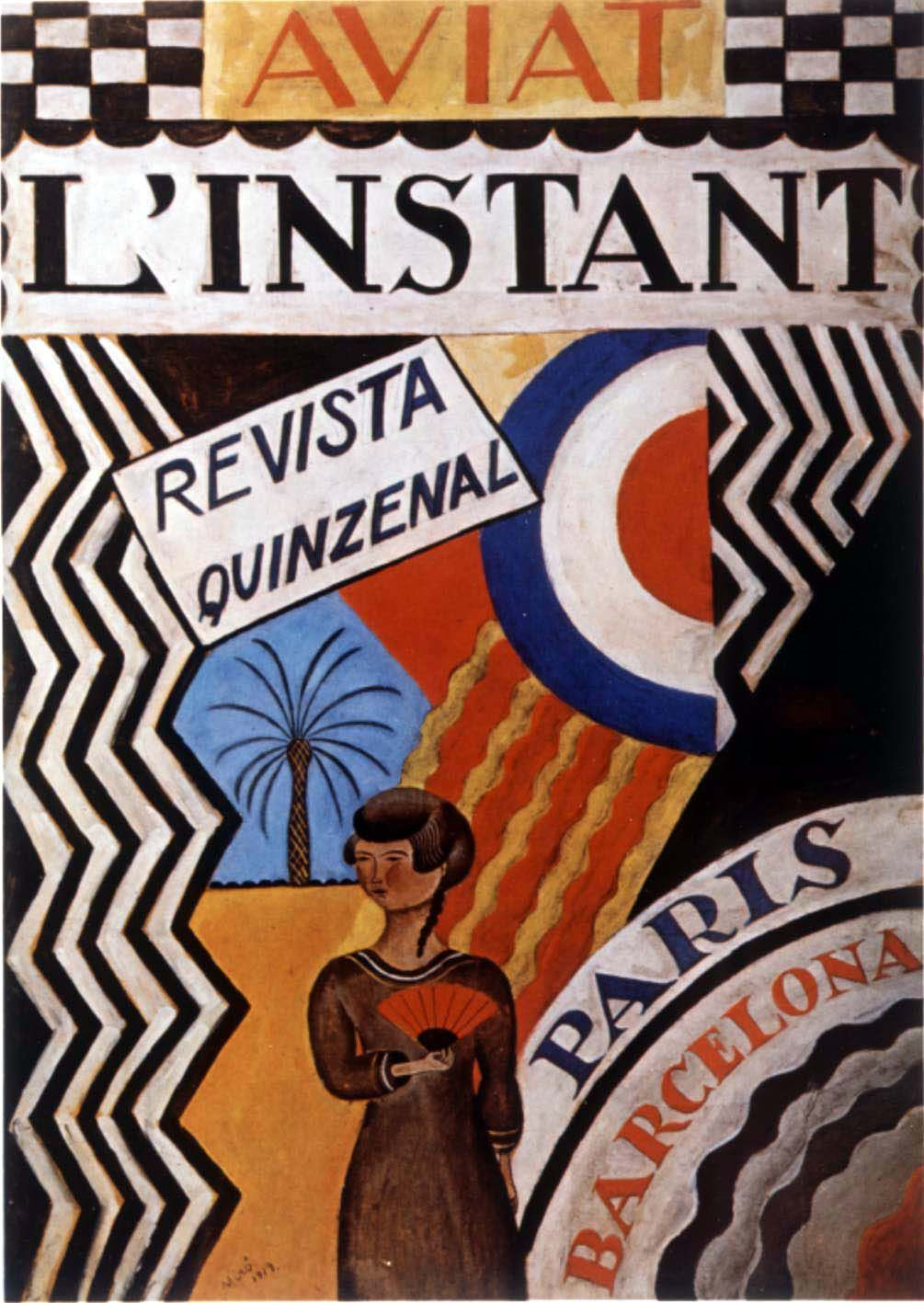
The beginning of the twentieth century pushed Western society towards an unbridled modernity, both fascinating and terrifying. The avant-grade movements that emerged between 1905 and 1930 – Futurism, Cubism, Dadaism, Surrealism, Constructivism, etc. – received nourishment by technological acceleration and industrial mechanisation, which modified the notion of space-time, the limitless urbanisation, the fall of empires and political revolutions by the World Wars, the masses’ access to consumer culture and mass-produced media (the press, photography, cinema), and by new social forces (workers’ associations and women’s public presence and political participation).

The avant-garde movements succeeded in challenging the sociocultural rigidity stemming from the nineteenth-century academic canon and they sought out new languages and materials through which to express themselves, abandoning the mimetic function of art to explore the subjective, the fragmentary and the conceptual. Strategies such as abstraction, automatism, photomontage or performance deepened in a political, social and existential commitment aimed at dissolving the barrier between art and life in the context of major metropolises such as New York, Paris, Moscow and Berlin.

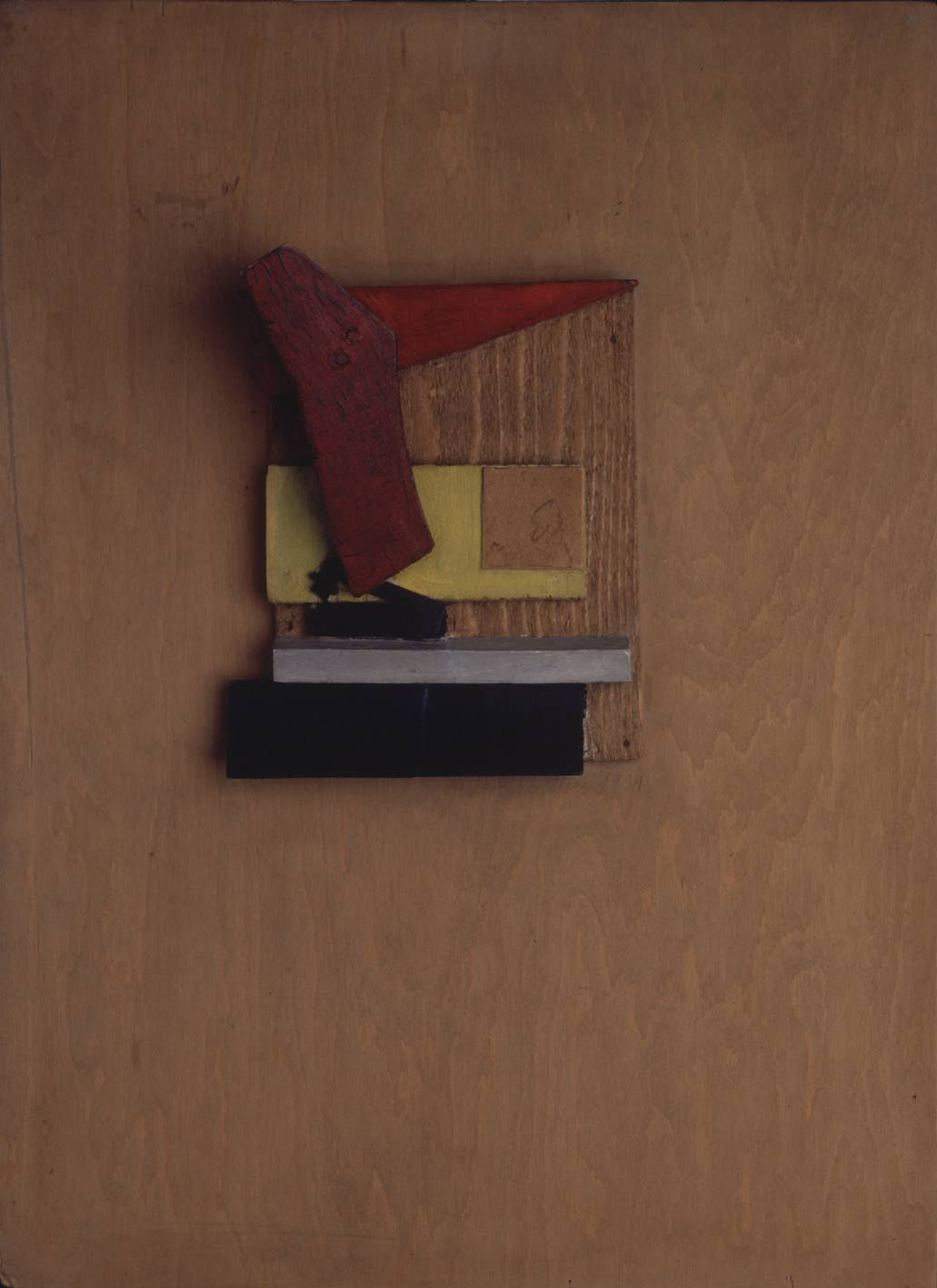
The IVAM collection is built around Julio González as its cornerstone, as he stands at the epicentre of this modernity, bringing together the artisanal and the industrial, the figurative and the abstract. His work broke away from the conception of nineteenth-century volumetrics and developed into a poetics of lines and spatial structures. His activity in the Parisian community within the early twentieth century, his collaboration with artists such as Picasso and Brancusi, and his involvement in associations such as Cerce et Carré and Abstraction-Creation, where new artistic parameters were discussed, were key to the museum’s earliest acquisitions related to the historical avant-garde, with the aim of contextualising and legitimising his figure within the framework of modernity.

Read more Read less
1930'S: FROM MODERNITY TO THE RISE OF TOTALITARIANISM

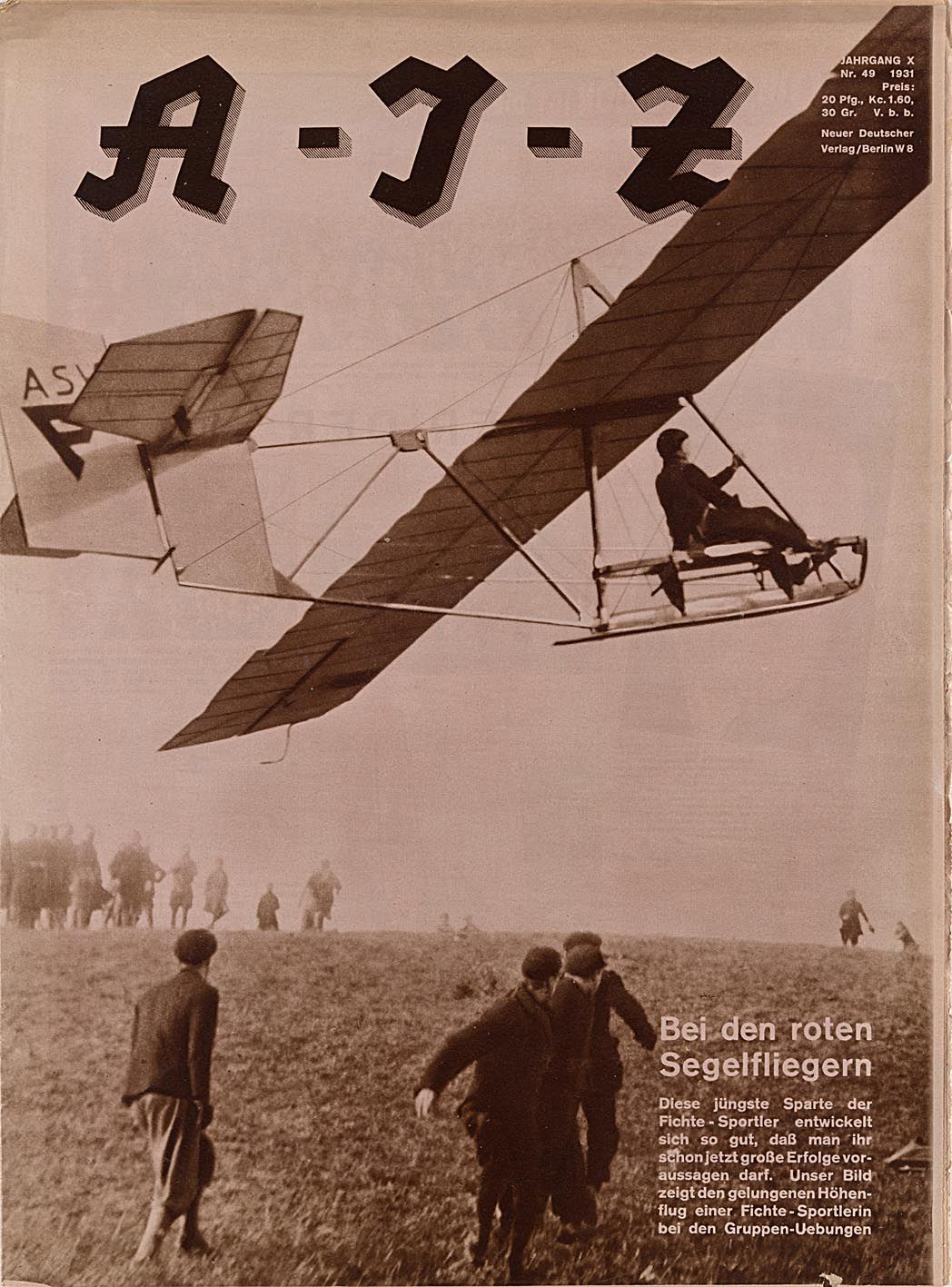
The international crisis started in 1929 and the following consolidation of the authoritarian regimes in Europe created a strong ideological polarization context. In Germany and Italy, fascism exploited culture as a way of political legitimation; in the Soviet Union, Stalinism imposed the socialist realism as the o cial aesthetic. The persecution of avant-garde – the Bauhaus closure, the Degenerate Art exhibition, purging and exile of artists – became into a decisive turning point in the relationship between art and power. In this context, art stopped being conceived as a space for formal experimentation and became an ideological tool. The new forms of realism promoted by totalitarian states advocated a heroic, clear and monumental representation designed to celebrate national, productive or revolutionary values in contrast to the abstract and experimental explorations of the previous decade.

Paris established itself as a refuge for artists fleeing political repression. The French capital, heir to the historical avant-garde, witnessed the proliferation of groups and platforms that challenged aesthetic hegemony. The confrontation between abstraction, surrealism, and the new realisms shaped much of the artistic debate. Abstract positions advocated a universal and rational language. Surrealism championed imagination and automatism as forms of subversion. The various realisms explored more direct modes of social and political representation.

In Spain, the proclamation of the Second Republic in 1931 fostered a remarkable cultural dynamism and the expansion of rights, including women’s su rage, which encouraged greater visibility for women creators in the artistic and intellectual spheres. During these years, the debates of the European avant-garde were imported into the country. However, the outbreak of the Spanish Civil War radically transformed artistic practices, and many formal investigations were relegated in the face of the urgency of a committed art aimed toward mobilisation, denunciation, and propaganda.

Read more Read less
TRANSFORMATIONS IN PAINTING

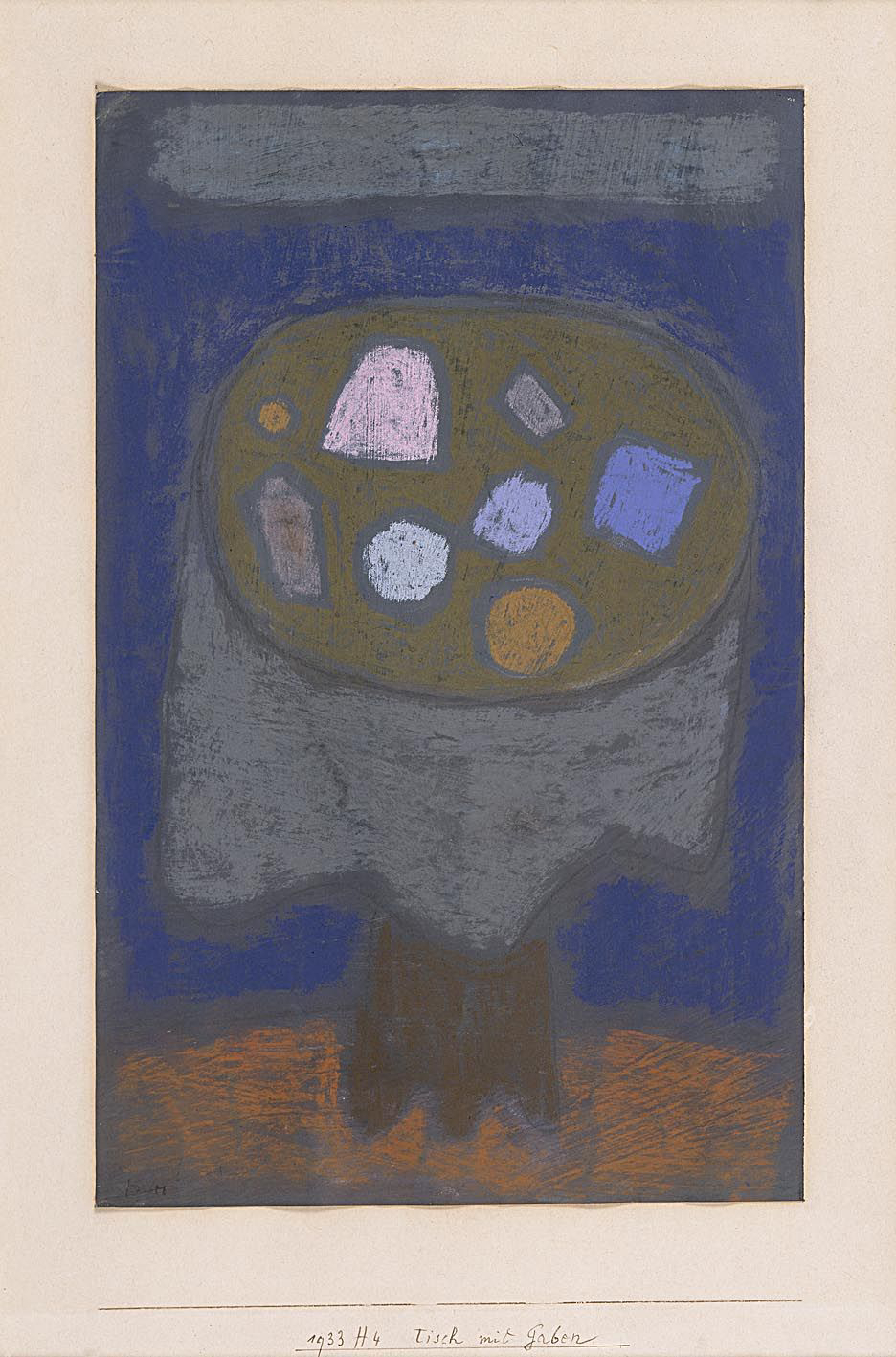
The 1930s were marked by Adolf Hitler’s rise to power, the spread of Nazism across Central Europe, the German-Soviet Non-Aggression Pact, the Spanish Civil War and, towards the end of the decade, the outbreak of the Second World War. In the artistic sphere, these circumstances prompted a renewed questioning of the foundations of Western culture, once again immersed in a process of large-scale destruction, as well as the emigration of artists, intellectuals and collectors fleeing persecution by the Nazi regime and its allies.

On both sides of the Atlantic, in Western Europe and the United States alike, the artistic community set out in search for a visual language capable of providing answers and moving beyond the historical avant-garde movements of the early twentieth century, which were perceived as having run their course.

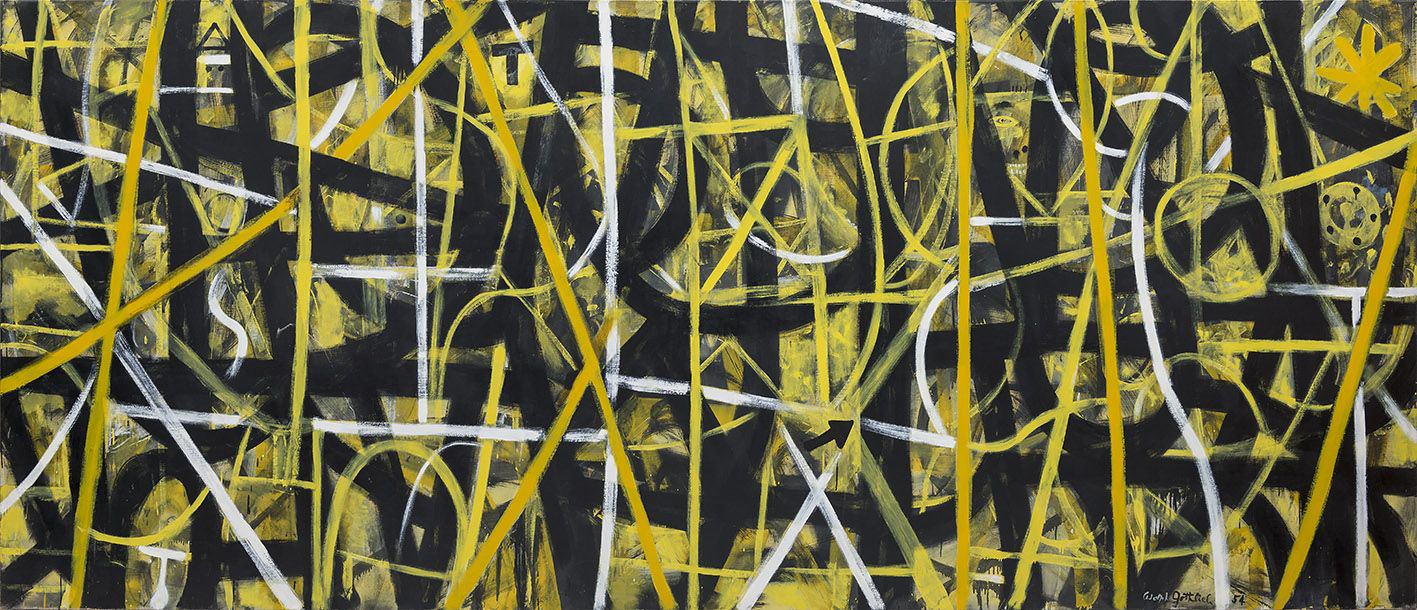
Whilst the Dada movement represented a radical break with the traditional values that had failed to prevent the First World War, European Informalism and American Abstract Expressionism formulated, decades later, new responses regarding the role of art and its possibilities. Both movements encouraged the abandonment of the easel and paintbrush in favour of a more direct relationship with the artwork, promoting a more intense – even violent – painterly practice, as though it were necessary to pierce the canvas itself in order to find answers.

Read more Read less
AREAS OF TENSION: MATTER AND MEASUREMENT

Franco’s regime. Following the outbreak of the Korean War (1950–1953), the dictatorship placed the geostrategic position of the Iberian Peninsula at the service of the United States. This development facilitated the signing of the Concordat with the Holy See and the Madrid Pacts with the United States in 1953, as well as Spain’s admission to the United Nations in 1955. The country subsequently embarked upon a process of political and economic openness aimed at attracting foreign investment and projecting an image of modernity that would favour the international acceptance of Spain and its culture.

The organisation of the Hispano-American Biennials, held in Madrid (1951), Havana (1954) and Barcelona (1955) under the auspices of the Institute of Hispanic Culture, contributed significantly to this objective and encouraged the renewal of the Spanish artistic scene, particularly through the promotion of abstract art. Following the model established by the Eisenhower administration’s support for American Abstract Expressionism as a national emblem, Franco’s government transformed abstraction into an instrument of political projection. Within this context, several initiatives promoted the legitimisation of abstraction, including the founding of the Altamira School by Mathias Goeritz in Santillana del Mar (1948–1950), the First Congress of Abstract Art at the Menéndez Pelayo International University, and the First International Exhibition of Abstract Art, both held in 1953.

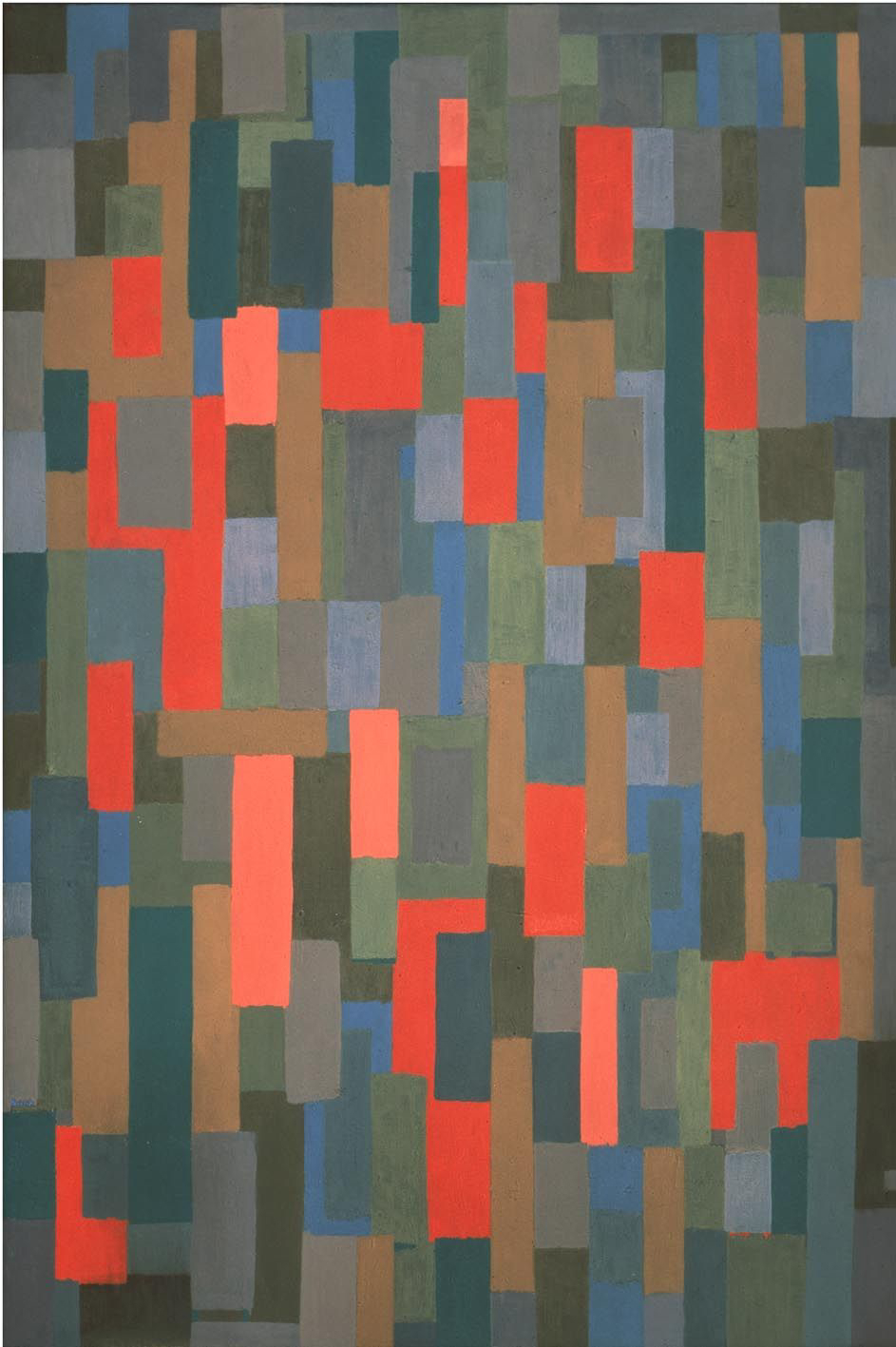
As a result, two artistic tendencies linked to abstraction emerged in Spain: a gestural current represented by the groups Dau al Set and El Paso, and a geometric tendency known as normative art. Nevertheless, Informalism received the greatest institutional support owing to its perceived connection with the art of the Spanish Golden Age, which Francoism adopted as one of its principal cultural emblems.

Read more Read less
THE WORLD GOES POP

In the years following World War II, the United States enjoyed a period of unprecedented economic and political growth. A large proportion of the middle class moved to the suburbs of major cities, and a new type of music, rock and roll, burst onto the popular culture scene and became the soundtrack to teenage rebellion. Marilyn Monroe was a major film star, and television replaced radio as the dominant medium of communication.

In the late 1950s and early 1960s, a cultural revolution took place, led by activists, intellectuals and artists who sought to change – and even overthrow – what they saw as a stifling social order governed by conformism. The Vietnam War sparked mass protests, the civil rights movement sought equality for the African-American population in the United States, and the women’s liberation movement took off.

In this climate of turbulence, experimentation and rising consumerism, a new generation of artists emerged in Europe and the United States who began to seek inspiration and materials in their immediate surroundings. They created works of art that reflected, criticised and, at times, incorporated everyday objects, consumer goods and images from the media. In its aim to appeal to the general public and due to its engagement with popular culture, it was termed Pop Art.

Pop Art artists looked for simplicity in their work, using striking, primary colours, often straight out of the paint pot or tube. They adopted advertising techniques such as screen painting and favoured realism, everyday – even mundane – images, with a great dose of irony and wit.

Read more Read less
THE TRANSFORMATION OF ART BETWEEN REVOLUTIONS

During the 1960s and 1970s, art underwent a profound transformation within a context marked by intense processes of social and political protest. Student uprisings, May 1968, the Prague Spring, anti-war movements, the American hippie movement, the second-wave feminist movement, environmentalism, and Black Power all challenged hegemonic institutions and structures, generating a climate of critical reassessment that also a ected the art system.

Within this context, minimalism, despite its geometric formalism, introduced a reconsideration of production processes by incorporating serial procedures and industrial materials. The transition to postminimalism occurred gradually, as part of the artistic community shifted attention from the autonomous object to process and experience, giving rise to what became known as the dematerialisation of the artwork. This term refers to practices whose formal configuration is unstable, mutable, or ephemeral, and which subvert the classical notion of a work of art associated with monumentality, permanence, and noble materials.

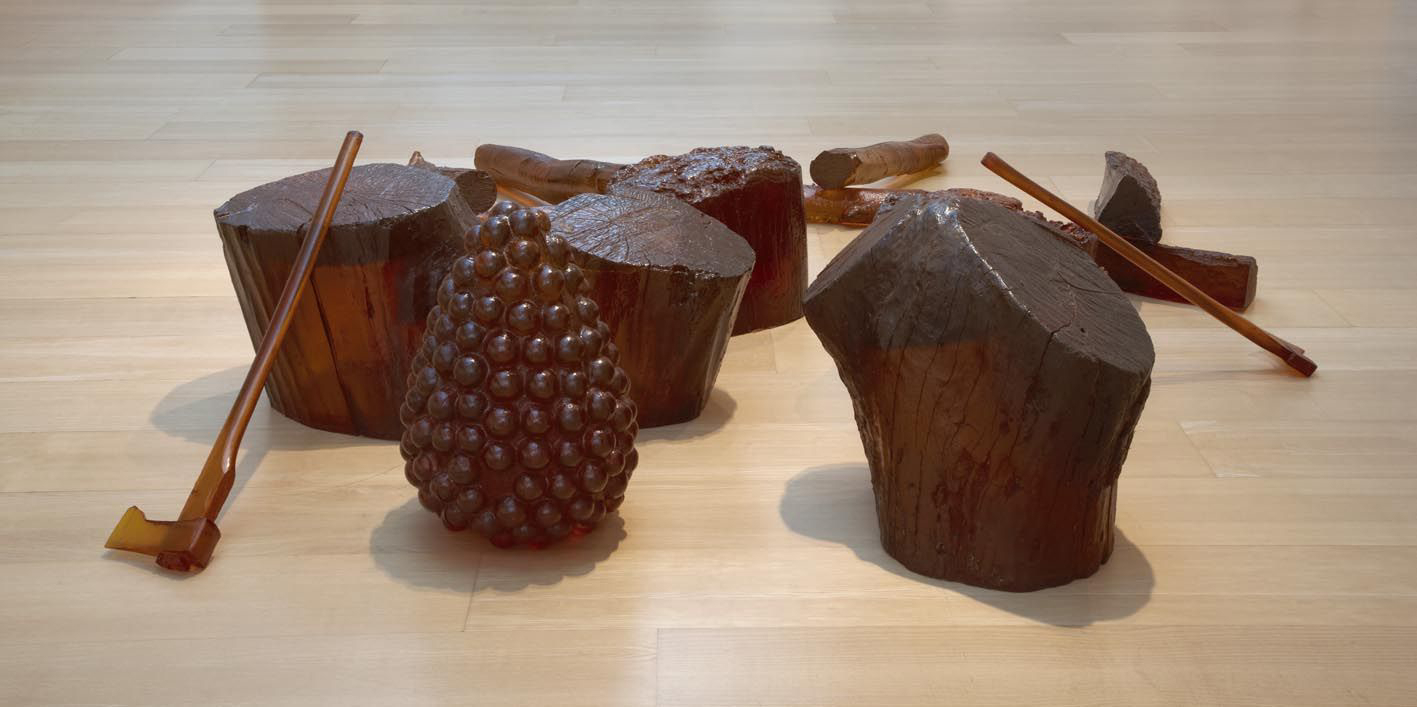
Movements such as Arte Povera exemplify this approach by using ‘poor,’ organic, or perishable materials. Beyond physical aspects, the exhibition space, temporality, the processual nature of artistic practice, audience experience, and the involvement of the body all gained central importance.

These transformations facilitated the development of practices in which nature or public space became the medium, and in which the body came to constitute a site of action, giving rise to body art and performance. At the same time, new concerns emerged, such as gender issues, institutional critique, and the questioning of Eurocentrism. This was further complemented by the consolidation of new media, such as video and photography, which acquired artistic autonomy beyond their documentary function.

Read more Read less
A WORLD IN TRANSITION

The 1980s and 1990s marked a global turning point. The fall of the Berlin Wall and the collapse of the Soviet Union brought an end to the logic of ideological blocs and ushered in a new era of globalisation, characterised by the expansion of markets and a renewed discourse surrounding democracy. Within this context of profound political, technological, and cultural transformation, art established itself as a space for experimentation and critical reflection.

Artistic production responded through new themes such as identity, memory, politics, feminism, the media, mass culture, globalisation, and conflict. The boundaries between disciplines became increasingly blurred, and the concept of the ‘artwork’ expanded beyond the object itself to encompass time, body, space, and experience. At the same time, museums, art centres, and fairs contributed to the formation of an international ecosystem in which diverse languages and geographies coexisted, gradually dissolving the hierarchy between centre and periphery.

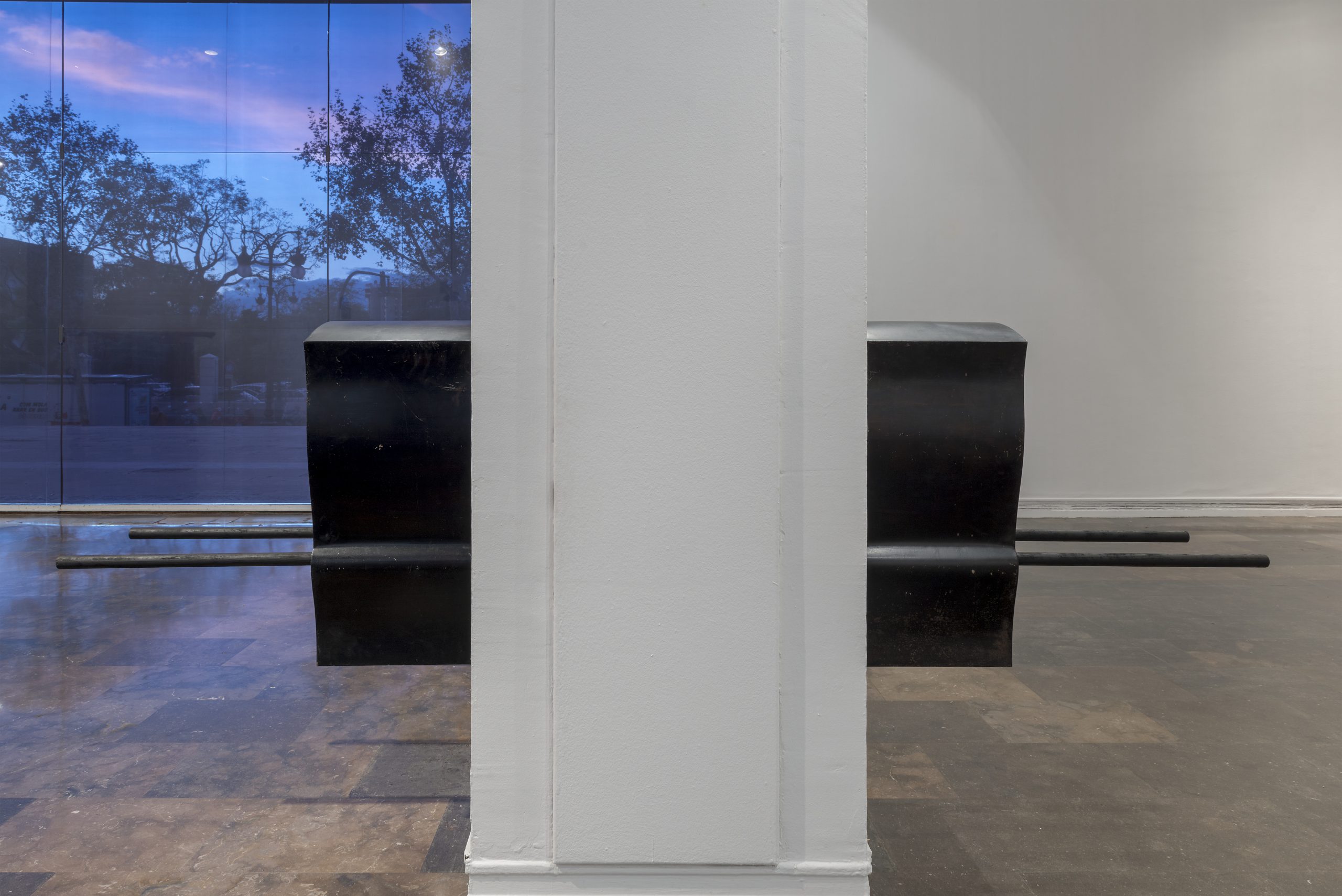
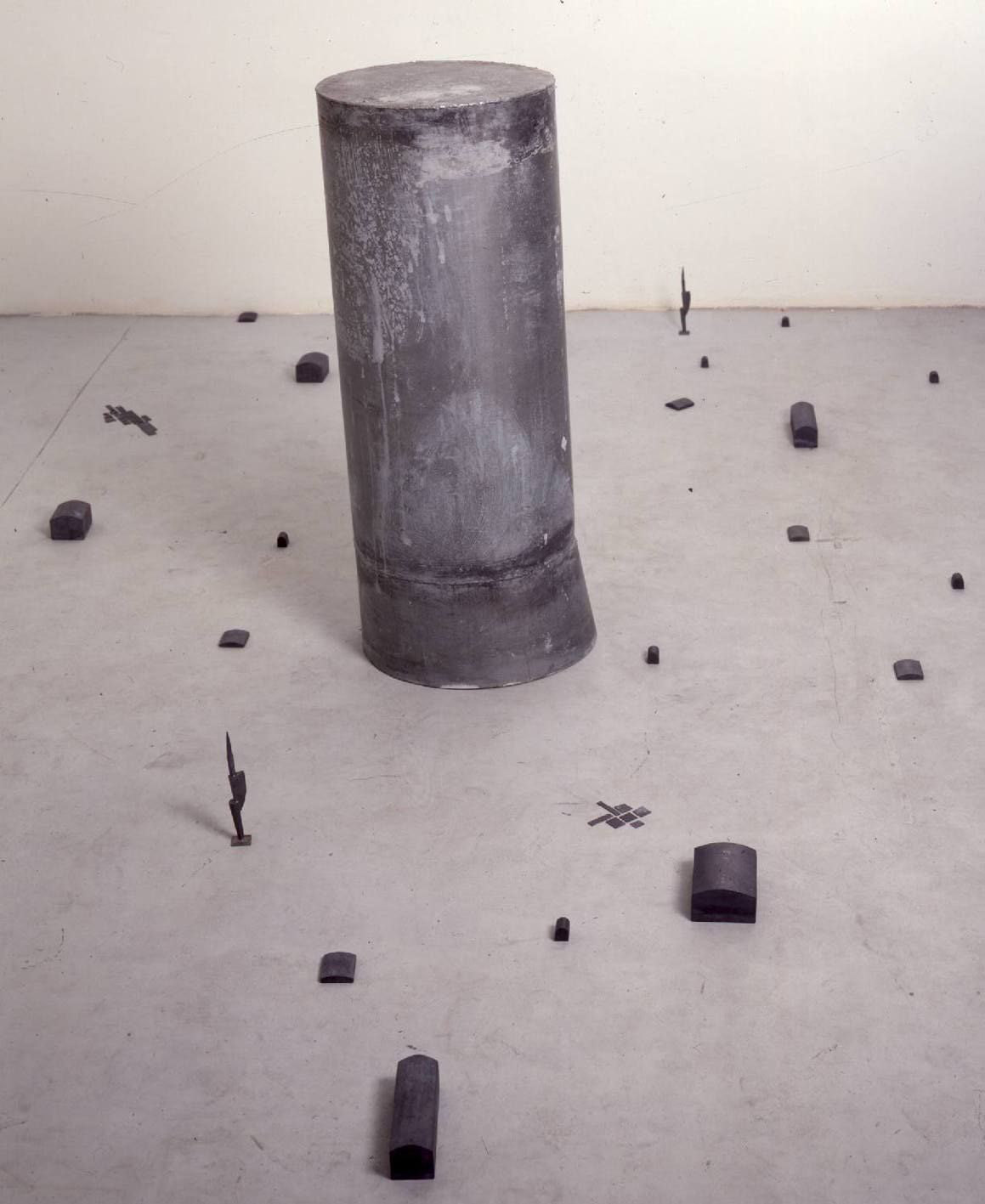
One of the most significant transformations was the expansion of sculpture into the viewer’s space and the adoption of industrial materials. In a context shaped by mobility and cultural exchange, many works incorporated the idea of displacement, exploring the tension between rootedness and transit, between local identities and global perspectives.

The body assumed a central role, shaped by debates surrounding gender, feminism, and LGBT identities, as well as by the impact of HIV / AIDS. Memory likewise became a field of artistic investigation, with archives, images, and objects functioning as critical devices.

Read more Read less
READINGS IN TRANSIT: BODIES, LANDS, TENSIONS AND LIGHTS

The alternative itineraries that run through the exhibition converge in this space, conceived as a place for reflecting on the past and present while imagining possible futures.

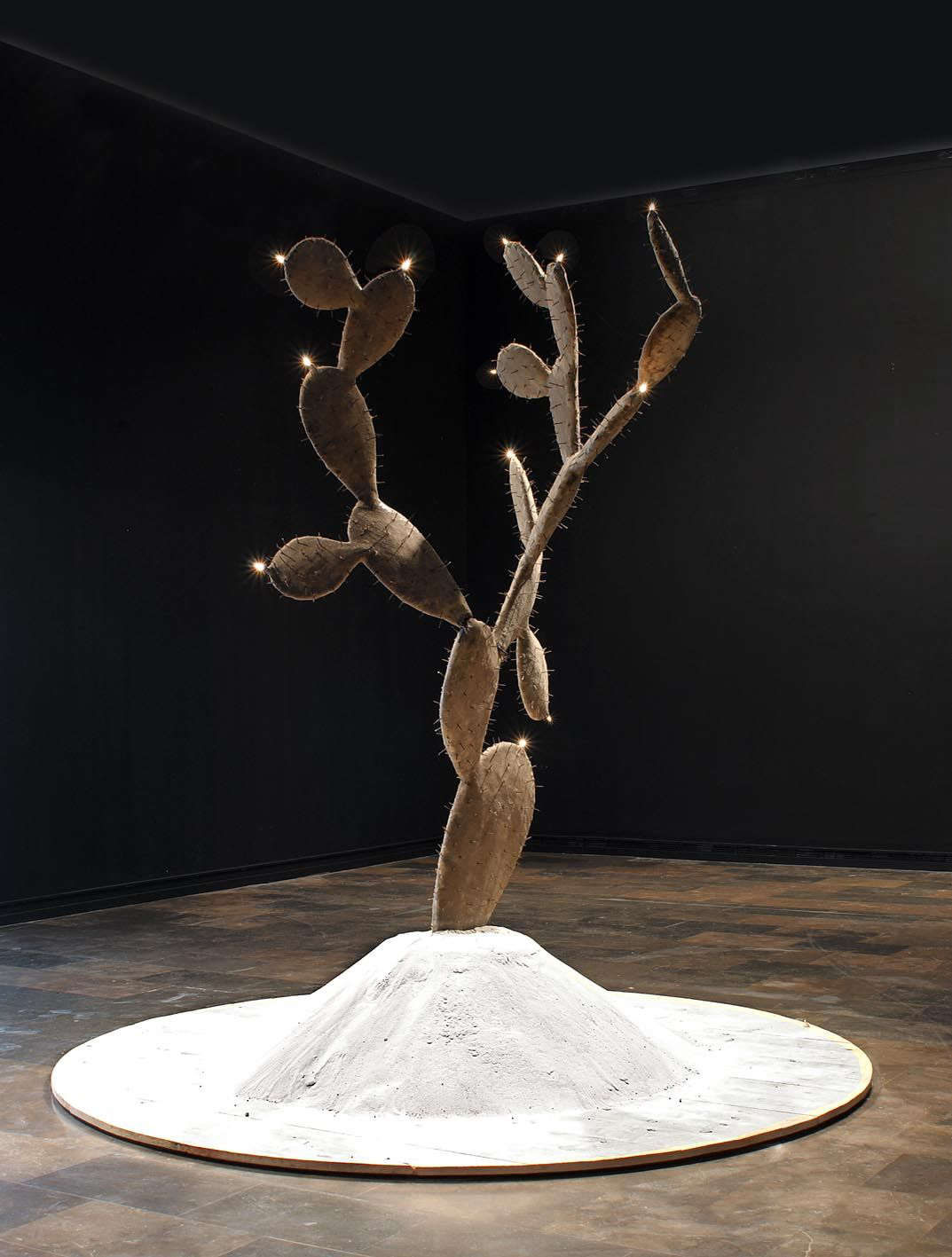
Ecologies brings together works that propose an eco-social reading through languages ranging from documentary photography to spatial intervention and socially engaged architecture. These works address issues such as the climate crisis, extractivism, and pollution; they establish connections with science and promote processes of co-creation with communities, opening up new horizons from which to imagine desirable futures.

Conflicts articulates the relationship between aesthetics and violence, developing a poetics of denunciation, wounds, and mourning in response to wars, genocides, and forms of structural violence and exile. Drawing upon collective memory, these works uncover the effects of forced displacement, placing particular emphasis on the condition and suffering of victims.

Identities and Feminisms examines the rise of global feminism, sexual diversity, and debates surrounding representation. The works render visible what has historically been marginalised and establish a field of tensions in which dissident bodies and silenced memories emerge, challenging stereotypes, structures of power, and heteronormative narratives while asserting the dignity and presence of marginalised identities.

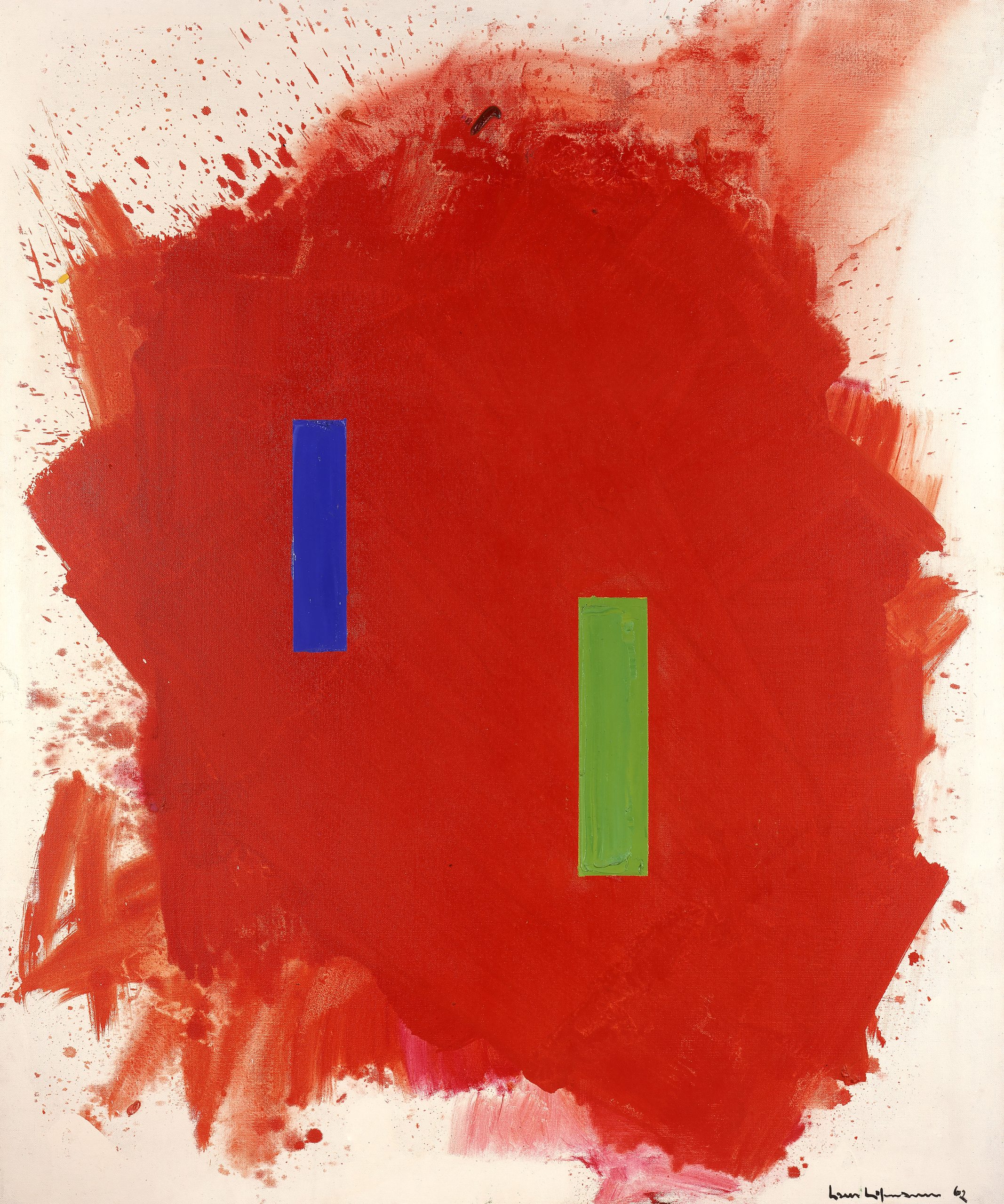
Chromatisms presents colour as a device of thought that can function both as sensory experience and as a sign charged with meaning, activating critical readings of memory and representation. In many cases, colour operates as a political code or as a metaphor for the reappropriation of the symbolic and the sacred, from which an ironic perspective on dominant discourses unfolds. In every instance, colour acts as a transversal language, capable of generating meaning beyond the purely visual.

Read more Read less