28 may. 2022 – 12 jun. 2022
IVAM Centre Julio González
share


28 may. 2022 – 12 jun. 2022
IVAM Centre Julio González
share
Is the color I am seeing the same as the color you can see?
The color that the artist painted and the one I can see… are they similar or the same?
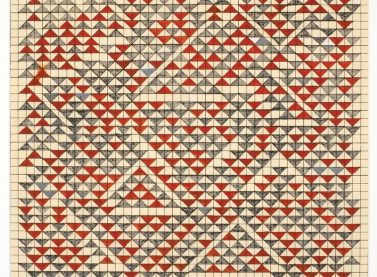
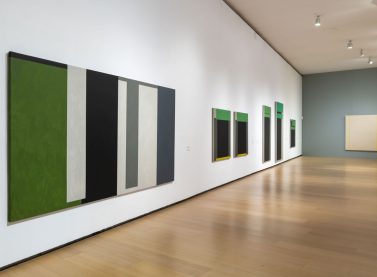
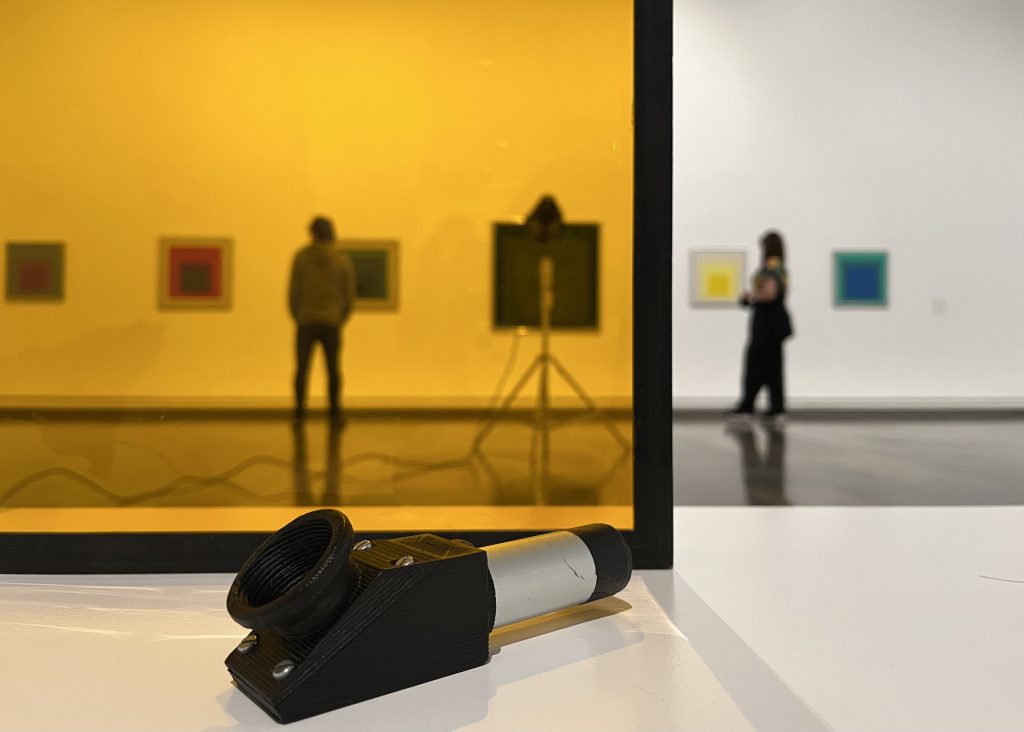
Through the exhibition, Art and life. Anni and Josef Albers, we will understand the dialog that exists between light and color. Color as a source of inspiration and study, and light as a mutable element that is in constant movement. We will learn to question the reality when talking about color.
A walk accompanied by Marc Gonzalo and the mediation team at IVAM. Interacting with the works and the museum will allow us to respond to some of those questions and will open up new questions on light and color as a tool for questioning what surrounds us: Does color exist?, Is color a constant in matter?, is light tangible?
Practical information
Fechas: 28 y 29 de mayo, 4, 5, 11 y 12 de junio
Dates: 28 and 29 May, 4, 5, 11 and 12 June
Times: Saturdays at 6 p.m. and Sundays at 12 p.m.
Duration: 60 minutes approx.
Aimed at: families and the general public.
Capacity: 15 persons
A proposal by Marc Gonzalo accompanied by the mediation team at IVAM (Darío Covacho will lead the sessions on 4, 5, 11 and 12 June).
Marc Gonzalo i Herraiz is director of photography and a lighting designer. A History graduate from the University of Valencia, he became interested in lighting and photography, so he decided to train in this field. In 2004 he graduated from the Center for Cinematographic Studies of Catalonia. Since then, he has collaborated in many audiovisual projects and theater companies, as director of photography and as lighting designer. He is currently working in film, television and theater in Europe and South America.
18 may. 2022
IVAM Centre Julio González
share
The group that forms the Inventario (pensar en común el museo) (Inventory project (common thought on the museum)) opens up its creative and reflective process to the public, sharing two activities created and designed in the context of International Museum Day. The objective is to offer and make visible part of the work process to all interested members of the public.
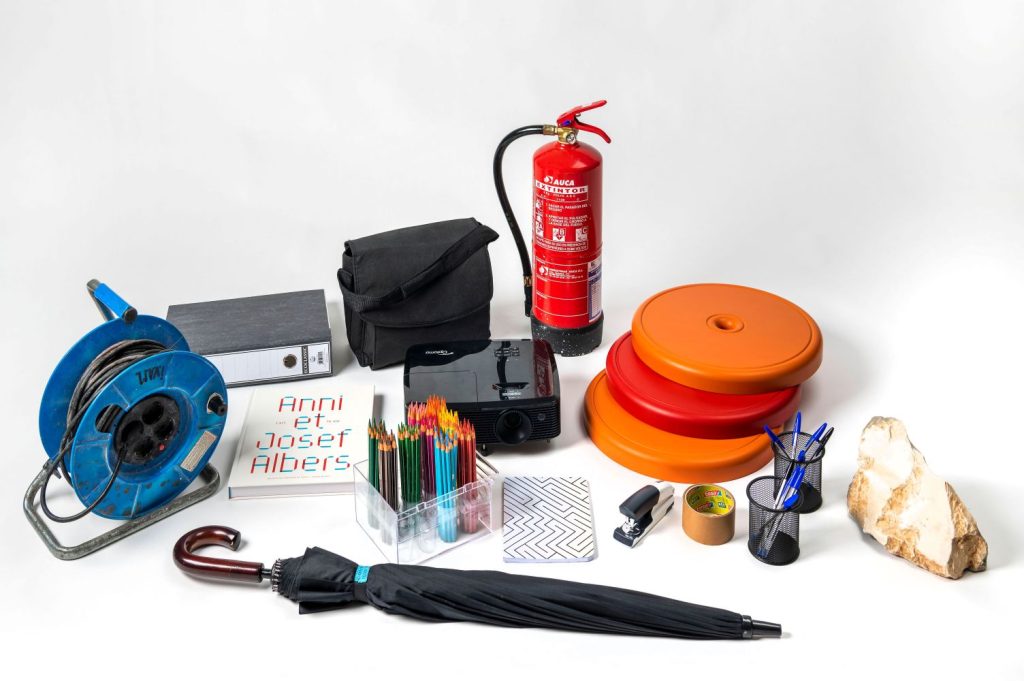
What does an overhead contact line do?, How is it used?. And a ballpoint pen? Can a “biro” be an everyday object in a museum?, Would you like to know what any of the objects in the museum do, or how they have been transformed…or the objects in your home?
The members of the Inventory project (common thought on the museum) have reflected on and discussed the objects they have seen and found during the sessions of the project’s development. For this activity, the group proposes setting up a kind of counter for doubts, questions and imaginations on the objects that reside within IVAM, as well as about objects that each one of us has at home, or that belong to us.
How does an umbrella stand work?, How is a tin of Cola Cao produced?, Historically, how did a coffee spoon come into being?… The group will analyze the day-to-day mechanics of a selection of museum objects and objects that the public attendees bring with them. The analyses will be provided from a technical social, fictional and magical point of view, opening the museum doors so that the knowledge of others can flood in.
Time: 6 p.m.
Duration: 1 hour
How does it work? You can bring any object that you want to have analyzed or that you are curious about.
Prior registration is not required
18 may. 2022
IVAM Centre Julio González
share
The group that makes up the Inventario (pensar en común el museo) (Inventory project (common thought on the museum)) proposes opening their creative and reflective process to the public, sharing two of their own activities, created and designed in the context of International Museum Day. The objective is to offer and make visible part of the work process to all interested members of the public.
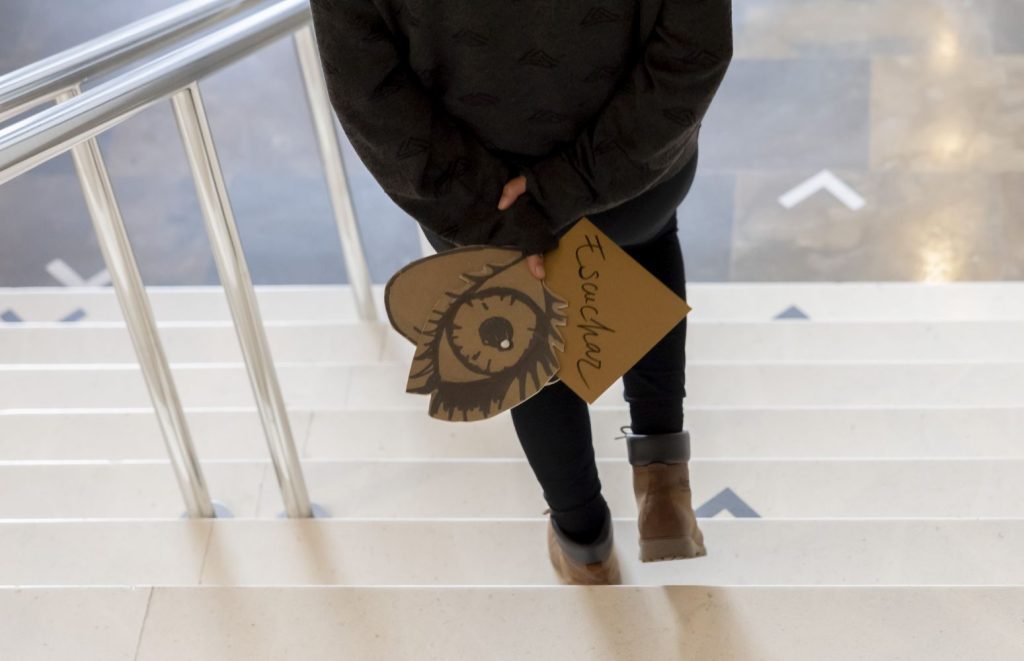
Can you enter the museum with an umbrella?, and with sharp objects?, with weapons?, with antiques?, why?, what can you do and what can you not do in the museum?, why are so many things prohibited in spaces like the IVAM?
An installation of visual and sound elements helps the group that forms the Inventario (pensar en común el museo) (Inventory project (common thought on the museum)) to reflect on the limits and the boundaries that the museum consciously, and apparently innately, proposes for its visitors. From the creation of a space for proactive complaints on the walls at IVAM, and through the use of the open mic, a full day activity is proposed for 18 May to which the public will be invited to participate in order to propose what the limits and prohibitions for the museum should be… or what we would want them to be (or not!). The day will close with a more performative event, by reading the proposals gathered from the visitor groups that have taken part in the project.
Times for the activity: 10: a.m.-7 p.m. *free access
Time of the performance: 7 p.m.
Prior registration is not required
25 may. 2022
IVAM Centre Julio González
share
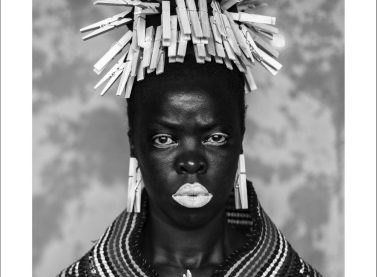
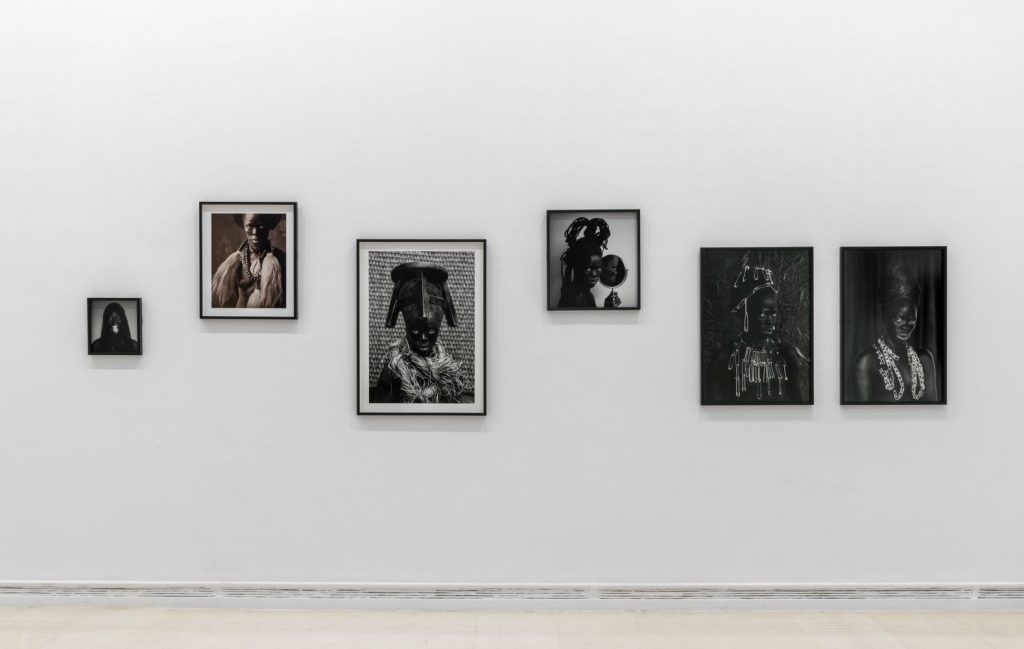
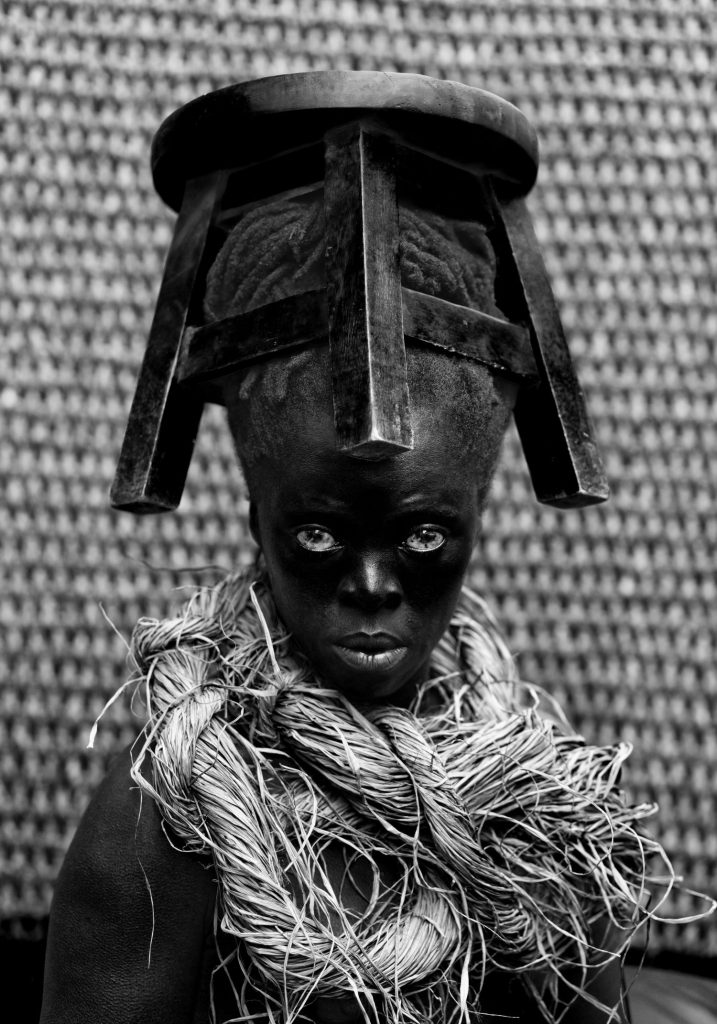
Taking some photographic projects by Zanele Muholi as a starting point, the purpose of this conference is to create a historical and visual genealogy of the work of the South African artist. Comparing her images with those taken by European and African photographers since the 19th century, some of the accepted ideas become problematic in relation to the colonial point of view. The conference will also present some developments in the pipeline for a book project which López Sanz is working on, whose title will be something along the lines of: UNA historia de la fotografía africana al sur del Sáhara desde sus orígenes hasta la contemporaneidad: dinámicas, estéticas y tendencias (A history of African photography south of the Sahara from its origins to the present day: dynamics, aesthetics and trends). A story of photography created by Africans since the daguerreotype was patented in 1839 until present times, which is still a great unknown for Spanish speaking people today.
Hasan G. López Sanz is a Doctor of Philosophy and a Graduate in Social Anthropology, Culture and Philosophy. A lecturer in Aesthetics and Theory of Art at the Philosophy Faculty of the University of Valencia and a curator of exhibitions, with research carried out in the field of photography, its practices and public use, particularly in relation to Anthropology, aesthetics and contemporary art. Among his publications, some notable books are La misión etnográfica y lingüística Dakar-Djibouti y el fantasma de África (The ethnographic and linguistic mission Dakar-Djibouti and the ghost of Africa) (PUV, 2009), La pluma y la cámara. Antropología y memoria colonial en blanco y negro (The pen and the camera. Anthropology and colonial memory in black and white) (Muvaet, 2014), Zoos humanos, ethnic freaks y exhibiciones etnológicas. Una aproximación desde la antropología, la estética y la creación artística contemporánea (Humans zoos, ethnic freaks and ethnological exhibitions. An approximation from anthropology, aesthetics and contemporary artistic creation) (Concreta, 2017) and La pintura de frontera de George Catlin. Una etnografía entre la escritura de viajes y la imagen (The frontier paintings of George Catlin. An ethnography of the travel writings and images) (PUV, 2019).
14, 15, 21 and 22 may. 2022
IVAM Centre Julio González
share
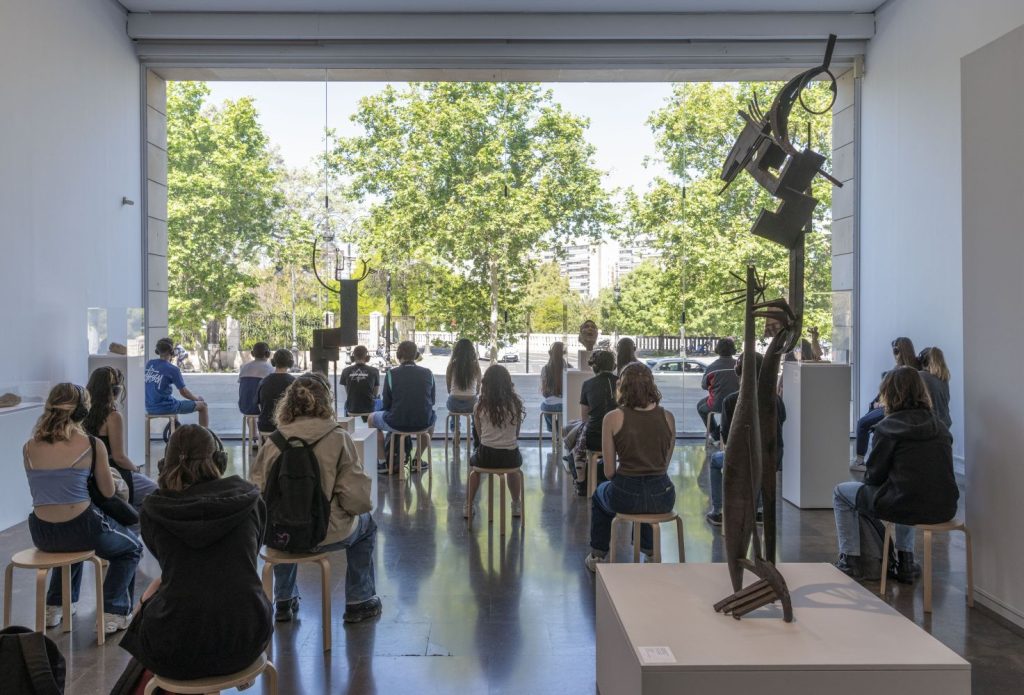
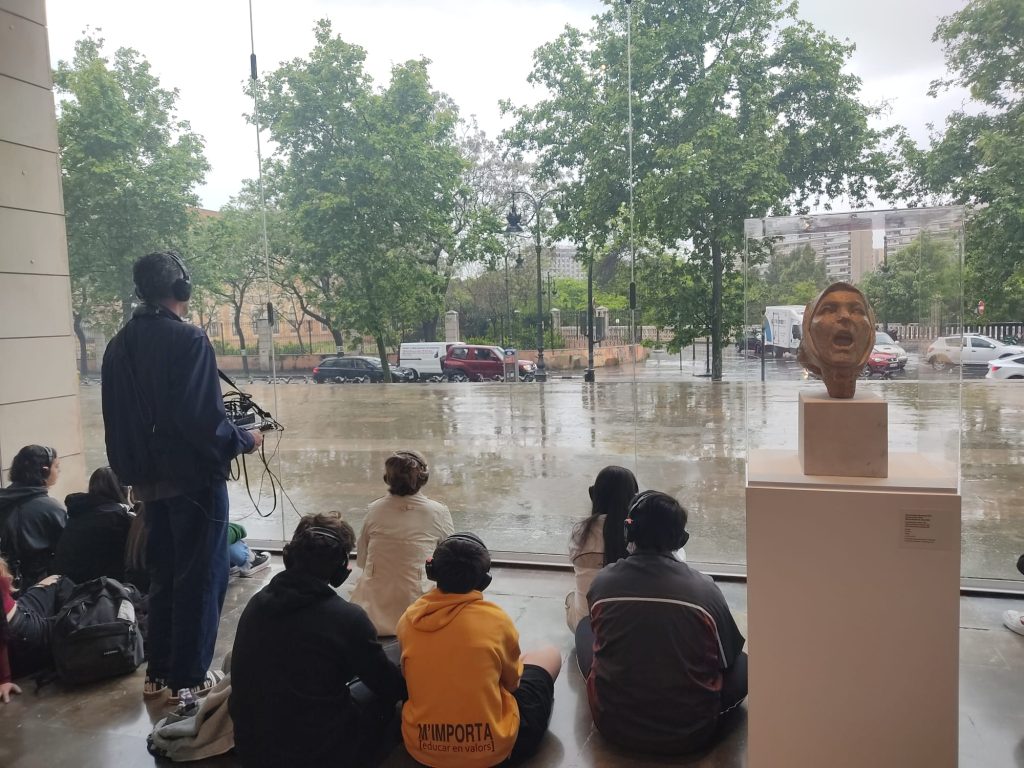
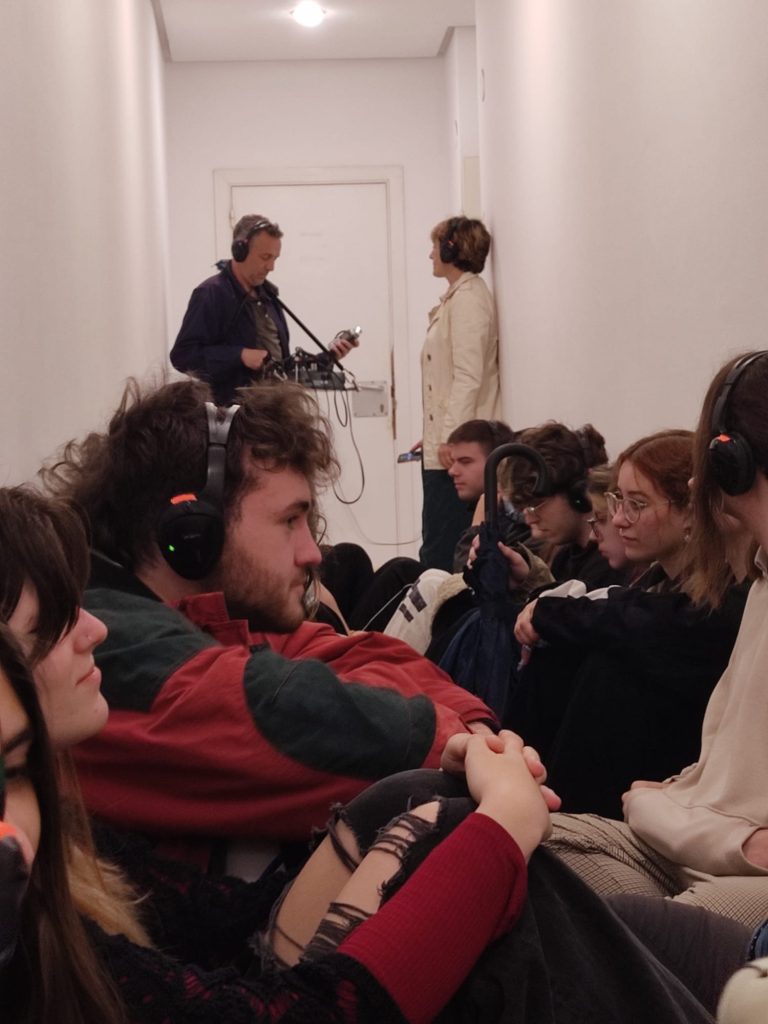
La naturaleza y su temblor (Nature and its tremblings) is a site-specific intervention mechanism, a stroll-visit with pauses that attempts to reveal ‘another reality’ through the tools of theatre, the body, thoughts and cinema, awakening new opportunities for perception in the participants.
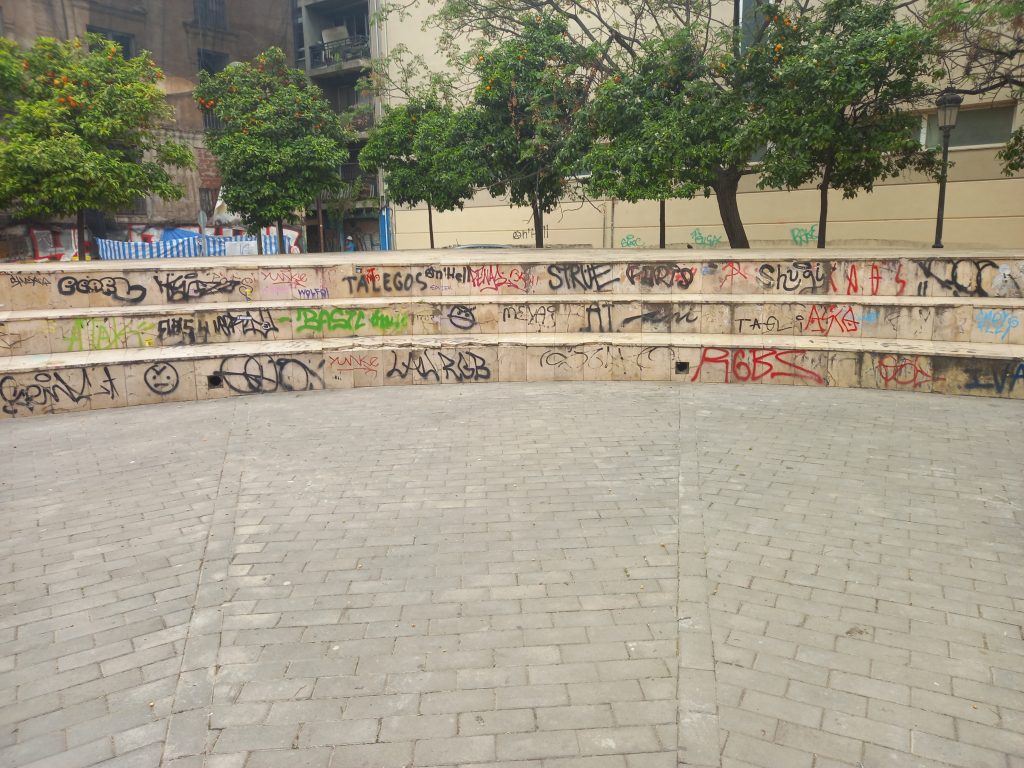
This project from the Societat doctor Alonso consists of a walk during which the spectators perceive reality through observation, as well as in what they hear and perceive through an audio device. During the walk, different stops will be made at predetermined locations within an itinerary that, in Valencia, has been designed in close collaboration with the institute next to the museum, the IES Barri del Carme. As a result of the process of investigation, the project will culminate in a stroll-visit performance around Ciutat Vella accompanied by the artists, which is open to the public.
Authorship: Tomàs Aragay (director), Sofia Asencio, Chus Domínguez and Idoia Zabaleta (directors), with production by Imma Bové.
The Societat doctor Alonso is a company directed by Tomàs Aragay (theatre director and dramatist) and Sofia Asencio (dancer and choreographer). From the concept of displacement, of placing something out of its place, whether this refers to an area or its own space, they enquire into how this displacement modifies language both in its grammatical construction and in how an observer may read it: it is about displacing something in order to reveal it.
Co-production: Festival GREC of Barcelona, Morae Danza and the Societat Doctor Alonso, with support from the Basque Government, the Catalan Government, INAEM and the Ramon Llull Institute.
Itinerary design: students of the 1st year Baccalaureate in Art at the IES Barri del Carme, with coordination provided by the teacher, Rosanna Soler Minguet (Philosophy Tutor).
Further information: educacio@ivam.es
Useful date
Dates:: Saturdays 14 and 21 May at 6 p.m.
Sundays 15 and 22 May at 12 p.m.
Duration:: 1 hr 30 mins approx.
Meeting point: The terrace at IVAM.
It is important that you wear comfortable shoes for the walk.
14 May: register here
15 May: register here
21 May: register here
22 May: register here
26 may. 2022
IVAM Centre Julio González
share
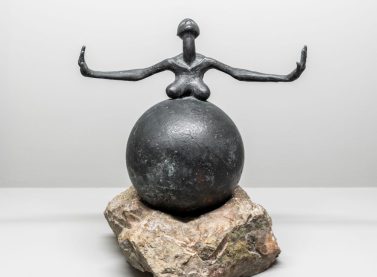
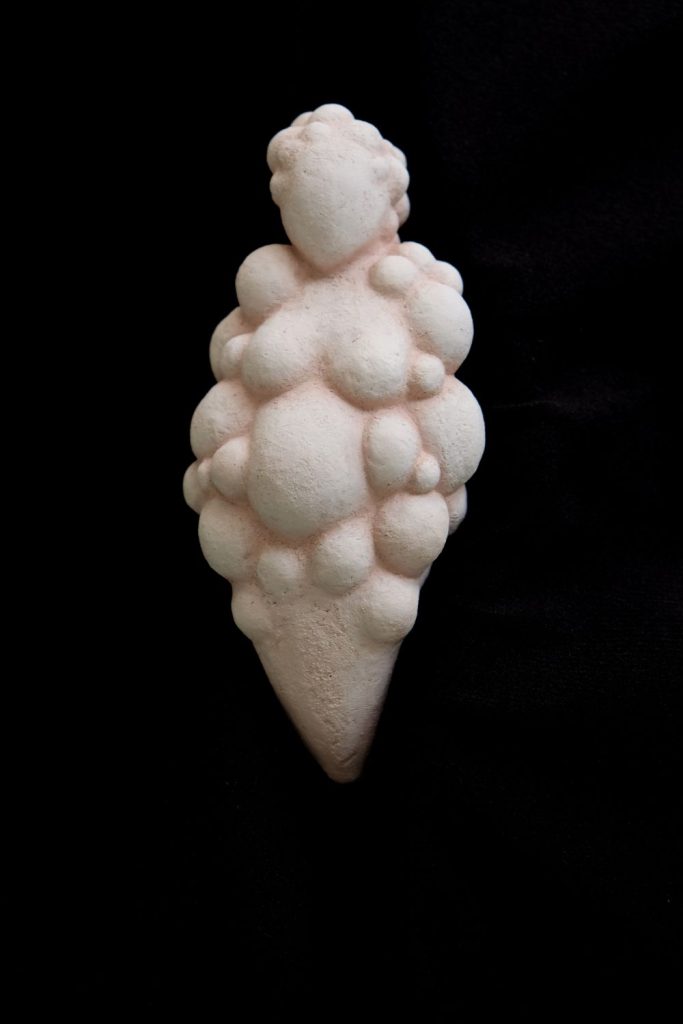
Artist, Mar Aza, and director of IVAM and exhibition curator, Nuria Enguita, present the Mar Arza exhibition. A pesar / A saber / A tientas (To regret / To know / To fumble).
Artist, Mar Arza, has created a specific project for Gallery 3, designed as an installation, which has brought together archaeological pieces that are displayed in dialogue with works by Julio González and works by the artist.
The selection of works by Mar Arza reveals a line of work where reflection of the pregnant body includes a substrate which has been prolonged over the years in a transversal way, taking different approaches and using different materials. Brought together in this exhibition through a device which conditions your perception and reading, the sculptures broaden the echo of their dysfunctionality.
18 may. 2022 – 21 may. 2022
IVAM Centre Julio González
share
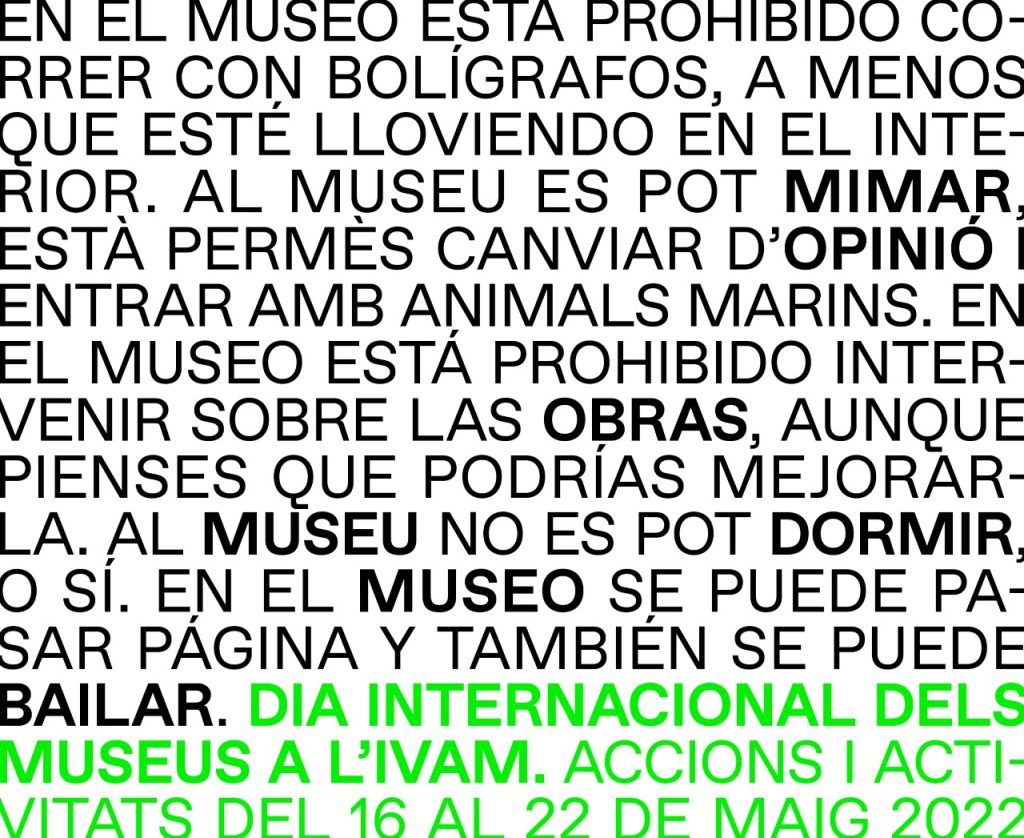
With this motto, the ICOM wants to raise awareness about the power of museums to transform the world around us into places of discovery that teach us about our past and open up our minds to new ideas, two vital steps towards building a better future.
IVAM joins this organized celebration, from May 16th to 22nd, an extended program to view all of its potential. Therefore, in addition to Wednesday 18th (International Museum Day) and Saturday May 21st (when our opening hours extend to 24 hours), some of the museum’s trunk lines will be displayed and activated throughout the week.
21 and 22 may. 2022
IVAM Centre Julio González
share
Opening times:
Saturday 21st: from 18.00 until 19.30
Sunday 22nd: from 12.00 until 13.15
M Reme Silvestre (artist from the Programa d’Art i Context), together with osteopath Daniela Cerón, presents two sessions lasting 90 minutes where the focus will be on the “now”, through group activities that link the manual techniques of osteopathy, the body and its scars, and our own connection with the world that surrounds us.
07 may. 2022
IVAM Centre Julio González
share
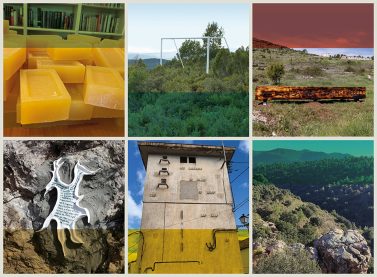
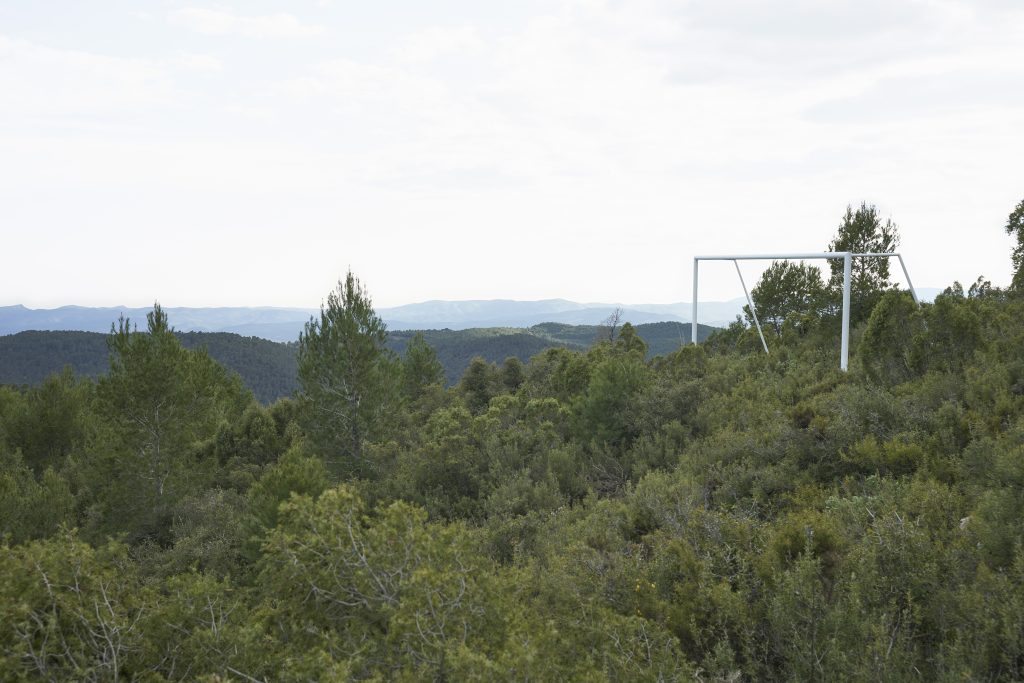
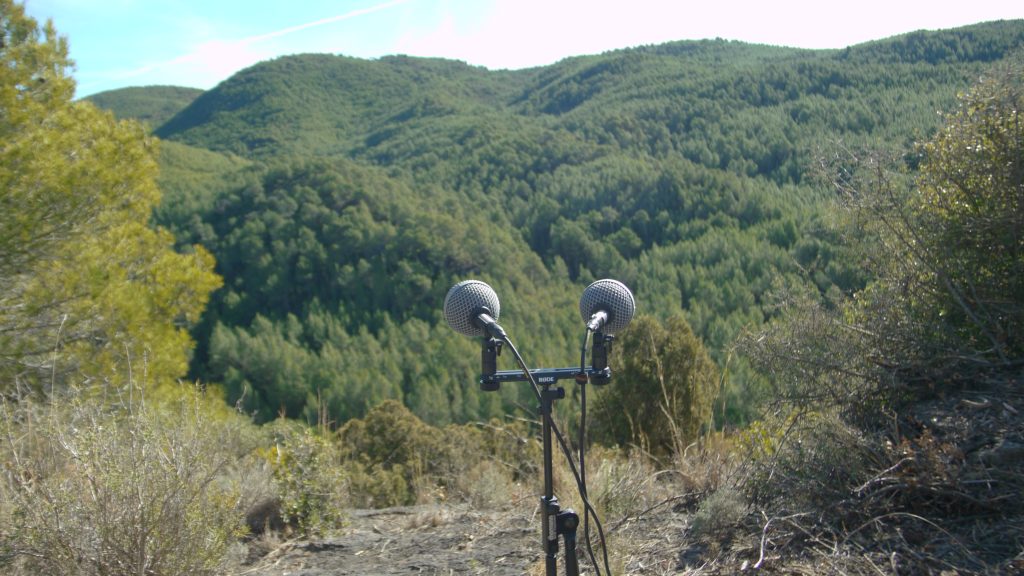
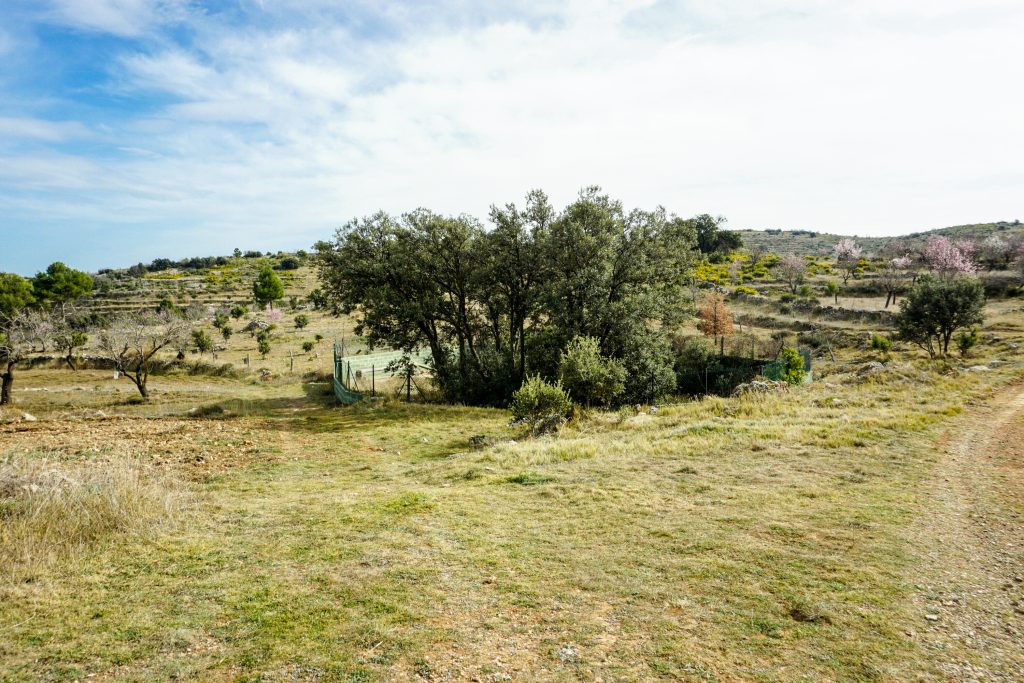
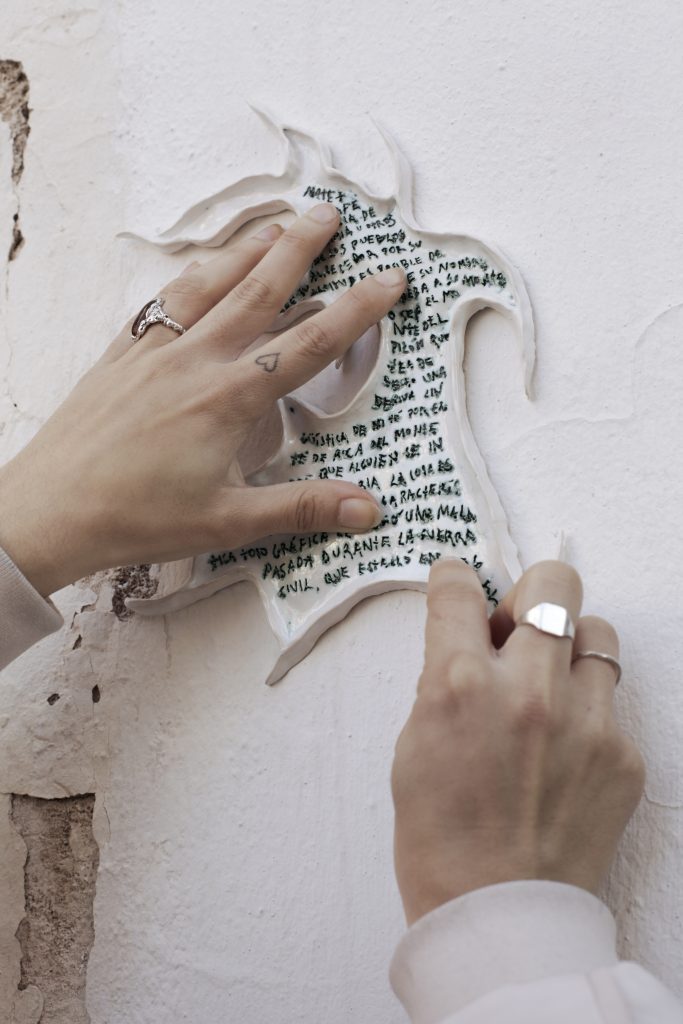
CONFLUÈNCIES. Artistic interventions in the towns of Route 99 are continuing in their process of artistic activations in the rural setting, within the line of action of IVAM al territori. Actions which, through dialogue, attentive listening and shared learning, try to connect contemporary art with places that are not used to this language, becoming an activator of our imaginations.
On Saturday May 7th, the resident artists will talk about and present their interventions in the towns of Alto Palancia, together with those that accompanied them in their processes.
CONFLUÈNCIES would not be possible without invaluable support – before, during and after their periods spent on visits-, of the town councils and local agents, and the residents, who provided accommodation, meetings, conversations and arrangements to be able to carry out the artistic interventions in their towns.
12 may. 2022
IVAM Centre Julio González
share
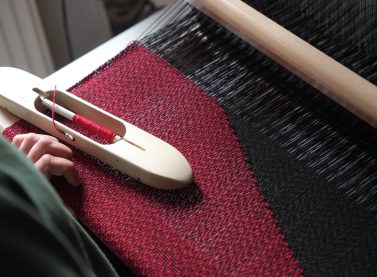
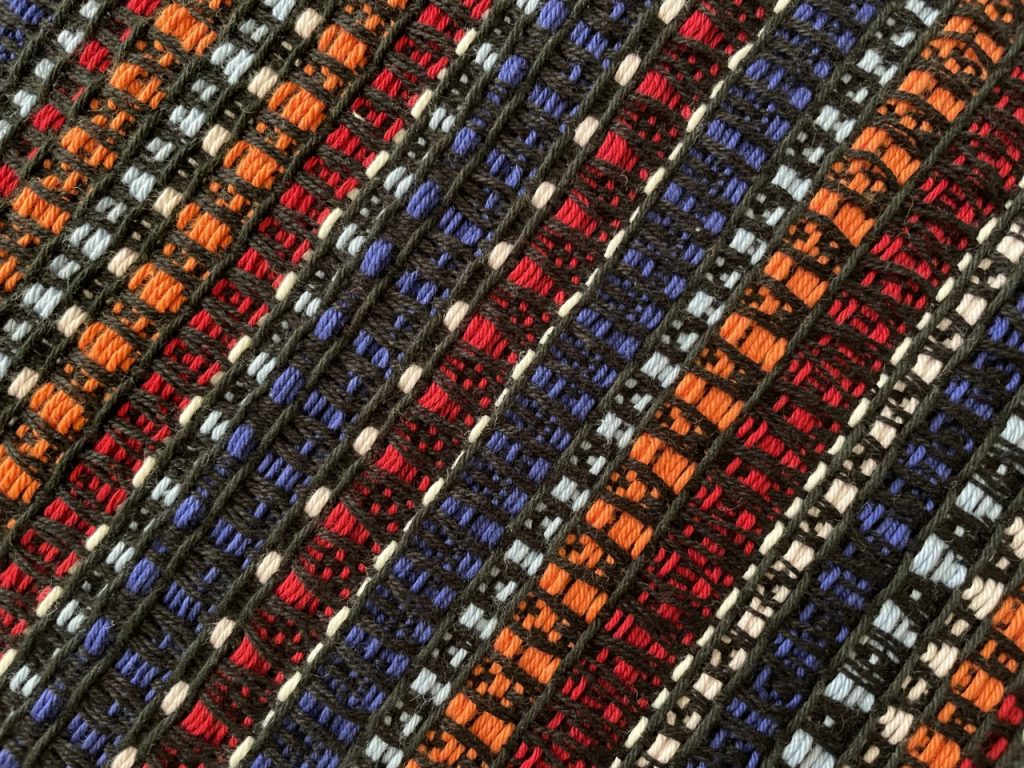
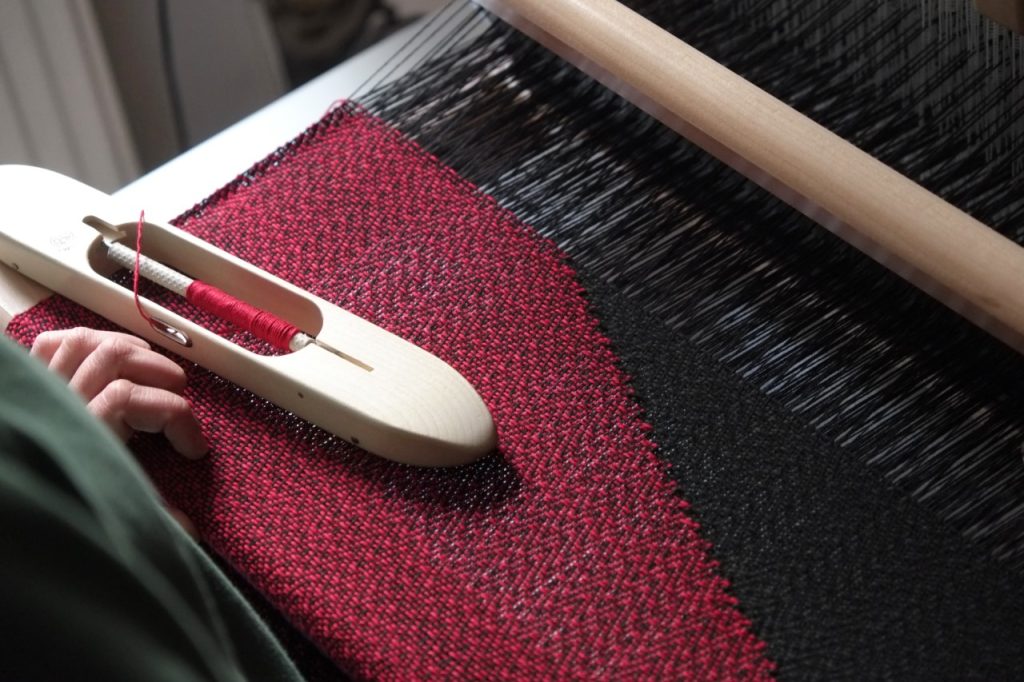
As part of the “Anni and Josef Albers” exhibition. Art and life”, we have invited artist Andrea Canepa to hold a talk with the work of Anni Albers, the result is a specific piece, On Weaving, which can be seen in the hall at IVAM from May 12th.
To complement this intervention, Andrea Canepa will give the talk Escribir con hilos(Writing with threads), where she will share her interest in textiles as a transmitter of meaning, together with a review of some of her most recent works where textile and coding play a central role.
BIO
Andrea Canepa (Lima-1980) began her studies in Fine Arts at the Catholic University of Peru and completed them at the Polytechnic University of Valencia, where she graduated with a master’s degree in Visual Arts and Multimedia. In 2020, she received a research grant from the Senate Department for Culture and Europe in Berlin. In 2014, she received the ARCO Community of Madrid Award for Young Artists and the Miquel Casablancas Award; in 2013, she won the Generaciones Award and the Endesa Grant for Plastic Arts in Spain. She has worked as an artist in residence at Gasworks- UK, MATADERO – Spain, Cité des Arts – France, Tokyo Wonder Site –Japan, Beta Local- Puerto Rico, Bauhaus Master’s Houses– Germany, Jan Van Eyck Academie – Holland and at the Spanish Academy in Rome – Italy. Her works form part of collection such as CA2M, IVAM, the Provincial Museum of Teruel, and of Foundations such as Endesa, Montemadrid, DKV and Inelcom (Spain), Bauhaus Dessau Foundation (Germany) and MASM (Peru).
06 may. 2022
IVAM Centre Julio González
share
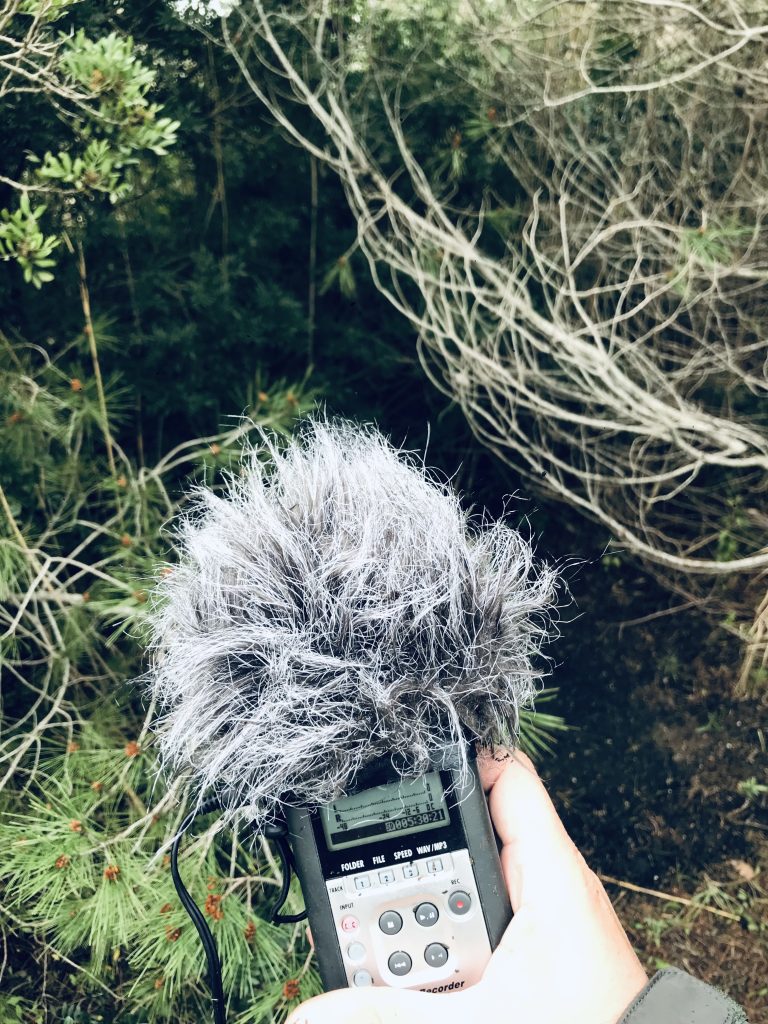
On Friday May 6th, the Presentes Densos working group. Around the arts of living on a damaged planet presents the results of the soundscape and field recording workshops that have been carried out within the cycle.
The results will be exhibited as a sound installation, created in situ by the working group itself and the artist, Edu Comelles. The installation is created using the sound recordings that the participants of the cycle have taken in different areas of the Albufera Natural Park (Tancat de Mília, Tancat de la Pipa, la Devesa, el Racó de l’Olla), at different times of year (autumn, winter and spring) and at different times (from a night recording and from a distance, to a dawn chorus of birds).
The soundscape workshops were led by María del Castillo, Kamen Nedev and Edu Comelles. The aim of these workshops consists, above all, of putting our listening skills into practice: in being able to “pay attention to the silence that a blackbird’s song can bring into existence”, as Vinciane Despret said, but “acknowledging the importance of silence”.

07 may. 2022
IVAM Centre Julio González
share
Tour of the city with a commentary by Hu Zhao.
We invite you on this walk where Hu Zhao, a Chinese actor that lives in Valencia, proposes to focus us on spaces and elements of daily life in our city that evoke several aspects of Chinese culture. We will discover these evocations in facades, objects, menus, and in the small shops and establishments that we will visit during this -symbolic, poetic – walk through Chinese culture via Valencian culture and vice versa.
The activity is part of the Poliglotía program.
Photography: Eva Máñez