05 oct. 2023 – 14 apr. 2024
IVAM Centre Julio González
share


05 oct. 2023 – 14 apr. 2024
IVAM Centre Julio González
share
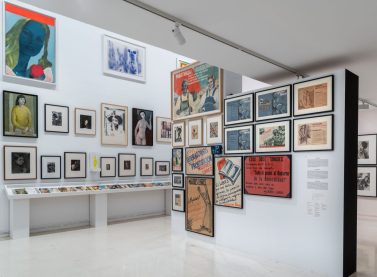
“Many of the borrowed pieces here might perhaps point in the direction of something missing, something we’re lacking – and I refer to more than just the IVAM’s Collection. A collection in many ways represents the conscious and unconscious realm of the community it is built from. Music, for instance, plays an important part in this exhibition, as in the superb musical scores by František Zelenka, or a reading of the collection and its treasures by El Niño de Elche, from the Intonarumori by Luigi Russolo to Symphony No. 1 by Glenn Branca. And is trap pop, or a commodity? Let us not call it “urban art”, a suspect category if ever one existed. But a whole community is speaking through trap. The evidence is there in the Nueve, Panamá video by Brooke Alfaro. Yet there are still people who have no voice, voices still silent. A key piece in the exhibition is the borrowed film <…-OhPERA-MUET-…>, [à la date du 23 setembre 2016], by Alejandra Riera, a film on the grand narratives of history and what is buried under its monuments, a film by those who speak from below, from the ruins. popular shows the murmurings and the silent, those who have no voice. Although that might be too loud a claim to make. We might say they appear, disappear and reappear. Perhaps these examples can give some indication of the workings of this research and how we’ve approached this exhibition”.
Pedro G. Romero
The songs (and one)
This magnificent collection of scores by Jaroslav Ježek, illustrated by the architect František Zelenka, was an opening for us to present, in some way, songs as one of the privileged spaces for the relation and emergence of the popular. Both were Jewish artists linked to the Czech avant garde; Zelenka was murdered at Auschwitz in 1945, while Ježek had died two years earlier of illness in exile in New York. The particularity of this repertoire, linked to the explosion of vernacular forms of music as a result of colonial movements in the 1920s, is exception in this respect. The popular emerges just at the point where displaced political representations fold that have based their success or symbolic potency on their necessarily subaltern position. This is the era of the slate record, and the birth of the global industrial culture later to be known as pop, or popular music.
The songs (and two)
The simplistic division between visual and musical culture has a strongly theological background to it. Reducing sound to abstract, spiritual or ritual categories without recognising it as symbolic representation, imagination and material figuration is above all the result of the totalitarian Enlightenment ordering of the world. What actually exists are continuities and relationships. Between poiesis (way of making), esthesis (way of seeing) and phonesis (way of speaking), there is always circulation. More than a specific cultural product, the popular is a result of circulation which runs through different means that can also multiply. The relationships between the writings, sounds and images selected here are based on that principle. There are avant-garde pieces, academic music, products of the cultural industry, studio experiments and street experiences, and the possibility of the popular runs through all of them.
The songs (and three)
This collection of songs by Niño de Elche with the collaboration of Xisco Rojo travels the – often blurred – limits between sound, music and the popular in song. Agustín García Calvo said that the popular qualities of a song could be measured in how likely you are to hum it in the shower. Whether through electronic dance music, spoken word, Latin diasporan music or flamenco, Niño de Elche has tried to connect some of the pieces in the IVAM collection, some of its images, with possible ways of being sung. Or hummed in the shower: be it a phrase by Juan Hidalgo or the petenera repeated by the Mexican people portrayed by Paul Strand, a fandango dedicated to Helios Gómez or the musical imprint of VALIE EXPORT’s tattoo on Rosalía. An image is also a song.

14 oct. 2023 – 16 dec. 2023
IVAM Centre Julio González
share
With the intention of bringing the exhibitions and history of the IVAM closer to groups of foreign visitors, we offer this special visit in English, mediated by an authorized official guide, in which they tour, as a walk, some of the key exhibitions of the IVAM collection, as well as some of the most current ones.
The IVAM Sightseeing visit will allow the visitor to understand the origin and creation of the museum, get closer to the great names that make up the IVAM’s rich collection, made up of more than 14,000 works of art, among which the collections of the sculptor Julio González and the painter stand out. Ignacio Pinazo. The walk will activate the exhibition BE ARTIST. Julio González, in which you can see practically the entire work of the leading avant-garde sculptor in his work in iron and the exhibition Pinazo in the public space, an exhibition that presents and raises the relationship of the Valencian artist with the exterior space and shows a good part of his drawings, moving away from the academy and embracing his own style. The tour ends in gallery 1 of the museum, in the exhibition dedicated to the Nigerian artist Otobong Nkanga Craving for Southern Light. An exhibition that analyzes the notion of ‘earth’ as a geological and discursive formation, often taking as a starting point the systems and procedures by which raw materials are excavated locally, processed technologically and distributed globally.
The visit aims to offer a generous overview of the museum to the visitor who, after it, can expand knowledge and concerns independently (thanks to publications, room texts or mediation texts in easy reading) or with the help of public programming and museum mediation.

14 oct. 2023 – 14 jan. 2024
IVAM Centre Julio González
share
With the intention of bringing the exhibitions and history of the IVAM closer to visitors, tourists and the community of foreigners who live in Valencia, this fortnightly visit is proposed in which they tour, as a walk, some of the key exhibitions of the IVAM collection, as well as some of the most current ones.
The IVAM Sightseeing visit will allow the visitor to understand the origin and creation of the museum, get closer to the great names that make up the IVAM’s rich collection, made up of more than 14,000 works of art, among which the collections of the sculptor Julio González and the painter stand out. Ignacio Pinazo. The walk will activate the exhibitions BE ARTIST. Julio González, in which you can see practically the entire work of the leading avant-garde sculptor in his work in iron and the exhibition Pinazo in the public space, an exhibition that presents and raises the relationship of the Valencian artist with the exterior space and shows a good part of his drawings, moving away from the academy and embracing his own style. The tour ends in gallery 1 of the museum, in the exhibition dedicated to the Nigerian artist Otobong Nkanga Longing for Southern Light. An exhibition that analyzes the notion of ‘earth’ as a geological and discursive formation, often taking as a starting point the systems and procedures by which raw materials are excavated locally, processed technologically and distributed globally.
The visit, as an introductory walk through the IVAM, aims to offer a generous overview of the museum to the visitor who, after it, can expand knowledge and concerns autonomously (thanks to the publications, room texts or mediation texts in easy reading ) or hand in hand with the museum’s public programming and mediation.
05 oct. 2023 – 14 apr. 2024
IVAM Centre Julio González
share
For more information, please check the Spanish version.

23 sep. 2023
IVAM Centre Julio González
share
This symposium will be hosted by the Institut Valencià d’Art Modern (IVAM) and organized by the ICOM-CC Photographic Materials Working Group in collaboration with the Spanish Group of the International Institute for Conservation of Historic and Artistic Works (GE-IIC). It will take place on September 23, 2023, immediately following the 20th Triennial Conference of ICOM-CC.
The event aims to encourage an open debate on what we understand as photography in our time. This need to reflect on the definition of photography arises from the current situation in which photographic heritage is at a crossroads between the analogue and the digital. Conventional definitions of the word “photography” are still typically associated with technical concepts and, in many cases, are not fully applicable to digital-born photographic images. On the other hand, if we aim to work towards a sustainable past, it is necessary to clearly define the object of that past, and this is a major shortcoming with photography.
Indeed, photography holds undeniable cultural value, communication power, and unique characteristics that materialize as complex objects with multiple layers of information. Therefore, if we intend to preserve photographs, it is essential to establish a new definition that covers in depth all that they encompass. By doing so, the change in definition will have consequences for the future of cultural heritage professionals working with photograph collections.
The proposed activity is a one-day symposium. In the morning, there will be short lectures by experts in the field with diverse backgrounds. After a lunch break, attendees will be divided into groups to discuss the definition of photography. The symposium will conclude with a roundtable centred around the concept of photography, what we truly aim to preserve, and what are the strategies we need to put in place to do so. The goal of this event is not to provide a concrete new definition of photography, but rather, a starting point to further debate and reflect on this topic, as it evolves and continues to affect different stakeholders.
This symposium is aimed at all cultural heritage professionals working with photography, ranging from students to professionals in the fields of art history, fine arts and conservation, collection managers and other museum and archive professionals, as well as members of the general public who are interested in art, photography, and the preservation of cultural heritage.
More information and registration here
12 dec. 1989 – 18 feb. 1990
IVAM Centre Julio González
share
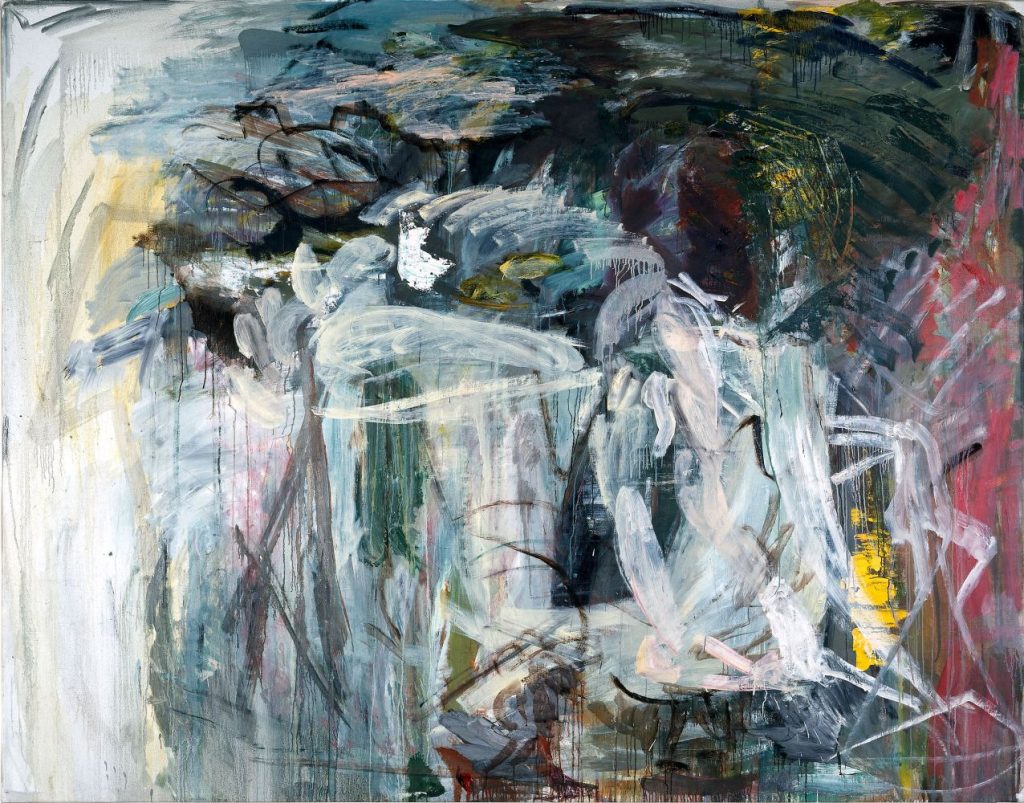
There is a quality in the work of Per Kirkeby (Copenhagen, 1938–2018), which is a result of his diverse, modern art education. Kirkeby studied Geology at the University of Copenhagen, but later enrolled at the Ex-School (Experimental Art School), Copenhagen, where he acquired a broad range of artistic knowledge in various disciplines including painting, graphic design, film and performance. Seen in perspective, his work is a compendium of these formal concerns, as well as others such as the essay and other forms of writing; architecture and sculpture.
While Kirkeby’s work can easily be situated within Danish art as a whole, for instance in the 1984 exhibition Uit Het Noorden (From the North), which grouped him together with Munch and Jorn, his work tends to be more closely associated with that of German artists. However, he also cannot be neatly fitted into the dialectical opposition between the formal practices of Richter or Baselitz and the more ideologically based work of Beuys or Polke. This variety of works and styles was well-represented in the exhibition at the IVAM Centre del Carme.
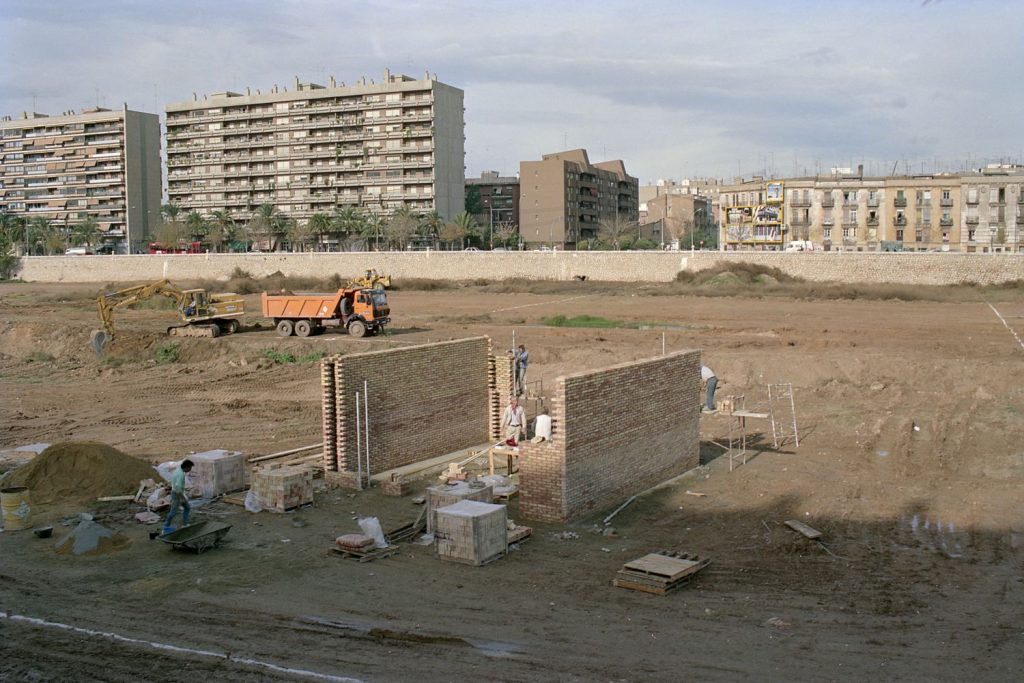
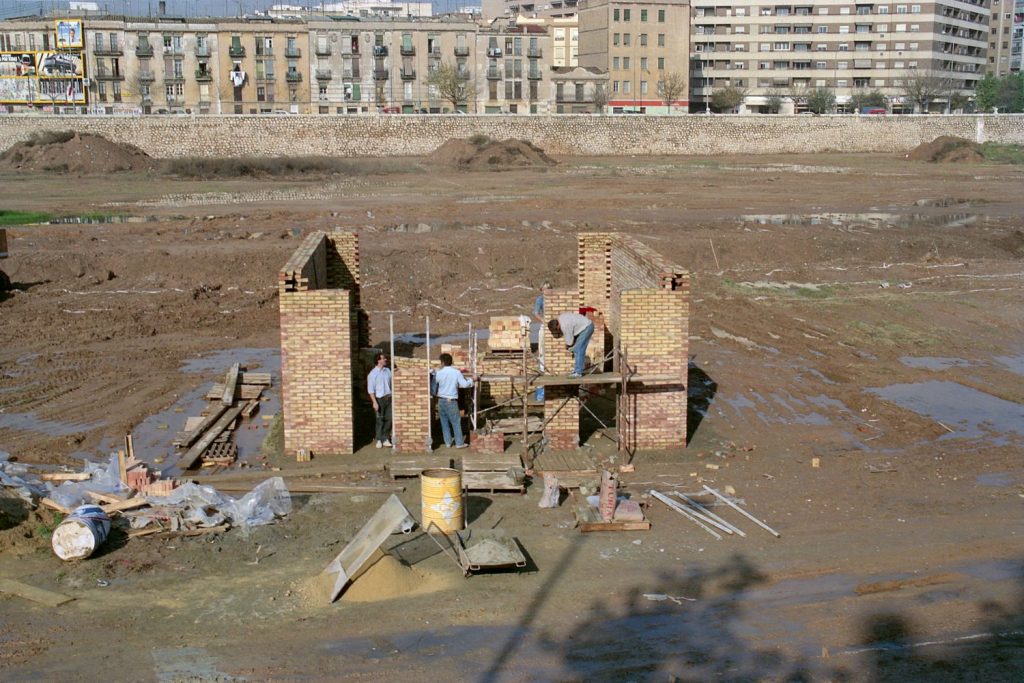
In another facet, during the transformation of the Turia into the city park it is today Kirkeby installed the architectural sculpture Valéncia (1989) in a site along the riverbed. Built with handmade bricks, the piece pays tribute to the city’s Roman and Arabic history. This and similar works since 1972 have become the Danish artist’s most representative pieces throughout the world. The maintenance of this magnificent work, which was partly constrained and hidden after the building of the Pont de les Arts, has been a complex affair. Its reconstruction and re-siting to the Parc Central, where the IVAM’s new museum building is to be situated, will give the piece a second, more visible life and better possibilities of conservation.

22 sep. 1989 – 30 nov. 1989
IVAM Centre Julio González
share
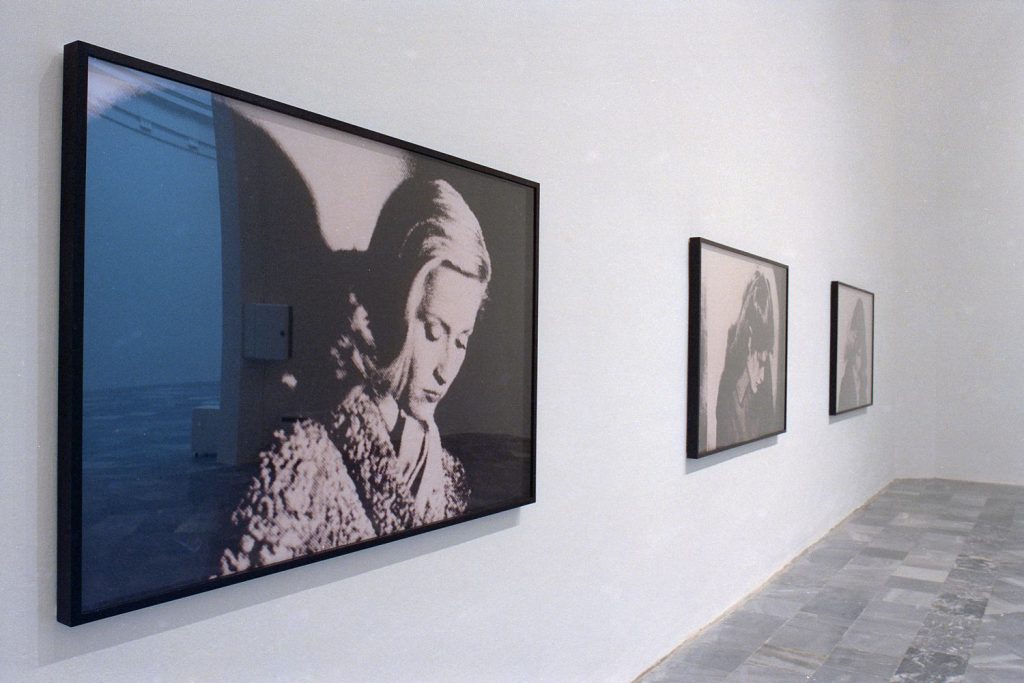
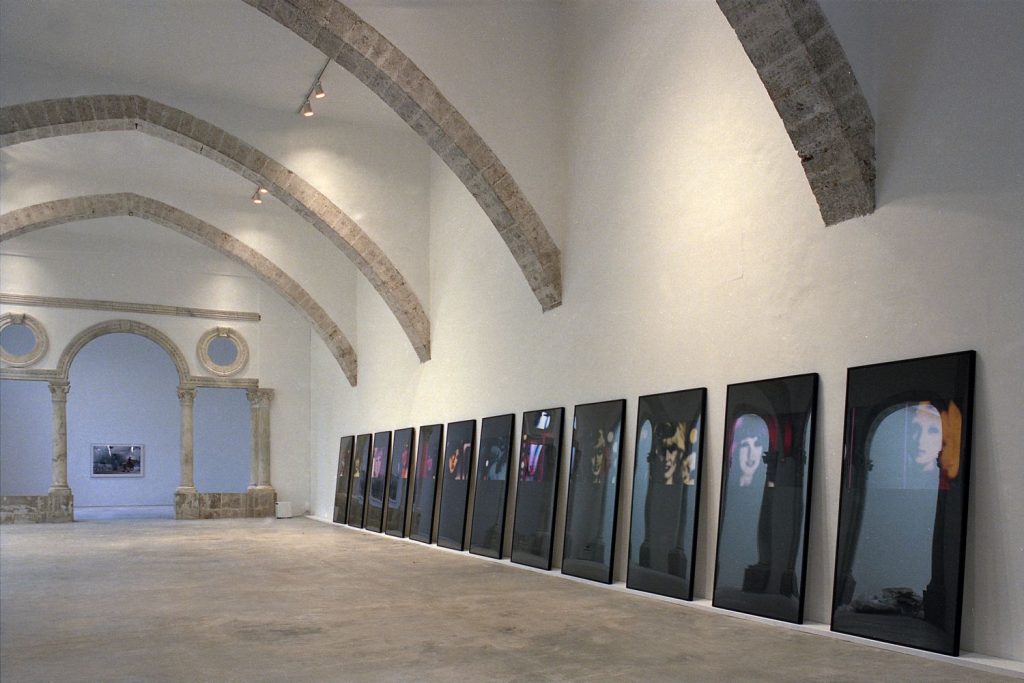
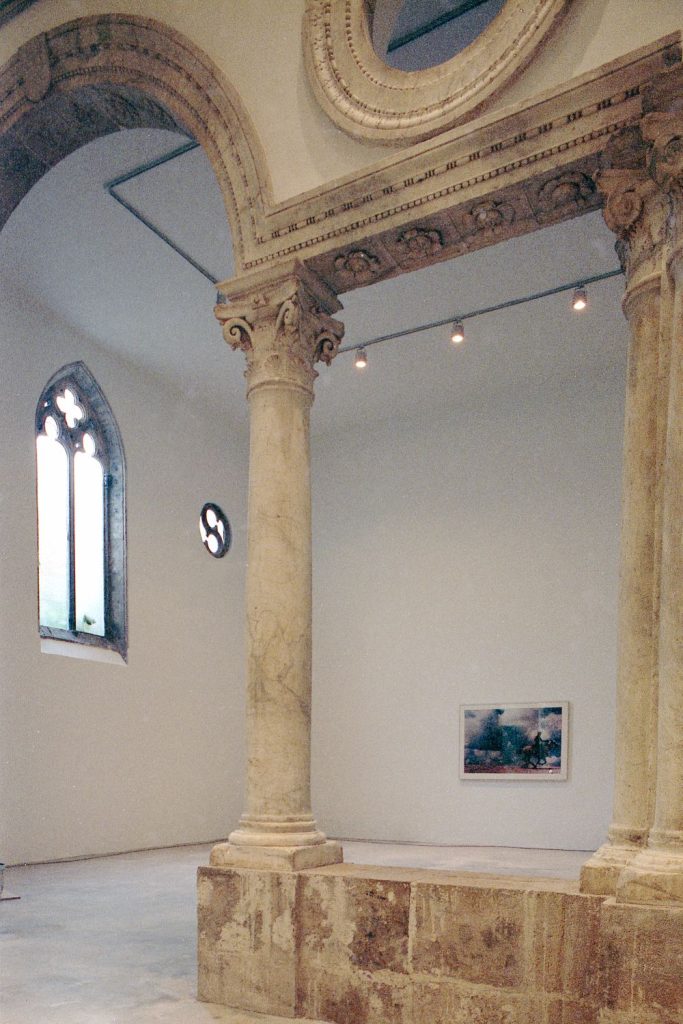
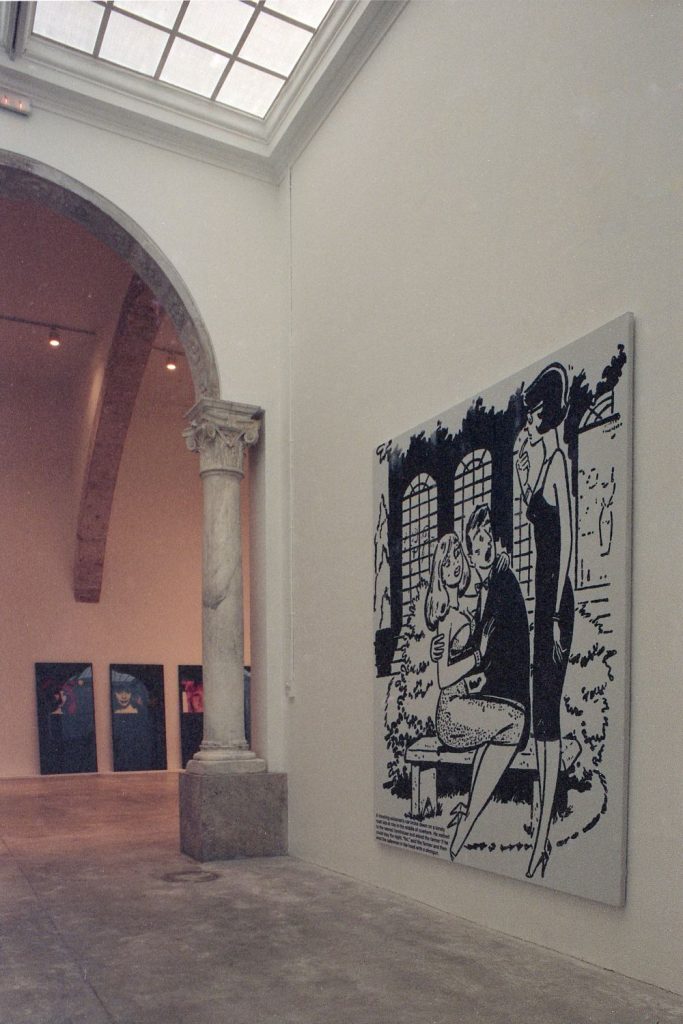
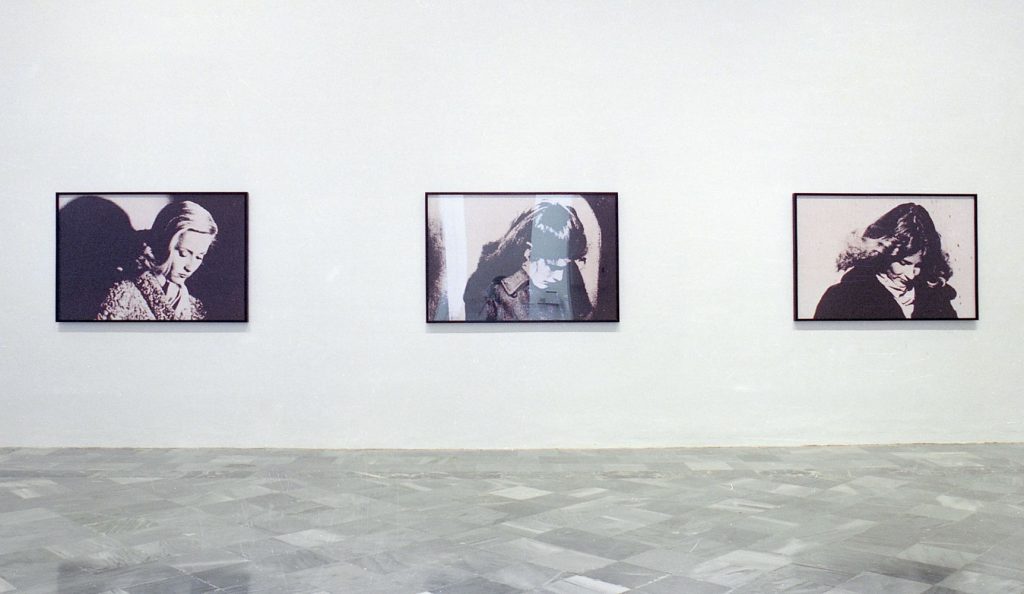
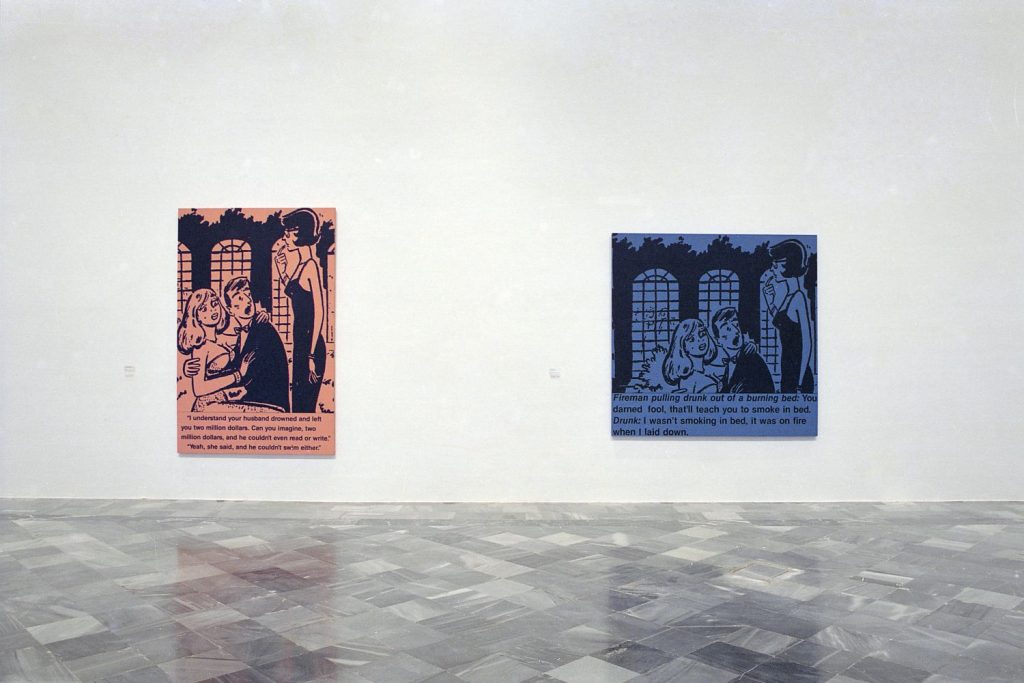
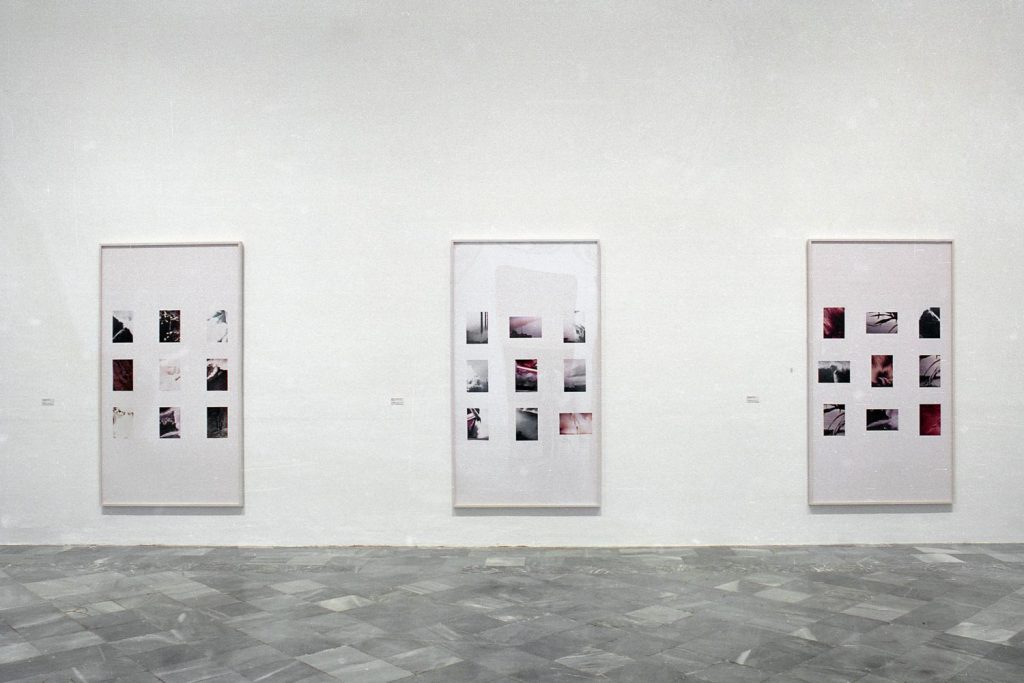
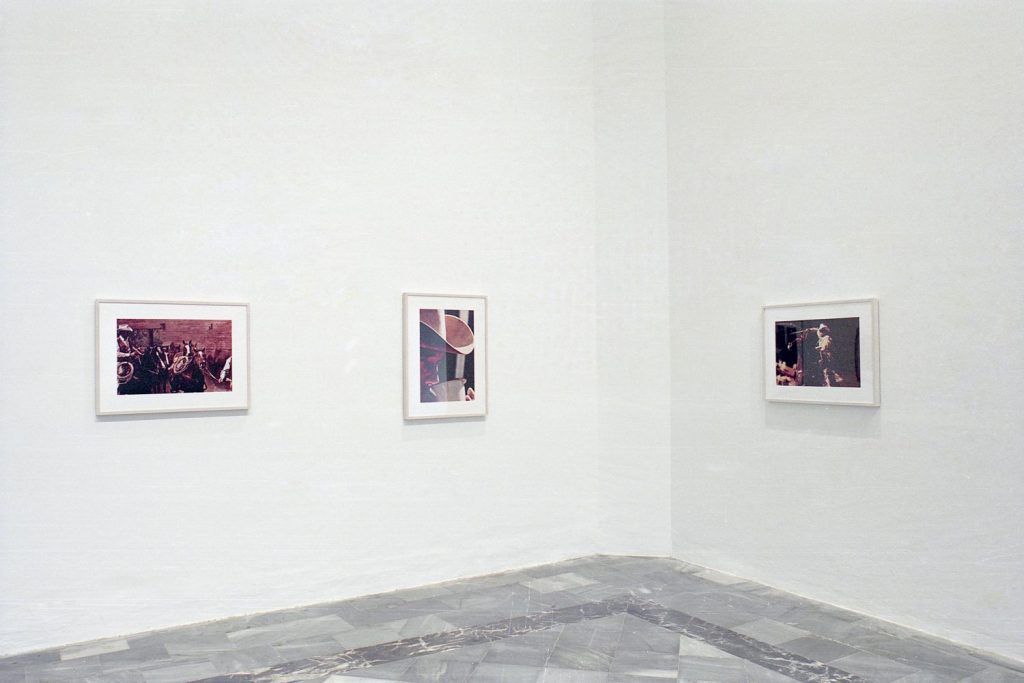
Seldom has an exhibition so clearly defined a museum programme as Spiritual America did at the IVAM Centre del Carme. The architecture of this part of the museum is highly representative and pushes younger or mid-career artists to make specific installations; whereas the Centre Julio González exhibits art histories in their most representative tendencies and names. With a catalogue conceived by the artist as an art piece in itself, Richard Prince (Panama Canal Zone, 1949) began what was known as the Col·lecció Centre del Carme series of publications. Many of these, as well as some of the posters in the series, (in this case also designed by Prince) became cult publications.
The work of Richard Prince is known for his appropriation of images from the mass media (television advertisements, films, magazines and other sources), for conversion into autonomous art works in which opposing elements are paired. The idea of the autonomous art work is disputed, with some seeing art as an ideological instrument and others as a thing in itself, in isolation, with its own rules of communication. Whichever way we see it, Prince considers that any situation can give rise to an image that can then become an artwork susceptible to interpretation.
The principle content of this exhibition was a series of photographs ‘lifted’ from Marlboro cowboy adverts, and the re-use of comic strips from magazines, particularly the New Yorker. In answer to critiques of his work claiming that he had “stolen” images from other photographers or graphic designers, Prince has always preferred to describe his work as “piracy”. Piracy here is the same thing that multinational brands do when they appropriate identities and principles – such as freedom – to encourage consumption of their products. Spiritual America confirms the IVAM’s support of pluralistic, critical, contemporary pop art.

27 apr. 1989 – 30 jun. 1989
IVAM Centre Julio González
share
The issue of representation is an intrinsic part of any discussion on the function of art. In order to certify a tendency we need a view of the whole, a collective view of what comprises a particular context. This exhibition was given the title of what was first a famous television programme and then a well-known book by the writer John Berger. Ways of Seeing was, for its curators, a “subjective, partial view revolving around the last ten years of painting in the Valencian region; (…) which does not intend to exhibit a ‘school’ (sic) or a generation, and certainly not of a ‘Valencian’ manner of seeing or understanding art”. It was a “passionate commitment to nine artists whose work extends far beyond the geographical borders they happen to have lived in”.
This (to some extent) generational commitment may be of great help in understanding some of the later movements relating to the importance or unimportance of art as a driving force for transformation, or simply as a mere historical record. It also invites us to notice the partisan use of art in changing cultural politics. The varied trajectories of the artists, some of which focus on the university, on activism or performative practices, some of which follow a more canonical approach, can now be seen as an explicit, well-documented piece of a period in Spanish and Valencian art history.

18 feb. 1989 – 23 apr. 1989
IVAM Centre Julio González
share
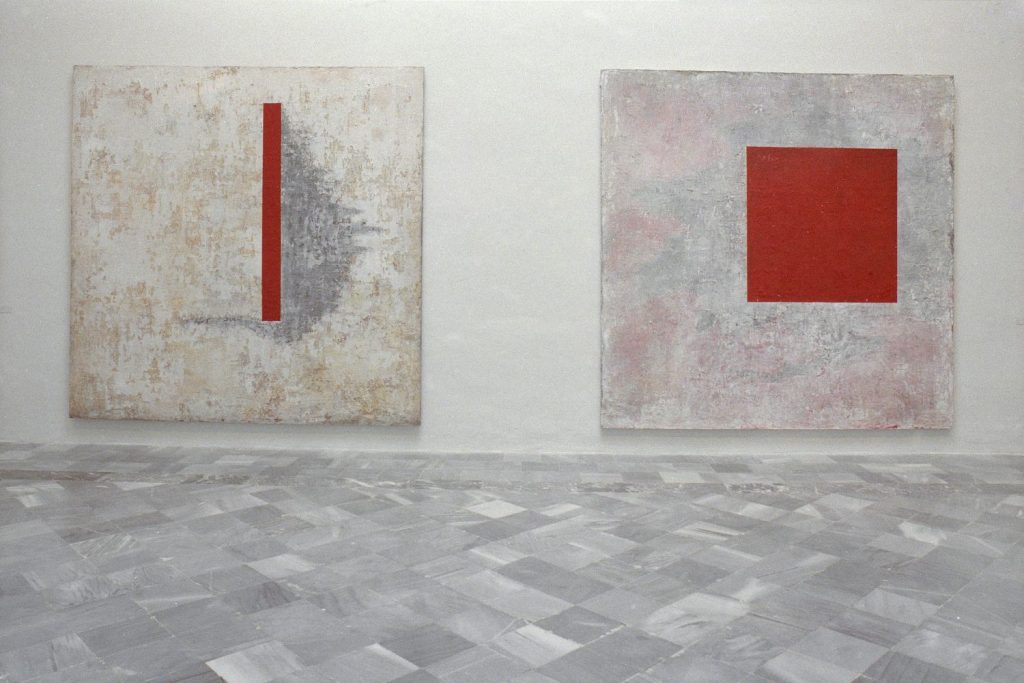
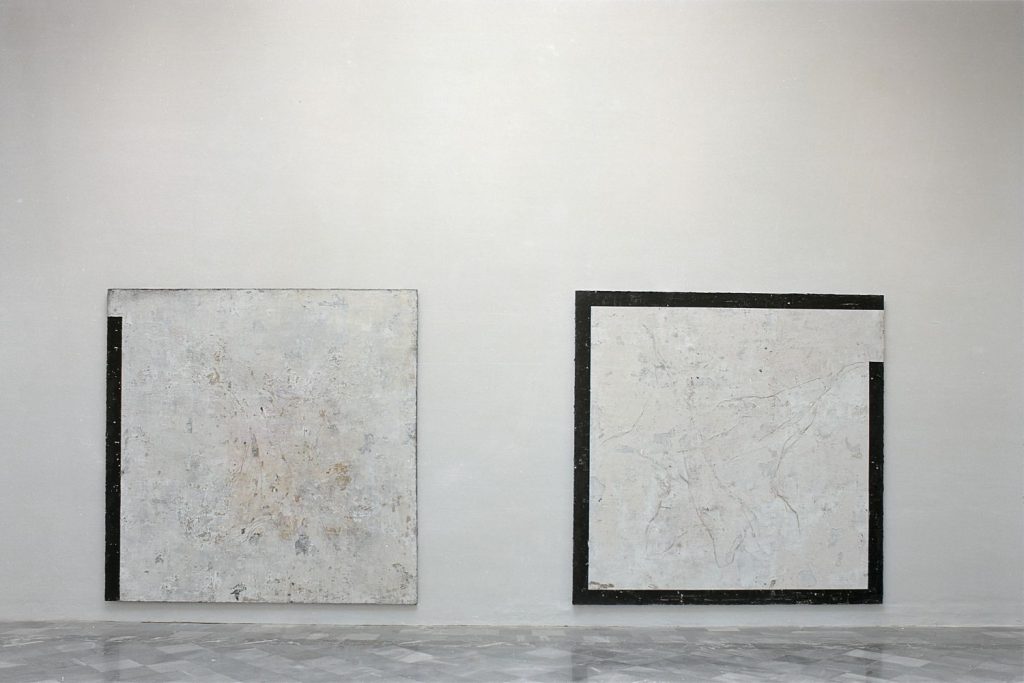
The first exhibition at the IVAM Centre del Carme fulfilled its purpose of displaying the work of young, internationally-known artists who at that moment were providing new perspectives on contemporary art. While emphasis was given to artists who made specific interventions in the splendid architecture of the Ferreres and Goerlich museum rooms, the inclusion of José María Sicilia (Madrid, 1954) focused discussion on painting of an abstract, expressionist leaning whose makers, however, avoided defining it as such, preferring to escape hackneyed labels.
In Sicilia’s paintings from 1987 and 1988, we see a search for a fertile dialogue between form and background, but also between the painting and the canvas, with the latter understood as a container and the former the content; and also an attempt to break away from the aforementioned formalistic conceptions. Outlines of plantlike figures, particularly flowers, appear in fusion with the background but marking out an organic terrain that contrasts with geometric figures. The duality between painting and canvas, that is, between the painted matter integrated as an abyss into the support, is a reflection of the duality between the organic and geometric, the solid or opaque and the transparent or veiled.
Sicilia studied at the Escuela de Bellas Artes de San Fernando, Madrid, and moved to Paris in 1980, where he shared his artistic exploration and discoveries with the artist Miguel Ángel Campano (Madrid, 1948 – Cercedilla, 2018). He was awarded the Premio Nacional de Artes Plásticas (National Plastic Arts Prize) in 1989.
22 dec. 1989 – 17 feb. 1990
IVAM Centre Julio González
share
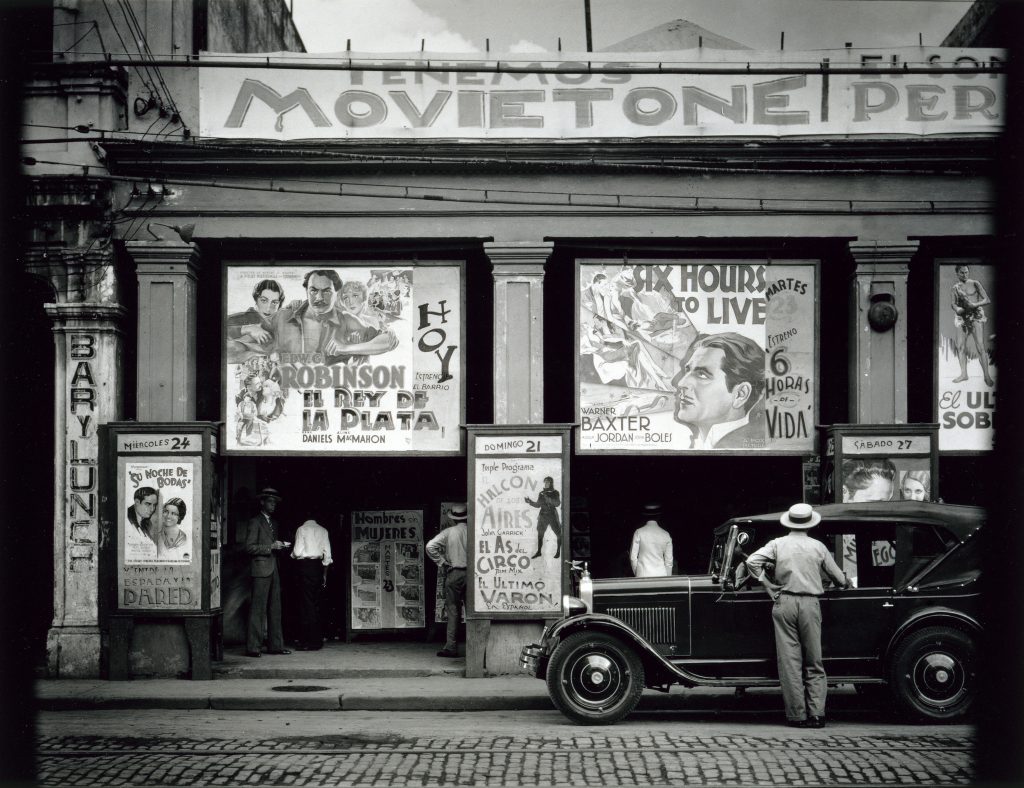
Walker Evans (Saint Louis, Missouri, US, 1903 – New Haven, Connecticut, US, 1975) wanted to be a writer, then became a press photographer and reputed professor as well as a reporter. His photographs have become part of the History of art in their own right; his projects and photobooks can without doubt be said to have marked the development of photography over the following decades, and some of his images have become icons of the modern age. His work for the Farm Security Administration photographic project, supported by the government of Franklin D. Roosevelt and coordinated by Roy Stryker, brought together a group of outstanding photographers whose ranks include Dorothea Lange, Ben Shann, Louise Rosskam and Jack Delano.
Havana 1933 brings together Evan’s photographic illustrations for The Crime of Cuba, a book by the politically committed writer Carleton Beals, made over a period of three weeks in spring 1933, when the island was being governed by Gerardo Machado. Machado’s government, which ended the same year, had turned into a bloody dictatorship. The scenes in this series show ordinary people like peasant farmers, prostitutes, beggars and the unemployed, but also the Cuban elite in Evans’ characteristic compositions: different types of architecture, urban signposting, frontal views and a certain distancing, which is not cold but reveals Evans as a great observer and newcomer to Cuban reality.
This exhibition was the first to bring together all of the photographs in the Havana series, practically unseen until then. It underscored Evans’ importance in later photographic history. The American photographer can unmistakeably be situated as a key figure in the transition between what we know as documentary photography and photography as an artistic or “plastic” discipline as defined by Dominique Baqué.
02 dec. 1989 – 28 jan. 1990
IVAM Centre Julio González
share
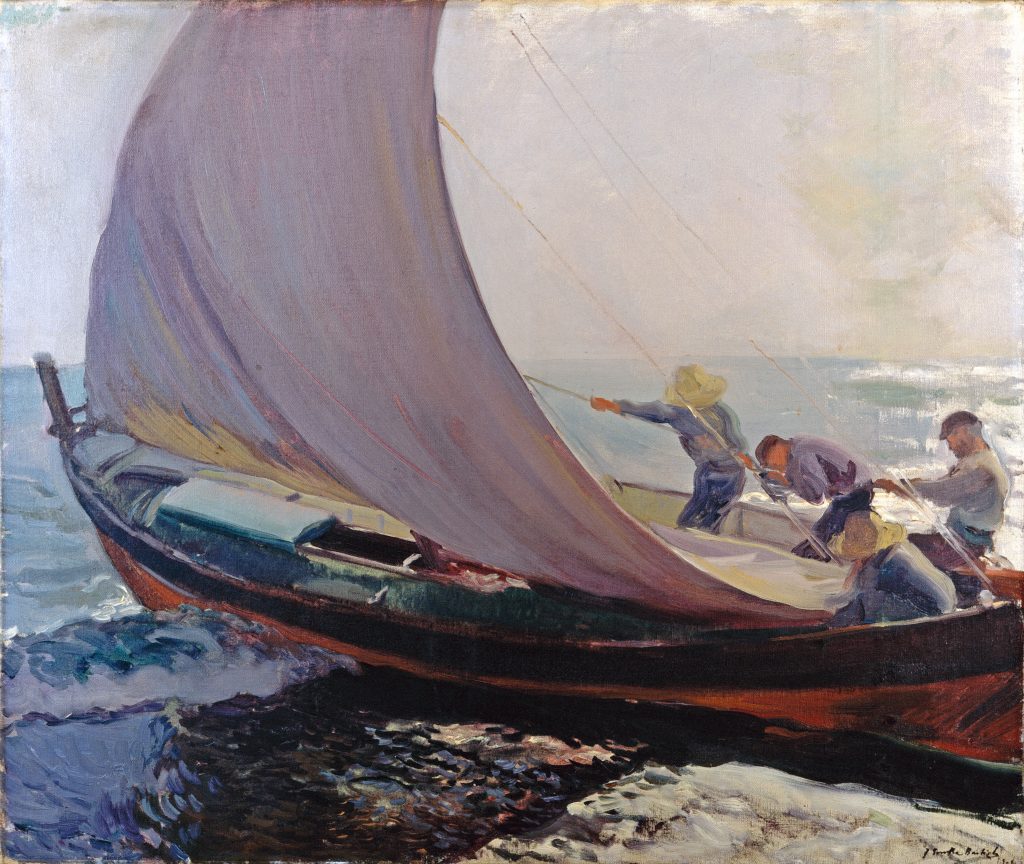
Some exhibitions pursue aims that go beyond the basic necessity of showing a collection of works by the same artist. For certain artists, a particular city can mean much more than a birthplace or one to live and work in. For Joaquín Sorolla y Bastida (Valencia, 1863 – Madrid, 1923), Valencia was a trove of symbolic and emotional properties. Similarly, the city (and many of its inhabitants) equate the painter’s gaze with something resembling a collective identity. Technical and formal characteristics of Sorolla’s paintings such as projected light, the clarity reflected in his subjects’ bodies, fabric and objects, the depiction of an evocative Mediterranean atmosphere, the artist’s genuine capacity to freeze a moment in time, with every movement occurring at once, are aspects that have come to be fused with the city and the education of the painter’s gaze.
While the chronological history of the IVAM began with Ignacio Pinazo, who was fourteen years older than Sorolla, localising the museum’s perspective as a means to propose its own narrative of universal art history with Valencia situated on the international map, the exhibition of Sorolla’s work positioned the IVAM in its own city. It was visited by thousands of viewers, and it was an introduction to a gradual process of education on modern and contemporary art. The wide range of styles and semantic plurality in art which the IVAM sought to incorporate in its early years marked out a new, successful path.
18 oct. 1989 – 15 dec. 1989
IVAM Centre Julio González
share
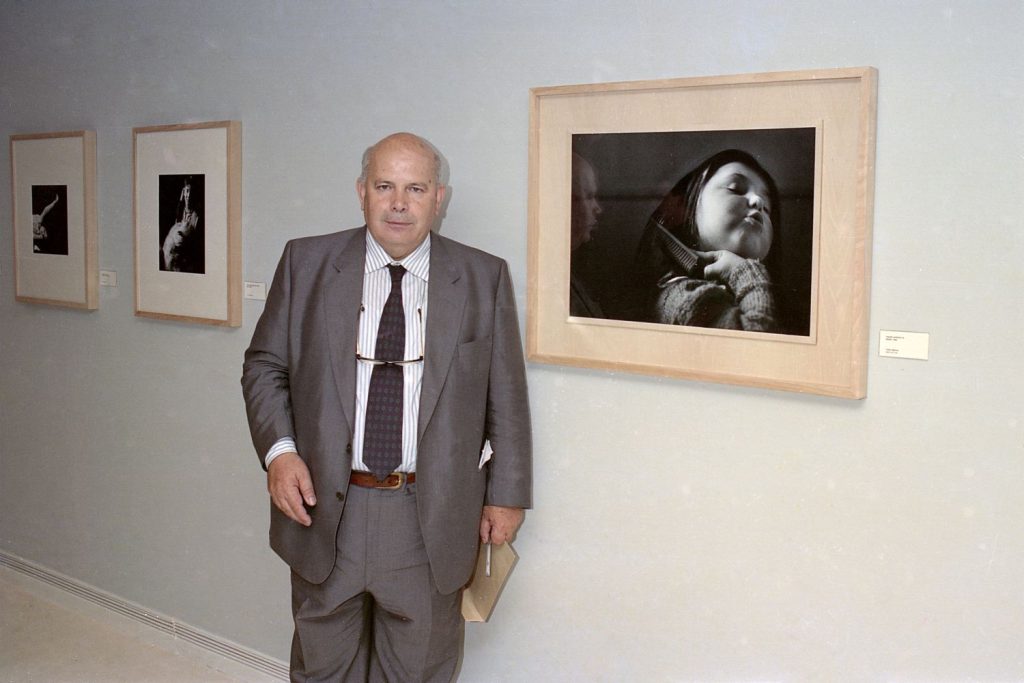
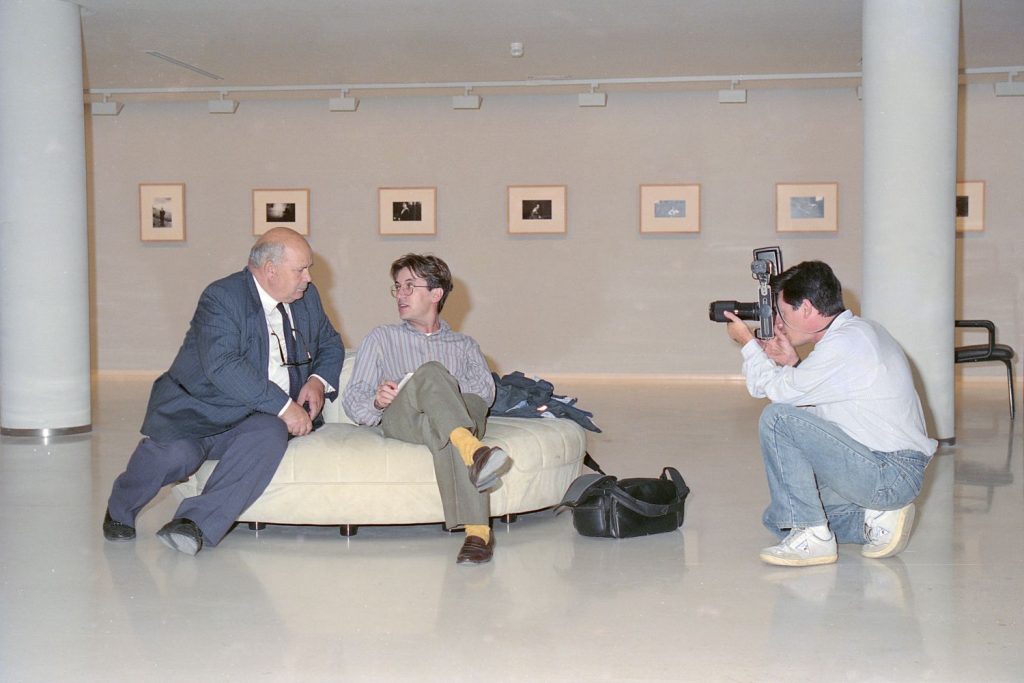
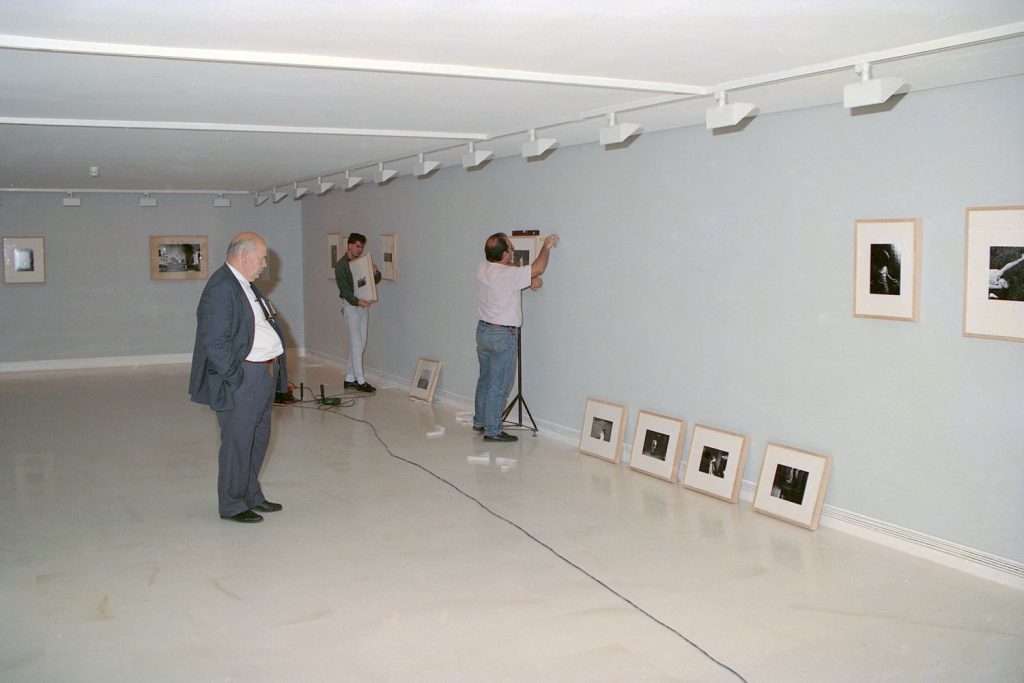
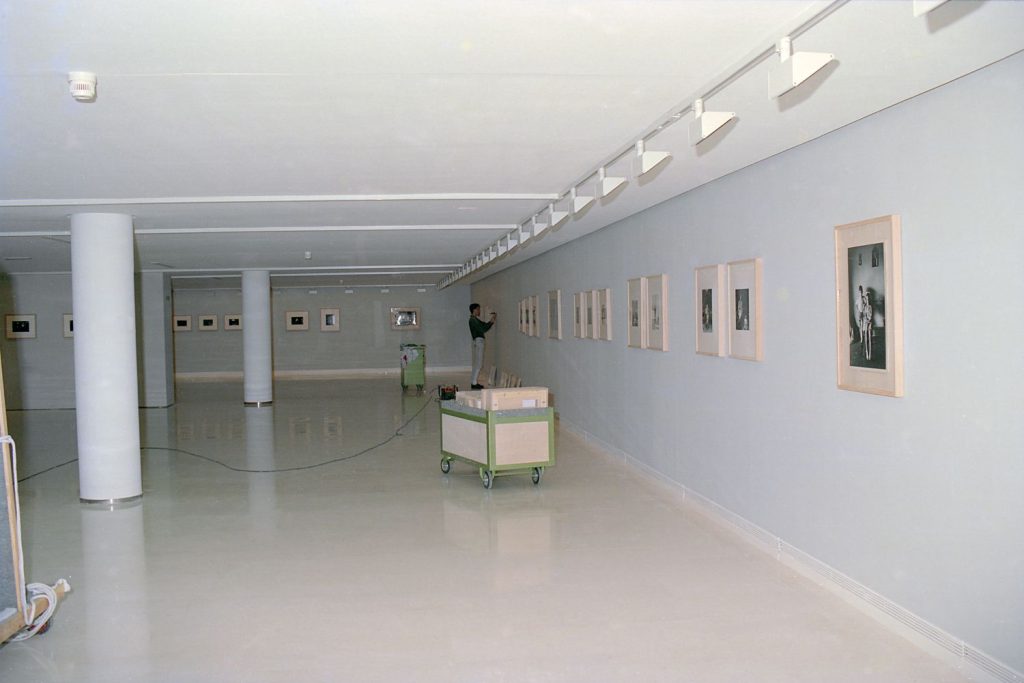
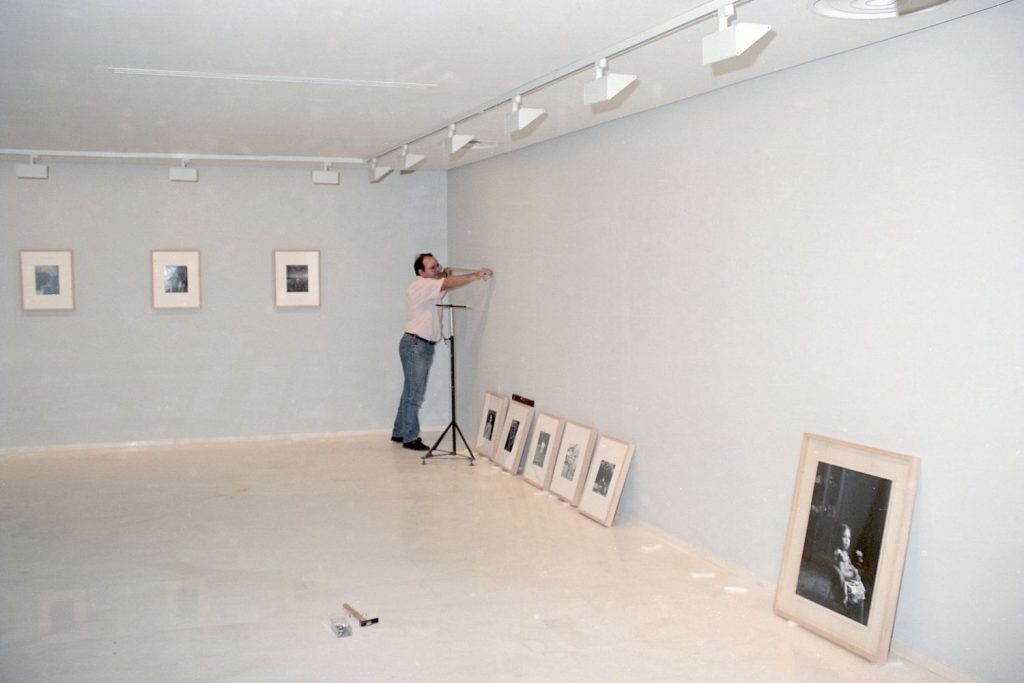
Photography has been an interest in the IVAM collection ever since its first acquisitions in 1986, and we have also tried to integrate the medium naturally into our exhibition programme. Gabriél Cualladó (Massanassa, 1925 – Madrid, 2003) was one of the photographers who best combined the photographer’s personal gaze with the spontaneity of the medium itself. Cuallado claimed to be an “amateur”; perhaps because he had no need to make a profession out of his work, over the years he built up a body of strongly empathetic, sincere work. The people around him, family and friends, and later on, a collective portrait of his profession, colleagues and symbolic places from his childhood, complete his oeuvre, in which a quiet way of being predominates.
This was the first exhibition to be dedicated to Cualladó, and presented a series of photographs made from 1955–1989, together with the photo-essays París (Paris, 1962), La Cervecería Alemana (German Beer, late 60s), La Real Sociedad Fotográfica (1979, 1982), El Rastro de Madrid (The Madrid Rastro, 1980–1981), and La Albufera (1985). The images selected bring together those that particularly interested the artist, even at the expense of some of his best-known works. To the scenes or intimate portraits of familiar people and places, Cualladó added a number of series in which the emphasis continues to be on his subjects’ closeness, expressing the simple, sincere gestures of anonymous people and places he was visiting for the first time. Gabriel Cualladó’s ability to look long and closely was a previous, necessary stage to another of his skills – choosing what to photograph.
Almost a year after this exhibition, in the group project Els paisatges de Joanot Martorell. Gandia i La Safor (The Landscapes of Joanot Martorell. Gandía and La Safor), also exhibited at the IVAM, Cualladó once again showed that the empathy of the photographer is a strange, infrequent synthetic capacity that conjoins knowing how to look with letting things happen.