Chillida, Millares, Saura, Tàpies

CollectionExhibitionIVAM Centre Julio González

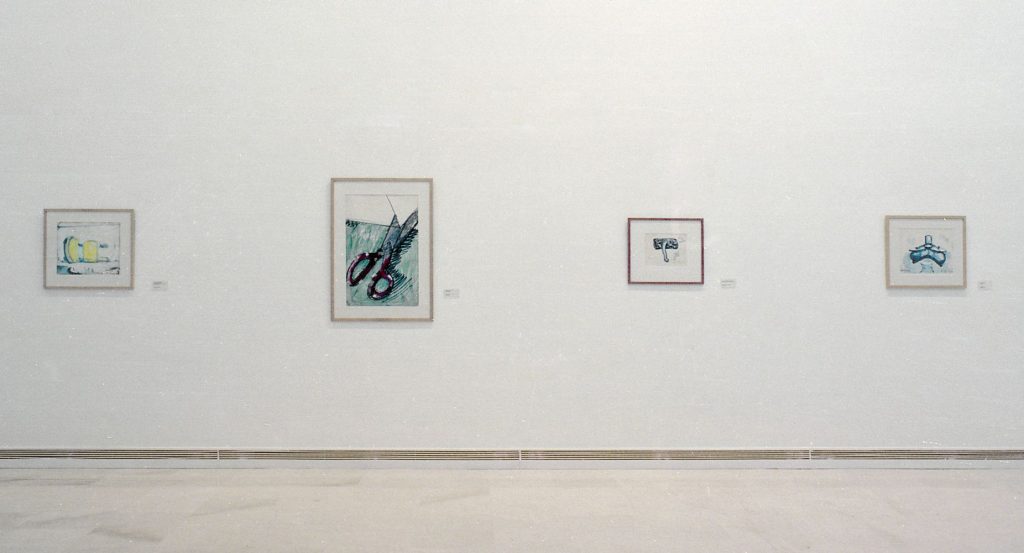
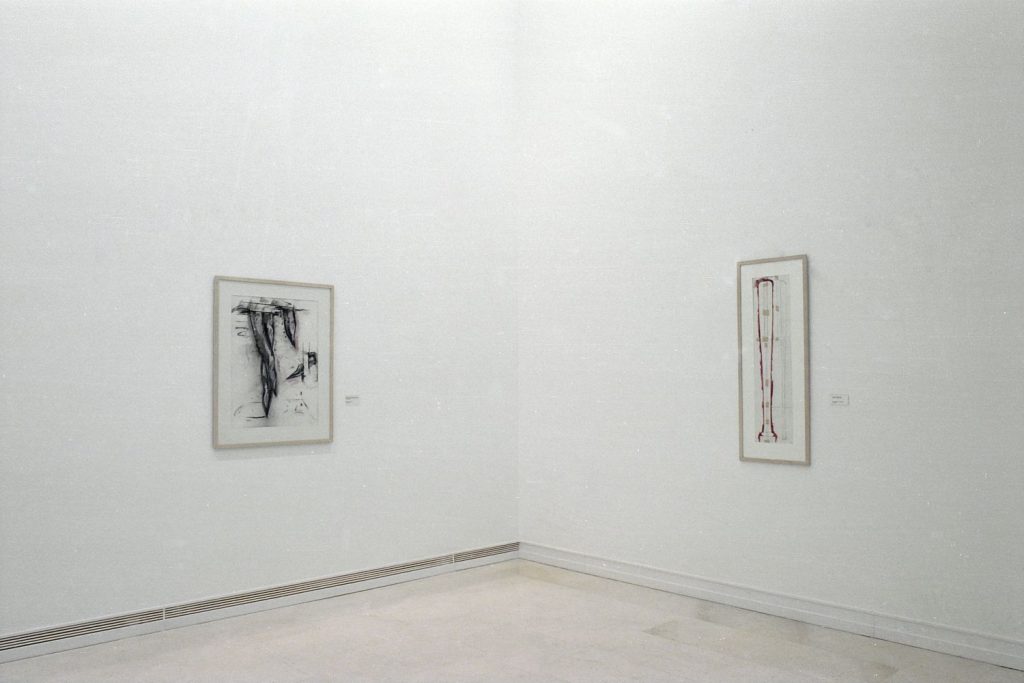
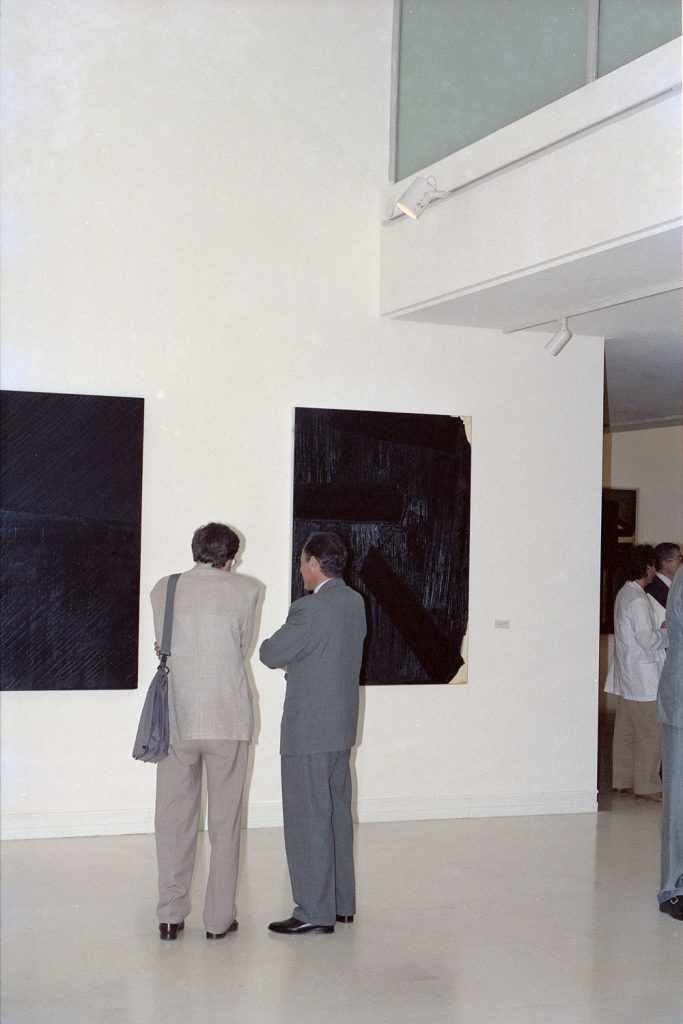
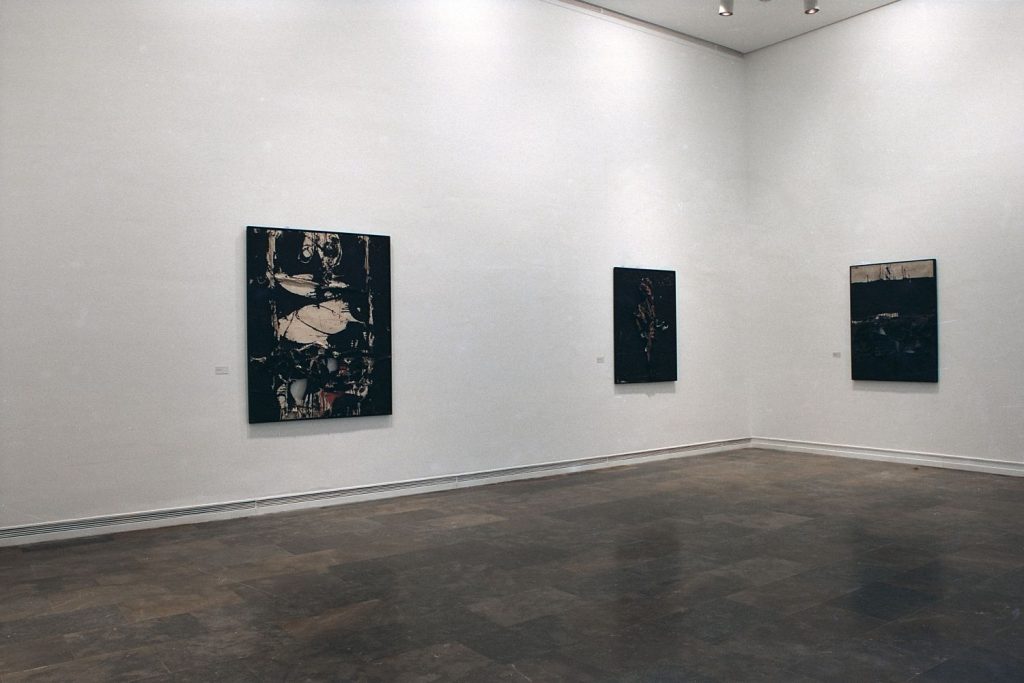
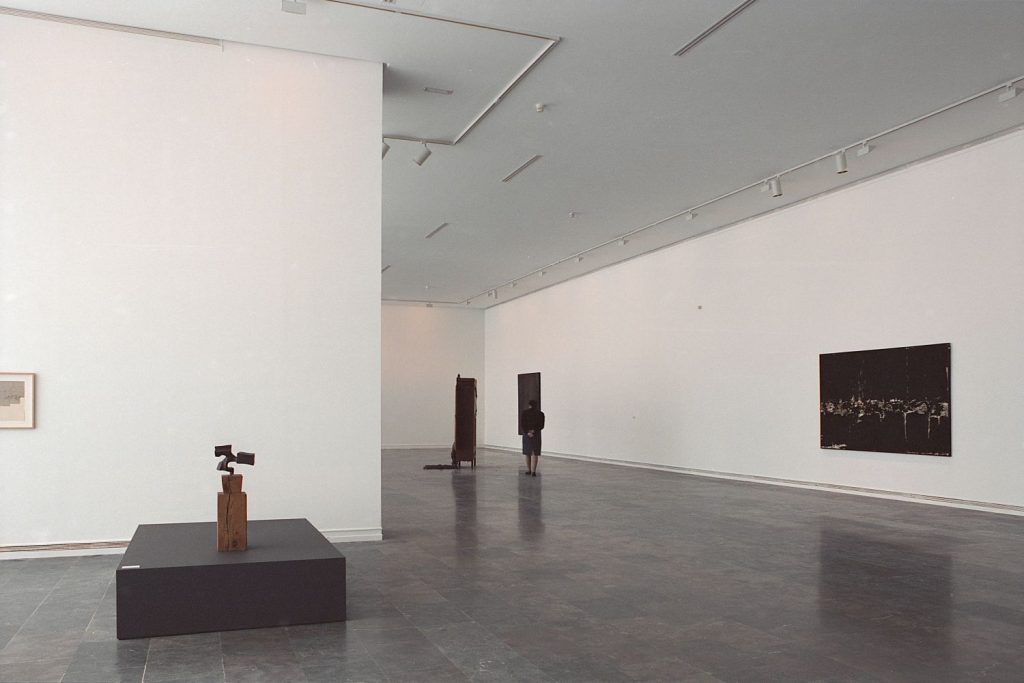
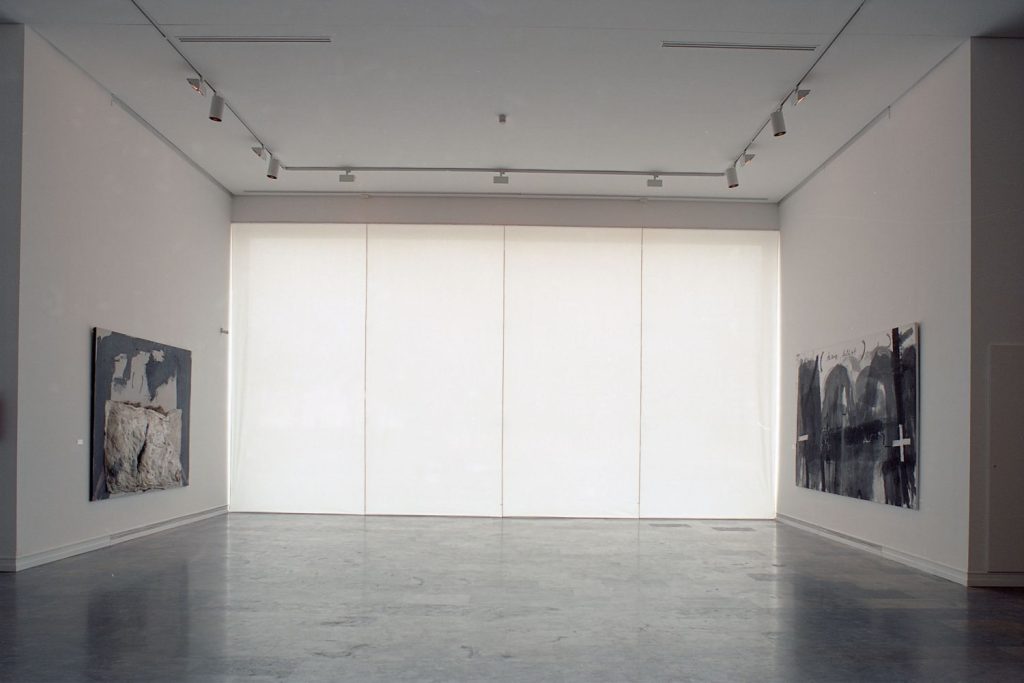
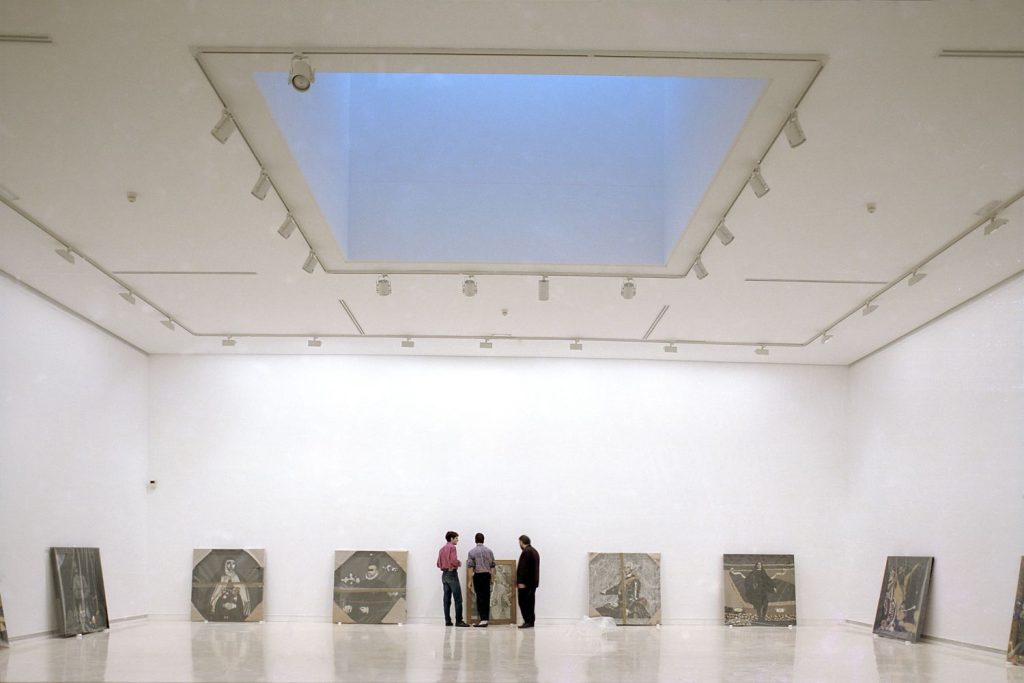
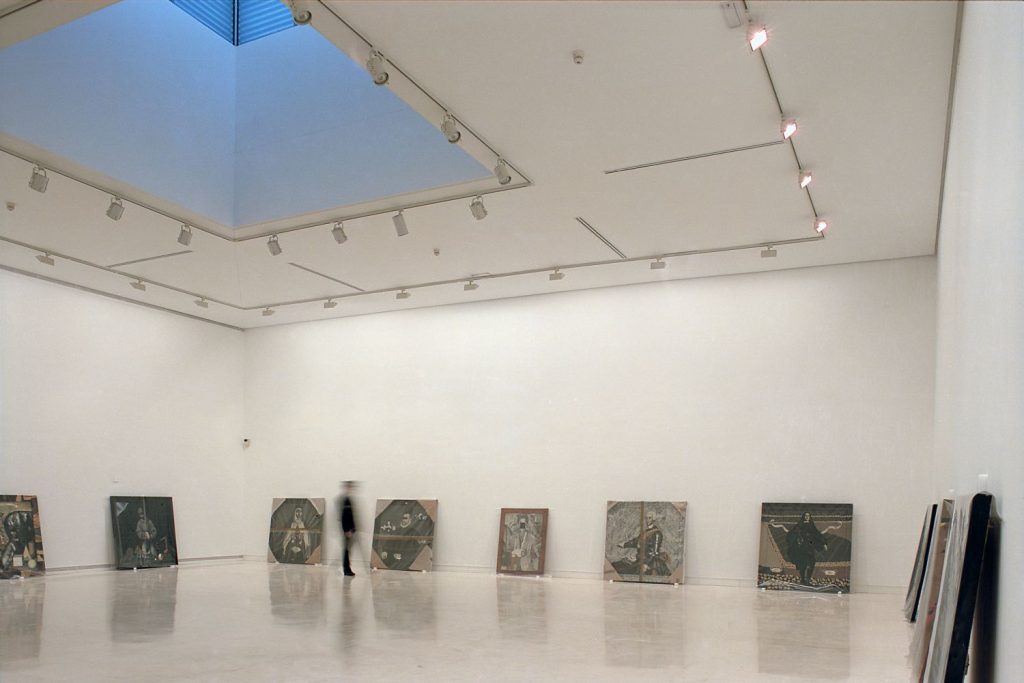
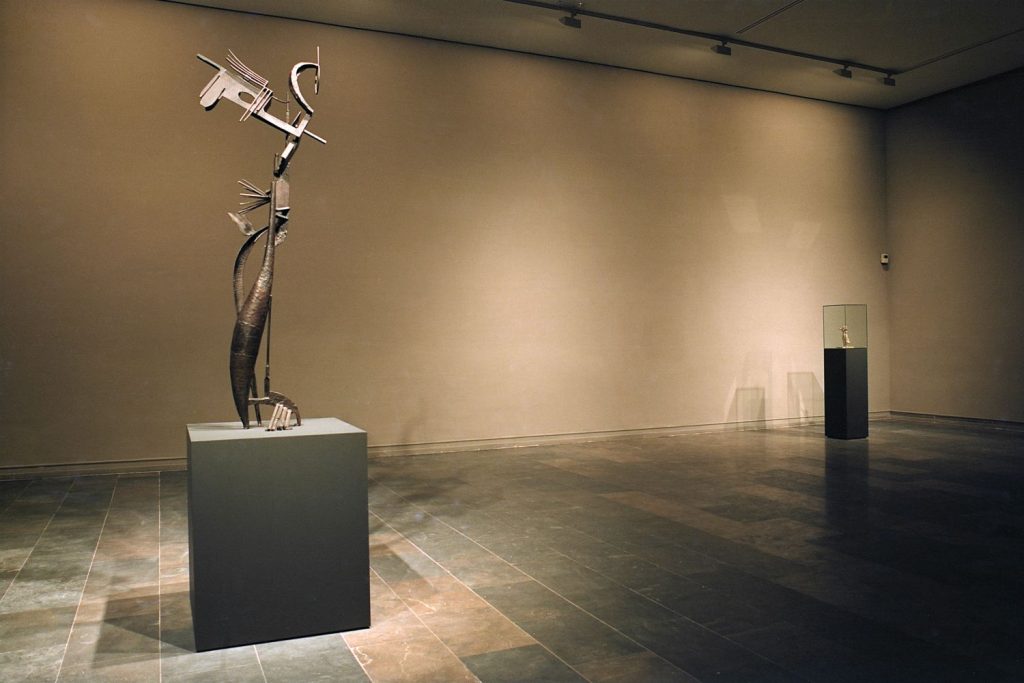
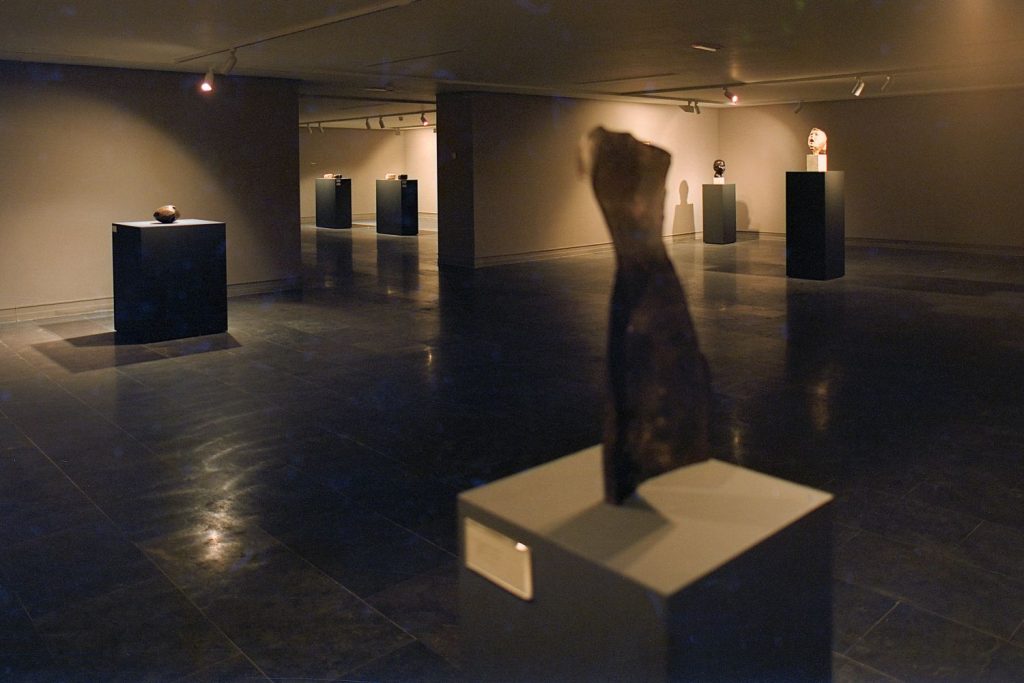
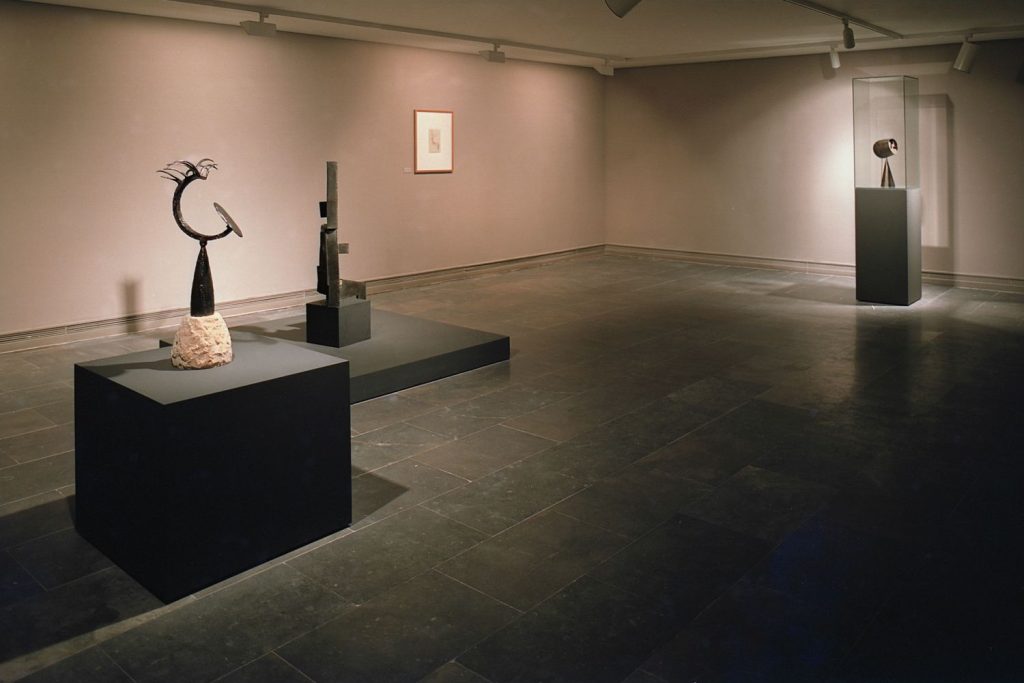
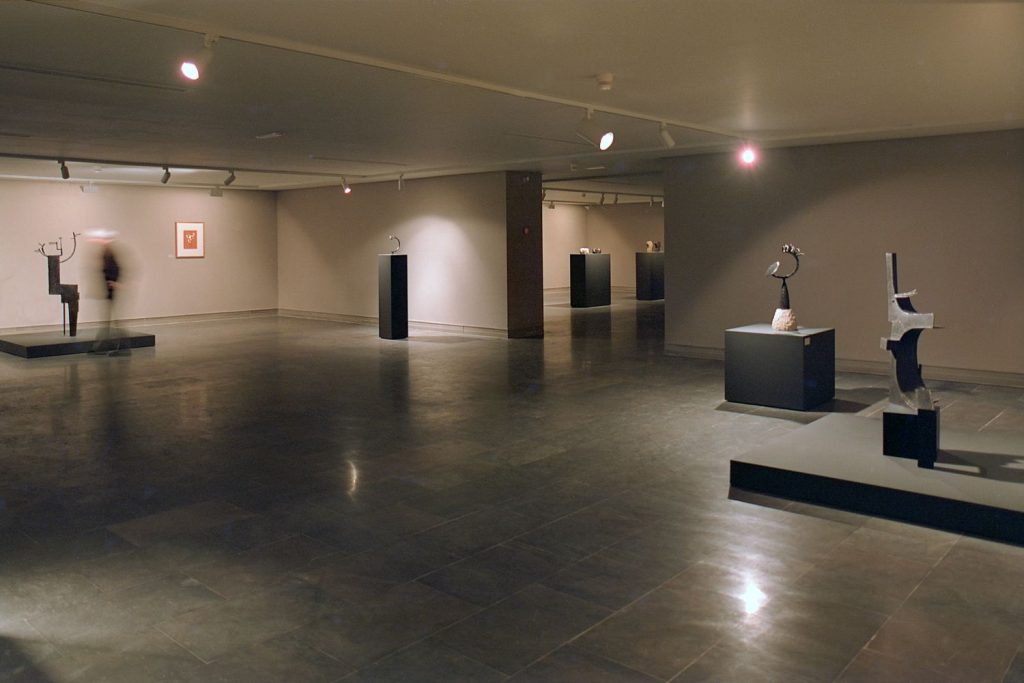
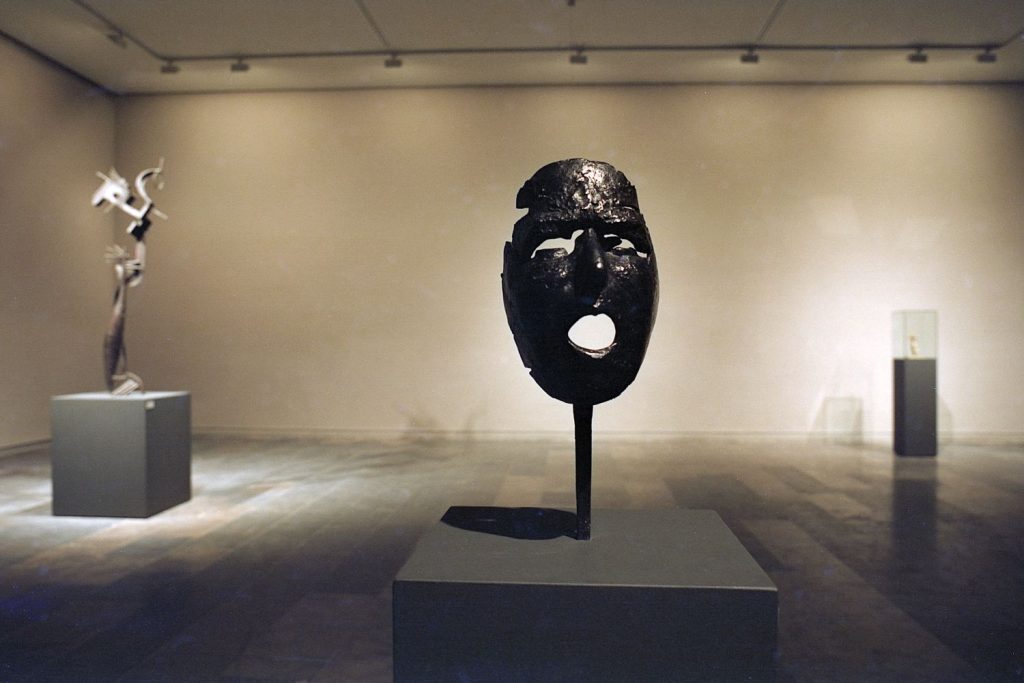
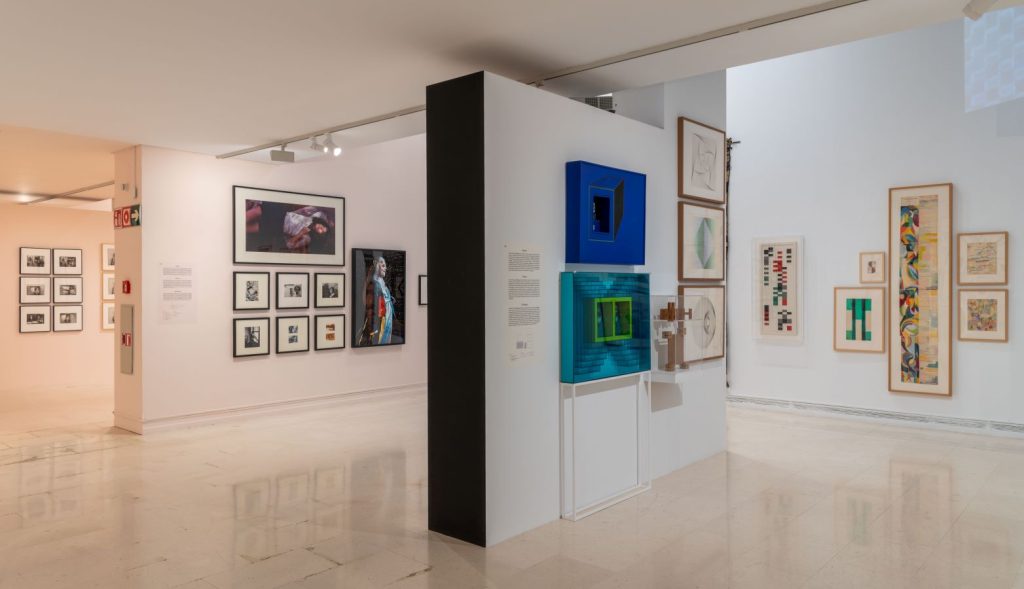
Informalism has a relevant chronological place in the IVAM’s collection, between works and documents representing the historical avant gardes on the one hand and Pop art on the other; both of these being fundamental pillars of the museum’s heritage. Informalism uses abstraction to touch on deep aspects of the human condition with materials from the artists’ immediate environment. From different perspectives, it shows the implicit contradiction between individual creative freedom, and the absence of collective freedoms during the Franco dictatorship.

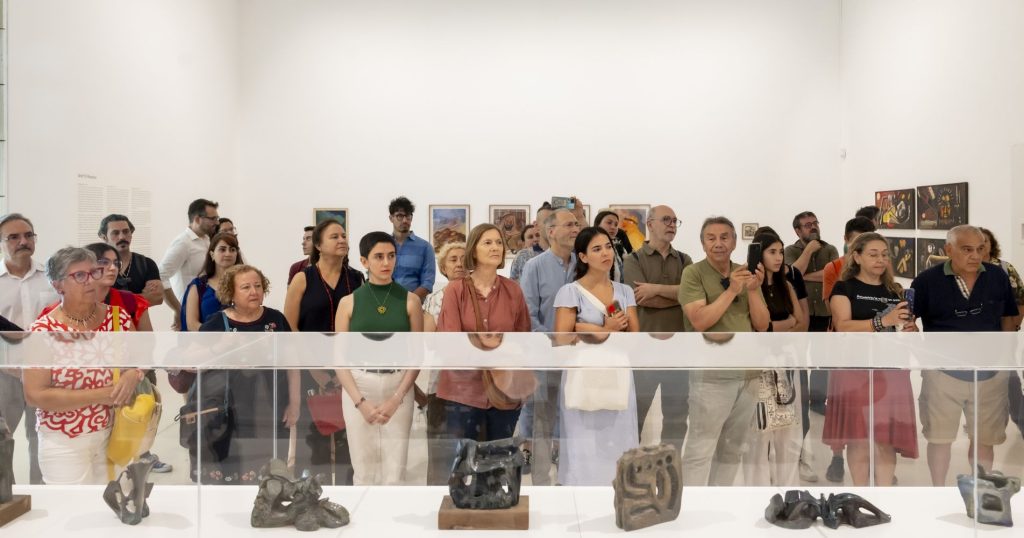
Spanish art’s leading role during the interwar period (1918–1933), with Pablo Picasso, Juan Gris, Julio González and Joan Miró, regained its international dimension after the 1958 Venice Biennale owing to the prizes awarded to Eduardo Chillida and Antoni Tàpies. Informalism from then on adopted a militant stance that turned it into a regenerative movement in modern art. Tàpies, Antonio Saura and Manolo Millares were at the forefront of the rebirth, which reached its peak from 1956–1964, and were given high status as solid values in the international art world. Their artistic careers during those years and after, when each artist developed their own definite, autonomous path, made them key figures of this artistic tendency that combines tradition and innovation, inner struggle and public expressiveness. Likewise, Chillida, who always maintained a coherent idea of sculpture, brings together the archetypes of Basque culture with the tradition of modern sculpture. The proximity of autochthonous elements such as an awareness of territory, the recuperation of the symbolic and materiality, fits in precisely with the industrial techniques of modern and contemporary sculpture.


1965-1981

ExhibitionIVAM Centre Julio González

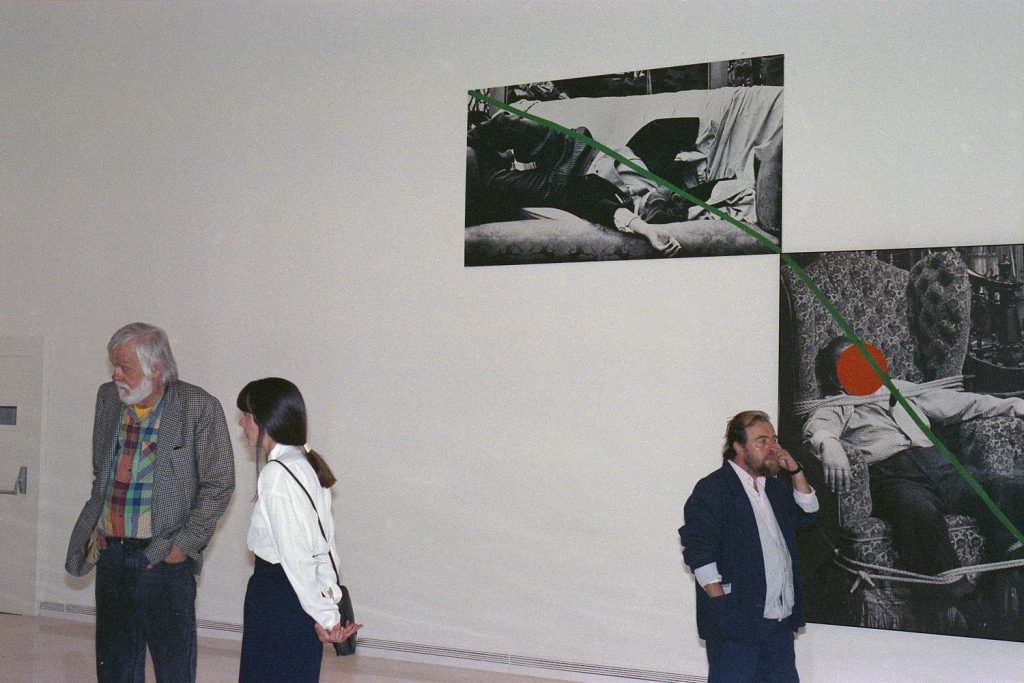
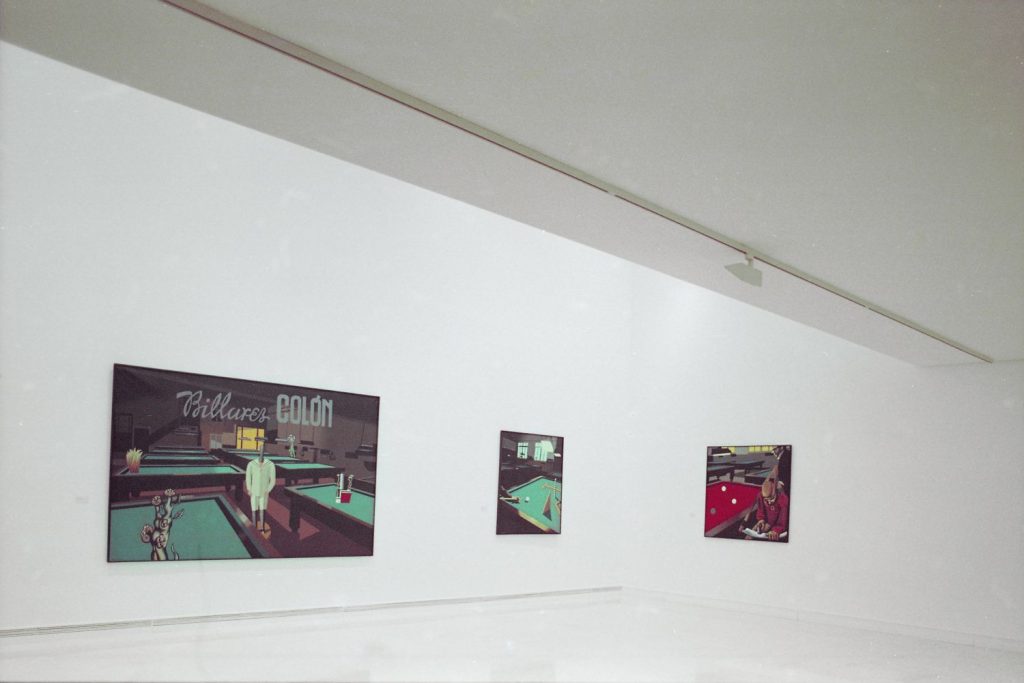
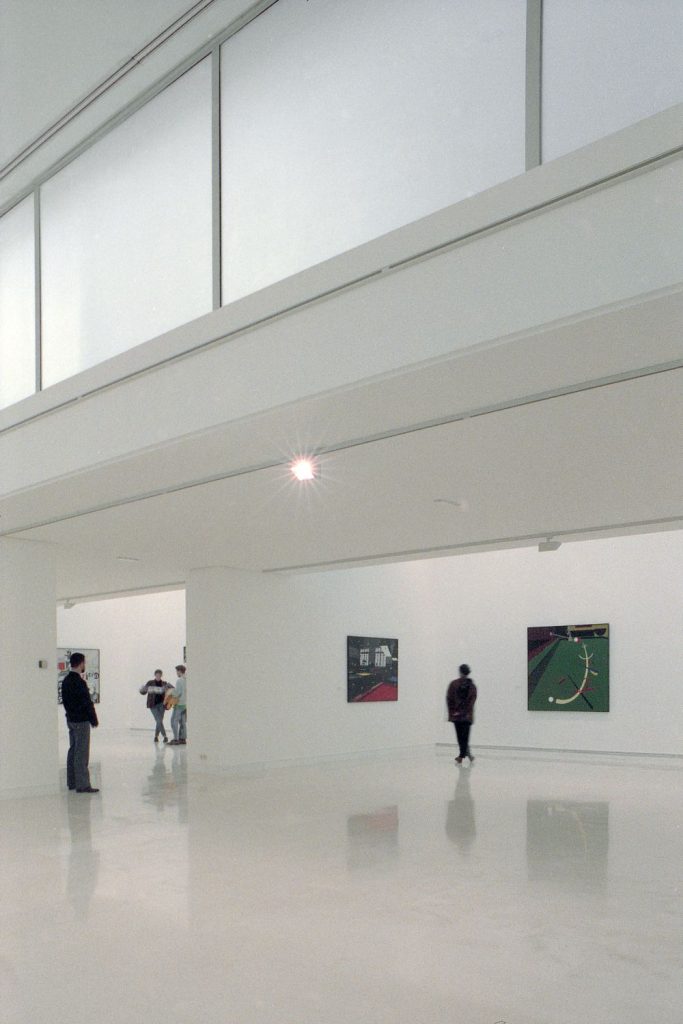
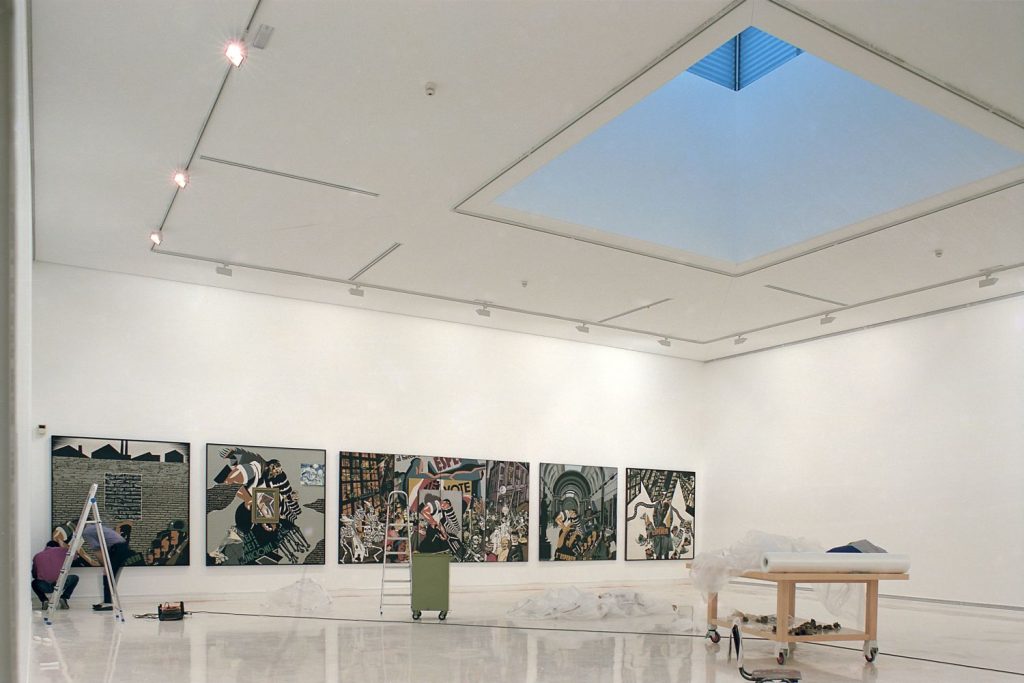
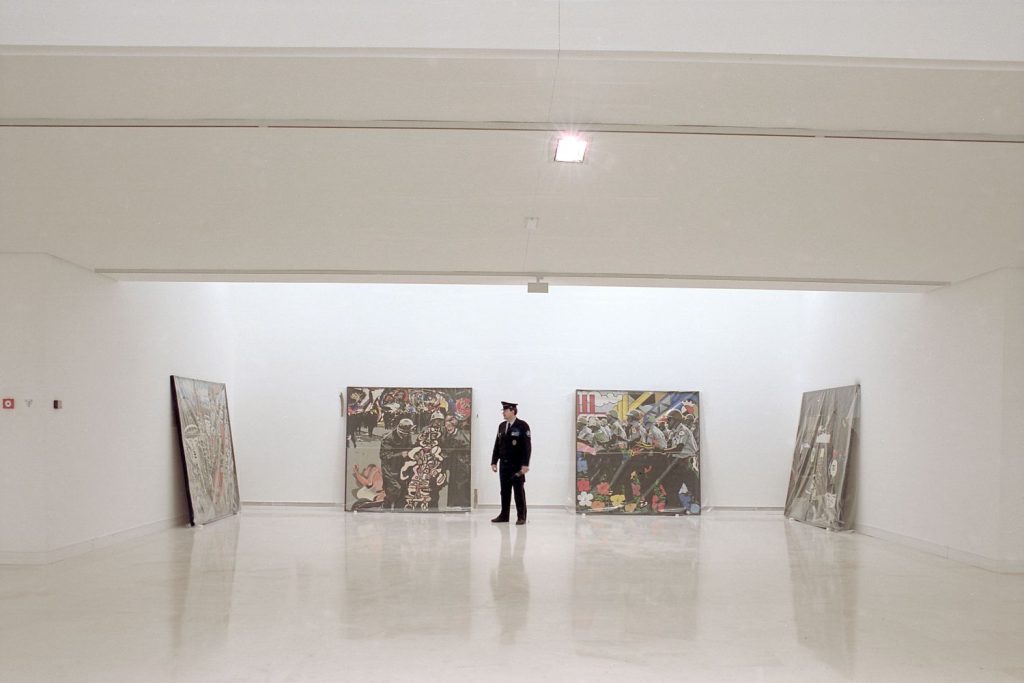
Pop art has been represented in the IVAM Collection since its beginnings, and has been a fundamental line in our research. The collection includes works by representative artists such as Richard Hamilton, James Rosenquist, Öyvind Fahlström, Claes Oldenburg, Valerio Adami, Eduardo Arroyo and others. The inclusion of Equipo Crónica grounds the collection solidly in the historical memory of a period in Spain that was much more than a mere artistic tendency. To the team’s political confrontation with the Franco dictatorship must be added their continual analysis of classical Spanish art (Velázquez and Goya, principally), and international modernity from the early twentieth century to their own time.

Equipo Crónica was founded by Rafael Solbes, Manuel Valdés and Joan Antoni Toledo (who was only a member for a year) in 1965 after an exhibition organised by Vicente Aguilera Cerni in October 1964 at the Ateneo de València. During the same period, another representative group, Estampa Popular de Valencia, was also founded, whose similarities with Equipo Crónica were merely formal, as Solbes and Valdés’ main premise was their socio-political commitment to criticise the Franco regime and its curtailment of freedom using aesthetic reflection as one of their tools. In the exhibition was a text by the historian and critic Tomás Llorens, who was one of the main architects of the IVAM’s creation in the late 1980s, and a supporter of Equipo Crónica’s work in the Institut’s early acquisitions for its collection.
After the death of Solbes in November 1981, Equipo Crónica disappeared, after an intense, fruitful and committed trajectory, thoroughly represented in this exhibition. The IVAM Collection holds more than one hundred works by the team, including paintings, drawings, engravings and posters.


CollectionExhibitionIVAM Centre Julio González

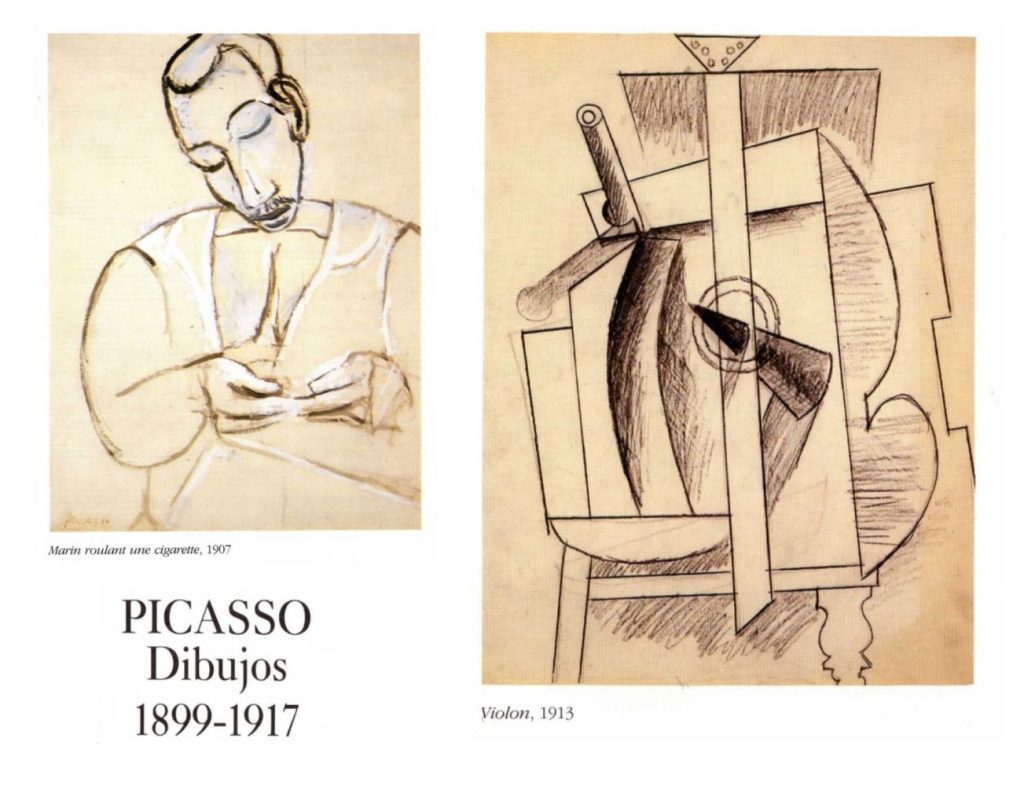
The work of Julio González (Barcelona, 1876 – Arcueil, Francia, 1942) reveals, like few other artists’, the intrinsic relationship between art and craftsmanship, and is also unique in blurring and redefining the borders between them. In the words of the artist himself, “Working with iron was a craft when I thought ‘art’ was oil painting”. The IVAM owns the largest collection of the Catalan sculptor’s work, part of which was purchased during the late 1980s, with other works also donated by the artist’s descendants in Paris, Carmen Martínez and Viviane Grimminger. When the IVAM was defining its fundaments and mission, it was decided that the newly-constructed museum building would be dedicated to the artist in recognition of his work, which has been on permanent display since the museum’s opening, and as a tribute and memorial to the artist, whose oeuvre, albeit almost unintentionally, pioneered a new line in art. At that particular historical moment, between the functional nature of the artist’s studio and the artistic intent of exhibitions, González is a key figure for understanding art’s development from modernity to contemporaneity.

Julio González began his work at his father’s workshop, doing metalsmithing with wrought iron and making jewellery. Both he and his brother Joan studied drawing, although their will to become artists related more to the classical idea of art as representation than to the tool for transformation that his sculptures in iron ended up becoming. Drawing is a fundamental aspect for any appreciation of his later works in terms of the play of form and space in master works such as Cabeza ante el espejo (Head with Mirror, c. 1934) or Dafne (Daphne, c. 1937). His family’s move to Paris in 1900 radically shifted his perception of art, as did his friendships with Picasso, Brancusi and the art world in general in what was then the world’s art capital. The IVAM has dedicated a substantial number of exhibitions to the legacy of Julio González from different perspectives, with the intent of giving a broad view of the transcendence of his work and the historical importance of his career.

IVAM AlcoiIVAM Centre Julio GonzálezTerritory
CollectionExhibitionLibraryIVAM Centre Julio González

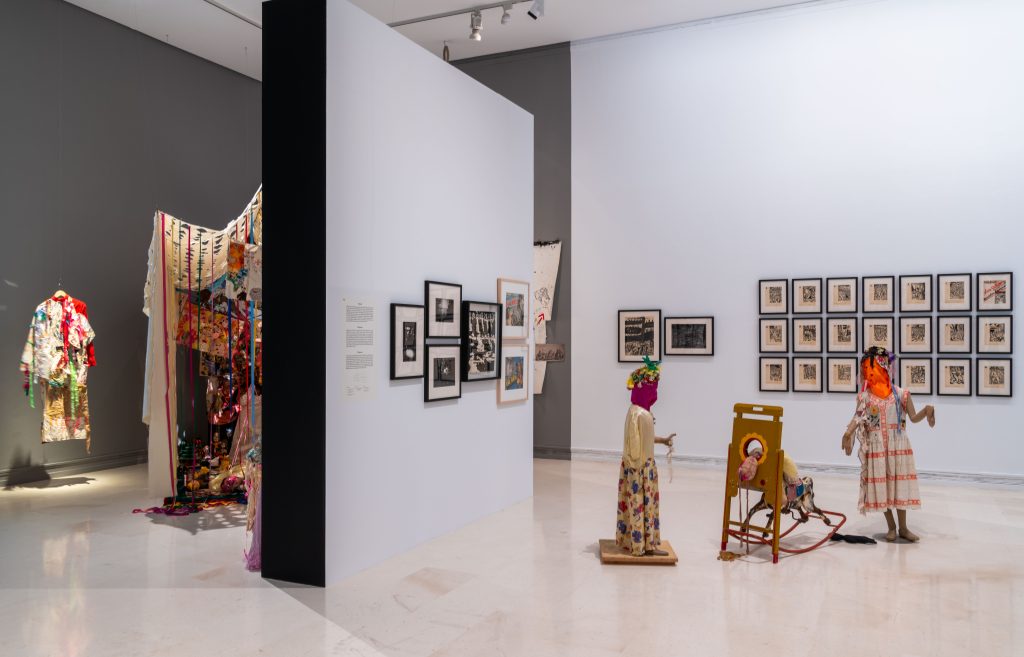
What is “popular”? Popular is not fame or celebrity. Popular is not the products of mass culture. Popular is not pop. Popular is not the art of the people, nor the identity of the country, nor the symbols of the nation. The popular is not the product of the proletariat or the craftsmanship of the working classes. The popular is not folklore. The popular is not clichés or tourist souvenirs. The popular is not visual candy, one-euro merchandise, advertising royalties. Popular is somewhere in-between all of that, underneath all that, yet something different. popular is an exhibition and an investigation – showing is a form of knowledge – that aims to answer this question.

The popular is a form of imagination, often words, images and things, created through gestures, actions and celebrations, in many different ways. The popular has a performative, plastic, shifting nature, always metamorphosing, closer to ritual than monument, liturgy devoid of theology.

popular is based on a strong interpretation. Human groups, specific life-forms, possessing no political representation of their own, strongly develop their symbolic representation. This has happened historically; since the birth of the people, since the political revolutions of the late eighteenth century, it was precisely in the imagination of the peasant populace and the remotest areas of the republics where what we know as popular began to take shape. Specifically, in the most meagrely represented groups in political terms, because nation-states were strongly linked to the cities, the great urban metropolises. If we think, for instance, of how Afro-descendent imagery, while Black people were still slaves, became commonplace ways to represent the United States, Brazil or Cuba. Or, if we think of how the gypsies in Spain – but also in Hungary or pre-Soviet Russia – always politically excluded – embody the clichés of the nation – Carmen, flamenco and bullfighting – we might understand what we are talking about.

The formula is certainly not a simple one. For example, we know that in art, the categories of representation and participation cannot be completely separated. The task of precisely identifying human groups with a symbolic surplus is not only difficult work; it also does not necessarily involved submitting an archive – the IVAM archive, in this case – to a police-type gaze, an exercise of finger-pointing. The history of social emancipations gives us some idea of which human groups have managed to achieve political representation over the past centuries. The Industrial Revolution, the American and French Revolutions, the feminist revolution, are all added fields on which to focus our attention. If we look at Valencia in the twenty-first century we can see how the proletariat, women and LGTBI, in some way, but also Latin American, Arabic or African migrants in other ways, run through the imagination of what we call popular.

popular works with the IVAM’s rich collection broadening the focus on certain aspects – music, for example –, shining a light on many aspects of the collection – the imaginary of the working classes – and highlighting absences – the Afro-descendant imagination, for example. popular is a spilling out of the IVAM archive, like a feast for the gaze, with new lines drawn between the pieces – for instance, el Niño de Elche has made songs based on 15 items in the collection – genealogically overflowing – overflowing is another feature of the popular – the framework of what modern art means, but also attempting to set clear guidelines for interpretation, a little like Juan de Mairena’s Popular School of Superior Wisdom, in the words of our old friend Antonio Machado.

Activities popular

Videos

Tours of the IVAM exhibitions with the mediation team

AccessibilityIVAM Centre Julio González

For more information please check the Spanish version.
As part of the exhibition Craving for Southern Light

ConversationsWorkshopsIVAM Centre Julio González

Otobong Nkanga (Kano, Nigeria, 1974) is an artist who sees the world as a succession of interconnected occurrences and superimposed layers. In her understanding, nothing happens if not in relation to the environment we live in or flee from, to our personal and political histories, our bodies and memories. This might be why she requires different artistic means to complete her broad understanding of the world. Using drawing, painting, collage, sculpture, installation and performance, Nkanga opens up the possibilities of complexity to synthesize an idea, life process or viewpoint that will define the present moment. Her position and practices are deep and poetic and never leave the viewer indifferent.

After a visit to her exhibition Craving for Southern Light (Anhelo de Luz del Sur) in conversation with the artist, Nkanga has proposed a calm encounter in which to analyse the processes, methodologies and urgent concerns in her work, exchanging knowledge and practices.

IVAM Estiu

MusicIVAM Centre Julio González

As part of the opening for the exhibition Otobong Nkanga. Craving for Southern Light, we will be presenting a music session by Oumoukala.

Oumoukala is a researcher, promotor of Okro, DJ, model and anthropologist born in Mauritania.

Her principal concerns revolve around music and sound as elements of identity and memory-related narrative. Enjoyment in the use and combination of these elements is fundamental in her work.

Okro is a liquid festive space. Our ultimate aim is to be a reference for a festive lifestyle and culture for people not represented in current club culture, and secondly to be a laboratory of diasporan African sounds in the creative arena. We try to create inclusive events focusing on revolutionary enjoyment for bodies not normally situated in the centre of society.

Okra, quimbombó or okro is a vegetable found in many African countries (Nigeria, Ghana, Cameroon, Ethiopia, Angola and others). Okra was taken to continents such as America by African slaves. For many years in countries like the United State, it was considered a food for the lower classes. It’s a vegetable that unites and celebrates Africa and the African diaspora in the north of the world. This gives the space its name and main vision: using African electronic music as a means to unite and resist through pleasure, celebration and the collective creation of black bodies.

Opening of Craving for Southern Light; Music session by Oumoukala from Okro Fam

MusicIVAM Centre Julio González

The third of our IVAM Estiu sessions is part of the opening of the exhibition Otobong Nkanga. Craving for Southern Light. For the occasion, the piece Constellation to Appease will be performed by the artist and three singers.

During the exhibition opening and cocktail, Oumoukala, from the Okro Fam collective, will perform a music session focusing on sound as an element of memory and narration of identity.

Oumoukala is a researcher, promotor of Okro, DJ, model and anthropologist born in Mauritania. Her principal concerns revolve around music and sound as elements of identity and memory-related narrative. Enjoyment in the use and combination of these elements is fundamental in her work.

Conversation between Otobong Nkanga and Nuria Enguita

ConversationsIVAM Centre Julio González

You are invited to accompany us at the presentation, followed by the opening, of Otobong Nkanga. Craving for Southern Light.

In the conversation, the artist Otobong Nkanga and the exhibition curator and director of the IVAM, Nuria Enguita, will offer some of the keys to this specific programme for the museum’s Galeria 1.

Using sculpture, drawing and performance, as well as writing and educational formats, Otobong Nkanga (Kano, Nigeria, 1974), analyses the notion of “earth” as a geological and discursive formation. As a starting point, her work is often based on systems and procedures used to locally excavate raw materials, technologically process them, and globally distribute them. From there, she follows the threads that link together minerals, material culture and the construction of desire with the redistribution of power and knowledge.

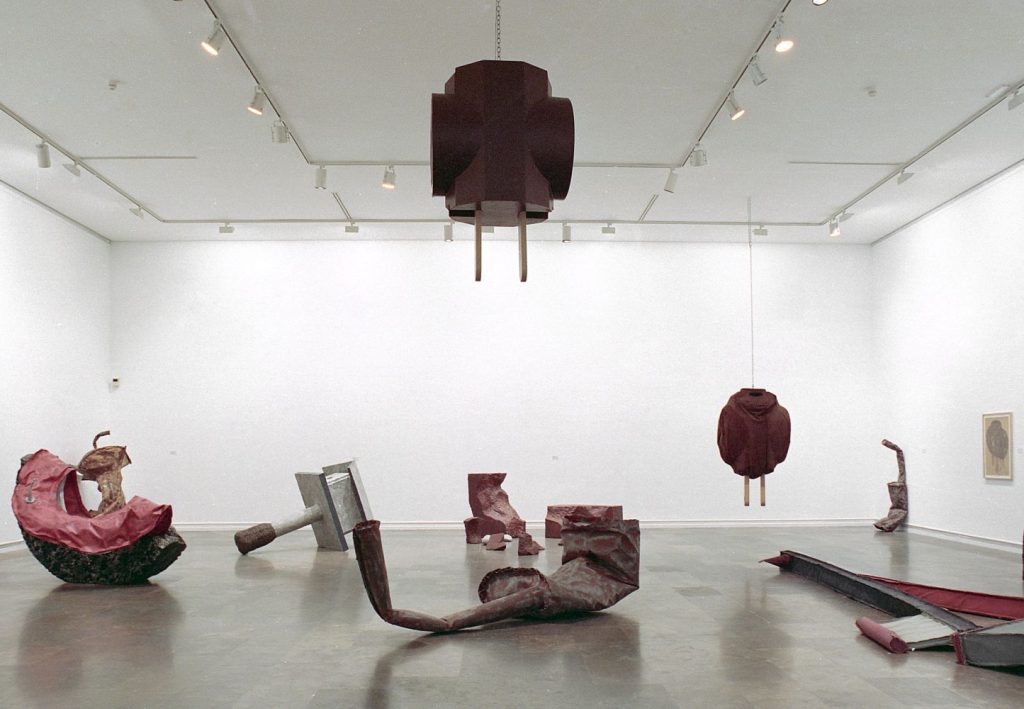
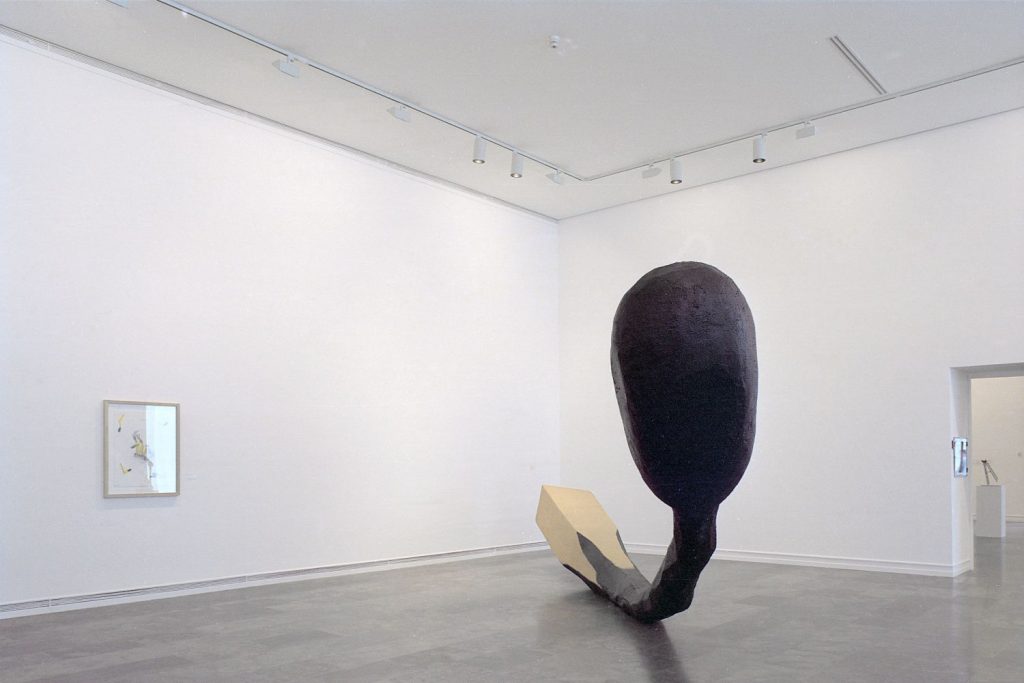
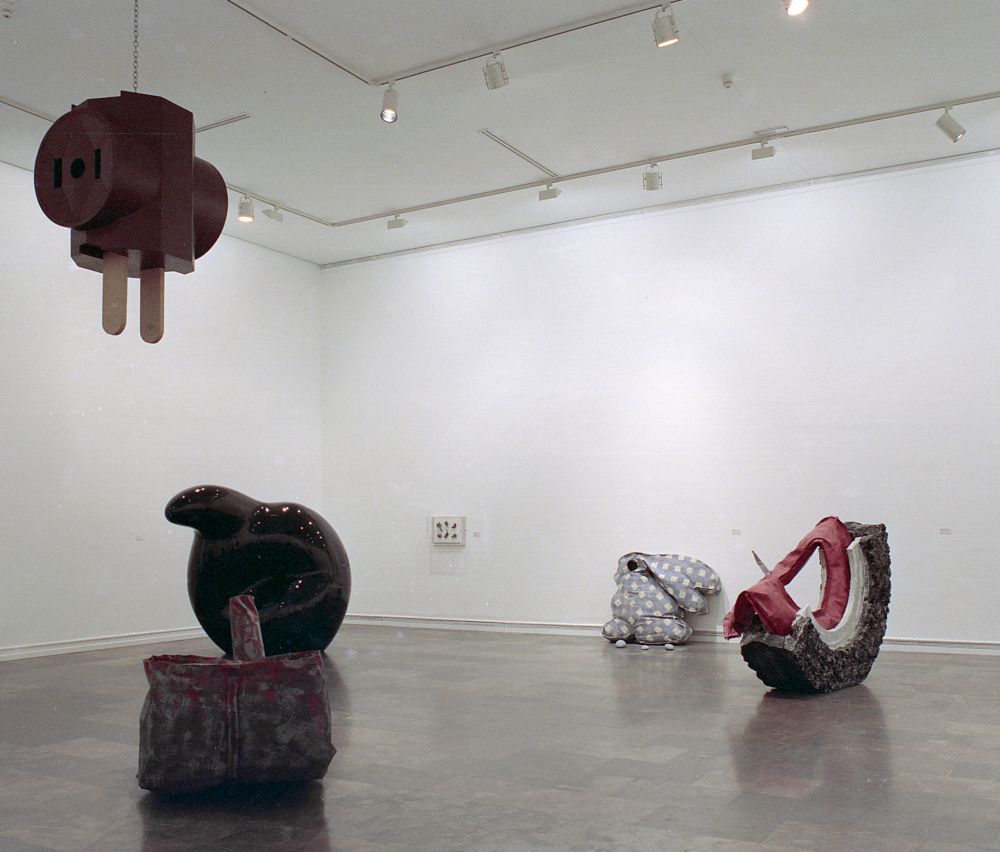
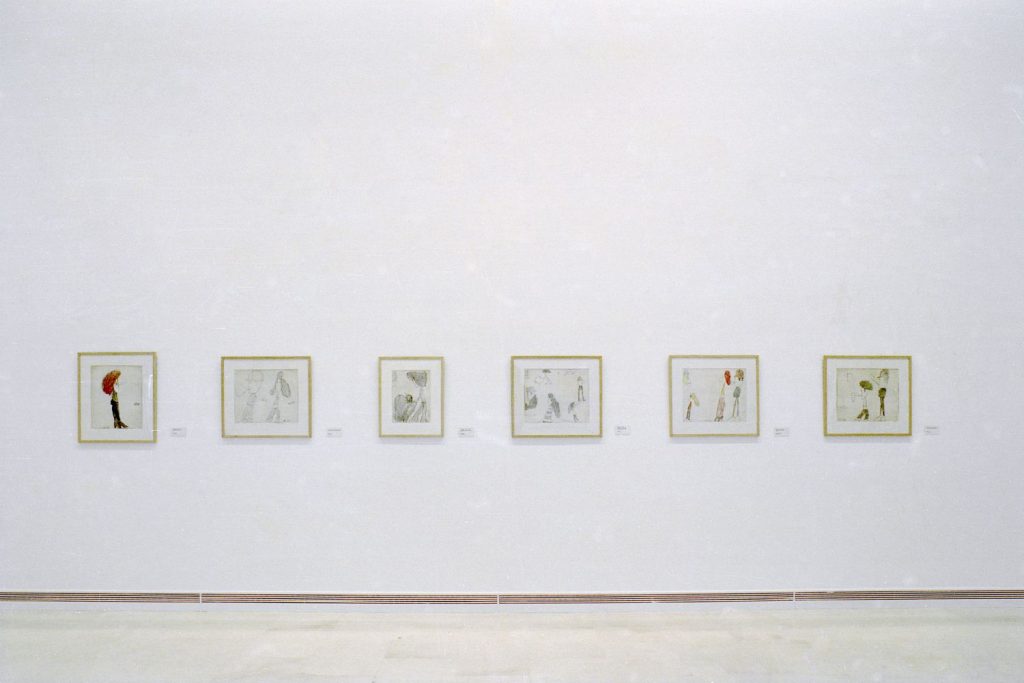
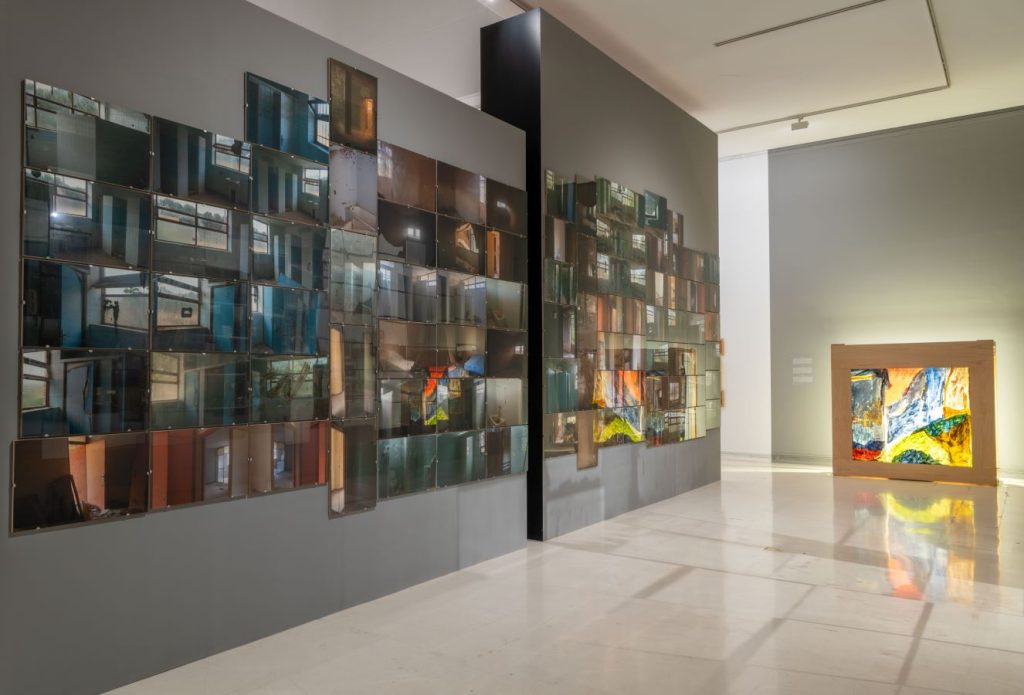
This monographic exhibition of Nkanga’s work includes drawings, installations, photographs, sculptures and performances in which the artist examines our social and topographical relationship with our everyday surroundings. By exploring the notion of earth as a place of non-belonging, Nkanga offers an alternative meaning to social ideas of identity. She also explores the inherent complexities of natural resources and their potential values as a way of sparking narratives and histories that relate to the earth.

19.00 presentation / conversation

20.00 opening and performance: “Constellation to Appease”. Later, Oumoukala from Okro Fam will offer a music session in the IVAM entrance hall.

IVAM Estiu, Art I Context programme

Art i ContextMusicIVAM Centre Julio González

This joint session with Diego Navarro and Marco Henri is a transgenerational, B2B, hypnotic journey through mutual, intersecting influences, weaving a sound landscape which will circulate between deconstructing the club, reconnecting with the audio sensibilities of videogames, the most magnetic contemporary pop production, and the places where ambient and body meet.

Diego Navarro (Valencia, 1991) is a cross-disciplinary artist who was born and lives in Valencia. His work focuses mainly on the sound field through music-making and sound design for audiovisual media, with a perceptible influence of videogames and fantasy. He has worked with artists such as Darío Alva, Theo Trian and Baris Cavusoglu using digital media and in stage and television production. In more commercial realms he has participated in projects commissioned by clients such as Adult Swim, Balmain, Adidas and LaLiga. His audio work has been showcased nationally in festivals including Mira and Sónar.

Marco Henri (Metz, 1998) is a music producer and sound designer based in València who is developing several personal and commercial projects based on noise and emotional visceral experience. During his short career he has collaborated with artists such as Razorade, Arca and Darío Alva, and has participated in festivals including Bicefal and Mira. He has also worked with brands including Balmain, Grailed and Jean Paul Gaultier.