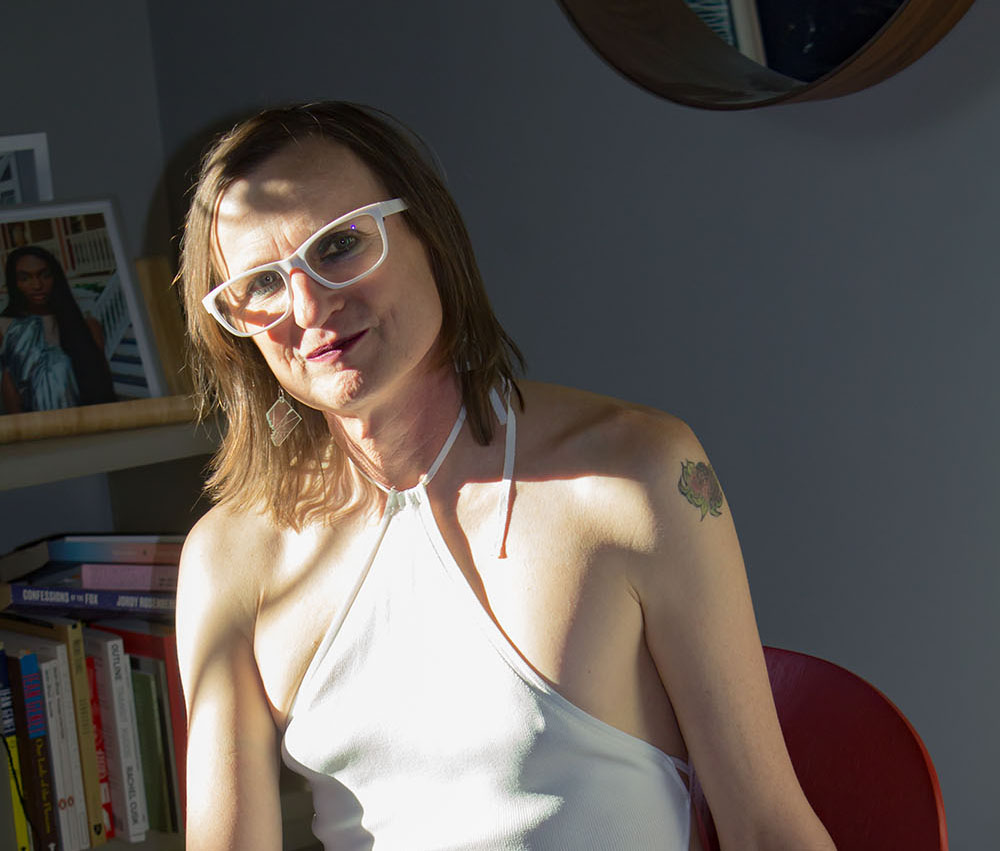
McKenzie Wark. Cred Z. Walsh
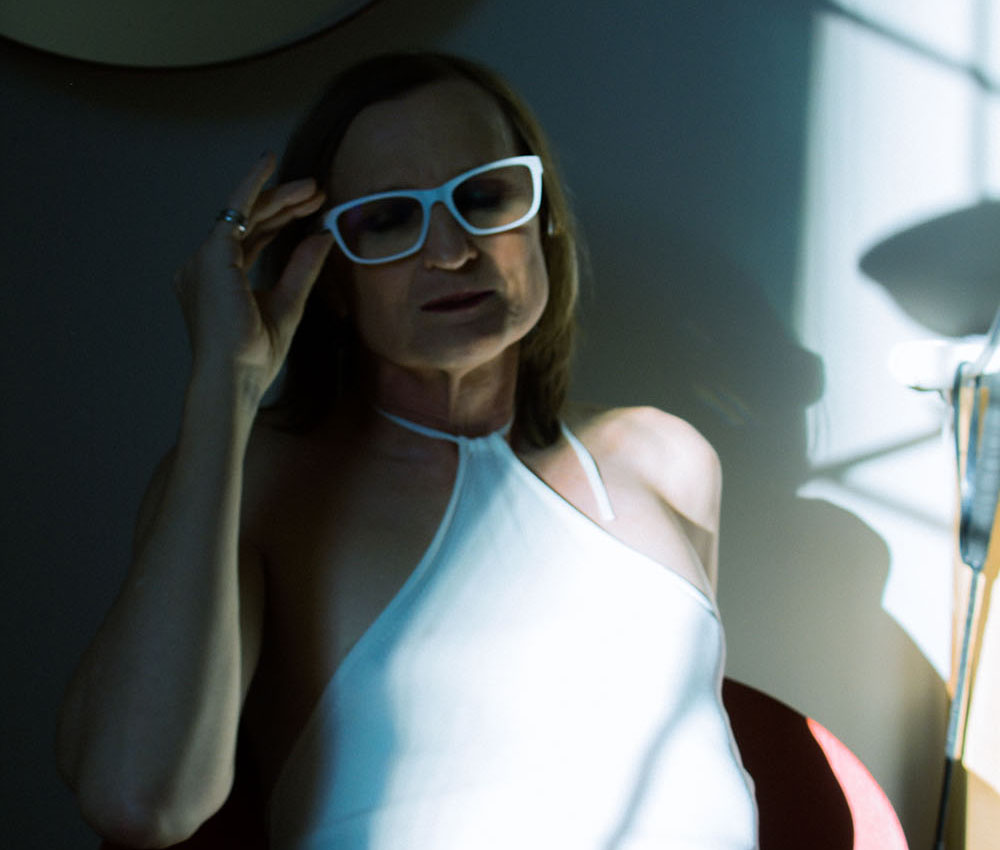
McKenzie Wark. Cred Z. Walsh
14 feb. 2023
IVAM Centre Julio González
share


14 feb. 2023
IVAM Centre Julio González
share
Perhaps there are more transgender artists whose work is being exhibited, but perhaps this simply includes transgender art and artists within an existing mode of perception. What would it mean to see art in its totality from trans perspectives? Such a project might begin with a critique of the cis gaze, a way of seeing that orders the world through a standard model of the gendered subject, and treats anomalies to the standard model as exotic, humorous or dangerous. Perhaps we can develop another way of seeing, from the ways in which trans artists negotiate the cis gaze in their own practice.
McKenzie Wark is an Australian-born, New York-based writer and academic. She has published essays focused on the legacy of the Situationist International (SI) and the social and cultural changes produced by the irruption of information and communication technologies in our daily lives. Her books translated into Spanish are A Hacker Manifiesto (Alpha Decay), The Beach Beneath the Street (Hermida), Capital Is Dead (Holobionte) and Reverse Cowgirl (Caja Negra). Raving, her most recent book, has been published by Duke University Press.


01 feb. 2023
IVAM Centre Julio González
share
Over centuries, humans learned how to maintain a continuous healthy diet by ‘extending’ the seasons—preserving, fermenting, salting, pickling, freezing, drying and curing foods. They were able to harvest in season, while eating the surplus out of season. But today this logic has been utterly disrupted. CLIMAVORE proposes how to eat as humans change climates. Or actually, how to live as humans in changing climates. As seasons creep, we recognise that eating less industrial meat protein, more locally grown produce, or more plant-based dishes is crucial – but perhaps not enough. Amidst an unfolding climate breakdown and stark warnings that humanity must drastically change ways of living to halt carbon emissions and biodiversity loss, while supporting ethical labour and social structures, this small talk explores ways to tackle the legacies of industrialism and extractivism. It aims to move beyond a carnivore, omnivore, locavore, vegetarian or vegan diet and think through CLIMAVORE as a future-defining way of eating, living, loving in a new epoch decentring humans on this planet.
Cooking Sections examines the systems that organise the world through food. Using site-responsive installation, performance and video, they explore the overlapping boundaries between art, architecture, ecology and geopolitics. Established in London in 2013 by Daniel Fernández Pascual and Alon Schwabe, their practice uses food as a lens and a tool to observe landscapes in transformation. They have worked on multiple iterations of the long-term site-responsive CLIMAVORE project since 2015, exploring how to eat as humans change climates. In 2016 they opened The Empire Remains Shop.

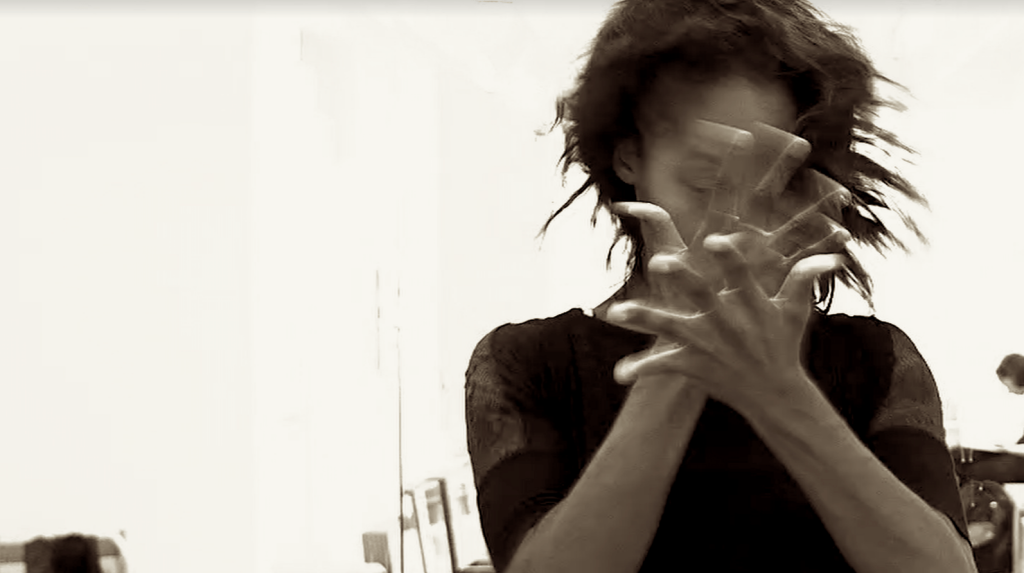
09 feb. 2023
IVAM Centre Julio González
share
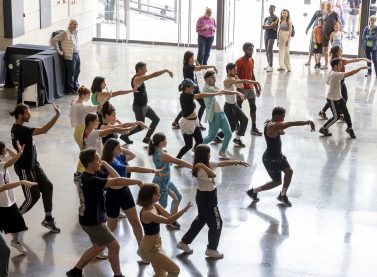
Yinka Esi Graves will be offering an immersive 90 minute workshop rooted in the flamenco rhythm of Buleria. Centering corporeal rhythm, grounding and improvisation, participants will experience the African Diasporic lens through which Yinka connects to Flamenco, in both how it is constructed and experienced. This re-observation opens a rarely explored perspective for people to first learn Flamenco through and for those more familiar with it, to further express themselves within it. Come wearing comfortable clothes and shoes, no need for flamenco shoes.
YINKA ESI GRAVES (London, 1983). Dance Artist whose work explores the links between flamenco and other forms of body expressions, particularly from a contemporary and African diaspora perspective. She graduated in Art History (Sussex 2005) and settled in Spain in 2009 to learn at the Amor de Dios Flamenco School in Madrid and then in Seville with teachers such as Yolanda Heredia, La Lupi and Andrés Marin. Yinka’s short pieces have been performed at Sadler’s Wells (UK), Gibney (New York), among other national and international venues. Yinka is currently a collaborator on Cuerpos Celestes (MAX Awards 2021 Finalist) by Chloé Brulé and Marco Vargas Cía, and Mailles by Dorothée Munyaneza. In 2023 Yinka premieres her first solo production:The Disappearing Act.
15 feb. 2023
IVAM Centre Julio González
share
The collection from IVAM is organised using six chronological and themed blocks which explain, with their own voice, the art developed from the beginning of the 20th century to the modern day. Perhaps not everything is as it is (or was), but it is everything that exists. Stories of the present – and those that come from far away but are updated in our present- should be told as a polyphony of voices and from contexts that make us sharpen our critical eye regarding their construction and relevance.
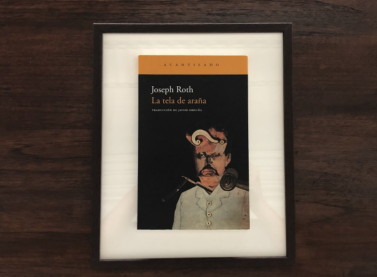
Over six sessions, using six books, we will delve into the narrative actions that literature offers us and we will link them together, sometimes with simple gestures and sometimes with more complex choreography, with the IVAM collection. The worlds of fiction build reality; they are reflective mirrors or transparent windows, but they always tell us what we are, or what we are eager to become, from our previous experience and towards our future possibility of transforming ourselves. In these narrative gestures, traversed by stories and lives, we will slow down.
1977-1989: Transition and postmodernity
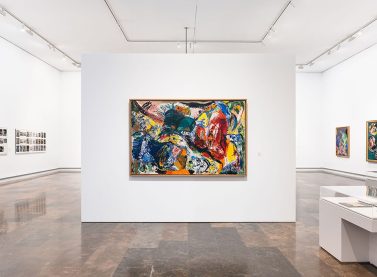
This period gave rise to some of the most daring phenomena of the late seventies, underlain by concepts which we can, almost academically, call “postmodern”. The IVAM itself functioned as a historically determined institutional threshold born of the thematically overexploited Spanish Transition, and a peculiar phenomenon specifically rooted in the fact of the Spanish Autonomic Regions. Certain artists appeared who intensified the use of photography as a concept rather than as a mere imprint or index, and we can trace the construction of new theories of the image, visual studies, and the new range of disciplines which, together with the artists themselves, were to reinterpret the role of different practices.
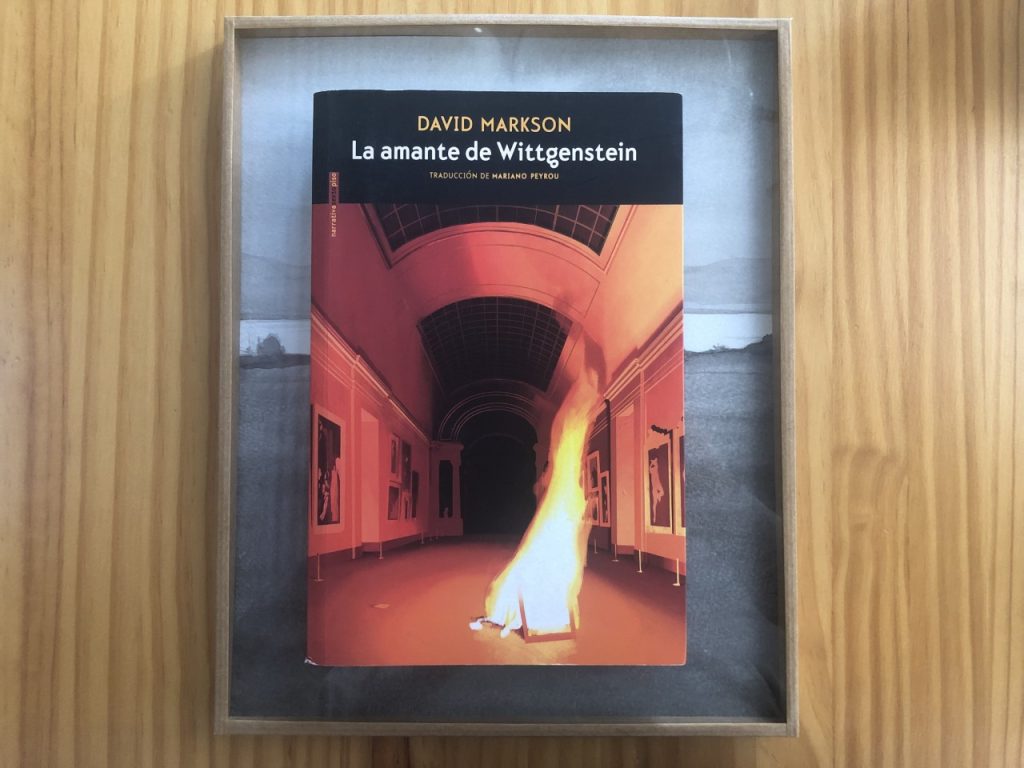
—Wittgenstein’s Mistress (1988) by David Markson, Dalgey Archive Press (La amante de Wittgenstein. Trans. Mariano Peyrou, Ed. Sexto Piso).
Wednesday 15 February, 2023, 18:00
Museums in this novel are spaces which should encourage iconoclasm, or even the practical application of Walter Benjamin’s famous statement, “There is no document of culture that is not at the same time a document of barbarism”. The main character in this experimental, circular novel, which reiterates the possibility of narrative as a continuum between the essay and its inevitable mistakenness, recounts her memories and experiences. As she does so, the narrator Kate runs through the history of civilization and human culture, leading us into a trauma that cannot be avoided by literature, but can also not be overcome without it.
14 jan. 2023
IVAM Centre Julio González
share
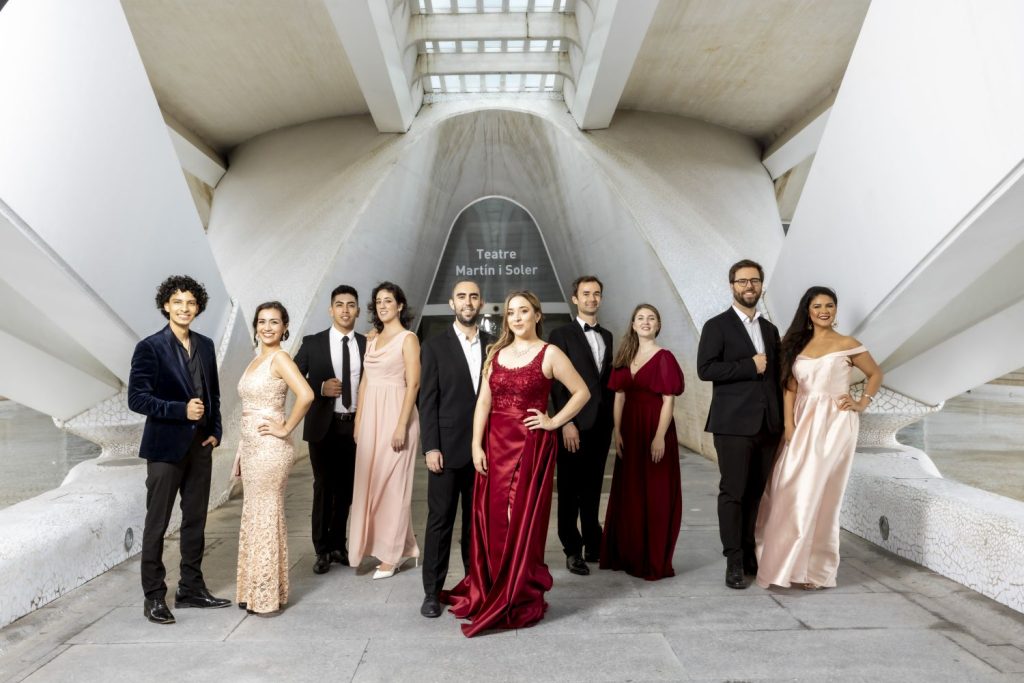
The IVAM and the Centre de Perfeccionament Palau de les Arts Reina Sofía work together and they continue in this season 2022-2023 collaborating to bring the different arts and show the existing link between them, to all audiences.
With the purpose of disseminating artistic creation and making it more accessible, they have created a concert program that connects the different musical pieces they perform with the different exhibitions at IVAM.
With this collaboration, both institutions vindicate the need to work for an open, multifaceted and plural culture, as well as the importance of culture in the development of contemporary societies.
07 feb. 2023 – 27 jun. 2023
IVAM Centre Julio González
share
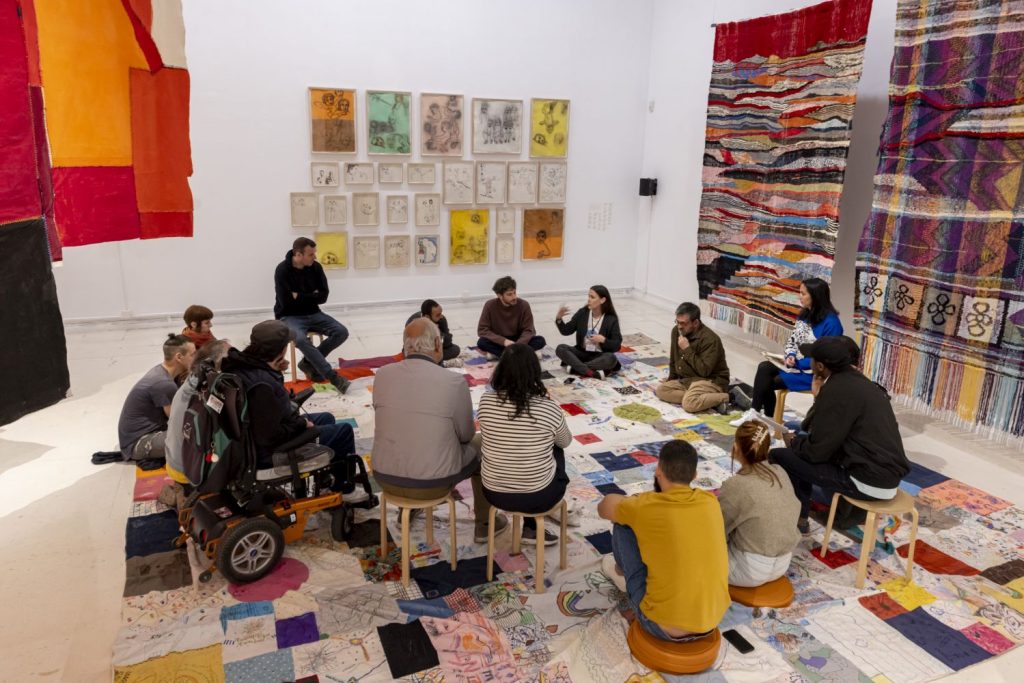
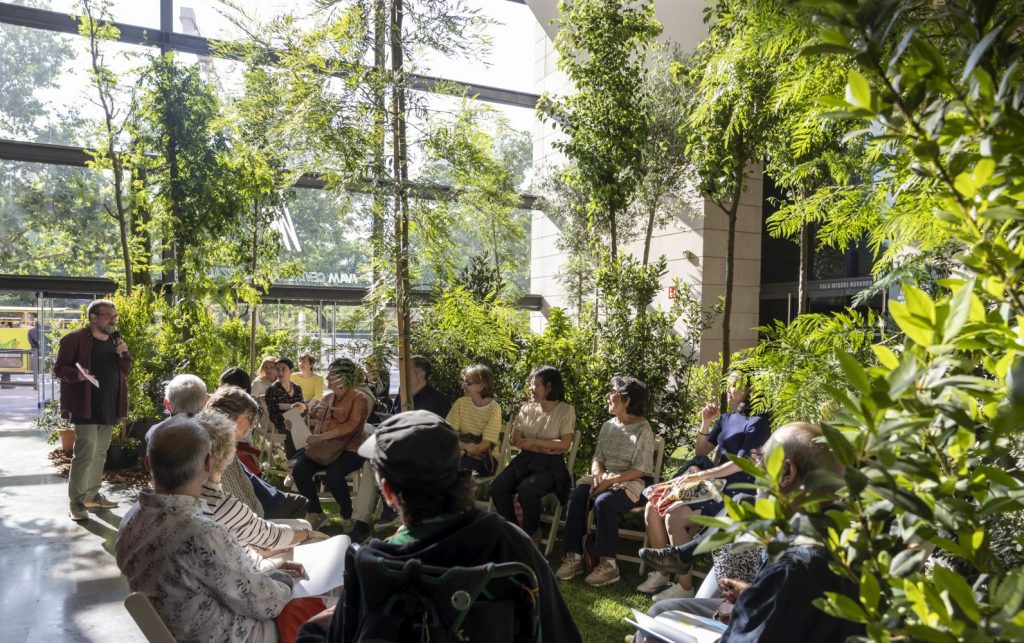
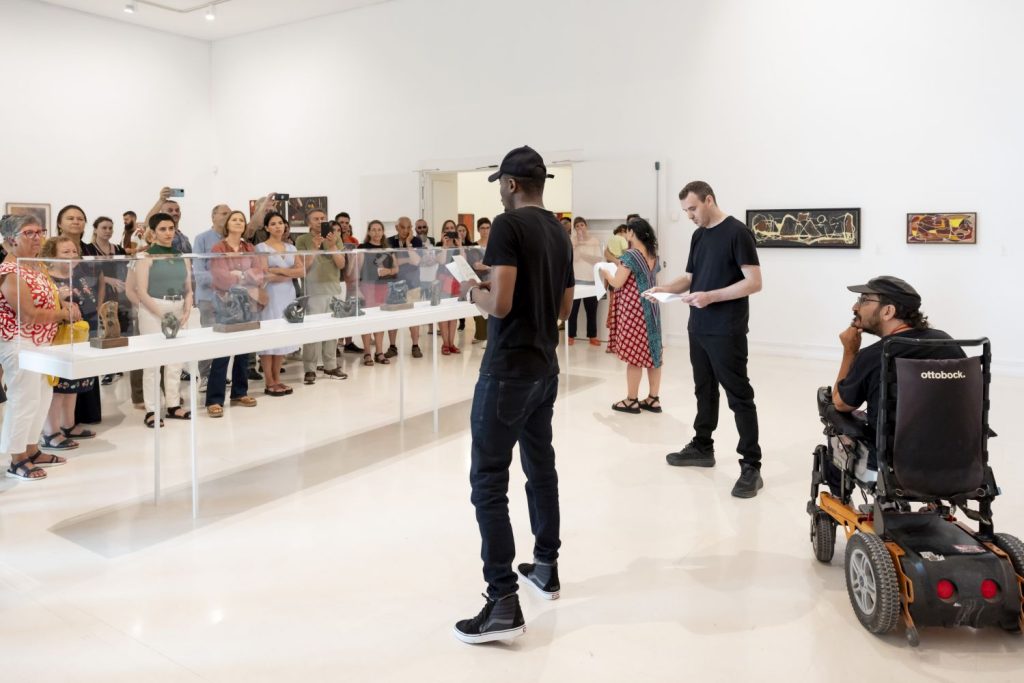
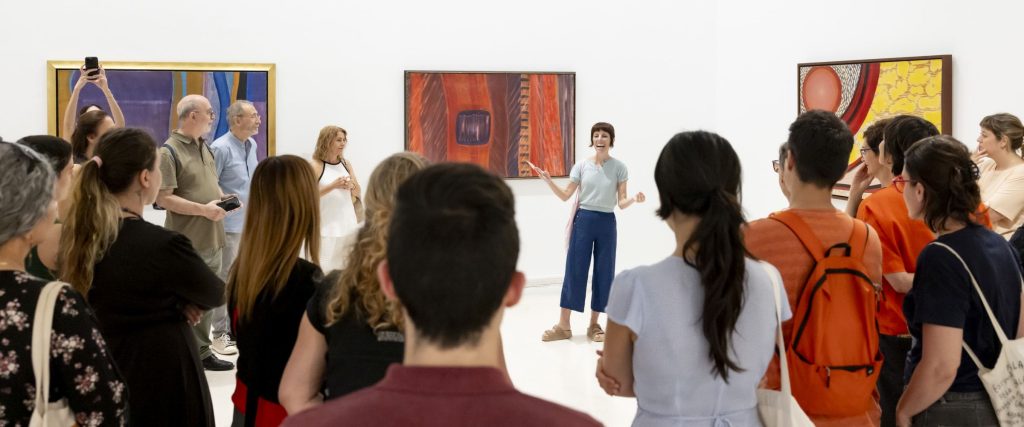
The Poliglotia programme began in 2021 with the aim of creating a meeting space in the museum with a hybrid, intercultural perspective. A space to generate content by exchanging experience and other forms of knowledge. After our first laboratories with the Estudios Políglotas group, and the creation and programming of activities or analysis of the museum itself with Inventario, we now wish to propose a School for Diverse Knowledge, Escuela de Saberes Diversos.
The Escuela de Saberes Diversos is a kind of educational cycle intending to link forms of knowledge, interests and concerns of its members to the IVAM exhibition programme. The school’s initial idea is to bring the museum to people from different backgrounds interested in migratory processes and in acquiring experience in mediation from an intercultural perspective, and in expanding and shifting their attributes and potential via contact with other social and cultural issues and sensibilities.
We see the Escuela de Saberes Diversos as a space for self-education, acquiring skills and exchange. A place to shift something in ourselves.
Poliglotía is coordinated by Paco Inclán, a writer and teacher of Spanish to migrants and refugees.
Sessions: Tuesdays, 18.00 – 20.00
February: 7, 21
March: 7, 21
April: 4, 18
May: 2, 16, 30
June: 13, 27
02 mar. 2023 – 23 apr. 2023
IVAM Centre Julio González
floor 1,
share
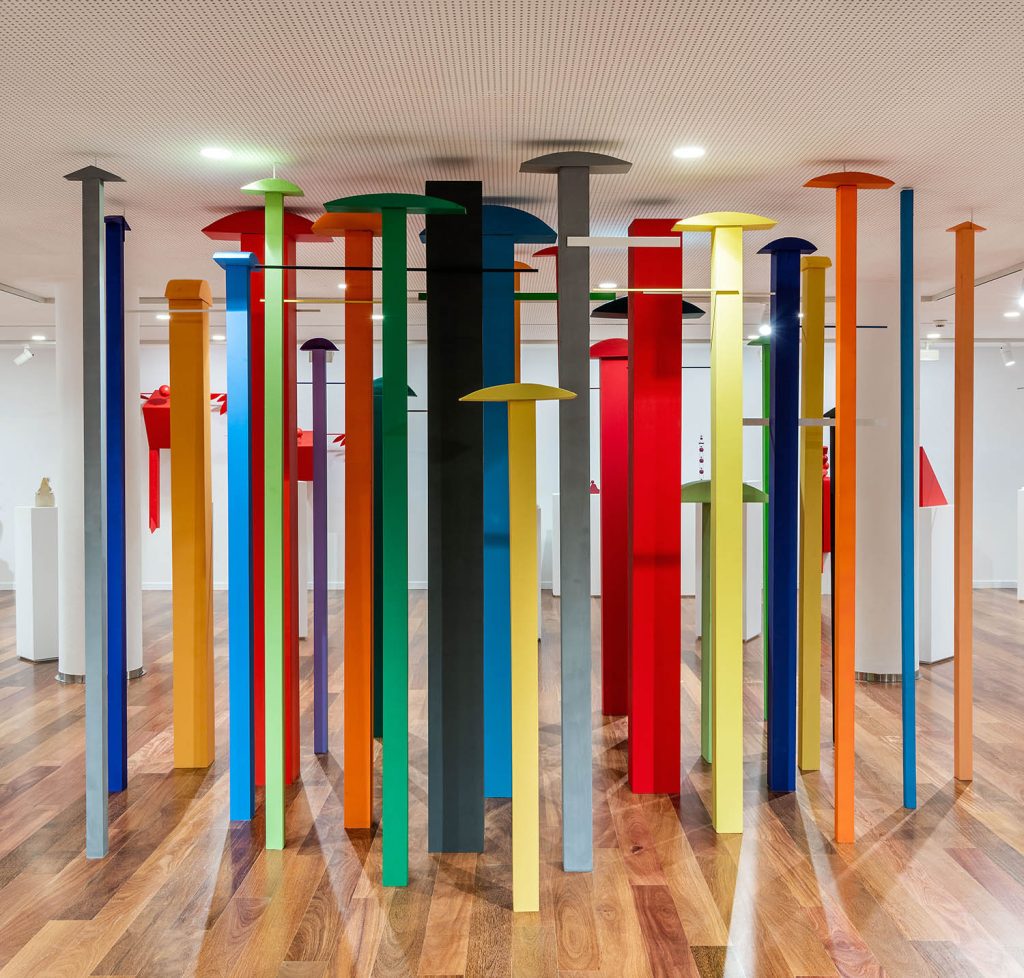
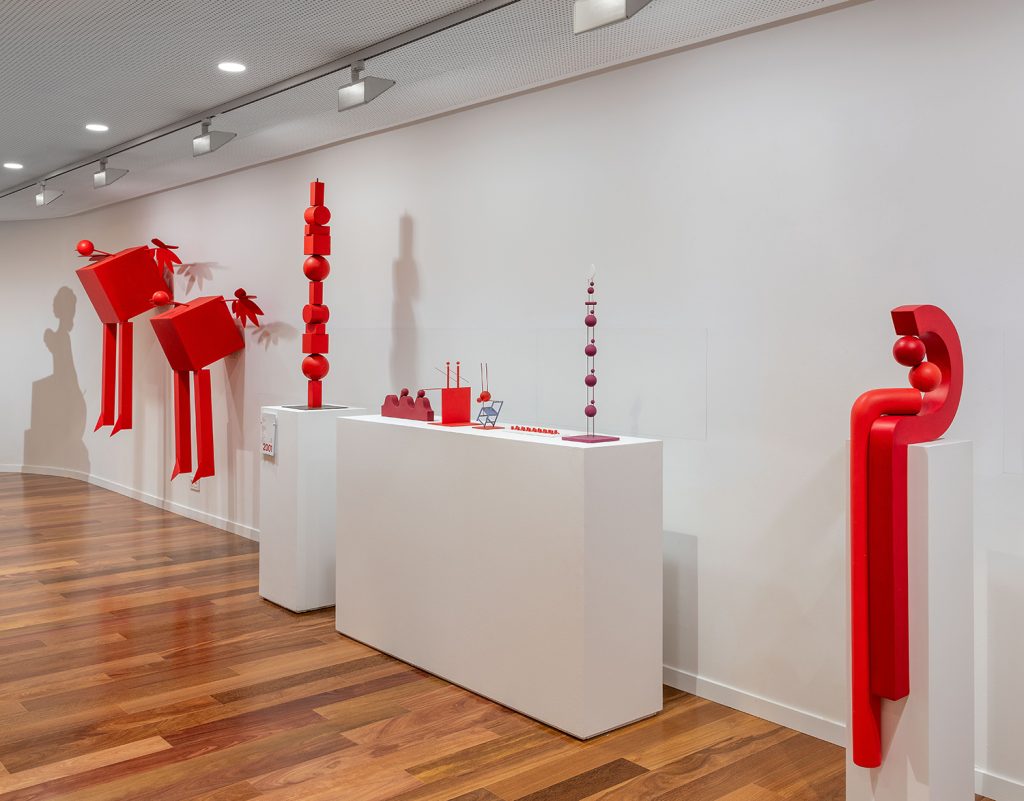
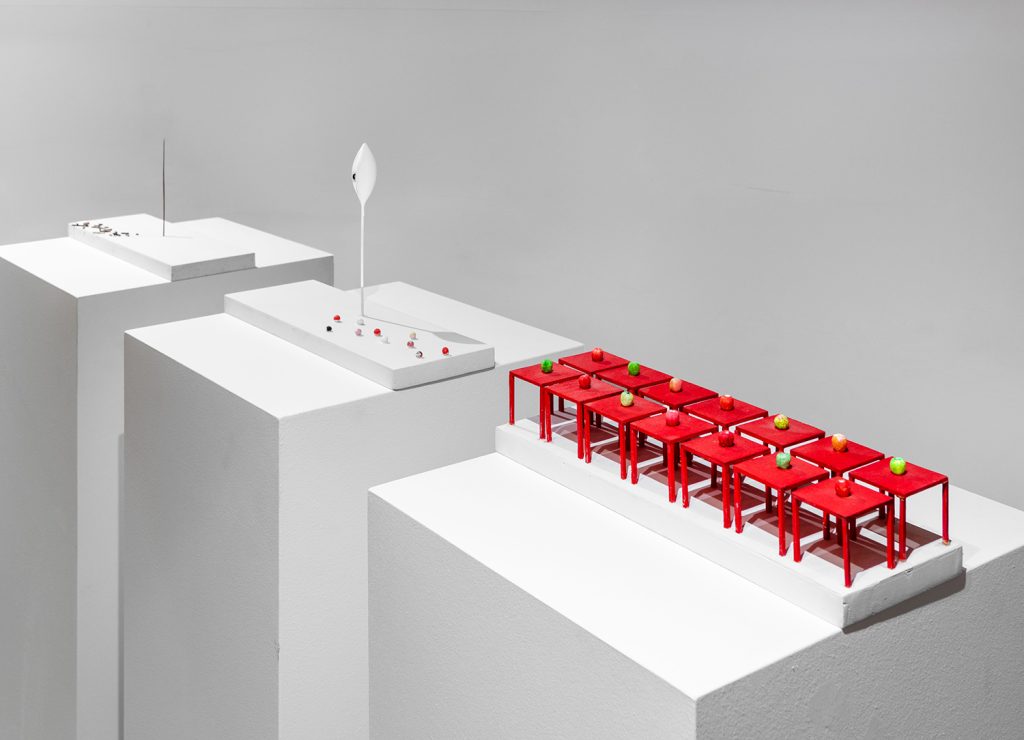
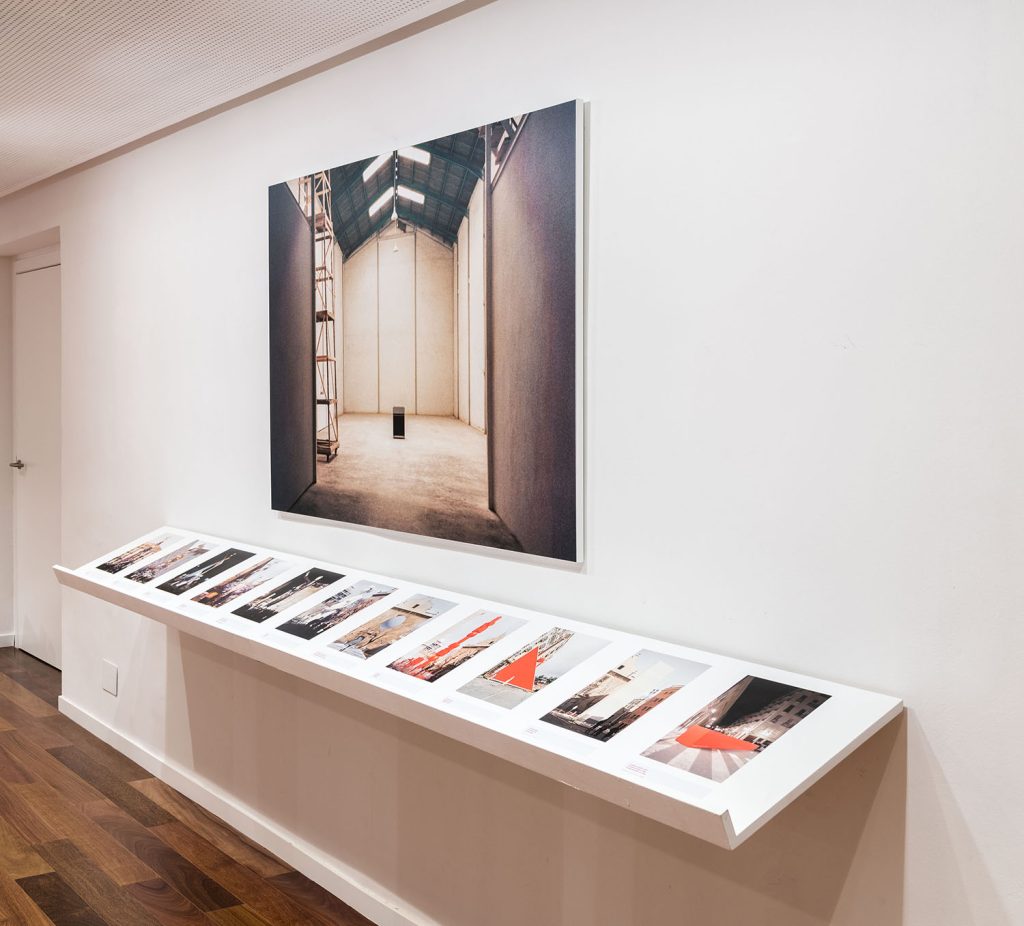
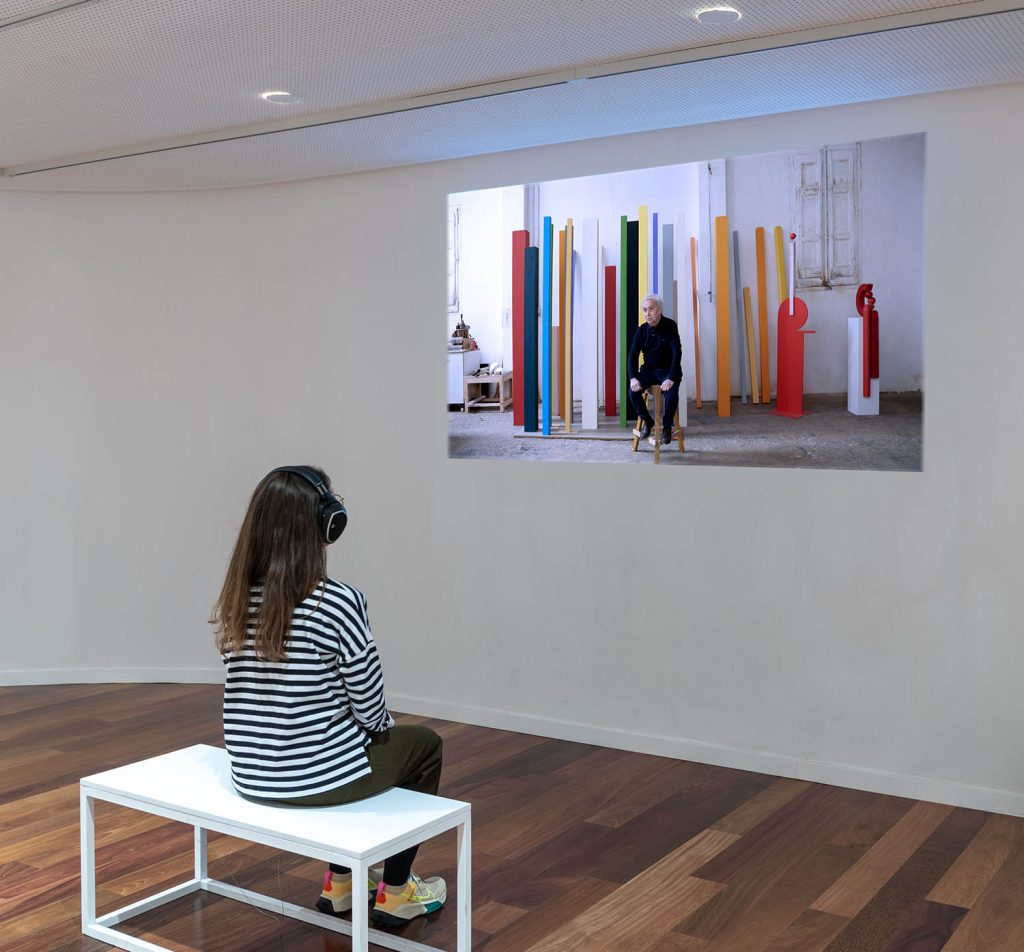
In its goal of understanding and participating in occurrences within its local context, the IVAM’s recent programming centred on the Fallas attempts to analyse and raise appreciation of the fiesta’s immediate historical context, little studied from an artistic point of view, in order to clarify its influence on the present and future of the celebration, necessarily changeable given the current socio-political situation.
In this way, and after a first approach to the llibret de falla through the study of its historical references, an exhibition on the figure of the artist Alfredo Ruiz Ferrer (Valencia, 1944) is proposed for 2023, an essential reference to understand the so-called “experimental” fallas. Trained in the trade of the Fallas workshops since he was thirteen years old, his artistic evolution is indissolubly linked to a personal evolution of his thought, always moved freely within the rigid intellectual, political and aesthetic framework of the Fallas during the decades in which he produced his work. (from 1968 to 2002 almost without interruption and until 2013 in a very specific way).
His career is very particular, a “journey” in which he went from winning the first prize in the Special Section for the Falla Plaza del Pilar, Temptació (Temptation, 1974), with a “classical” aesthetic, to a complete formal purification in the Falla for Mossén Sorell-Corona, Concepte, percepte i afecte (Conception, Perception and Affection, 2008) or Plaza Jesús Després de la desena musa (After the Tenth Muse, 2013).
09 mar. 2023 – 20 aug. 2023
IVAM Centre Julio González
share
For more information, please check the Spanish version.

16 feb. 2023 – 18 jun. 2023
IVAM Centre Julio González
share
For more information, please check the Spanish version.

09 mar. 2023 – 20 aug. 2023
IVAM Centre Julio González
floor 2, G5
share
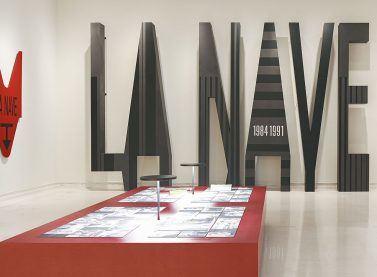
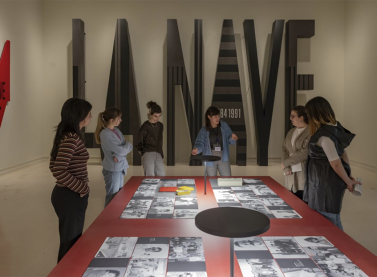
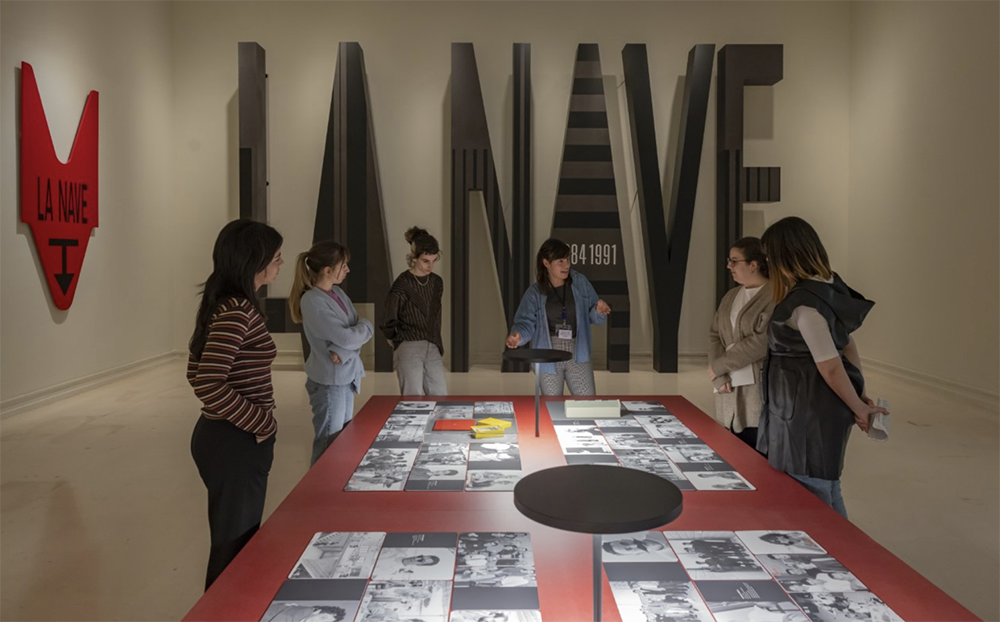
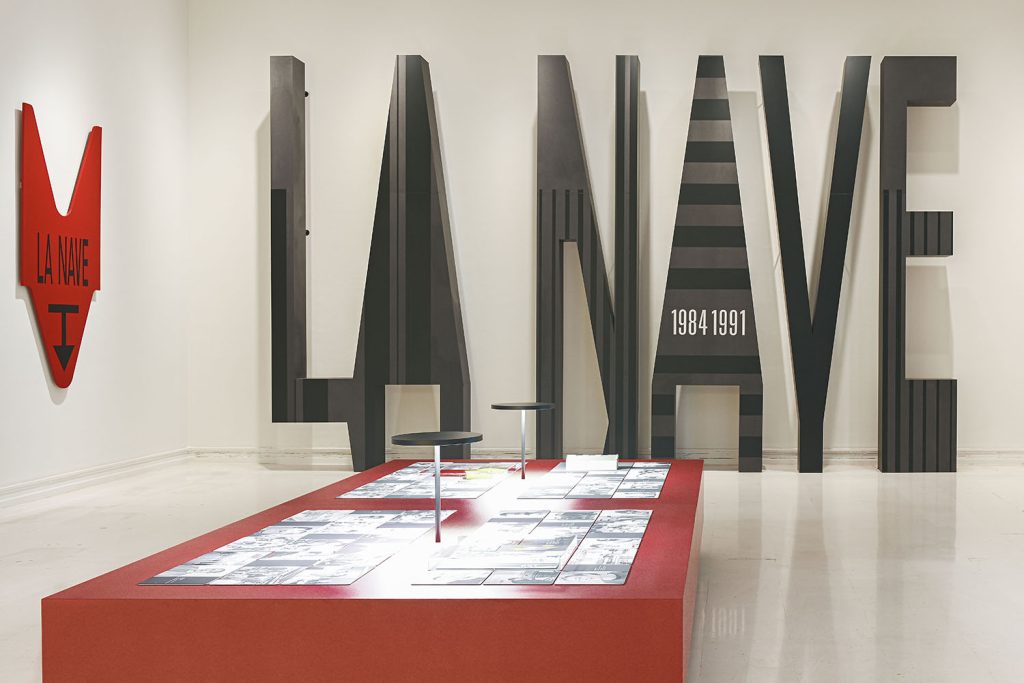
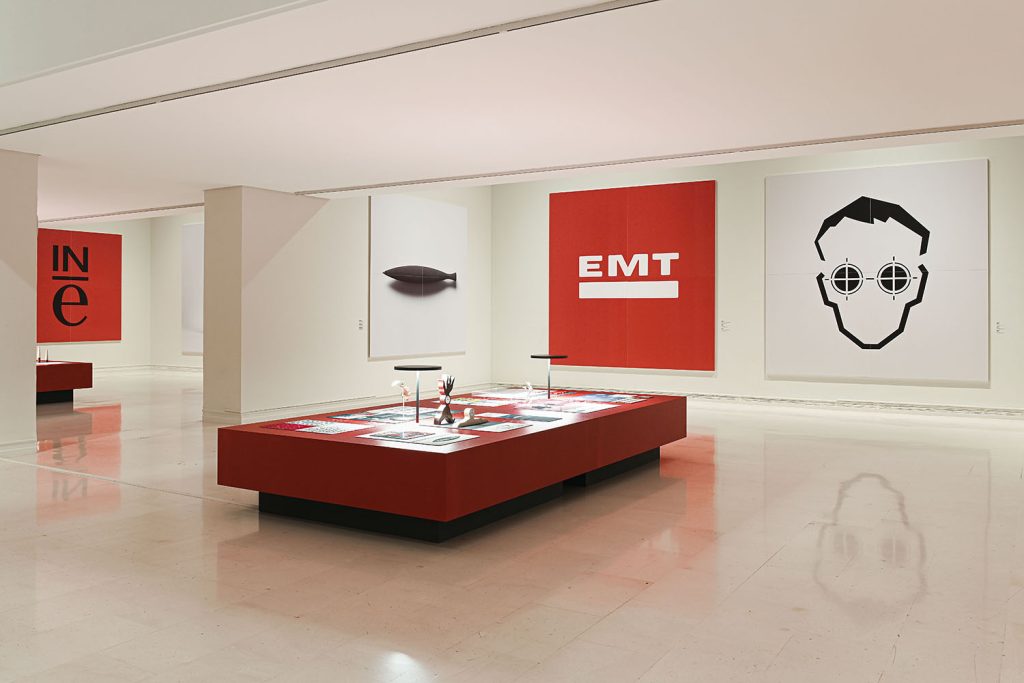
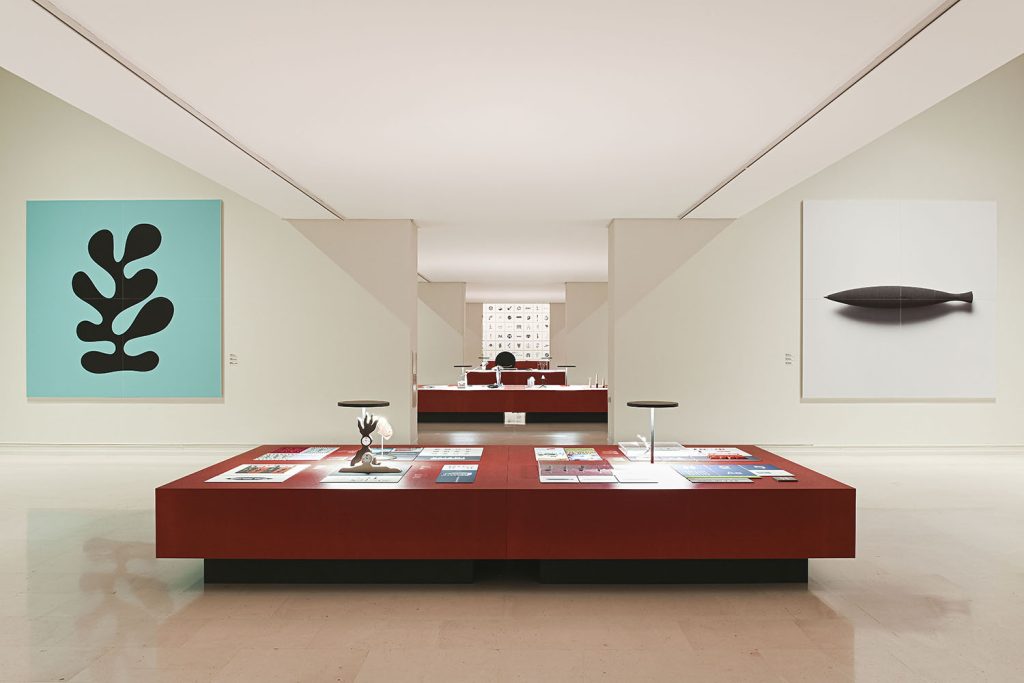
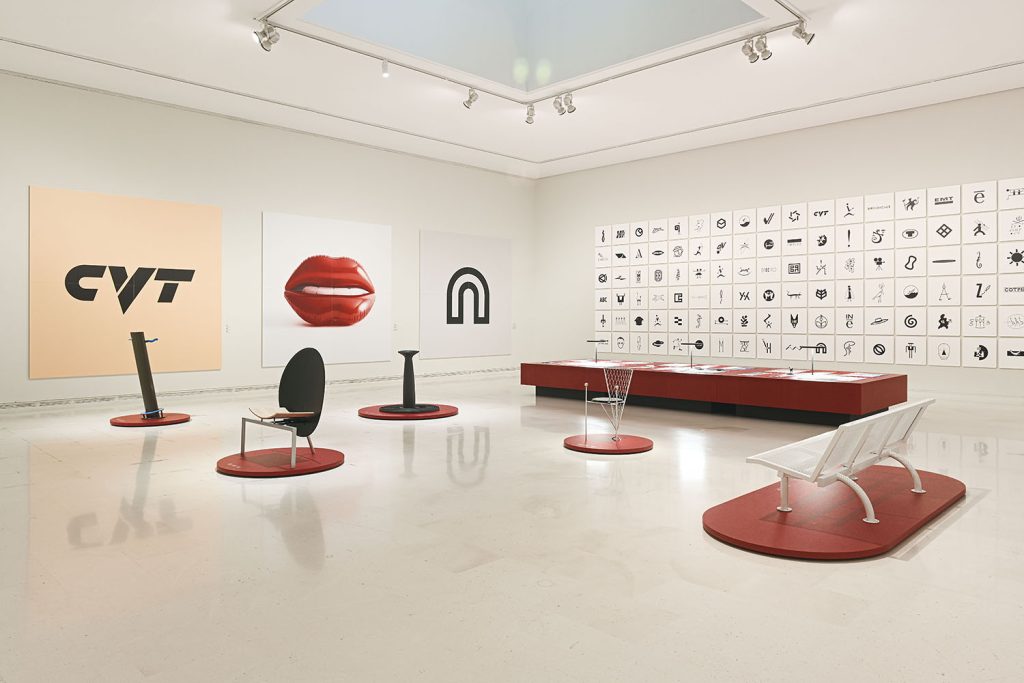
La Nave was a group of designers formed out of a merger between two studios, Caps i Mans and Enebece (NBC). It comprised eleven professionals from different disciplines, from industrial and graphic designers to visual artists, architects and quantity surveyors: Eduardo Albors, Paco Bascuñán, José Juan Belda, Carlos Bento, Lorenzo Company, Sandra Figuerola, Marisa Gallén, Luis González, Luis Lavernia, Nacho Lavernia and Daniel Nebot.
The group became a referent for the design of the 1980s and a particular way of understanding the discipline of graphic and industrial design. The creation of Spain’s autonomous regions and the need to modernise its public administrations led to burgeoning job opportunities. It was necessary to create an image for new political and social institutions and to modernise others tinged with the grey halo of the dictatorship, whose prestige in Europe was at rock bottom.
La Nave led the transition from a classic concept to a postmodern mentality suited to the new social and productive reality in which the communicative value of the object progressively gained ground over functional aspects. At the same time, the market and its insatiable need for novelty started to become dominant. This was the intermediate step between the modern movement and its motto of “form follows function” and the current situation, where the motto could be transformed into “form follows the market”.

23 dec. 2022
IVAM Centre Julio González
share
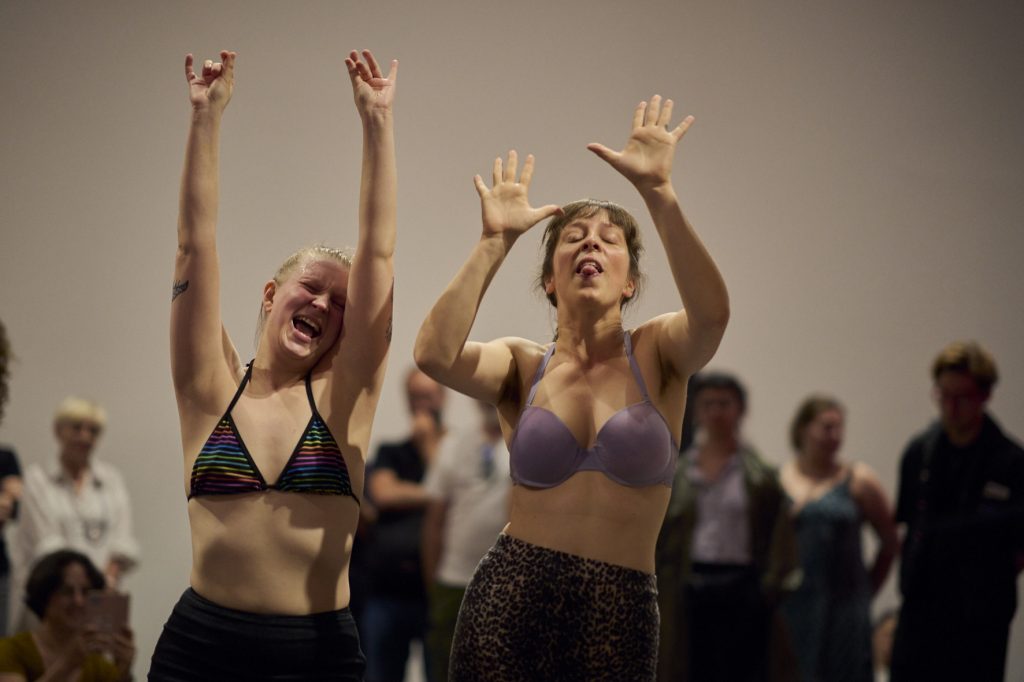
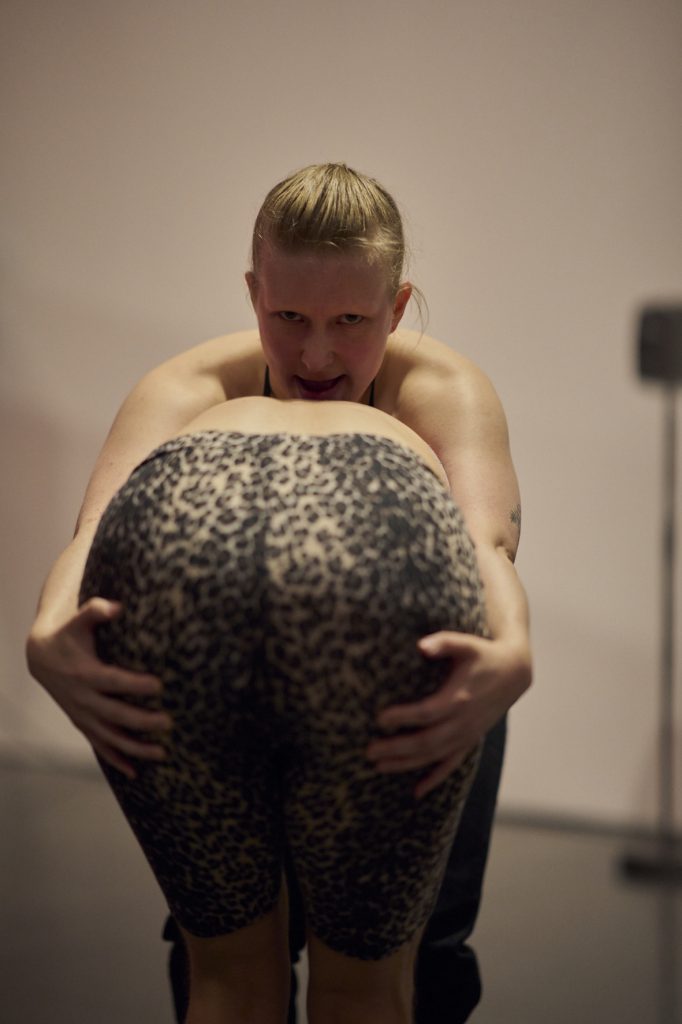
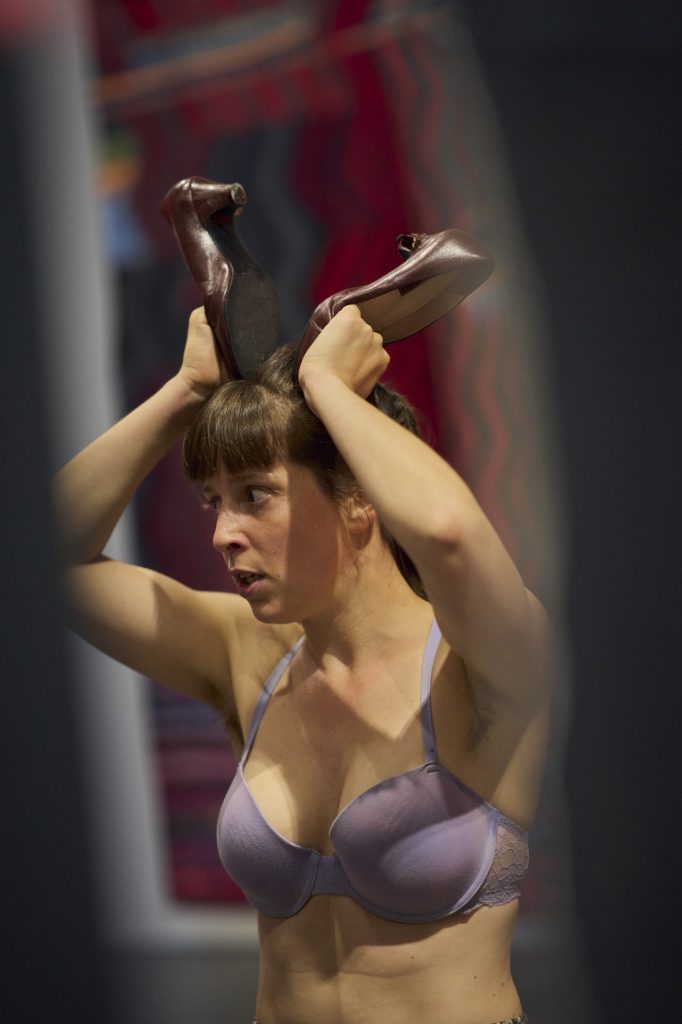
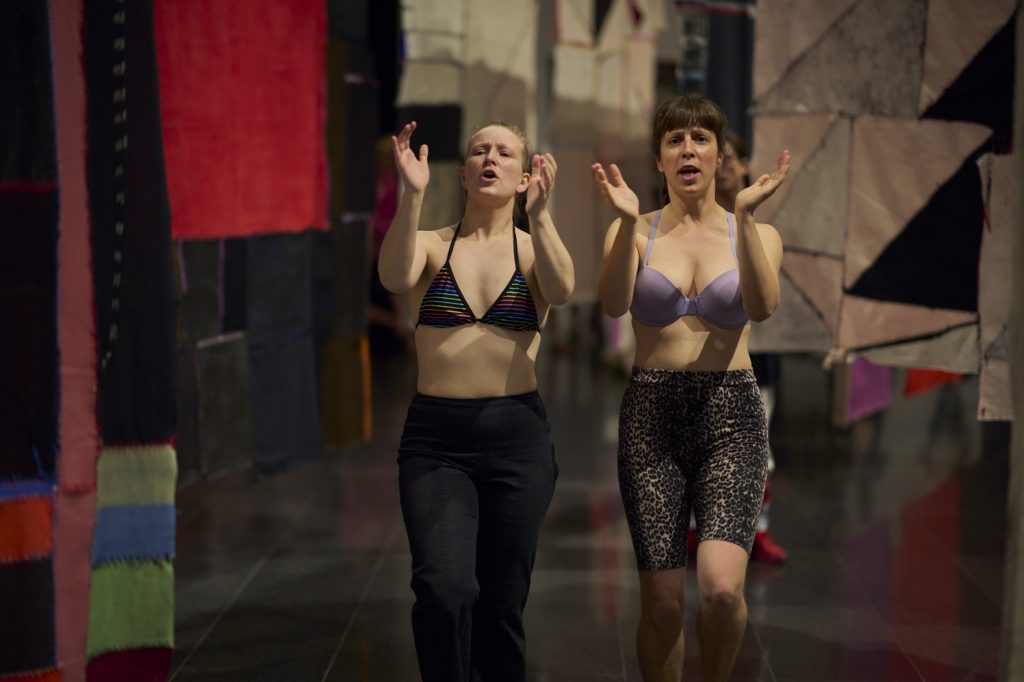
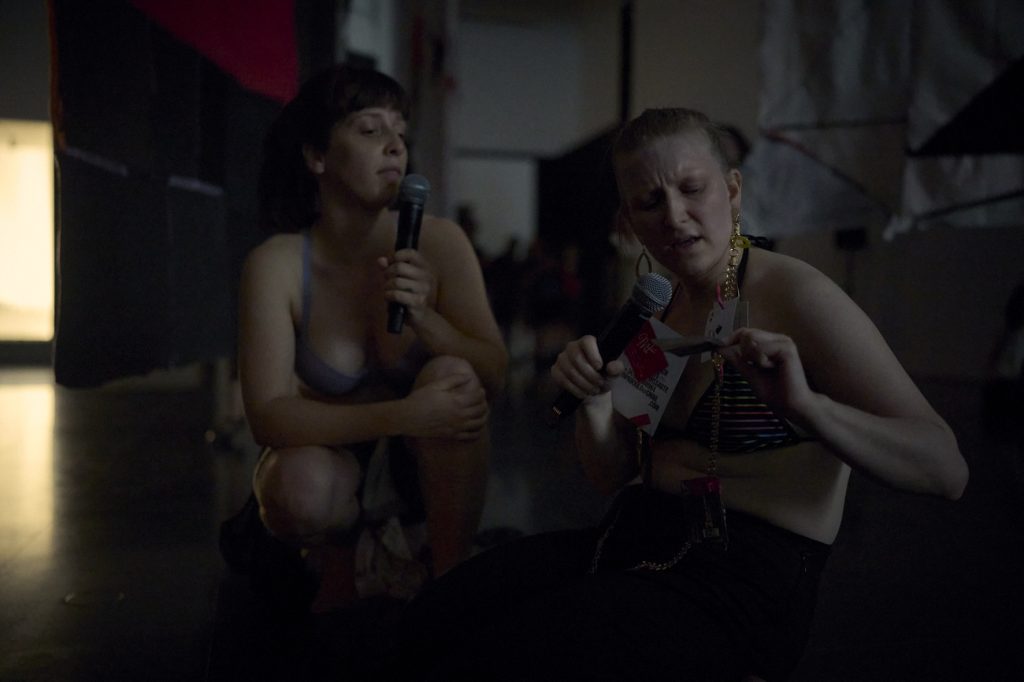
They do not walk but levitate. Their street earrings and dress tail are not ornaments but penknives. The heels that they wear are not high to make them taller, but to cut the distance that separates them from the sky. Their shoes are like the chairs of beach guards, but what they watch over are the looks of the males, the wooden walkways and the works in the IVAM. The room is more theirs than anyone’s: they are the dangerous ones.
The collective Female Sexual Initiative was born in 2017 in the self-managed social centre Can Vies, in Barcelona, with the desire to approach contemporary dance from a feminist, libertarian and anti-academic perspective. It is composed of Élise Moreau (France, 1992), Elisa Keisanen (Finland, 1988) and Cristina Morales (Spain, 1985).
03 dec. 2022
IVAM Centre Julio González
share
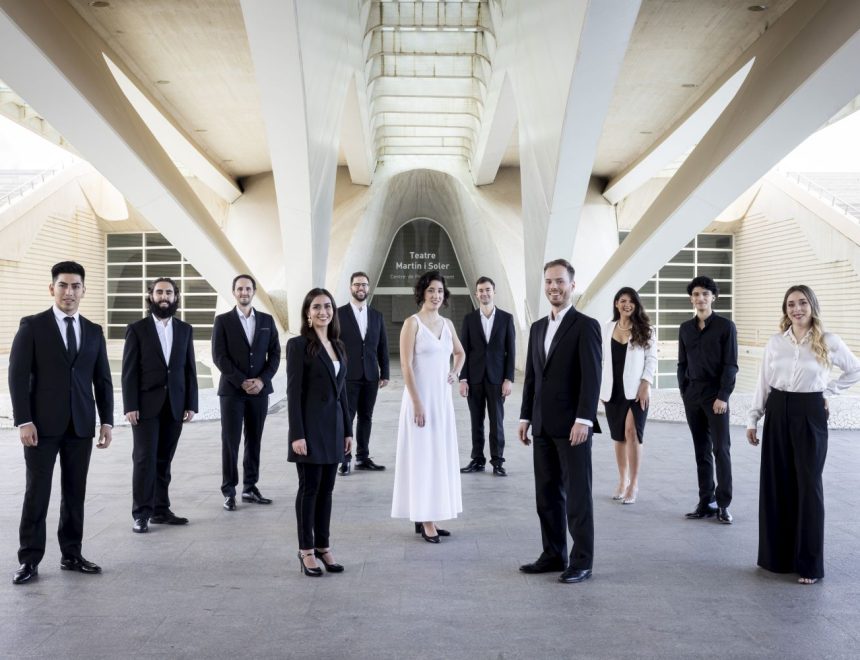
The IVAM and the Centre de Perfeccionament del Palau de les Arts Reina Sofía work together since 2015 and they continue in this season 2022-2023 collaborating to bring the different arts and show the existing link between them, to all audiences.
With the purpose of disseminating artistic creation and making it more accessible, they have created a concert program that connects the different musical pieces they perform with the different exhibitions at IVAM.
With this collaboration, both institutions vindicate the need to work for an open, multifaceted and plural culture, as well as the importance of culture in the development of contemporary societies.