01 apr. 2023
IVAM Centre Julio González
share


01 apr. 2023
IVAM Centre Julio González
share
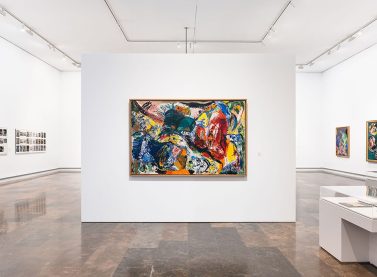
The IVAM and the Centre de Perfeccionament Palau de les Arts Reina Sofía work together and they continue in this season 2022-2023 collaborating to bring the different arts and show the existing link between them, to all audiences.
With the purpose of disseminating artistic creation and making it more accessible, they have created a concert program that connects the different musical pieces they perform with the different exhibitions at IVAM.
With this collaboration, both institutions vindicate the need to work for an open, multifaceted and plural culture, as well as the importance of culture in the development of contemporary societies.
09 mar. 2023
IVAM Centre Julio González
share
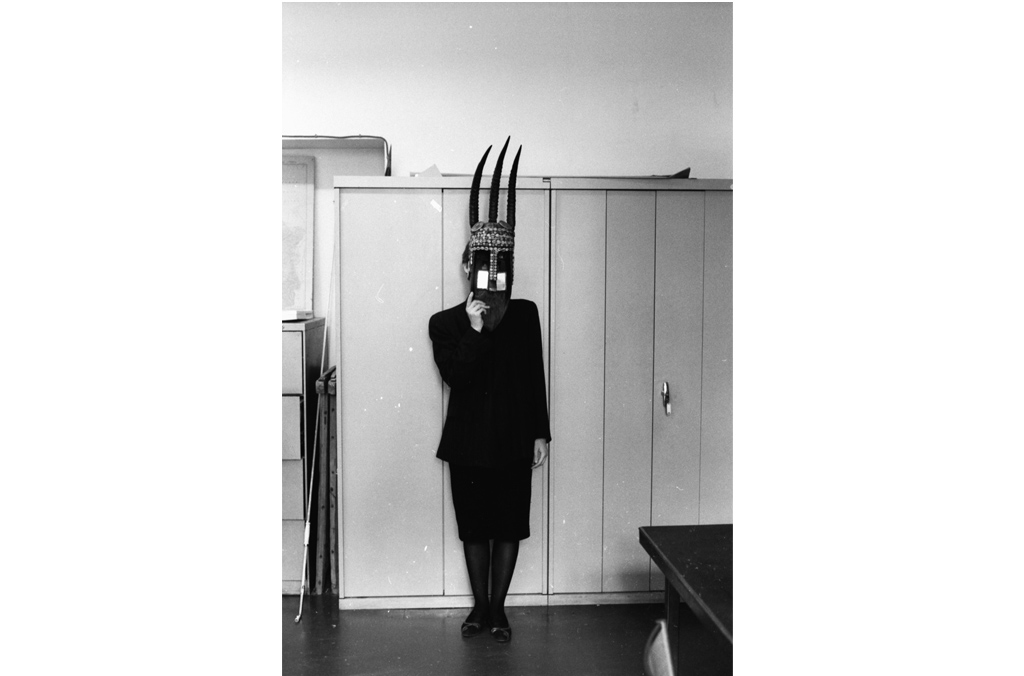
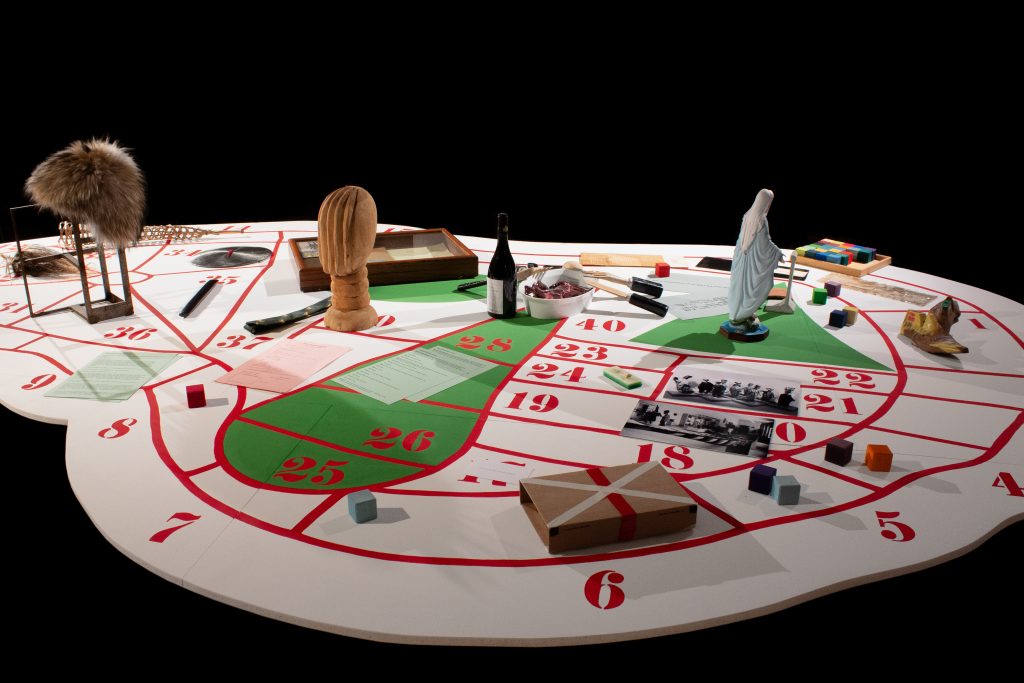
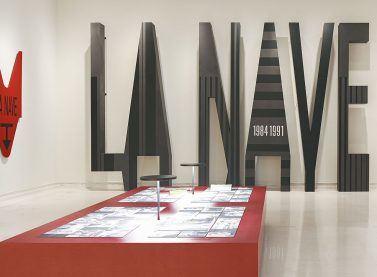
Presentation by the curators of the exhibition Daniel Nebot and Nacho Lavernia, with the designers Marisa Gallén, Sandra Figuerola, Luis Lavernia, Luis González, Carlos Bento and Eduardo Albors.
We first discussed the idea of joining forces and setting up a large studio in a car on the way back from Milan. It didn’t come up spontaneously; we’d already worked together on a couple of other projects and the possibility of doing something more together was in the air. We´ll be talking about that: how we set up La Nave, how the group expanded, and how we finally found the space we named it after.
Although there was no conscious intention behind it, we soon realized that there was a “La Nave spirit”, a particular way of doing things, a sort of common criteria that things either fit into or not. It’s not often you find that kind of essence that permeates everything no matter who exactly makes them, but there it was. And soon the media and other colleagues came to see what we were doing, what the space was like, what kind of projects we were working on and how we organized things in our own particular way.
Nacho Lavernia
07 mar. 2023
IVAM Centre Julio González
share
All museums are civic spaces that, together with universities and art colleges, perform an important educational role. Today, a renewed engagement with archives takes the museum beyond its existing definition toward a more radical understanding of curatorial and educational urgency. Working with collections necessarily addresses the “stuff of the body” (Merleau-Ponty) out of which the world is made. So what do we do about efficiency, ecology, and sustainability, and how does that reflect not only in the way we curate, collect, and conserve, but equally in the use of the museum building and its infrastructure? Can we go so far as to re-organise the exhibition rooms of a museum with workspaces for researchers and students? Can we bring collections into the venue’s central space, filling it with artefacts, archives, documents and miscellanea that would otherwise never be seen?
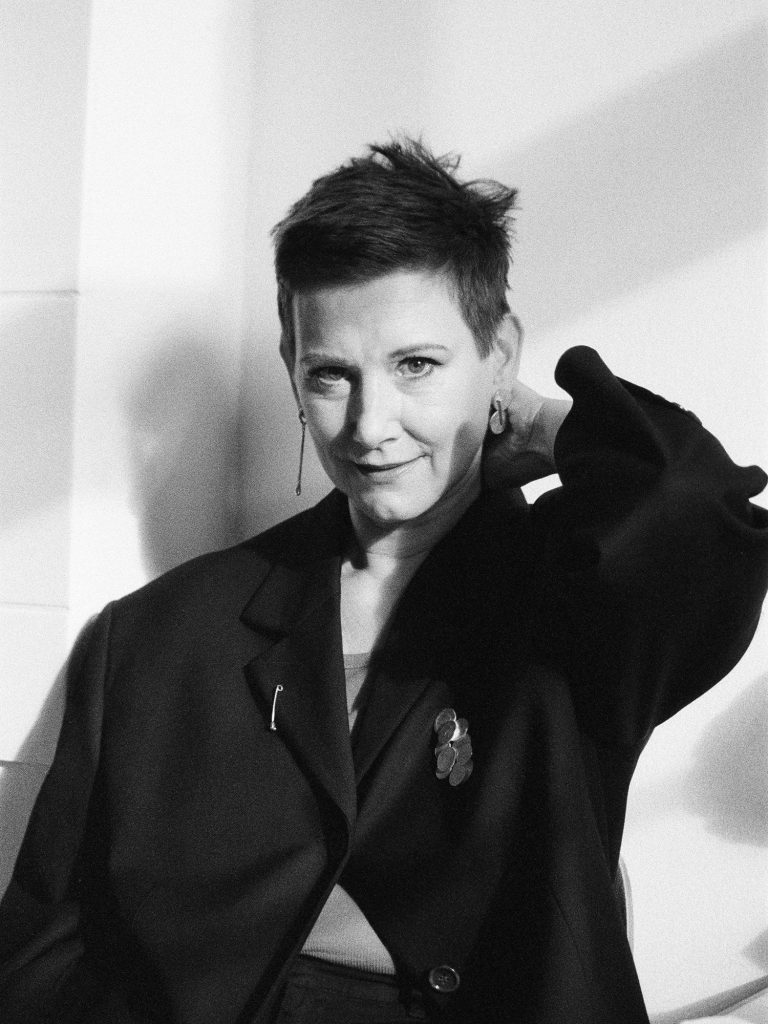
Clémentine Deliss will speak about ways of recasting museums for multidisciplinary, performative, decolonial, and democratic models of research, art practice, and education. Case studies will include her redesign of the Weltkulturen Museum in Frankfurt, and subsequent developments of the Metabolic Museum-University in Kyiv, Ljubjlana and Berlin.
Dr. Clémentine Deliss
Global Humanities Professor of History of Art, University of Cambridge
Associate Curator, KW Institute for Contemporary Art, Berlin
Dr. Clémentine Deliss is Global Humanities Professor of History of Art at the University of Cambridge, and Associate Curator at KW Institute for Contemporary Art in Berlin, where she directs the Metabolic Museum-University and is preparing the exhibition, Skin in the Game (September 2023). Her practice crosses the borders of contemporary art, critical anthropology, curatorial experimentation, and publishing. Between 2010–2015, she directed the Weltkulturen Museum in Frankfurt instituting a new lab for post-ethnographic research and the remediation of contentious collections. She is a Fellow of the Institute of Advanced Study in Berlin and has taught art theory and curatorial practice at the Ecole nationale supérieur Paris-Cergy, Karlsruhe University of Arts and Design, and Hamburg University of the Arts. She is Faculty at Large of SVA Curatorial Practice in New York, and Guest Mentor of the Berlin Program for Artists. Her book The Metabolic Museum was published by Hatje Cantz in co-production with KW (2020), in Russian (Garage Museum, 2021) and is coming out in Spanish with Caniche, Madrid in April 2023.
13 jul. 2023 – 07 jan. 2024
IVAM Centre Julio González
floor B, G1
share
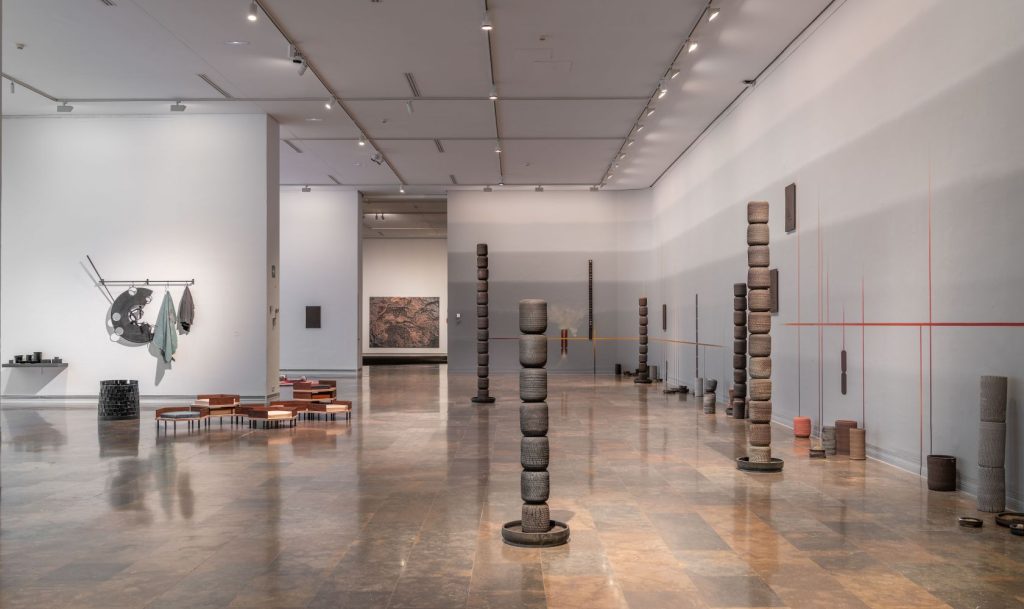
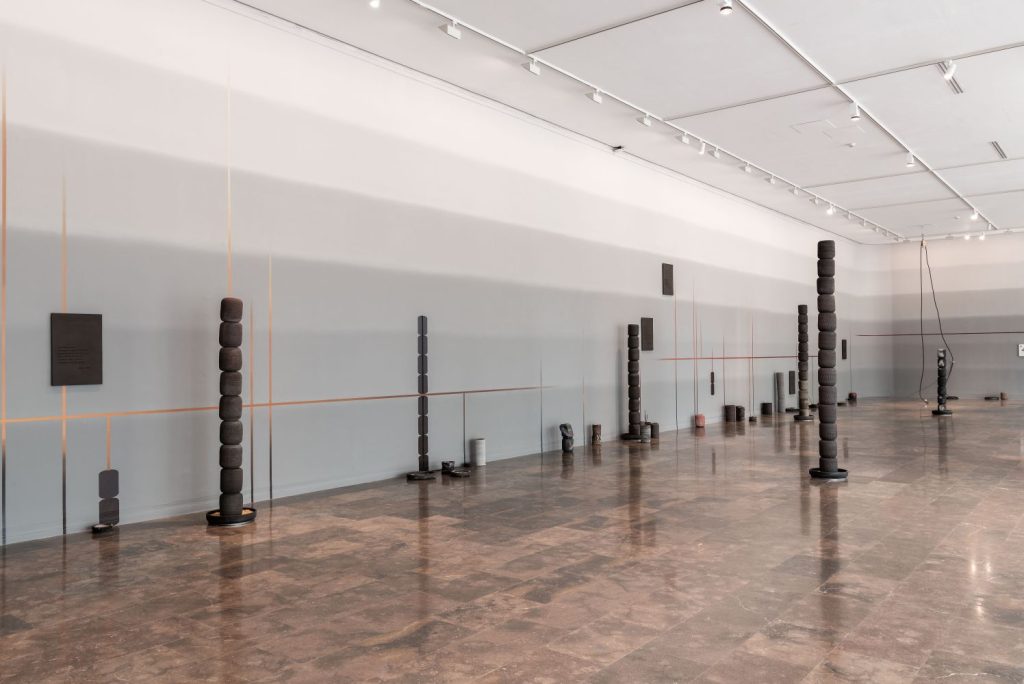
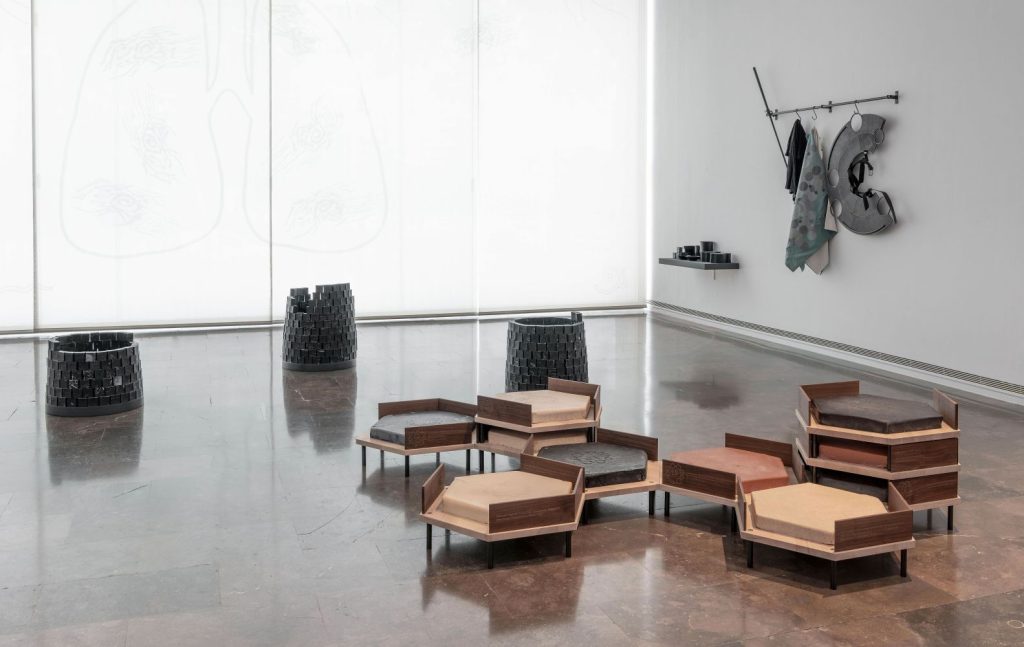
Using not only sculpture, drawing and performance but also writing and pedagogical formats, Otobong Nkanga (Kano, Nigeria, 1974) analyses the notion of ‘earth’ as a geological and discursive formation. She often starts from the systems and procedures used locally to excavate raw materials, processing them technologically and distributing them on a global scale. From this point, she follows the threads that bind together the minerals, material culture and the construction of desire with the redistribution of power and knowledge.
Nkanga’s monographic exhibition will include drawings, installations, photographs, sculptures and performances through which the artist examines our social and topographical relationship with our everyday environment. By exploring the notion of earth as a place of non-belonging, Nkanga provides an alternative significance to social ideas of identity. She also shows the inherent complexities of natural resources and their potential values in order to provoke narratives or histories related to earth.
Stones, cloths and plants are other materials that Otobong Nkanga uses in her installations, permitting her to speak of the earth and the people who inhabit it. The works are always intended metaphorically as symbols of the global system, involving images of migration, transformation, appropriation and loss.
The artist will carry out a site-specific project for Gallery 1 at the IVAM.
![[DOSMILVINT-I-U] [DOSMILVINT-I-TRES] = 1 encuentro](https://ivam.es/wp-content/uploads/exposiciones/programa-de-art-i-context-exposicion-proyecto-2021-2023/230608_SEC_DOSMILVINT_01-1024x683.jpg)
![[DOSMILVINT-I-U] [DOSMILVINT-I-TRES] = 1 encuentro](https://ivam.es/wp-content/uploads/exposiciones/programa-de-art-i-context-exposicion-proyecto-2021-2023/230608_SEC_DOSMILVINT_06-1024x683.jpg)
![[DOSMILVINT-I-U] [DOSMILVINT-I-TRES] = 1 encuentro](https://ivam.es/wp-content/uploads/exposiciones/programa-de-art-i-context-exposicion-proyecto-2021-2023/230608_SEC_DOSMILVINT_12-1024x683.jpg)
![[DOSMILVINT-I-U] [DOSMILVINT-I-TRES] = 1 encuentro](https://ivam.es/wp-content/uploads/exposiciones/programa-de-art-i-context-exposicion-proyecto-2021-2023/aic_web-1024x786.jpg)
08 jun. 2023 – 05 nov. 2023
IVAM Centre Julio González
floor 2, G7
share
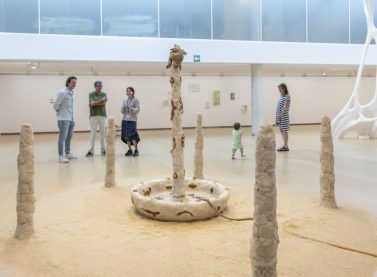
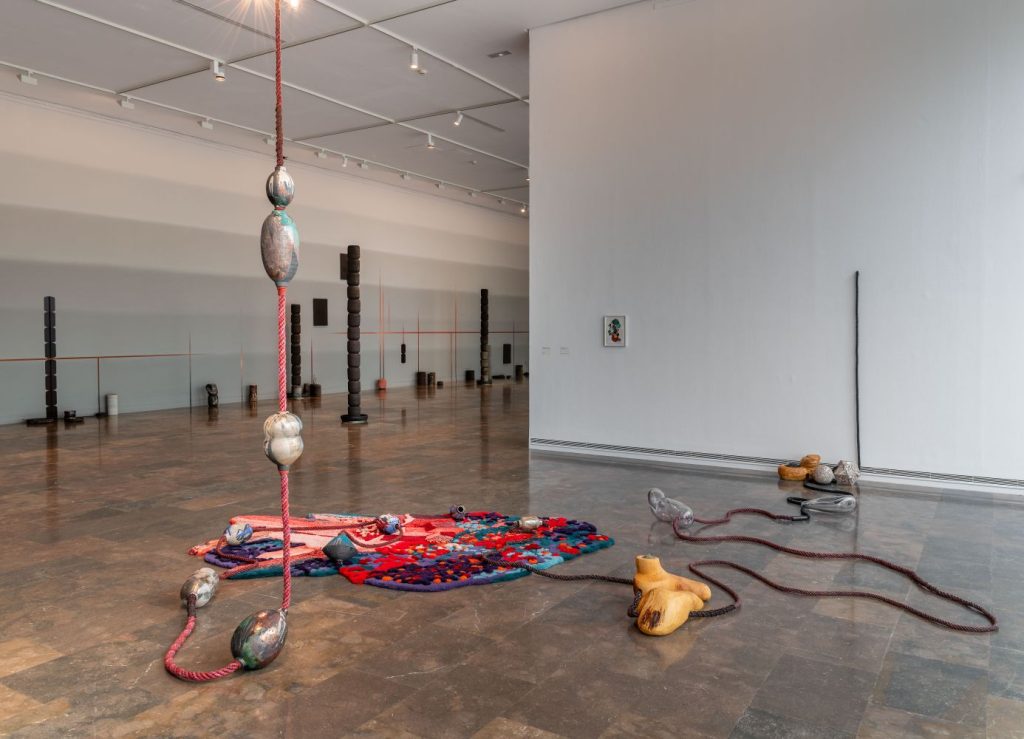
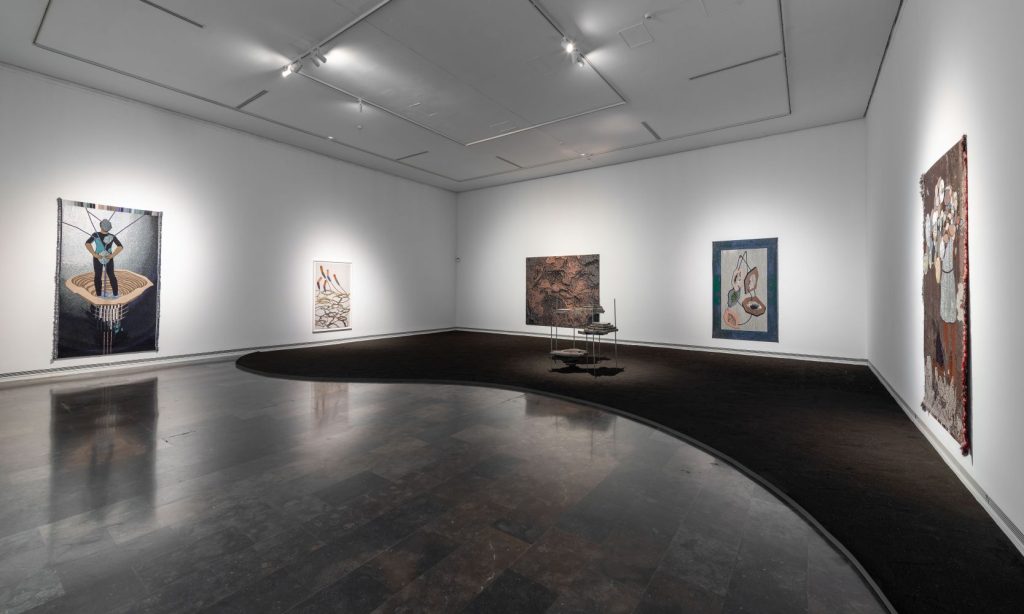
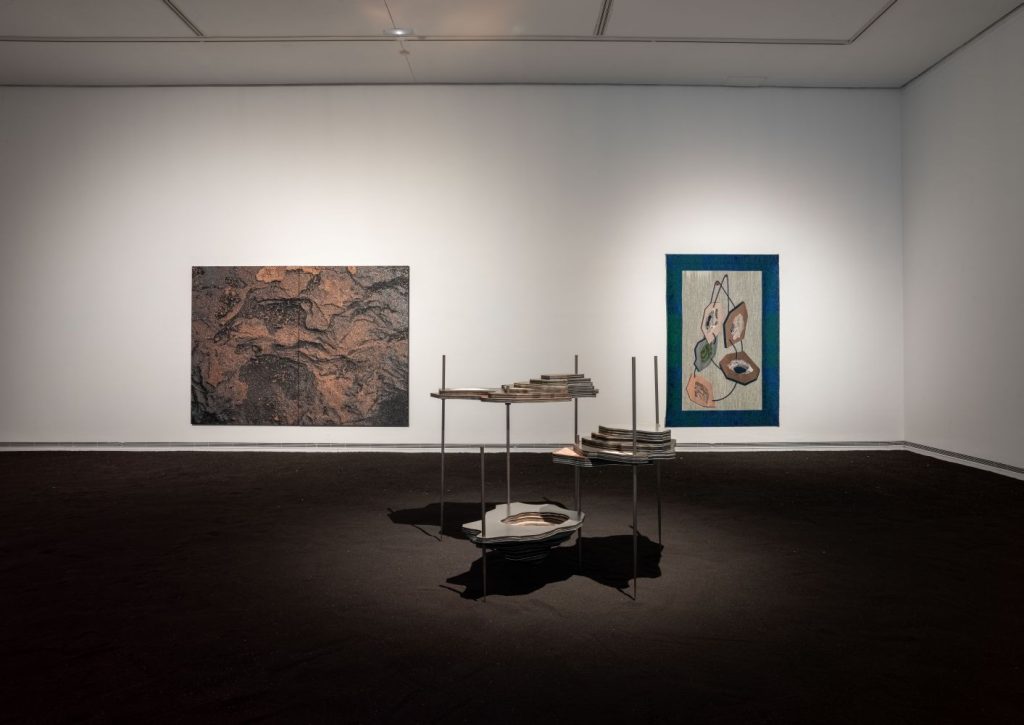
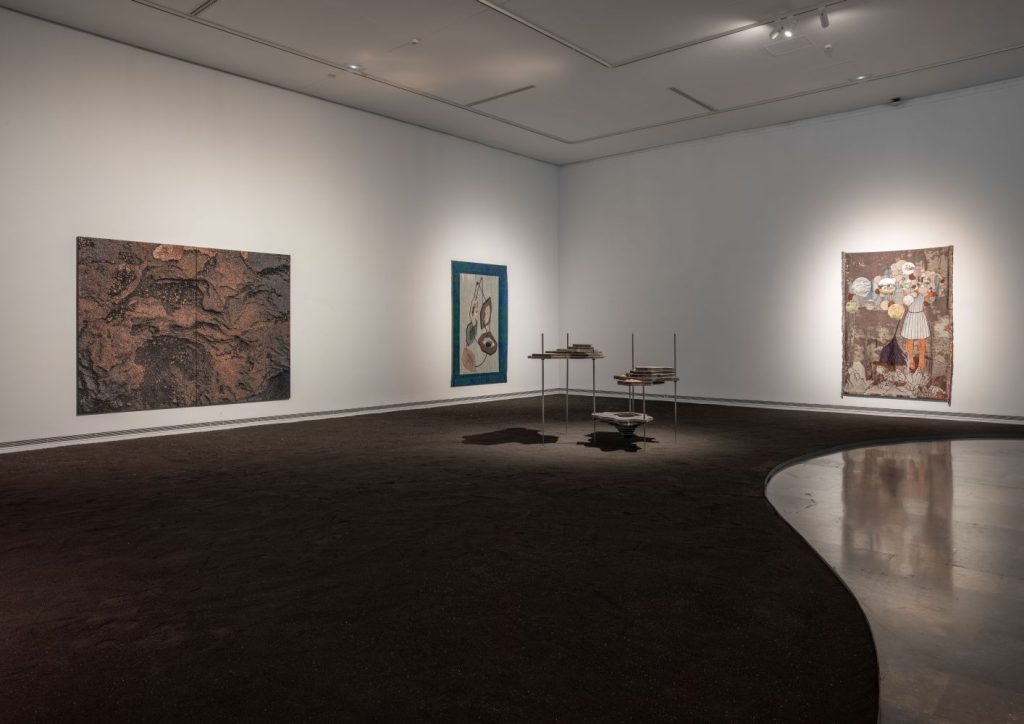
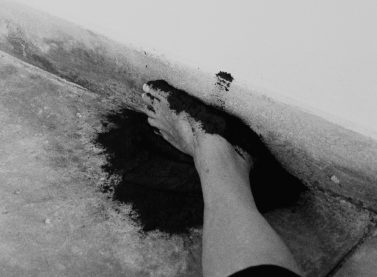
From October 2021 to June 2023 our first edition of Art i Context included more than 25 proposals in the form of workshops, conferences, performances, mediations or collaborations in different spaces, inside and outside the museum and online, creating connections between different layers in Valencia and its context. In [DOSMILVINT-I-U] [DOSMILVINT-I-TRES] = 1 encuentro ([TWENTY-TWENTY] [TWENTY-TWENTY-THREE] = 1 encounter), we present work by artists during the course of the programme.
The members of the first edition of Art i Context were Diego Navarro and Darío Alva, Claudia Dyboski, Marina González Guerreiro, Álvaro Porras and M Reme Silvestre. Their practices can be seen as a reaction to the instability of the current moment and to the abstraction of contemporary reality. They use digital tools, construct escapist, speculative narratives, revalue manual work and make critical revisions of historical processes. The exhibition is a continuation of the ideas underpinning the programme, which is seen as a generational encounter and a space for interchanging influences and references outside the museum space.
This exhibition is one of many in our opening up of our programme, which is an open, non-conclusive process in which the momentum of works’s gestation can be seen as an element that generates meaning.
01 jun. 2023 – 07 jan. 2024
IVAM Centre Julio González
floor B, G3
share
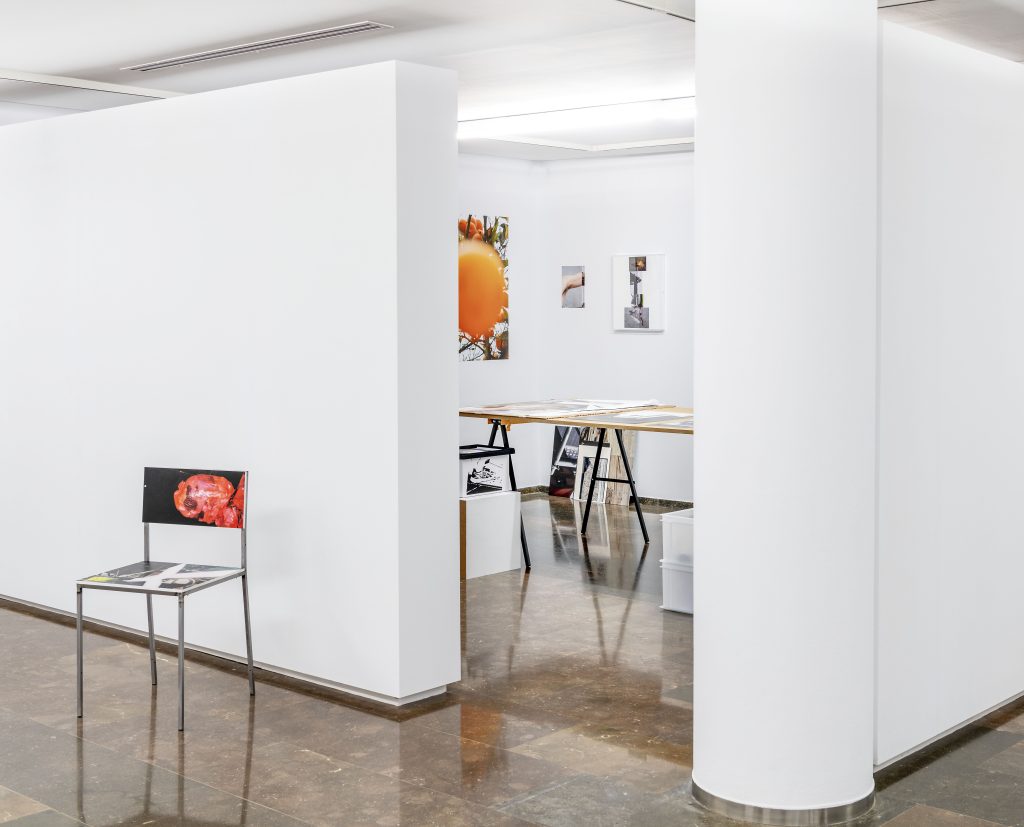
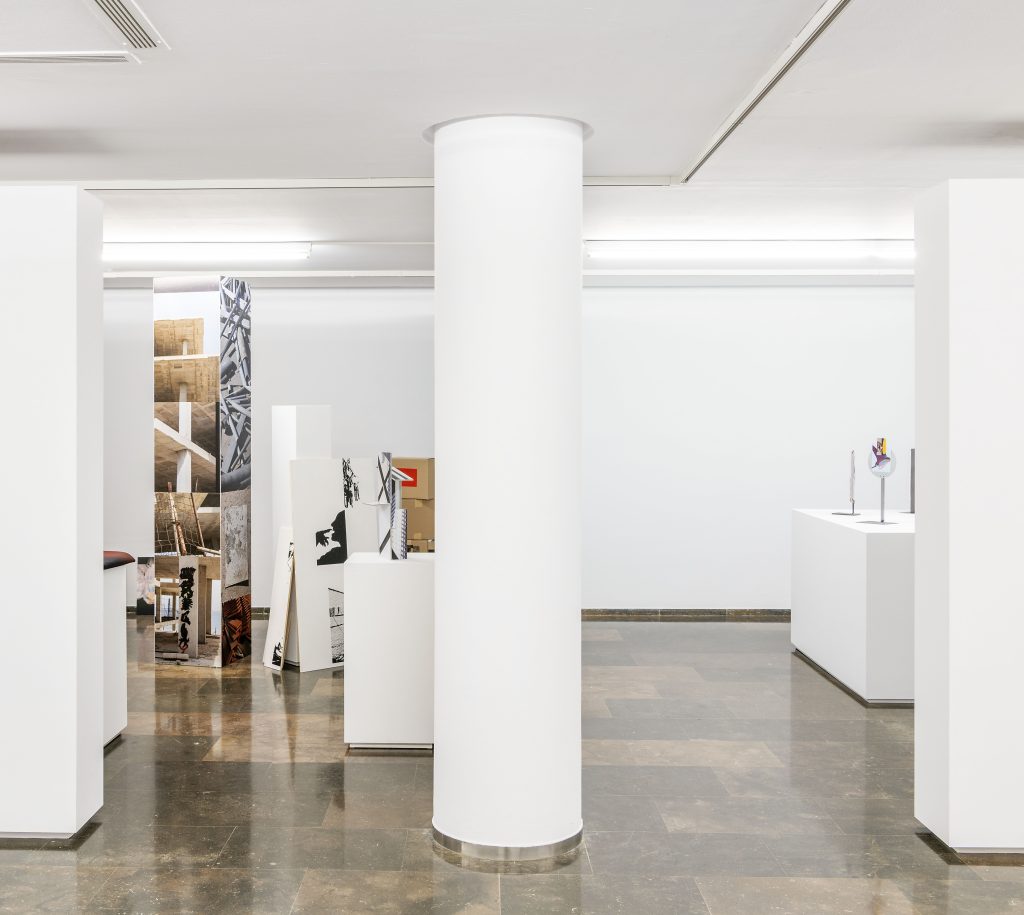
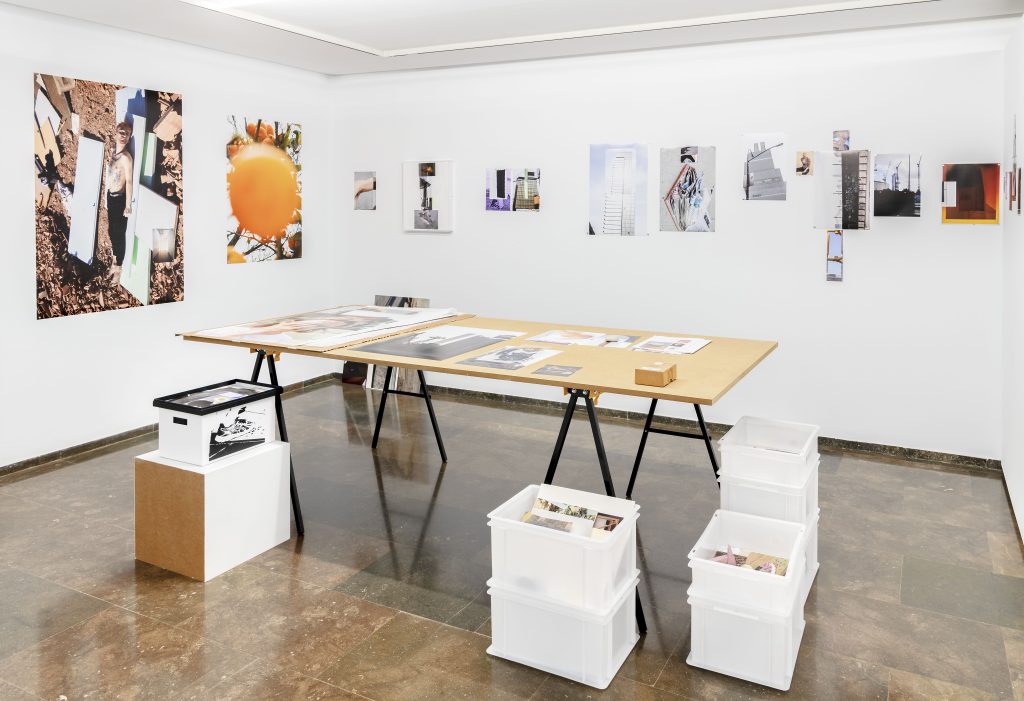
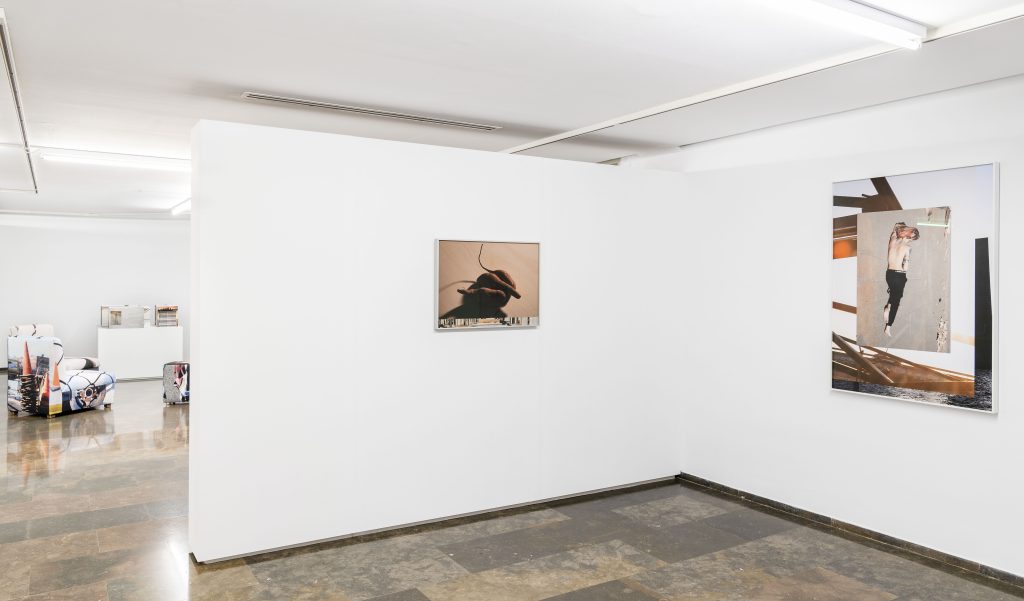
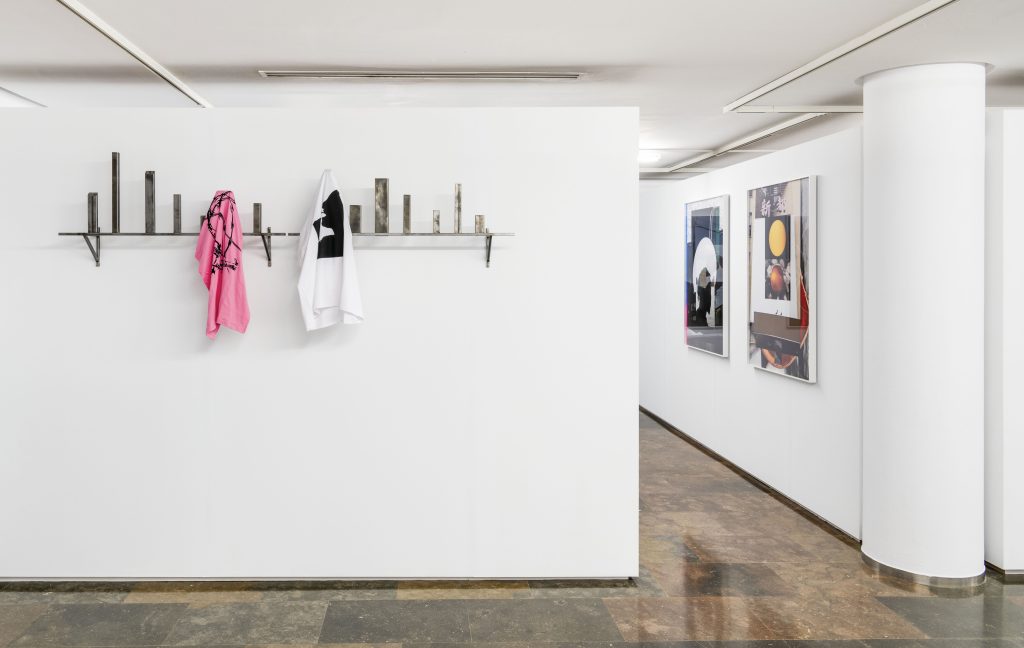
Trascity is a project that reflects on the roles and spaces we occupy and on the objects we accumulate and collect, including images.
This installation, designed specifically for Gallery 3 at the IVAM, adopts different perspectives in attempt to reformulate the uses of the exhibition space, which will be employed as a replica of an existing place in the outside world, a workplace, a meeting point, an area under construction, an archive of images or a storage room for objects from the past. Trascity makes reference to the contemporary problematics of finding a place in the world, a space where we can explore our anxieties and a refuge where some sort of independence can be gained. In this physical space, the artistic artifact becomes a consumer object.
This project reflects upon the concept of the ‘fragment’, understood from multiple points of view. On the one hand, we have a city created out of a mixture of several, with fleeting memories and everyday annotations in the form of photographs that pile up on top of one another to create unstable architectures denoting a world in collapse, accelerated and decadent. On the other hand, there is the mental fragmentation of a visual artist who performs different roles throughout the day with the goal of facing up to a complex and precarious reality. Appearing in this way are the collector, the hoarder, the photographer, the apprentice… Trascity is a synonym for mutating identity, transformation, the ensnaring city, appropriation, popular culture, the memory store, the passage of time or the mise en abyme.
You can listen to the artist’s Playlist here.
11 may. 2023 – 27 aug. 2023
IVAM Centre Julio González
floor 2, G4
share
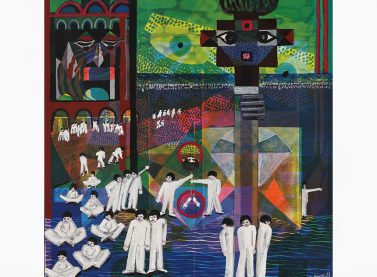
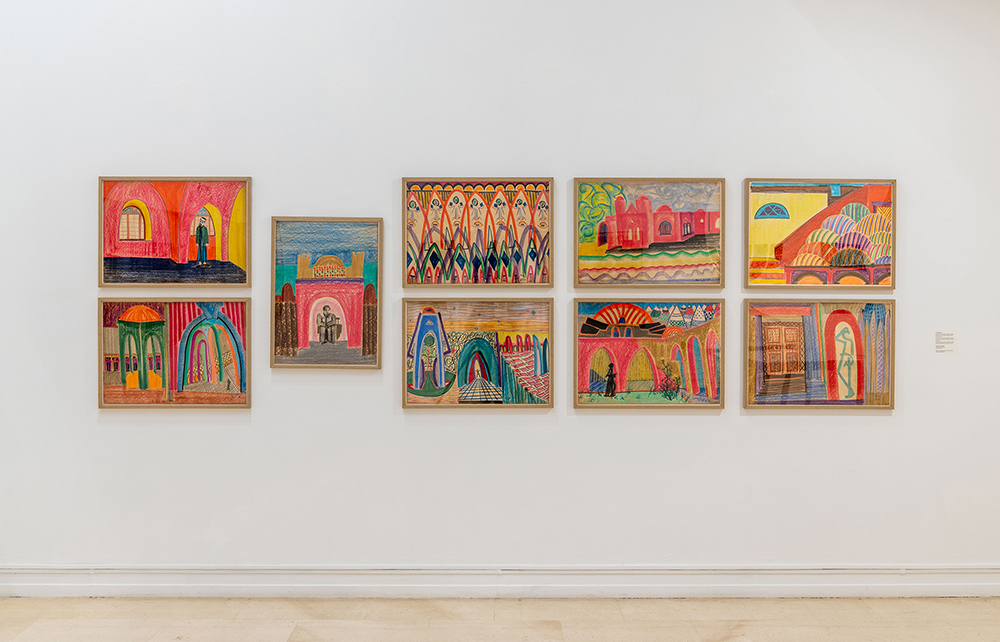
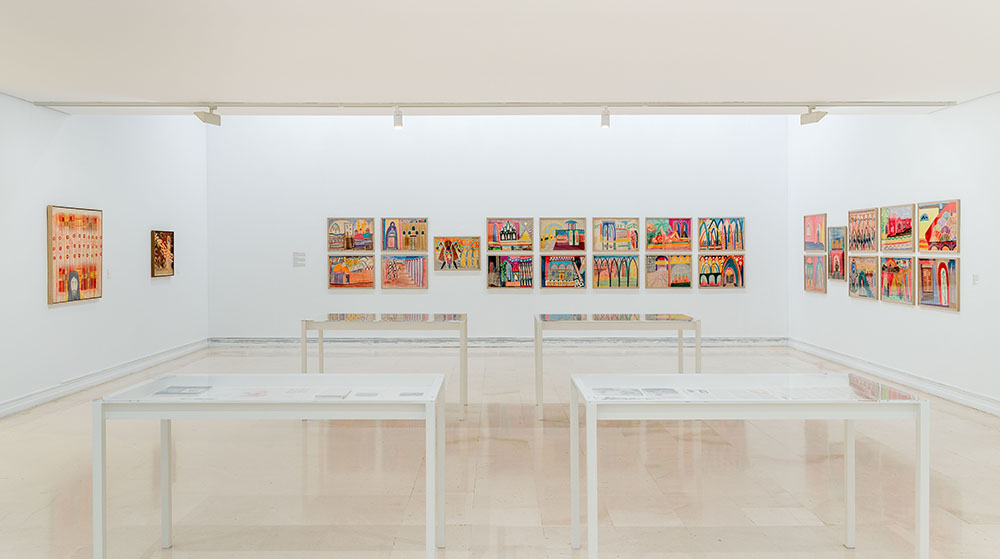
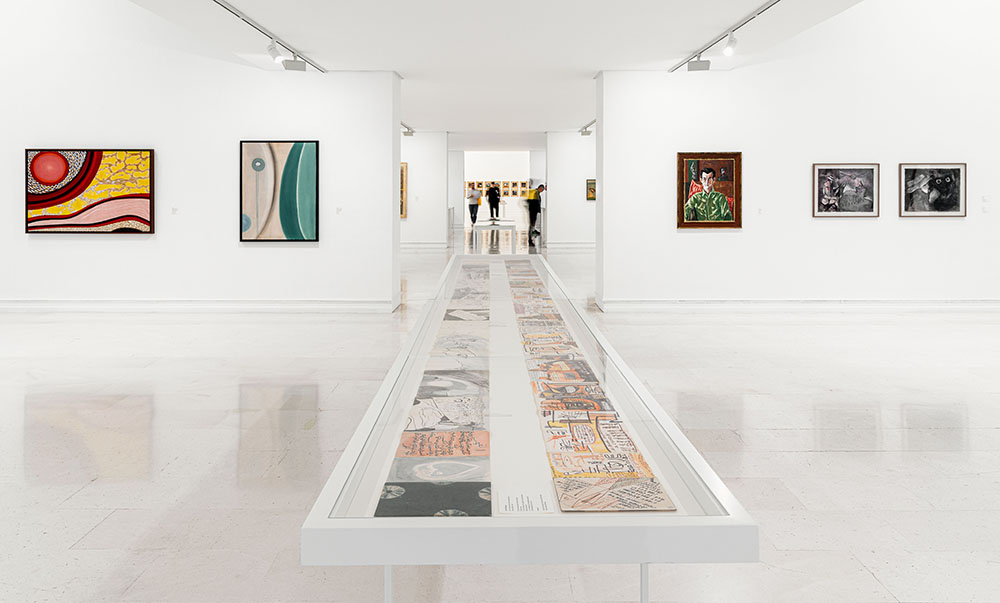
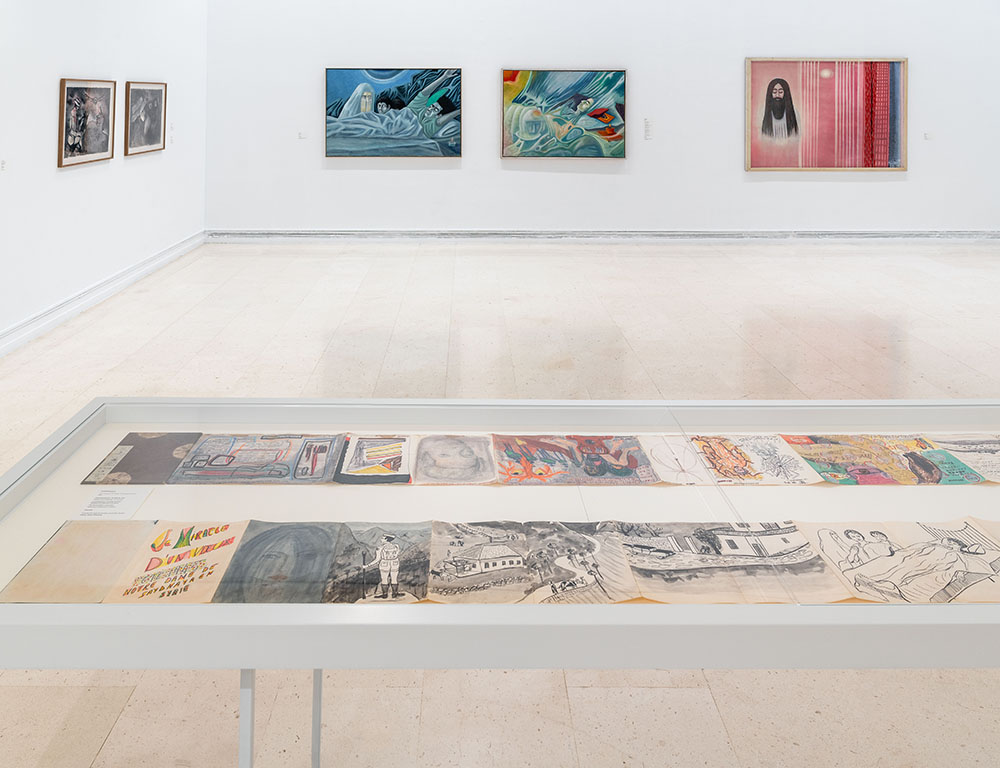
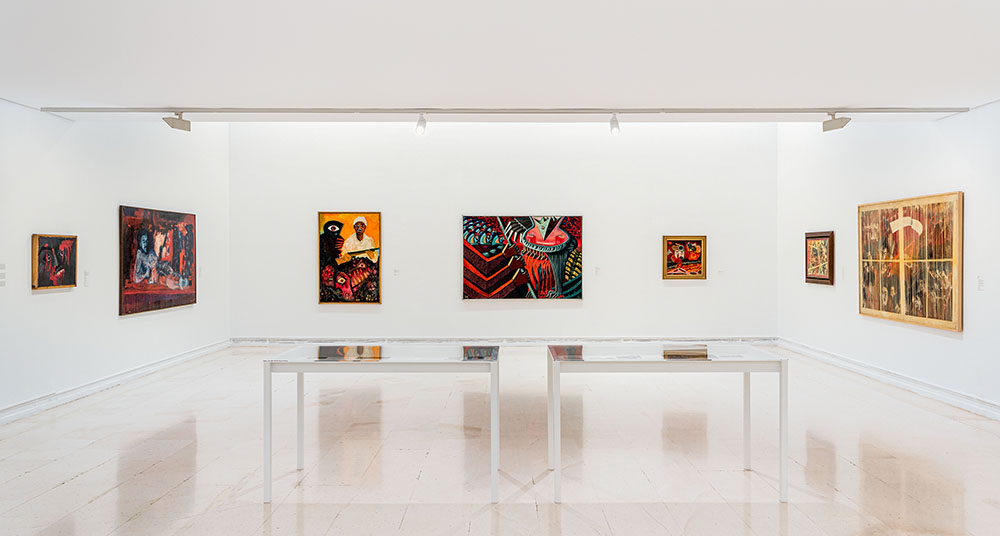
Born in Aley (Lebanon) in 1928, Aref El Rayess started to paint at the age of eleven. In 1948, he had his first exhibition in Beirut. From 1948 to 1957, El Rayess travelled between Senegal and Paris, where he started art at the Academy of Fine Arts and trained in the studios of Fernand Léger and André Lhôte, among others. He returned to Lebanon in 1957, and in 1959 was offered a grant to study in Italy. In 1963, the Lebanese government commissioned two sculptures from him to represent Lebanon at the World’s Fair in New York. In 1967, he returned once more to Lebanon, a country then greatly affected by events in the Arab world. He was a founder member of the Department of Fine Arts at the Lebanese university. From then on, El Rayess organised, attended and took part in conferences and exhibitions on politics and art in the Arab world. In 1975, he was invited to Algeria, where he made a series of drawings on the Lebanese civil war, and in 1978, he took part in the International Art Exhibition in Solidarity with Palestine. During that period, he started to work in Saudi Arabia, where he produced some 13 sculptures in the cities of Jeddah, Tabuk and Riyadh. He lived in Jeddah until 1987, and some years later, in 1992, he returned to Aley in Lebanon, where he lived until his death in 2005.
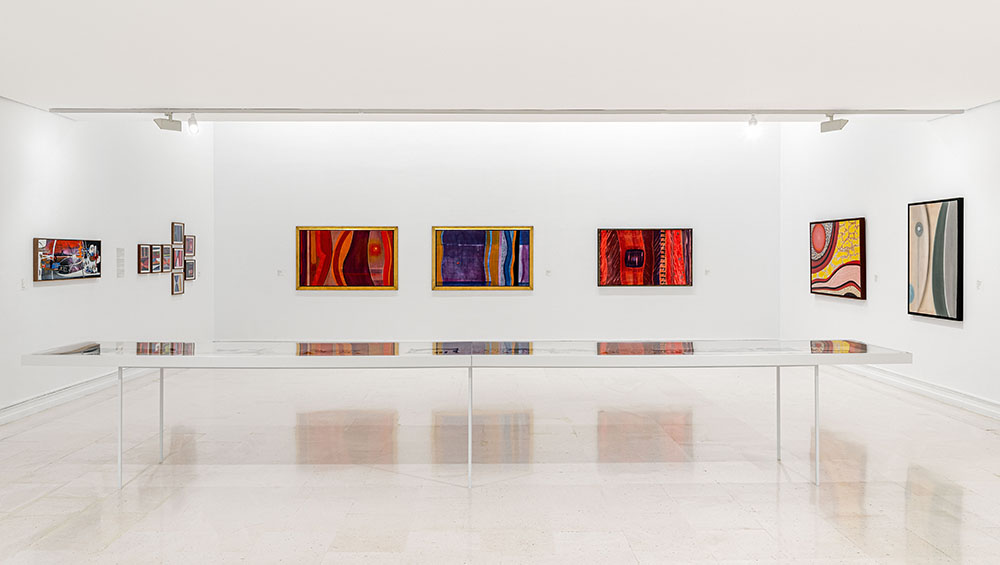
Aref El Rayess is a fundamental figure in the Lebanese cultural panorama from the 1960s to the 1980s. In its paradoxes and singularity, its flashes and its blind alleys, the oeuvre of Aref El Rayess exemplifies an uncompromising modern artistic career that follows solely the “inner demand” of a concerned subject, more attentive and sympathetic to the political, social and cultural crises of his time than to the “isms” and expected sequences of the modern canon. Precociously talented and largely self-taught, extremely gifted and generally undisciplined, he was an entertaining and often caustic observer, fascinated in his adolescence by timeless “impressions of Africa” that accompanied him throughout his life. El Rayess’s formal career and work evolved mainly in cycles, reiterations and reminiscences, and in the various disciplines he fostered in his turn (drawing, engraving, painting, sculpture, collage).
This exhibition is centred on the years 1958 to 1978, from El Rayess’s return to Beirut after his formative years in Senegal, Paris and Lebanon until the beginnings of the civil war (1975-1990). In many respects, his work of this period is a seismograph that records the frustrated desires and hopes of an era through heterogeneous formal expressions inspired by the insurrection of the Druze people (1958), the Algerian war of independence, the liberation struggles of the “Third World” and the war in Lebanon.

10 may. 2023
IVAM Centre Julio González
share
The collection from IVAM is organised using six chronological and themed blocks which explain, with their own voice, the art developed from the beginning of the 20th century to the modern day. Perhaps not everything is as it is (or was), but it is everything that exists. Stories of the present – and those that come from far away but are updated in our present- should be told as a polyphony of voices and from contexts that make us sharpen our critical eye regarding their construction and relevance.
Over six sessions, using six books, we will delve into the narrative actions that literature offers us and we will link them together, sometimes with simple gestures and sometimes with more complex choreography, with the IVAM collection. The worlds of fiction build reality; they are reflective mirrors or transparent windows, but they always tell us what we are, or what we are eager to become, from our previous experience and towards our future possibility of transforming ourselves. In these narrative gestures, traversed by stories and lives, we will slow down.
2002-2021: Forms of the contemporary
The most recent of the historical periods, with the closest relation to the present day, offers us several lines of thinking on prospective projects focusing on the early decades of the twenty-first century. With this in mind, we can tackle the many ways of imagining the revolt, the performative phenomenon of the protest as a sociological staging which also relates to the iconography of nineteenth- and twentieth-century art. Actions and interventions in different contexts may mesh with some of the aims of feminist and queer activism, or the conflicts of globalism in its inequality, current forms of communication and the new awareness of crisis as a global phenomenon. Contemporary art is now postconceptual, its meanings are open, it has recuperated the document, narrative, and embodied practices through performance and the use of the word.
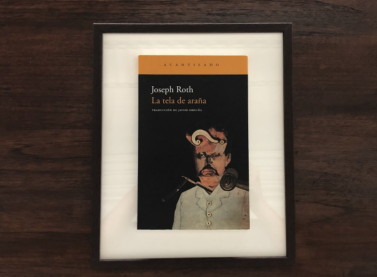
—The Most Secret Memory of Men (2023) by Mohamed Mbougar Sarr, Other Press
(La más recóndita memoria de los hombres, Mohamed Mbougar Sarrgar Sarr, Trans. Rubén Martín Giráldez. Ed. Anagrama).
This book might have exchanged places with Lumbung Stories in the previous decade, and vice versa. Both books are highly relevant to the present day, and deal with some of the aspects we have had to face in the first decades of the twenty-first century. Nevertheless, we decided to leave this work of literature on literature for the last reading. This book looks at what it means to write and tell stories, at the reader’s reception of the written word, and of the hold it has on later writers: at the power of creative work on its maker, its audience or observers, and on anyone who thinks about it after reading it. An ambitious novel, a maze of stories, real and fictional characters, which won the Prix Goncourt in 2021 and proves that stories are not only still necessary; they also make us, individually and collectively.
22 mar. 2023
IVAM Centre Julio González
share
The collection from IVAM is organised using six chronological and themed blocks which explain, with their own voice, the art developed from the beginning of the 20th century to the modern day. Perhaps not everything is as it is (or was), but it is everything that exists. Stories of the present – and those that come from far away but are updated in our present- should be told as a polyphony of voices and from contexts that make us sharpen our critical eye regarding their construction and relevance.
Over six sessions, using six books, we will delve into the narrative actions that literature offers us and we will link them together, sometimes with simple gestures and sometimes with more complex choreography, with the IVAM collection. The worlds of fiction build reality; they are reflective mirrors or transparent windows, but they always tell us what we are, or what we are eager to become, from our previous experience and towards our future possibility of transforming ourselves. In these narrative gestures, traversed by stories and lives, we will slow down.
1990-2001: Arts in a global world
This period saw the globalisation of contemporary art discourse and the phenomenon of the exhibition. In considering it, we must address the proliferation of exhibitions giving a voice to global “others”, and also take into account the conceptual shifts this necessarily led to in museum exhibitions. The complex demands of minority and subaltern majority identities must be taken into account, as well as the explosion of popular phenomena and the renewed discourses of feminism. New formats and materials also appeared, giving rise to hybrid categories of artistic genres in large installation formats. Abstraction also incorporated socially critical imagery and postcolonial discourses. The nineties also saw the birth of gender politics and many other non-hegemonic manifestations which began to permeate institutional collections and exhibitions.
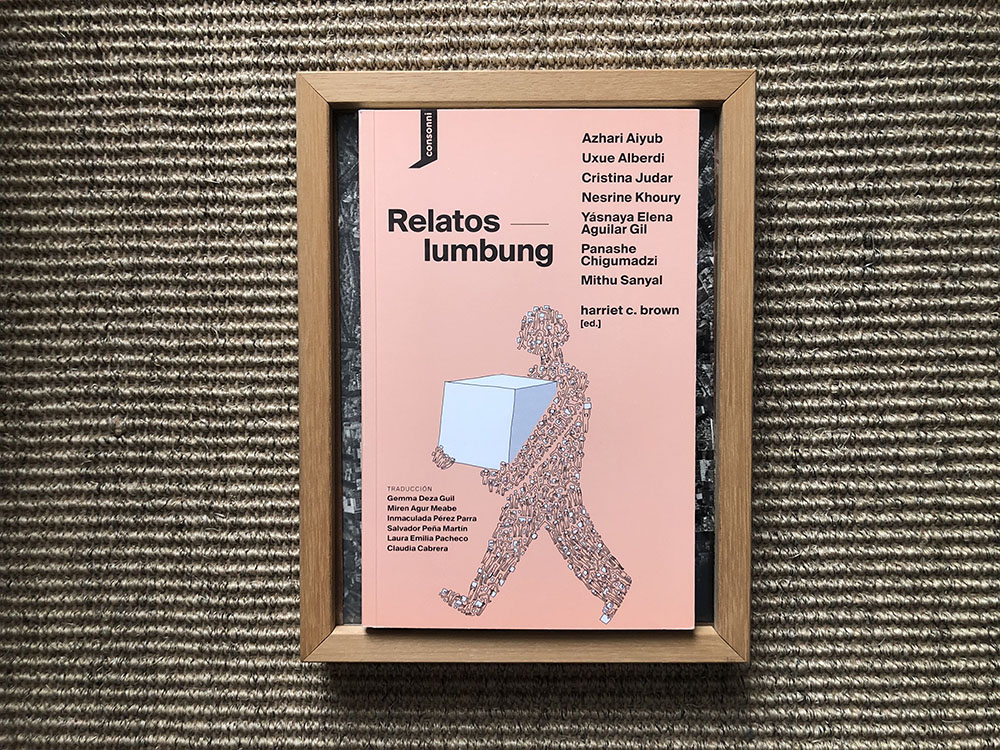
—Lumbung Stories (2022), Azhari Aiyub et. al. ,Ed. harriet c. brown Incudes stories by Azhari Aiyub, Uxue Alberdi, Cristina Judar, Nesrine Khoury, Yásnaya Elena Aguilar Gil, Panashe Chigumadzi, Mithu Sanyal. Trans. Gemma Deza Guil, Miren Agur Meabe, Inmaculada Pérez Parra, Salvador Peña Martín, Laura Emilia Pacheco, Claudia Cabrera.Cassava Republic Press
(Relatos lumbung, VV AA. Edited by harriet c. brown. Ed. Consonni)
“Lumbung” was used in documenta 15 as a concept implementing collective work done for the common good. The Indonesian term refers to the communal barn, generally a rice barn, where the surplus harvest is stored to benefit the community. As a practice, it gives a name to the communal management of shared resources and community work. This book is an anthology of fictional stories written by plural voices (seven writers and a collective) in which the writers try to imagine the possibilities of collaborative practices from different places across the globe – in a world whose distances have shrunken over the past decades to a “click away”, and which now faces the greatest challenge in centuries; one which for the first time directly involves the survival of the planet itself.
25 feb. 2023
IVAM Centre Julio González
share
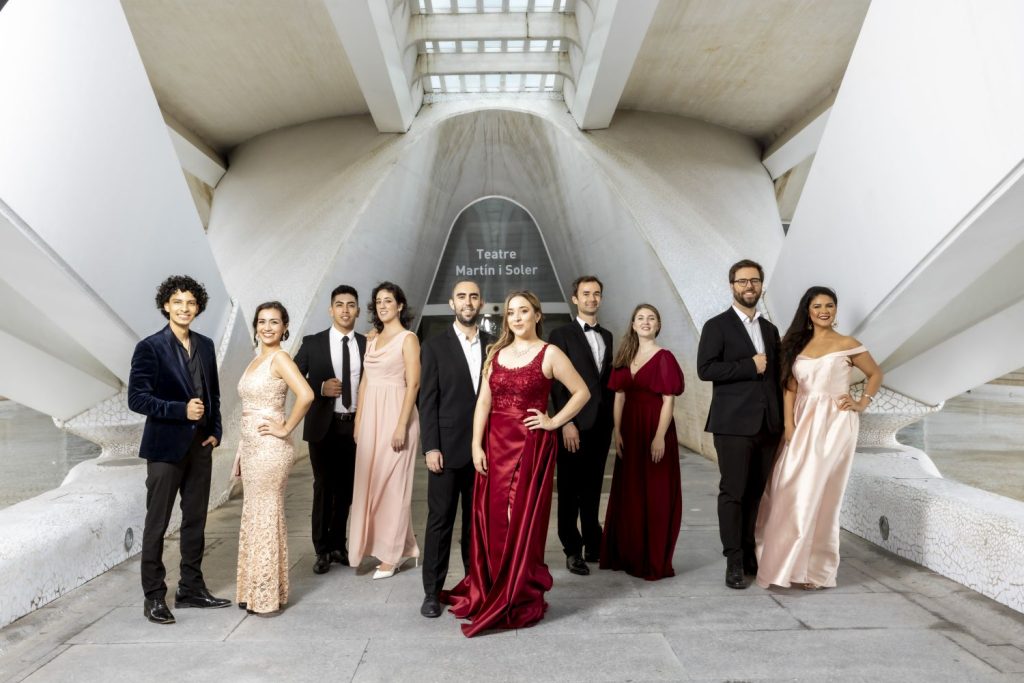
The IVAM and the Centre de Perfeccionament Palau de les Arts Reina Sofía work together and they continue in this season 2022-2023 collaborating to bring the different arts and show the existing link between them, to all audiences.
With the purpose of disseminating artistic creation and making it more accessible, they have created a concert program that connects the different musical pieces they perform with the different exhibitions at IVAM.
With this collaboration, both institutions vindicate the need to work for an open, multifaceted and plural culture, as well as the importance of culture in the development of contemporary societies.
16 feb. 2023
IVAM Centre Julio González
share
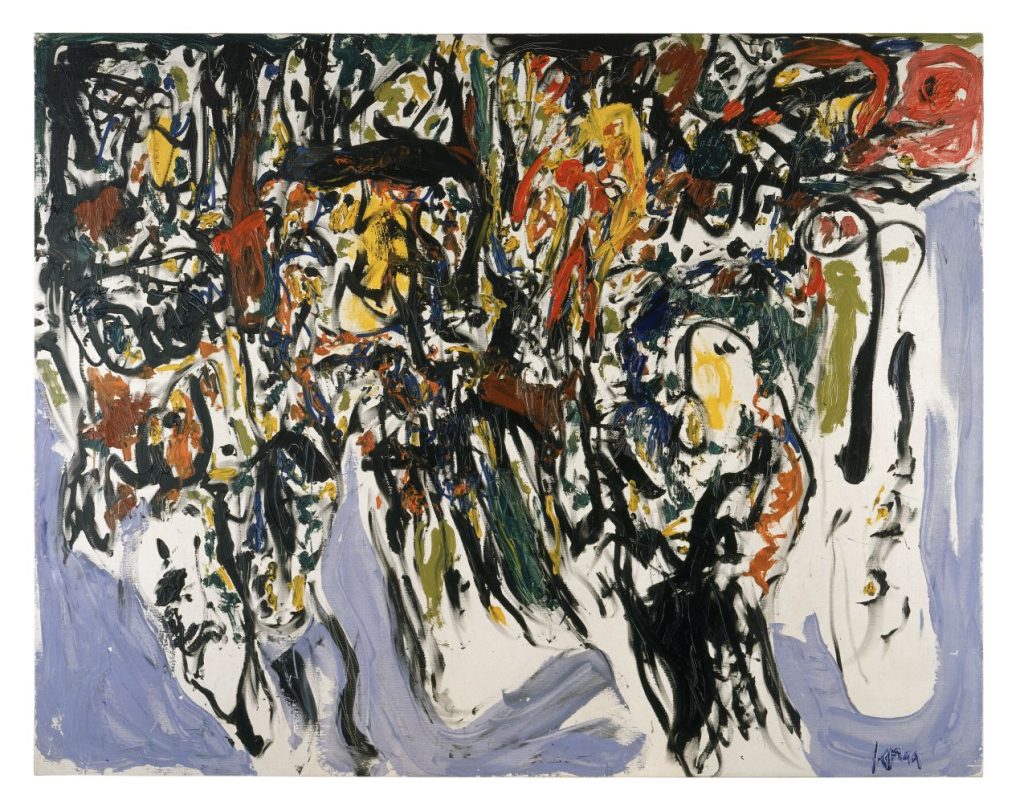
Presentation by Ellef Ellef Prestsæter, exhibition curator; Jacob Thage, director of the Museum Jorn; and Nuria Enguita, director of the IVAM, in the company of the artists Michael Murtaugh and Nicolas Malevé (Institute for Computational Vandalism) and Anna Sofie Mathiasen.
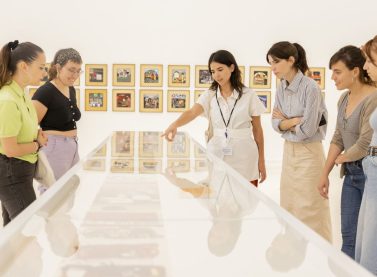
Open Creation and Its Enemies: Asger Jorn in situation presents the singular trajectory of the Danish artist Asger Jorn (1914–1973), a founding member of avant-garde movements such as Cobra and the Situationist International. While often acclaimed as an extraordinary painter, the exceptional range of Jorn’s practice merits a broader exploration. Open Creation and Its Enemies makes legible the experimental parameters of Jorn’s multifarious activities, charting his exits from, as well as his returns to, painting.
The exhibition includes commissioned works by Danish artist Anna Sofie Mathiasen as well as by the Institute for Computational Vandalism, who have been invited to engage with Jorn’s legacy from a contemporary perspective. Developed in close collaboration with the Museum Jorn in Silkeborg and curated by Norwegian art historian Ellef Prestsæter, the exhibition is accompanied by a comprehensive book featuring translations of canonical and hitherto unpublished texts by Jorn as well as new perspectives on his practice.
Collaboration:

17 feb. 2023
IVAM Centre Julio González
share
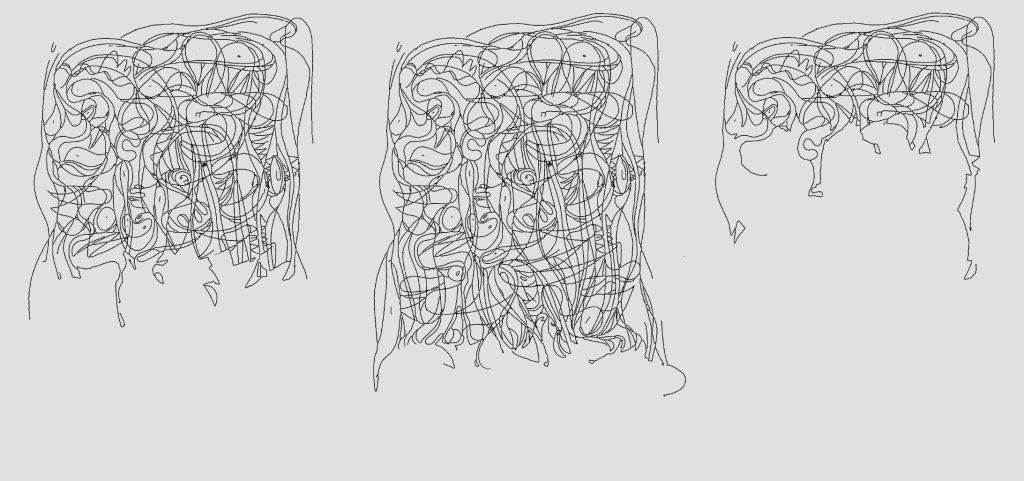
In 1946 Asger Jorn made an automatic drawing during a stay in Saxnäs, a town in Sweden and Sápmi (the land of the indigenous Sámi people). Using pen and transparent paper, he then traced a series of drawings from the original while also inviting artist friends to do the same. The result was a proliferation of interpretations, among them remarkable paintings as well as theoretical elaborations. For Jorn, the experiment demonstrated that an image is open to a multitude of interpretations depending on the “activity of the spectator, who in this way is no real spectator anymore.”
In this workshop the Institute for Computational Vandalism invites you to take part in a playful and collective exploration of the Saxnäs drawing, along with special guest
Collaboration:


![Image of Presentation and opening [DOSMILVINT-I-U] [DOSMILVINT-I-TRES] = 1 encuentro](https://ivam.es/wp-content/uploads/exposiciones/programa-de-art-i-context-exposicion-proyecto-2021-2023/aic_web-377x277.jpg "Presentation and opening [DOSMILVINT-I-U] [DOSMILVINT-I-TRES] = 1 encuentro")