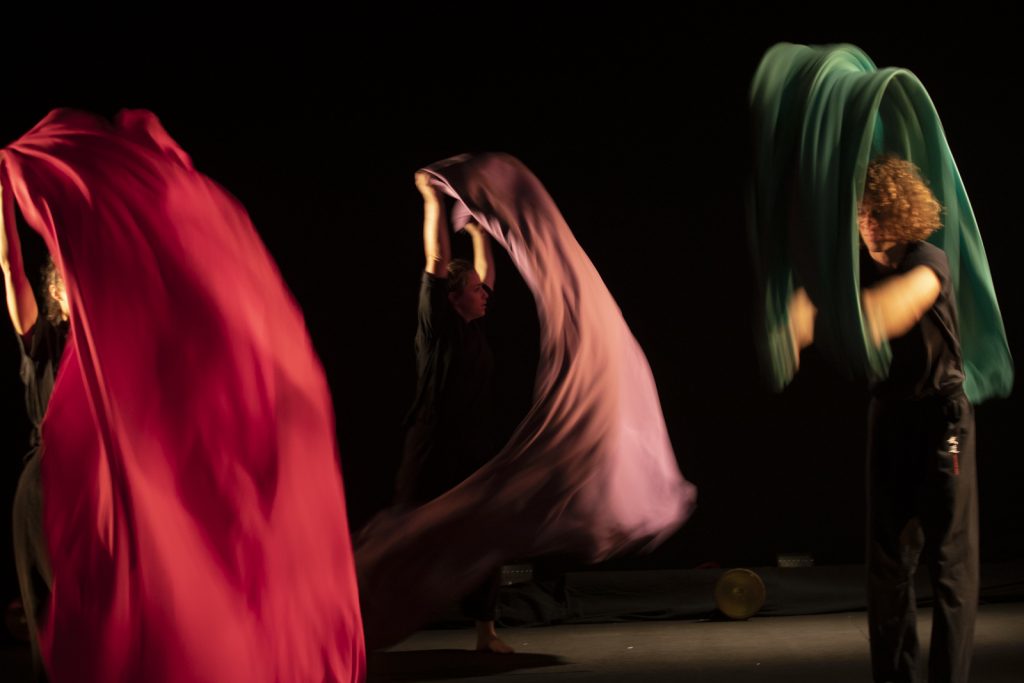
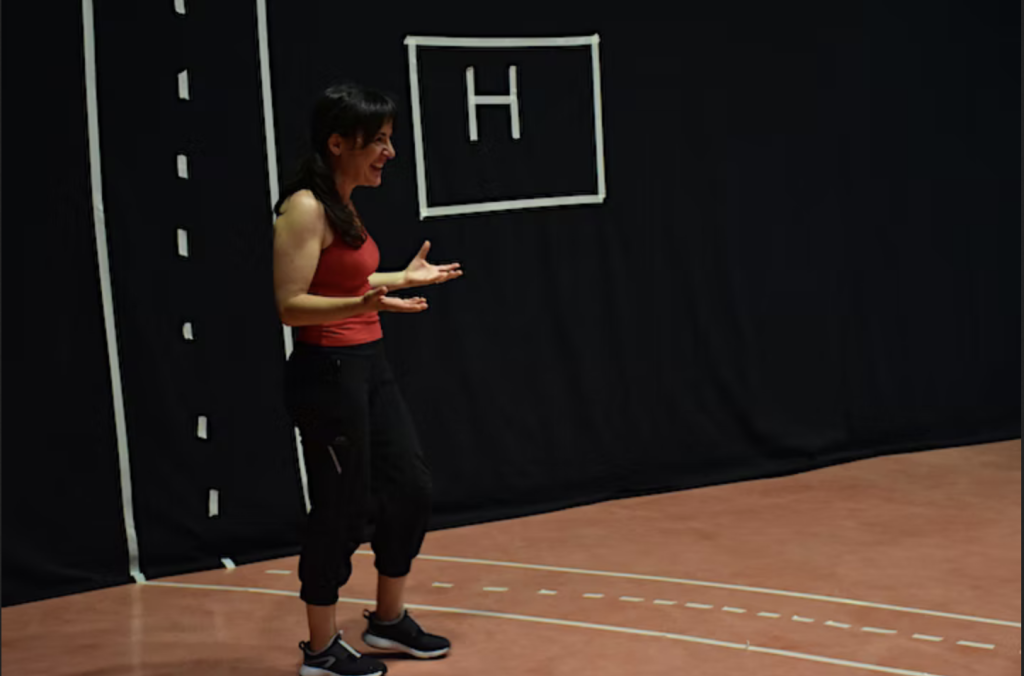
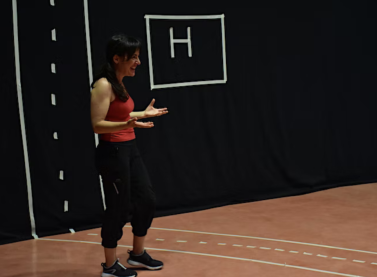
Dance and its sensitive incidents

ArticulacionsConversationsIVAM Centre Julio González

For more information, you can check Spanish version. Click here.

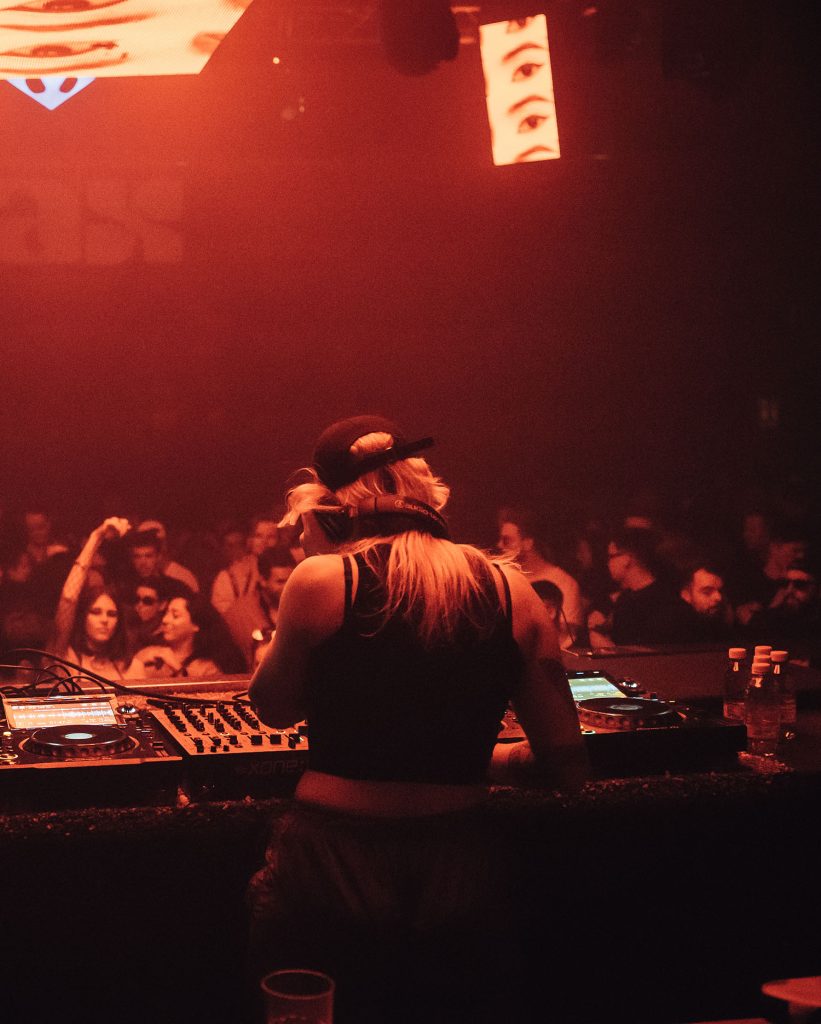
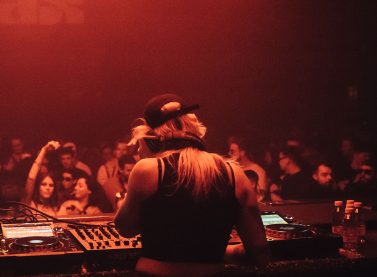
Club Mutante and DJ Paul Jean Robert. Dance day

TheatreIVAM Centre Julio González

For more information, please check Spanish version. Click here.

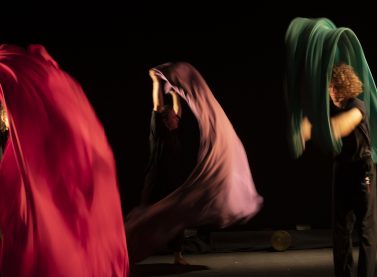
Dance mornings for adult bodies. As part of Dance Day: Dansem together!

TheatreIVAM Centre Julio González

For more information please check the Spanish version. Click here.

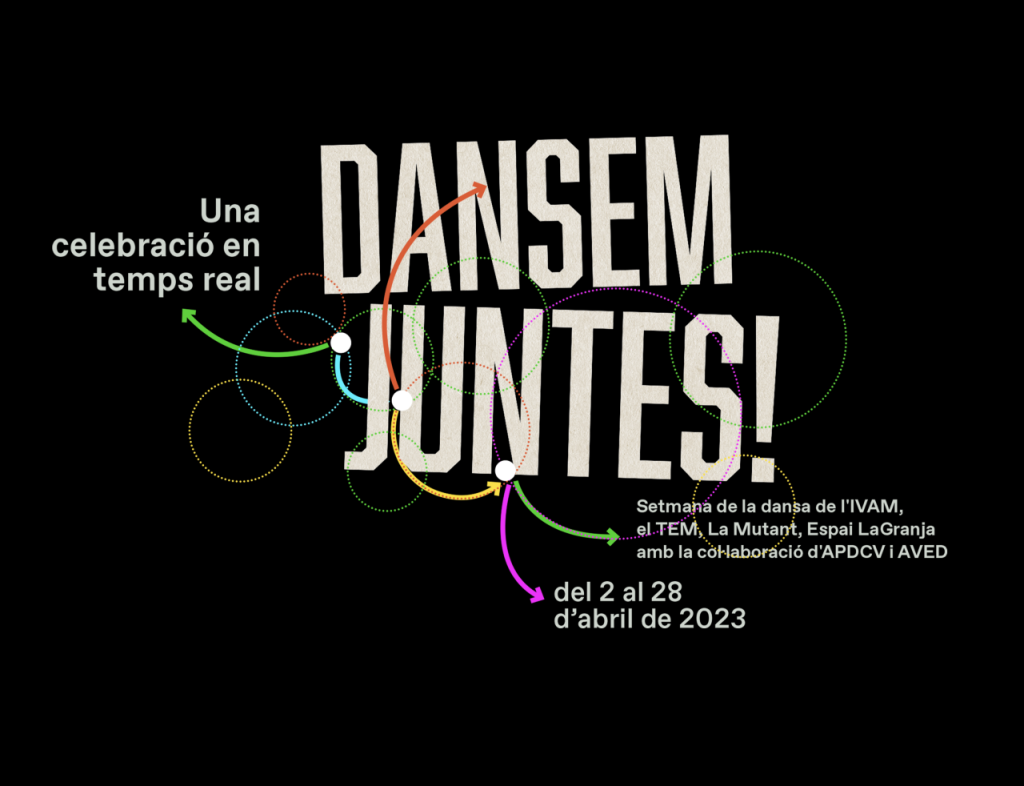
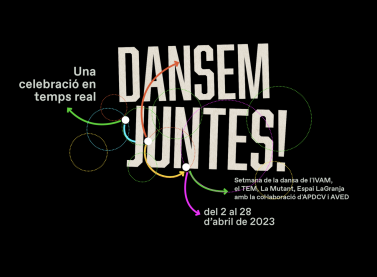
Dance week at IVAM TEM, La Mutant, Espai La Granja, APDCV and AVED

TheatreIVAM Centre Julio González

For more information, please check the Spanish version.

Performance of the students of the Advanced Study Centre (Centre de Perfeccionament del Palau de Les Arts)

MusicIVAM Centre Julio González

The IVAM and the Centre de Perfeccionament Palau de les Arts Reina Sofía work together and they continue in this season 2022-2023 collaborating to bring the different arts and show the existing link between them, to all audiences.

With the purpose of disseminating artistic creation and making it more accessible, they have created a concert program that connects the different musical pieces they perform with the different exhibitions at IVAM.

With this collaboration, both institutions vindicate the need to work for an open, multifaceted and plural culture, as well as the importance of culture in the development of contemporary societies.
ConversationsIVAM Centre Julio González

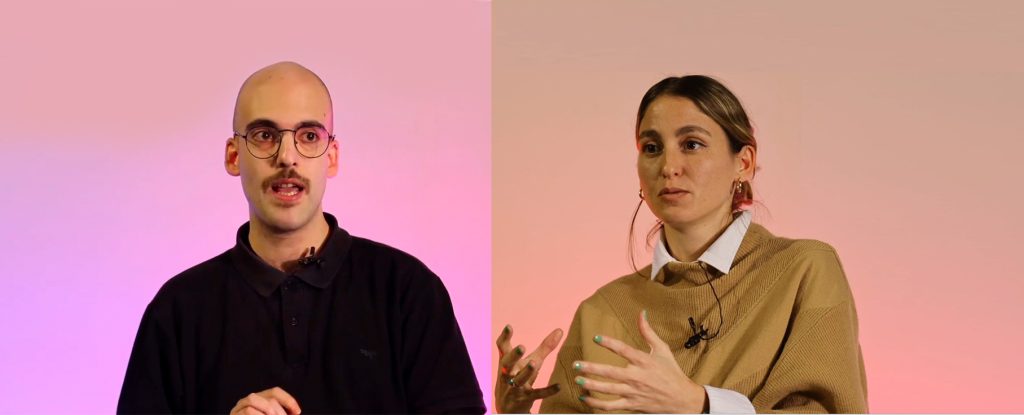
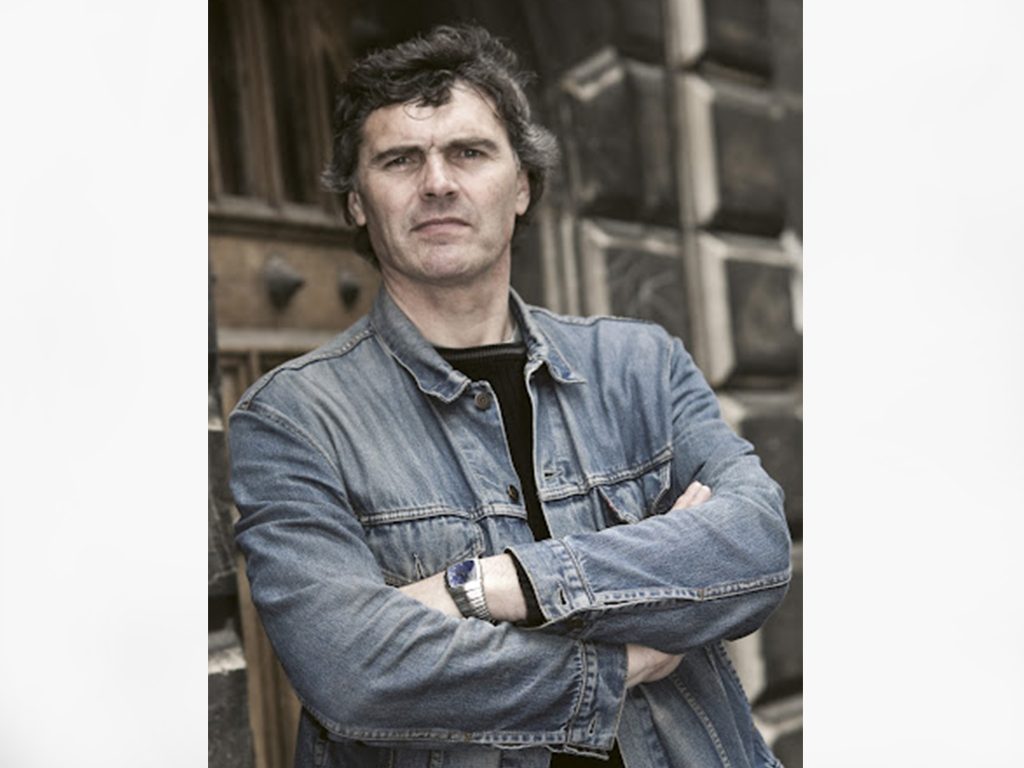
Presentation by the curators of the exhibition Daniel Nebot and Nacho Lavernia, with the designers Marisa Gallén, Sandra Figuerola, Luis Lavernia, Luis González, Carlos Bento and Eduardo Albors.

We first discussed the idea of joining forces and setting up a large studio in a car on the way back from Milan. It didn’t come up spontaneously; we’d already worked together on a couple of other projects and the possibility of doing something more together was in the air. We´ll be talking about that: how we set up La Nave, how the group expanded, and how we finally found the space we named it after.

Although there was no conscious intention behind it, we soon realized that there was a “La Nave spirit”, a particular way of doing things, a sort of common criteria that things either fit into or not. It’s not often you find that kind of essence that permeates everything no matter who exactly makes them, but there it was. And soon the media and other colleagues came to see what we were doing, what the space was like, what kind of projects we were working on and how we organized things in our own particular way.

Nacho Lavernia

Videos

Articulacions programme

ArticulacionsConversationsIVAM Centre Julio González

All museums are civic spaces that, together with universities and art colleges, perform an important educational role. Today, a renewed engagement with archives takes the museum beyond its existing definition toward a more radical understanding of curatorial and educational urgency. Working with collections necessarily addresses the “stuff of the body” (Merleau-Ponty) out of which the world is made. So what do we do about efficiency, ecology, and sustainability, and how does that reflect not only in the way we curate, collect, and conserve, but equally in the use of the museum building and its infrastructure? Can we go so far as to re-organise the exhibition rooms of a museum with workspaces for researchers and students? Can we bring collections into the venue’s central space, filling it with artefacts, archives, documents and miscellanea that would otherwise never be seen?

Clémentine Deliss will speak about ways of recasting museums for multidisciplinary, performative, decolonial, and democratic models of research, art practice, and education. Case studies will include her redesign of the Weltkulturen Museum in Frankfurt, and subsequent developments of the Metabolic Museum-University in Kyiv, Ljubjlana and Berlin.

Dr. Clémentine Deliss
Global Humanities Professor of History of Art, University of Cambridge
Associate Curator, KW Institute for Contemporary Art, Berlin

Dr. Clémentine Deliss is Global Humanities Professor of History of Art at the University of Cambridge, and Associate Curator at KW Institute for Contemporary Art in Berlin, where she directs the Metabolic Museum-University and is preparing the exhibition, Skin in the Game (September 2023). Her practice crosses the borders of contemporary art, critical anthropology, curatorial experimentation, and publishing. Between 2010–2015, she directed the Weltkulturen Museum in Frankfurt instituting a new lab for post-ethnographic research and the remediation of contentious collections. She is a Fellow of the Institute of Advanced Study in Berlin and has taught art theory and curatorial practice at the Ecole nationale supérieur Paris-Cergy, Karlsruhe University of Arts and Design, and Hamburg University of the Arts. She is Faculty at Large of SVA Curatorial Practice in New York, and Guest Mentor of the Berlin Program for Artists. Her book The Metabolic Museum was published by Hatje Cantz in co-production with KW (2020), in Russian (Garage Museum, 2021) and is coming out in Spanish with Caniche, Madrid in April 2023.

ExhibitionIVAM Centre Julio González

Using not only sculpture, drawing and performance but also writing and pedagogical formats, Otobong Nkanga (Kano, Nigeria, 1974) analyses the notion of ‘earth’ as a geological and discursive formation. She often starts from the systems and procedures used locally to excavate raw materials, processing them technologically and distributing them on a global scale. From this point, she follows the threads that bind together the minerals, material culture and the construction of desire with the redistribution of power and knowledge.

Nkanga’s monographic exhibition will include drawings, installations, photographs, sculptures and performances through which the artist examines our social and topographical relationship with our everyday environment. By exploring the notion of earth as a place of non-belonging, Nkanga provides an alternative significance to social ideas of identity. She also shows the inherent complexities of natural resources and their potential values in order to provoke narratives or histories related to earth.

Stones, cloths and plants are other materials that Otobong Nkanga uses in her installations, permitting her to speak of the earth and the people who inhabit it. The works are always intended metaphorically as symbols of the global system, involving images of migration, transformation, appropriation and loss.

The artist will carry out a site-specific project for Gallery 1 at the IVAM.

Videos

ExhibitionIVAM Centre Julio González

From October 2021 to June 2023 our first edition of Art i Context included more than 25 proposals in the form of workshops, conferences, performances, mediations or collaborations in different spaces, inside and outside the museum and online, creating connections between different layers in Valencia and its context. In [DOSMILVINT-I-U] [DOSMILVINT-I-TRES] = 1 encuentro ([TWENTY-TWENTY] [TWENTY-TWENTY-THREE] = 1 encounter), we present work by artists during the course of the programme.

The members of the first edition of Art i Context were Diego Navarro and Darío Alva, Claudia Dyboski, Marina González Guerreiro, Álvaro Porras and M Reme Silvestre. Their practices can be seen as a reaction to the instability of the current moment and to the abstraction of contemporary reality. They use digital tools, construct escapist, speculative narratives, revalue manual work and make critical revisions of historical processes. The exhibition is a continuation of the ideas underpinning the programme, which is seen as a generational encounter and a space for interchanging influences and references outside the museum space.

This exhibition is one of many in our opening up of our programme, which is an open, non-conclusive process in which the momentum of works’s gestation can be seen as an element that generates meaning.

Exhibition information

Videos

ExhibitionIVAM Centre Julio González

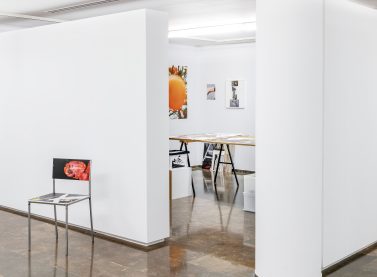
Trascity is a project that reflects on the roles and spaces we occupy and on the objects we accumulate and collect, including images.

This installation, designed specifically for Gallery 3 at the IVAM, adopts different perspectives in attempt to reformulate the uses of the exhibition space, which will be employed as a replica of an existing place in the outside world, a workplace, a meeting point, an area under construction, an archive of images or a storage room for objects from the past. Trascity makes reference to the contemporary problematics of finding a place in the world, a space where we can explore our anxieties and a refuge where some sort of independence can be gained. In this physical space, the artistic artifact becomes a consumer object.

This project reflects upon the concept of the ‘fragment’, understood from multiple points of view. On the one hand, we have a city created out of a mixture of several, with fleeting memories and everyday annotations in the form of photographs that pile up on top of one another to create unstable architectures denoting a world in collapse, accelerated and decadent. On the other hand, there is the mental fragmentation of a visual artist who performs different roles throughout the day with the goal of facing up to a complex and precarious reality. Appearing in this way are the collector, the hoarder, the photographer, the apprentice… Trascity is a synonym for mutating identity, transformation, the ensnaring city, appropriation, popular culture, the memory store, the passage of time or the mise en abyme.

You can listen to the artist’s Playlist here.

Videos