26 jan. 2022
IVAM Centre Julio González
share


26 jan. 2022
IVAM Centre Julio González
share
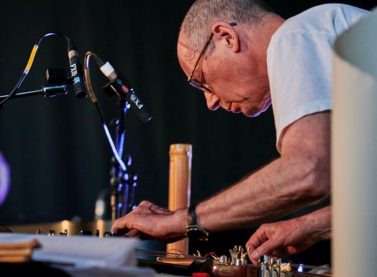
This third edition of El Berenar will take the form of an encounter as part of which the guest artists –Claudia Dyboski (Program artist), Alejandro Ocaña and Bella Báguena– will present a dialogue based on their work and interests. A conversation in which attendees will be invited to participate and be part of the activity.
El Berenar constitutes an informal meeting place whereby artists, authors or other cultural practitioners working in Valencia can present their ideas and projects. In each edition, two guests together with one of the artists from the Art and Context Program will discuss their projects or interests.
The activity will be on Wednesday, 26th January 2022, at 6:00 p.m.
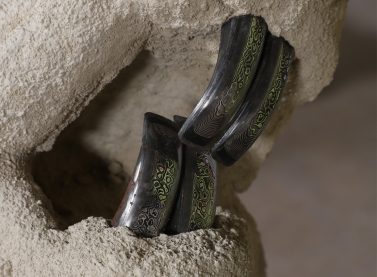
Claudia Dyboski is a Valencian sculptor. Populated by hybrid beasts and rudimentary artifacts, her imaginary proposes a world slowly recovering from a dystopian era – a resurgence of intelligent life in a new biological age. These nascent beings have human features; some of them contain parts of the machines left behind by man in their bodies. They speak another language, and hide in forests and the ruins of ancient civilizations. Dyboski sculpts a world of rubbish and silicone, foam and wire, where life regenerates and transforms: it is a world without words, a life still in its conceptual stages, tentatively trying out its new body on an aged planet.
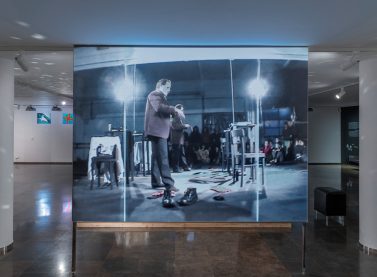
Alejandro Ocaña is an artist based in Valencia. His work is based on collective events and parties, giving rise to an artistic production whose main objectives are the participation of others and the use of humor, and involving a succession of group actions that aim to be considered as “nonsense” and /or “irrelevant”.
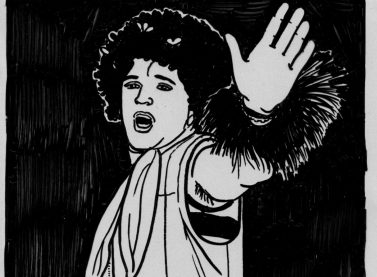
Bella Báguena is a Valencian transfeminine artist who works with different disciplines such as music, performance, jewelry and other media. Her artistic production is generated via an intuitive and emotional process, using voice and body movement, as well as objects, spaces and technologies to create sound, video, sculptural or performative pieces, in which emotional expression and thought are key.
05 jan. 2022
IVAM Centre Julio González
share
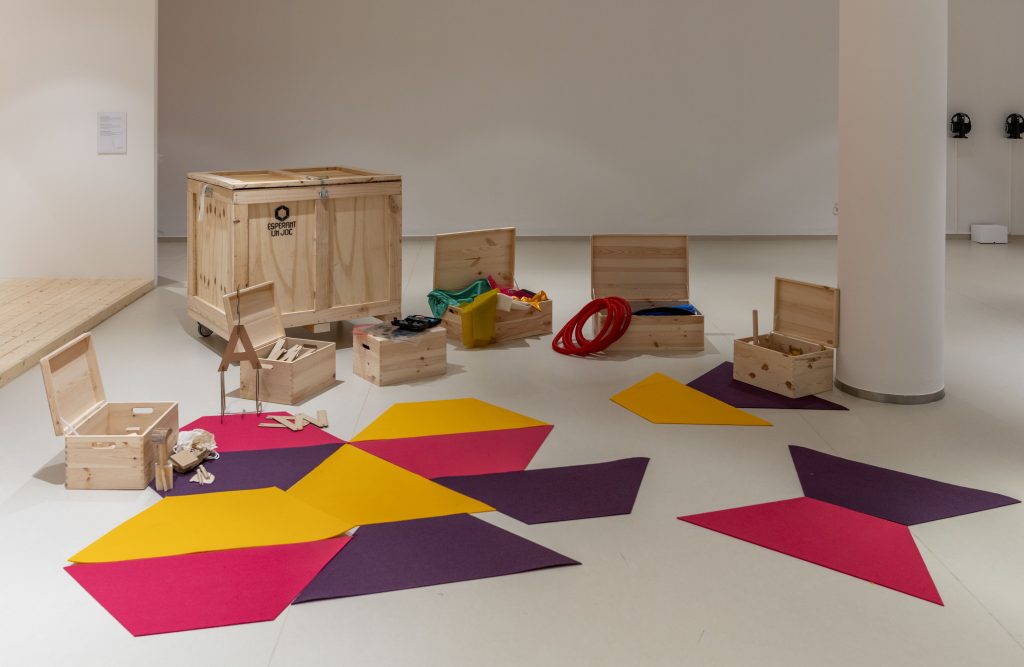
“Esperant un joc” is a box that creates the illusion that it contains a work of art and that gathers different tactile elements that suggest a dialogue with the IVAM collection and invite visitors to play in a self-managed way in different parts of the museum.
Target group: familias y público general. Recommended age from 4 years old
Design, creation, and mediation: La Figuera Massa Salvatge
29 dec. 2021
IVAM Centre Julio González
share
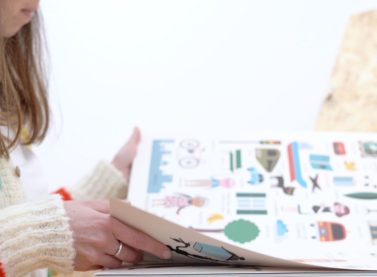
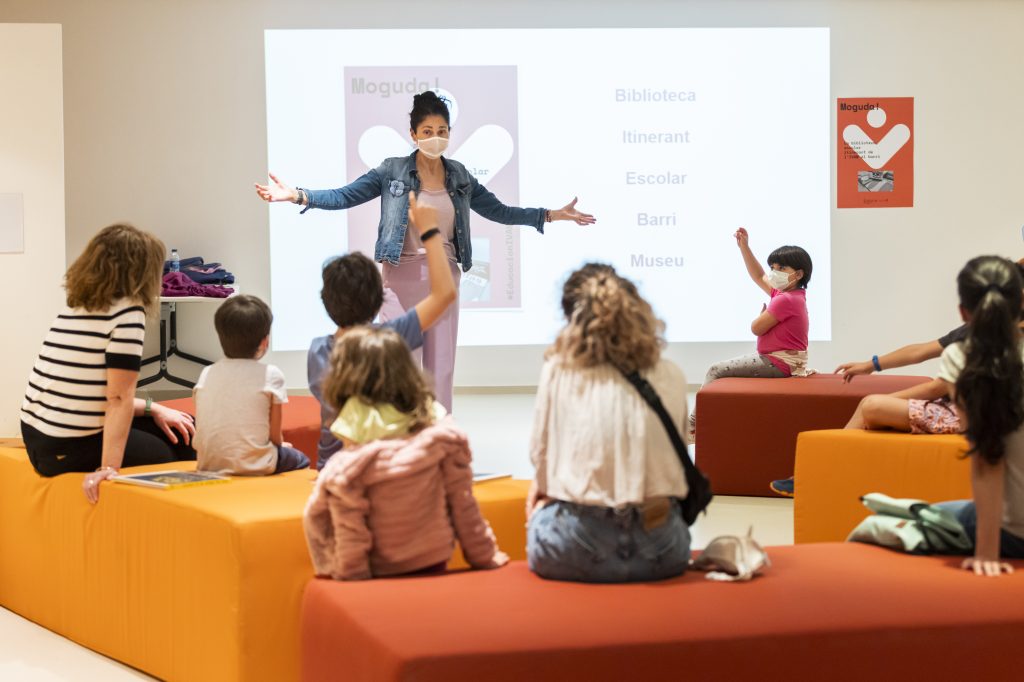
Fani Grande invites us to a very special session to encourage family reading. With this action, “Moguda!”, IVAM’s travelling school library is activated and becomes a great opportunity to play, share, and imagine, from the museum and from books.
Language: Valencian
Target Group: families
Mediation: Fani Grande
![“Rates al museu!”: Conversations and family gameplay of “Un ejercicio de violencia [An Exercise in Violence], Guillermo Ros”](https://ivam.es/wp-content/uploads/actividades/visita-comentada-a-la-exposicion-ensayos-sobre-lo-cutre-lecturas-del-archivo-de-miguel-benlloch/foto5_rates-1024x683.jpeg)
28 and 30 dec. 2021
IVAM Centre Julio González
share
On this journey through the exhibition Un ejercicio de violencia. Guillermo Ros [An Exercise in Violence] (07 October 2021 – 06 February 2022) “monsters” and challenges that we face on a daily basis will appear. Just like in a video game, you will reach the final screen, where you will be faced with a bunch of extraordinary creatures: rats roaming around the IVAM!
Target Group: families. Recommended age between 6 and 12 years old
Mediation: Fractals Artistic Education

26 dec. 2021 – 05 jan. 2022
IVAM Centre Julio González
share
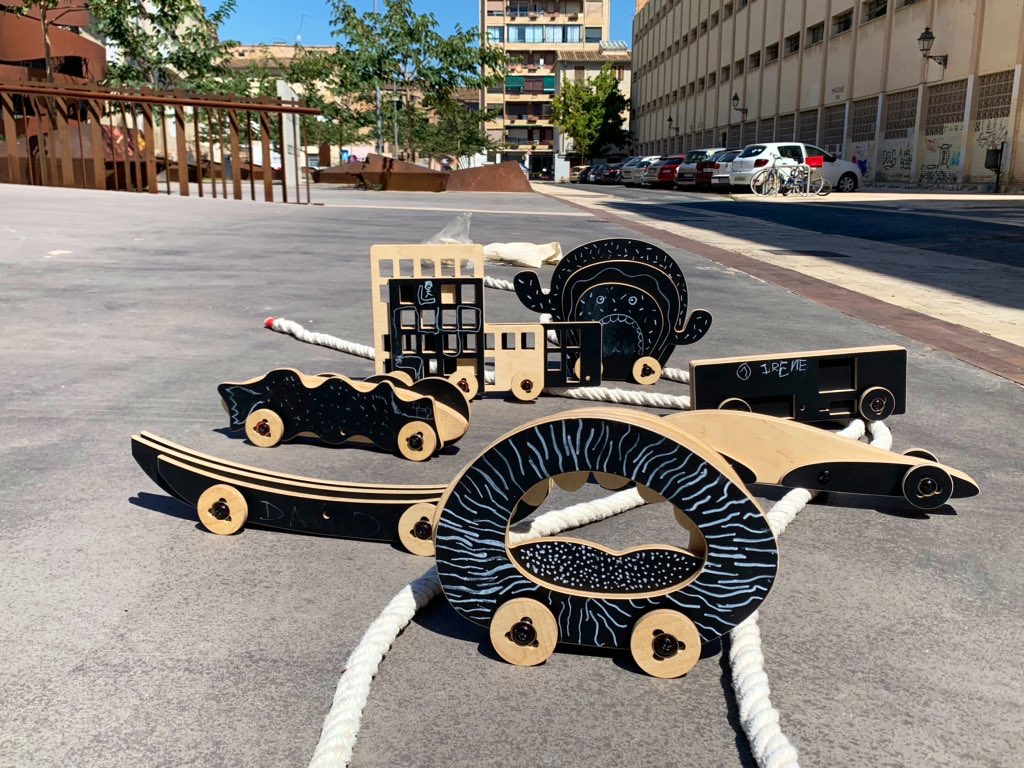
These toys designed and activated by Javier Molinero throughout the year in the IVAM courtyard are transformed into free play kits, which can be borrowed during the museum’s opening hours so you can enjoy the different areas of the museum while playing!
Autoslocos: vehicles built with crazy designs which can be driven around the exterior spaces of the museum.
Apardalats: magnetized puzzle games with which you can identify and assemble figures of native Valencian birds and build many figures as your imagination desires.
Loan point: IVAM switchboard*
Recommended age: from 3 years old
*Loan: 1 hour, extendable with prior notice and authorization from IVAM staff. Depending on availability, one kit will be provided per household. They should always be used under the supervision of an adult. You will be required to fill out the loan form prior to use and upon return.
20 dec. 2021 – 21 dec. 2021
IVAM Centre Julio González
share
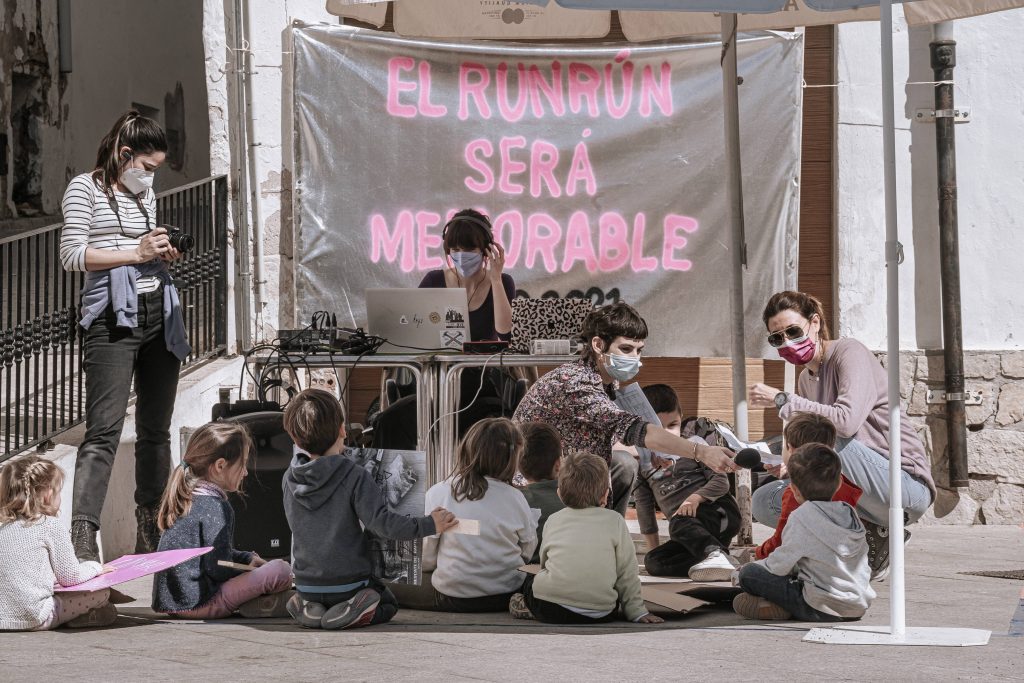
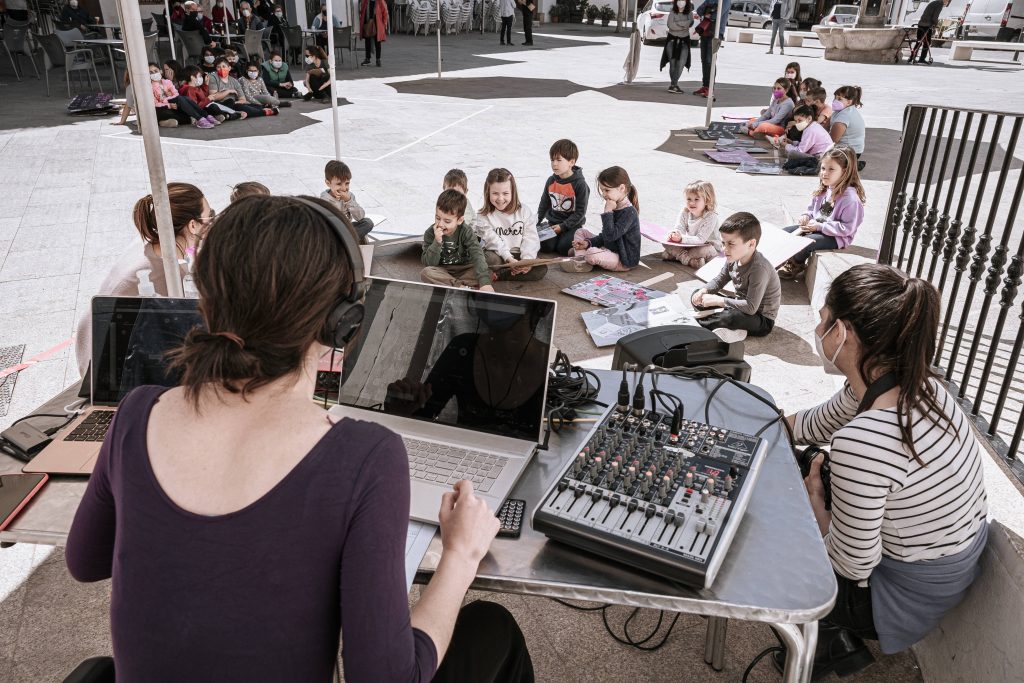
The radio closing of the El Runrún project will be memorable
After an intense quarter that saw rumours, voices, and secrets being spread from the museum and from the classrooms throughout the territory, the students of Colegio Rural Agrupado El Pinar will share the memorable stories they have collected over the past months during a fun day of live radio broadcasting.
Part of the El Runrún project will be unforgettable, as part of L’IVAM AL TERRITORI’s educational action, the Colegio Rural de Alcublas e Higueruelas will be taking part in a type of radical demonstration of the small stories, personal anecdotes, and intimate experiences that turn the lives of people, and their communities, into an amazing story.
Because… what makes a story important? Who decides this?
If you don’t want to miss it, connect through this link from 11:30 a.m. on 20 and 21 December.
The day has come to reclaim these little stories!

13 dec. 2021 – 06 jan. 2022
IVAM Centre Julio González
share
This Christmas the IVAM has a surprise… for everyone!
The IVAM invites you to its headquarters in Valencia – Centre Julio González – and in Alcoy, so you can enjoy the museum’s modern and contemporary art, through a special programme filled with culture, leisure, and entertainment: workshops for families, guided tours for the general public, city tours, autonomous games, etc.
In addition, the museum will remain open, free of charge, during the holiday period so that you can continue to enjoy all the exhibitions..
You can check the opening hours and plan your visithere.
What better way to end the year and start 2022 by celebrating the museum that is full of art?
More information: ivam@ivam.es / teléfono 96.3176600
05 mar. 2022
IVAM Centre Julio González
share
Activities in the exhibition Ensayos sobre lo cutre. Lecturas del Archivo Miguel Benlloch [Essays of Seediness. Readings from the archive Miguel Benlloch]
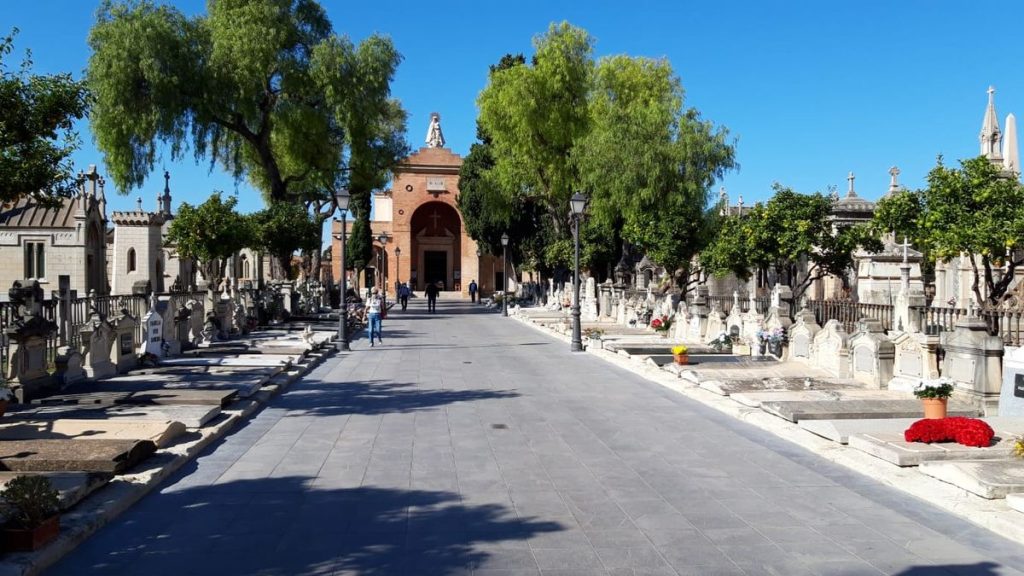
Meeting point: Main gate of the General Cemetery of Valencia (Calle Santo Domingo de Guzmán, nº 27).
Time: 12:30 p.m.
On this route we will visit the General Cemetery of Valencia, visiting the graves of sexual and gender dissidents who have been relevant in local and state history: the city’s LGTB activists, writers, transvestites from the first nightlife scenes, anarchist and communist militants who played an important role in the Republic, Francoism and the Transition… A journey through the entire 20th century and the beginning of this century.
During the tour – which lasts a maximum of 2 hours, we will stop at each of the ten or so tombs on the visit – we will be able to observe other aspects of the cemetery; its art, the consecutive architectural extensions, the social class of its inhabitants, or the mass graves of people who were repressed in the post-war period.
Piro Subrat (Alcalá de Henares, 1990) tries to dedicate himself to historiography outside the academy and has been involved for years in transmaricabibollo activism and anti-capitalist movements. The symbiosis between these themes led him to write Invertidos y Romepatrias. Marxism, anarchism, and sexual and gender disobedience in the Spanish state 1868-1982, and he also collaborates with other works and journals. His work in the alternative publishing field has resulted in dozens of fanzines with Distribuidora Peligrosidad Social, and he is currently part of Editorial Imperdible. For years he has been living in the neighbourhood of Cabanyal.
27 jan. 2022
IVAM Centre Julio González
share
Workshop-activation-performance by Diego del Pozo Barriuso
Date: jueves 27 de enero de 2022
Target audience: Artists, art students and anyone motivated by the figure of Miguel Benlloch.
Hours:
Capacity: 15 people
(Dynamics from 4:00 p.m. to 7:45 p.m., the group of participants will work internally in a section of the museum. At 8:00 p.m., there will be an open public presentation of the work process as an activation-performance in the exhibition space of the G3 Gallery).
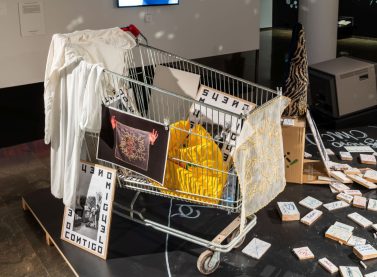
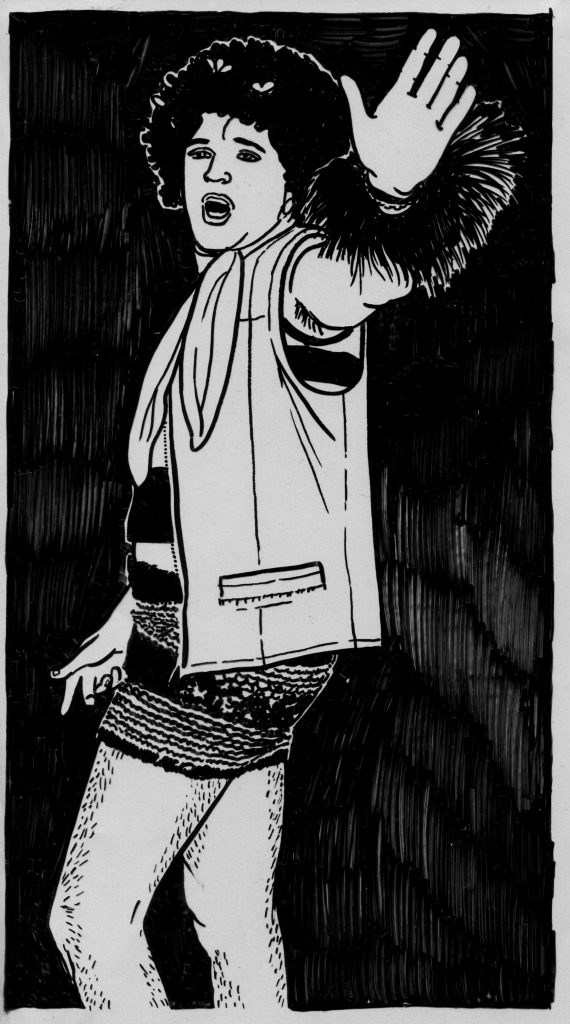
Sin título (vuelta al asombro…) [Untitled (back to amazement…)] takes us on a journey through different aspects of the work, actions, and life of Miguel Benlloch. For this purpose, a small booklet has been created, which will be used by those who participate in the workshop with a series of “artistic scores”. These guidelines are a starting point for a performative activation in the exhibition spaces, covering sensitive aspects on issues such as the political power of shame, sensuality and eroticism, dissident gestures, and their travels through time…
Diego del Pozo Barriuso lives in Madrid, is an artist and a professor at the USAL Faculty of Fine Arts. He is a member of the artistic collectives CASITA, Subtramas and Declinación Magnética. His work is motivated by the politics of emotions, affective economies and how affects are socially and culturally produced. His work is part of collections at the Reina Sofía Museum in Madrid, CA2M in Móstoles, and MUSAC in León, among others.
IVAM Centre Julio González
share
Target audience: Artists, art students and anyone inspired by the figure of Miguel Benlloch.
Timetable:
Capacity: 15 people
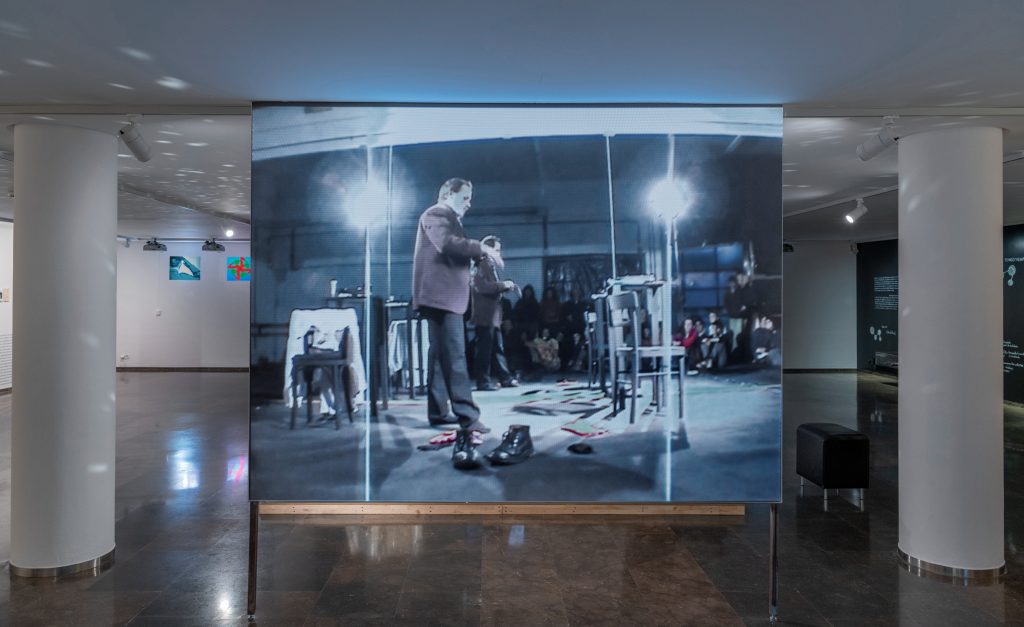
Mal de eww is a verbal remix and textual genesis workshop based on the manipulation of voice, utterances, and social roles from the exhibition Ensayos sobre lo cutre [Essays on Seediness]. Moving from the verbal productions of the Miguel Benlloch archive to the sonorous and performative landscape that surrounded the artist in Granada in the eighties, from the reception of vocal enunciations and distortions to writing, the workshop explores the semiosis of the linguistic-performative instances that construct social selves and their perspectivisms. From the phrase, with its subsequent turns and answers, “Can each one fit in many?” Mal de eww recovers and revolves the drag king-queen-prince/ss technique to the whole cultural interplay of verbal arts.
The workshop encourages us to think and practice a type of writing in which the grammatical signs and their motifs are not fixed positions, nor are they exactly parody, but rather bewilderment and uncertainty. And also, to manipulate the referential nature of the pact of consensual assignment of social value and prestige. The liminality of the medium. By putting into operation, the different possibilities of inhabiting from one’s own voice another self – from the machine, the paper, a self that used to be of the body – where does the built-in speculation of social stereotypes and their modes of entrenchment in violence or resistance lead? The laterality with which the forms and themes used to generate an identity are manipulated, as well as their numerical deviations, maybe, slide the different configurations of the trendy towards an improbable continuity, working on its visible fissures, maybe, generating a place for the words to inhabit the doubt.
Registration: activities@ivam.es
Tacoderaya are Jonás de Murias and Paula Pérez-Rodríguez. It is a collective of voices and sounds selection, of oral and rhythmic remixing, of generation of verb-sensory experiences. They have been residents of PhotoEspaña 2015, and performed at institutions such as CA2M, Sala de Arte Joven, Matadero Madrid or Conde Duque. Among them, HAY UNA PELEA E IMPORTA QUE PASE (THERE IS A FIGHT AND IT MATTERS THAT IT HAPPENS), (2015), a speech action around the traces of egos in any group taxonomy and their relationship with violence; titula este truste ánimo yop uwu (This sad mood is entitled yop uwu) (2020), which places it against the dispersion of the ego and the search for remains of attentional-capitalist experiences; or 1 ola majestic en mi balconee ( majestic wave on my balcony), the collective’s first video piece, which focuses on the landscapes of tourism as a link between the climate catastrophe and leisure, produced by L’Internationale Online (2021) and a program at the Fanzine Fest de Berlín (2021).
link: https://tacoderaya.net

21 dec. 2021
IVAM Centre Julio González
share
This second edition of El Berenar comes in the form of a conversation in which the invited artists –Diego Navarro and Darío Alva (artists of the Program), Guillermo Ros and Laura Costas– will create a virtual stage where they can share their work or research.
As an activity, El Berenar constitutes an informal meeting place for the presentation of projects by artists, authors or other cultural practitioners working in Valencia. In each edition, two guests together with one of the artists from the Art and Context Program will discuss their projects or interests. The conversation is open to everyone present.
The activity will be on Tuesday, 21st December, 2021, at 6:00 p.m. The link for online attendance will be published in due course.
connecting link: https://www.twitch.tv/zgh2005os00676097731
Diego Navarro is a multidisciplinary artist born and living in Valencia whose works in the fields of both sound –through the composition of electronic music and sound design for contemporary media– and visual media, mainly influenced by the aesthetics of video games and fantasy.
Darío Alva is a digital artist based in Madrid whose work involves audiovisual creation and CGI. His artistic practice is influenced by a wide range of media and disciplines, mainly focused on time-image studies or attentional economies.
Laura Costas is a manufacturer of dolls and artefacts born in Vigo.
Her work revolves around toys, childhood and violence with works such as Another foolish contender, To die in the countryside or Demon baby has its mother eyes. Her production goes beyond sculpture, to encompass sound, performance or paper media.
Guillermo Ros lives and works in Alboraya. The violence inherent in the creative process lies at the centre of his work: an exercise in analogies and the imaginary, culminating in a production of epic overtones. Ros takes the concept of “lore” – typical of the language of video games where it pertains to a story or a character’s background-, and transfers it to the artistic field: the “lore” of the elements, the material, the space, the context and – last but not least – his own, presenting a mixture of references that make up his personal conceptual framework.
30 dec. 2021
IVAM Centre Julio González
share
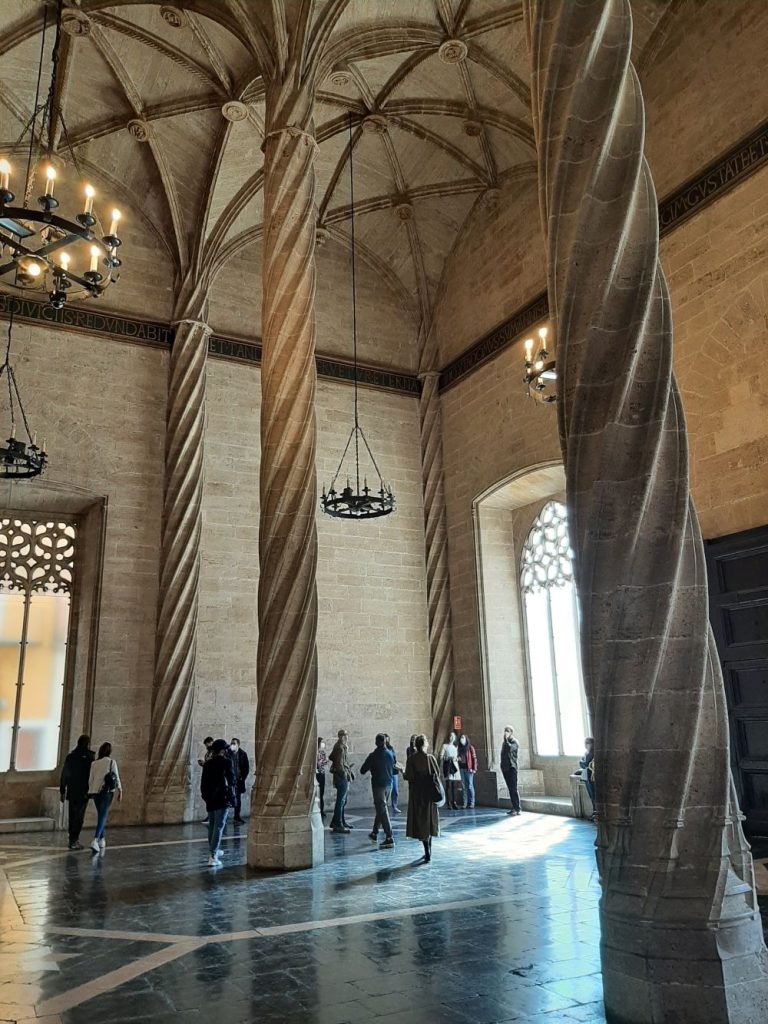
Journey with the historian Eloi Boix-Català through Ciutat Vella to the fish market, to highlight the parallels between the nature of the fish market in Valencia and the “Un ejercicio de violencia” (An exercise in violence) exhibition by Guillermo Ros.
This journey sets out a story that begins in medieval Valencia and ends in the era of post-modern capitalism. The artist no longer aspires to lecture the viewer, nor to frighten him with the threat of sin and punishment. Hell has come alive in today’s material and human exploitation and there is no refuge in which to hide. We can only walk and stare at the rubble of a sinking narrative and world. A message that underlies all the work of Ros, heir to a lineage of stonecutters who found their vital drive in the exploitation of Valencian stone through iron and the strength of their hands.
The medieval iconography that inspired Kentaro Miura. Deformed and malicious beings that have come to life to destroy the architecture and the myth of which they were prisoners. From Pere Compte to Guillermo Ros, La Lonja de Valencia (Silk Exchange) and Un Ejercicio de Violencia (An Exercise in Violence) offer a reading of the construction and fall of the system with which reality was shaped. A synthesis that has never been easier to understand, or to walk through: between gallery 6 of the IVAM and the Lonja de la Seda (Silk Exchange). Fifteen minutes away on foot, in the city of Valencia.
Eloi Boix-Català is a graduate in History from the University of Valencia and holds a Master’s degree in Education, focusing his studies on the geography and past of the Valencian territory. He is currently working on a doctoral thesis in the Society and Culture programme at the University of Barcelona. He has an in-depth knowledge of the artistic career and work of Guillermo Ros since his beginnings.