11 and 12 dec. 2021
IVAM Centre Julio González
share


11 and 12 dec. 2021
IVAM Centre Julio González
share
Past Continuous Cycle “Talk to me, body”
“Talk to me, body” is part of “Looking for Pepe”, a study started by Nazario Díaz in 2016 that begins with the figure of the Cordovan artist Pepe Espaliú (1955-1993) to deploy a series of investigations around the body, language and territory. It takes its title from the text Juan Vicente Aliaga wrote on the occasion of the exhibition held at the Pabellón Mudéjar in Seville in 1994, a year after Espaliú’s death from AIDS. The study around his person and how he developed links between his work and his circumstances, affected by the illness, in a social and political moment in full transformation, inspires a work around the matter that mutates or disappears, and the idea of wear and tear and subjection of a body understood as physical and social existence.
Prior reservation is required at actividades@ivam.es
MASTERCLASS by Nazario Díaz on his proposal “Talk to me, body”, focused on audiences interested in learning more about the details of the research, the creative process and the resulting outcome.
If you are interested, please send a letter of motivation to actividades@ivam.es.
Nazario Díaz (Linares, Jaén, 1985) develops his work mainly in the field of performing arts, focusing on the tension generated between body, gaze and writing. He is a member of Vértebro together with Juan Diego Calzada and Ángela López, with whom he curated the Beautiful Movers festival in Córdoba. As a performer he has worked with Jorge Gallardo, Isaak Erdoiza or Societat Doctor Alonso. Since 2018 he lives in Bilbao, where he participates in two collective learning contexts: PICA, a program to accompany a temporary community of artists and researchers led by Idoia Zabaleta and Luciana Chieregati, and the Invitation program, a proposal by Colectivo Qualquer to investigate and exchange methodologies and tools coming from the field of living arts. Looking for Pepe brings together previous interests around two central concepts: presence and resistance and is currently developing Otro borrado a través de la insistencia, solo, and Conversation pieces with Basque choreographer Isaak Erdoiza.
10 dec. 2021
IVAM Centre Julio González
share
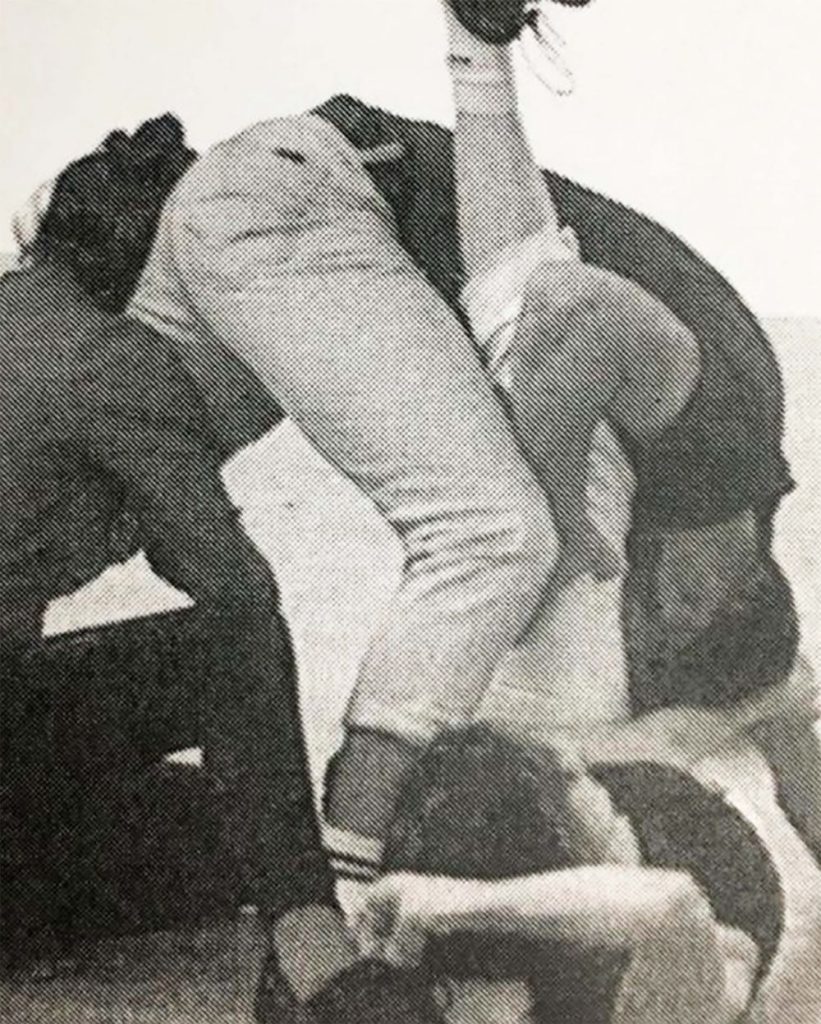
“A tower” is an exercise of approach to the construction of a castle (“castell”) from a conformation -an agreement with the form- of three bodies in particular, a multitude. This process unfolds from the union between the Muixeranga d’Algemesí and the challenge of making the human tower.
The piece can be understood as an extract of Mira Si He Corregut Terres, a theoretical-practical research in which they insist on the correlation between challenges and rites (challenges and actions carried out in the tradition)-; from the attempt to approach or understand a shared behavior in the field of the global and the local, the atavistic and the close. All this is pointed out in a practical study of the shift from tradition to tendency framed in the uses of the body, always from the body itself.
Mar Reykjavik (Sagunto, 1995). She studied Fine Arts at the Polytechnic University of Valencia, specialising in moving image, installation and action. She has a Master in MasterLav ‘Laboratory of contemporary audiovisual creation’ combined with the Residence for Artists of the Hidden Space, until 2018. In 2018 she was an artist in-residence at the Fundación Bilbaoarte where she developed her project WAAITT, until 2019, with which she obtains one of their awards. In 2019 she is one of the artists awarded a grant by the GVA Consorci de Museus de la Comunidad Valenciana to carry out a project within the framework of Resistències. She is in one of the residencies ‘Artists in Residence at La Casa Encendida + CA2M’
She carries out the RENDER project, together with Quiela Nuc and Jara Rocha, within the framework of the InJuve grant. Her work has been exhibited/screened in spaces nationwide such as Pols, La Gallera, Fundació La Posta, Octubre CCC and el Muvim in Valencia, CA2M, Espacio Oculto, Storm And Drunk, Casabanchel or Cineteca de Matadero in Madrid, Zumzeig Cinema in Barcelona, Fundación Bilbaoarte or El Respiradero in the Basque Country, Da2 Artium Salamanca, COAC-Fotonoviembre in Tenerife and international ones such as Galeria NGBK, Berlin or SupermarketArtFair, Stockholm or Centro Cultural el Recoleta, in Buenos Aires.
She combines artistic production with teaching in spaces such as MasterLav, MACA Master in Experimental Architecture, Woman Make or La Fotoescuela.

07 nov. 2021
IVAM Centre Julio González
share
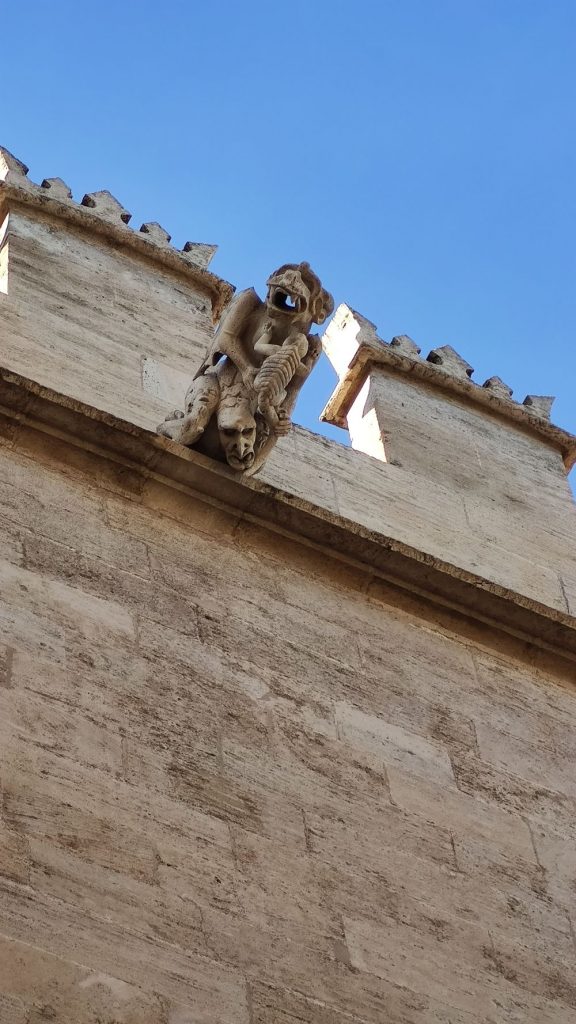
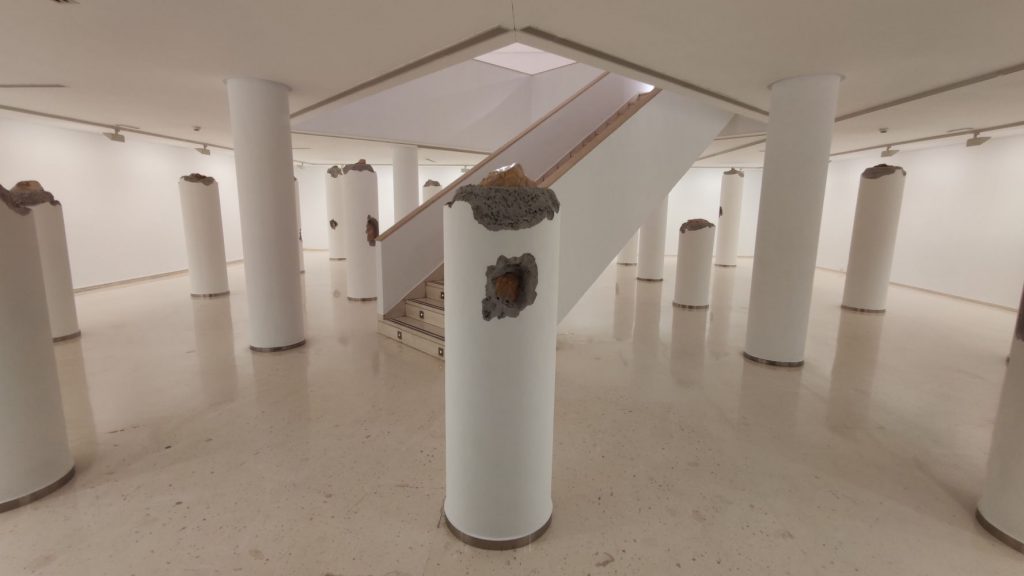
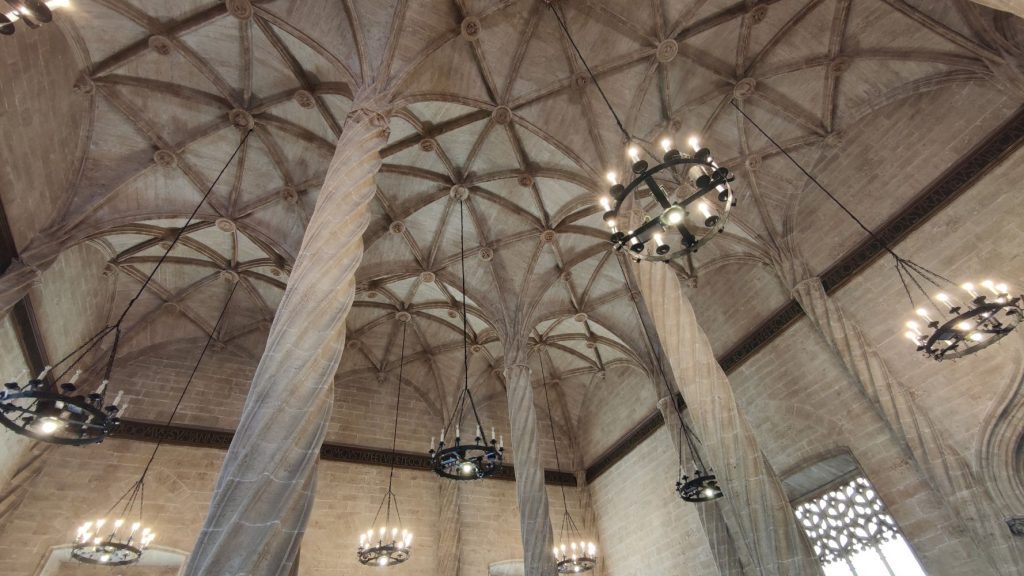
Journey with the historian Eloi Boix-Català through Ciutat Vella to the fish market, to highlight the parallels between the nature of the fish market in Valencia and the “Un ejercicio de violencia” (An exercise in violence) exhibition by Guillermo Ros.
This journey sets out a story that begins in medieval Valencia and ends in the era of post-modern capitalism. The artist no longer aspires to lecture the viewer, nor to frighten him with the threat of sin and punishment. Hell has come alive in today’s material and human exploitation and there is no refuge in which to hide. We can only walk and stare at the rubble of a sinking narrative and world. A message that underlies all the work of Ros, heir to a lineage of stonecutters who found their vital drive in the exploitation of Valencian stone through iron and the strength of their hands.
The medieval iconography that inspired Kentaro Miura. Deformed and malicious beings that have come to life to destroy the architecture and the myth of which they were prisoners. From Pere Compte to Guillermo Ros, La Lonja de Valencia (Silk Exchange) and Un Ejercicio de Violencia (An Exercise in Violence) offer a reading of the construction and fall of the system with which reality was shaped. A synthesis that has never been easier to understand, or to walk through: between gallery 6 of the IVAM and the Lonja de la Seda (Silk Exchange). Fifteen minutes away on foot, in the city of Valencia.
Eloi Boix-Català is a graduate in History from the University of Valencia and holds a Master’s degree in Education, focusing his studies on the geography and past of the Valencian territory. He is currently working on a doctoral thesis in the Society and Culture programme at the University of Barcelona. He has an in-depth knowledge of the artistic career and work of Guillermo Ros since his beginnings.
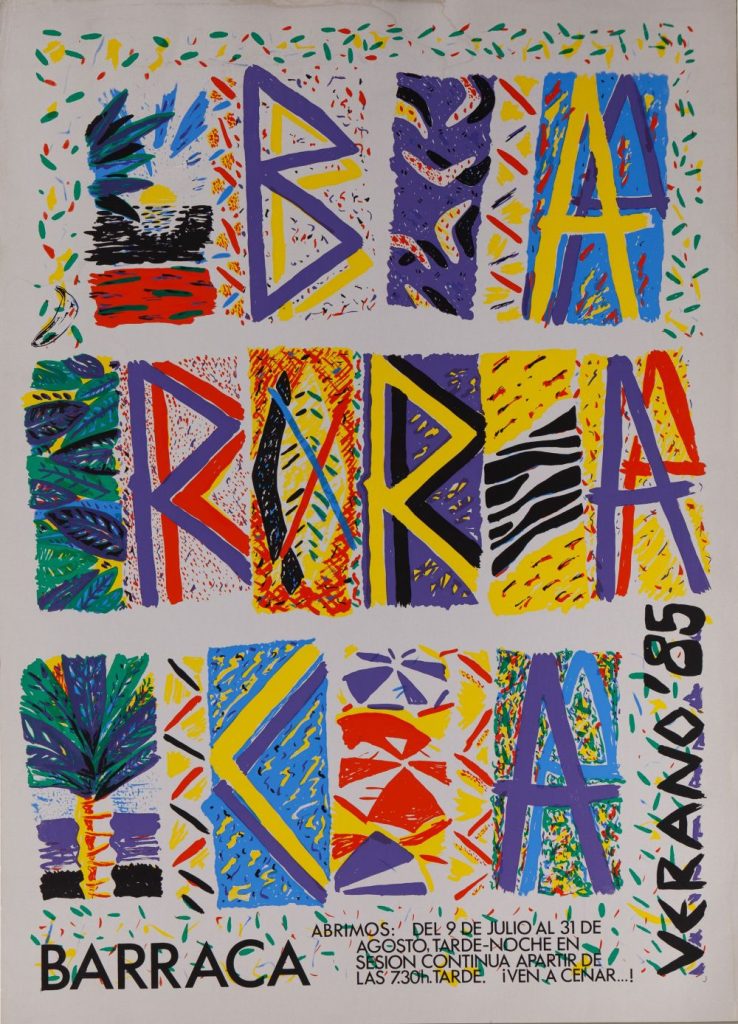
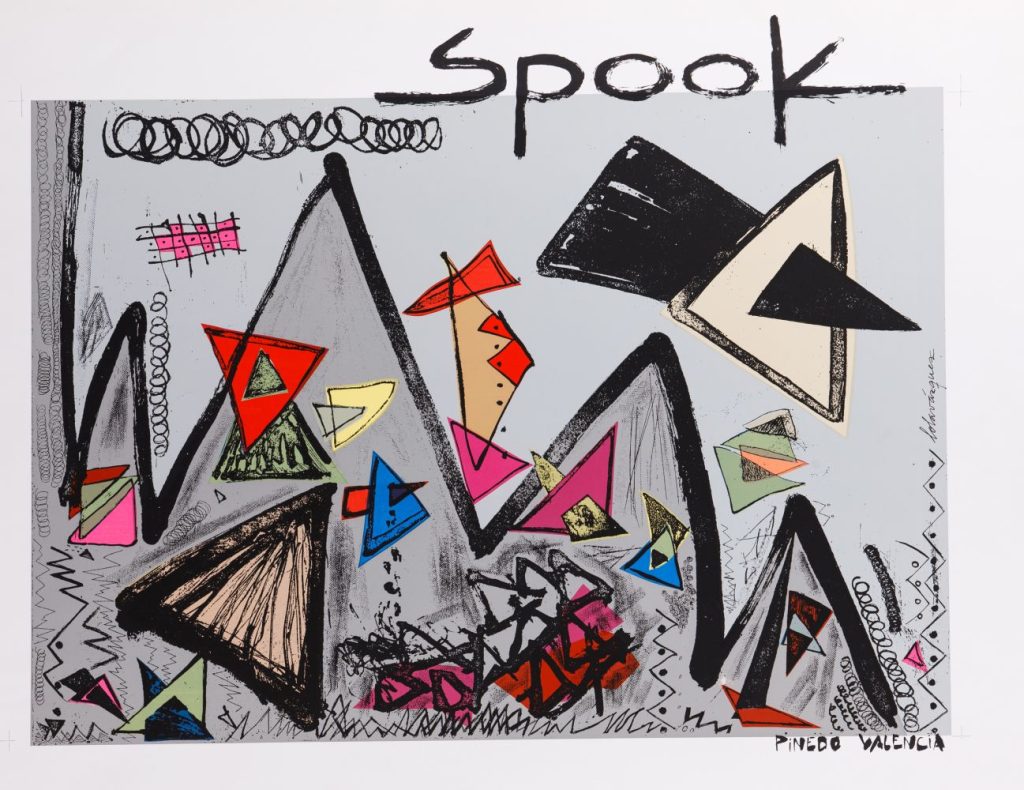
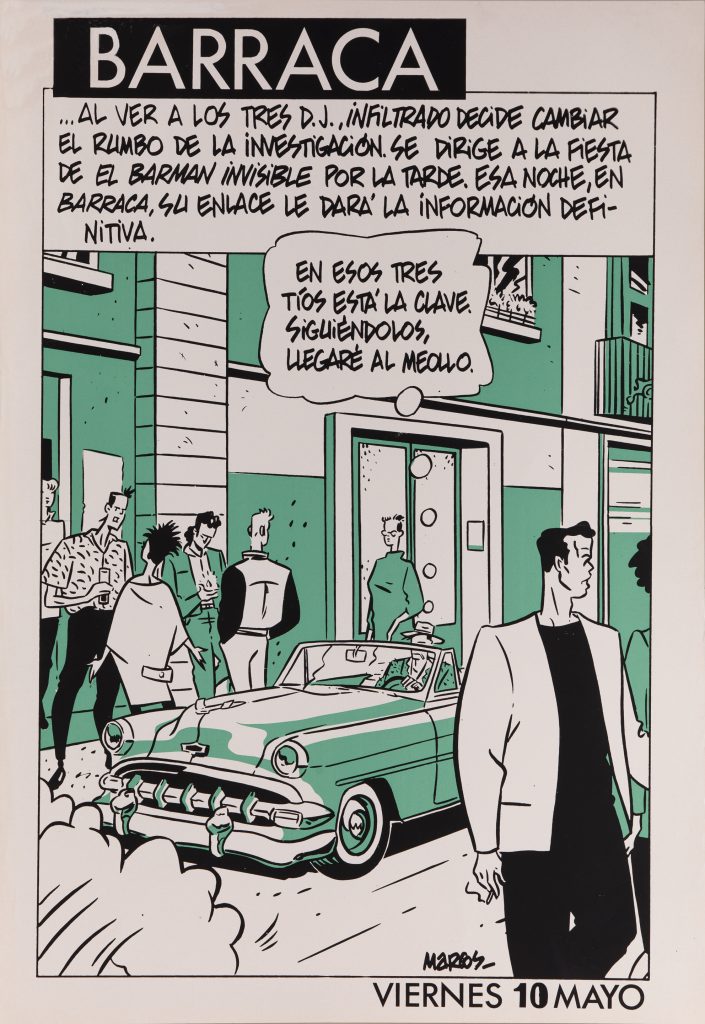

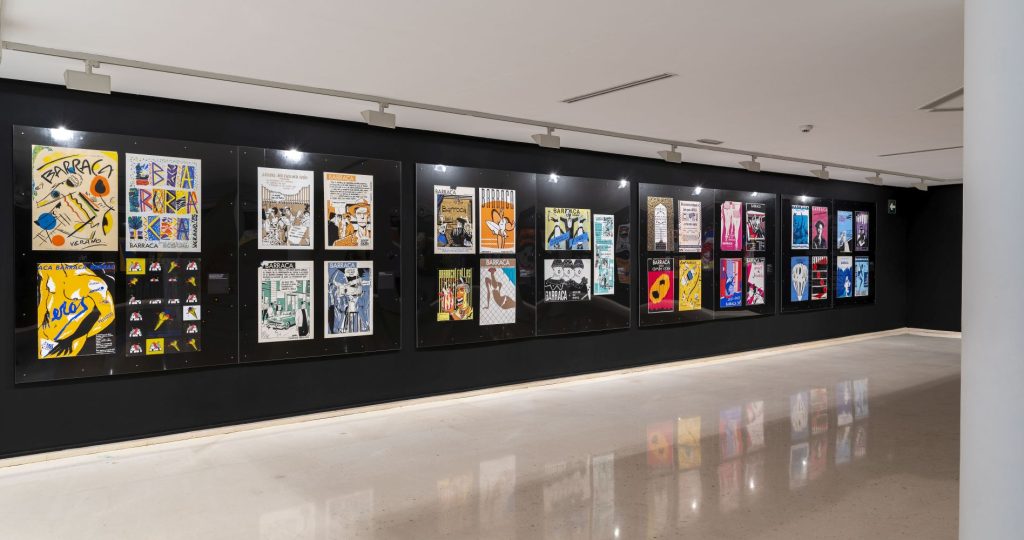


03 mar. 2022 – 12 jun. 2022
IVAM Centre Julio González
floor 2, G6
share
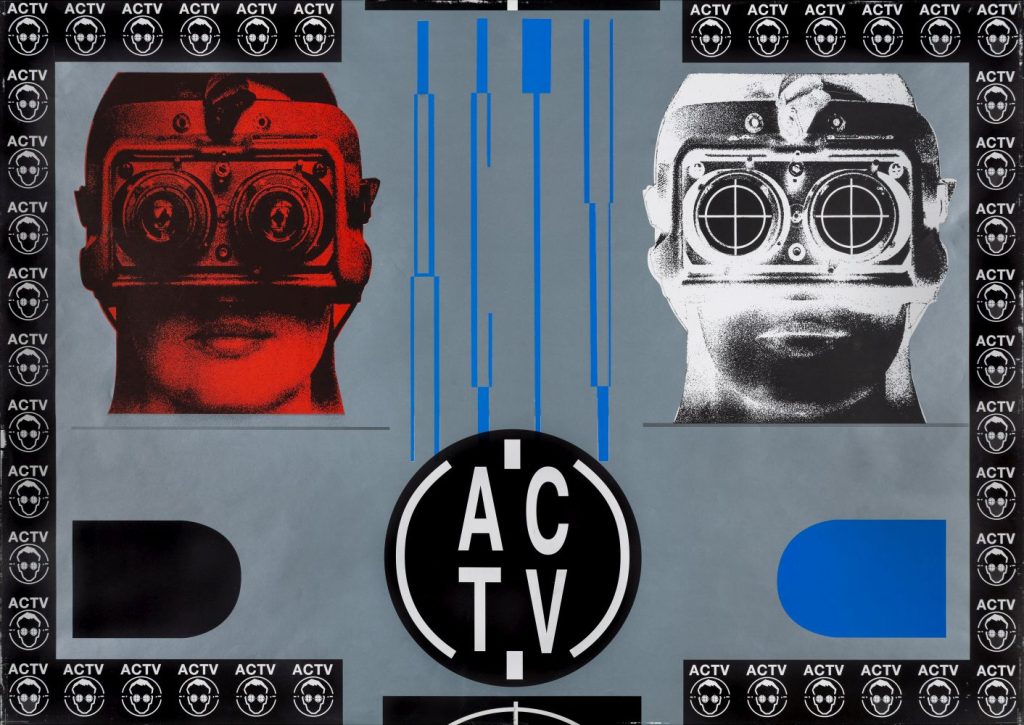
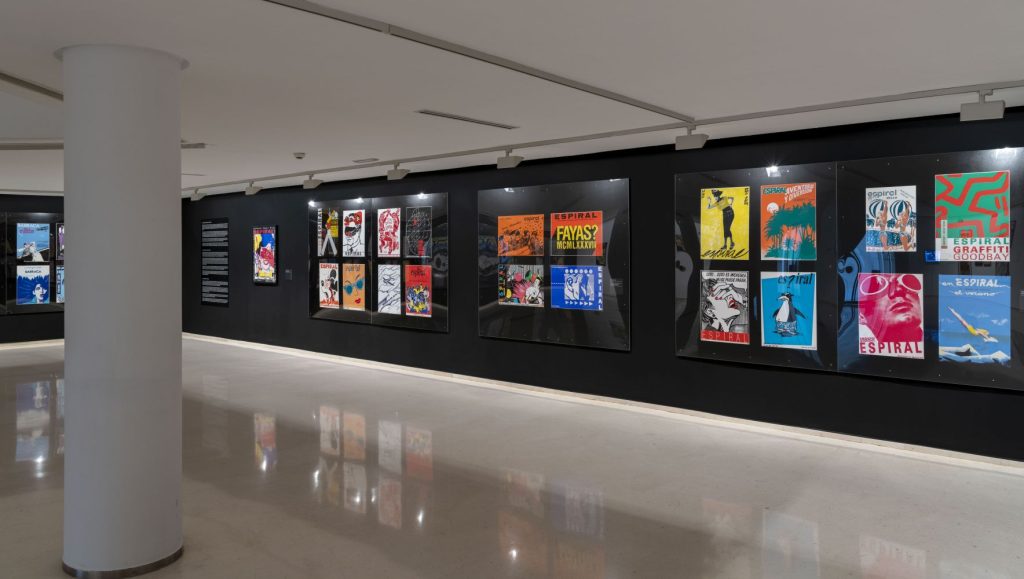
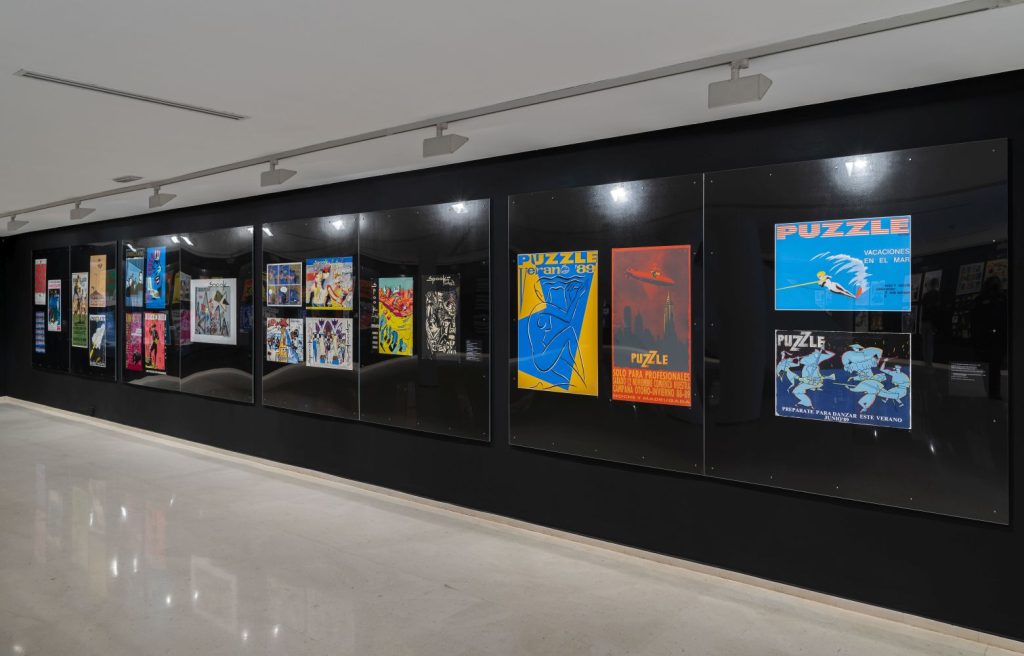
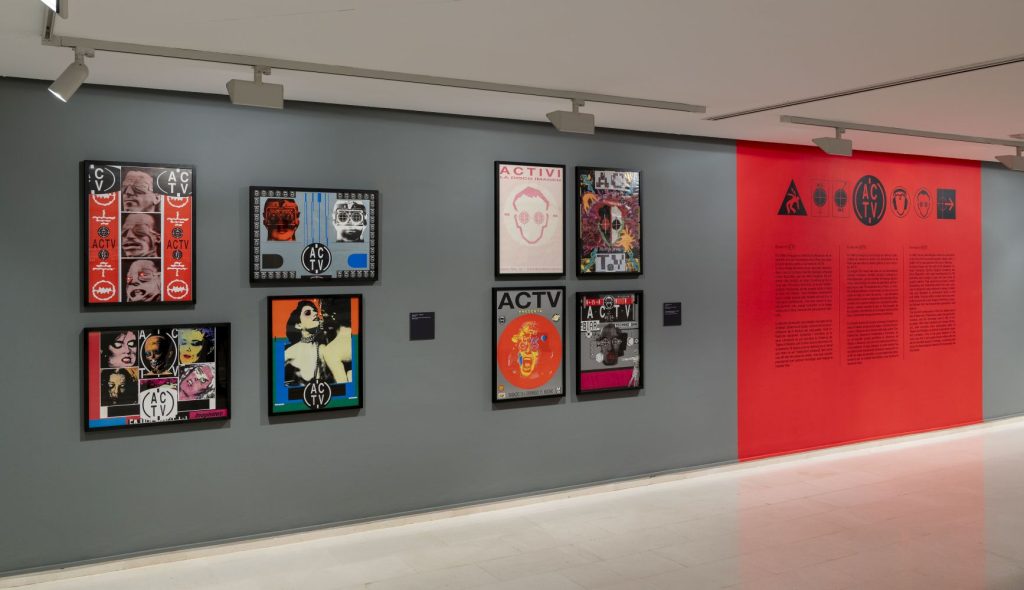
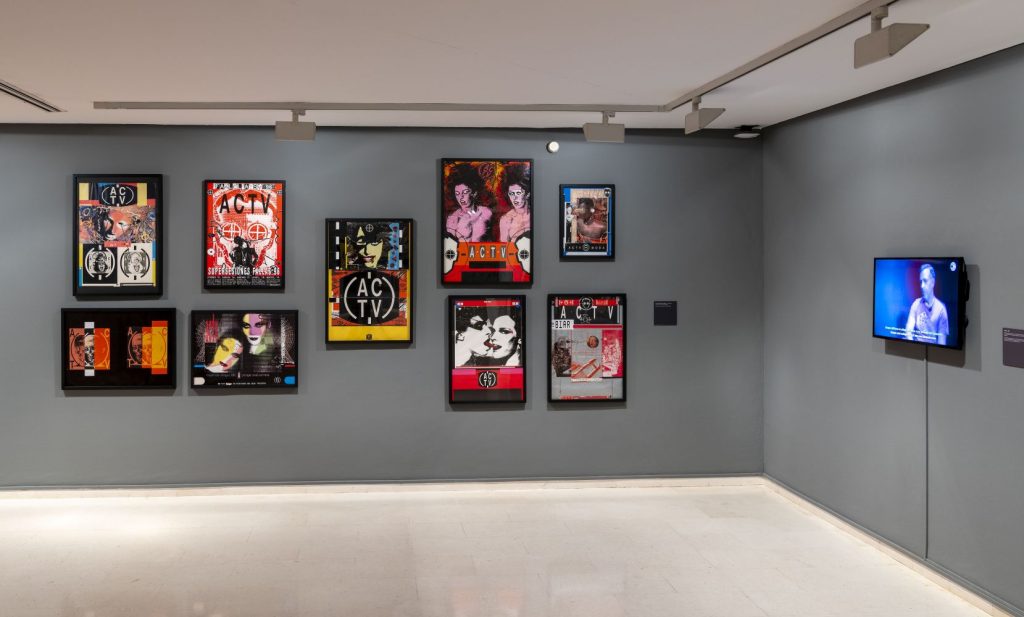
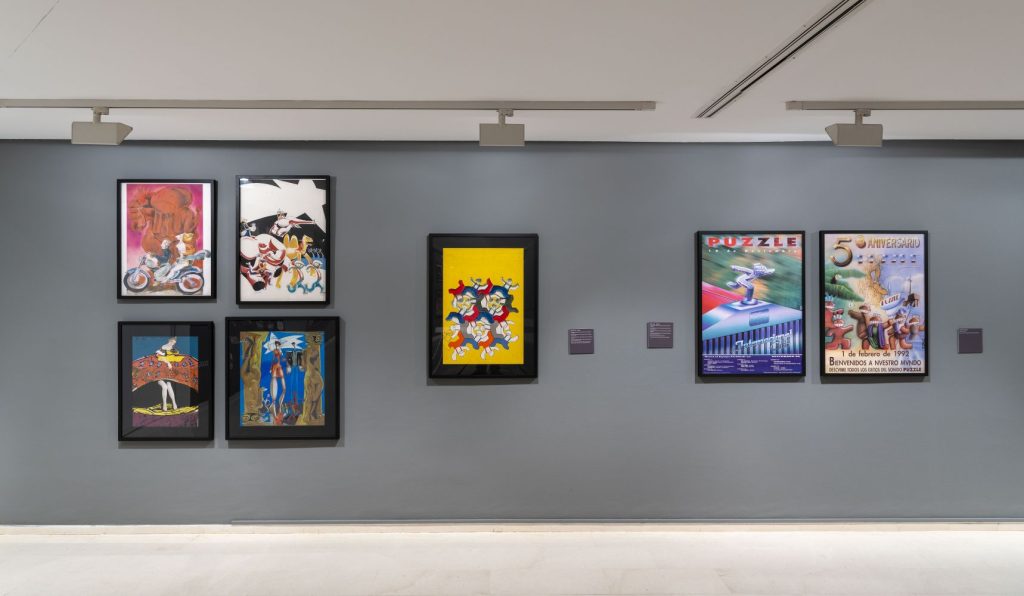
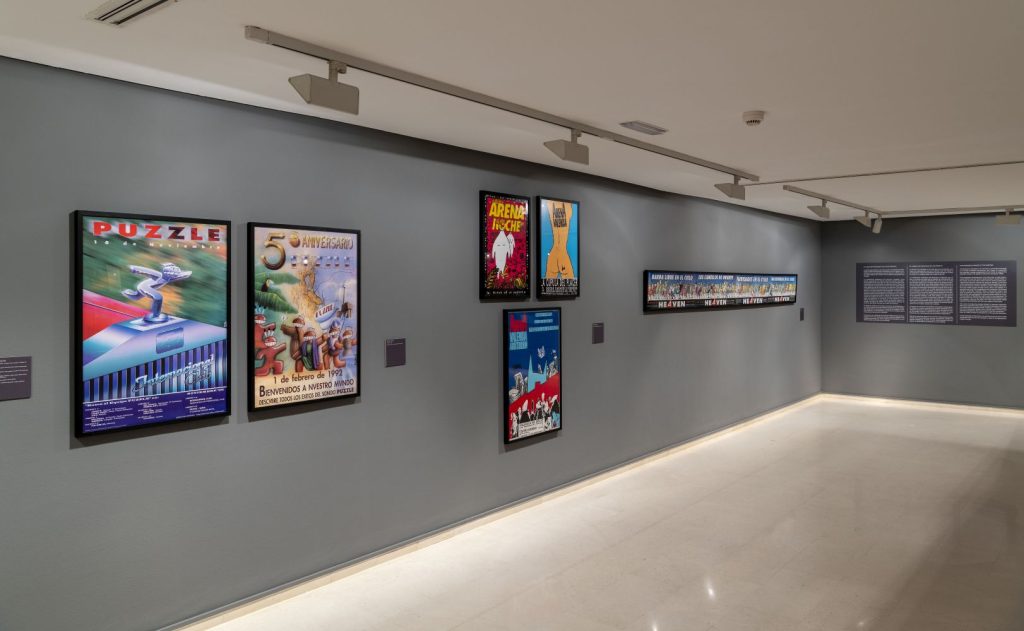
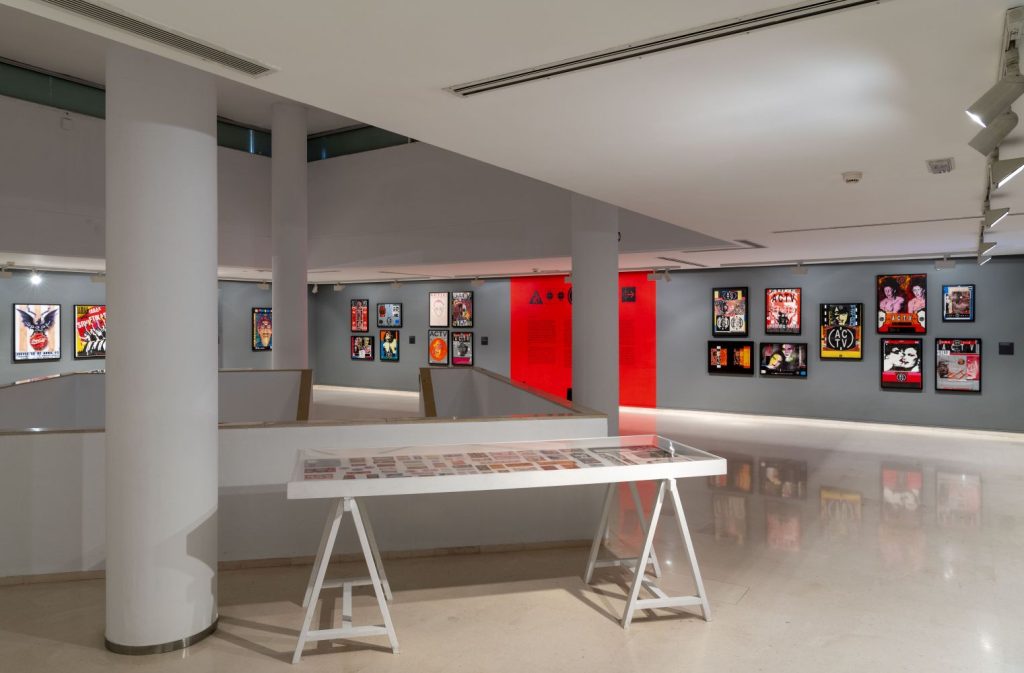
Ruta Gráfica. Designs for the Sound of Valencia showcases posters and graphic designs for what was popularly known as the ruta del bakalao, the city’s thriving rave and clubbing scene in the eighties and nineties.
The goal is to afford a unifying narrative on the evolution of the graphic design that grew up around the scene, one of its lesser known aspects. The point of departure for the exhibition walkthrough is Valencia’s longstanding tradition in comics and illustration, connecting with the arrival of modernity in music and aesthetics in the eighties, and ending up in the digital technologies that defined the final phases of the phenomenon. The exhibits are supplemented with numerous interviews with the various agents involved in the design process—designers, artists, printers and cultural managers—along with a selection of classic posters and merchandising from the time.
The idea behind Ruta Gráfica is to offer a coherent discourse on the beginnings, evolution and apogee of an aesthetic and imaginary highly specific to Valencia, while at once defending its unique artistic and cultural value.


06 apr. 2022 – 04 sep. 2022
IVAM Centre Julio González
floor 2, G4-G5
share
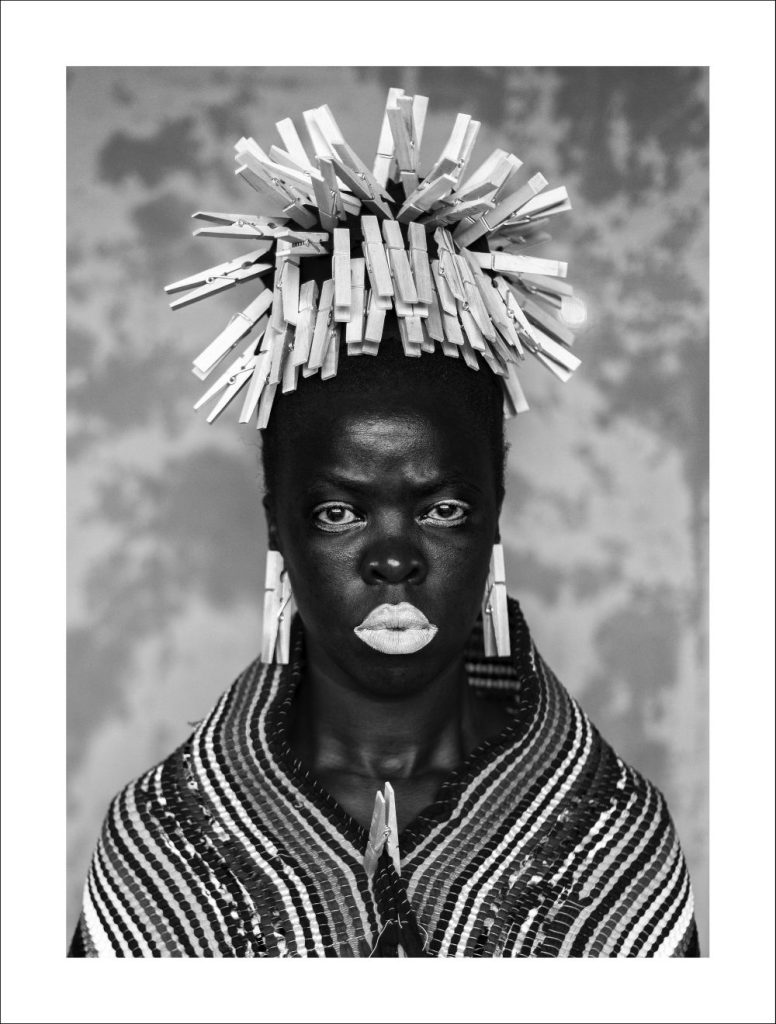
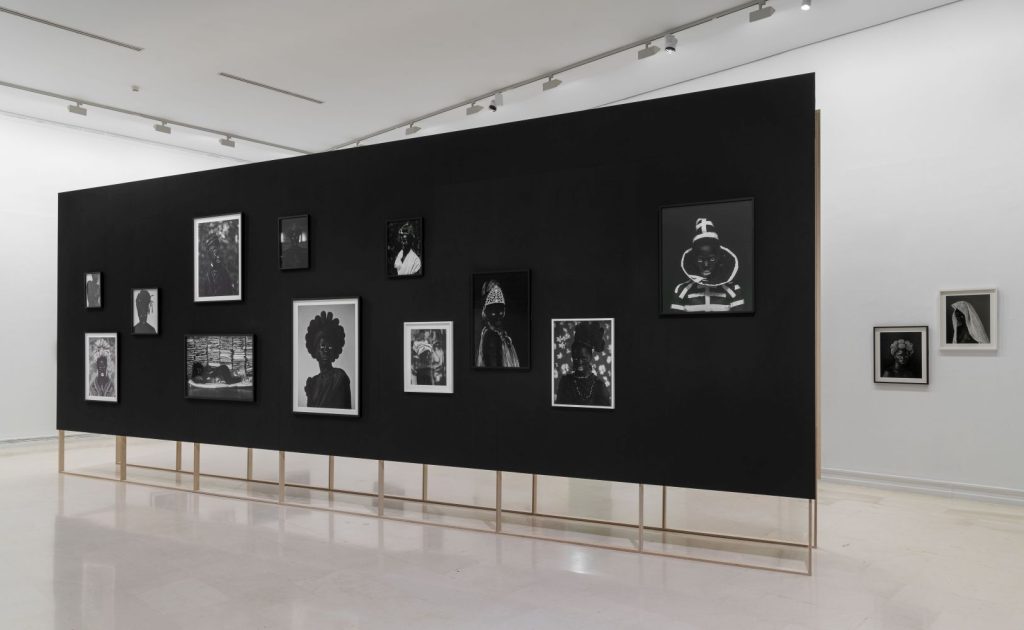
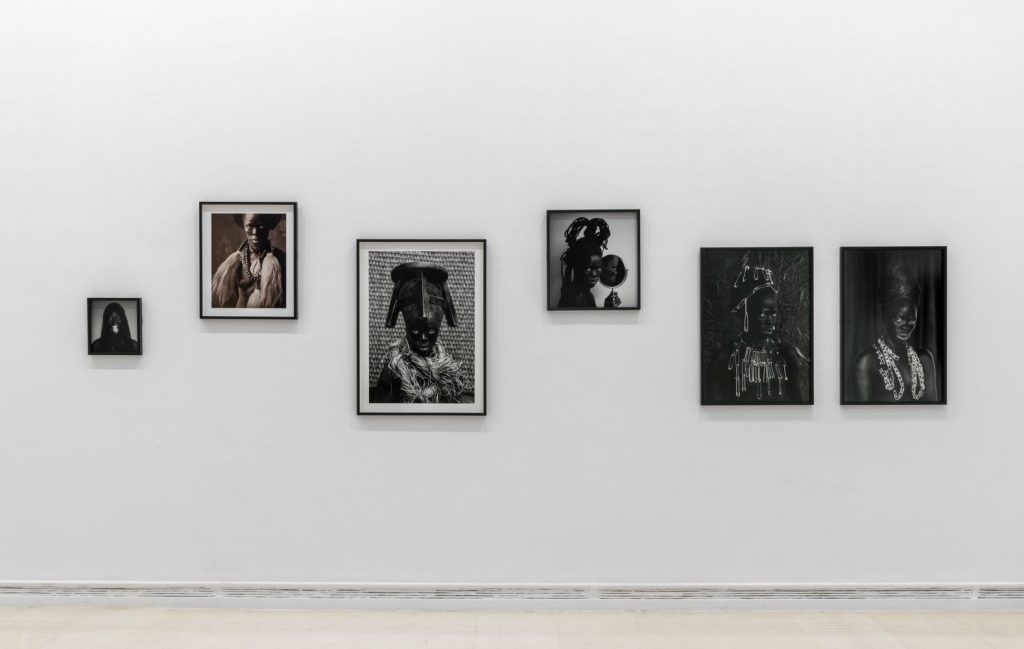
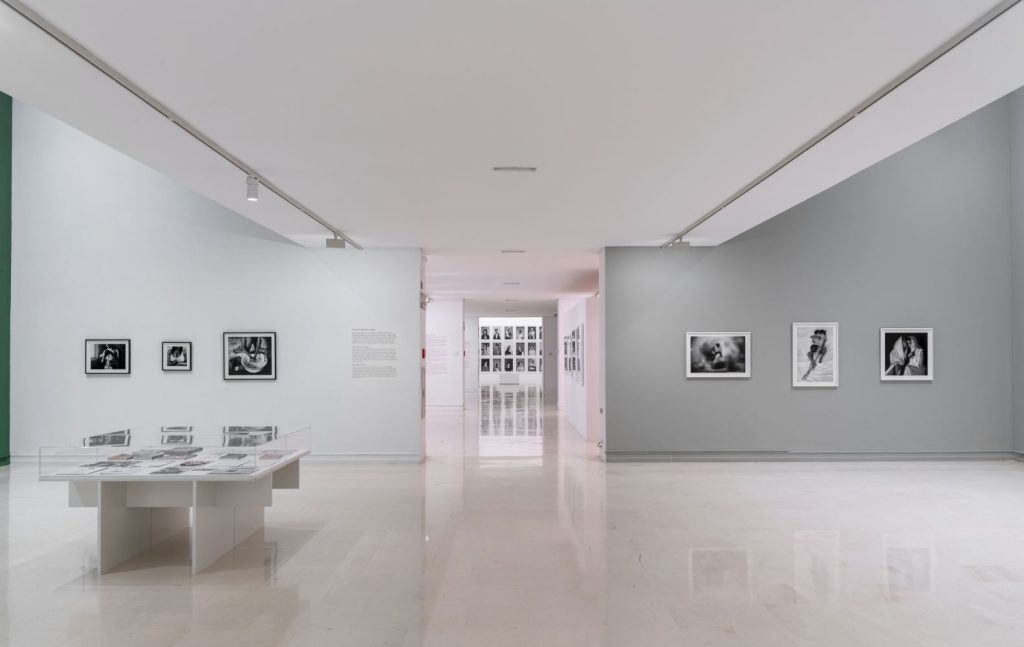
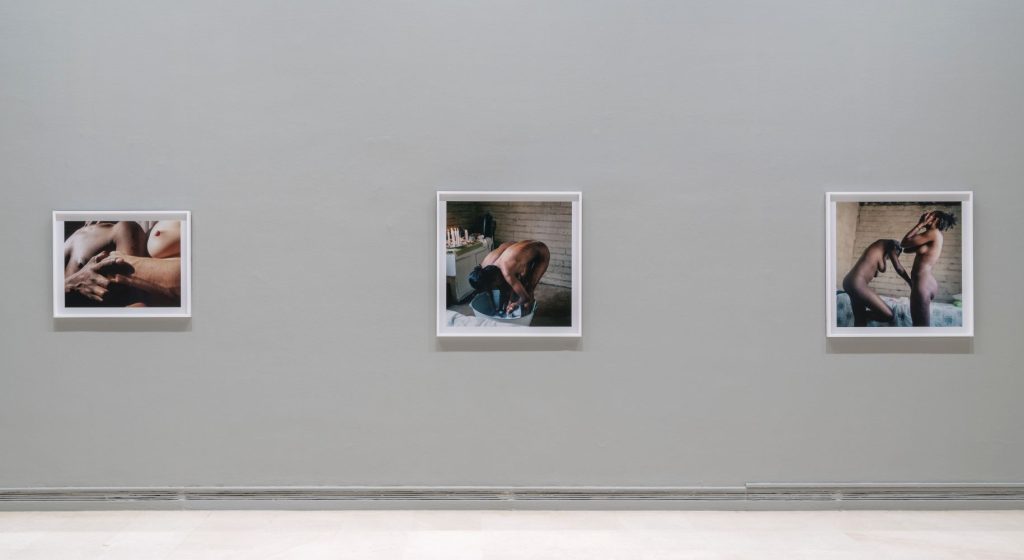
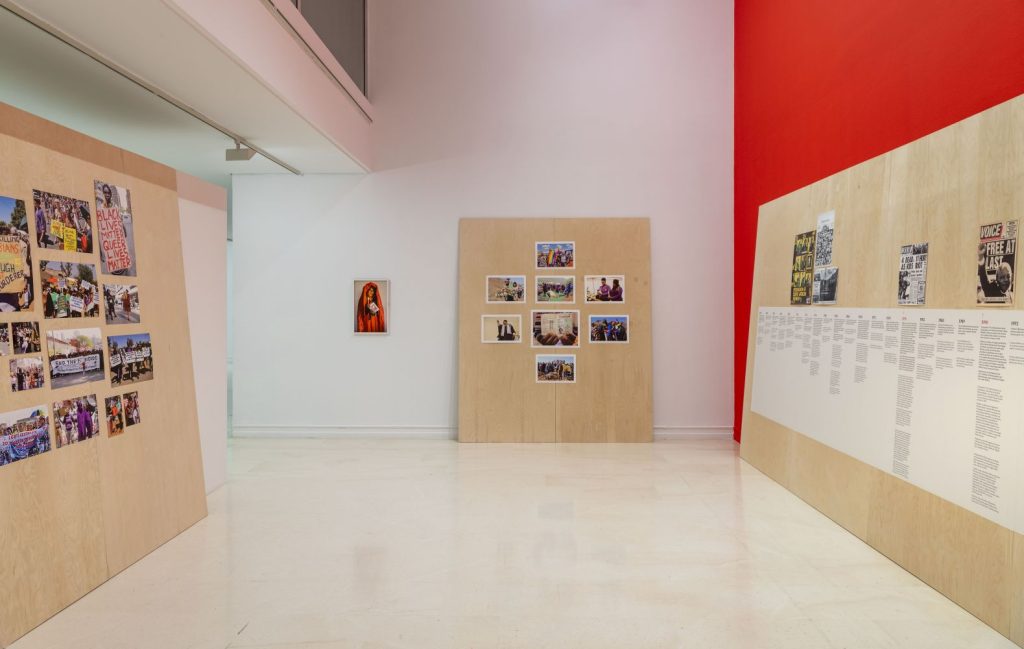
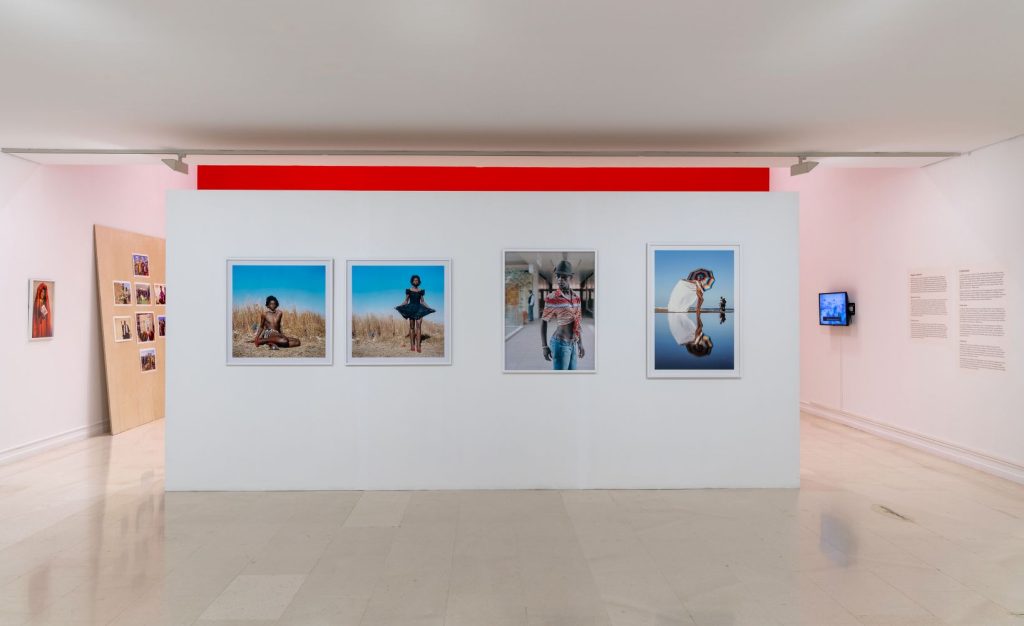
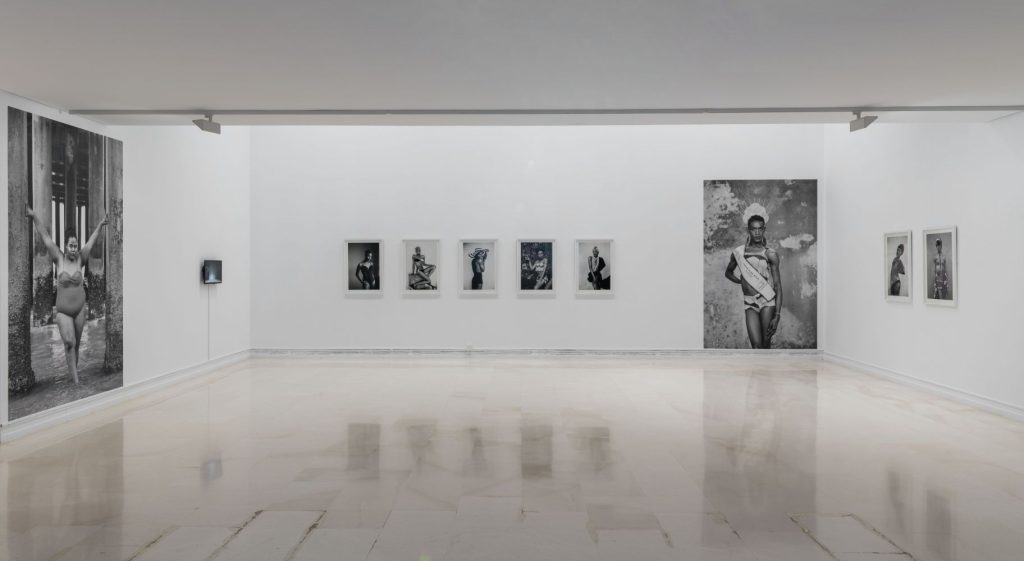
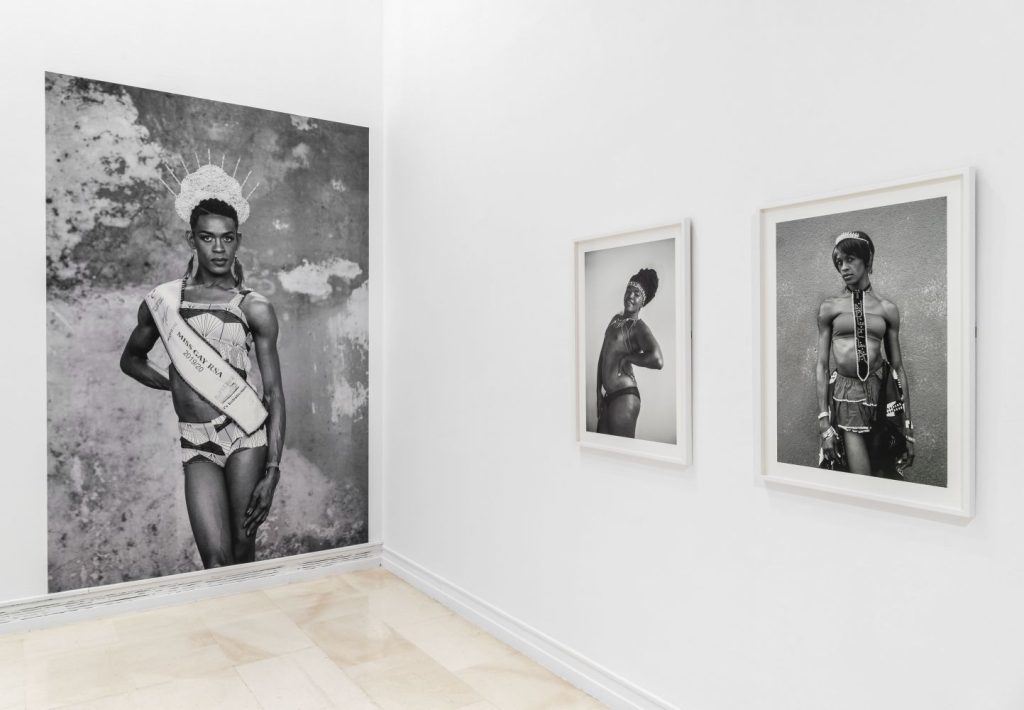
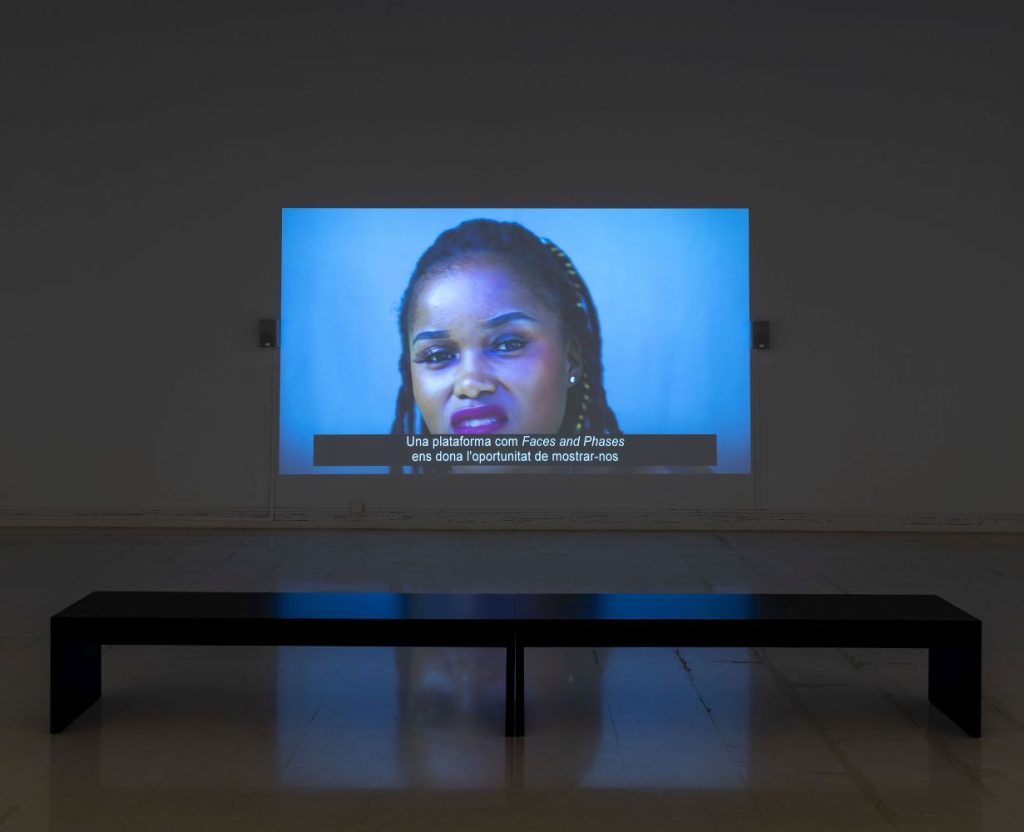
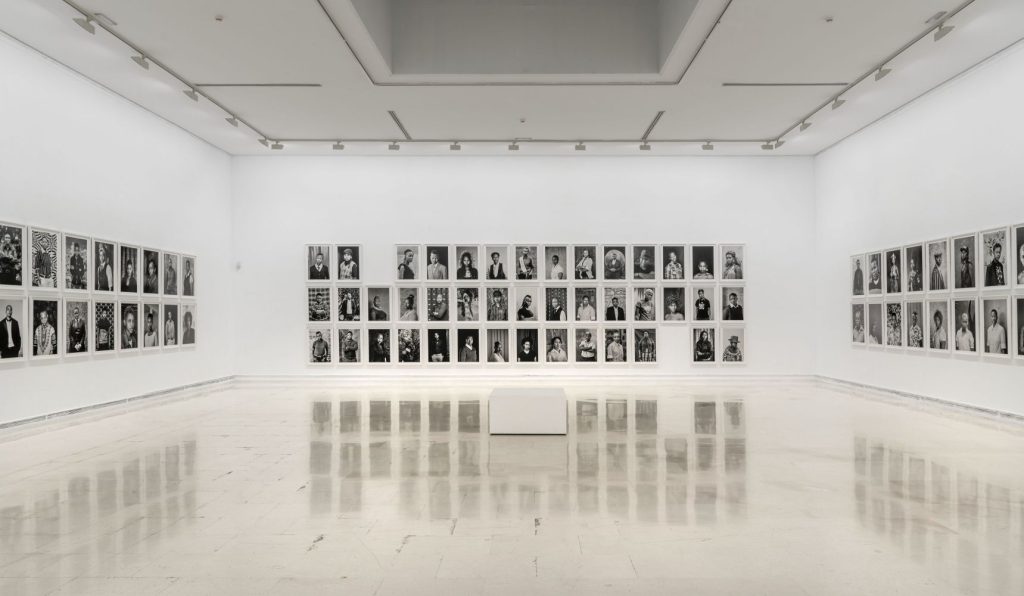
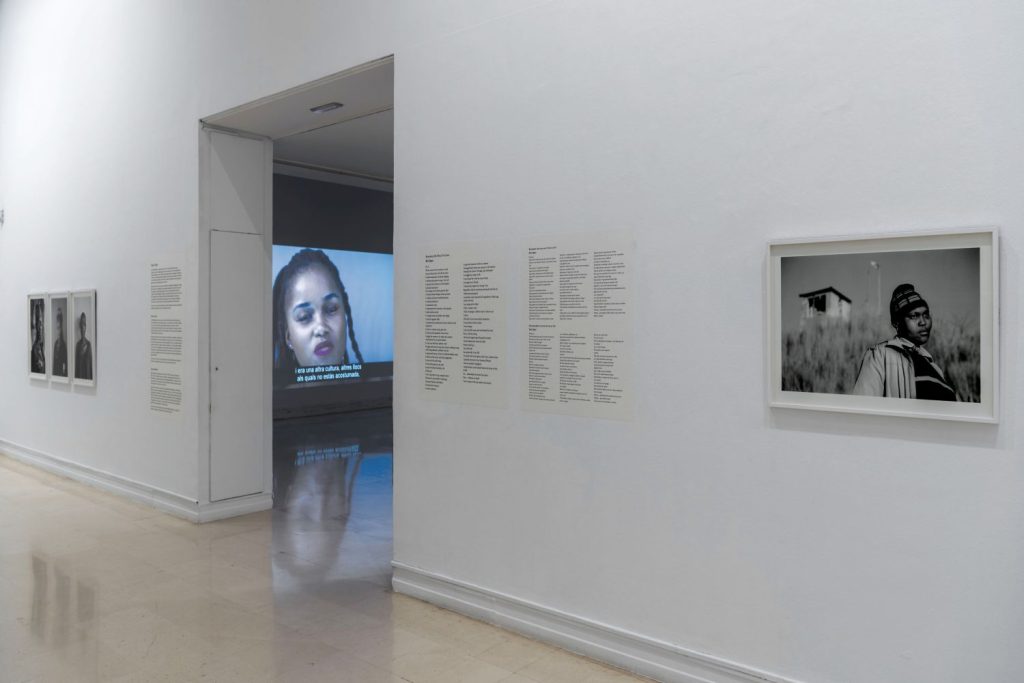
Zanele Muholi (Umlazi, South Africa, 1972) is an artist and visual activist, and one of today’s most universally acclaimed photographers. They define themself as non-binary and use the pronouns they/them/theirs. Addressing issues of race, gender and sexuality, their work in photography, video and installation has been exhibited worldwide. This show, co-produced with Tate Modern and presenting around 260 photographs, is the largest so far in their career.
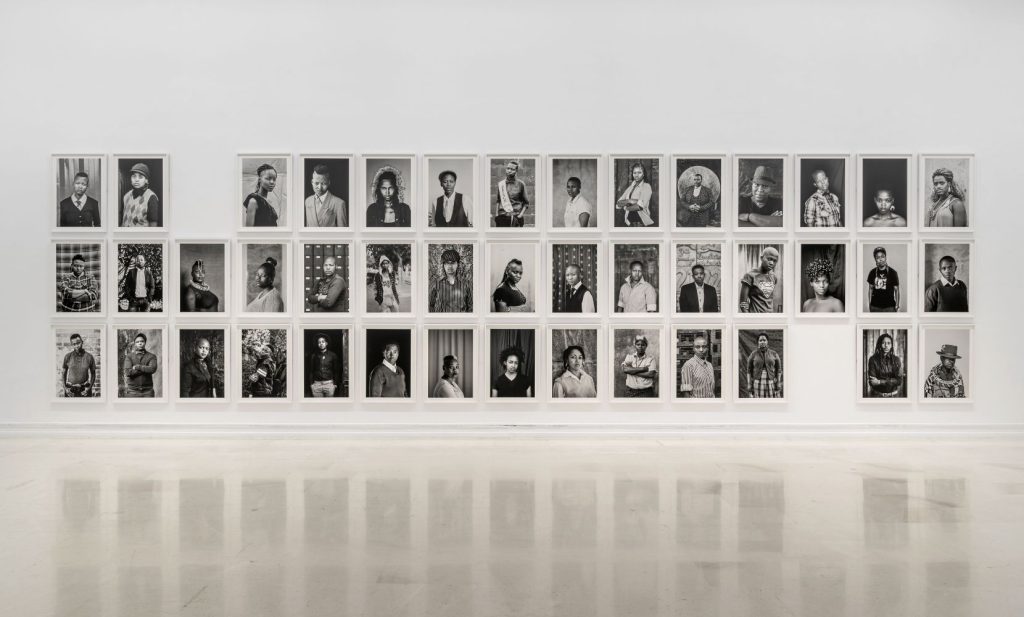
For over twenty years, Muholi has been making photographs that document and celebrate the lives of black, lesbian, gay, trans, queer and intersex communities in South Africa. In their early series, called Only Half the Picture, Muholi captured moments of love and intimacy, but also images that speak of traumatic events, because, despite the promise of equality enshrined in the 1968 Constitution of the Republic of South Africa, the country’s LGTBIQA+ communities are still the object of violence. In Faces and Phases each subject looks directly at the camera, challenging the beholder to maintain their gaze. These images, coupled with first-hand testimonies, create an archive of a community of people who put their lives at risk to stand up to discrimination. Another key series in their body of work is Brave Beauties, based on the empowerment of trans women, gender non-conforming and non-binary people. In the series Somnyama Ngonyama, Muholi turns the camera on themself to offer powerful and reflexive images that explore themes of labour, racism, Eurocentrism and sexual politics.
Zanele Muholi received an Infinity Award from the International Center of Photography and a Chevalier de Ordre des Arts et des Lettres in 2016 and an Honorary Fellowship of the Royal Photographic Society in 2018.



24 feb. 2022 – 19 jun. 2022
IVAM Centre Julio González
floor B, G2
share
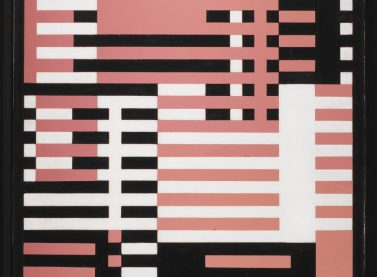
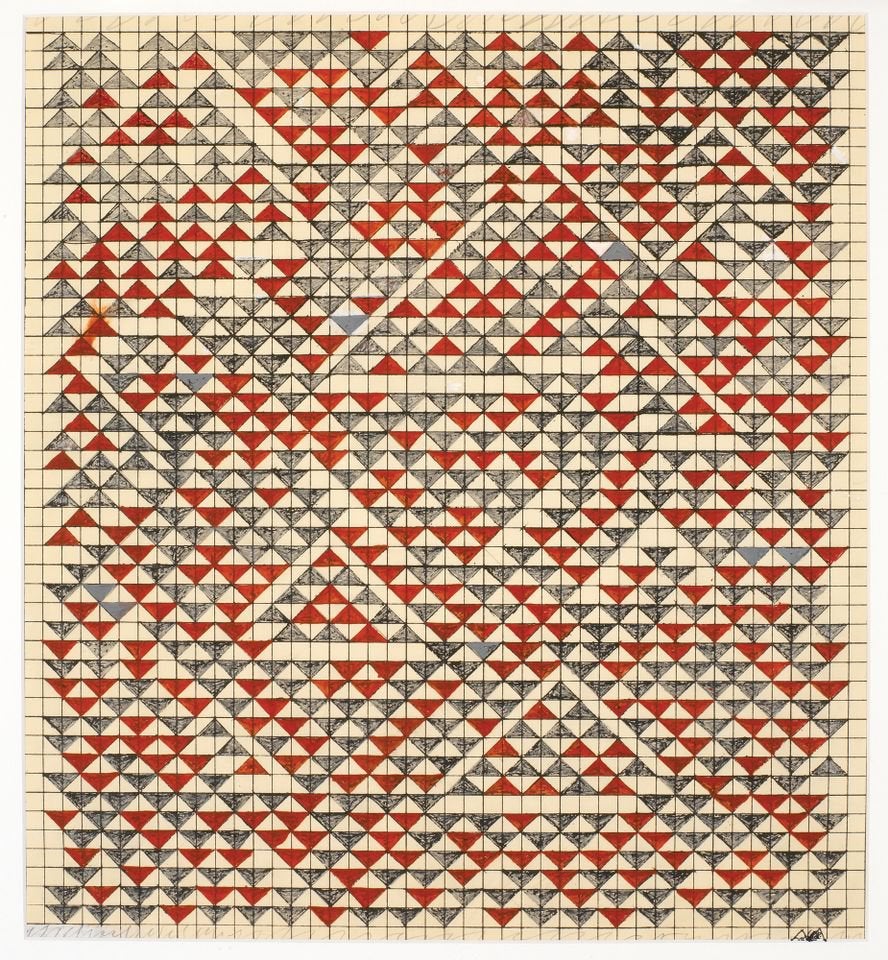
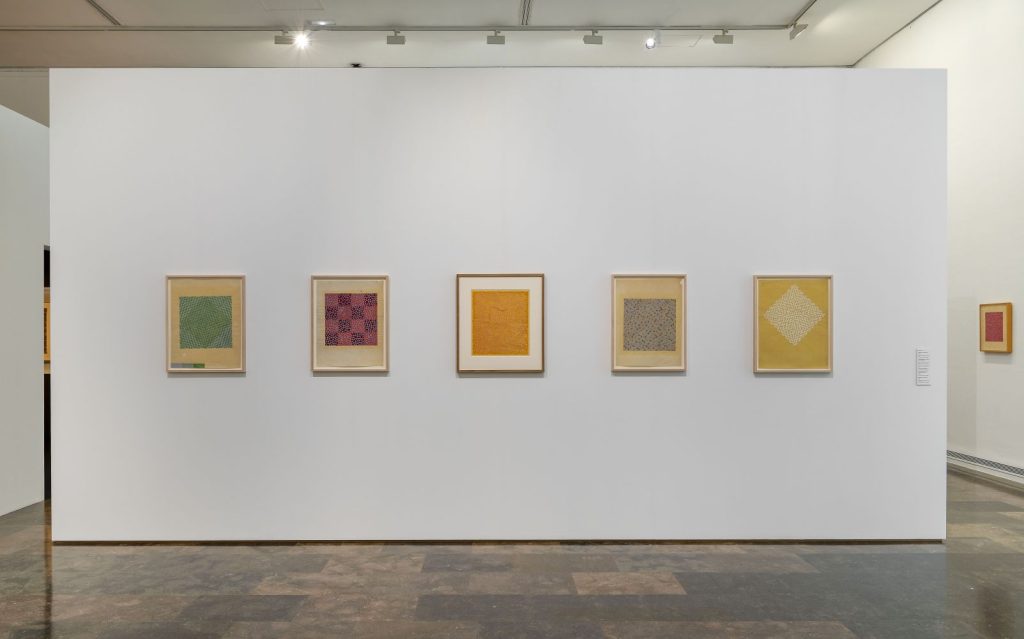
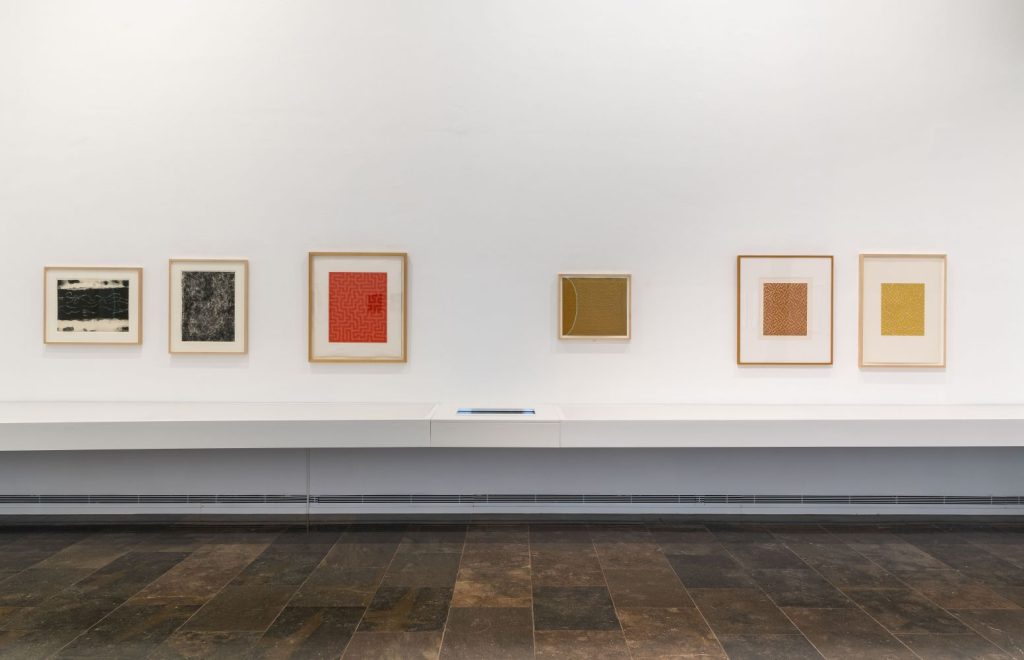
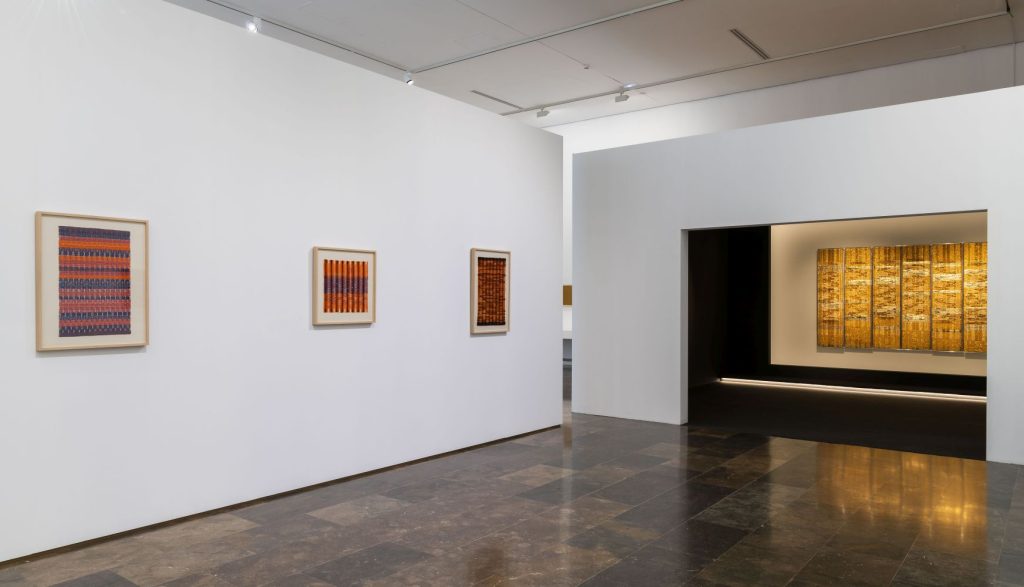
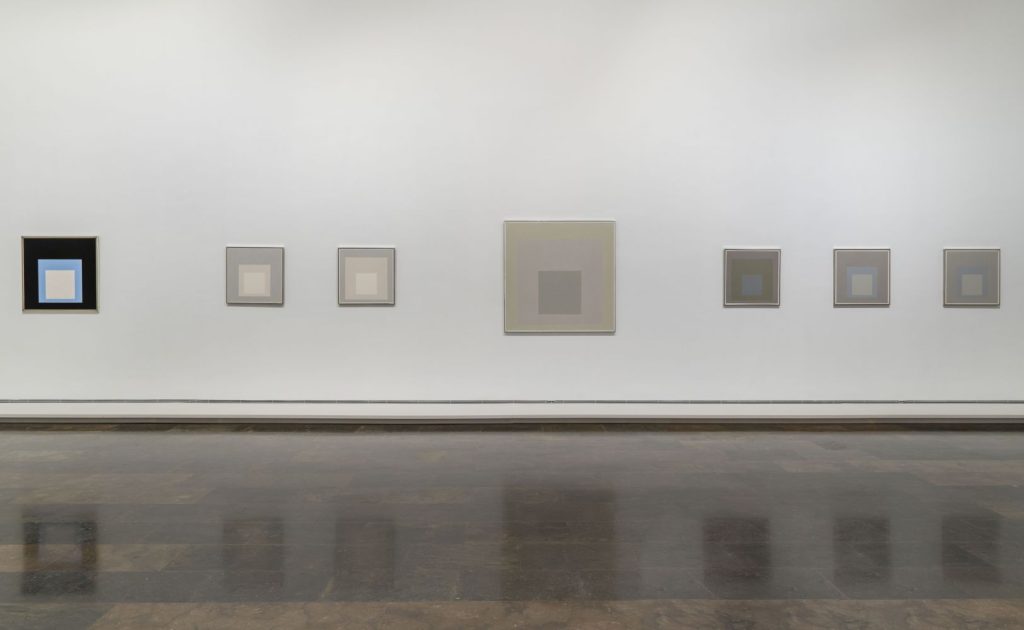
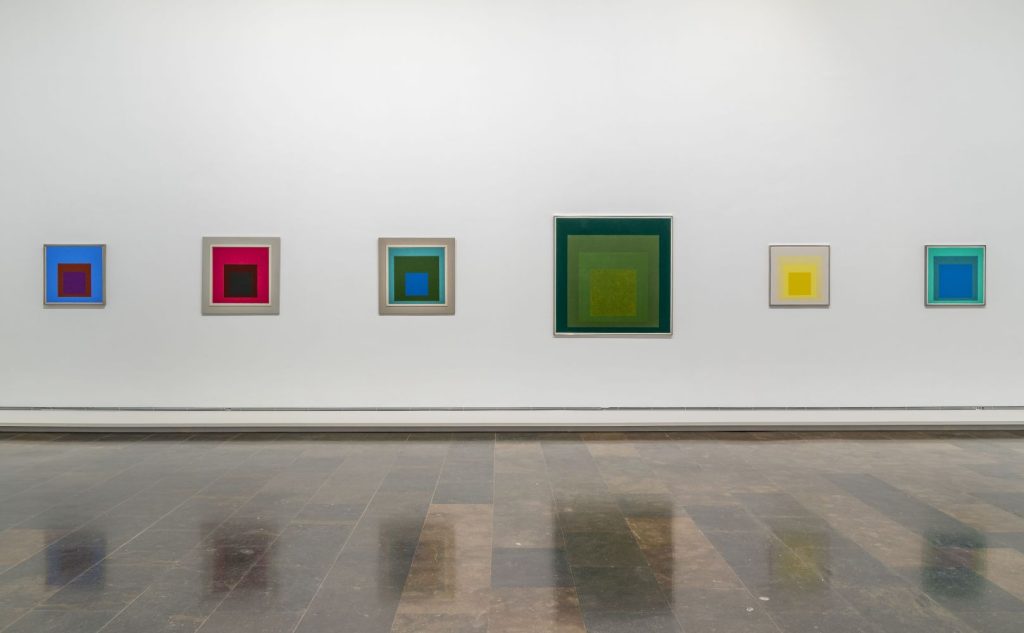
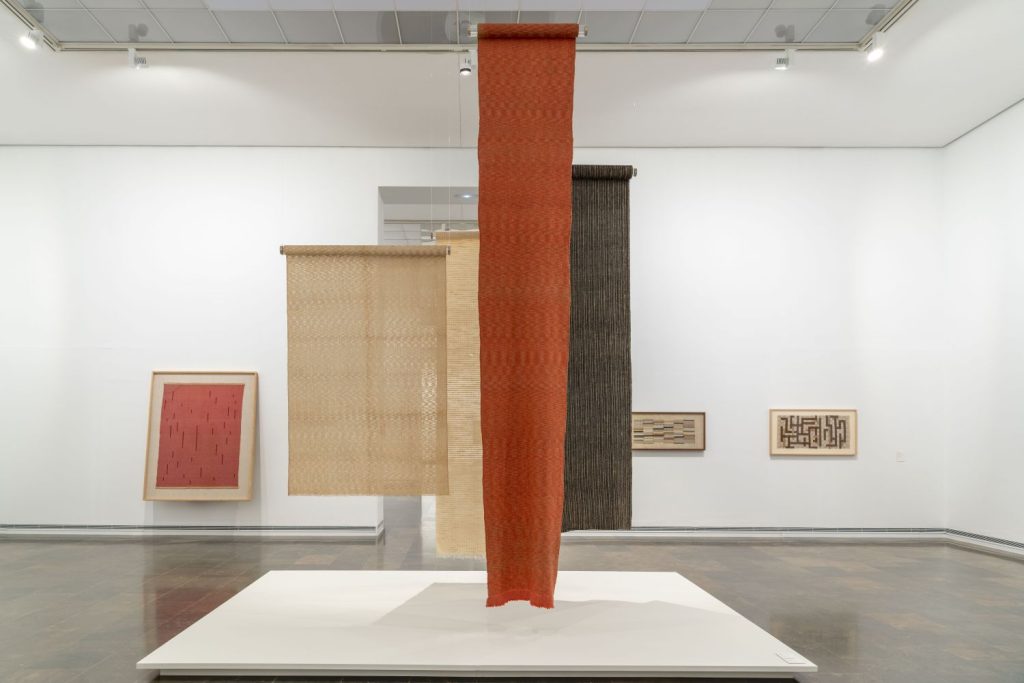
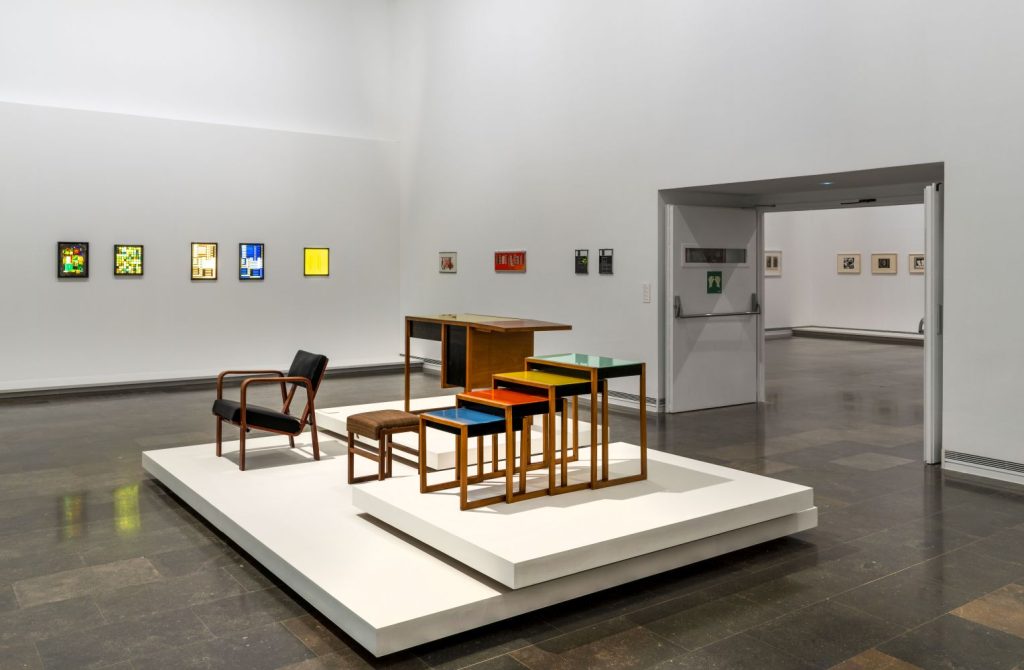
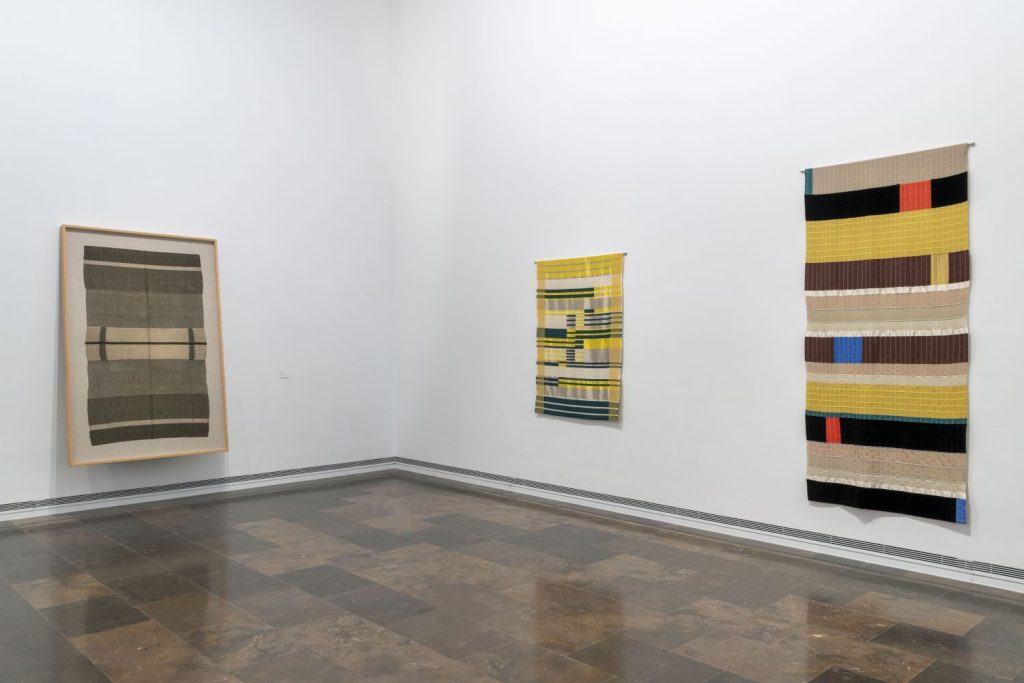
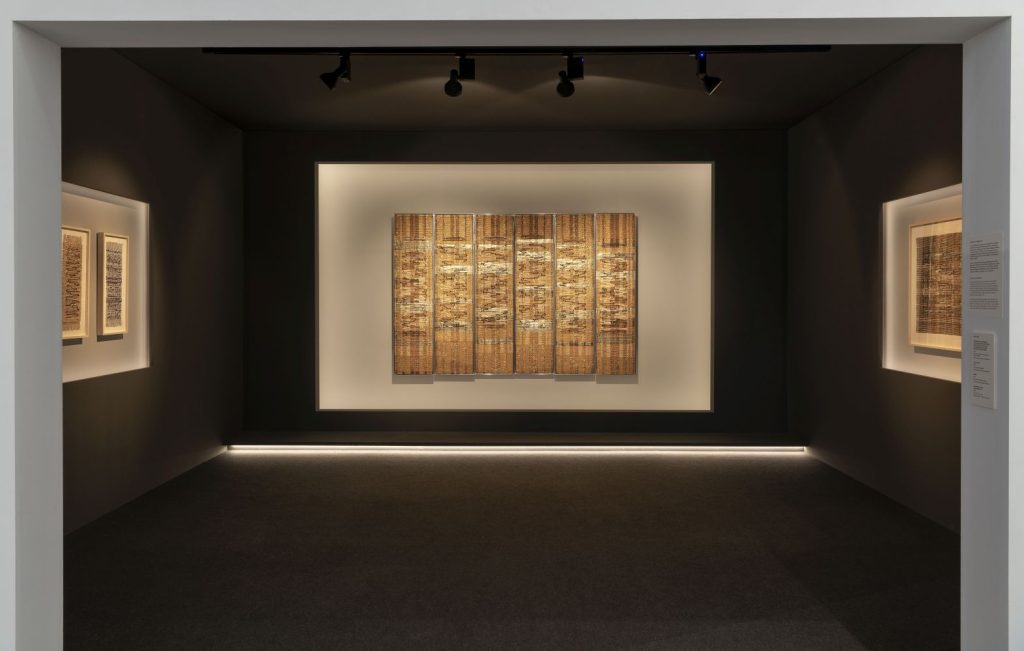
This exhibition is dedicated to the work of Anni and Josef Albers, exploring the various lines of artistic production of these two towering artists and pioneers of twentieth-century modernism. While they developed their respective work independently, the intimate, empathetic bond between them underpinned a lifetime of mutual support and encouragement and an ongoing dialogue founded on shared respect.
Anni and Josef Albers met in 1922 at the Bauhaus and married three years later. Throughout their lives and artistic practices, they shared the conviction that art could profoundly transform our world and should be at the very heart of human existence.
In addition to its comprehensive presentation of their respective oeuvres, this is the first exhibition in Spain dedicated to the two artists as a couple throughout the different phases of their creative production. The exhibition follows a chronological order and comprises around 350 works—paintings, photographs, designs and textiles, films, documentary material, as well as a selection of furniture from their time at Bauhaus—that mark some of the many highlights in the career of the couple of artists.

10 mar. 2022 – 04 sep. 2022
IVAM Centre Julio González
floor 2, G4-G5
share
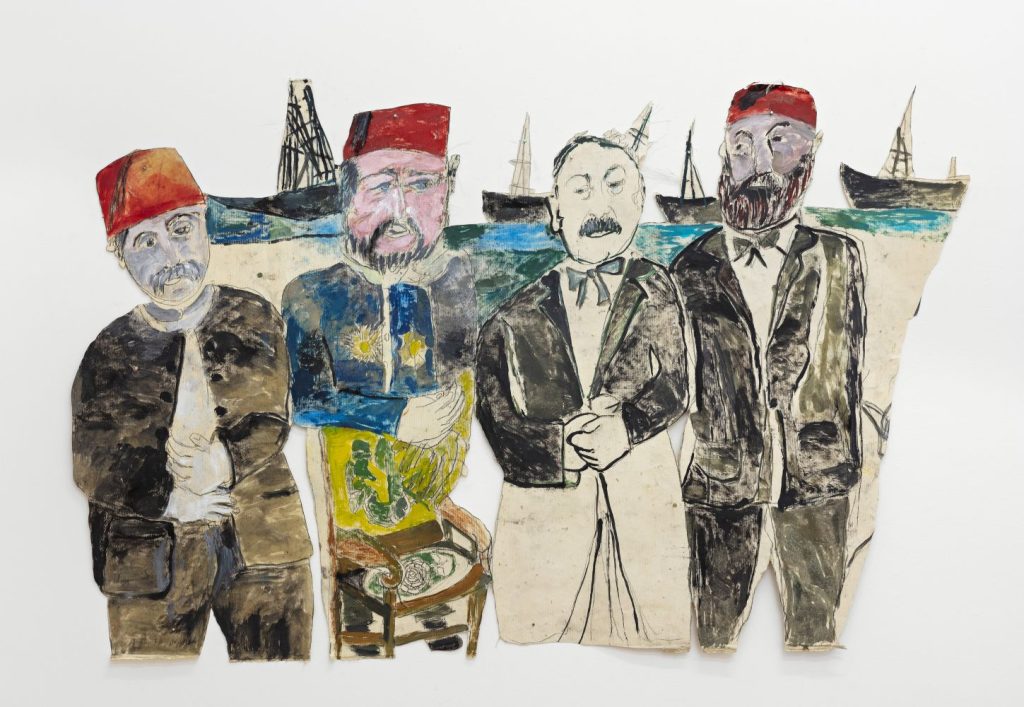
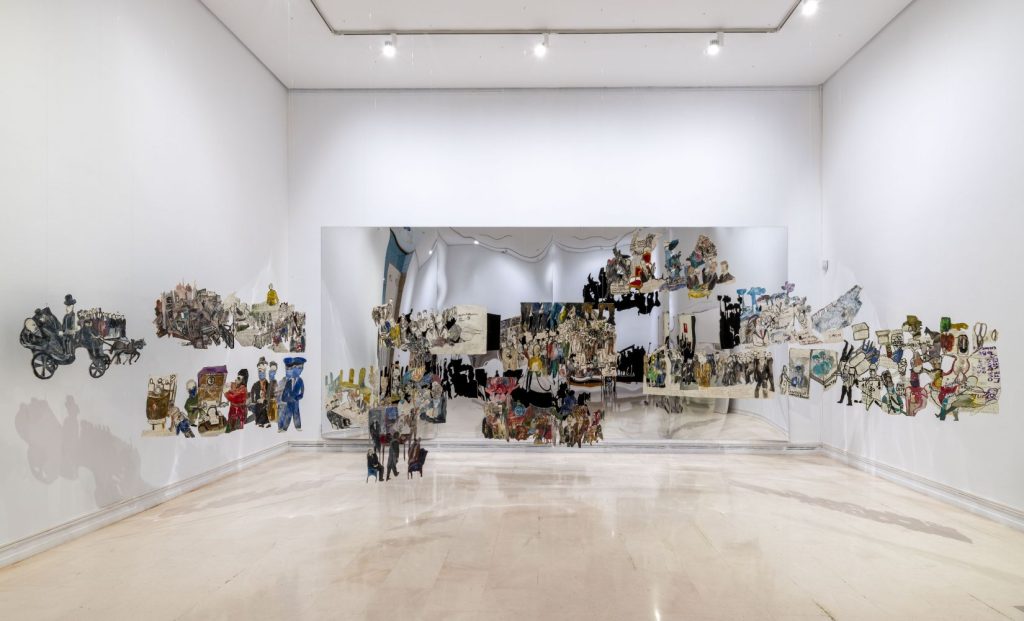
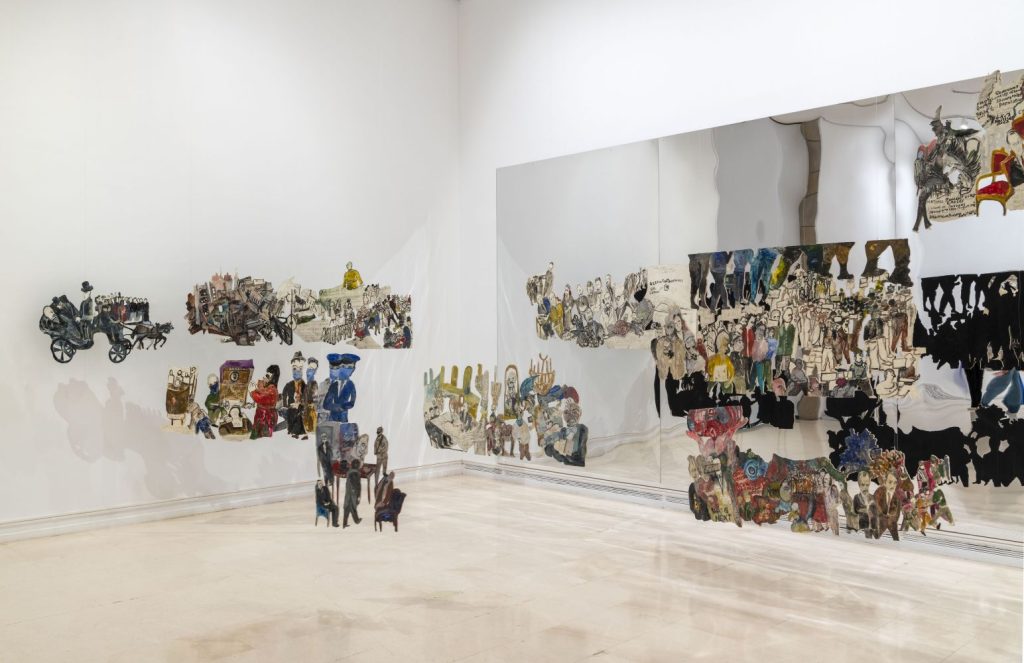
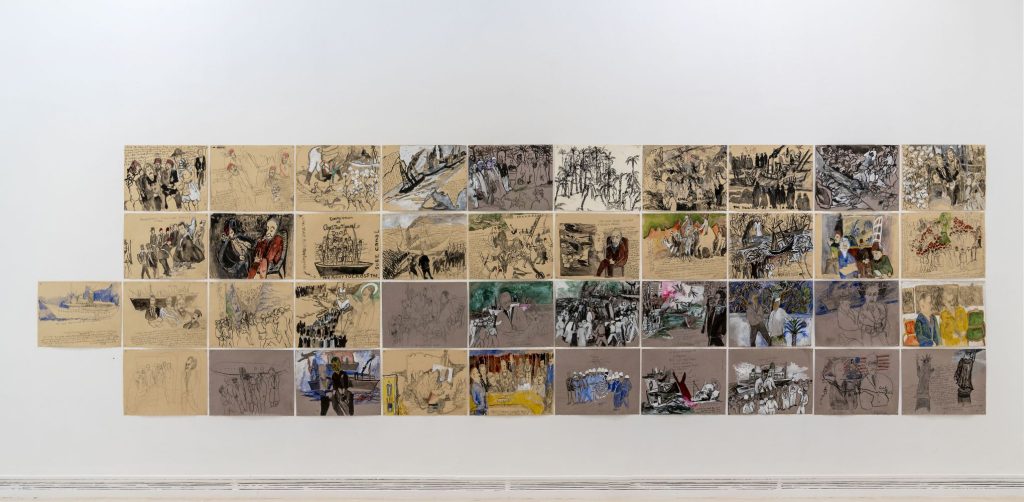
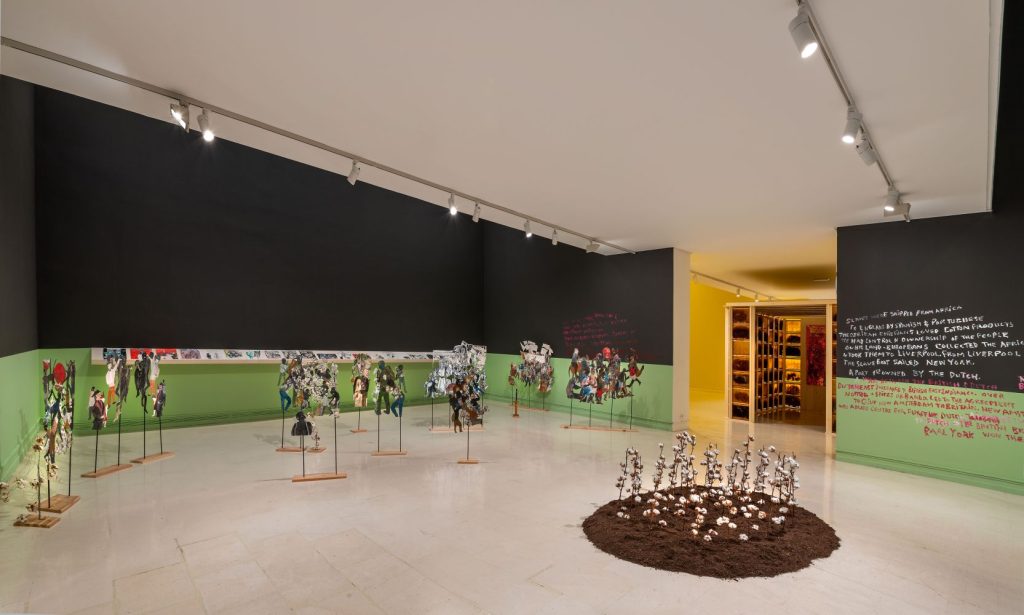
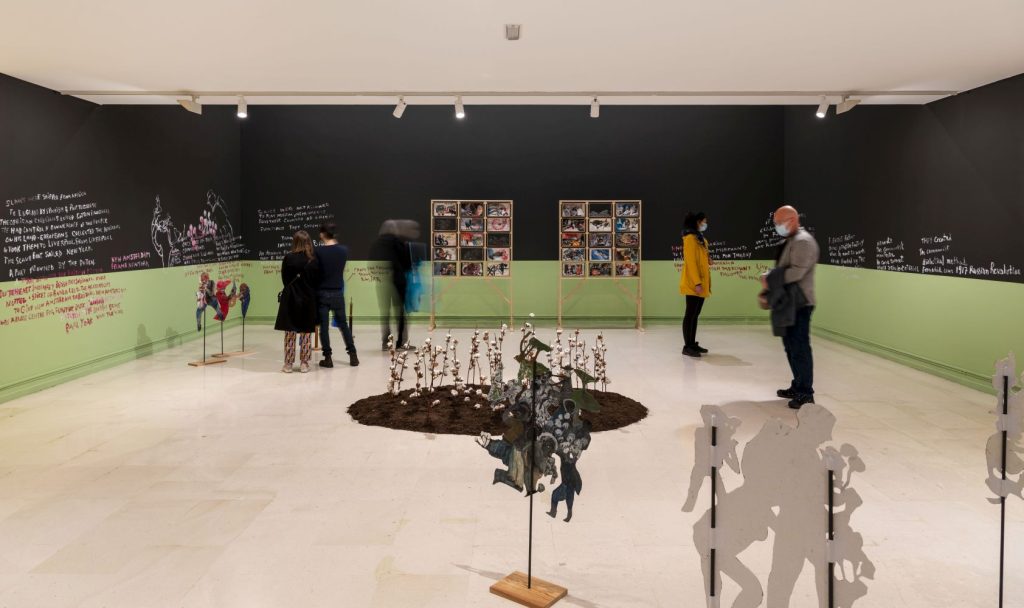
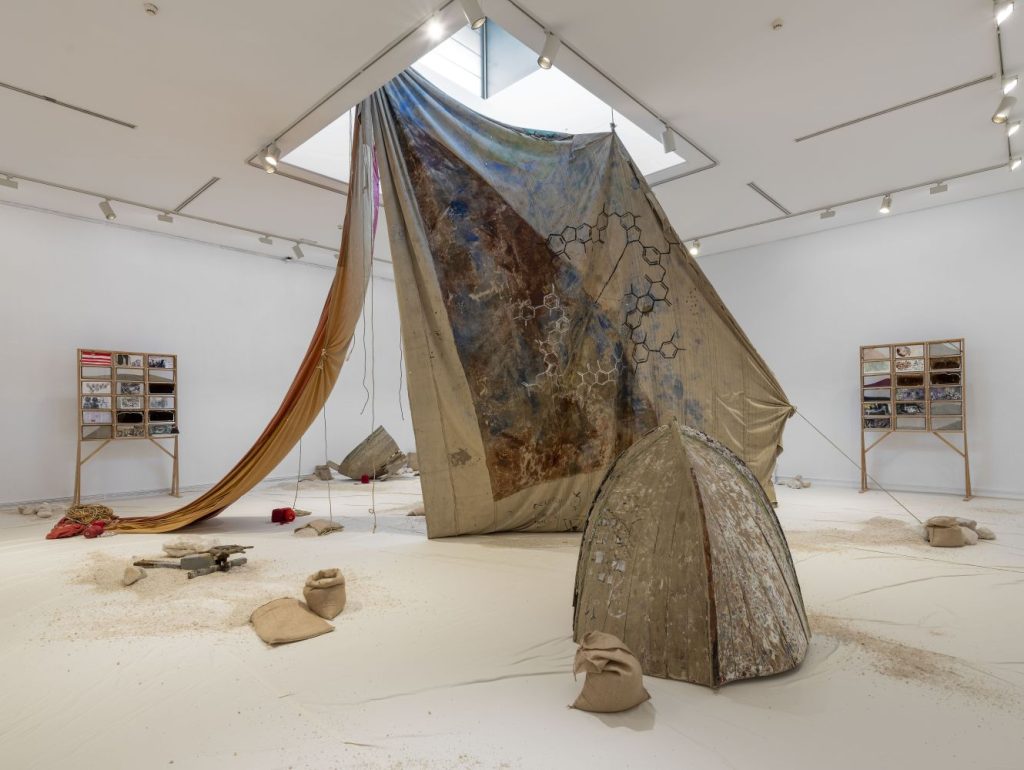
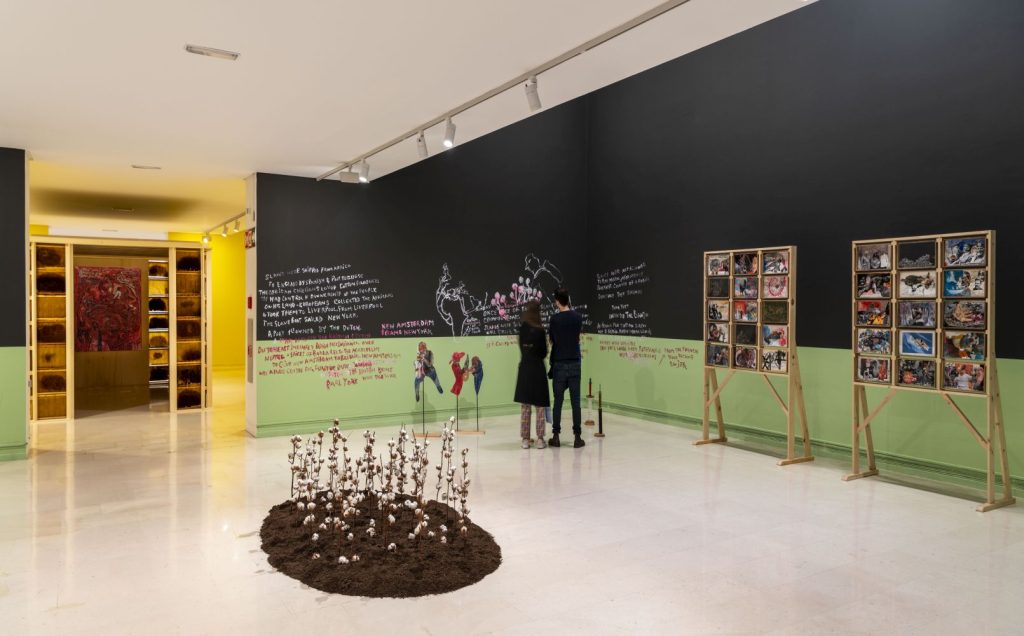
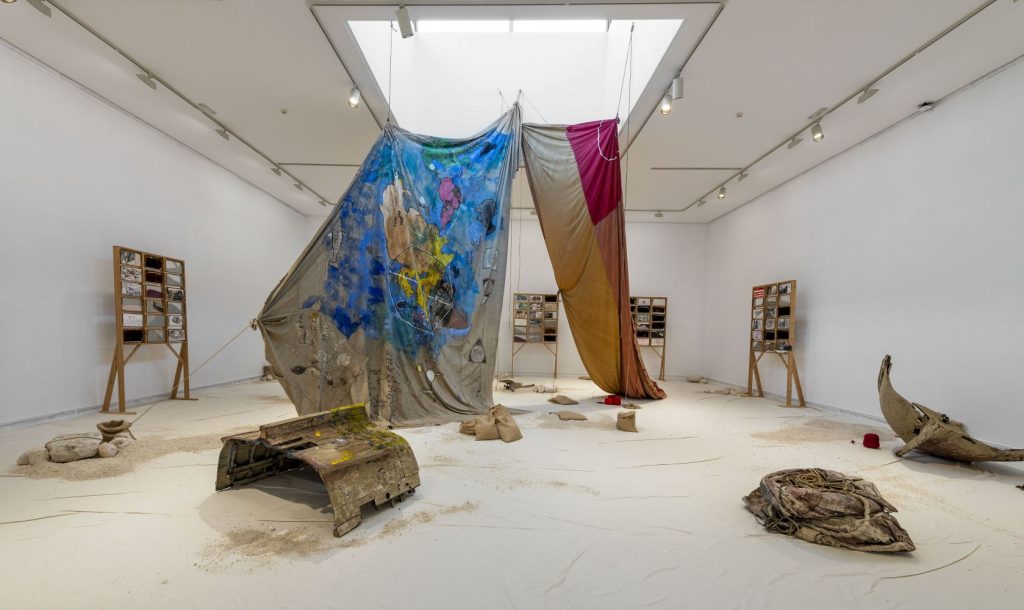
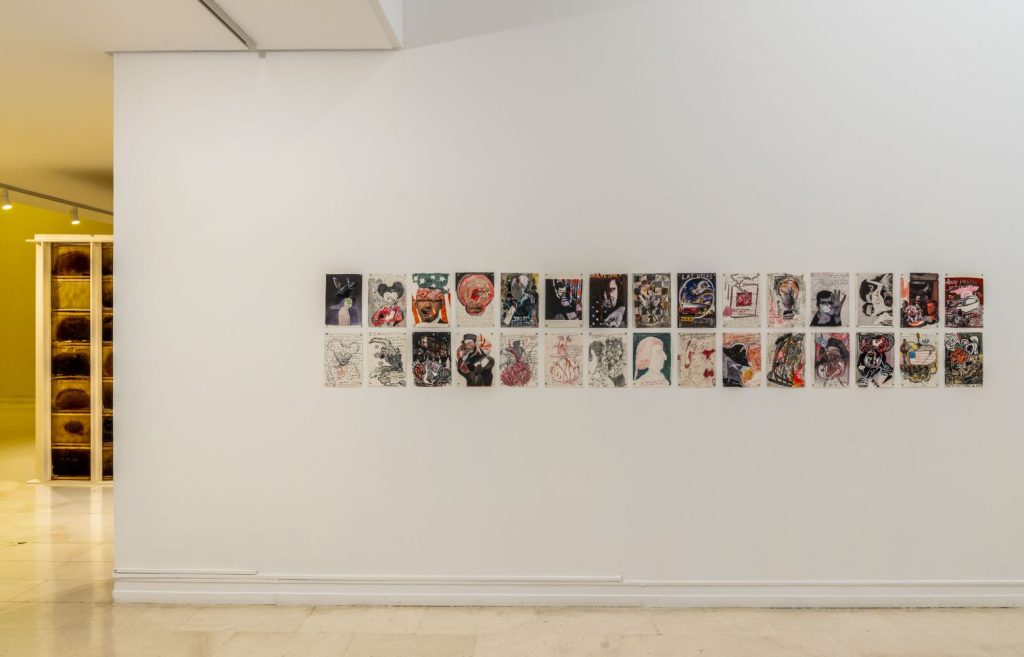
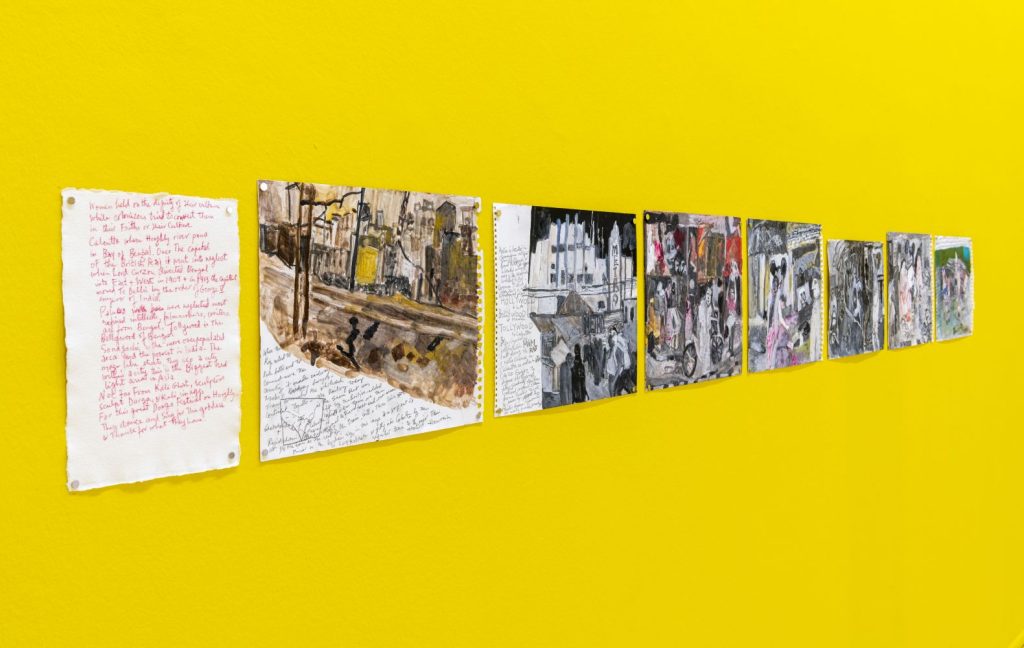
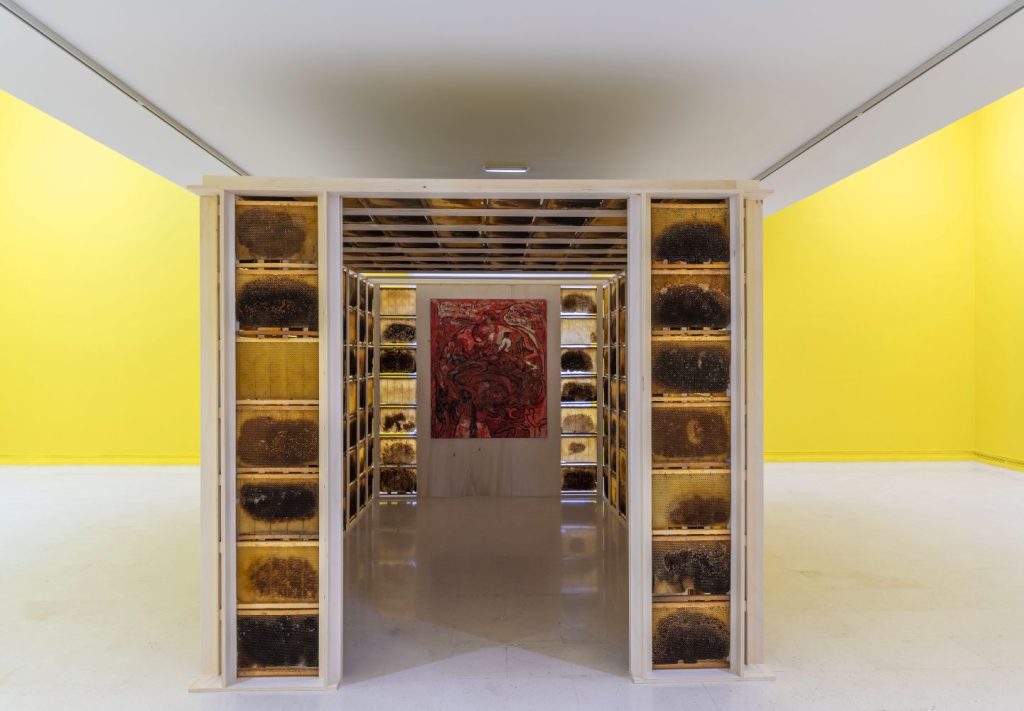
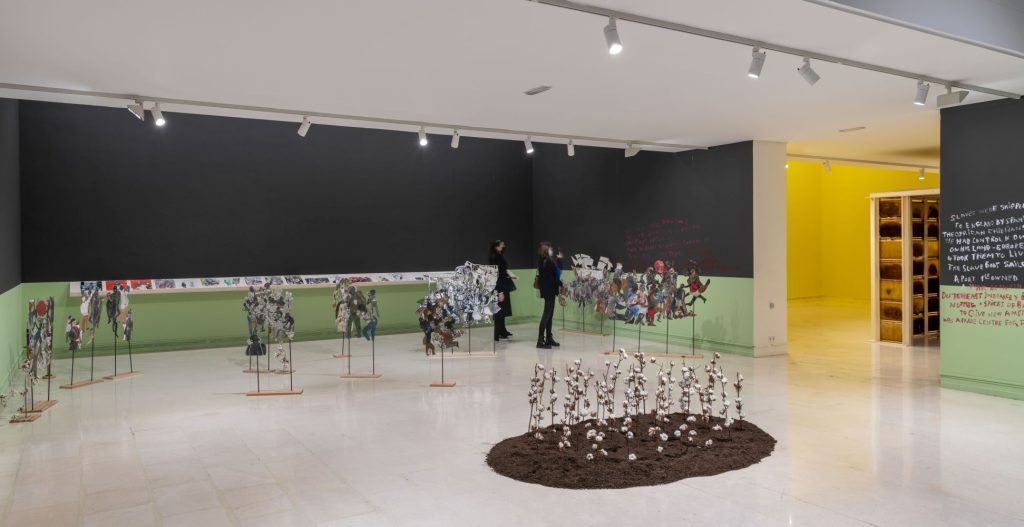
This is the first monographic exhibition by Anna Boghiguian (Cairo, 1946) in Spain. In her work, the Egyptian-Canadian artist of Armenian origin explores the historical, economic, social and political impact of certain events of the past in the present. Boghiguian employs the image as a form of writing and writing as image to unfold a way of thinking and a poetics committed with the world; visual essays that show the sustained impact of political history and economic conditions in the contemporary world.
To the artist’s way of thinking, colonialism is like a hinge moment that ushered in a profound radical change in articulating human relationships with the world, however much her images are drawn from her experience, from the personal encounter with certain places and objects that provoke an emotional and cognitive response. Boghiguian transforms these experiences into artist books, drawings, paintings, cut-outs, collages and installations.
Widely considered one of the most interesting contemporary artists of our time, Boghiguian has had solo shows at SMAK, Ghent (2020); Tate St. Ives, (2019); New Museum, New York (2018); Castello di Rivoli, Turin (2017); Carré d’Art, Nîmes (2016). Her work has been seen at documenta 13 in Kassel and in the biennials of Sharja (2011), Sao Paulo (2014), Istanbul (2015), Santa Fe (2016) and Sydney (2020). She received, together with other Armenian artists, the Golden Lion for her contribution to the Armenian Pavilion at the 56th Venice Biennale (2015).
08 oct. 2022 – 25 feb. 2024
IVAM Centre Julio González
share
For more information, please check the Spanish version.
04 dec. 2021
IVAM Centre Julio González
share
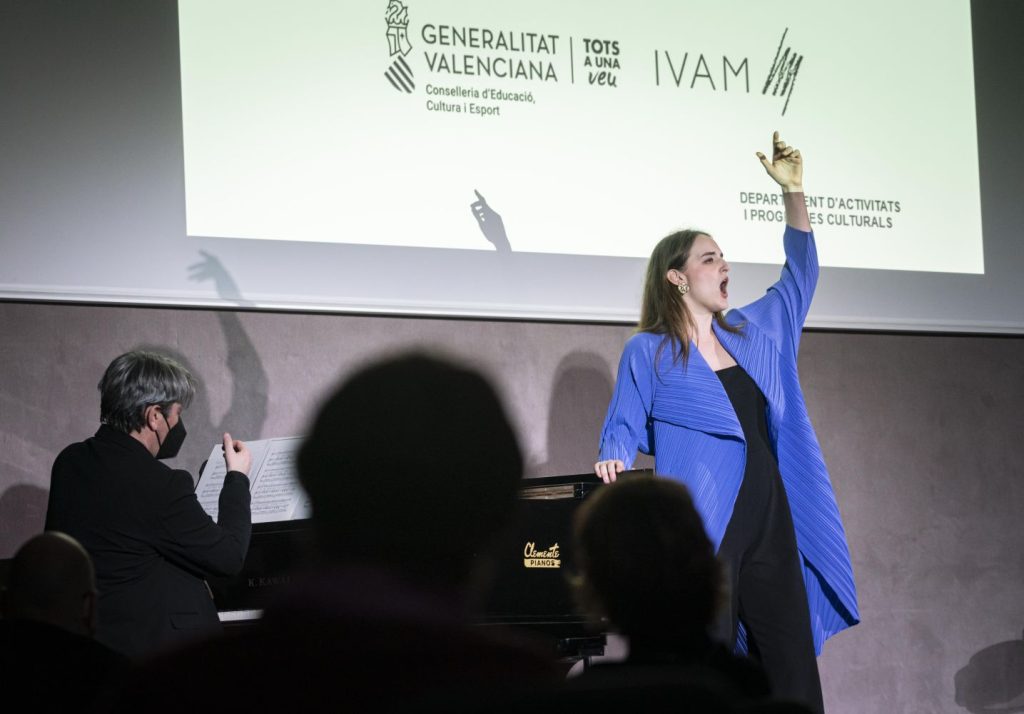
The IVAM and the Centre de Perfeccionament Palau de les Arts Reina Sofía work together and they continue in this season 2020-2021 collaborating to bring the different arts and show the existing link between them, to all audiences.
With the purpose of disseminating artistic creation and making it more accessible, they have created a concert program that connects the different musical pieces they perform with the different exhibitions at IVAM.
With this collaboration, both institutions vindicate the need to work for an open, multifaceted and plural culture, as well as the importance of culture in the development of contemporary societies.
![Poliglotía [open doors]](https://ivam.es/wp-content/uploads/actividades/poliglotia/Poliglotia_2-1024x683.jpg)
![Poliglotía [open doors]](https://ivam.es/wp-content/uploads/actividades/poliglotia/Poliglotia_4-1024x683.jpg)
![Poliglotía [open doors]](https://ivam.es/wp-content/uploads/actividades/poliglotia/Poliglotia_5-1024x683.jpg)
![Poliglotía [open doors]](https://ivam.es/wp-content/uploads/actividades/poliglotia/Poliglotia_8-1024x683.jpg)
![Poliglotía [open doors]](https://ivam.es/wp-content/uploads/actividades/poliglotia/Poliglotia_10-1024x683.jpg)
![Poliglotía [open doors]](https://ivam.es/wp-content/uploads/actividades/poliglotia/Poliglotia_14-1024x687.jpg)
![Poliglotía [open doors]](https://ivam.es/wp-content/uploads/actividades/poliglotia/Poliglotia_31-1024x683.jpg)
27 nov. 2021
IVAM Centre Julio González
share
POLIGLOTÍA: Presentation + Estudios Políglotas Group + Dreamer Strings&Doudou Nganga
The POLIGLOTÍA programme is a creative, multidisciplinary process arising from the diversity of languages and cultural practices that exist in the city of Valencia. To that effect, we experiment with language as an energising tool, along with other forms of doing, feeling and communicating.
At this opening session, we will present the POLIGLOTÍA programme with an activity that has been energised by the participants of the Estudios Políglotas Group*. They will outline the different open processes that describe the choices offered by multilingualism as a method for creating together, playing with diversity and making oneself understood. To close, there is a concert by the Spanish-Congolese duo Dreamer Strings&Doudou Nganga, a fusion of instrumental music with Central African rhythms.
The POLIGLOTÍA programme takes place from November 2021 to May 2022 and includes various activities and creative processes promoted, from a cultural and linguistic perspective, by meetings at the museum. The programme is coordinated by Paco Inclán, writer and Spanish teacher for migrants and refugees, in collaboration with the activities and education department at IVAM (Valencia Institute of Modern Art).
*Participants: Tarif Ashtar, Paula Guardiola, Yulia Fert, Badinengany Katalay-Sun, Hu Zhao, Milagros Arias, Teona Ruzadze, Fatma Guisse, Ivan Reznik, Joaquín Artime, Clara Solbes, Javier Lorente Puchades, Yahui Liu Zhou.
01 nov. 2021 – 17 jun. 2022
IVAM Centre Julio González
share
The POLIGLOTIA programme proposes a multidisciplinary creative process based on various languages and cultural practices that are present in the city of Valencia. To that end, we will experiment with language as a stimulation tool, along with other forms of doing, feeling and communicating. From a hybrid and intercultural perspective, the programme is also conceived as a meeting space within the museum. In POLIGLOTÍA, we seek to generate content through the interchange of experiences and knowledge for the mutual enrichment of the people and collectives taking part. We will start from its motivations and abilities to develop proposals that are aimed at a wide and diverse range of people.
The programme is coordinated by Paco Inclán, a writer and Spanish teacher for migrants and refugees, in collaboration with the activities and education department of IVAM (Valencia Institute of Modern Art). POLIGLOTIA finds inspiration in the atmosphere within a class of language learners in matters such as the desire to understand and to explain themselves, closeness to other world views through language and the relationships that are established between people that share the same space from a diversity point of view.
POLIGLOTÍA will begin with these three courses of action.
1. Grupo de Estudios Políglotas (Polyglot Study Group)
2. Activities programme
3. Inventari. Poliglotía (The museum thinks together)
This final stage of the project proposes creating a place for meeting and brainstorming, reflecting on the possibilities, limits and problems related to the museum itself as an architectural, institutional, relational, creative, and exhibition area. As such, we propose the formation of a project team that can think together about the inventory of the tensions, challenges, and opportunities offered by the different agents and experiences that constitute part of museum life. From March to June 2022.
02 dec. 2021
IVAM Centre Julio González
share
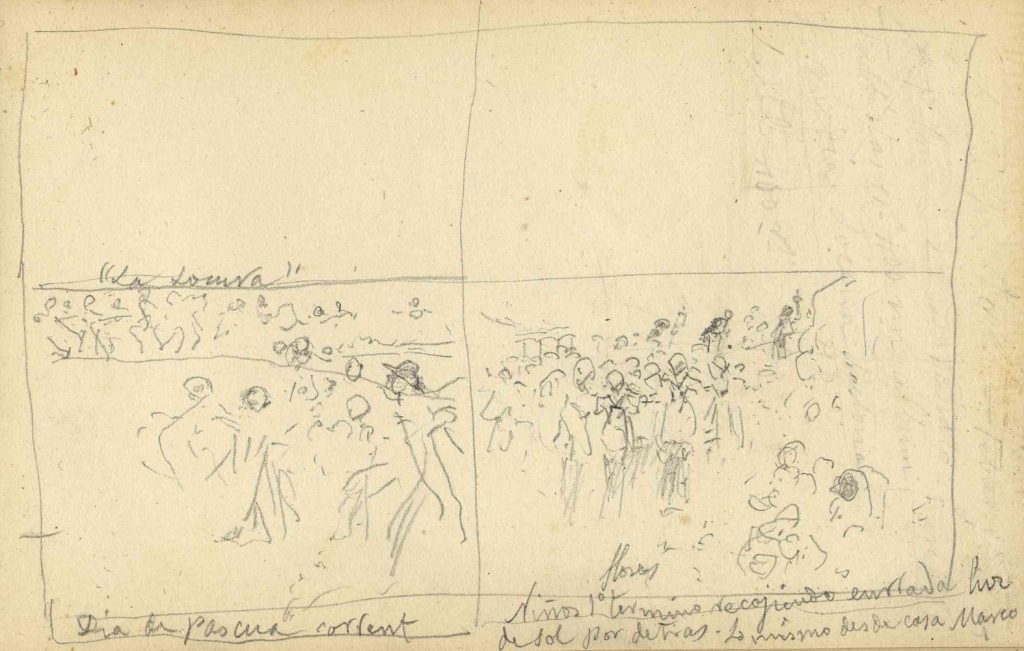
The lecture will present theoretical interpretations of Ignacio Pinazo’s representations of human groups in public spaces. The main lines of the exhibition will be presented and a selection of the works in the exhibition will be analyzed, together with biographical components and reflections by the artist. A reading of this group of works by Pinazo in a biopolitical key will be proposedTo this end, it is necessary to take into account their strategies of representation, the linkages and misalignments of such strategies with respect to personal and collective experiences, as well as their specific ways of manifesting the play between ideals and conflicts in the integration of the social body through the habits and customs of the multitudes and of their own body in the encounter with the bodies of others.
Vicente Pla Vivas. Sagunt, 1962. Professor of the Department of Art History at the Universitat de València, specialized in the problems generated by the images during the historical processes of establishment of modernity, in the study and interpretation of the European graphic image of wide diffusion during the nineteenth century, as well as the Valencian art of the final decades of the nineteenth century and the beginning of the twentieth century and photography. The research can be framed within the theoretical field of visual studies and has proposed to open ways of connection with the history of aesthetics, technique and scientific epistemologies, as well as cultural studies, to reconstruct the active structures in the functioning and evolution of the mechanisms of modern imaginaries. He participates in the R+D+i Project «La vida artística en Valencia (1880-1936). Fuentes para un diccionario de artistas». (HAR2009-14480). In 2010 he published the book La ilustración gráfica del siglo XIX. Funciones y disfunciones. He participates in ASCIGE (Atelier sour le Satirique, la Caricature et l’Illustration Graphique en Espagne), in the International Festival Incubarte 6 and 7 and in Perifèries 13. He is active as a contemporary art critic with publications on Artur Heras, Sebastià Miralles, Manuel Bellver, José Guerrero Tonda, María José Pérez Vicente and XL Family among others. He gives lectures on 19th and 20th century art and curates the exhibitions Juan Cuéllar. Distopia, at the center La Nau de la Universitat de València and at the Centre Internacional de Gandia 2018, and in El Món rural com a espai polític en l’art valencià (1830-1930) at the Casa-Museu Benlliure in Valencia, 2020. Since 2021 he co-directs the Arxiu Valencià del Disseny.