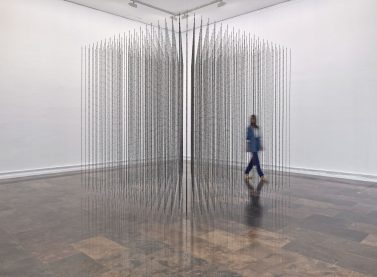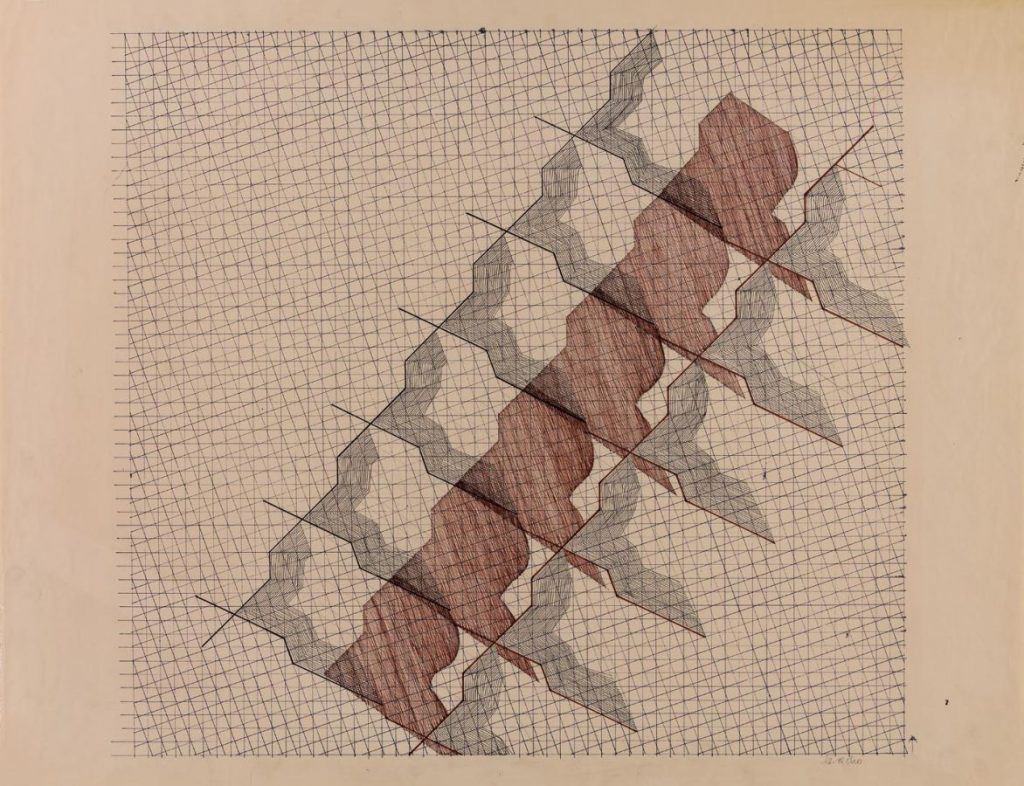
Soledad Sevilla /Sin título, 1969. IVAM, Institut Valencià d'Art Modern, Generalitat.
13 may. 2021
IVAM Centre Julio González
share


13 may. 2021
IVAM Centre Julio González
share
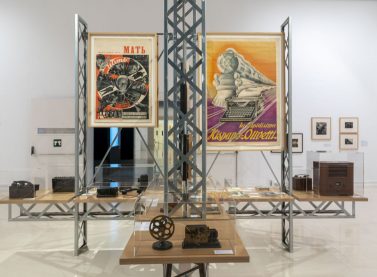
Round-table discussion organized on the occasion of the exhibition Mechanical and Technical Imaginaries in the IVAM Collection, moderated by the teacher and architect, Mónica García, with the participation of the artists Soledad Sevilla, Jordi Teixidor and José María Yturralde.
At the end of the 1960s, after decades of isolation, a critical and open future began to emerge in Spain. The fascination of scientific and technological advances was integrated by the ideology of productive, cultural and social democratization.
Young Spanish artists, which were linked to groups such as Antes del Arte (1968-1969) or Centro de Cálculo de la Universidad de Madrid (1968-1973), opened up new horizons of thinking that revealed the need to understand the different artistic languages logically and systematically.
The cooperation of art and science and the integration of computers into its creative processes inject the germ of the rational and the experimental. Artists such as Soledad Sevilla, José María Yturralde and Jordi Teixidor transfer these advances to tradition in order to widen its limits.
Prior reservation is required at ivam@consultaentradas.com or 976004973 (Monday to Saturday from 9 am to 8 pm).
21 may. 2021
IVAM Centre Julio González
share
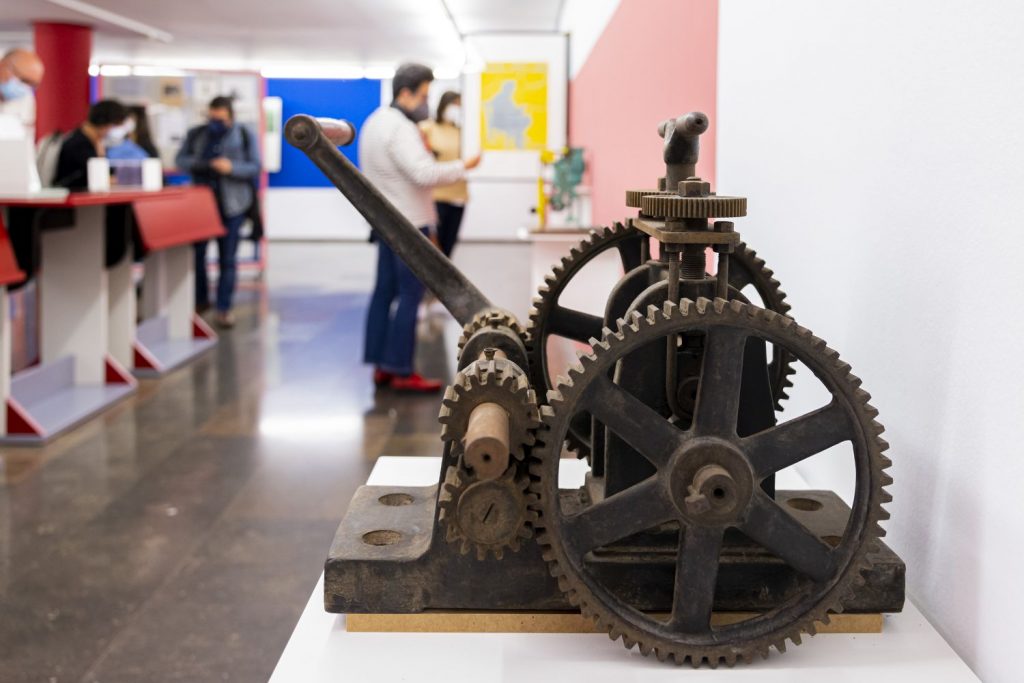
Tour of the exhibition Industry/Matrices, threads and sounds by archaeologist and heritage manager Tono Vizcaíno, co-co-creator of the project.
During the tour, Tono Vizcaíno will introduce the hybrid proposal that is situated between the creation of an archive and an artistic project. Its objective is to offer a necessarily partial reading of Valencian industrial heritage based on the sound, the intangible and social movements. This visit focuses the main objective of Industry, understanding heritage and history as living processes that allow us to generate conceptual tools to understand the past, present and future of the history of labor and its relationship with culture.
06 may. 2021
IVAM Centre Julio González
share
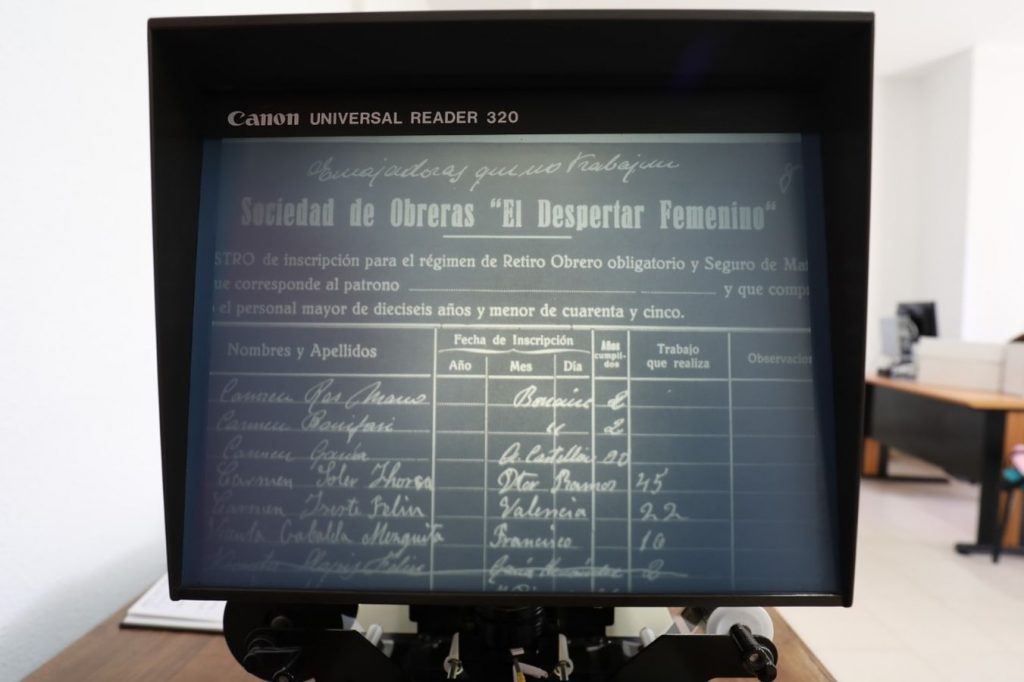
Conversation on the occasion of the opening of the exhibition Industry/Matrices, threads and sounds, by Lorenzo Sandoval, artist and curator, and Tono Vizcaíno, archaeologist and heritage manager.
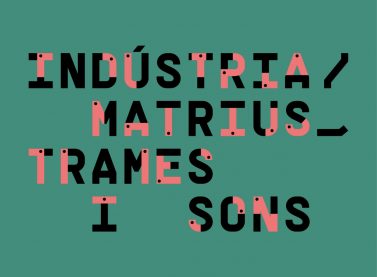
Industry. Matrices, threads and sounds is a hybrid proposal that is situated between the creation of an archive and an artistic project, developed by Lorenzo Sandoval and Tono Vizcaíno. Its objective is to offer a necessarily partial reading of Valencian industrial heritage based on the sound, the intangible and social movements.
During the conversation, they will introduce the proposal, which is developed through the compilation of sounds, processes, images, videos, music, art pieces and discourses linked to factories in their original context of use, but also in their abandonment and their conversion into heritage spaces. It focuses particularly on the proactive uses of industrial heritage driven by citizens. The project is positioned outside the romanticizing image of industrial ruin. Understanding heritage and history as living processes that allow us to generate conceptual tools to understand the past, present and future of the history of labor and its relationship with culture.
09 apr. 2022
IVAM Centre Julio González
share
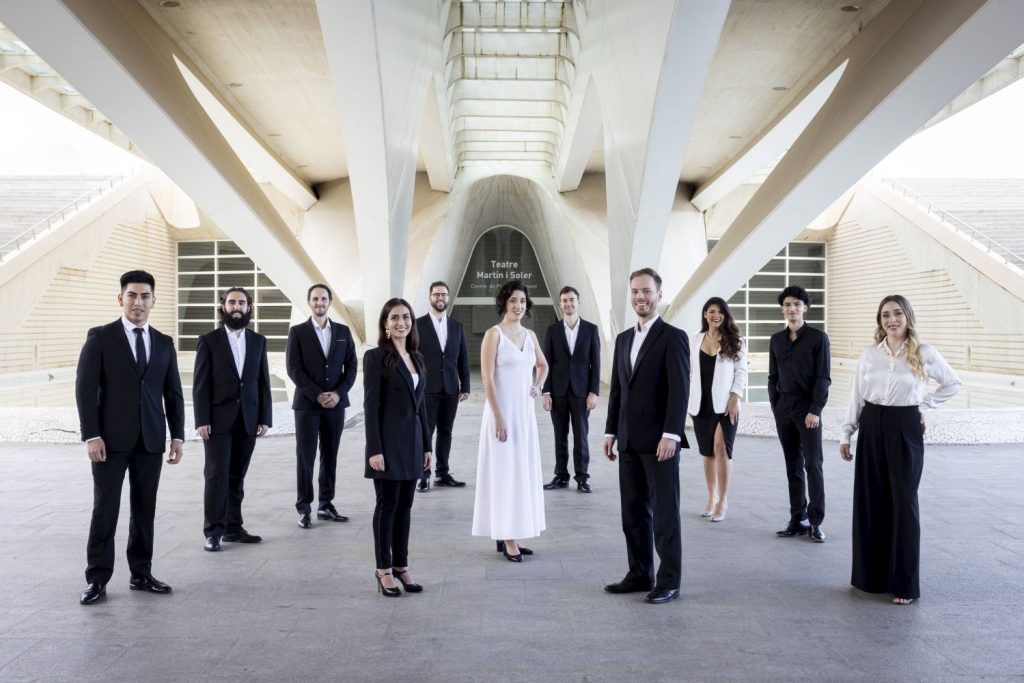
The IVAM and the Centre de Perfeccionament Palau de les Arts Reina Sofía work together and they continue in this season 2021-2022 collaborating to bring the different arts and show the existing link between them, to all audiences.
With the purpose of disseminating artistic creation and making it more accessible, they have created a concert program that connects the different musical pieces they perform with the different exhibitions at IVAM.
With this collaboration, both institutions vindicate the need to work for an open, multifaceted and plural culture, as well as the importance of culture in the development of contemporary societies.

20 may. 2021
IVAM Centre Julio González
share
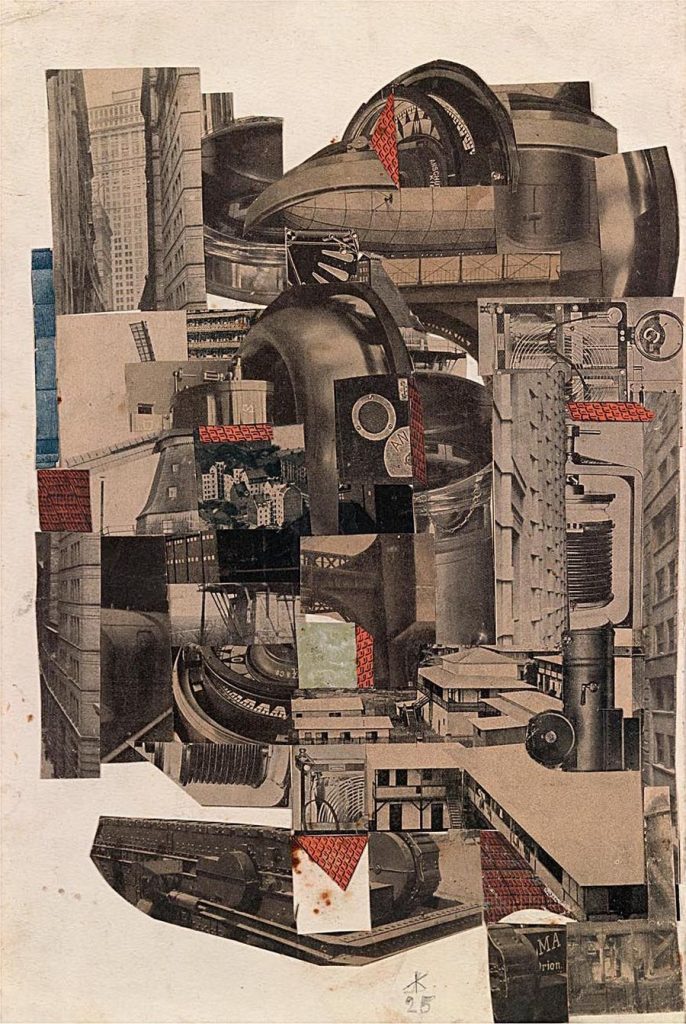
Lecture by Professor Víctor del Río on photography and visual culture in the context of the exhibition Imaginarios mecánicos y técnicos en la Colección del IVAM.
Víctor del Río holds a PhD in Philosophy and teaches Theory and History of Modern and Contemporary Art at the University of Salamanca. He is a member of the teaching staff of the Master of Advanced Studies in Philosophy at the same University, as well as of the Master in Photography, Art and Technique at the Universitat Politècnica de València.
This lecture is part of the public program prepared by IVAM on the occasion of the exhibition Imaginarios mecánicos y técnicos en la Colección del IVAM, which includes concerts, lectures, round tables and an artist’s workshop.

21 apr. 2021
IVAM Centre Julio González
share
MATRIZ N005 – Castellón of the project Industria/ Matrices, tramas y sonidos by Lorenzo Sandoval and Tono Vizcaíno.
The project Industria / Matrices, tramas y sonidos, carried out by Lorenzo Sandoval and Tono Vizcaíno for the IVAM, has its last activity before the opening of the exhibition. It is «Matriz N005-Castellón».
La Plana de Castellón and its surroundings have a long tradition of industrial pottery production, which today still constitutes the main engine of its economy. This phenomenon means that a large part of its residents have been related to the factories in different ways.
In this meeting we will talk about the links between heritage and memory through the voices of different people involved in projects of recovery of the industrial past, driven both from institutions and civil society.
The session will be structured in two parts:
Interventions:
Dialogue among the participants (open to the public).
29 apr. 2021
IVAM Centre Julio González
share
Conversation about the presentation of the exhibition Cardiogram, between the artist Lola Lasurt and its curator Nuria Enguita.
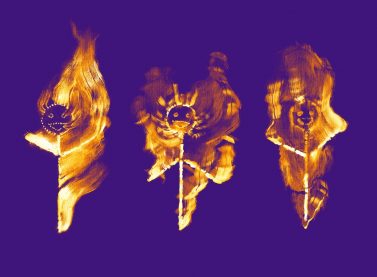
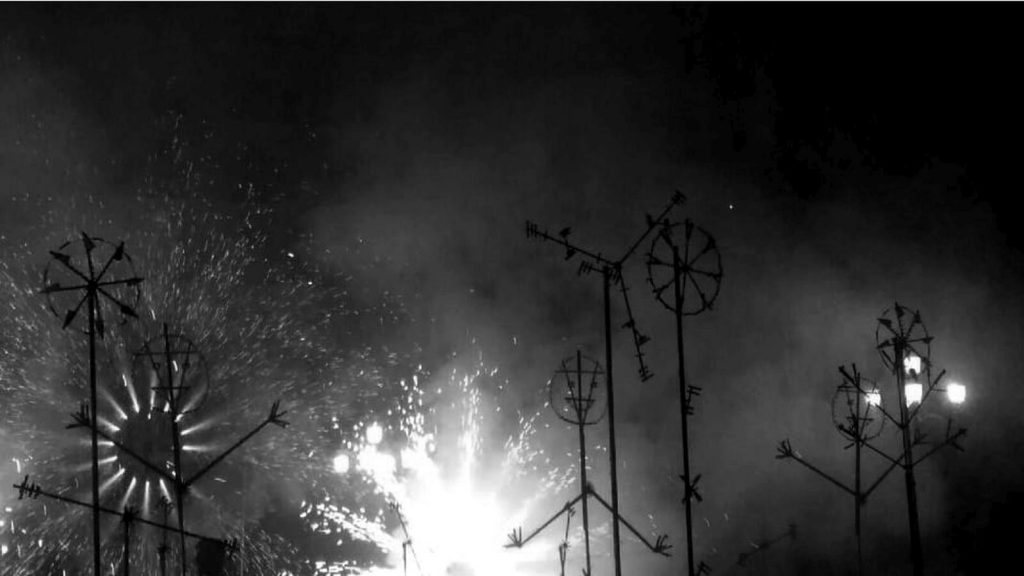
Cardiogram is the new project that the artist Lola Lasurt specifically proposes for Gallery 6 of the IVAM, which has a visit she made to the Museu del Gremi Artesà de Fallers de València and the encounter of a pardoned ninot called Democracia, the work of the fallero artist José Azpeitia as its starting point.
The conversation pretends to establish an analogy between the aesthetic potential of pyrotechnic shots in sequence and the fundamentals of abstract painting, based on dodecaphonic scores. Likewise, the conversation will analyze the state of the system -personified in the ninot of Democracy- as an exercise of collective diagnosis that annually responds to the most immediate socio-political current events. This year, it is doubly suspended due to the pandemic.
30 mar. 2021
IVAM Centre Julio González
share
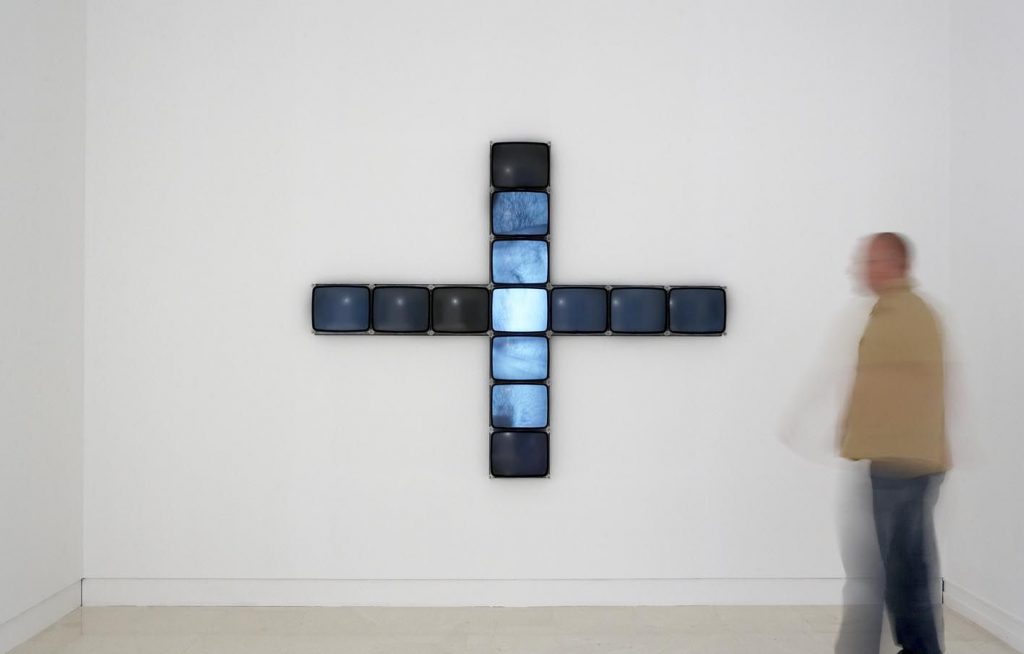
Lecture Topografías de la vanguardia e imaginario cinematográfico by Vicente Sánchez-Biosca, Professor of Audiovisual Communication at the Universitat de València, on the occasion of the exhibition Imaginarios mecánicos y técnicos en la colección del IVAM.
In 2001, Bruce Posner released a series of programs under the title Unseen Cinema -Early American Avant-Garde, 1894-1941. Surprisingly and deliberately, he stretched the category of avant-garde to terrains considered as its antipodes: Hollywood cinema or pre-cinema, for example. It was perhaps an excessive reaction to the purism that had existed until then. What degree of demand or “generosity”, of mimicry and autonomy with respect to other arts, should we maintain when we grant the avant-garde status to cinema? Taking into consideration concepts such as experimentalism, machinism and modernity, this conference aims to map the relationship between cinema and the historical avant-garde.
Taking into consideration concepts such as experimentalism, machinism and modernity, this conference aims to map the relationship between cinema and the historical avant-garde.
Vicente Sánchez-Biosca is Professor of Audiovisual Communication at the University of Valencia and main investigator of the project La construcción mediática del carisma de los líderes políticos en períodos de transformación social: del Tardofranquismo a la Transición (HAR2012-32593). He was a Fulbright postdoctoral fellow at the University of Wisconsin-Madison (USA) and has been a visiting professor at several universities (New York University, Paris 3-Sorbonne Nouvelle, Paris 1-Sorbonne, Montreal, Sao Paulo, among others). His latest books include NO-DO. El tiempo y la memoria and El pasado es el destino. Propaganda y cine del bando nacional en la guerra civil (2000 and 2011, both with Rafael R. Tranche), Cine y vanguardias artísticas. Conflictos, encuentros, fronteras (2004), among others.
This lecture is part of the public program prepared by IVAM on the occasion of the exhibition Imaginarios mecánicos y técnicos en la colección del IVAM, which includes concerts, lectures, round tables and an artist’s workshop.


24 mar. 2021
IVAM Centre Julio González
share
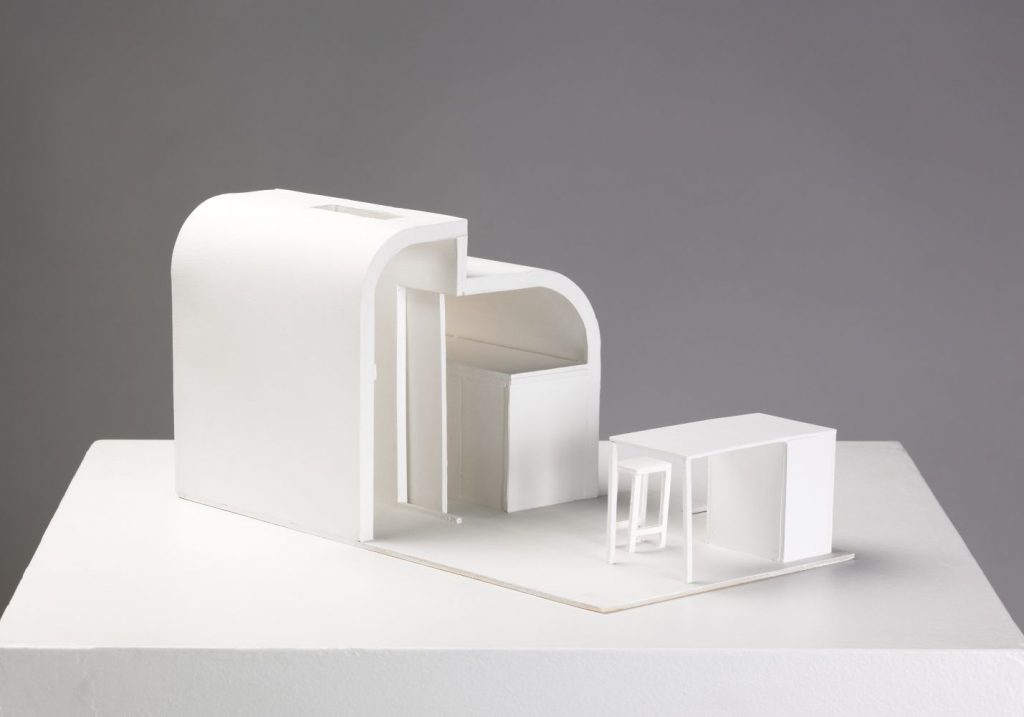
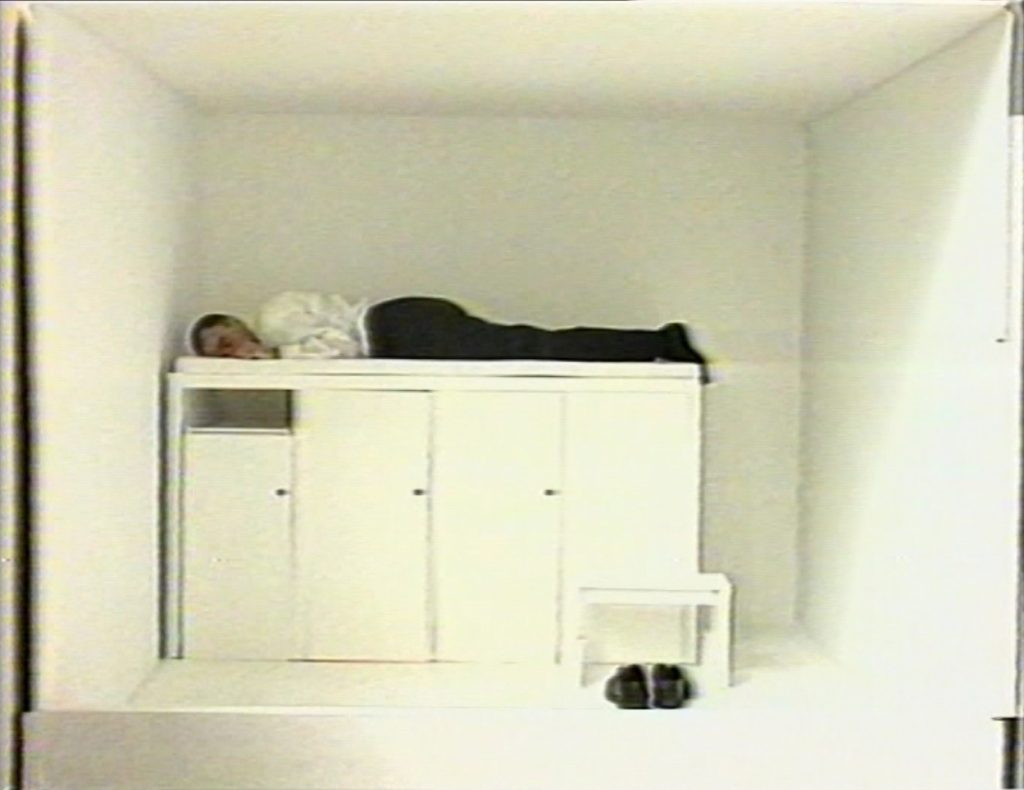
Conversation between Guillaume Désanges and François Piron, curators of the exhibition Absalon, Absalon.
The exhibition of the artist known as Absalon (Israel, 1964 – France, 1994), co-produced by the Institut Valencià d’Art Modern (IVAM) and the CAPC Musée d’Art Contemporain de Bordeaux, has two main objectives: on one hand, to make clear the important contribution of this artist to the discourse of art produced in the 1990s; and on the other hand, to establish a dialogue between his creations and conceptual lines and those of some artists such as Robert Gober, Laura Lamiel or Mona Hatoum, or with the work of contemporary artists such as Myriam Mihindou or Dora García.
During the conversation, the curators propose the reinterpretation of the coldness of minimalist forms with an emotional and affective vocabulary, which emphasizes the loneliness of life and relationships, as well as the relationship with the human body, illness, precariousness and the end of life. All this through Absalon’s projects selected for the exhibition and the dialogues established with the other artists.
17 apr. 2021
IVAM Centre Julio González
share
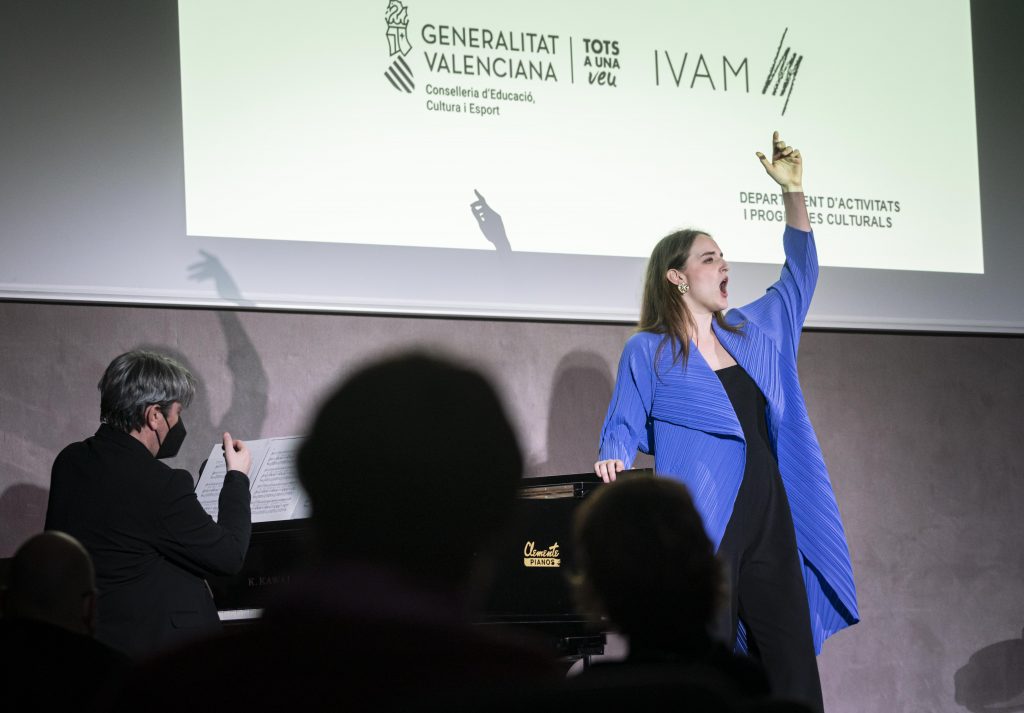
The IVAM and the Centre de Perfeccionament Palau de les Arts Reina Sofía work together since 2015 and they continue in this season 2020-2021 collaborating to bring the different arts and show the existing link between them, to all audiences.
With the purpose of disseminating artistic creation and making it more accessible, they have created a concert program that connects the different musical pieces they perform with the different exhibitions at IVAM.
With this collaboration, both institutions vindicate the need to work for an open, multifaceted and plural culture, as well as the importance of culture in the development of contemporary societies.

13 mar. 2021
IVAM Centre Julio González
share
The IVAM and the Centre de Perfeccionament del Palau de les Arts Reina Sofía work together since 2015 and they continue collaborating this season, to bring the different arts to all audiences and show the existing link between them. With the purpose of disseminating artistic creation and making it more accessible, they have created a concert program that connects the different musical pieces they perform with the different exhibitions from IVAM. With this collaboration, both institutions vindicate the need to work for an open, multifaceted and plural culture, as well as the importance of culture in the development of contemporary societies.

16 apr. 2021 – 26 sep. 2021
IVAM Centre Julio González
floor B, G1
share
Julio González Prize 2020
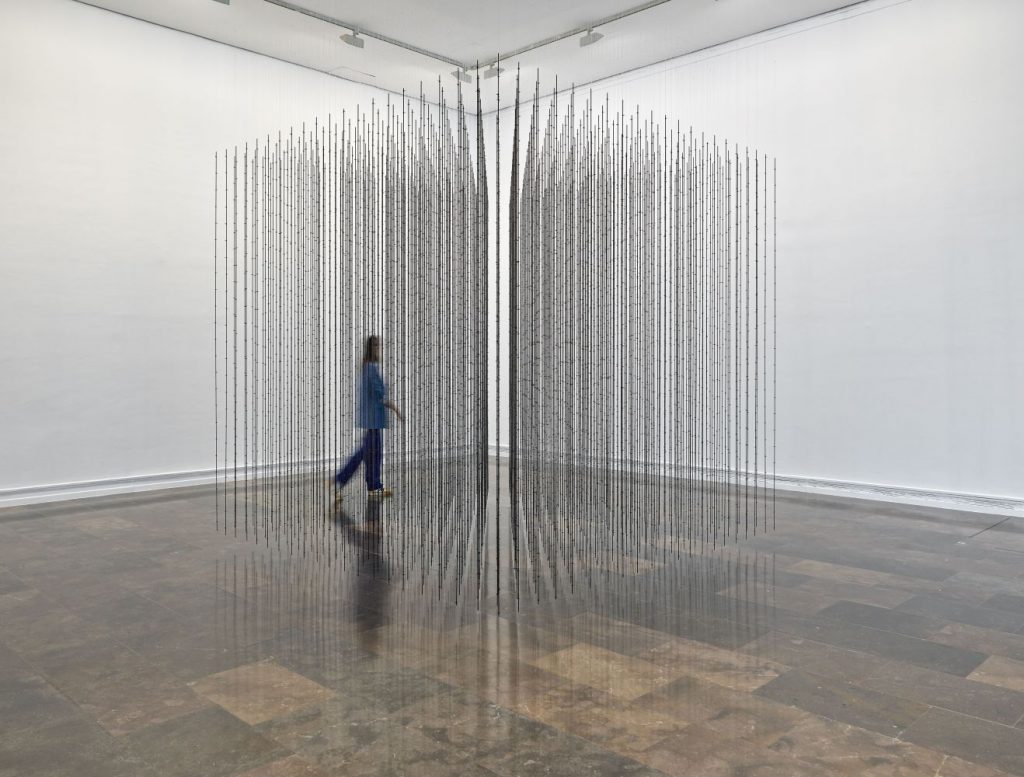
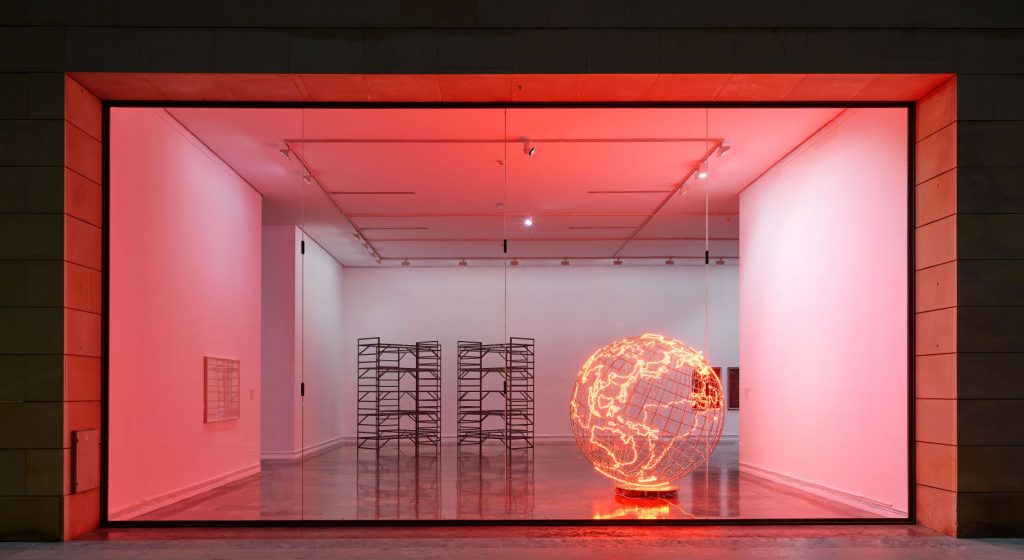
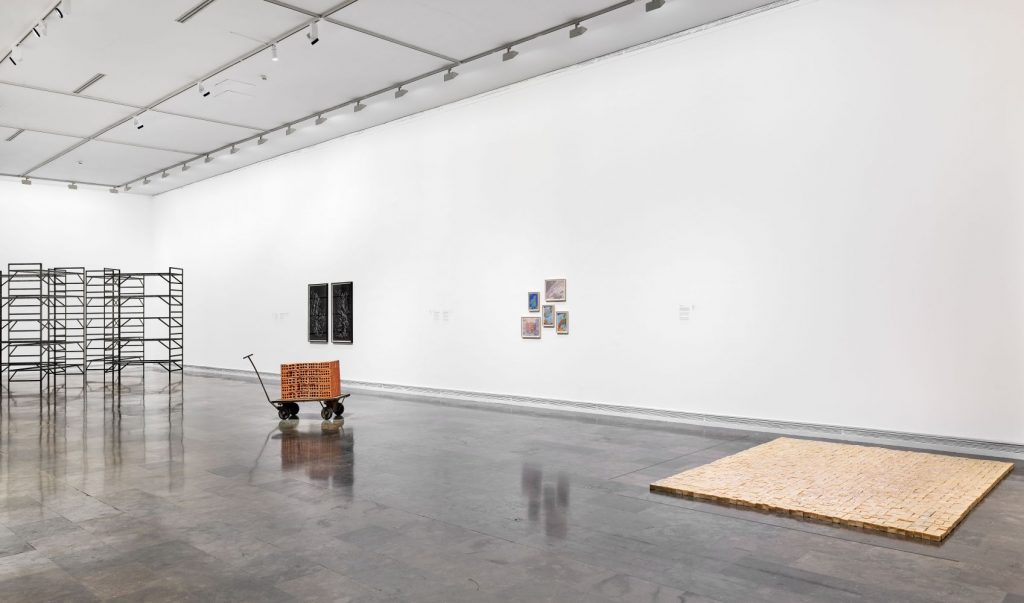
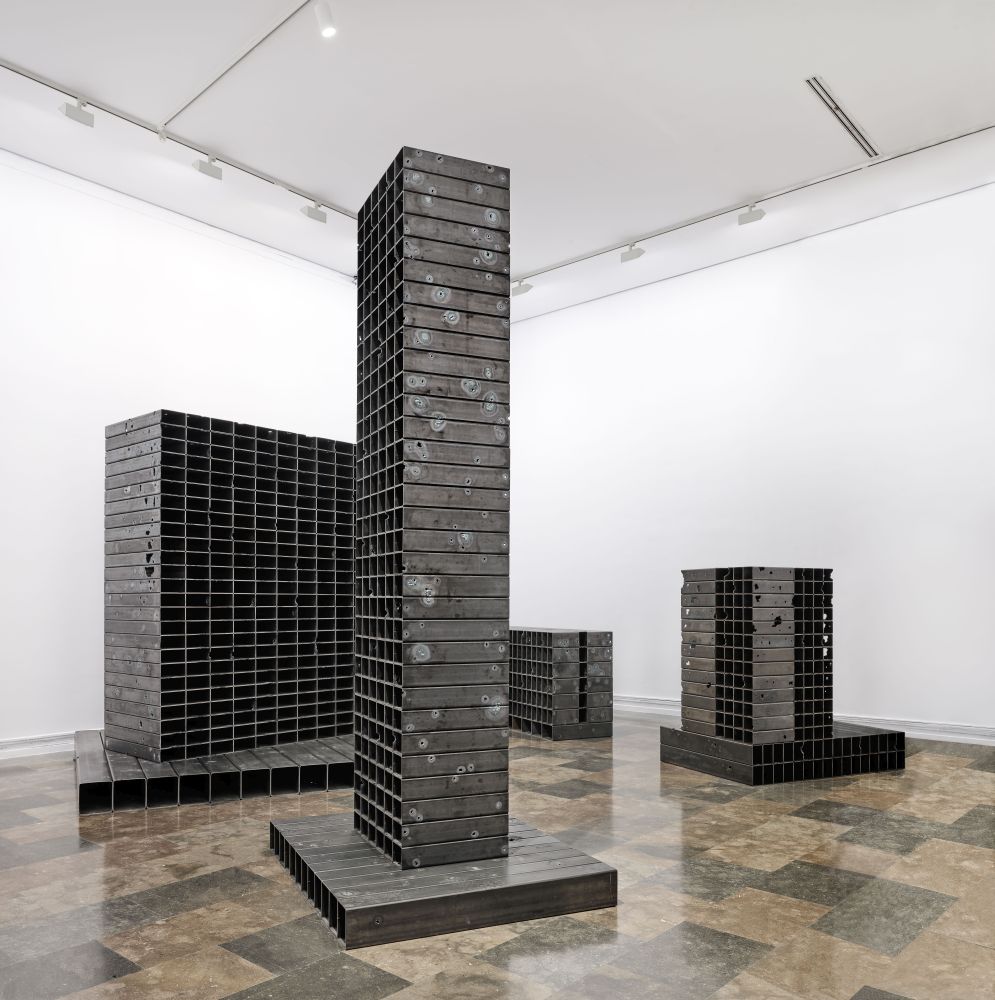
The exhibition devoted to Mona Hatoum, a British artist of Palestinian origin gathers together a selection of sculptures, large-scale installations and works on paper created mostly in the last two decades. It is intended to serve as a tribute to an artistic oeuvre of great diversity and significance and to give the public in Valencia a first-hand, physical experience of the diversity and scope of her output presenting key works that have become iconic pieces of the contemporary art world.
Hatoum is interested in creating formally simple and reductive works that nevertheless impact viewers on an emotional and psychological level. Her work is intentionally created with paradoxical layers of meaning that produce ambiguity and ambivalence to allow several possible and contradictory readings. She often uses attractive and seductive materials to create alluring objects and installations that, on close inspection, reveal a hidden layer of threat or danger lurking underneath the surface.
Mona Hatoum was born into a Palestinian family in Beirut in 1952. While on a short visit to London in 1975 the outbreak of the Lebanese Civil War prevented her from returning home and she has lived in London ever since. She has held solo exhibitions in numerous museums in Europe, the United States, Canada and Australia. She has also participated in many important international exhibitions including the Venice Biennale (1995 and 2005), Documenta, Kassel (2002 and 2017), Biennale of Sydney (2006) and Istanbul Biennial (1995 and 2011). Recent solo exhibitions include a major survey organised by Centre Pompidou, Paris (2015), Tate Modern, London and KIASMA, Helsinki (2016-2017).