10 jun. 2016
IVAM Centre Julio González
share


10 jun. 2016
IVAM Centre Julio González
share
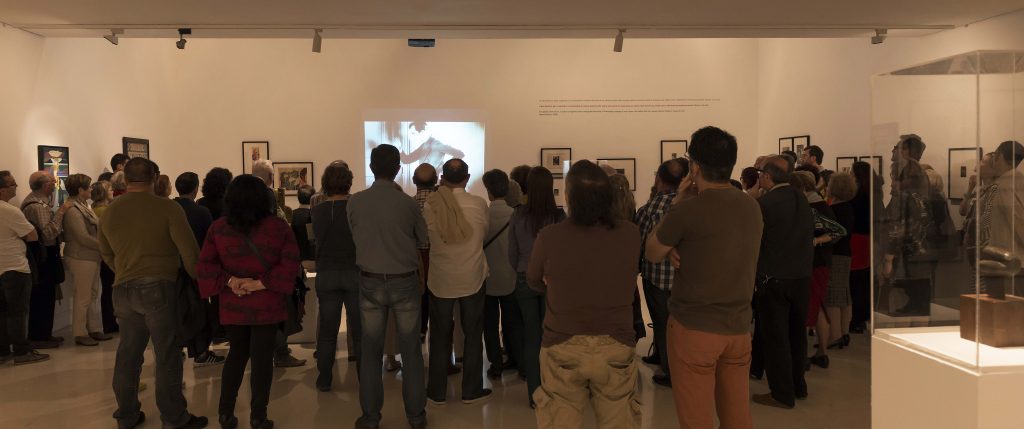
Guided tour by Pilar Martínez for students “Course Understanding Art”to the exhibition “Lost in the City. Urban Life in the IVAM Collection”.
Free for Members of honor, friends of the IVAM and students of the UPV and UV . For other interested / as crediting the entrance to the museum , until all places . Check availability on the phone 96 386 99 98/7
09 jun. 2016
IVAM Centre Julio González
share
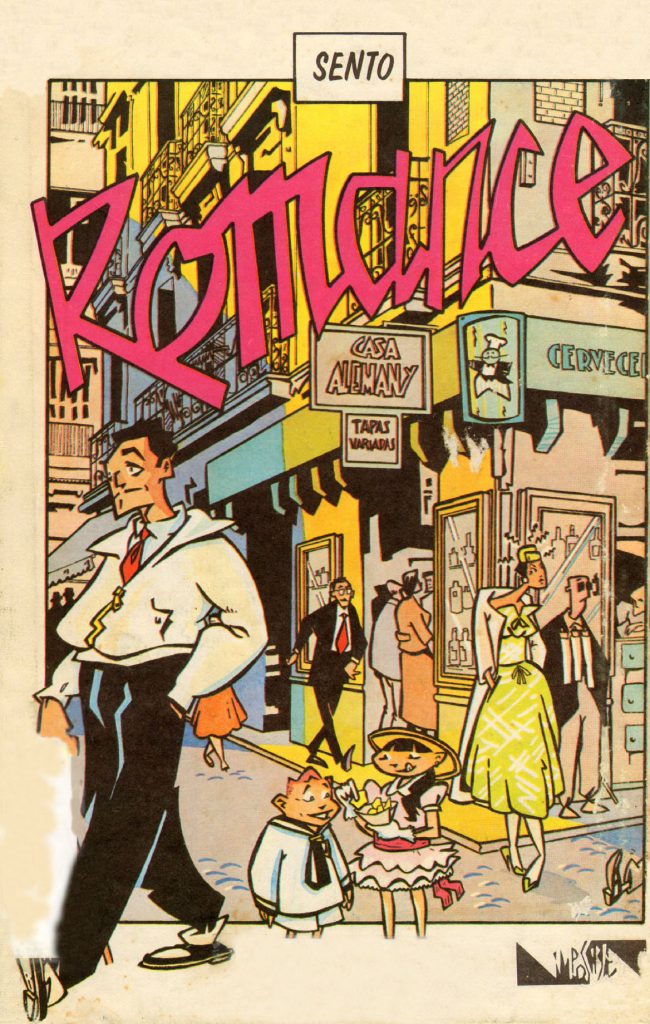
Conversation between Álvaro Pons and the authors Sento Llobell, Miguel Calatayud, Mique Beltrán, Manel Gimeno, Daniel Torres and Javier Mariscal.
In the sixties and seventies, Valencia underwent a spectacular creative moment. The creative avant-gardes rushed in in the form of groups like Equipo Crónica and Equipo Realidad, who had a crucial influence on the young people starting their artistic studies at that time. Young creators who, furthermore, had been reared on the culture of the comic, which enjoyed a boom in Valencia in the forties and fifties. The comics of Editorial Valenciana, Jaimito and Pumby, TBO and the publications of Bruguera like Pulgarcito generated a visual baggage that amalgamated during their student years with the new artistic trends that flooded the city and those that came from abroad: in France and the United States, the comic that had attracted them during their childhood years had turned into a model of counterculture and modernity, a message of freedom and innovation whose first important exponent was Miguel Calatayud. His comic strips in the magazine Trinca unquestionably inspired a generation that was beginning to express itself by means of fanzines inspired by underground culture, but with its own distinctive personality. Javier Mariscal embarked upon a path on which he was soon to be followed by other creators like Sento Llobell, Micharmut, Manel Gimeno, Mique Beltrán or Daniel Torres. Authors that began to experiment in these fanzines and soon moved on to national publications, taking advantage of the boom of comics for adults in the eighties. Magazines like Bésame Mucho, El Víbora, Cairo or Complot became the fundamental axis of expression for this generation of authors, who, with their clear, sharp lines broke down the established canons to find new expressions for the comic book where formal risk was a constant, although they also sought to vindicate the classic genres of comics of adventure. An explosive combination that amazed Europe, immersed in the vindication of the auteur comic.
The exhibition VLC. Valencia a Clear Line reviews this moment when the Valencian comic was at its greatest peak by examining the trajectory of seven of the major authors and showing the complex combination of influences that gave rise to that style and, besides, the in-depth relationship with their native city.
03 jun. 2016
IVAM Centre Julio González
share
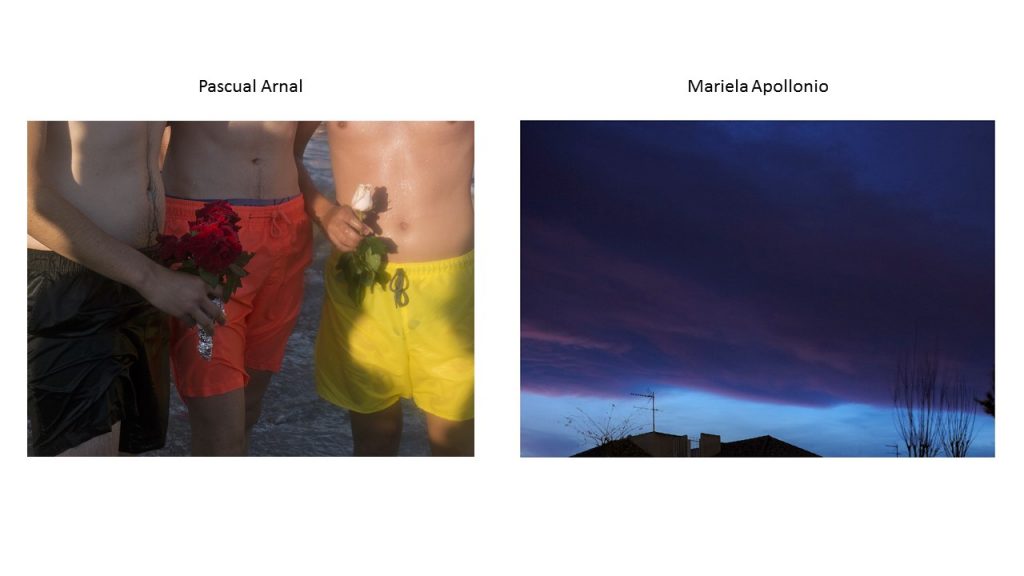
Conversations between artists, whose aim is to connect works and projects that are similar in some way –or which present differences– with the intention of laying key concepts on the table, which will allow people to understand the contemporary artistic practice.
02 jun. 2016
IVAM Centre Julio González
share
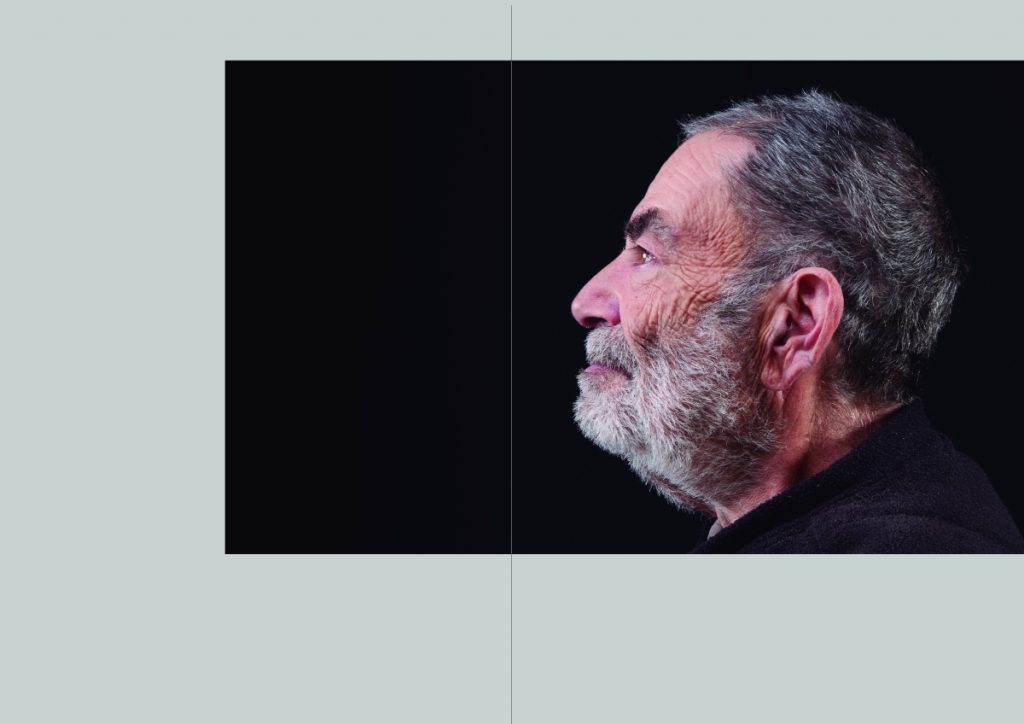
“La inmensa minoría” is a book tribute to journalist and art critic Rafael Prats Rivelles died in February 2015.
Collects more than one hundred articles published in the newspaper Levante-EMV between 1993 and 2015. They correspond to a selection of his weekly column published Monday that appeared in the same newspaper. The work has been coordinated and edited by his widow, the artist Maria José Marco, and J. R. Seguí, former head of Culture Levante-EMV and current digital newspaper columnist Valencia Plaza. It also has introductory texts of professors and art critics Juan Ángel Blasco Carrascosa and Roman de la Calle and the own journalist and writer J.R. Seguí. The work is a walk through the history of art and culture that Prats Rivelles took during his years of professional practice and is a tribute to his memory. Items collected are also a kaleidoscope of those who participated during those same years in the Valencian and Spanish cultural activity and a reflection on their own time. Rafael Prats Rivelles was biographer Max Aub and besides art critic, curated numerous exhibitions, including the artist Amadeo Gabino dedicated organized by the IVAM. The work will be edited by Denes Editorial .

28 may. 2016
IVAM Centre Julio González
share
Proyect PINQ of La Erreria (House of Bent) by artist and performer Graham Bell Tornado
This project carried out in collaboration with La Erreria (House of Bent) involves the celebration of a series of opening ceremonies for an international network of nature reserves- called P.I.N.Q. (Post Industrial Natural Queer) Parks to protect diversity in all its forms- biological and cultural.
In the past nature conservation has often been related to conservative politics where local peoples were displaced to “clear the land” for hunting, fishing or even green holiday pursuits. Under current green washing environmental practise, huge corporations can burn acres of tropical forest to plant palm oil, a supposedly green alternative to other fuels. The PINQ Park project recognises the historical value of Europe’s abandoned lots, warehouses and factories, spaces which are like open wounds in the landscape, displaying the wreckage of our industrial past. A past which is slowly being erased by the processes of colonisation by nature.
These places are of interest to queer ecologists and during the ceremony are designated “safe” spaces, for the species which live there, for women and LGTBQI people. They should be protected, not only for the value of their industrial ruins, but because they harbour ecosystems made up of pioneer species (of plants, insects, birds,etc) which have adapted to live in these sometimes toxic circumstances.
The first P.I.N.Q. park was opened by transgender shaman Geyserbird in Valencia on the winter solstice 2013 with a participative ceremony open to the public which reclaimed an abandoned industrial site which lies between a recently created park with luxury apartments and the new Safari Park, all built on land which once would have been agricultural.
The second P.I.N.Q. Park ( Barcelona) was opened in a disused lot near the artspace Hangar on 22nd February 2014 as part of a collaboration with Davis Museum -“the smallest contemporary art museum in the world“. In this ceremony we burned a copy of the Spanish law protecting biodiversity, a law which is in extreme contrast to the aggressive urban expansion currently swallowing up what is left of the spanish countryside.
19 may. 2016
IVAM Centre Julio González
share
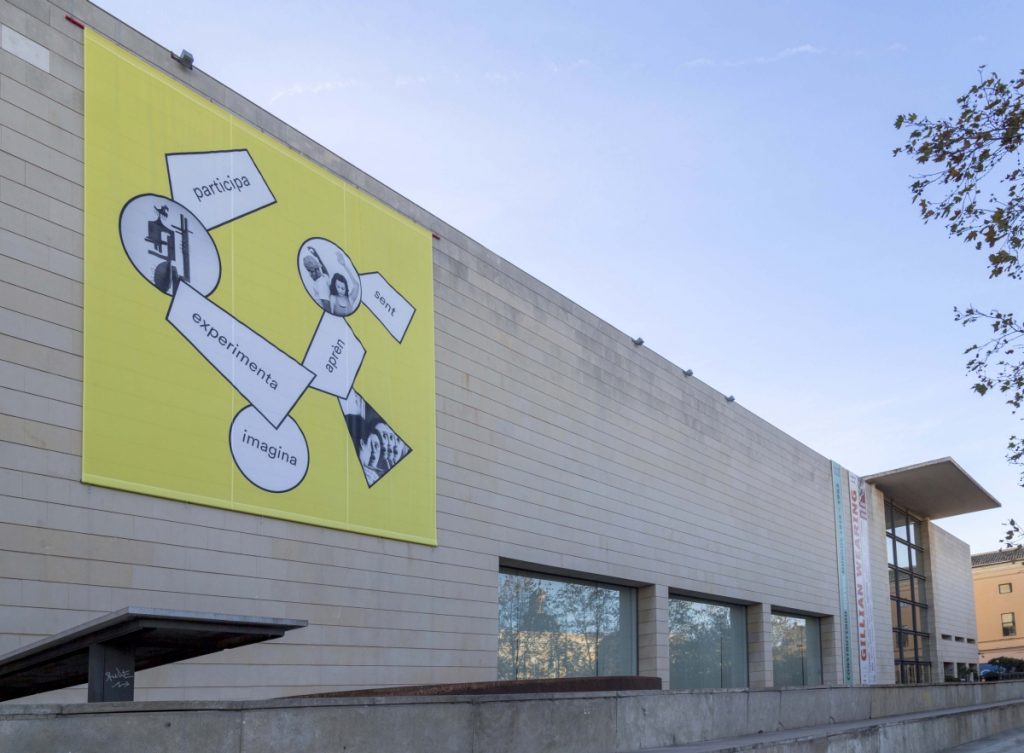
Free for Members of honor, friends of the IVAM and students of the UPV and UV . For other interested / as crediting the entrance to the museum , until all places . Check availability on the phone 96 386 99 98/7
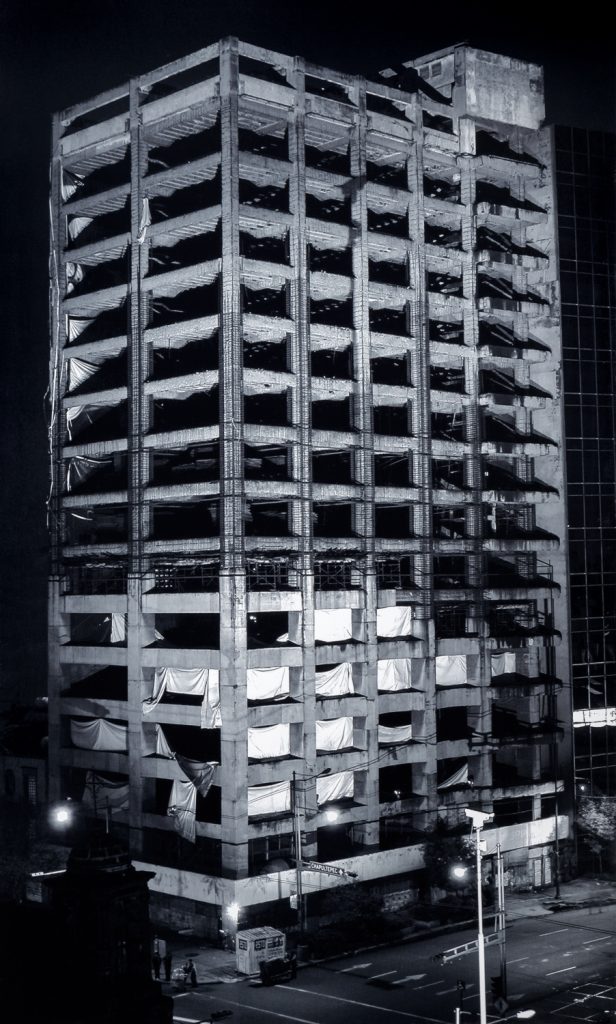
Thursday 19 May 7:00 p.m. Teacher: J. Ramon Escrivà, For a museum in the 21st century
21 may. 2016
IVAM Centre Julio González
share
Guided tour of the exhibition with Mª Jesús Folch, IVAM curator
Free activity for Honorary Members and Friends of the IVAM. Also for the general public with a ticket to the Museum. Application must be made 15 minutes before the start of the tour at the counter in the IVAM entrance hall. Places limited (allocated by order of application).

19 and 26 may. 2016
IVAM Centre Julio González
share
The IVAM hosts two public course “What is Happening (to Us). Political imaginary in today’s narrative “organized by the Association COS .
Thursday 19 May, 6:30 p.m. “What is Happening (to Us). Political imaginary in today’s narrative”. An encounter with Miguel Ángel Martínez
Thursday 26 May, 6:30 p.m. “What is Happening (to Us). Political imaginary in today’s narrative”. An encounter and conversation with the writer Elvira Navarro
18 may. 2016
IVAM Centre Julio González
share
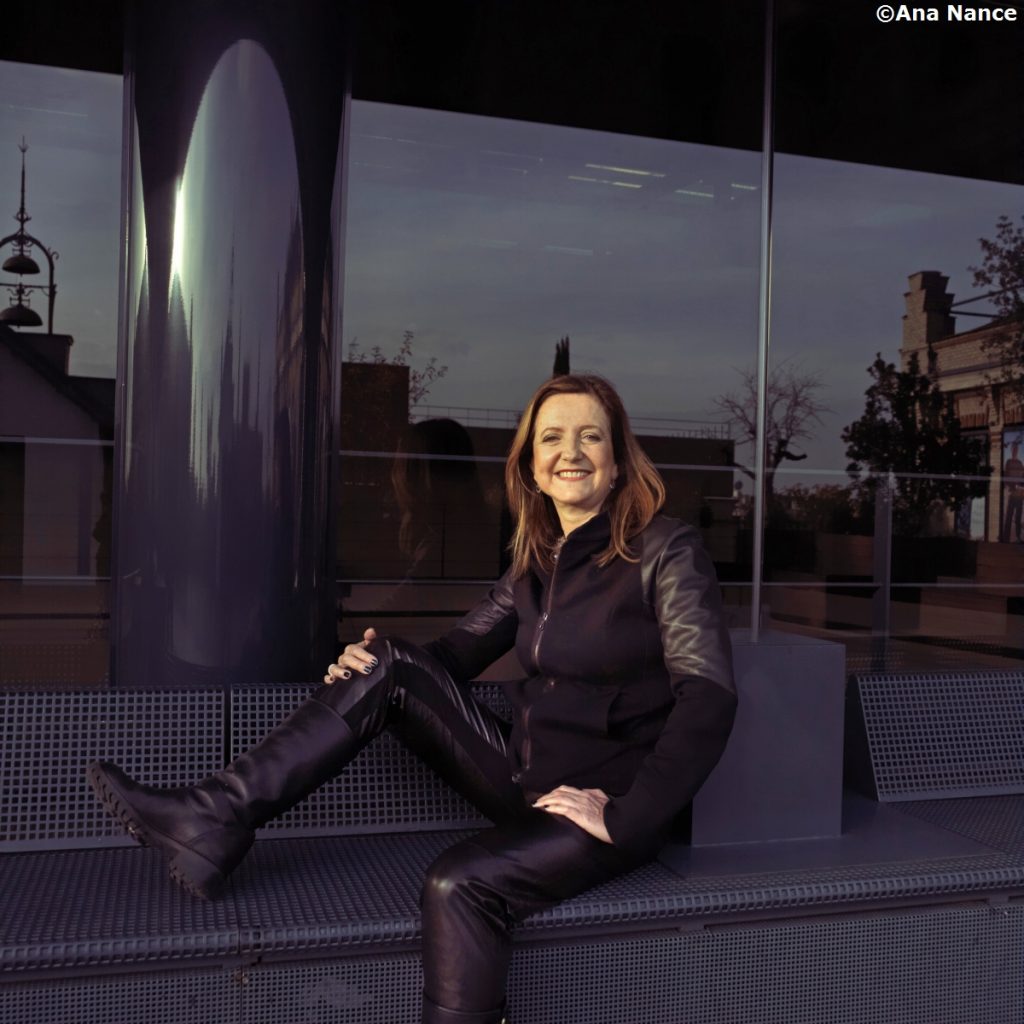
Within the Chair of Artistic Studies. 20th/21 st Centuries on the occasion of the opening of the exhibition the IVAM “Lost in the city. Urban life in the Collections of the IVAM ” the architect Beatriz Colomina give the lecture “Privacy & publicity in the era of the social networks”.
Beatriz Colomina, architect, Professor of History and Theory of Architecture and Director of the Postgraduate Study syllabus of the School of Architecture of Princeton University.
CHAIR OF ARTISTIC STUDIES. 20th/21st CENTURIES
IVAM-UV-UPV (Institut Valencià d’Art Modern-Universitat de València-Universitat Politècnica de València)
Directors: Juan Vicente Aliaga / Vicente Sánchez-Biosca
The life in images of contemporary culture outruns the (material and immaterial) traditional spaces in which they were entrapped in the past, even the recent past. Their genres and registers, their ambits of circulation, their ceaseless migrations give the impression of offering a previously unknown experience of the real at the same time as, in an apparent paradox, they display a not in the least feigned technological pride.
Nevertheless, however much studies of the History of Art, Fine Arts, Journalism and Audiovisual Communication have attempted to adapt to the demands of this state of affairs, the lability of the borders between creation and reflection, technology and art, the media and the collective imaginary, among others, requires more ductile ambits of reflection and debate than those to be found in university studies and traditional research. On the other hand, unlike classical philology, palaeography, the exegesis of written texts and the image still presents an imbalance between its (emotional, conceptual, political, memory-based) impact and the instruments provided to analyse it.
The aim of Cátedra Estudios Artísticos, arising from the collaboration between the University of Valencia, the Polytechnic University of Valencia and the IVAM, will consist in encouraging this reflection about the life of images both in the world of art and in social life, including imaginary. It will do so broadmindedly, avoiding academic, artistic or technological restrictions, but, nevertheless, thriving on and taking advantage of all the academic, museum-based and institutional aids at its disposal. For that reason, the fact that it is held at the IVAM is propitious because it can enrich its activities with the reflection about exhibitions, installations or lectures, and also the series of projections.
12 may. 2016
IVAM Centre Julio González
share
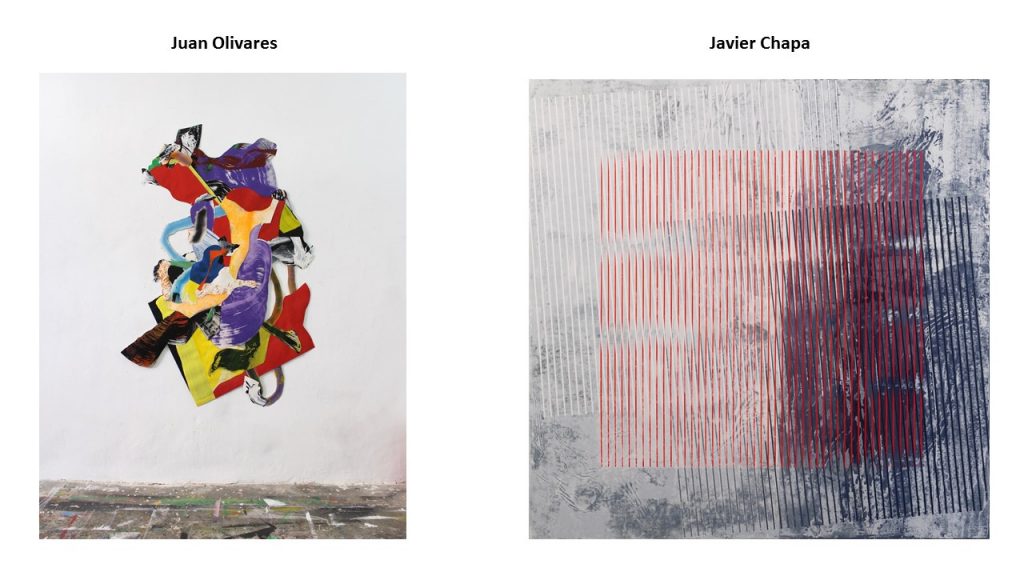
Conversations between artists, whose aim is to connect works and projects that are similar in some way –or which present differences– with the intention of laying key concepts on the table, which will allow people to understand the contemporary artistic practice.
10 may. 2016 – 13 may. 2016
IVAM Centre Julio González
share
IVAM, UPV Facultad de Bellas Artes. From Tuesday 10 to Friday 13 May
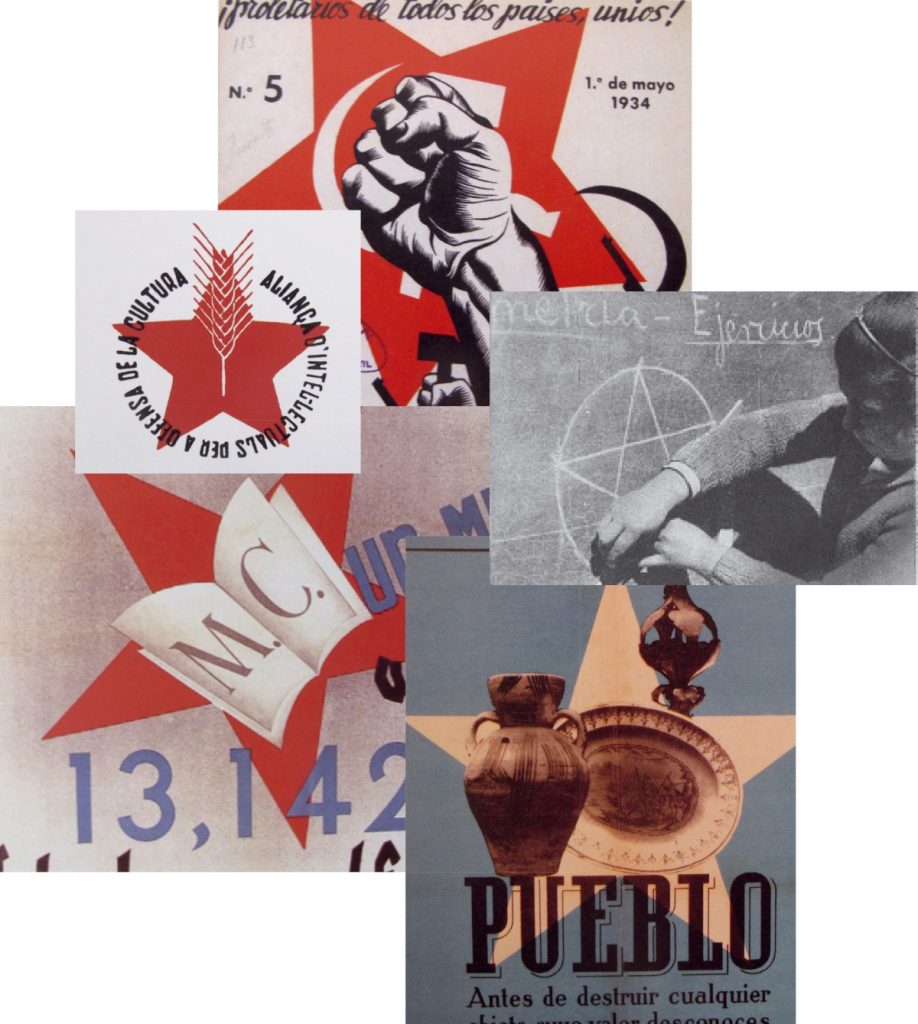
During the Civil War, countless emancipating episodes took place on the Republican side that invited people to think of a better world. Spaces for freedom and hope that, after the triumph of Francoism, were repressed and abolished. These spaces closed in an untimely way have turned into traumatic lesions that keep coming back over and over again like ghosts. The workshop Dibujar una estrella de cinco puntas examines these phantoms, which, as Derrida said, come to us from other times to upset and disrupt ours, and analyse the problems of representing them. How can we formalise their signifiers? How can we give shape to their echoes?
The referent of the workshop will be the Instituto Obrero and will analyse in situ the space it occupied, and it will also make a reflection about the meaning of the labour movement in the 21st century, the validity of internationalism, the unity of the proletariat or the meaning of symbols like the red five-point star.
06, 07, 13 and 14 may. 2016
IVAM Centre Julio González
share
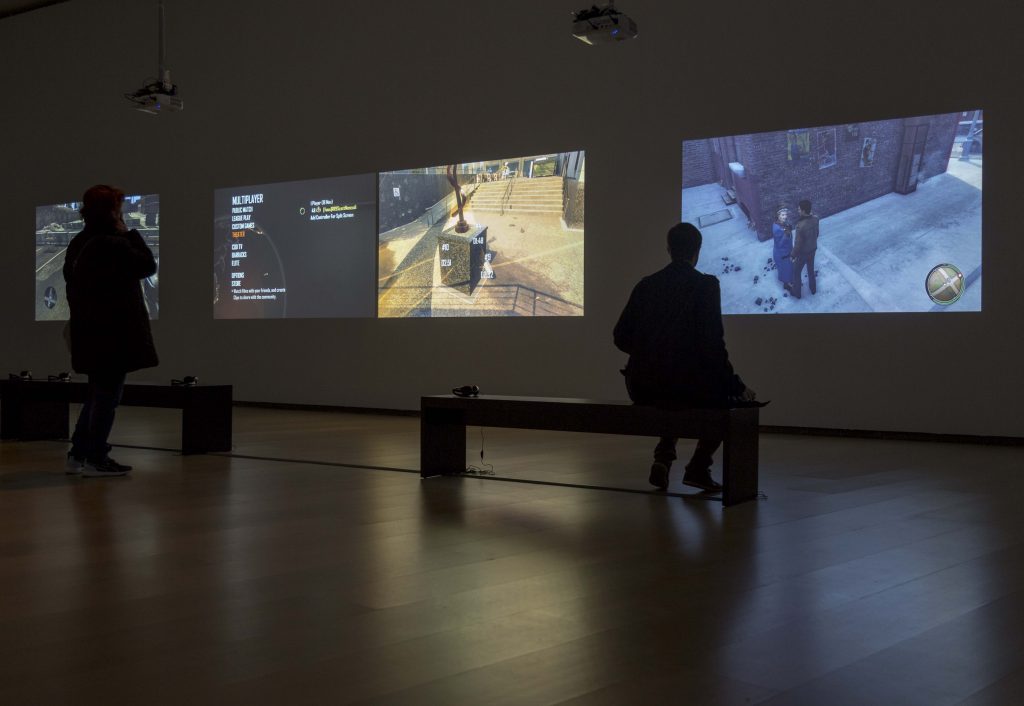
Harun Farocki Film Season
6 and 7 May Harun Farocki. Encounter with other cultural producers
13 and 14 May Harun Farocki. Critical Image
Free activity up to the maximum capacity