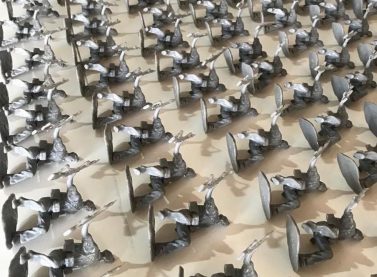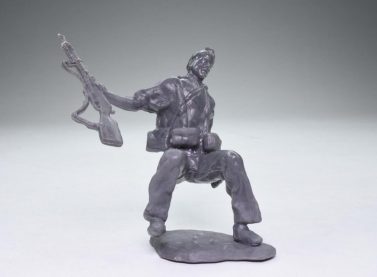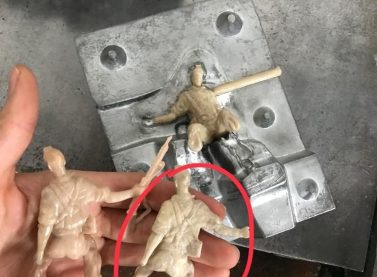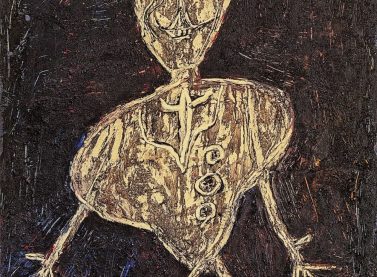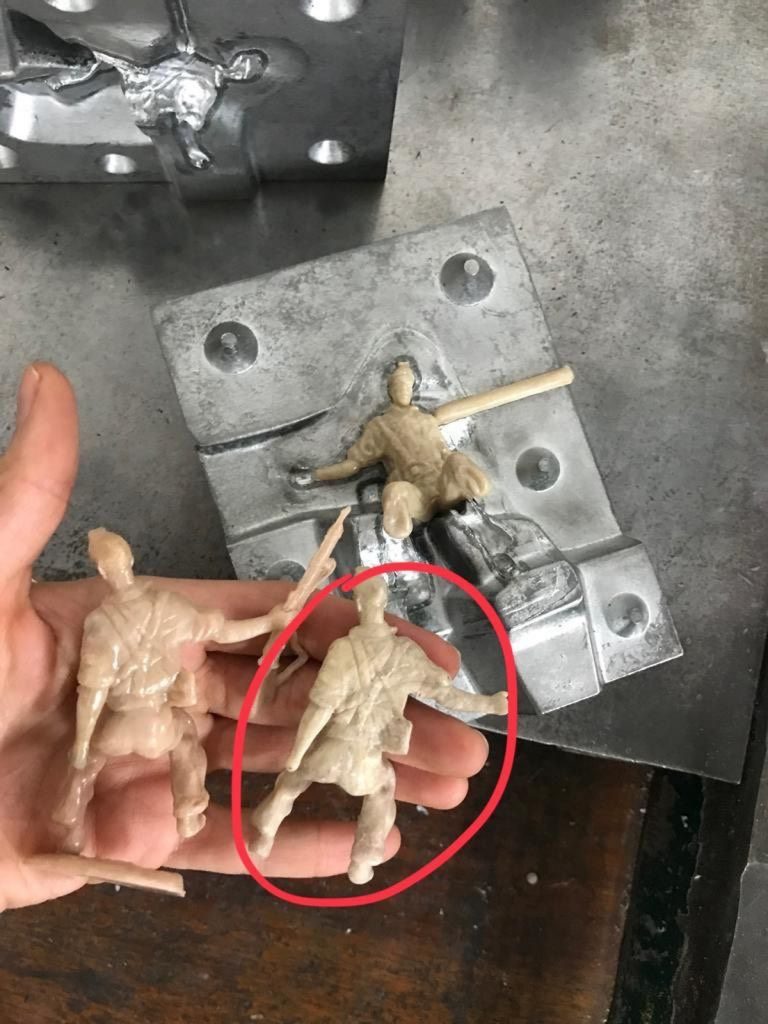
Fenando Sánchez Castillo / Proceso de producción de la instalación Instrucción, 2019
15 nov. 2019
IVAM Centre Julio González
share


15 nov. 2019
IVAM Centre Julio González
share
Guided tour of the exhibition Fake Games: The Collectivized Monument by Miguel Caballero, curator of the exhibition.
Free activity. Priority for Honorary Members and Friends of the IVAM. It is necessary to register 15 minutes before the beginning of the tour at the counter in the entrance hall. Places limited (allocated in order of registration).
14 nov. 2019 – 01 mar. 2020
IVAM Centre Julio González
floor 2, G6
share
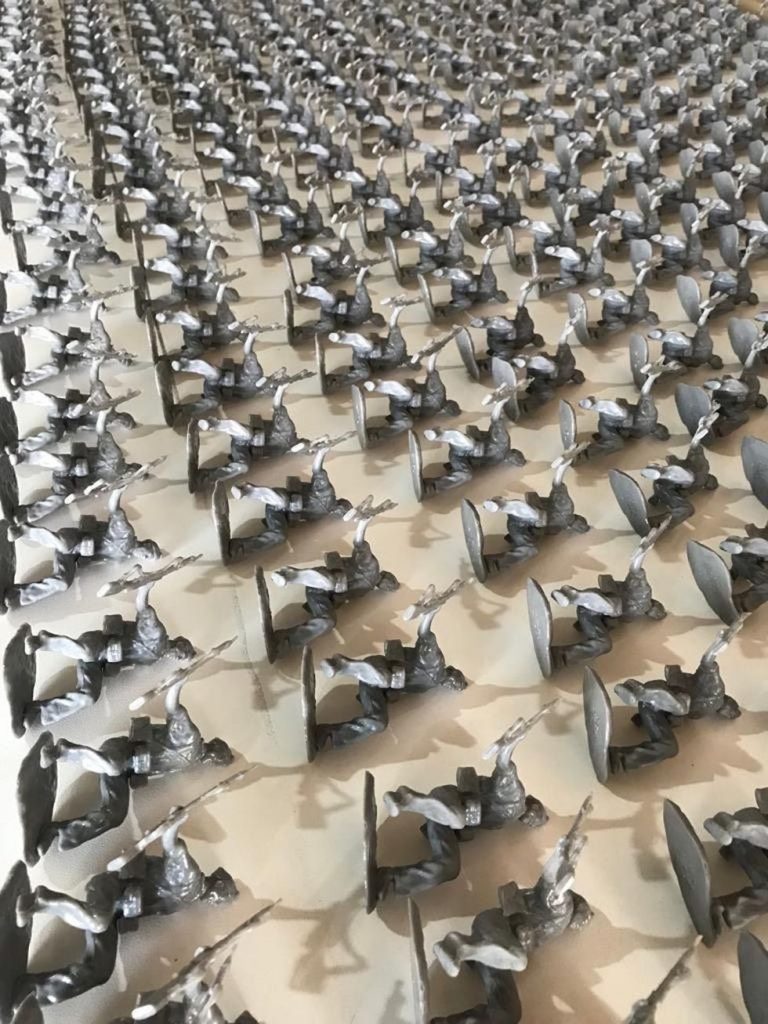
The purpose of the project developed by the artist Fernando Sánchez Castillo (Madrid, 1970) and curated by Miguel Caballero is to create a collective memorial in the museum’s Gallery 6, based on one of the most iconic photographs of the Civil War, Death of a Loyalist Militiaman, attributed to Robert Capa and Gerda Taro. In his artistic proposal, Sánchez Castillo connects this famous photo with the history of the Valencian toy industry.
During the years of the Civil War the trade unions in Ibi (Alicante) collectivised one of the most important toy factories. Normal production was halted and only one tin militiaman was made by the factory in those years, a model of the new man. After the war was lost, the militiaman became a compromising object and many toy workers had to go into exile.
The leitmotiv of the exhibition is the creation of a collective memorial based on the exchange of a small figure from the Spanish Civil War, inspired by Robert Capa’s and Gerda Taro’s iconic photograph, in return for a thought or a wish that visitors express on the walls of the museum. A brigade of 4000 units will be arranged for this purpose. In this way the museum will devote part of its space to individual narratives in a perpetual game of conflicts.

17 oct. 2019 – 09 feb. 2020
IVAM Centre Julio González
share
Suma y sigue del arte contemporáneo was a fundamental magazine dealing with art criticism and theory during the 1960s. Published by José Huguet and with Vicente Aguilera Cerni as editor between 1962 and 1967, it became a path by which international trends and aesthetic debates were introduced into Spain. Its pages began to insist on the exhaustion of Informalism, and proposals connected with Op Art and Kinetic Art and the new forms of realism were developed. Important art critics such as Giulio Carlo Argan, José María Moreno Galván and Pierre Restany were published in Suma y sigue del arte contemporáneo. The magazine also collaborated very closely with various artists who designed its covers: Equipo Crónica, Monjalés, Manuel Millares, Antonio Saura, Antoni Tàpies and Joan- Josep Tharrats, among others.
30 oct. 2019 – 26 jan. 2020
IVAM Centre Julio González
floor 2, G7
share
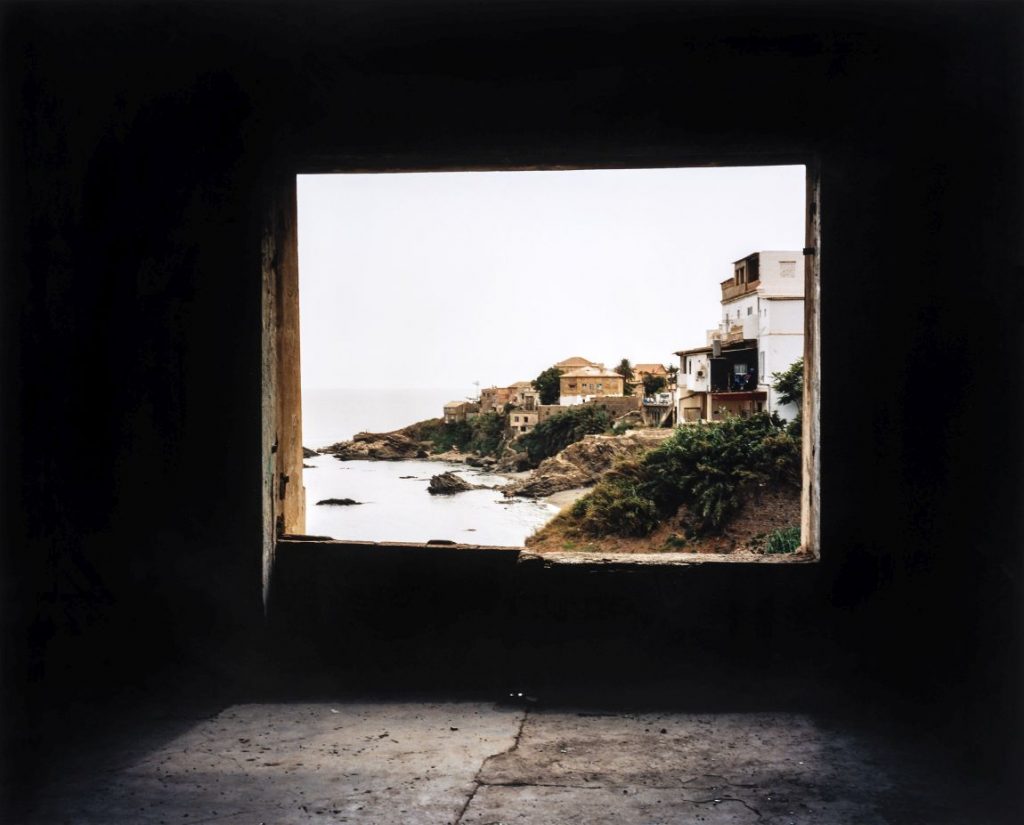
Zineb Sedira (Paris, 1963) explores the landscape of Algeria in a very warm, personal way, linking personal experiences with historical or political aspects while at the same time concentrating especially on questions concerning the desire of many of the country’s citizens to move away, to leave.
That is why her photographs, videos and installations are characterised by using the perspective of her own experience to preserve and transmit the memory of the past as a legacy for future generations.
A rather melancholy idea, interweaving the urgency of having to depart with the desire to remain, which often gives rise to a profound feeling of rootlessness, wherever one may be.
In this exhibition, therefore, Zineb Sedira will explore the notions of family, tradition, oral history, migration and the intergenerational transmission of knowledge in order to address the issue of cultural displacement and the personal and social consequences of migration.
08 oct. 2019 – 16 feb. 2020
IVAM Centre Julio González
floor B, G1
share
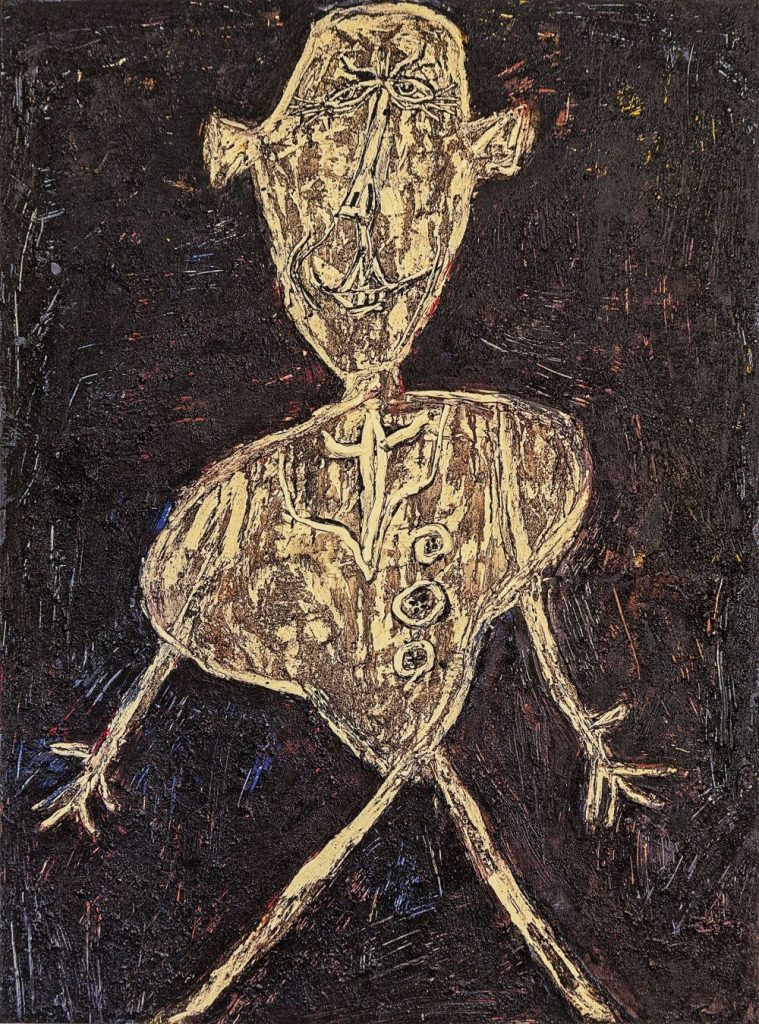
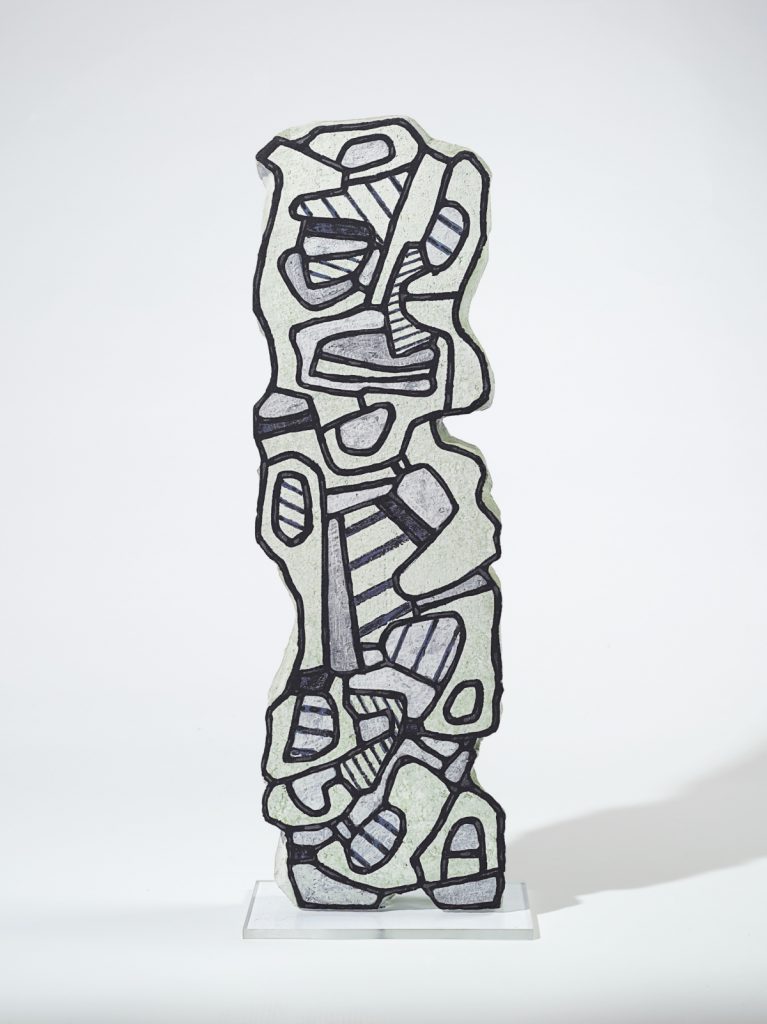
The show, curated by Baptiste Brun, comprises a meticulous selection of about two hundred works, including paintings, drawings, sculptures and engravings, together with many documents and objects, with which we are able to offer the public an approach to the work of Jean Dubuffet (Le Havre, 1901–Paris, 1985) from a new perspective based on history, culture and anthropology. The project is developed in ten different sections that revolve around three fundamental themes: “Celebration of the Common Man”, “Ethnography in Actuality” and “Criticism of Culture”. The exhibition has been conceived and created by the MuCEM in coproduction with the IVAM and MEG. This project is supported by the Fondation Dubuffet in Paris and the Collection de l’Art Brut in Lausanne, and also by many European institutions and private collections.
17 sep. 2019 – 28 jan. 2020
IVAM Centre Julio González
share
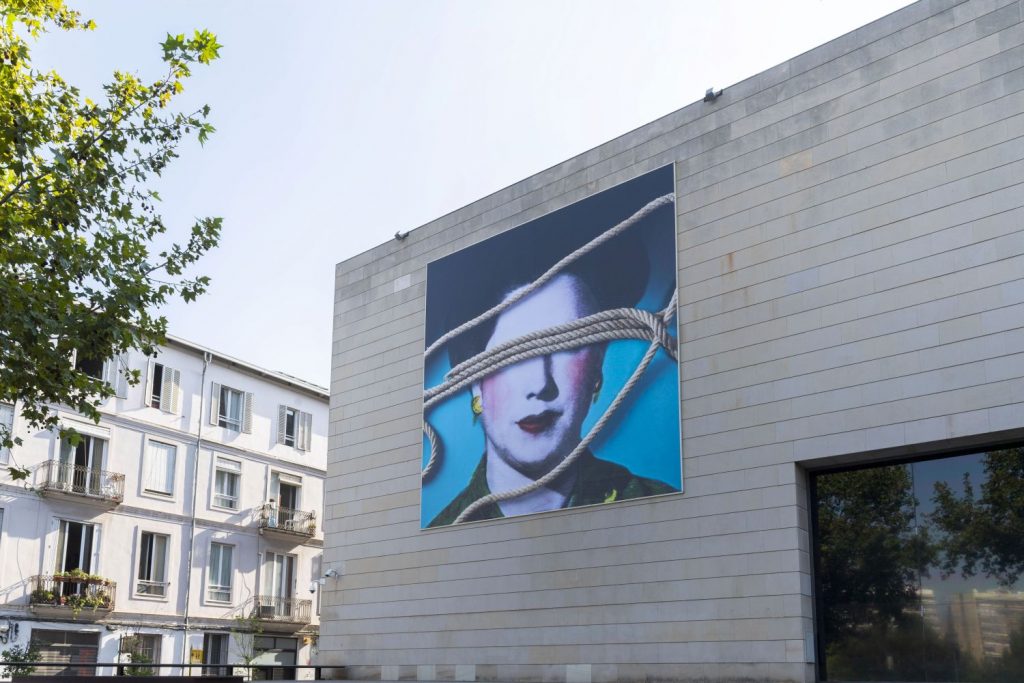
A new intervention on the IVAM façade, in this case by the artist Carmen Calvo (Valencia, 1950). The work, bearing the title The heavens are sewn, is a portrait of an anonymous, timeless woman through whom the artist wishes to focus on gender equality and equality in the workplace. A topical theme that concerns the artist as a woman and as a member of society.
The image, which seeks to represent all women who have been annulled or manipulated or who have been victims of injustice, is a photograph transformed into a collage measuring 9 x 9 metres, which is exhibited on the façade of the museum from September to December 2019.

25 sep. 2019 – 19 jan. 2020
IVAM Centre Julio González
floor B, G3
share
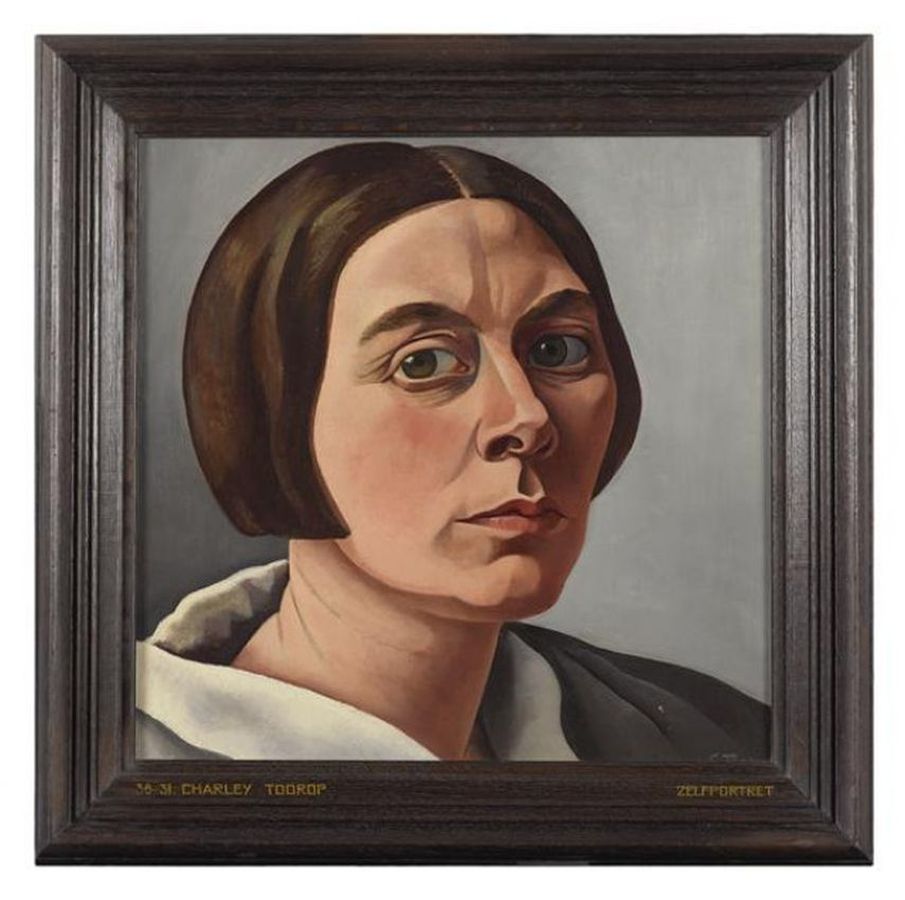
Exceptionally, for the first time in Spain, an exhibition of a major group of works from this crucial creative period in Dutch art is being made available by the Kunstmuseum Den Haag, which received contributions from the IVAM Collection for the show that it devoted to Julio González in 2017. This new case study enables us to contextualise part of that museum’s collection, concentrating on the expressive and representational qualities of figurative art in the period between the wars, and featuring emblematic artists such as George Grosz, Max Beckmann and Otto Dix, together with the more existential works of the Dutch artists.
Figuration in all its varied forms was a constant feature in the theoretical discourses of 20th-century art, alongside the other dominant concepts, which concentrated on abstraction and surrealism. This alternative, focusing on a study of the human condition, was a return to representation which served as a refuge for a world teetering between barbarity and savagery during the period between the wars. Figuration flourished extensively in European countries such as Italy, Germany and the Netherlands.
In the area of the realist techniques that define the figurative approach an outstanding place is occupied by the acute and penetrating gazes of artists such as Charley Toorop (1891–1955) and Pyke Koch (1901–1991), who contributed their enveloping atmospheres to Dutch Magic Realism and expanded the enormously complex and diverse typology of the concept of the portrait.
08 oct. 2019
IVAM Centre Julio González
share
Lecture by Baptiste Brun on the ocassion of the exhibition “Jean Dubuffet A barbarian in Europe”.
The show, curated by Baptiste Brun and Isabelle Marquette, comprises a meticulous selection of about two hundred works, including paintings, drawings, sculptures and engravings, together with many documents and objects, with which we are able to offer the public an approach to the work of Jean Dubuffet (Le Havre, 1901–Paris, 1985) from a new perspective based on history, culture and anthropology.
The project is developed in ten different sections that revolve around three fundamental themes: “Celebration of the Common Man”, “Ethnography in Actuality” and “Criticism of Culture”. The exhibition has been conceived and created by the MuCEM in co-production with the IVAM. This project is supported by the Fondation Dubuffet in Paris and the Collection de l’Art Brut in Lausanne, and also by many European institutions and private collections.
20 sep. 2019 – 21 sep. 2019
IVAM Centre Julio González
share
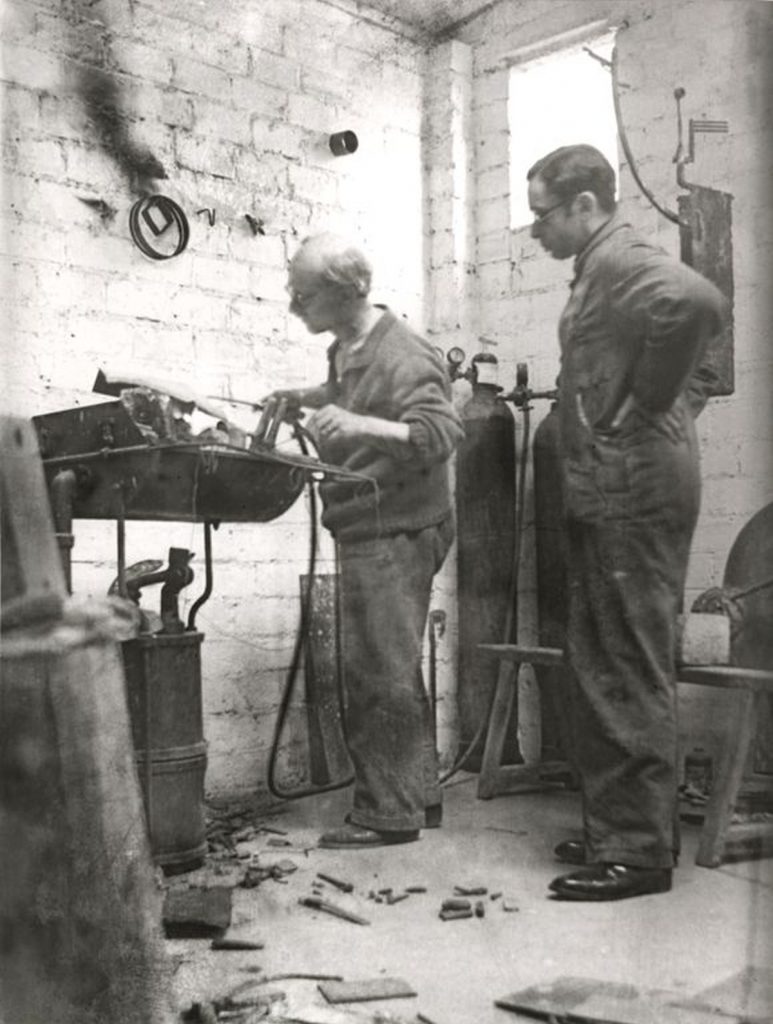
The aim of these sessions is to offer a plural view, based on various analytical and creative approaches, of the artist’s constructive contributions to the debate about the aesthetic ideas and artistic investigations that have shaped our contemporary sensibility.
The sessions are taking place in parallel with the exhibition Matter, space and time. Julio González and the avant-gardes, which shows various key moments in his career, such as the period when he was training in the milieu of Catalan Modernisme, his relationship with his brother Joan, his friendship with Joaquín Torres-García, his participation in the Republic’s pavilion in the International Exposition in Paris in 1937 and the innovative nature of his sculptures, generating a new discourse that relates different aspects through works by him and other artists of the historical avantgardes and through the documentation about them that the IVAM possesses.
Programme
Friday, 20 September
4.30 pm. Tomàs Llorens. Art historian and critic, first IVAM’s Director.
6.00 pm. Brigitte Leal. Assistant director in charge of the collection of the Musée national d’art moderne – Centre Georges Pompidou (Paris)
7.00 pm. María Dolores Jiménez-Blanco. Tenured lecturer and director of the Art History Department at the Universidad Complutense in Madrid
Saturday, 21 September
10.15 am. María Rosón. Art historian and researcher
11.45 am. Idoia Murga. Tenured scientist in the Art History and Heritage Department at the CSIC’s Instituto de Historia
1.00 pm. David Bestué. Artist
Enrolment
Free by e-mail to actividades@ivam.es
Certificates
At the end of the sessions a certificate will be given to those who attend 80% of the sessions
19, 20, 21, 24, 26 and 27 sep. 2019
IVAM Centre Julio González
share
Cine por Venir has pursued a policy of proposing the world of cinema as a place of encounter and exchange that makes possible and potentialises other ways of acting and relating. Within this perspective, it has sought with ever greater intensity to shift the focus from the finished work, the film itself, to the processes of creation, production, exhibition and contextualisation of everything that is connected with films. We are presenting this edition as a laboratory for experimenting with methods and approaches to films, or to images, worlds, sounds, bodies, times, realities, etc.
19 September, 6.00 pm. Auditorium
Word
Ingrid Guardiola. Talk based on her book El ojo y la navaja
20 and 21 September, 6.00 pm. IVAMLab
Word/Action workshops
Txalo Toloza and Laida Azcona, scenic investigators
Free registration required: actividades@ivam.es
24 September, 6.00 pm. IVAMLab
Word
Talk given by Paco Inclán, writer and publisher
Free registration required: actividades@ivam.es
26 September, 6.00 pm. IVAMLab
Image
Talk given by Carolina Astudillo about Ainhoa: yo no soy esa and other works by her and others
27 September, 6.00 pm. IVAMLab
Word/Image/Action
Session organised by the Cine por venir team, Sonia Martínez, Miguel Ángel Baixauli, Alí Atrees and Álvaro de los Ángeles
17 sep. 2019
IVAM Centre Julio González
share
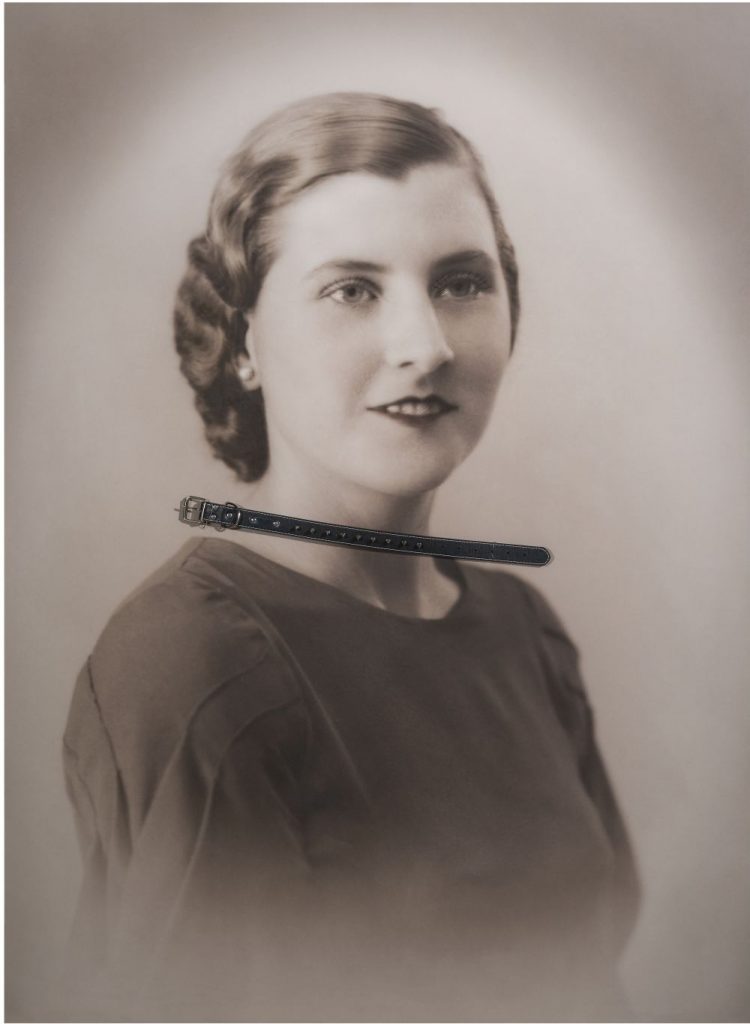
A new intervention on the IVAM façade, in this case by the artist Carmen Calvo (Valencia, 1950). The work, bearing the title The heavens are sewn, is a portrait of an anonymous, timeless woman through whom the artist wishes to focus on gender equality and equality in the workplace. A topical theme that concerns the artist as a woman and as a member of society. The image, which seeks to represent all women who have been annulled or manipulated or who have been victims of injustice, is a photograph transformed into a collage measuring 9 x 9 metres, which will be exhibited on the façade of the museum from September to December 2019.
The image, which seeks to represent all women who have been annulled or manipulated or who have been victims of injustice, is a photograph transformed into a collage measuring 9 x 9 metres, which will be exhibited on the façade of the museum from September to December 2019.
29 oct. 2019; 05, 12, 19 and 26 nov. 2019; 03, 10 and 17 dec. 2019
IVAM Centre Julio González
share
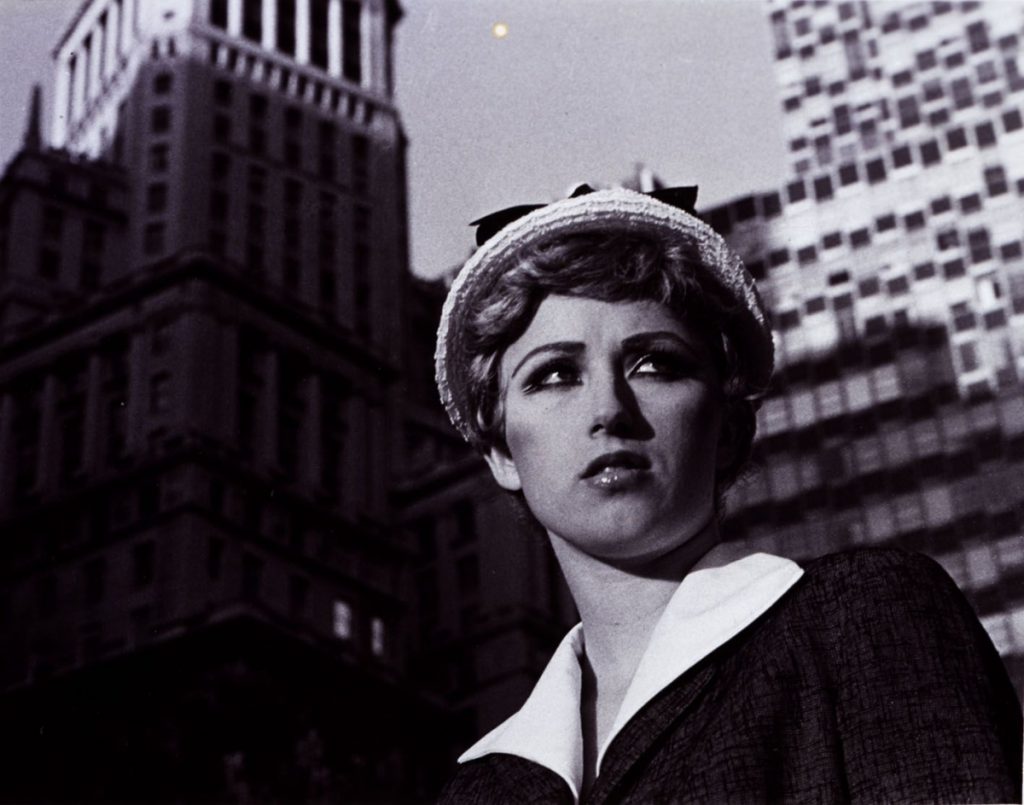
Fourth course: “Let’s talk about art” New ways of seeing, new imaginaries. Women artists in the IVAM Collection
The primary aim of the “Let’s talk about art” course is to provide an area for dissemination, rapprochement and debate about matters concerning contemporary art and culture. The course is organised as a series of talks and visits, with the particular feature of being given by the museum’s curators, thus revealing some of the research that is being conducted in this institution. The previous three courses concentrated on various conceptual aspects and trends in art from the beginning of the 20th century to the present day. This year the aim is to make women artists the central focus of these reflections.
The course consists of a total of eight session, taking the IVAM Collection as the starting point for generating these dialogues. It will provide a wide-ranging, heterogeneous view, highlighting artistic practices developed by women working with various supports and techniques and with various interests and perspectives.
Programme:
Tuesday, 29 October. Sergio Rubira, Why have there not been great women artists?
Tuesday, 5 November. Ramon Escrivà, Women photographers (between) two wars
Tuesday, 12 November. María Jesús Folch, Woman under scrutiny. Tour of the exhibition Times of upheaval. Stories and microstories in the IVAM Collection
Tuesday, 19 November. Josep Salvador, Pioneers of transgression: women in the art avant-gardes
Tuesday, 26 November. Teresa Millet, Carmen Calvo
Tuesday, 3 December. Irene Bonilla, Meeting in the library. Publications by women
Tuesday, 10 December. Marta Arroyo, Identity and trauma. Gillian Wearing’s way of seeing
Tuesday, 17 December. Sandra Moros, Appropriationists
Enrolment free by e-mail to actividades@ivam.es
Places limited, subject to capacity
A certificate of participation will be given to those who attend a minimum of 6 sessions