Agras Volcano: Mining Rights
11 jul. 2019 – 27 oct. 2019
IVAM Centre Julio González
floor 2, G6
share


11 jul. 2019 – 27 oct. 2019
IVAM Centre Julio González
floor 2, G6
share
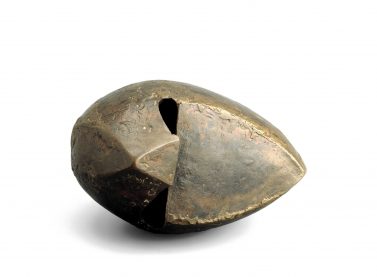
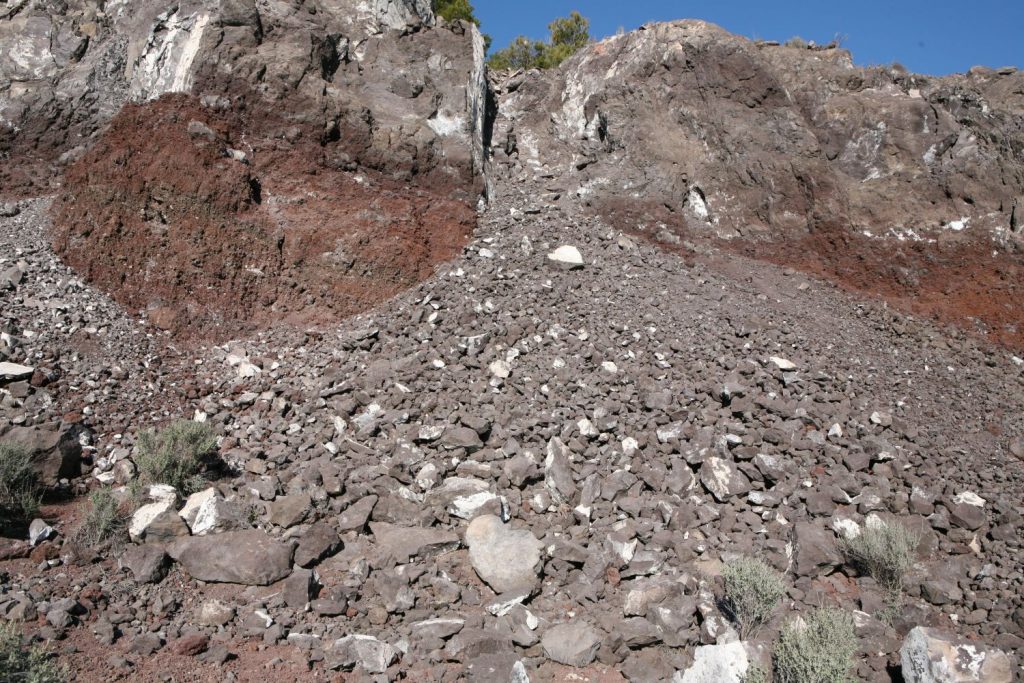
The specific project that the artist Lara Almarcegui (Zaragoza, 1972. Lives and works in the Netherlands) has developed for the space of Gallery 6 of the IVAM focuses its attention on mining rights. For this, it has taken as a research space a space of the Valencian context, specifically the Agras volcano in Cofrentes, which was exploited as a quarry by the cement industry from the mid-seventies to the eighties.
Almarcegui proposes a reflection on the ownership of exploration rights, research and exploitation of minerals found in the subsoil. These rights are public property and are managed by administrations, which assign them to third parties.
23 jun. 2019
IVAM Centre Julio González
share
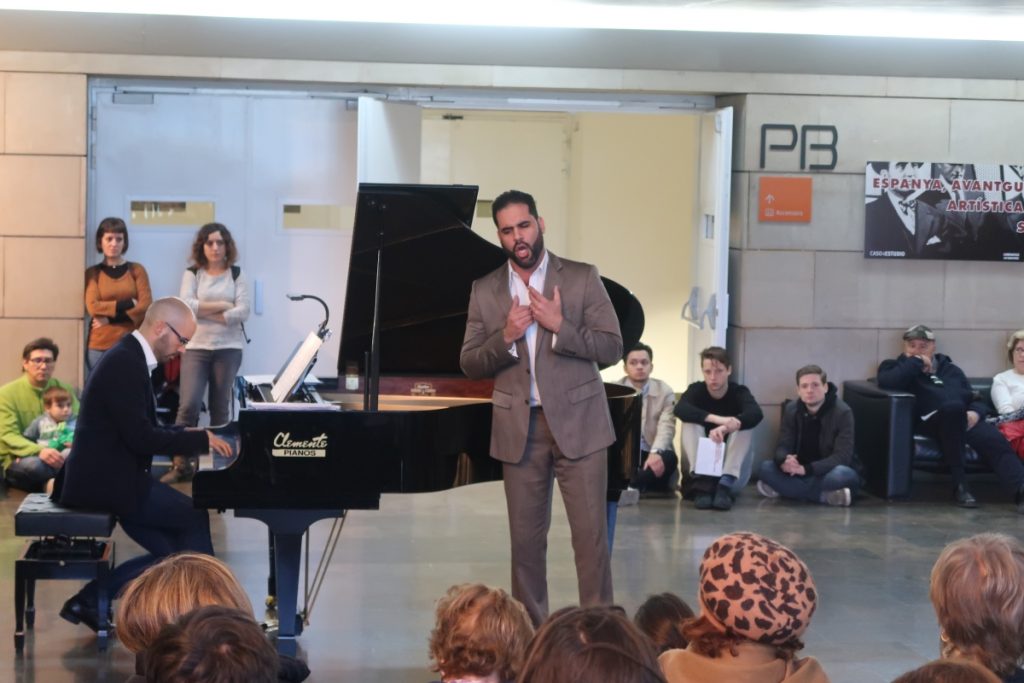
In 2018–2019 the IVAM and the Advanced Study Centre (Palau de les Arts Reina Sofía) are continuing the series of musical performances that began in 2015, offering one performance a month from October 2018 to June 2019.
The main aims of this collaboration between the IVAM and Les Arts are to stimulate mutual involvement in the programmes of the two institutions and to show the inexorable link between different arts. A further objective is to place the cultural image of the Valencian Community in a position of prestige and to underline the importance of culture in the development of contemporary societies.
21 jun. 2019
IVAM Centre Julio González
share
Free activity. Priority for Honorary Members and Friends of the IVAM. It is necessary to register 15 minutes before the beginning of the tour at the counter in the entrance hall. Places limited (allocated in order of registration).
27 jun. 2019 – 06 oct. 2019
IVAM Centre Julio González
share
In the 1970s and early 1980s there was an area of personal, political and cinematographic creation and experimentation that centred its discourse on dissident sexualities. The curator Alberto Berzosa calls this scene cinematographic sex politics. It is a small, heterogeneous context that is developing in various parts of the country and is defined by the convergence of three levels of marginality (social, political and cinematographic) shared by film directors such as Pedro Almodóvar, Esteve Rovira, Pierrot, Carles Comas, Rafael Gasent, Lluís Fernández, Antonio Maenza, the Els 5 QK’s collective and Barcelona Súper 8, and artists and activists such as Pérez Ocaña and Rampova.
The show provides a survey of the processes of creation and political resistance that have emerged in cinematographic sex politics through a selection of items of material culture produced in this marginal area.

20 jun. 2019 – 08 sep. 2019
IVAM Centre Julio González
floor B, G3
share
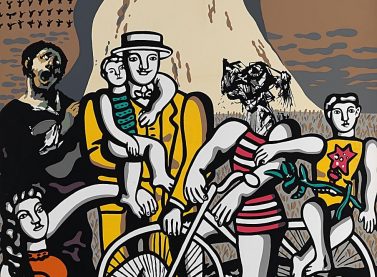
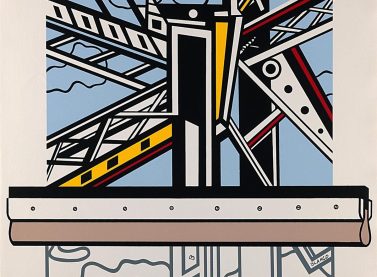
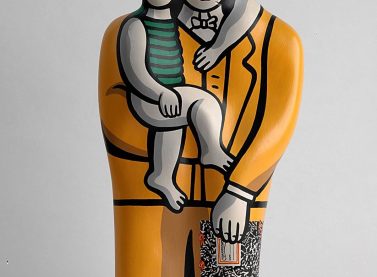
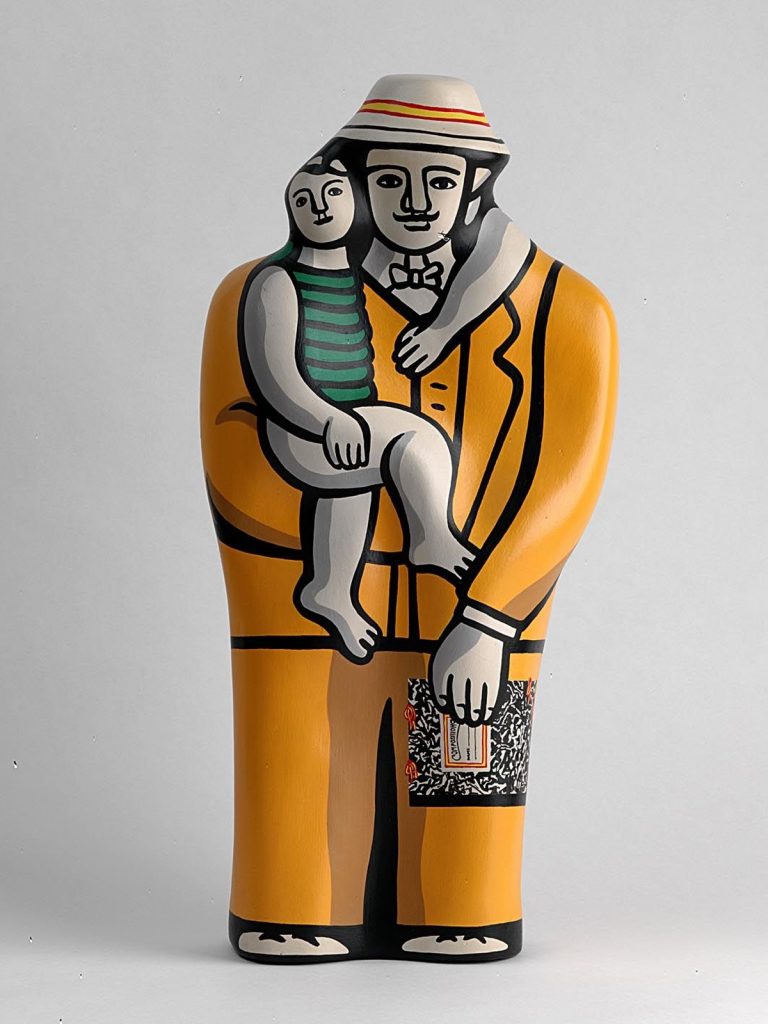
“All artists bear the imprint of their time,” Matisse wrote in 1908, “but the great artists are those in whom this is most profoundly marked.” This quotation serves as a preamble for this case study, which explores the relationships between works by Fernand Léger and Jean Dubuffet, artists to whom the IVAM is devoting solo shows as part of the celebration of its 30th anniversary, and works by Equipo Crónica in the IVAM Collection.
The exhibition will also include works by Equipo Crónica from other collections which use and adapt some of the most recognisable characteristics of the two French artists.

06 jun. 2019 – 13 oct. 2019
IVAM Centre Julio González
floor 2, G7
share
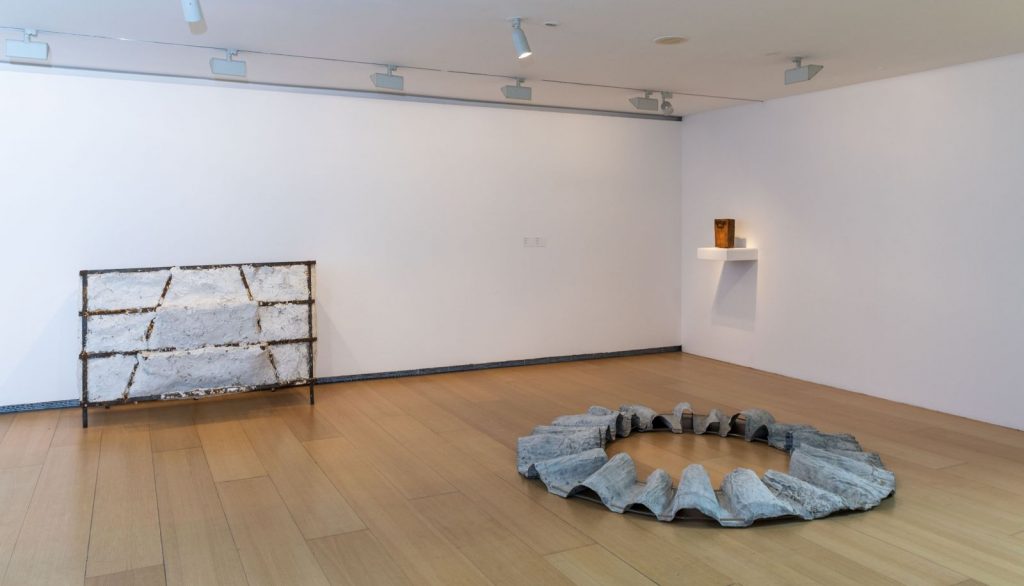
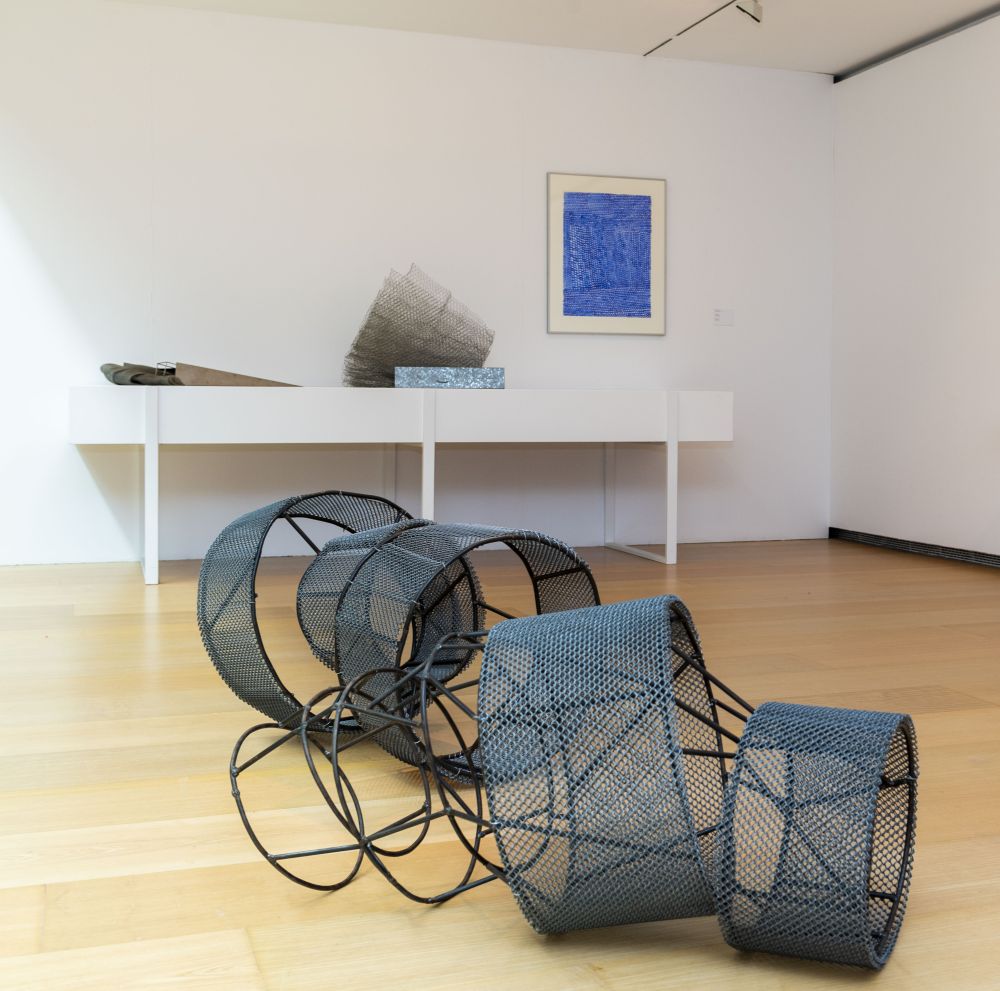
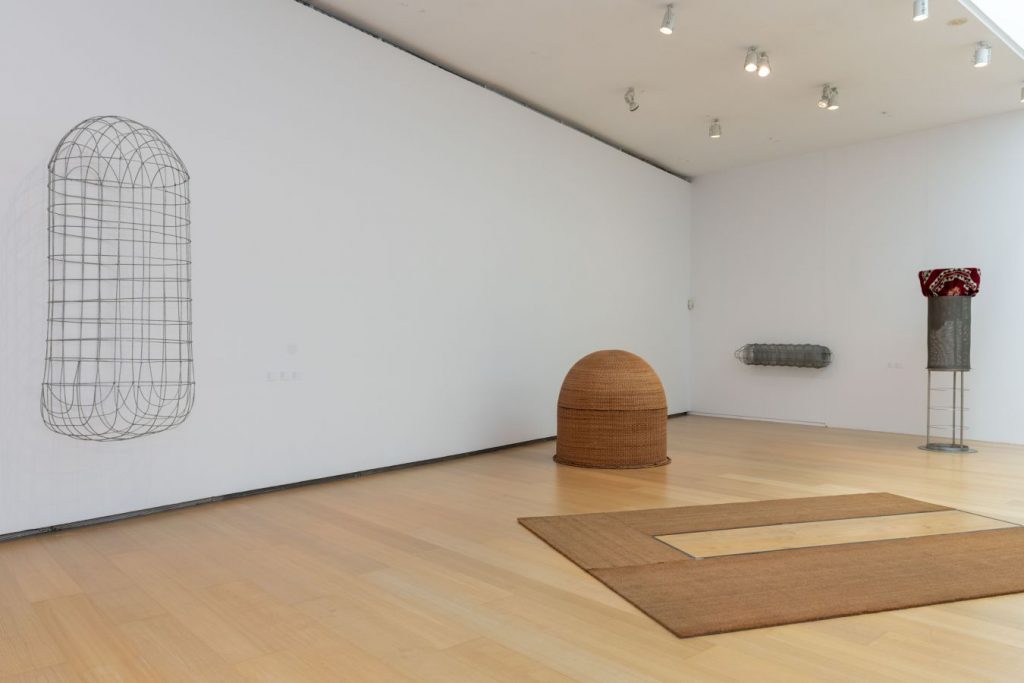
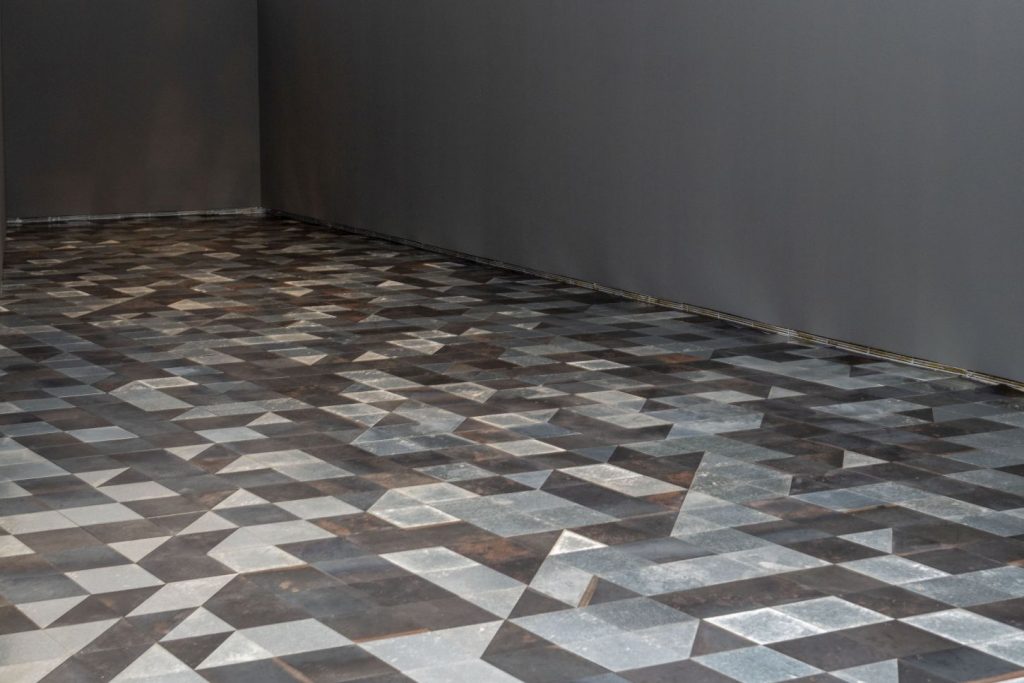
One of the main lines of the IVAM’s strategy consists in re-exploring and highlighting the importance of the careers of women artists whose work has remained on the sidelines of the official historiographic discourse. This is why the IVAM is devoting a major exhibition to one of the essential figures for an understanding of the renewal of the practice of sculpture in Spain, the artist Susana Solano (Barcelona, 1946), because of the many years that have passed since her last retrospective show, presented at the MACBA in 1999, and the lack of exhaustive reviews of her artistic output since then. In this new retrospective, containing a selection of over a hundred works, including sculptures, installations, drawings, videos and a substantial group of models that give an idea of her most outstanding international public projects, the IVAM is presenting a dissection of the powerful visual narrative that she has been developing since the year 2000.

03 may. 2019 – 15 sep. 2019
IVAM Centre Julio González
floor B, G1
share
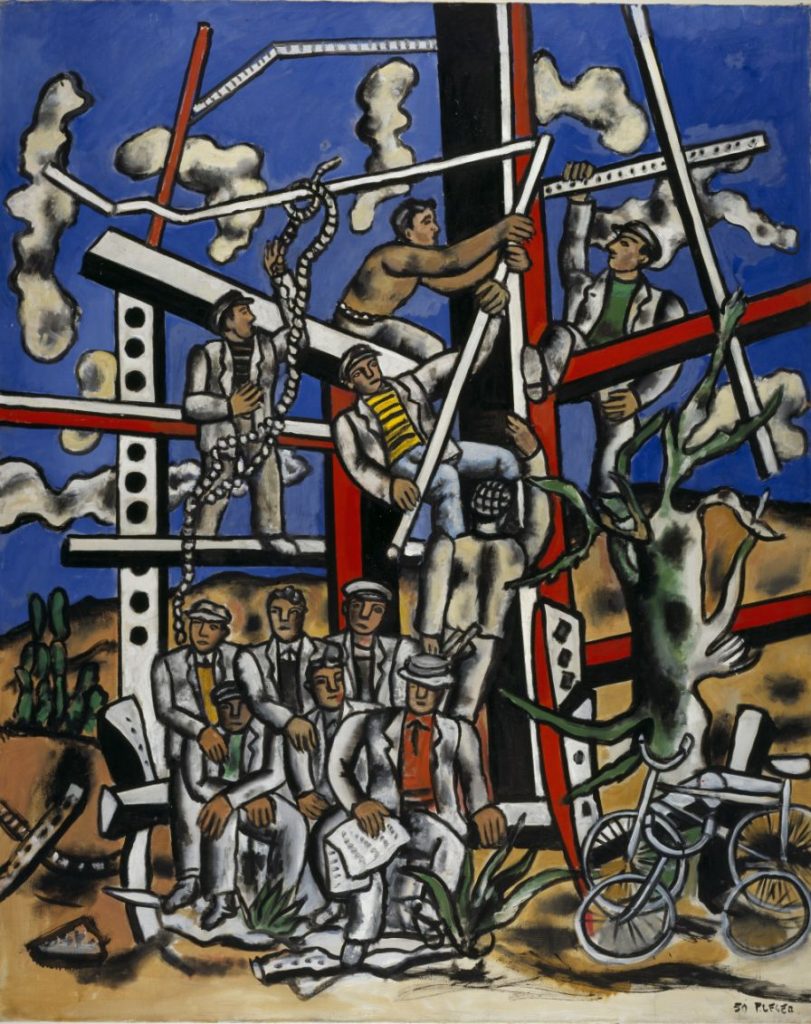
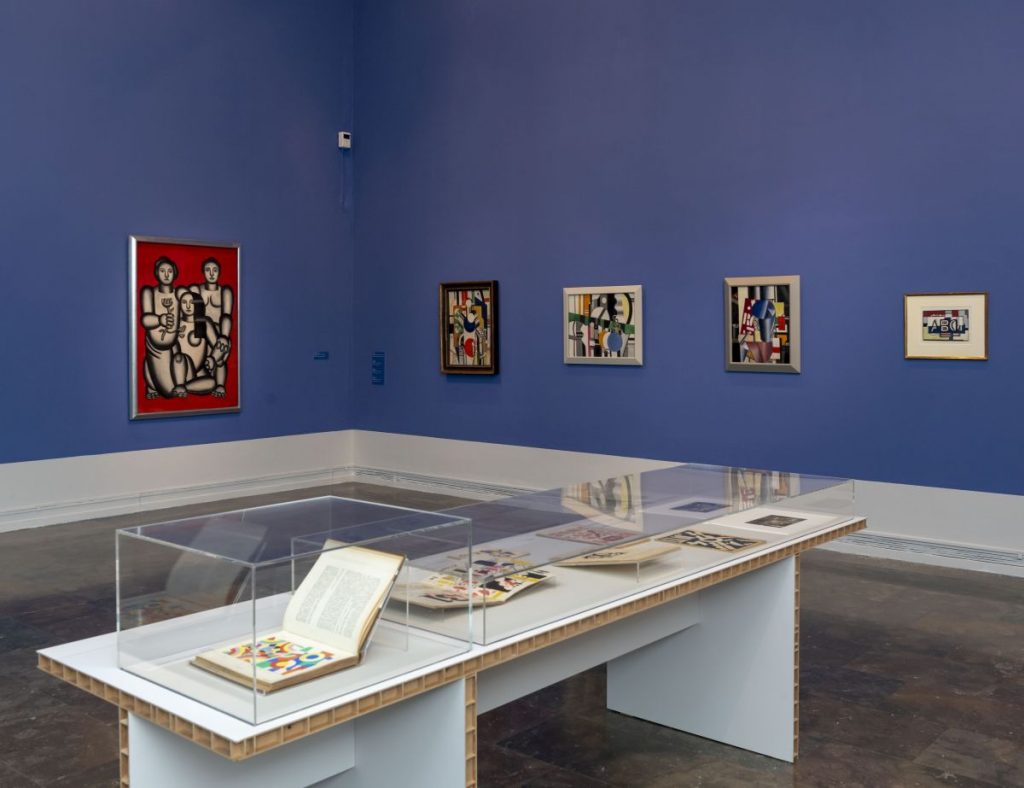
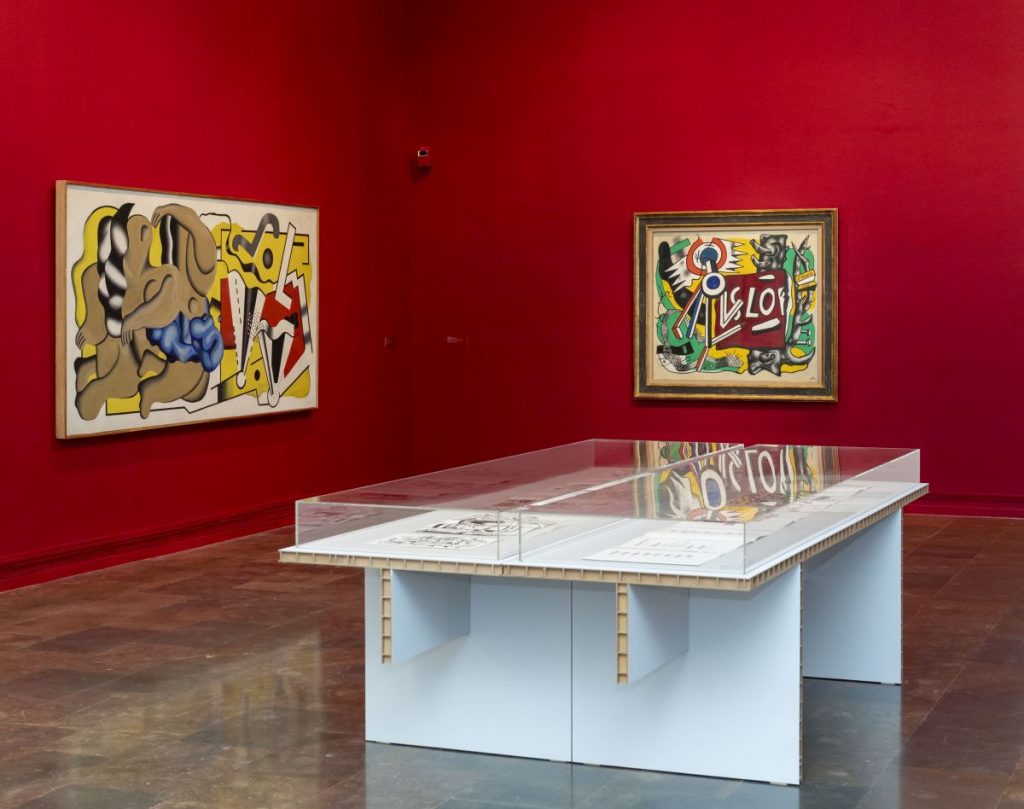
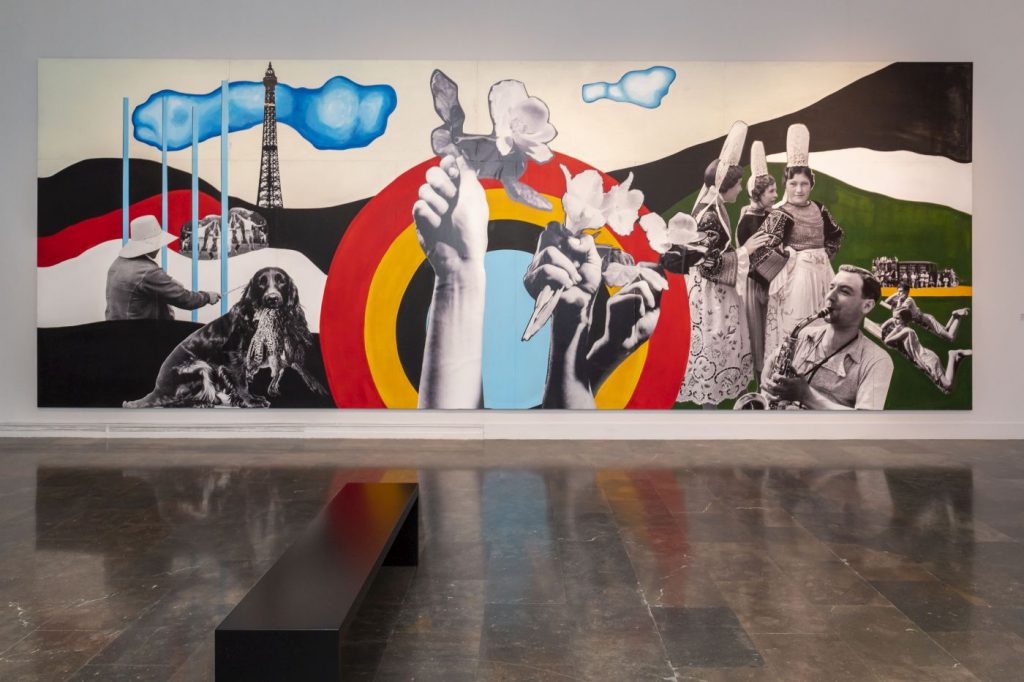
Fernand Léger and Modern Life is a co-production between IVAM and Tate Liverpool that brings together more than fifty paintings and drawings by the artist, as well as a large-scale photomural, films, graphic designs, books and fabrics. The aim of the exhibition is to show Léger’s unique visual style, which gave life to the intense experience and energy of the Parisian metropolis in the early years of the 20th century. Likewise, the exhibition presents Léger as a politically committed artist, with an unwavering belief in the social function of art for the whole world. The exhibition reflects the liveliness of the modern era, as well as the collaborations of Léger with filmmakers and architects such as Le Corbusier and Charlotte Perriand.
Exhibition curated by Darren Pih, exhibition curator and Laura Bruni, conservation assistant, Tate Liverpool. The exhibition was initially developed by Lauren Barnes, former conservation assistant, Tate Liverpool. Organized in partnership with Tate Liverpool


14 jul. 2022 – 09 oct. 2022
IVAM Centre Julio González
floor B, G2
share
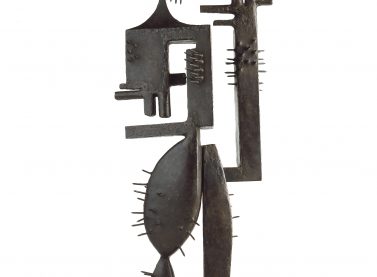
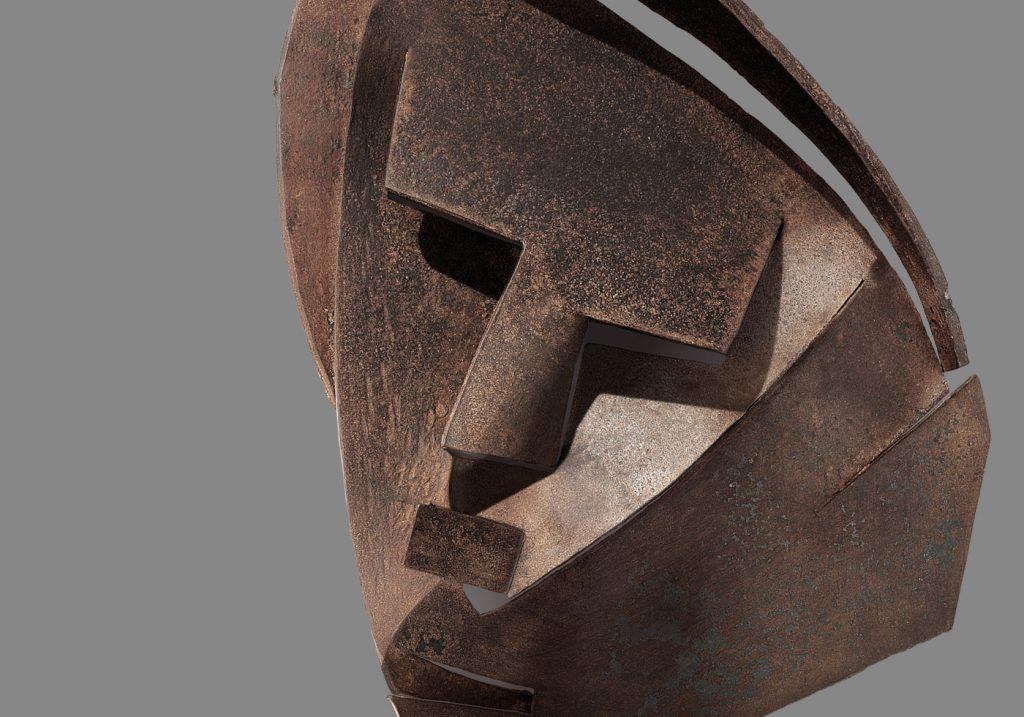
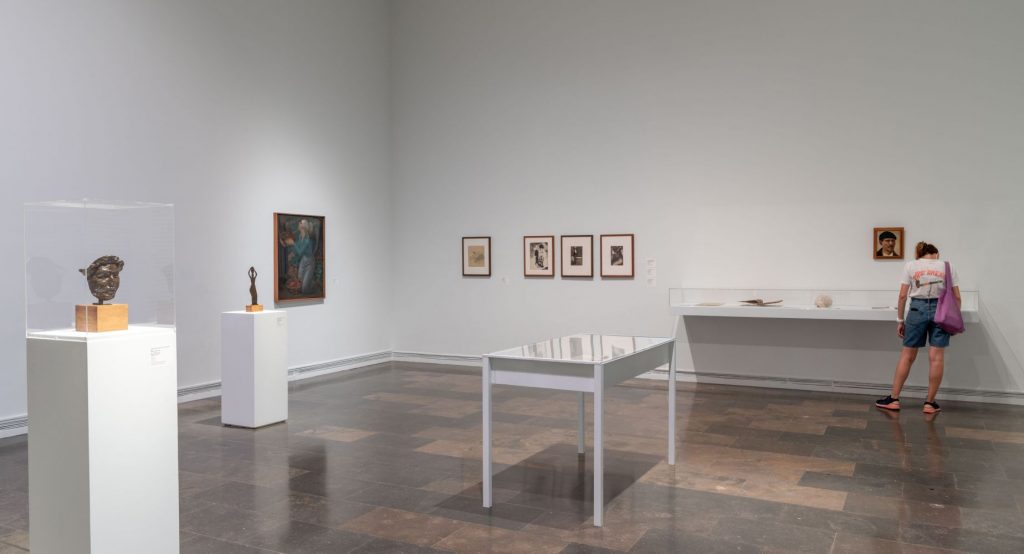
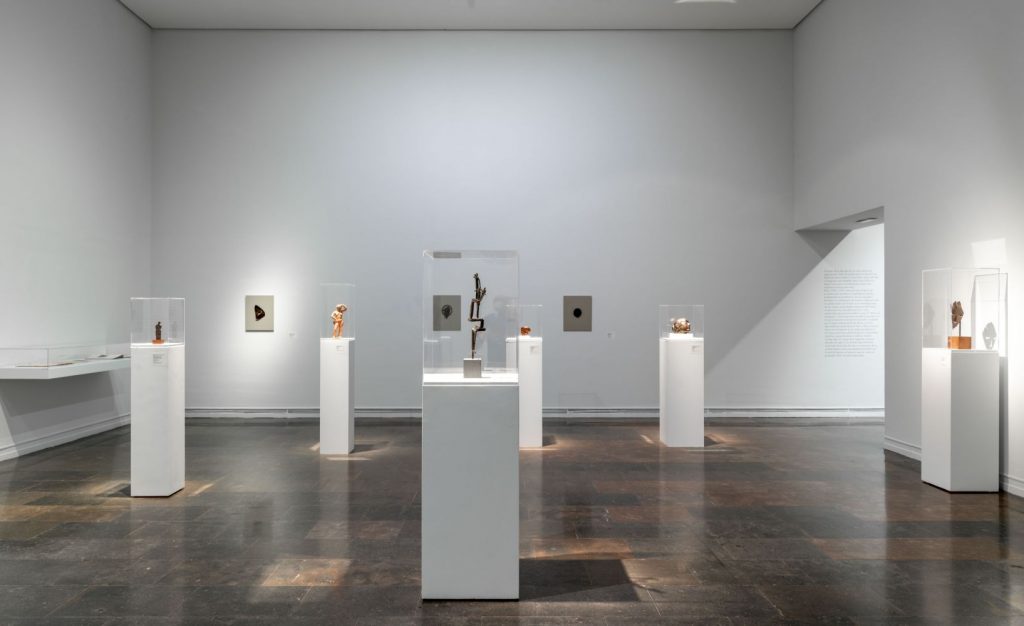
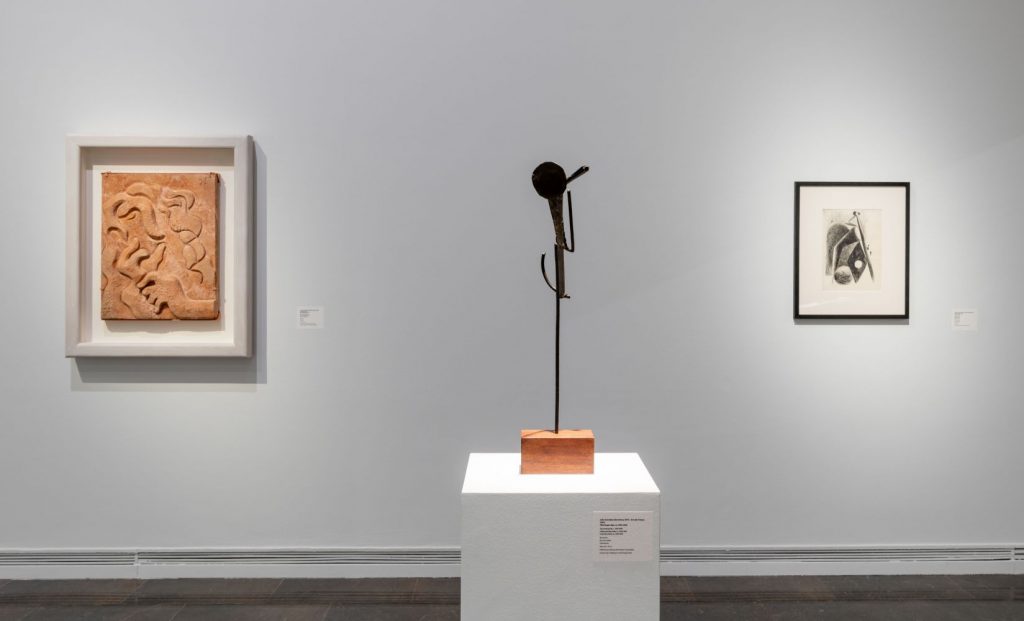
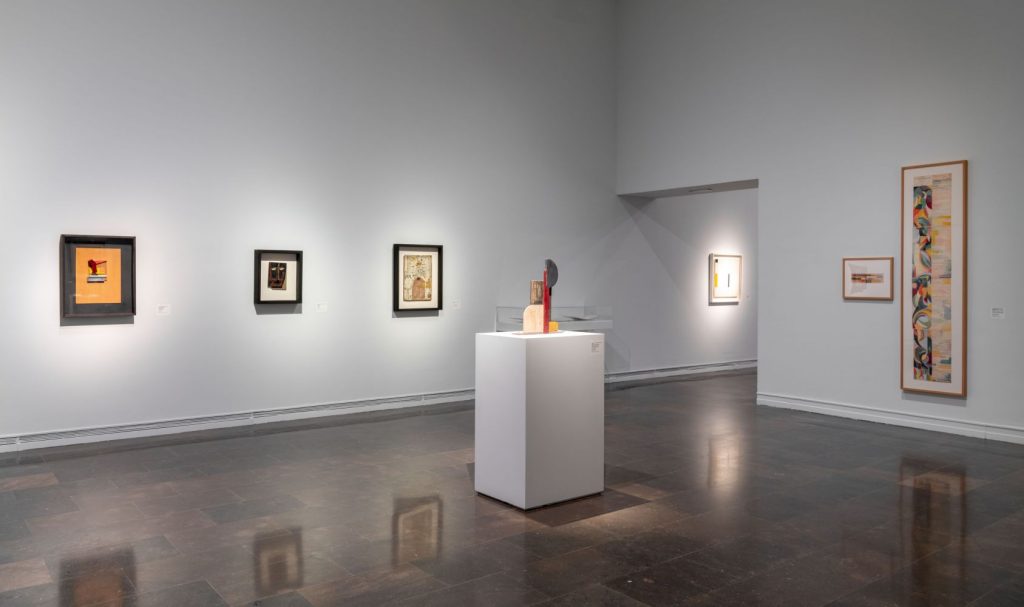
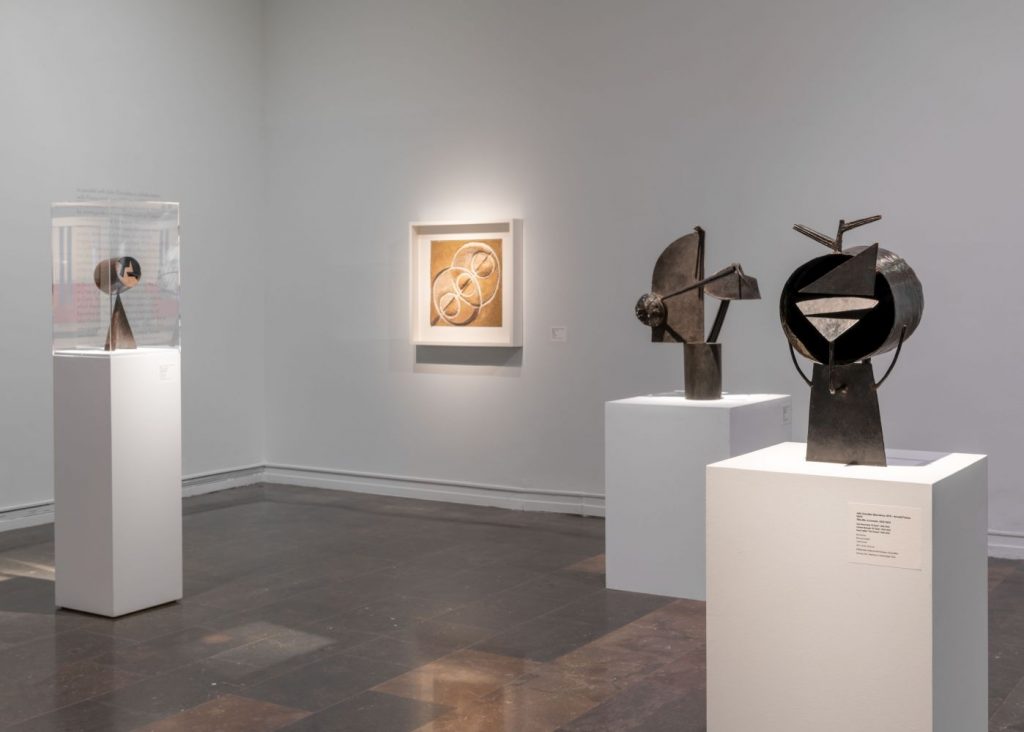
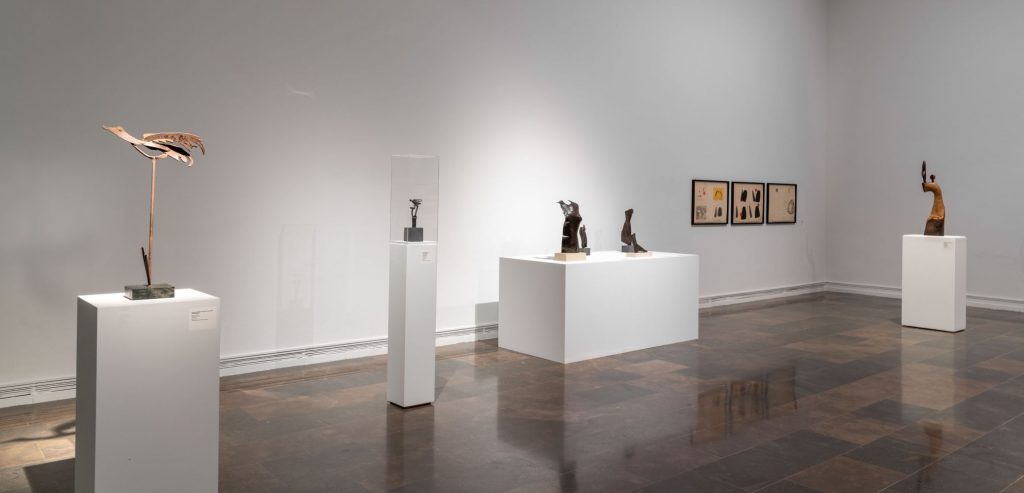
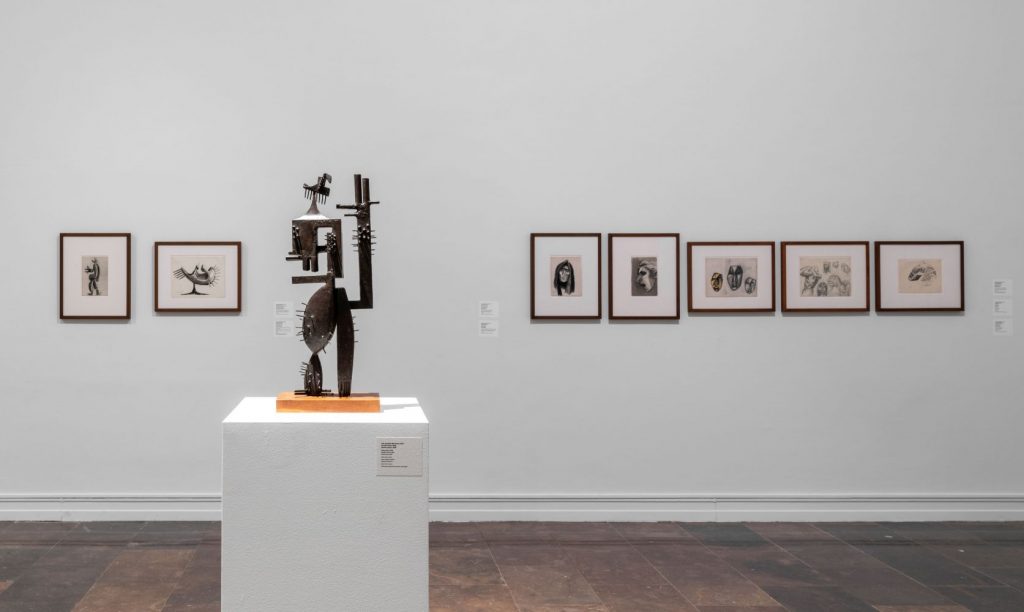
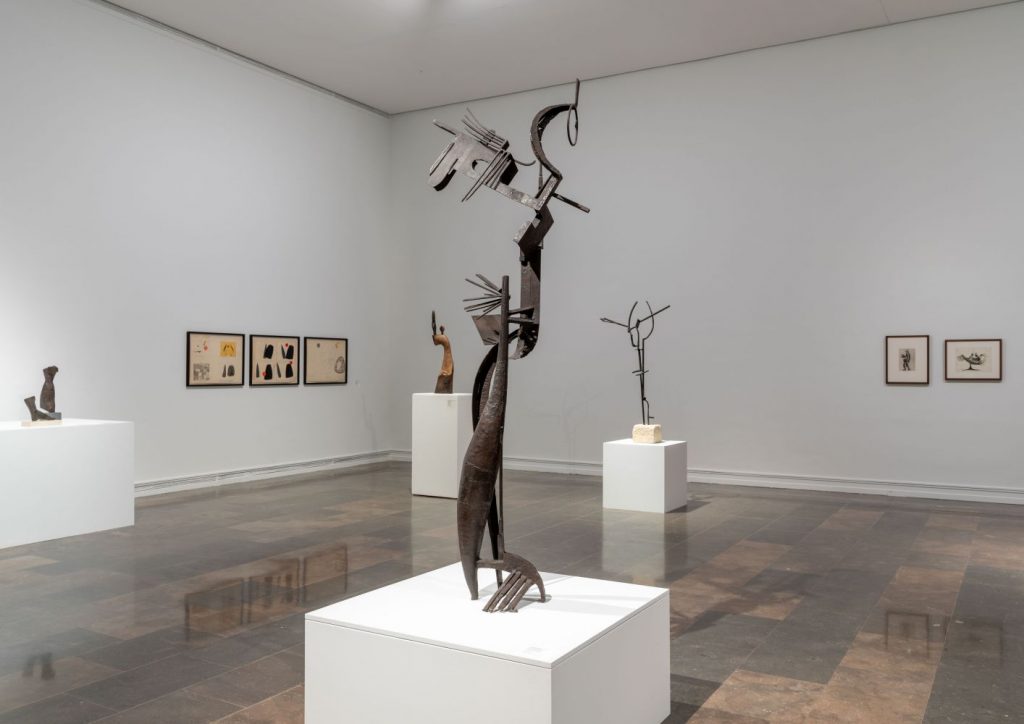
The exhibition places the works of Julio González (Barcelona, 1876 – Paris, 1942) right at the centre of the aesthetic, political and social debate of his time, seeking to generate a discourse in which all such aspects come together using the artwork and documents that the IVAM has about him and other Avant-garde artists. The project is also intended to approach the artistic and cultural reality of the metropolises where he developed his creative work: Barcelona and Paris.
The exhibition highlights some key moments in his career such as his training in the Catalonian Modernist circle and the relationship with his brother Joan; his friendship with Joaquín Torres-García (Montevideo, Uruguay, 1879-1949) and the contact made with some Cercle et Carré artists, his participation in the Pavilion of the Republic in the 1937 Paris International Exhibition, and the innovative nature of his sculpture starting with his Woman with a mirror (1937).
24 jan. 2019
IVAM Centre Julio González
share
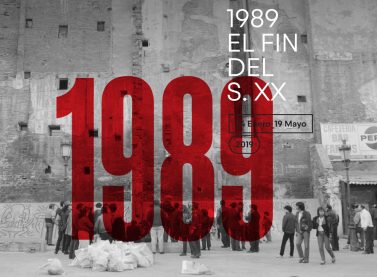
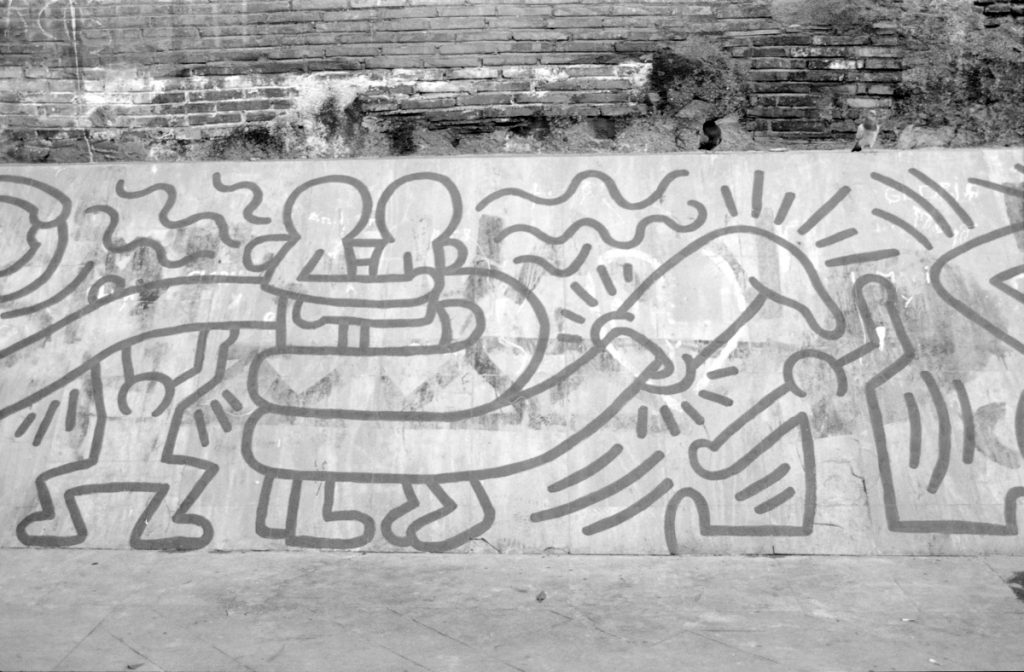
Conversation on the occasion of the exhibition “1989. The end of the 20th century ” by artists Javier Codesal, José Maldonado and Emilio Martínez, with the curators Sandra Moros and Sergio Rubira.
1989 was a historic year. It put an end to an era defined by the Cold War and confrontations between East and West, between pro-Soviet dictatorships and Western democracies. The exhibition focuses on events such as the fall of the Berlin Wall and the opening of the Eastern Bloc, the AIDS crisis and the cultural wars that followed the conservative wave in the United States and Europe, the beginning of the end of Apartheid in South Africa, and the development of multiculturalism as a concept before globalisation.
As the backdrop to the foundation of the IVAM, the project gives an overview of art production in 1989 using key events from that very year as a starting point and making visible the meta-narratives that emerged at the time.
13 feb. 2019 – 09 jun. 2019
IVAM Centre Julio González
share
Of a documentary nature and related to the exhibition Times of upheaval, the show finds matter and memory connections in the works of three Valencian writers, Max Aub (Paris, 1903-Mexico City, 1972), Eduardo Hervás (Valencia, 1950-1972) and Rafael Chirbes (Tavernes de la Valldigna, Valencia, 1949-2015). Despite their different generations and historical realities, they had issues, subjects and resources in common. All three authors are almost ‘on the verge of falling into oblivion’, since they are better known abroad than here.
Documentation on each one of them is complemented by an interpretation of the works of Aub, Hervás and Chirbes by artist Chema López (Albacete, 1969) in his paintings.

07 mar. 2019 – 30 jun. 2019
IVAM Centre Julio González
floor 2, G6
share
The cartoonist Paco Roca (Valencia, 1969), National Comic Award in 2008 for his graphic novel Arrugas (2007), has developed a specific project for gallery 6 of the IVAM. A bet that analyzes and expands the expressive possibilities of comics as an artistic discipline, within the discourse consolidated around the ninth art by the Valencian Institute of Modern Art.
The comic will leave the comfort of the page of paper so that the walls of the room are the blank space by which to spread, occupying the G6 gallery and taking life to overflow the own room and claim the art of the comic all over the Museum.
The beginnings of Paco Roca as an illustrator were linked to advertising and graphic design, to subsequently develop a successful career in the comic field, from the pages of the magazine El Víbora, where he published his first stories have led him to harvest the most important awards of the comic with his graphic novels. Although his work has starred in several anthological exhibitions, El Dibujado is his first project developed directly for a museum.
13 feb. 2019 – 24 may. 2020
IVAM Centre Julio González
floor 2, G4-G5
share
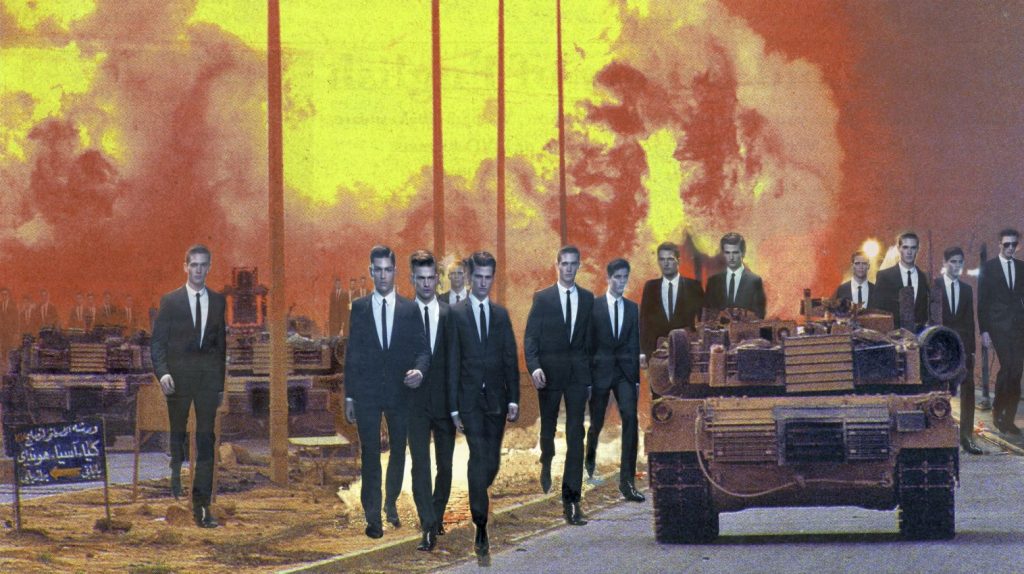
This new look at the IVAM Collection will set out from one of its central nuclei, Pop Art, especially British Pop Art and the Spanish forms of realism, in order to expand the concept of realism to which they were related. It will include works by artists who shared the need to use the techniques and images of mass culture and manipulate the iconography produced by the industrial societies in order to question them.
The show will be organised thematically in sections ranging from the historical, including works about the Spanish Civil War, images of repression and the iconography of the dictators, the image of the hero and its construction, and the development of micropolitics with the introduction of the feminist movements, the visibility of dissident identities that do not fit in with the hetero norm, and the inclusion of other identities constructed as a negative reflection of the West.
The exhibition is arranged in six large areas: “Violence and Power”; “Hidden Worlds”; “Duchamp and the world of objects”; “Questioning of Images”; “Dissident Bodies”; and “Urban Peripheries”. They will include a large number of works from the IVAM Collection by artists such as Eduardo Arroyo, Robert Rauschenberg, Bruce Nauman, Hadjithomas & Joreige, Martha Rosler, Rula Halawani, Equipo Crónica, Darío Villalba, Luis Gordillo, Benjamín Palencia, André Masson, James Rosenquist, Dora García, Carmen Calvo, Jasper Johns, Katharina Fritsch, Claes Oldenburg, Richard Prince, Victoria Civera, John Baldessari, Öyvind Fahlström, Antoni Muntadas, Gillian Wearing, Cindy Sherman, VALIE EXPORT, Annette Messager, Esther Ferrer, Pierre Molinier, Ahlam Shibli, Pepe Espaliú, Michel Journiac, Claude Cahun, Guillermo Kuitca, Rogelio López Cuenca, Francesc Ruiz, Mona Hatoum, Yto Barrada and Nadia Benchallal, among others.