10 may. 2020
IVAM Centre Julio González
share


10 may. 2020
IVAM Centre Julio González
share
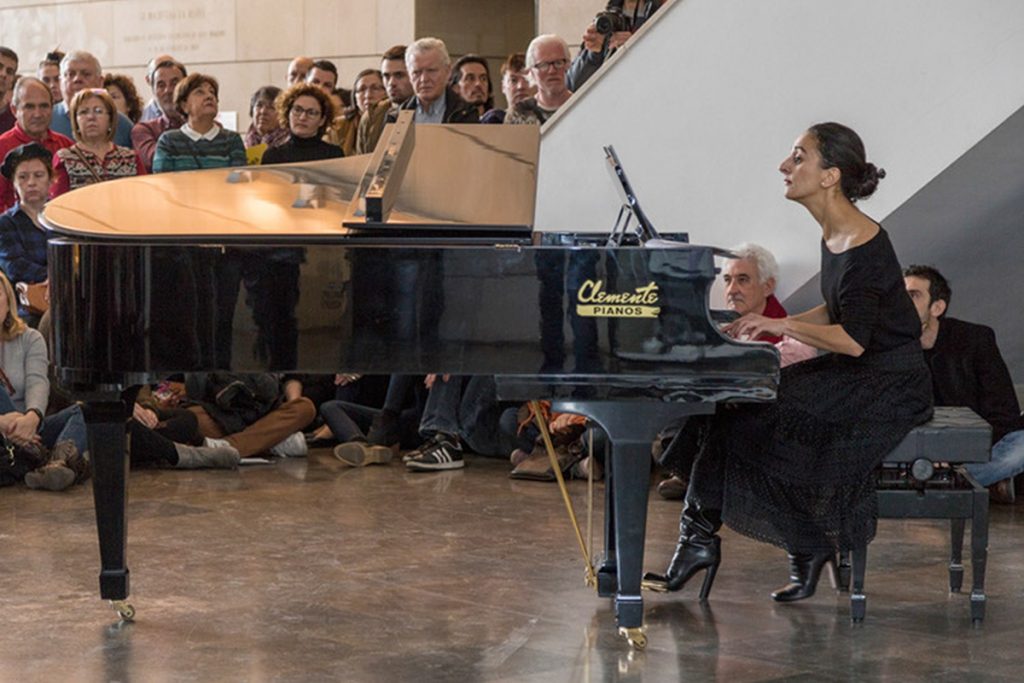
In 2019–2020 the IVAM and the Advanced Study Centre (Palau de les Arts Reina Sofía) are continuing the series of musical performances that began in 2015, offering one performance a month from October 2019 to June 2020.
The main aims of this collaboration between the IVAM and Les Arts are to stimulate mutual involvement in the programmes of the two institutions and to show the inexorable link between different arts. A further objective is to place the cultural image of the Valencian Community in a position of prestige and to underline the importance of culture in the development of contemporary societies.
26 apr. 2020
IVAM Centre Julio González
share
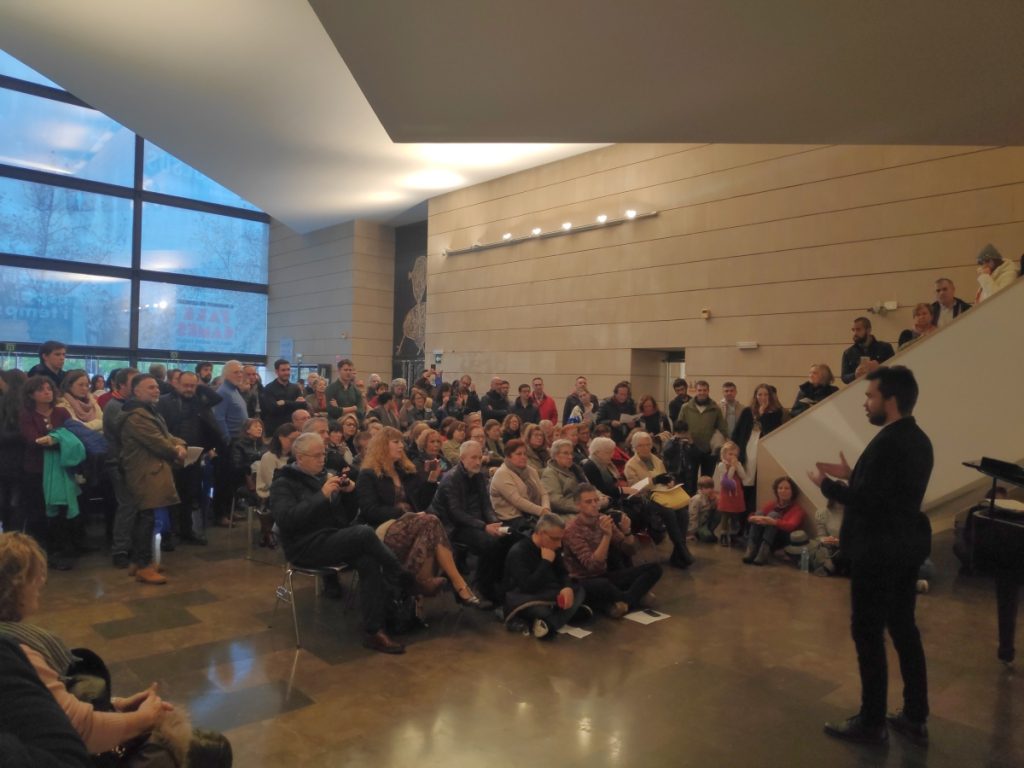
In 2019–2020 the IVAM and the Advanced Study Centre (Palau de les Arts Reina Sofía) are continuing the series of musical performances that began in 2015, offering one performance a month from October 2019 to June 2020.
The main aims of this collaboration between the IVAM and Les Arts are to stimulate mutual involvement in the programmes of the two institutions and to show the inexorable link between different arts. A further objective is to place the cultural image of the Valencian Community in a position of prestige and to underline the importance of culture in the development of contemporary societies.
19 jun. 2020
IVAM Centre Julio González
share
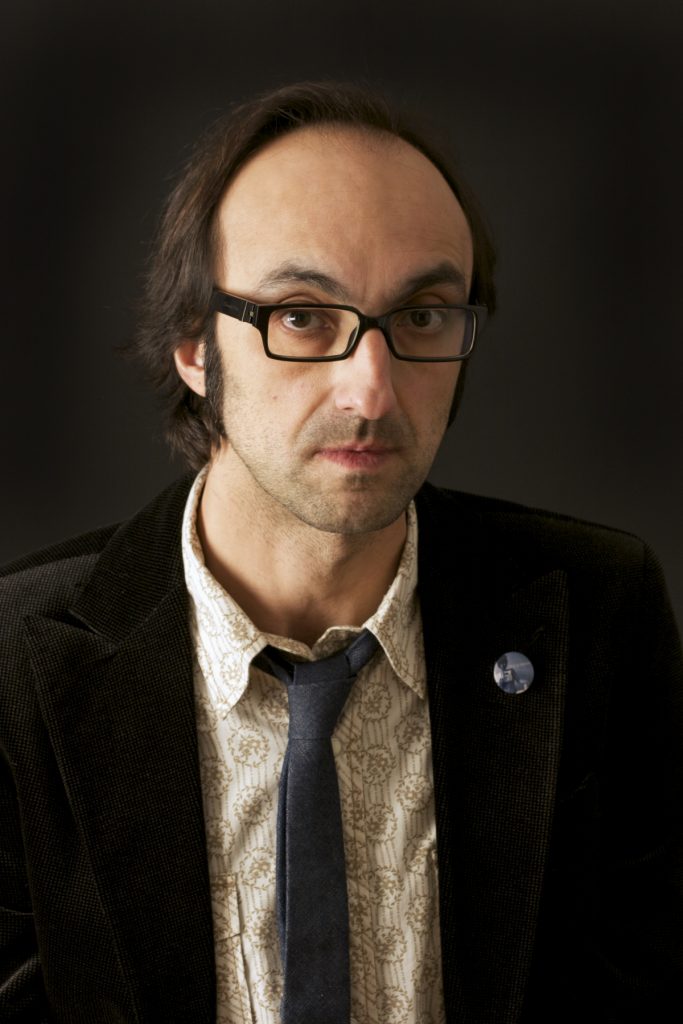
STREAMING AT IVAM YOUTUBE CHANNEL
Lecture “Complex Realism, the Power of Residues” by Agustín Fernández Mallo, graduate in Physical Sciences and writer.
CHAIR OF ARTISTIC STUDIES. 20th/21st CENTURIES
IVAM-UV-UPV-UMH (Institut Valencià d’Art Modern-Universitat de València-Universitat Politècnica de València-Universidad Miguel Hernández)
Directors: Giulia Colaizzi/ Marina Pastor
The aim of second edition of the Chair of Artistic Studies, will consist in encouraging this reflection about the life of images both in the world of art and in social life, including imaginary. It will do so broadmindedly, avoiding academic, artistic or technological restrictions, but, nevertheless, thriving on and taking advantage of all the academic, museum-based and institutional aids at its disposal. For that reason, the fact that it is held at the IVAM is propitious because it can enrich its activities with the reflection about exhibitions, installations or lectures, and also the series of projections.
22 mar. 2020
IVAM Centre Julio González
share
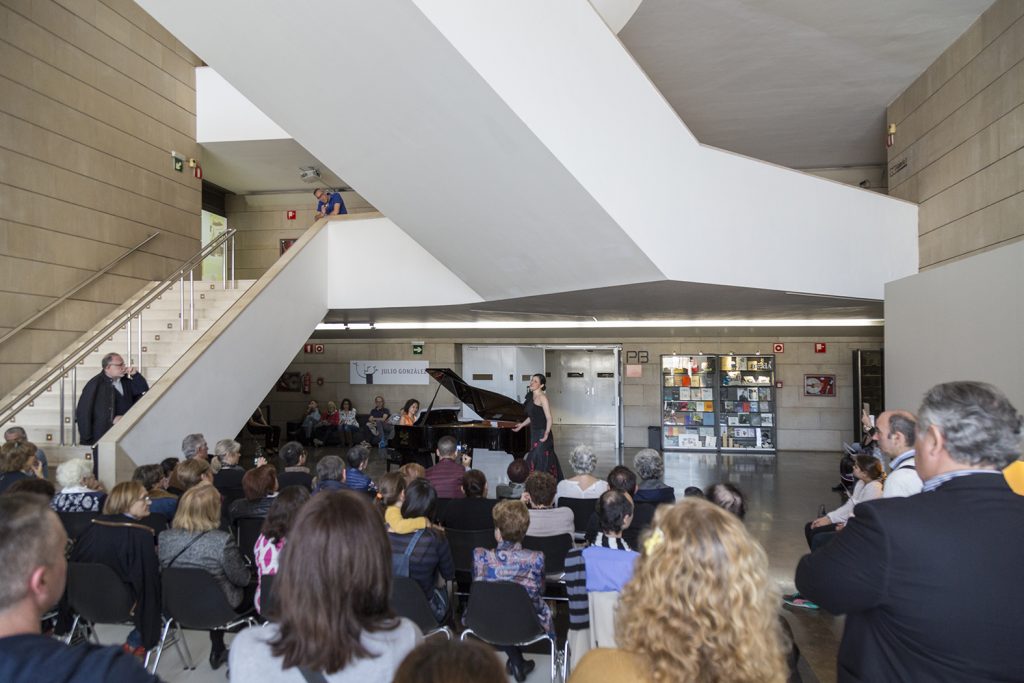
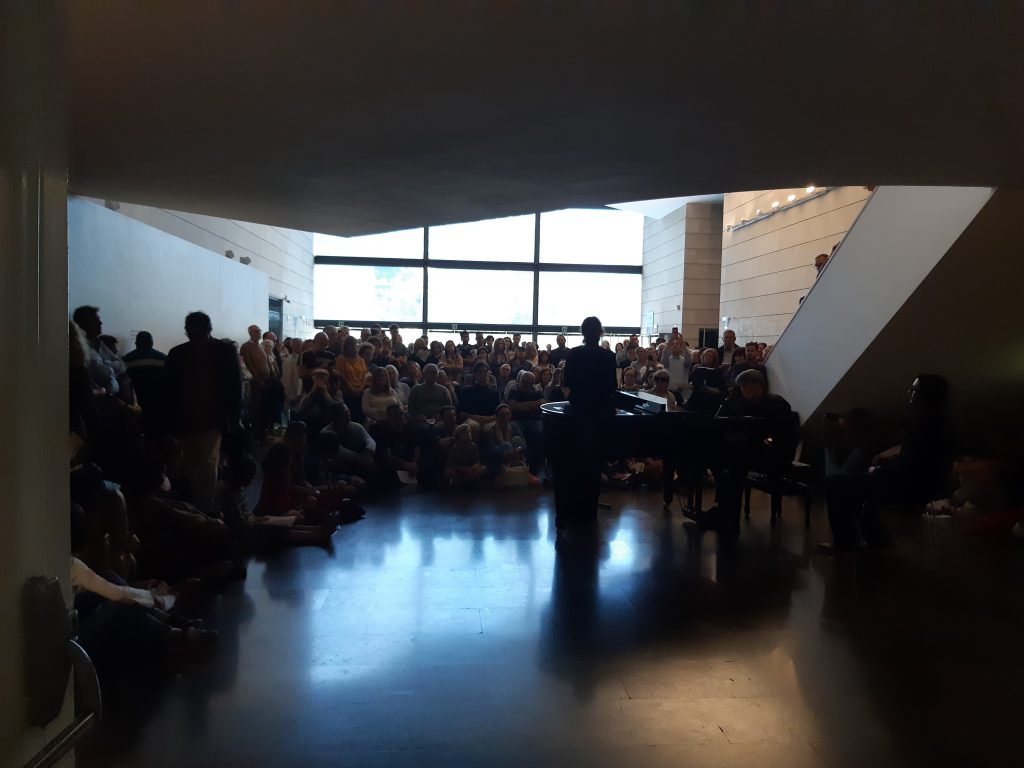
In 2019–2020 the IVAM and the Advanced Study Centre (Palau de les Arts Reina Sofía) are continuing the series of musical performances that began in 2015, offering one performance a month from October 2019 to June 2020.
The main aims of this collaboration between the IVAM and Les Arts are to stimulate mutual involvement in the programmes of the two institutions and to show the inexorable link between different arts. A further objective is to place the cultural image of the Valencian Community in a position of prestige and to underline the importance of culture in the development of contemporary societies.
12 mar. 2020
IVAM Centre Julio González
share
Posar el cos is the title of the IVAM’s programme of living arts for which the fundamental premise consists in taking the body and all its potentialities as the focus of the museum’s research and experimentation, and its relationship with the other bodies that are also present in the museum.
It is a declaration of intentions in which the strategies of exhibition and contemplation are surpassed and make way for new approaches in which the ephemeral, the unforeseeable, the relational, the processual and the unfinished invert the established terms of a visit to the museum and generate new ways of relating and possibilities of inhabiting space.
This project is formulated on the basis of various proposals that are enacted during the course of the year, for which various associates act as curators. In this first event, Néstor García Díaz launches a reflection on how the processes of museification of choreography have led to the development of new narratives concerning objects and how they are exhibited.
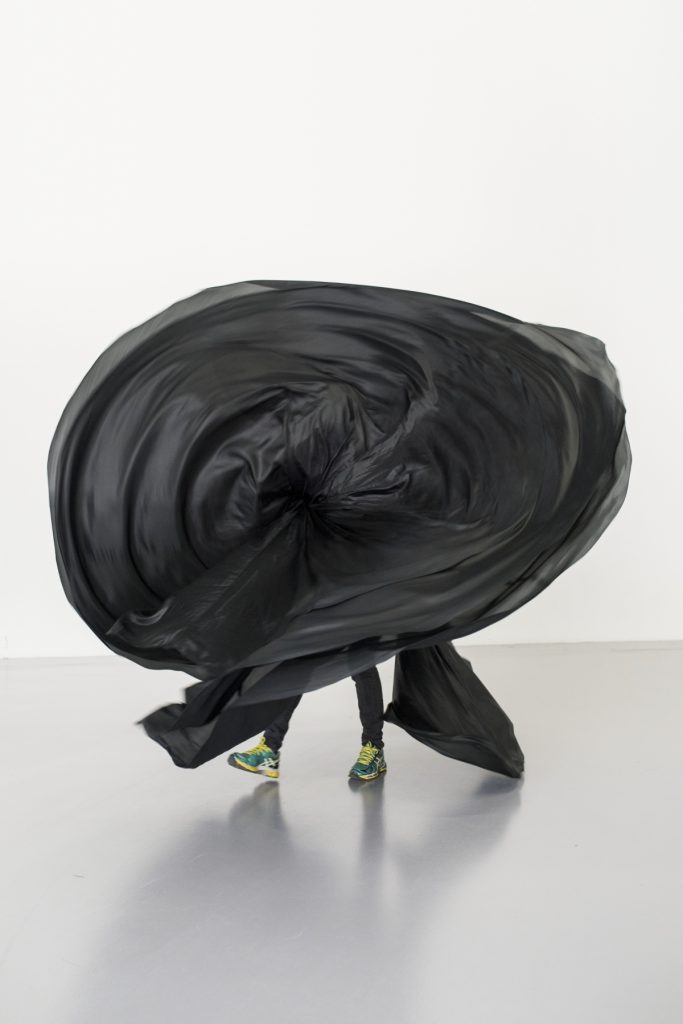
Performance Loie Fuller: Research by Ola Maciejewska
Loie Fuller was an American dancer and actress, a pioneer of modern dance. She shared the European fascination with Orientalism and drew inspiration from dances with veils, spiral forms and serpentine movements in search of the concept of sublime beauty.
In this piece Ola Maciejewska looks at Loie Fuller’s experiments with form and places them in the context of the museum, exploring the possible parallels between such experiments and the practice of sculpture.
This event is one of a series of activities designed in connection with the exhibition Orientalism.

19 jan. 2020
IVAM Centre Julio González
share
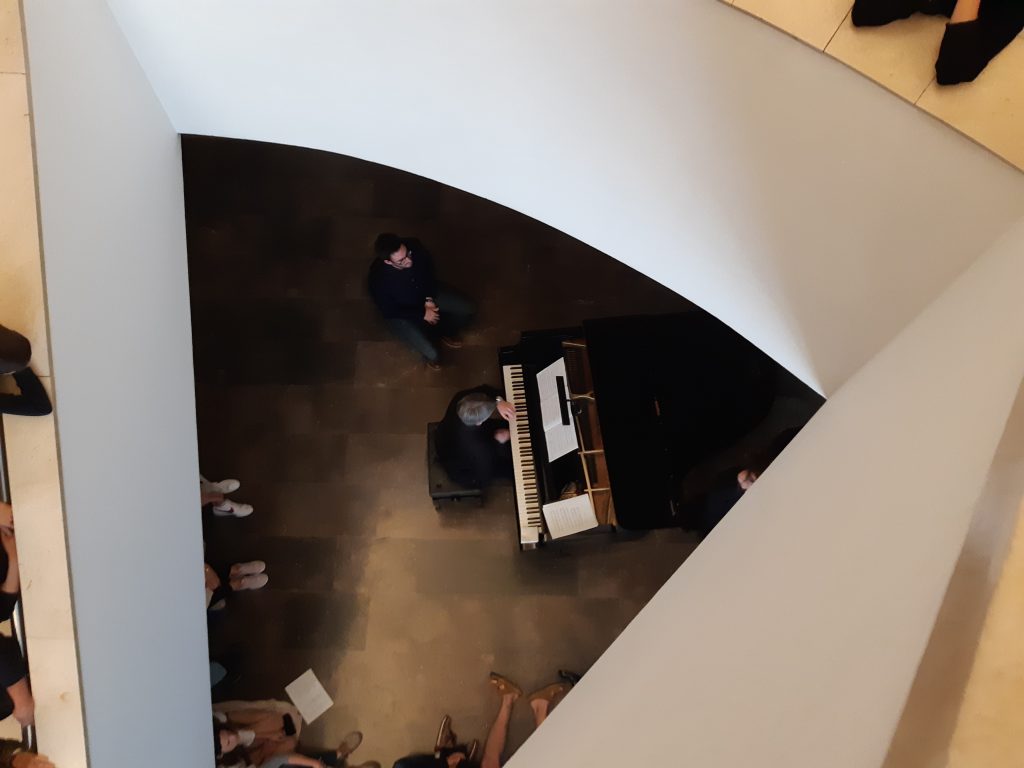
In 2019–2020 the IVAM and the Advanced Study Centre (Palau de les Arts Reina Sofía) are continuing the series of musical performances that began in 2015, offering one performance a month from October 2019 to June 2020.
The main aims of this collaboration between the IVAM and Les Arts are to stimulate mutual involvement in the programmes of the two institutions and to show the inexorable link between different arts. A further objective is to place the cultural image of the Valencian Community in a position of prestige and to underline the importance of culture in the development of contemporary societies.
23 feb. 2020
IVAM Centre Julio González
share
In 2019–2020 the IVAM and the Advanced Study Centre (Palau de les Arts Reina Sofía) are continuing the series of musical performances that began in 2015, offering one performance a month from October 2019 to June 2020.
The main aims of this collaboration between the IVAM and Les Arts are to stimulate mutual involvement in the programmes of the two institutions and to show the inexorable link between different arts. A further objective is to place the cultural image of the Valencian Community in a position of prestige and to underline the importance of culture in the development of contemporary societies.
06 mar. 2020 – 13 sep. 2020
IVAM Centre Julio González
floor B, G1
share
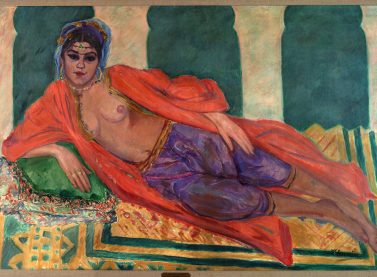
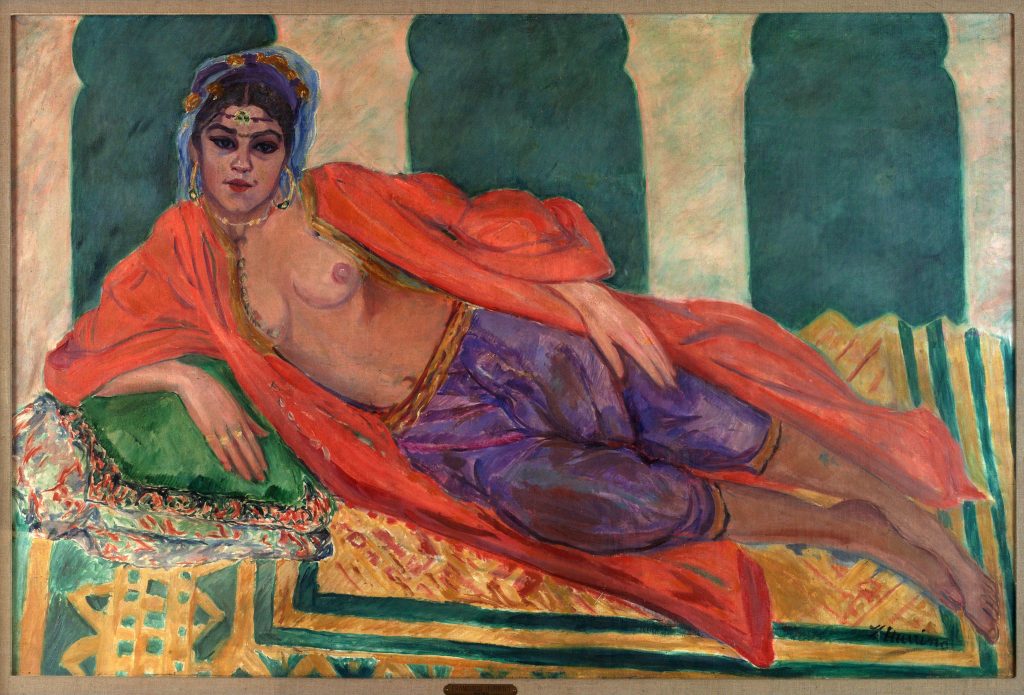
Orientalism, by the Palestinian thinker Edward Said (1935-2003), was published in 1978. It revealed how the East was constructed as the counterpart of the West by the discipline that gave the book its title. Orientalism was based on a series of stereotypes that corresponded to the interests of political and economic powers. Those clichés are still maintained today and they define the images of the East that we consume in the West, in the media and in films and advertisements.
This exhibition seeks to analyse and question some of those commonplaces in the images that were produced between the time of the Napoleonic campaign in Egypt and Syria (1798-1801) and 1956, the year when Morocco and Tunisia gained their independence. The show highlights the way in which avant-garde movements established relationships with Oriental “exoticism” in their attempt to break away from the canon of tradition.
13 feb. 2020 – 05 jul. 2020
IVAM Centre Julio González
floor 2, G7
share
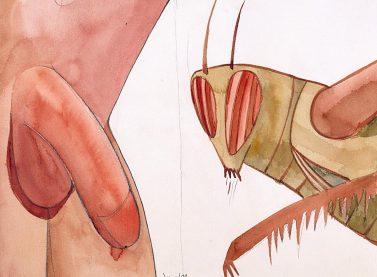
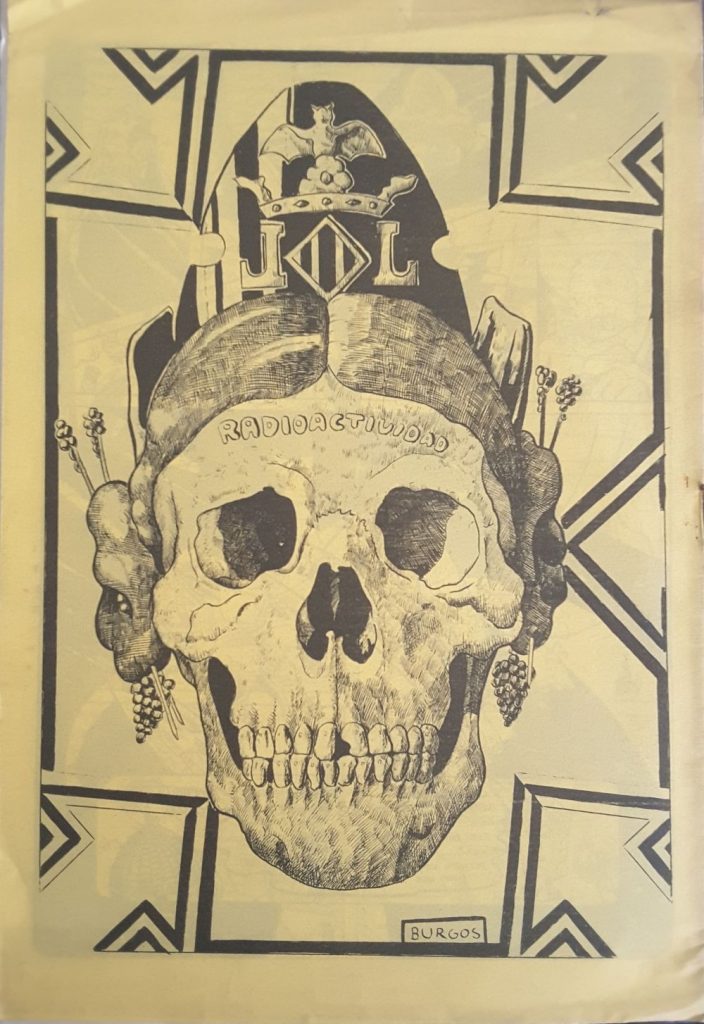
This exhibition presents a survey of various Valencian counter-culture offerings produced between the 1960s and 1980s. It shows how highbrow and lowbrow culture were taken as a basis for proposing alternatives to all the orthodox ideas of the time.
Counter-culture remakes the fictions that a society tells itself. It may not always find the truth, but it does look for alternatives to the official mythologies that attempt to consolidate certain ideas about “us”. In Valencia, in Spain, there were very clear narratives about that “us”, and there was resistance to taking them too seriously. The Mediterranean talent that was glorified by official propaganda had a counterpart in counter-culture, which insisted that things were not necessarily like that. Counter-culture is opposed not only to the contents of official culture but also to its forms. It works with other materials and is found in alternative circuits.
The selection of attitudes that are presented in the exhibition show how art set out to overcome the limitations of political pressures. How the street spoke. How some artists expressed their opposition to the conventions that were imposed on sexuality or education. We shall see proposals for a re-reading of Valencian identity that went far beyond the common clichés. We shall see a society seeking new expressive freedoms and new personal experiences.
30 jan. 2020 – 27 sep. 2020
IVAM Centre Julio González
floor B, G3
share
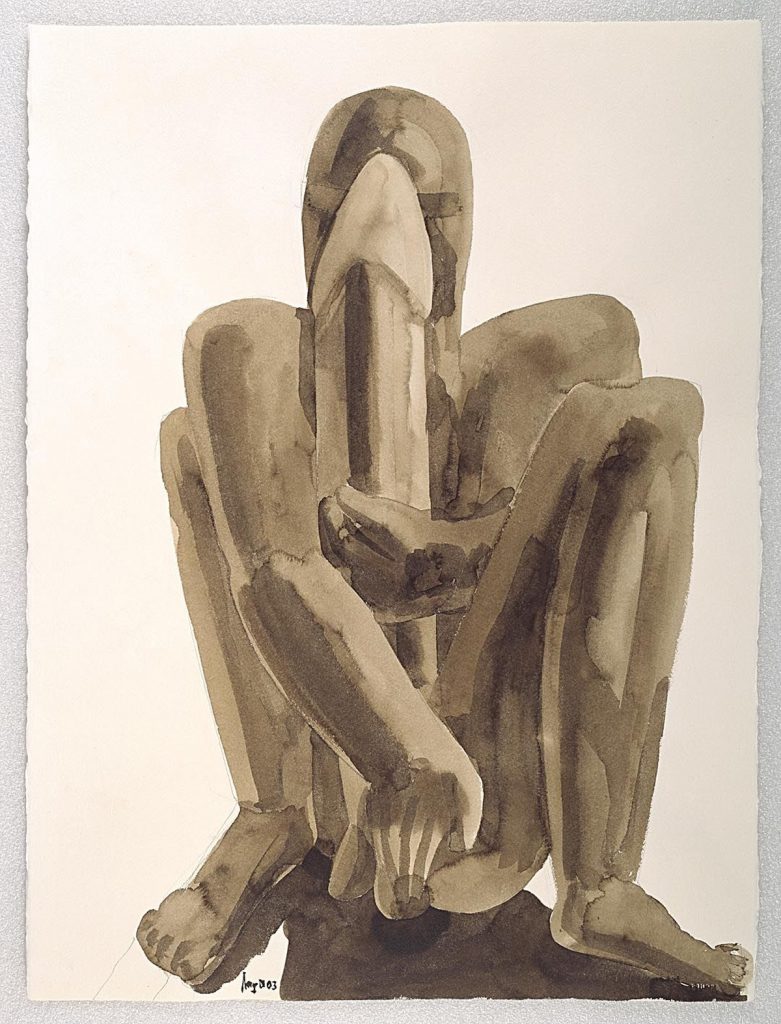
Miquel Navarro (Mislata, 1945) was one of the group of artists who transformed sculpture in the late 1970s. His large installations in towns and cities are welcoming places but they also form part of the authority that dominates and controls. A similar effect is produced by his monumental totems, anthropomorphic machines that are also protective deities and menacing gods.
However, his drawings are more immediate and are a response to what he himself has defined as “the flow of life”.
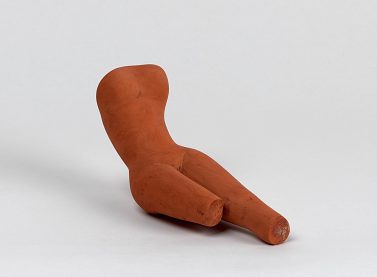
This exhibition is a secret collection, like the ones that still remain in archaeological museums, in which the drawings and small clay sculptures made by Miquel Navarro that are preserved in the IVAM can be seen alongside African fetishes and masks, archaeological objects and toys, all of which belong to his personal collection.
20 feb. 2020 – 30 aug. 2020
IVAM Centre Julio González
share
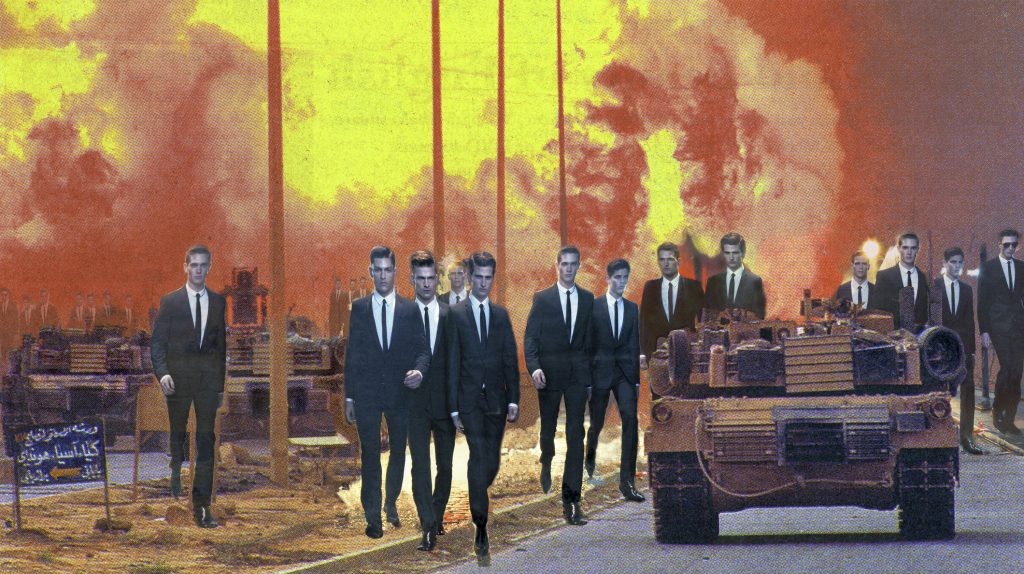
Few phenomena feature more decisively in all the principal transformations that took place during Franco’s dictatorship. Yet the tourist boom in Spain tends to be trivialised. The hegemonic narrative reduces the imagery of tourists to the product that they consume (sun and sea), the government’s actions to a slogan (“Spain is different”) and the subjectivity of the local population to an erotic fantasy (Swedish women).
What this documentary exhibition proposes is a critical but unprejudiced analysis of the visual culture generated in connection with the boom in the Valencian Community. The aim is twofold. On the one hand, to show a collection of documents of undeniable cultural interest: posters, leaflets and magazines, together with postcards, photobooks and travel books, mostly obtained from Valencian archives (Biblioteca Valenciana, Archivo documental Pedro Zaragoza, Universidad de Alicante). At the same time, this material helps us to rethink the narrative, for these images are reliable evidence that in tourism there is a complex and contradictory multiplicity of representations, searches, desires and aspirations.
04 dec. 2019
IVAM Centre Julio González
share
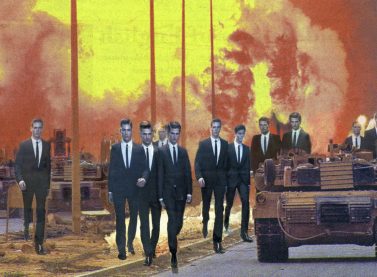
On the occasion of the exhibition TIMES OF UPHEAVAL. Stories and microstories in the IVAM collection the philosopher and essayist Marina Garcés gives a lecture about one of the main areas of the exhibition, “Violence and Power”.
Marina Garcés (Barcelona, 1973) is a philosopher, author of books such as Un mundo común, Filosofía inacabada and Fuera de clase. She is professor at the Universitat Oberta de Catalunya (Open University of Catalonia, UOC) and participates in various collective projects of pedagogical, cultural and social experimentation. She is the promoter of the collective of critical thinking Espai en Blanc.