"Du côté de la côte"
02 feb. 2019 – 03 feb. 2019
IVAM Centre Julio González
share


02 feb. 2019 – 03 feb. 2019
IVAM Centre Julio González
share
On the occasion of the exhibition Inhabiting the Mediterranean, the IVAM presents a film cycle that combines a careful selection of films about the 20th century with the presence of several specialists, seeking to enrich and expand reflection about the exhibition’s subject: cities as physical and mental spaces that shape the way we are, both individually and collectively, and the Mediterranean as a meeting point for neighbouring cultures or as an exclusion border.
SESSION 1
Saturday 2 February, from 11.30 am to 2.00 pm
On the coast: Mediterranean landscapes
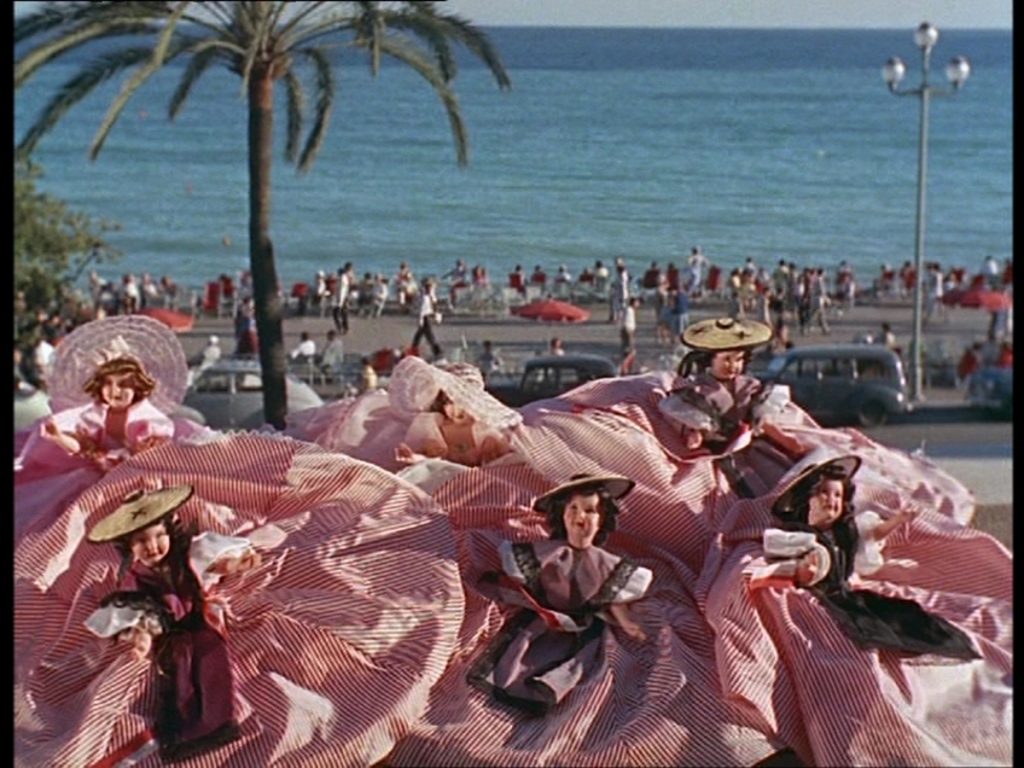
Du côté de la côte, Agnès Varda, 1959. 24 min
Méditerranée, Jean-Daniel Pollet, 1963. 45 min
Bassae, Jean-Daniel Pollet, 1964. 10 min
Méditerranées, Olivier Py, 2010. 32 min
SESSION 2
Saturday 2 February, from 6.00 to 9.00 pm
Gods and monsters: the presence of the past
Le mépris, Jean-Luc Godard, 1963. 103 min
SESSION 3
Sunday 3 February, from 11.30 am to 2.00 pm
Port to port: Mediterranean cities
Impressions du port de Marseille, László Moholy-Nagy, 1929. 9 min
À propos de Nice, Jean Vigo, 1930. 25 min
Vibración en Granada, José Val del Omar, 1935. 20 min
SESSION 4
Sunday 3 February, from 6.00 to 9.00 pm
Where the city changes its name
Atlal, Djamel Kerkar, 2017. 111 min

24 jan. 2019 – 09 jun. 2019
IVAM Centre Julio González
floor B, G3
share
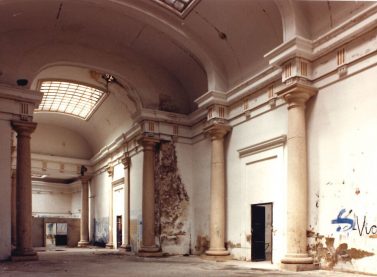
The IVAM (Instituto Valenciano de Arte Moderno) opened in 1989. It was the first modern and contemporary art museum project fostered in Spain following the country’s devolution and the need to acknowledge and promote art and culture.
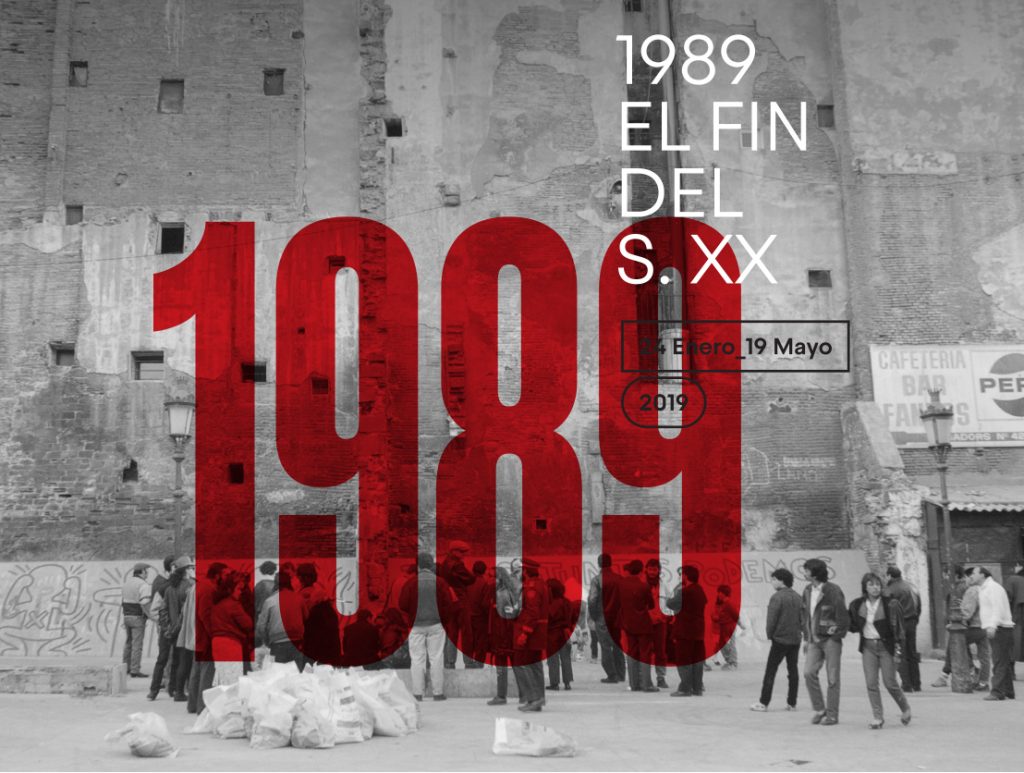
The exhibition tells us how the IVAM came about and who the process stakeholders were, delving into identity features such as the collections and the building. The context in which the museum was created is also a key element in the exhibition, making its local framework and circumstances visible. Likewise, the contents of the case study are connected to the international scene through the exhibition 1989. The end of the 20th century.

24 jan. 2019 – 19 may. 2019
IVAM Centre Julio González
floor 2, G7
share
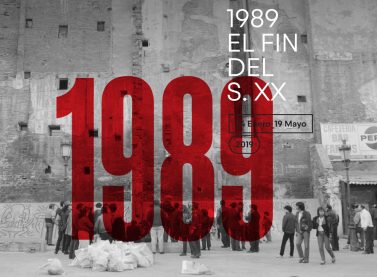
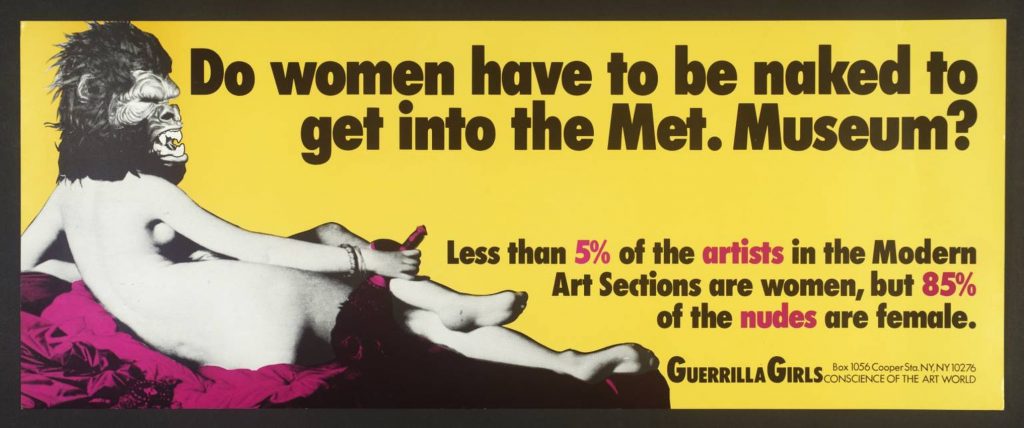
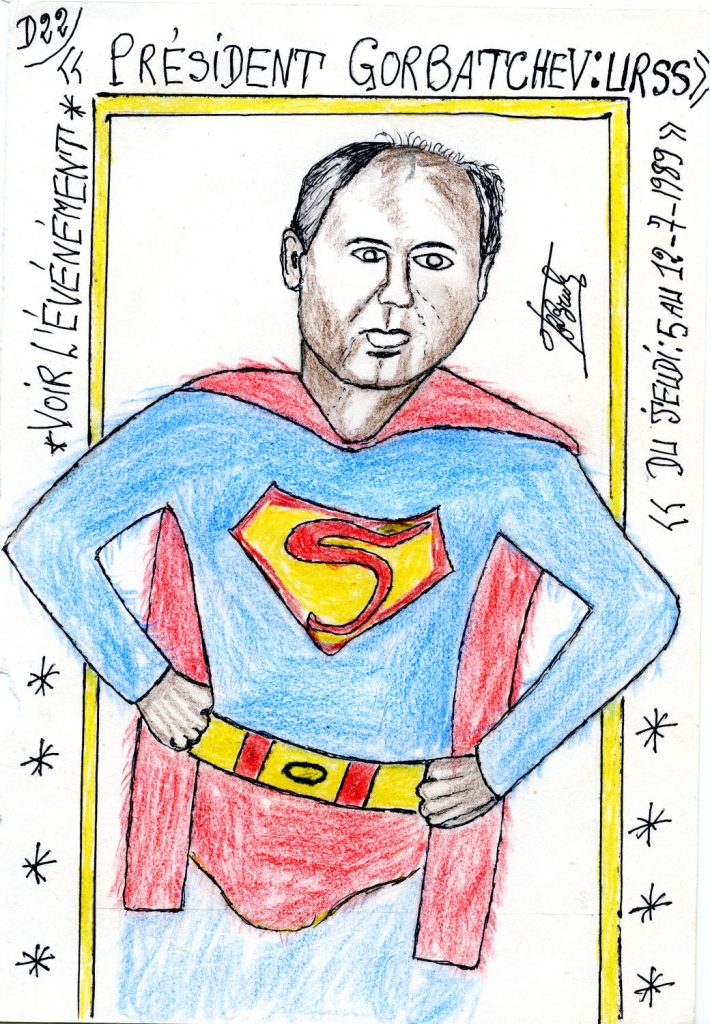
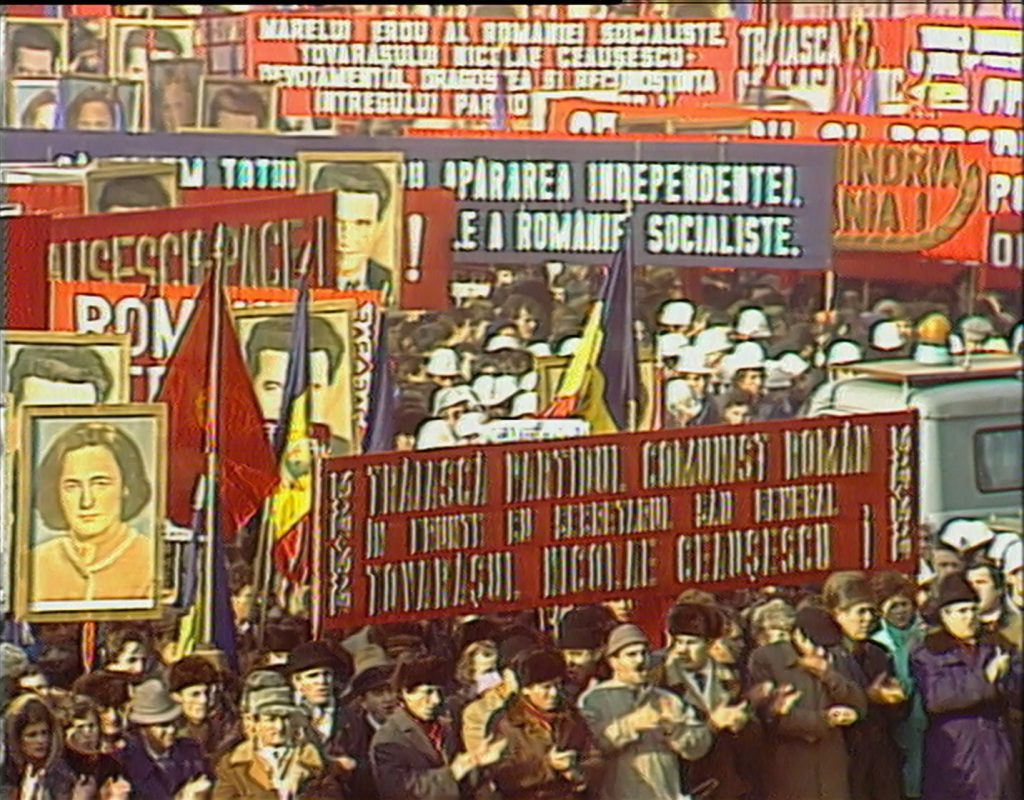
1989 was a historic year. It put an end to an era defined by the Cold War and confrontations between East and West, between pro-Soviet dictatorships and Western democracies. The exhibition focuses on events such as the fall of the Berlin Wall and the opening of the Eastern Bloc, the AIDS crisis and the cultural wars that followed the conservative wave in the United States and Europe, the beginning of the end of Apartheid in South Africa, and the development of multiculturalism as a concept before globalisation.
As the backdrop to the foundation of the IVAM, the project gives an overview of art production in 1989 using key events from that very year as a starting point and making visible the meta-narratives that emerged at the time.
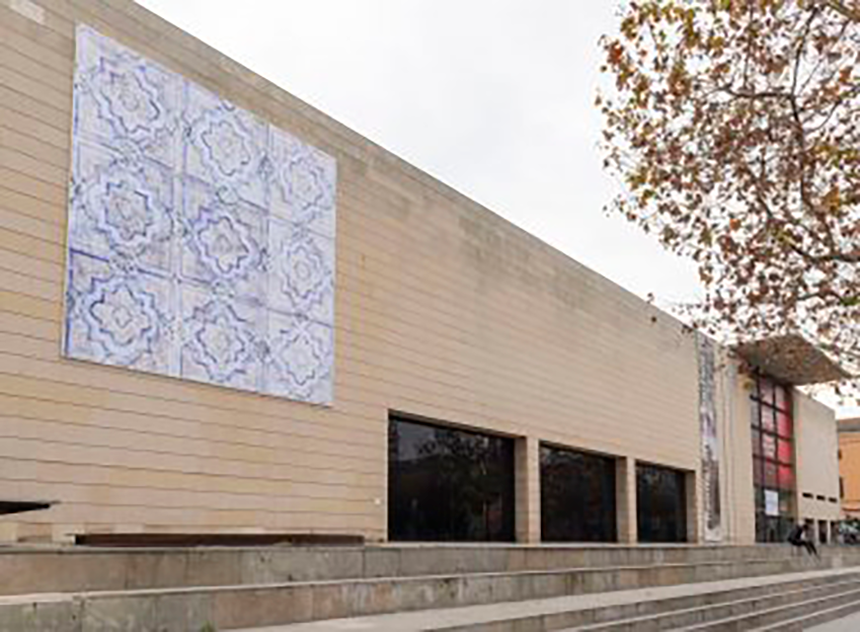
17 jan. 2019 – 16 jun. 2019
IVAM Centre Julio González
share
The project created for the façade of the IVAM by Soledad Sevilla (Valencia, 1944) is based on a persistent memory from her teenage years in Valencia: the geometric tiles that cover the wall of the cloister at The Patriarch’s Church (Iglesia del Patriarca). Yet it is not by chance that she chose such an image; it has to do with the close links between the selected object, the building, and the city itself.
As the artist points out: “We don’t realize it but we’re always remembering things… Our memories determine our vision and make it possible.” It was this realization and the suggestions and connections it triggered that made this intervention come true on the museum’s front wall.

17 dec. 2018 – 22 dec. 2018
IVAM Centre Julio González
share
La presència de la coreògrafa i ballarina Sol Picó en el programa Posar el Cos té com a peça fonamental el desenvolupament del taller Halab realitzat en col·laboració amb el Conservatori Superior de Dansa de València i amb el Conservatori Professional de Dansa de València.
Una selecció d’alumnes de tots dos Conservatoris dirigits per Sol Picó realitzaran aquest taller coreogràfic que tindrà com a resultat final la interpretació de la peça Halab en l’IVAM el dia 20 de desembre a les 19.00 h. i en la seu IVAM Alcoi el dia 22 a les 18.00 h.
02 dec. 2018
IVAM Centre Julio González
share
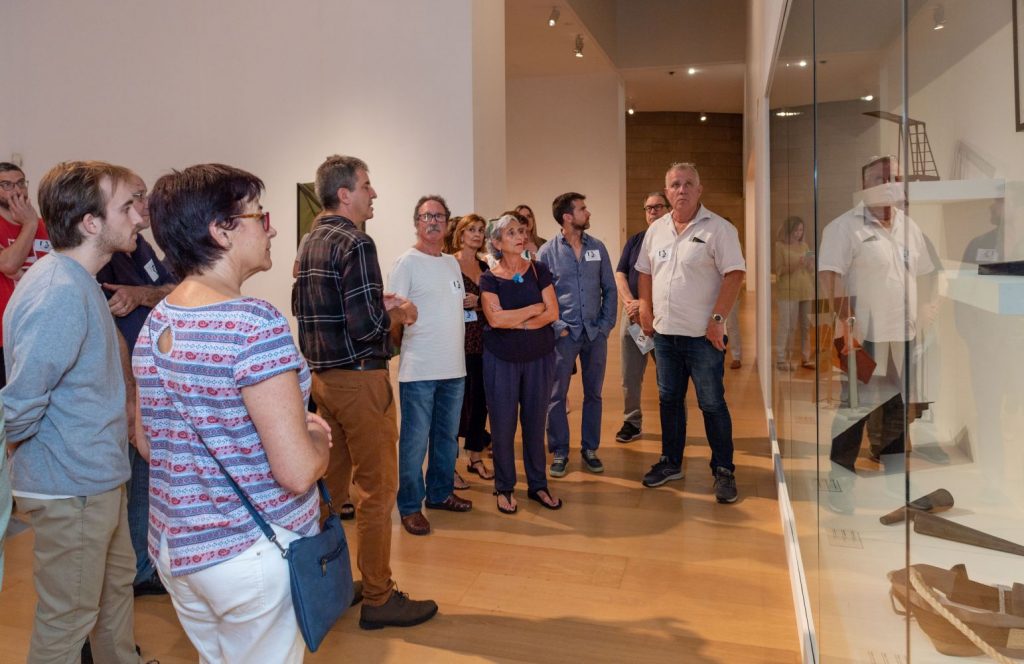
Guided tours to exhibitions by Pilar Martínez, BA Art History
Visits:
SUNDAY December 2nd Ángeles Marco. Vertigo

18 nov. 2018
IVAM Centre Julio González
share
Guided tours to exhibitions by Pilar Martínez, BA Art History
Visits:
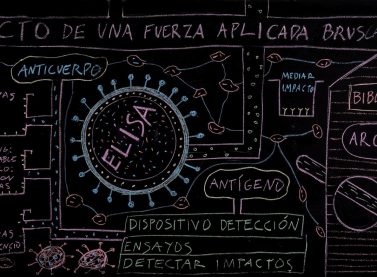
SUNDAY 18th Elisa. Pepe Miralles
04 nov. 2018
IVAM Centre Julio González
share
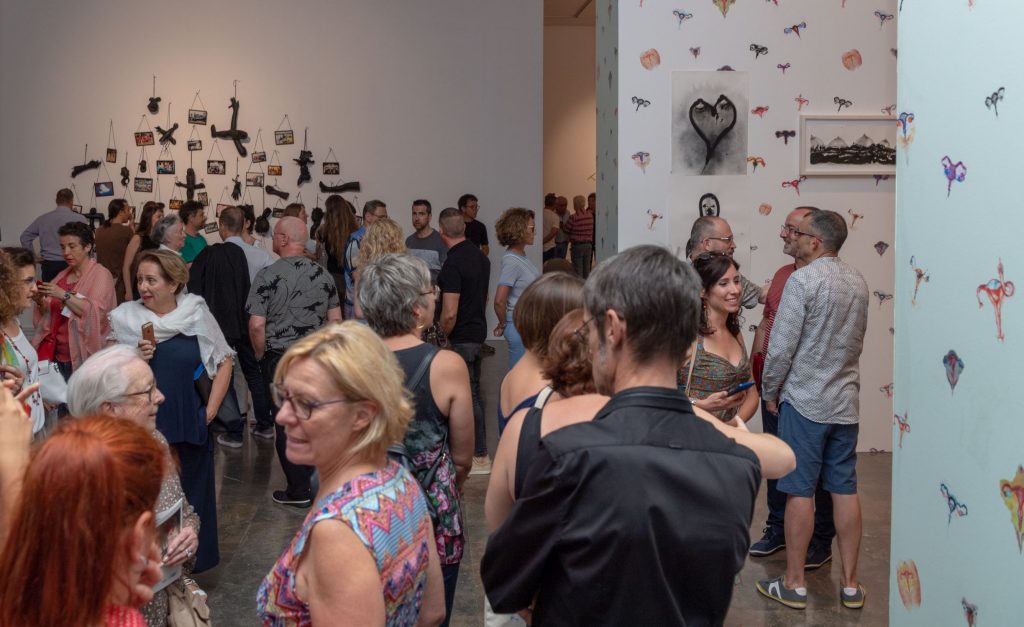
Guided tours to exhibitions by Pilar Martínez, BA Art History
Visits:
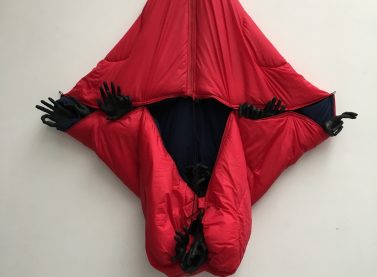
SUNDAY 4th Annette Messager. Pudique – Publique
08 oct. 2018
IVAM Centre Julio González
share
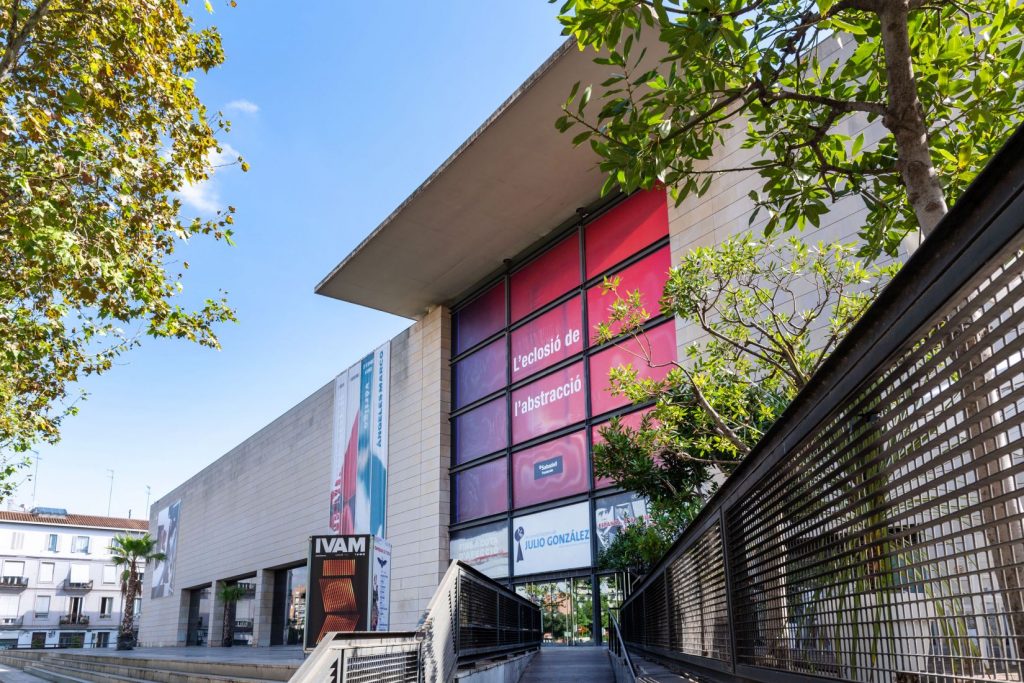
Monday October 8th, the IVAM opens in an extraordinary way.
Visit all the exhibitions of the museum at its usual time, from 10 a.m. to 7 p.m.
26 oct. 2018
IVAM Centre Julio González
share
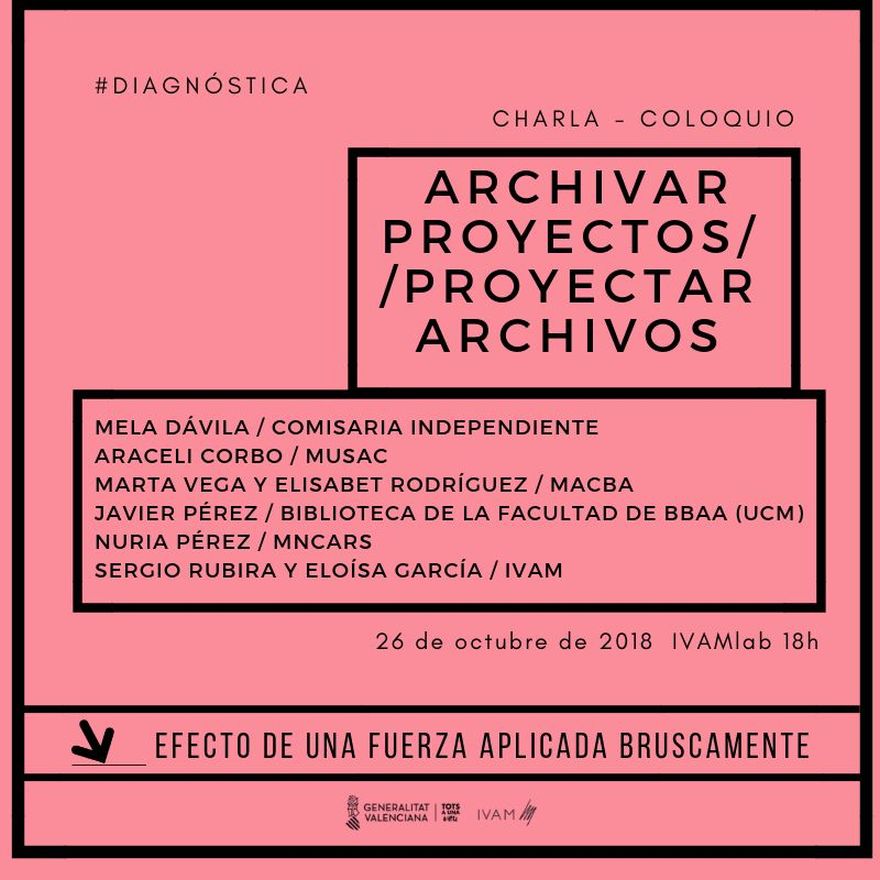
October 26th at 18pm IVAMLab
Talk: Archive projects. Project files
Participants: Mela Dávila (former head of the Center for Studies of the Museo Nacional Centro de Arte Reina Sofía and independent curator), Araceli Corbo (MUSAC), Marta Vega and Elísabet Rodríguez (MACBA), Núria Pérez (Center for Studies of the Museo Nacional Centro de Arte Reina Sofía) , Javier Pérez (Library of the Faculty of Fine Arts of the Complutense University of Madrid), Sergio Rubira and Eloísa García (IVAM).
Art projects or archives generated by artists are a reality in Contemporary art. People invited to the talk are some of the pioneers in their treatment in our country. They will give us the keys to how to manage this material that connects, again, the work of curators and librarians of museums.
07 oct. 2018
IVAM Centre Julio González
share
CANCELLED
Guided tours to exhibitions by Pilar Martínez, BA Art History
Visits:
SUNDAY 7th Annette Messager. Pudique – Publique
29 nov. 2018 – 14 apr. 2019
IVAM Centre Julio González
floor B, G1
share
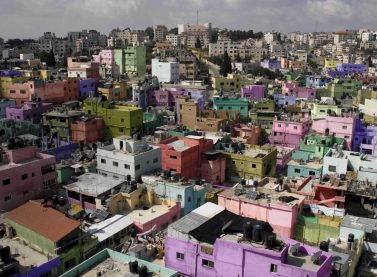
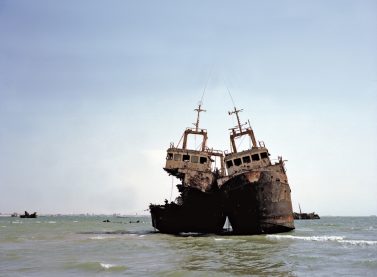
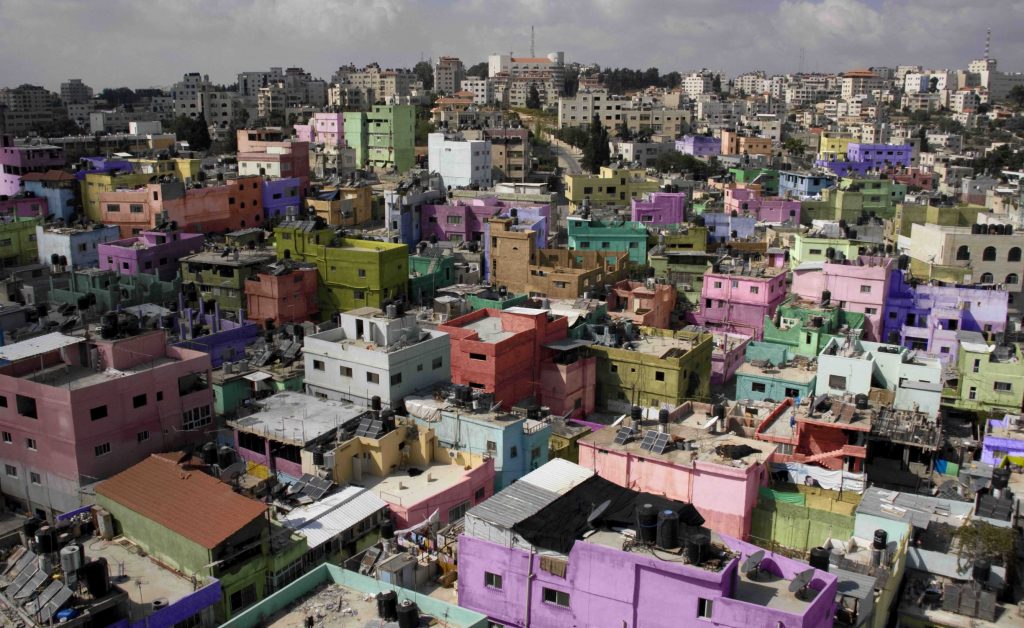
Beyond the idyllic view of the Mediterranean Sea portrayed in the early 20th century by northern painters who were fascinated by its light, the Mediterranean has encompassed a superimposition, mingling and confrontation of languages, cultures and religions since the beginning of history. It is also an urban context, consisting of historic cities that have been destroyed and rebuilt, illusory holiday agglomerations and camps of people who do not have access to the city.
The Mediterranean has been a home for citizens since ancient Greece, which involves rejection of people who make it possible for the city to live but to whom the status of citizen is not granted, and it forms the setting for habits and customs and ways of life, shaped by a habitat that allows them to breathe or constricts them. The Mediterranean Sea is water that runs deep.
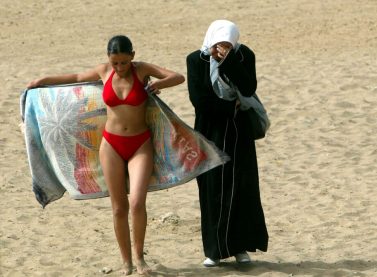
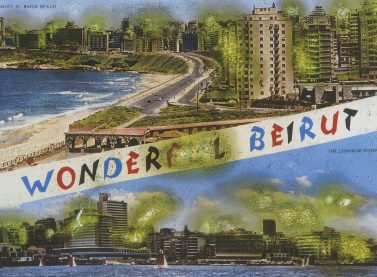
Inhabiting the Mediterranean is an exhibition with a mosaic of images, of ancient and contemporary works, of artists from all its shores, all translating the complex, contradictory, inclusive and exclusive image of peoples and cities, erected with walls that allow passage or present a barrier, beneath a light that illuminates or blinds.
Artists included in exhibition: Herbert List, Anna Marín, Camille Henrot, Ali Cherri, Ursula Schulz-Dornburg, Marwan Rechmaoui, Rayyane Tabet, Susan Hefuna, Zarina Hashmi, Dora García, Le Corbusier, Ismaïl Bahri, Joan Hernández Pijuan, Juan Muñoz, Hrair Sarkissian, Sergi Aguilar, Gabriele Basilico, Abbas Kiarostami, Taysir Batniji, Jordi Colomer, José Manuel Ballester, Juan Uslé, Marie Menken, Maria Lai, Tonino Casula, Albert García-Alzórriz, Dieter Roth and Richard Hamilton, Till Roeskens, Massinissa Selmani, Anne-Marie Filaire, Mohammed Al-Hawajri, Majd Abdel Hamid, Khaled Jarrar, Rami Farah, Randa Mirza, Anila Rubiku, Kader Attia, Martin Parr, Vasantha Yogananthan, Julia Schulz-Dornburg, Carlos Spottorno, Corinne Silva, Yazan Khalili, Efrat Shvily.