22 dec. 2024 – 27 apr. 2025
IVAM Centre Julio González
share


22 dec. 2024 – 27 apr. 2025
IVAM Centre Julio González
share
For more information, please check the Spanish version.

12 dec. 2024 – 01 jun. 2025
IVAM Centre Julio González
share
For more information, please check the Spanish version.




22 may. 2025 – 02 nov. 2025
IVAM Centre Julio González
floor 2, G4
share
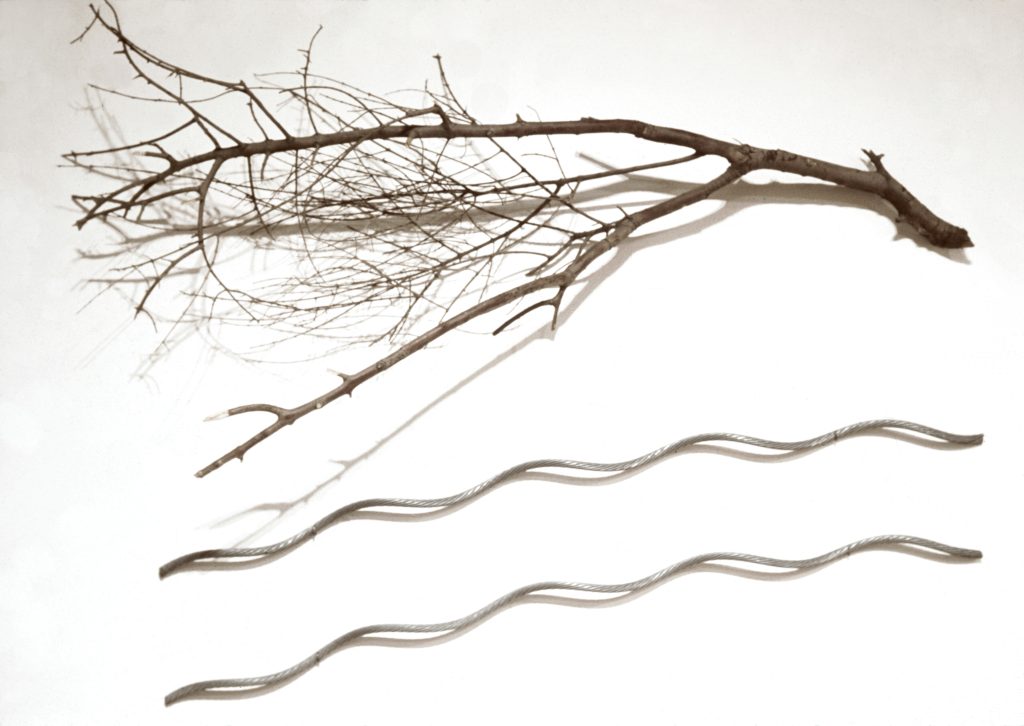
The project consists of a duo exhibit by Senga Nengudi (1943, Chicago) and Maren Hassinger (1947, Los Angeles). For the first time in a Spanish museum, the close friendship and collaboration between both artists will be worked on, which originated with the experiences of Studio Z in Los Angeles and continued for more than five decades since the 70s, through installations, texts, sculptures, performances and video projects. The starting point will be two short, but very important, texts from the artists: Manifesto (Maren Hassinger, 2006) and Maren and I (Senga Nengudi, 2009), present in the room as a preamble to the exhibit. Since the 1970s, Senga Nengudi and Maren Hassinger have worked together to create a rich corpus of works including installations, performances, video, texts and sculptures. They have been co-authors and have participated in each other’s performances on numerous occasions, in addition to being members of Studio Z. The nature of these collaborations has been based on an open, improvisational and exploratory attitude between each other’s art and, at the same time, they were a means to reflect on the need to affirm a new cultural identity. The framework pursued in the project will show how, despite being on the sidelines, Senga Nengudi and Maren Hassinger fostered individual and collective modes of expression through self-determination and networks of mutual care and support. The two artists held space for each other as a means of survival through their friendships, their complex emerging identities, and their experiences of shared political realities. The open and improvisational artistic spirits of Nengudi and Hassinger have been and continue to be an inspiration and a reminder that art can bring people and communities together. Their works are deeply rooted in collaboration and often consist of events that bring together people from different backgrounds and generations. Throughout their production, Nengudi and Hassinger have opposed the apparatuses and systems of power that often regulate productive and innovative cultural exchange; and they have done so by analysing multiculturalism through the lens of blackness and offering an approach based on collaboration. They have produced an extensive body of work that places the issues of race and gender as they relate to ritual, history, and performance front and centre. COLLABORATES: 


19 dec. 2024 – 27 apr. 2025
IVAM Centre Julio González
floor 2, G6
share
The exhibit dedicated to Gabriel Cualladó (Massanassa, Valencia, 1925 – Madrid, 2003) is based on an exhaustive investigation of this author’s assets present in the IVAM Collection. Adding to this large set of works (around 445 photographs) is the photographer’s archive and library, and a series of polaroids made up of more than 600 pieces; furthermore, slides made by the photographer towards the end of his career are included and show his experimentation with colour, something unique in his work.
This exhibit aims to look at Cualladó’s universe starting at its origins, making visible his work as a photographer, but also as a collector, writer and editor. His archive (made up of correspondence, brochures, invitations and many other documents) and his fantastic library, unique in Spain, allow us to build not only on his work, but also the history and development of photography in Spain; from amateur associations to the official recognition of photography as an artistic genre, for which he was awarded the National Photography Prize in 1994.
The exhibit will include documents and unpublished material that will allow the public to know a different perspective of this artist, which will allow a dialogue to be established between his work and works from his own collection deposited at the IVAM by authors such as Diane Arbus, August Sander or Dorothea Lange. This exhibit will follow the complete trajectory of Cualladó’s career based on a large presentation of material that will accompany the photographs and which will also demonstrate his great importance in the Spanish context and his ability to establish connections on an international level


12 dec. 2024 – 01 jun. 2025
IVAM Centre Julio González
floor B, G1
share
The multidisciplinary practice of Simone Fattal (Damascus, 1942) conceptualizes time as an elastic entity that transcends the distinctions between past, present, and future. Her work draws from mythology, spanning from ancient Egypt to Sunni mysticism and Greco-Roman tradition, creating archetypal figures that integrate historical narratives into the present.
Fattal’s work, predominantly sculptural, unfolds in a multicultural and nomadic space distinct from official history. This space transports the viewer to a “historical place” of an almost archaeological, multilingual, and polytheistic nature, which nevertheless exists and manifests in the present.
Through mediums such as sculpture, painting, and photography, Fattal explores the boundaries of figuration, inspired by historical figures from the Mediterranean, creating a cosmogony of resilient bodies and architectures. Her sculptures, made of bronze, clay, or stoneware, evoke literature, Sumerian tales, Arab epics, and Sufi poetry. Angels, centaurs, heroes, and gods mingle with architectural ruins and figures of fruits and animals, alluding to the loss of historical sites such as Palmyra or Aleppo. These works, timeless and simultaneously archaic and modern, reflect on humanity and its place in the world and history.
Fattal has been awarded the Julio González International Prize 2024 for her contribution to contemporary art. To mark the occasion, IVAM will organize an exhibition curated by Nuria Enguita and Rafael Barber, which will review the main lines of work of this Franco-Lebanese artist. A catalogue will be published in conjunction with the exhibition, including texts by the curators and contributions from professionals such as Jacqueline Burckhardt and Omar Kholeif.
Simone Fattal, born in Syria in 1942 and raised in Lebanon, studied philosophy in Paris and established herself as an artist in Beirut. After the Lebanese Civil War, she moved to California, where she founded The Post-Apollo Press. She resumed her artistic practice in 1988 at the San Francisco Art Institute, focusing on sculpture and ceramics. Her work has been exhibited internationally at renowned institutions such as MOMA PS1 (2019); Lille Métropole Musée d’Art Moderne (2019); Punta Della Dogana, Pinault Collection, Venice (2019); Bergen Kunsthall, Bergen (2020); Whitechapel Art Gallery, London (2021); ICA Milan, Milan (2021); La Biennale di Venezia, Venice (2022); 16th Lyon Biennale, Lyon (2022); 12th Berlin Biennale, Berlin (2022); TBA21 Academy, Ocean Space, Venice (2023); Portikus, Frankfurt (2023); Secession, Vienna (2024).


06 nov. 2024 – 09 mar. 2025
IVAM Centre Julio González
floor 2, G4
share
Juana Francés (Alicante, 1924 – Madrid, 1990) began her artistic activity in the 1950s, when the first symptoms of artistic renewal started to appear in Francoist Spain. Establishing connections with the avant-garde circles that gathered in Madrid, Juana Francés was the only female member of El Paso, a group born under the influence of American Abstract Expressionism and its gestural and material violence. However, she left the group in 1957, precisely because of the contempt for her art and her condition as a woman shown by some of the other members at a time when art was still an area dominated by men.
Until 1960, Juana produced works in which she aggregated different textures, sober colours (blacks, whites and earth tones) and new materials like river sands. From 1963, and for nearly twenty years, she produced her series El hombre y la ciudad (Man and the City), a depiction of a stifling and distressing human environment resulting from the growing industrialisation and economic development in urban Spain after the application of the Stabilisation Plan of 1959. Later, in the 1980s, the artist returned to abstraction. Between 1986 and 1990, the year of her death, she produced her series Fondos Submarinos (Submarine Depths), Cometas (Comets) and Escudos (Shields), where she experimented once more with material and gesture in an attempt to transfer movement to the support, drawing inspiration from the cosmos or the depths of the sea, and using the circle and rectangle as principal motifs.
This exhibition attempts to break down and delve into the different fragments of Juana Francés’s artistic career not only through her own words and writings, but also through the study and monitoring of her creative process. It provides, therefore, a more intimate and personal view of the artist, while recovering the memory of her exhibitions, framing her work in the time table of our own history.
The exhibition at the IVAM Centre Julio González is the culmination of the centenary of the artist’s birth and concludes the itinerancy of this ambitious exhibition after its presentation at the IVAM in Alcoi and the Centro Niemeyer in Avilés. Furthermore, this new show devoted to the work of Juana Francés will offer the opportunity to enjoy artworks that have not been exhibited before.


09 jul. 2024
IVAM Centre Julio González
share
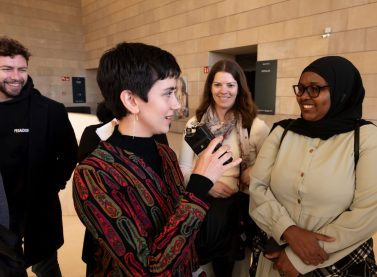
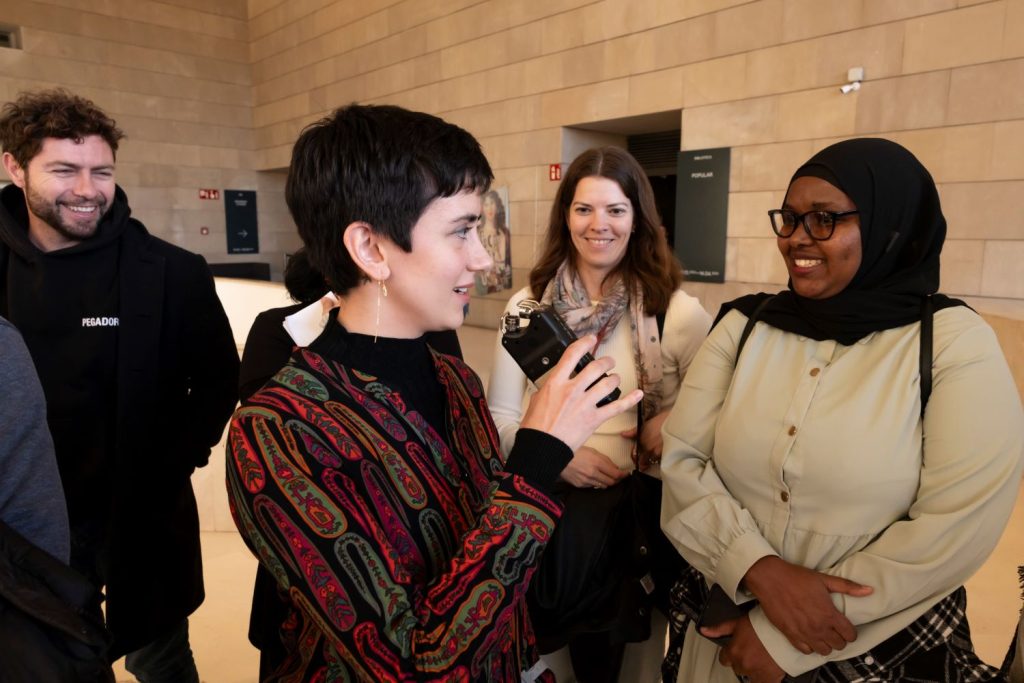
To close the 2023/24 course of the POLIGLOTÍA program, we invite you to join us in this open-door session aimed especially at people who are learning Spanish and people interested in processes of cultural and linguistic diversity.
We will present the publication of the POLIGLOTÍA Narrative Laboratory and we will count with the intervention of the participants in the Spanish language classes, which are based on the IVAM exhibitions.
POLIGLOTIA is a space that welcomes groups of diverse nature that “inhabit” the museum and interact with its exhibition proposal. The project is led by Paco Inclán with the mediation support of Gema Gil.
Participants 2023/24
Spanish classes: Anastasiia Barei, Wadj Beshara, Sonali Fernando, Alexey Gostyukhin, Gosia Kościelska, Lena Laba, Samia Ledjouada, Anton Mezentsev, Toshiko Miyahara, Ufuk Navarro, Olha Rode, Oleksandr Pavliuchenko, Aizhan Saganayeva, Ni Song, Lichun Xie, Li Zhang.
Narrative Laboratory: Mariana Bandeira, Andrea Bednarczyk, Neus Berenguer, Nancy Carrillo, Medes Colubi, Victoria Fernández, Sandra González, Leonardo Jiménez, Kristin Hansen, Soledad Martín, Saba Moradi, Noemi Neri, Oleksandr Pavlov, Davide Perrulli, Chabe Rollán, Francesco Rondelli, Diego Silipo, Jose Vaquerizo.




04 jul. 2024 – 08 dec. 2024
IVAM Centre Julio González
floor B, G3
share
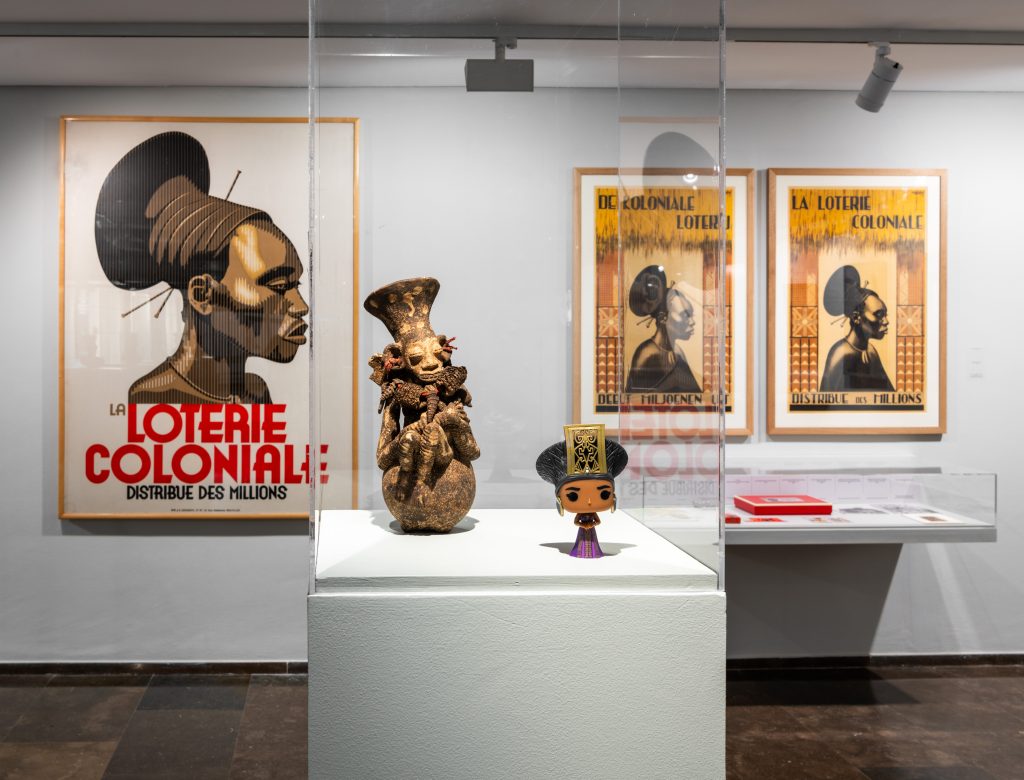
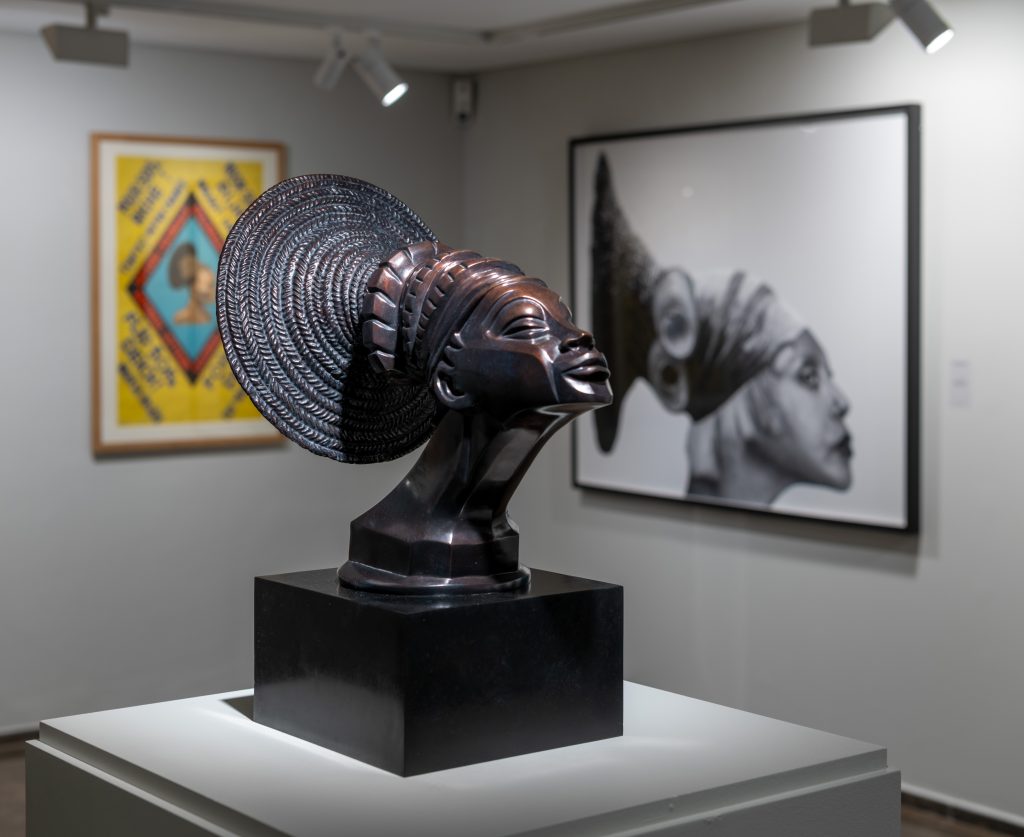
This exhibition explores the development of the photographic image of Nobosudru, a Mangbetu woman, taken in the north-eastern part of the Congo by G. Specht and L. Poirier, who were responsible for the photographic and cinematographic shots of the famous Citroën automobile crossing known as La Croisière Noire (1924-1925). Directed by G. M. Haardt and L. Audoin-Dubreuil, it crossed Africa from Algeria to Cape Town. Very soon, the profile image of Nobosudru with her characteristic headdress, which was only a status marker but was falsely taken as an ethnic sign of all Mangbetu women, became an icon of Black Africa. The use of this image in the most diverse practices and social contexts, as well as its different material supports, all of which are present in the exhibition, led to its formal and semantic mutation from the 1920s to the present day.
The exhibition allows the visitor to see a wealth of documentation from numerous archives and museums, mainly European, as well as private collections: the expedition’s memory albums, the film of La Croisière Noire and the posters in various languages advertising it, the scientific and popular books in which the image was reproduced, the advertising of consumer products, fashion magazines, decorative painting and sculpture, jewellery and costume jewellery, and so on. Uses of this image underpinned by an exoticist point of view in keeping with the colonial period. But this exhibition also shows the paradox that this same image has had an anti-racist political meaning in other contexts, as shown by its propagandistic use in documents of cultural resistance or in some appropriations from contemporary art, including film. That this colonial image continues its journey, when criticism of colonialism abounds, is perhaps explained by an ambivalent attitude that mixes in varying proportions both rejection of that period and a certain melancholy. Through condensation and displacement, mechanisms typical of dreamlike elaboration, Nobosudru remains a symbolic field where, today as yesterday, the expressions of different post-memories compete.
Through a case analysis, this exhibition is situated at the crossroads of different disciplines: visual anthropology, the history of political representations, aesthetics and the pragmatic theory of the image.


11 jul. 2024 – 20 oct. 2024
IVAM Centre Julio González
floor 2, G6
share
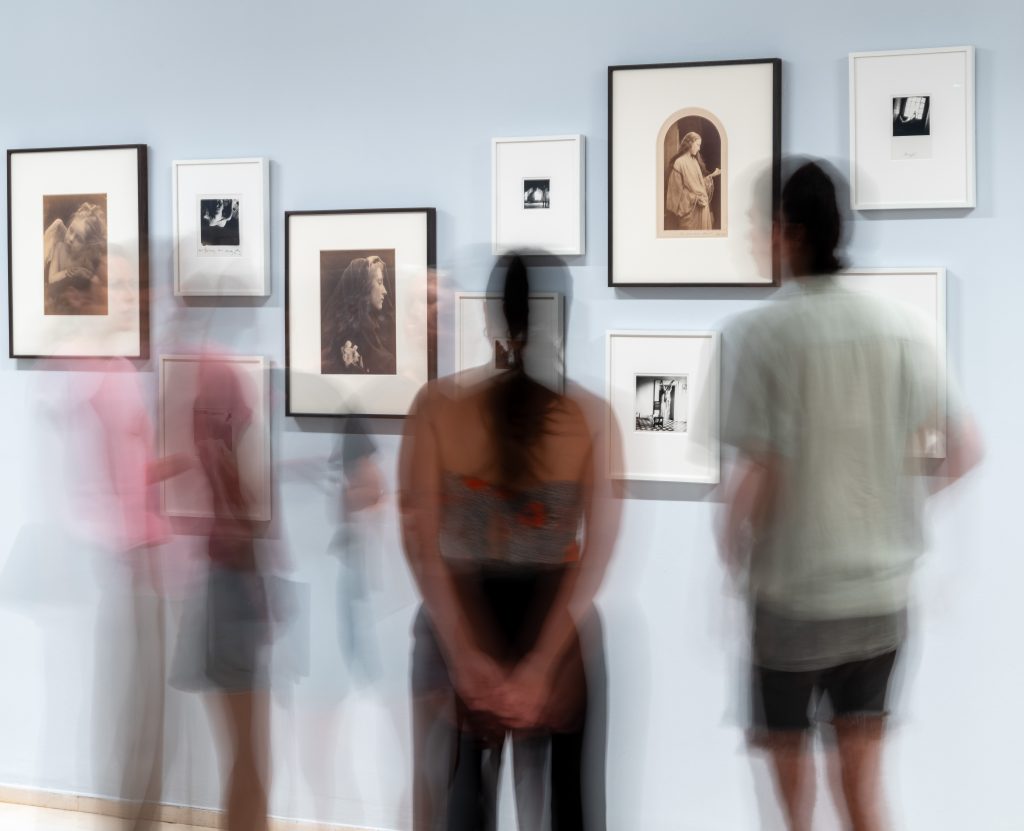
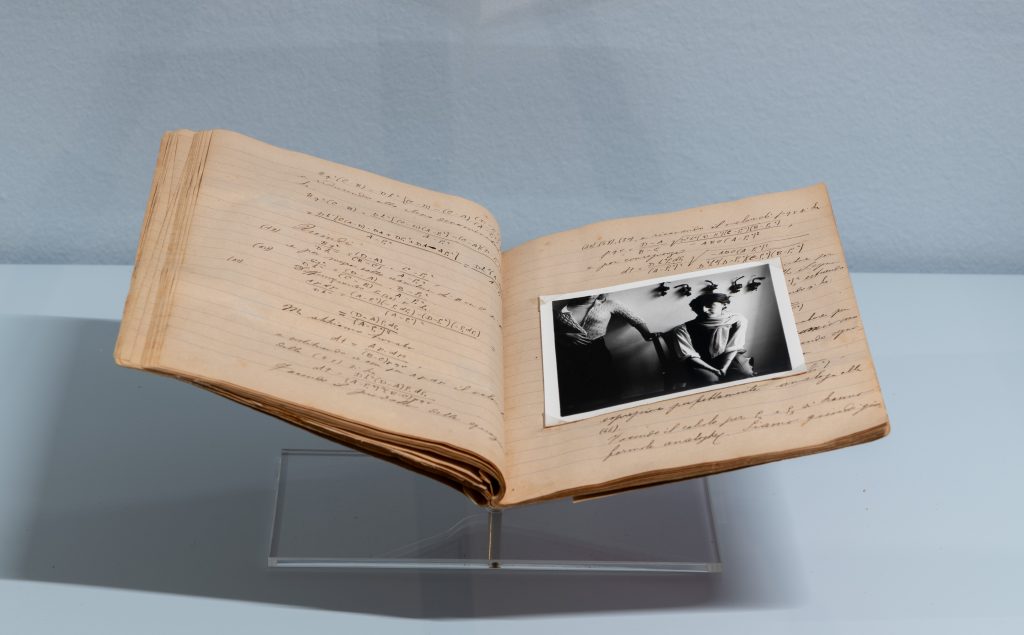
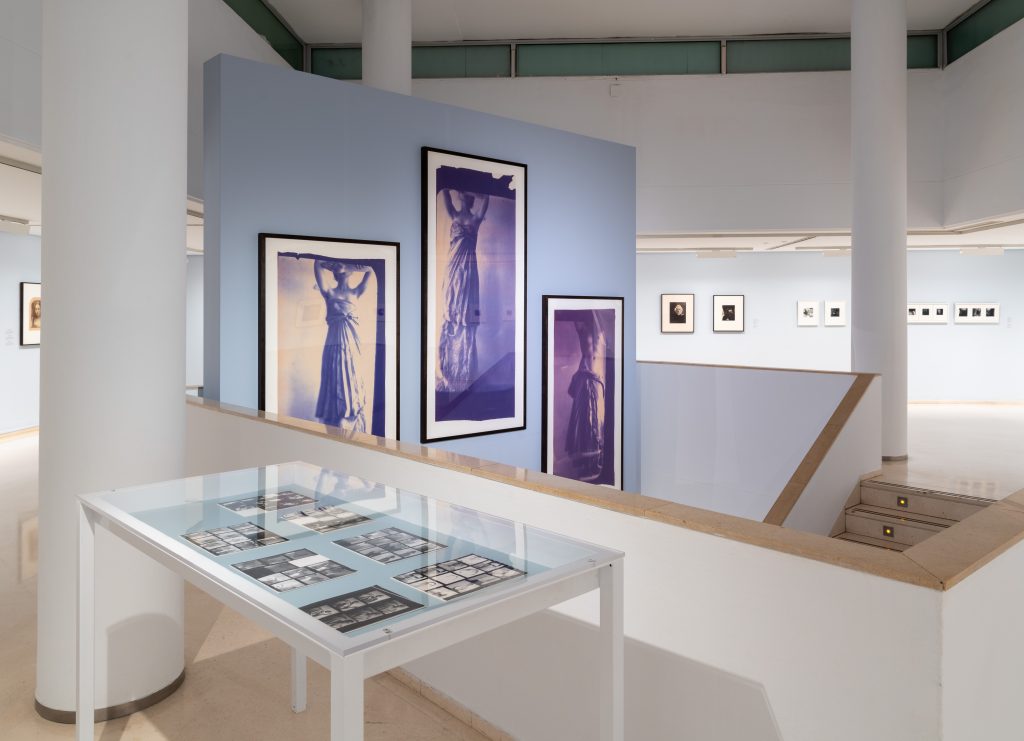
This innovative exhibition will juxtapose the lives and work of two of the most important and influential practitioners in the history of photography. Showcasing more than 150 rare vintage prints, the exhibition will span the entire career of Francesca Woodman and Julia Margaret Cameron – who worked 100 years apartand include examples of both their best known and less familiar work. In ways that tantalisingly intersect and diverge, portraiture was fundamentally imortant to the artistic project of both women. This exhibition will explore the idea that Woodman and Cameron share an engagement with portraiture as a ‘dream space’. The title makes reference to the idea that these photgraphic portraits are not intended to mimic reality, but conjure notions of imagination, beauty, symbolism, transformation and storytelling. Considering both artists in a different light, Francesca Woodman and Julia Margaret Cameron: Portraits to Dream In will propose new ways of appreciating and thinking about the artists, portraiture and the relationships between 19th and 20th century photographic practices.
The exhibiton will be accompanied by a catalogue, Francesca Woodman and Julia Margaret Cameron: Portraits to Dream In, by curator Madgalene Keaney, including essays and contributions from the curator of the Woodman Family Foundation, Katarina Jerinic, and leading photography historian, Helen Ennis.




27 jun. 2024 – 10 nov. 2024
IVAM Centre Julio González
floor 2, G7
share
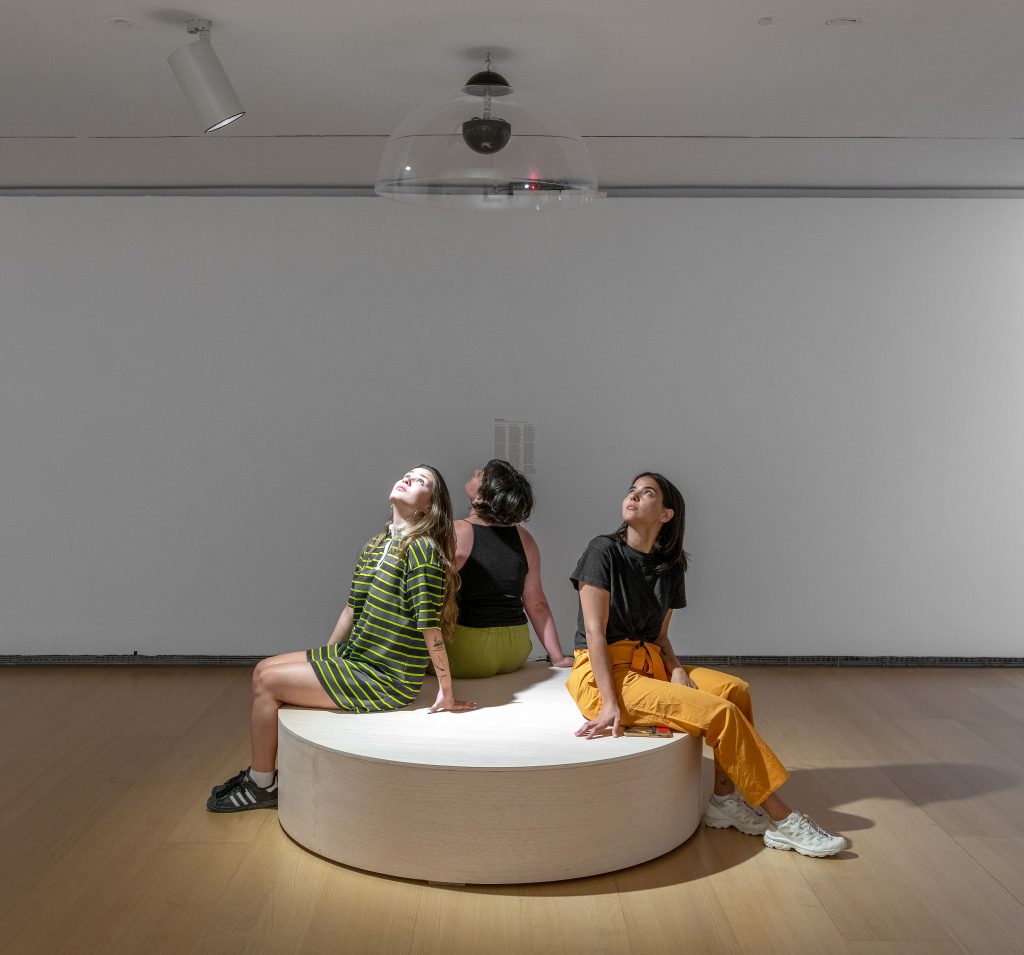
Confluences. Between the archive and the intervention is an exhibition proposal that accounts, archives and updates what has happened since 2021 in various locations with less than one hundred inhabitants in the Valencian Community within the Confluències program. Likewise, it shows twelve new interventions and pieces by the team of artists generated specifically for the IVAM G7.
In the archive section, a wide variety of materials are displayed on the actions and experiences carried out in collaboration with the people involved in the different municipalities of the program: artists, local agents, neighbors and other living beings that inhabit it. The objective is to strengthen the networks generated through the visibility of the interventions; a potential tool to sustain dialogues and exchanges. The documentary of the process made by La Cosecha Comunicación is included.
In the rest of the room, new interventions and works are distributed that dialogue with previous processes in various directions: some delve into aspects only previously noted, others focus on methodologies, and others rescue discarded materials. In this way, the exhibition invites us to generate new reflections, readings and imaginaries of the pieces produced in the territory and enable, in turn, renewed comings and goings.
The artists who have participated in Confluències are: Bleda y Rosa, Carlos Izquierdo, Fent Estudi, La Cuarta Piel, Laura Palau, Lola Zoido, LUCE, Makea Tu Vida, Pep Vidal, Pilar Beltrán, Rubén García and Sandra Mar. Through His works invite us to reflect on the landscape, care, depopulation, uses and abuses of the territory, identity, memory, gaps, ecosocial challenges and how all these issues affect us from the places where we live.
*Confluències, artistic interventions in rural areas is a program framed in the line of work of l’IVAM al territori, which has developed since autumn 2021 a network of actions, mediations and artistic interventions in the twenty-four smallest towns in the Community Valencian. The artistic interventions of Confluències can be visited in: Alto Mijares (Espadilla, Fuentes de Ayódar, Torralba del Pinar, Torrechiva, Vallat and Villamalur), Commonwealth of Alto Palancia (Fuente la Reina, Higueras, Matet, Pavías, Sacañet and Villanueva de Viver) , Els Ports (Castell de Cabres, Herbers, Palanques, Vallibona and Villores), province of València (La Puebla de San Miguel, Carrícola and Sempere), and El Comtat (Benillup, Binimassot, Famorca and Tollos). The twenty-four towns, with a population of less than one hundred inhabitants, are part of Route 99.
21 may. 2024 – 09 jul. 2024
IVAM Centre Julio González
share
ENG
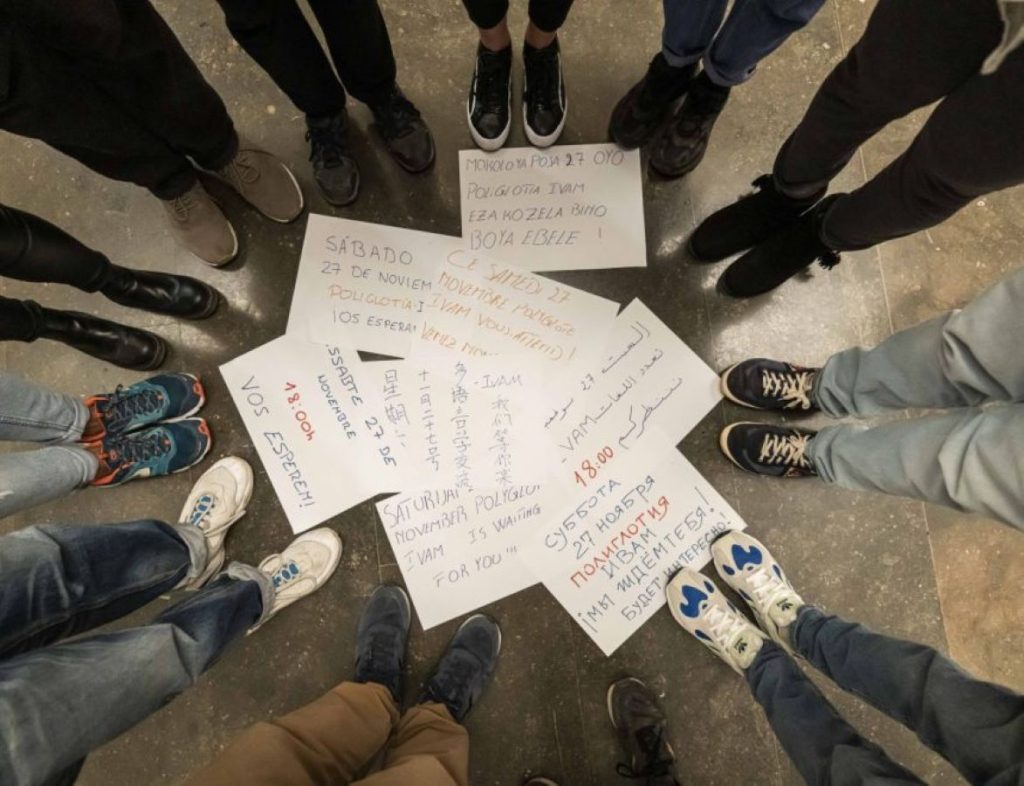
POLIGLOTÍA opens its doors to people who currently study Spanish (B, intermediate levels). In the sessions, the IVAM exhibitions and facilities will serve as teaching resources for language learning. The mother tongues of the participants will also play a leading role in these multilingual meetings. An exploration of the possibilities of the museum as a space to promote dialogue and the exchange of knowledge and experiences from a pedagogical approach of cultural and linguistic diversity.
Sessions
May 21 and 28
June 4, 11, 18 and 25
July 2 and 9
LIMITED PLACES
To register, send an email to educacio@ivam.es until May 10 with this information:
Commitment to attendance is valued
–
IVAM Centre Julio González
Territory
floor 2, G7
share
Confluences. Between the archive and the intervention is an exhibition proposal that accounts, archives and updates what has happened since 2021 in various locations with less than one hundred inhabitants in the Valencian Community within the Confluències program. Likewise, it shows twelve new interventions and pieces by the team of artists generated specifically for the IVAM G7.
In the archive section, a wide variety of materials are displayed on the actions and experiences carried out in collaboration with the people involved in the different municipalities of the program: artists, local agents, neighbors and other living beings that inhabit it. The objective is to strengthen the networks generated through the visibility of the interventions; a potential tool to sustain dialogues and exchanges. The documentary of the process made by La Cosecha Comunicación is included.
In the rest of the room, new interventions and works are distributed that dialogue with previous processes in various directions: some delve into aspects only previously noted, others focus on methodologies, and others rescue discarded materials. In this way, the exhibition invites us to generate new reflections, readings and imaginaries of the pieces produced in the territory and enable, in turn, renewed comings and goings.
The artists who have participated in Confluències are: Bleda y Rosa, Carlos Izquierdo, Fent Estudi, La Cuarta Piel, Laura Palau, Lola Zoido, LUCE, Makea Tu Vida, Pep Vidal, Pilar Beltrán, Rubén García and Sandra Mar. Through His works invite us to reflect on the landscape, care, depopulation, uses and abuses of the territory, identity, memory, gaps, ecosocial challenges and how all these issues affect us from the places where we live.