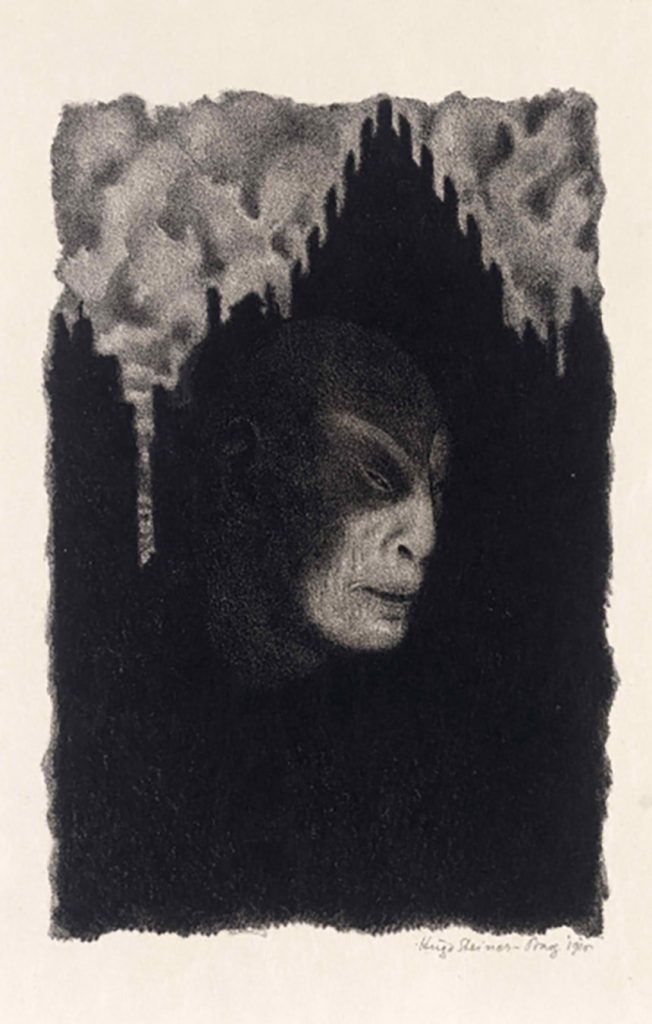
Hugo Steiner Gólem 1916
13 and 14 oct. 2022
IVAM Centre Julio González
share


13 and 14 oct. 2022
IVAM Centre Julio González
share
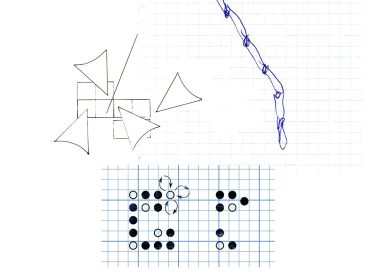
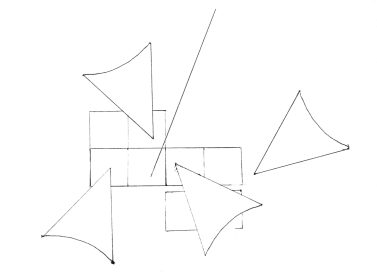
Remote histories of ancient times speak of demiurges that kneaded clay and gave it shape and life. Modelling, which gives us the oldest traces of human beings, traces the history of human creation and accompanies the beginnings of speculative, religious and spiritual thought. In this gathering, Cayetano Truyols and Claudia Dyboski –artist from the Art and Context Programme- present a plastic dialogue with the public through modelling as a form of cognitive expression. Participants will be guided through the creative process of modelling / moulding / reproduction, and through the creation and figurative manipulation, towards their own personal golem, to which they will be able to give life.
Cayetano Truyols researches the transnational phenomena of the otaku culture in the era of digital nativism. The artist draws us towards the otaku philosophy and identity to unravel new imaginaries, different paths for political deconstruction and progression. His production is formalised in a context between sculpture and digital media. Some of his most recent exhibitions include: Emergency Gathering (Acud Macht Gallery, Berlin, 2022), Inter* Role Players (Sant Andreu Contemporani, Barcelona, 2021), Recorda el foc d’agost (Fabra i Coats, Barcelona, 2019). He is the co-founder of Malpais, a space situated in Barcelona, managed by artists, which started to curate a programme of exhibitions at the end of 2021.


29 sep. 2022
IVAM Centre Julio González
share
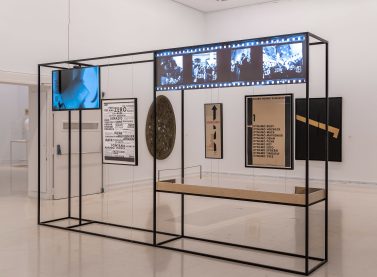
Bartomeu Marí, the curator of the exhibition, Barbara Könches, director of the ZERO Foundation and Nuria Enguita, director of the IVAM present the exhibition Far from the Void. ZERO and post-war art in Europe..
The exhibition reviews the groups of artists who overcame the aesthetic and existentialist atmosphere of the post-war period by rejecting expressionist painting, the gestural abstraction of Matterism and the Informalism that dominated the art scene after the Second World War.
The contributions of the young artists gathered in the exhibition were central to the “big bang” of art in the 1960s. Considering ZERO and the contemporary groups that shared the same spirit and formed a dense network of contacts, exhibitions, publications and events (Azimut, Nul, Gruppo T, Gruppo N, Equipo 57, and Nove Tendencije, among others), the exhibition shows “congregations” of artists who operated without a creed or a unified intellectual leadership, but with the shared ambition to “start from scratch” and find a new way of making and enjoying art.
The exhibition brings together over a hundred works by more than thirty artists (Mack, Piene, Uecker, Manzoni, Castellani, Klein, Tinguely, Fontana, Dadamaino, Grazia Varisco, Nanda Vigo, Megert, Peeters, Haacke, Verheyen, Schoonhoven, and Daniel Spoerri, among many others), as well as numerous documents and archives.
01 sep. 2022 – 15 sep. 2022
IVAM Centre Julio González
Territory
share
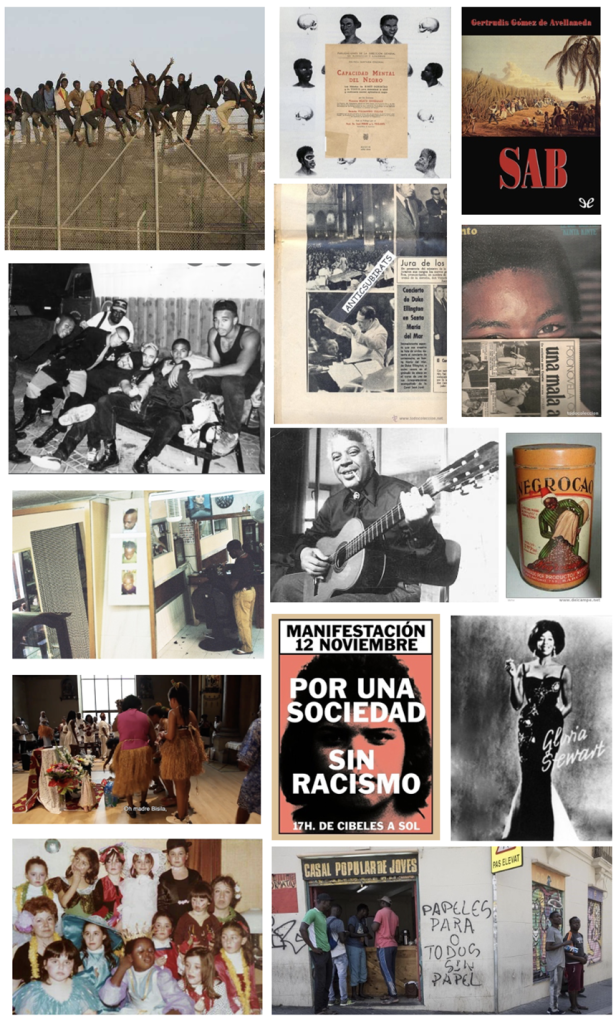
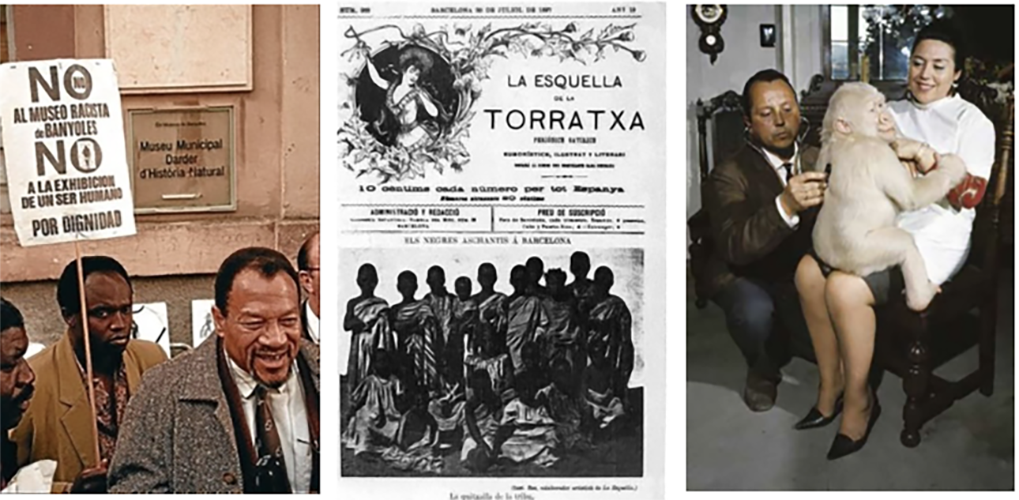
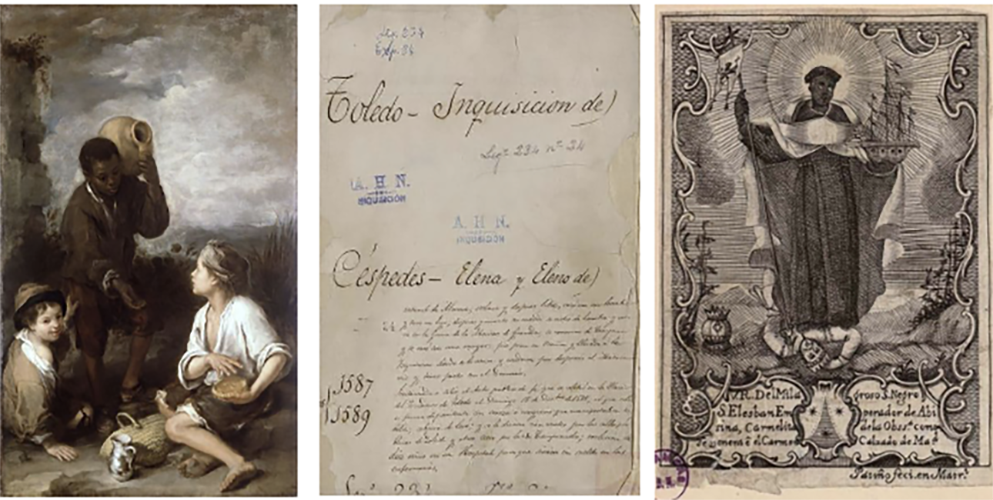
“Black Spain” – EN- is a group and situated research, a proposal from the Diaspora LAB from Radio Africa, at a time of awakening from the blackness in Spain. The main goal of the EN project is to build a common cultural background about black experience and thought in Spain, from the first traces of “Blackness” to the modern day, passing through the most famous facts and those that have been ignored, hidden or deleted. In the current context, we start from a fragmented knowledge, dispersed in the academic world, in African studies, in art, in museums, in music, in activism or historiography, which have generated disjointed and partial views, often enclosed in their own bubble of knowledge or buried in a hidden silence. That’s why, EN proposes this piece of research in order to trace, reunite and weave these snippets and link them together in a rich written and visual narrative, which is rigorous and creative, based on nosologies and epistemes belonging to experience and black thought, and working with methodologies of Black Studies that are still non-existent in the country today. All, over time, to build a specific story of Iberian blackness, always connected to the Black Atlantic and with a strong protagonism of its diaspora throughout history. This recognition of a shared path with black people in Spain will enable the complexity of the relationships with and between blackness to be dealt with, in addition to re-evaluation of its contribution to black thought in modern day society.
In order to cover multiple realities, the Black Spain project, coordinated by Africa Radio, builds its structure of work on a network of museums in different regions of the country in the years 2022, 2023 and 2024. IVAM will accompany the research in the Valencian Community and Murcia.


21 sep. 2022
IVAM Centre Julio González
share
Presentation of the book “Cartas en torno a Manolo Millares, Pablo Palazuelo y otros”, with the participation of authors Alfonso de la Torre and Joan Gómez Alemany, and the editor and author of the book’s prologue, Josep Lluís Galiana.
It is a unique book within the theory of art and literary criticism, the result of more than four years of work. It has been jointly written by Alfonso de la Torre (Madrid, 1960), who is one of the most internationally renowned critics and curators of art (a great specialist in the artists Manolo Millares and Pablo Palazuelo, author of their Catalogues Raisonnés) and Joan Gómez Alemany (Valencia, 1990), new generation interdisciplinary artist (who lives between Spain and Austria, whose music and visual work have been presented at prestigious festivals and museums throughout Europe). One of the characteristics of the volume, mainly dedicated to painters Manolo Millares (Las Palmas de Gran Canaria, 1926-Madrid, 1972), for whom the 50th anniversary of his death was celebrated in 2022, and Pablo Palazuelo (Madrid, 1915-2007), is how, rather than resorting to an academic, explanatory and not so original format, it has been created through an extensive and meditated correspondence between its authors. The correspondence leads to a mixture of many disciplines (visual arts, literature, music or film) which acquire a multidisciplinary and fragmented profile.
At the end of the presentation, the videocreations following will be projected: Millares 1970, by Manolo Millares, and Millares 1972-2022, by Joan Gómez Alemany.
30 sep. 2022
IVAM Centre Julio González
share
Ale Granero and Marina González Guerreiro
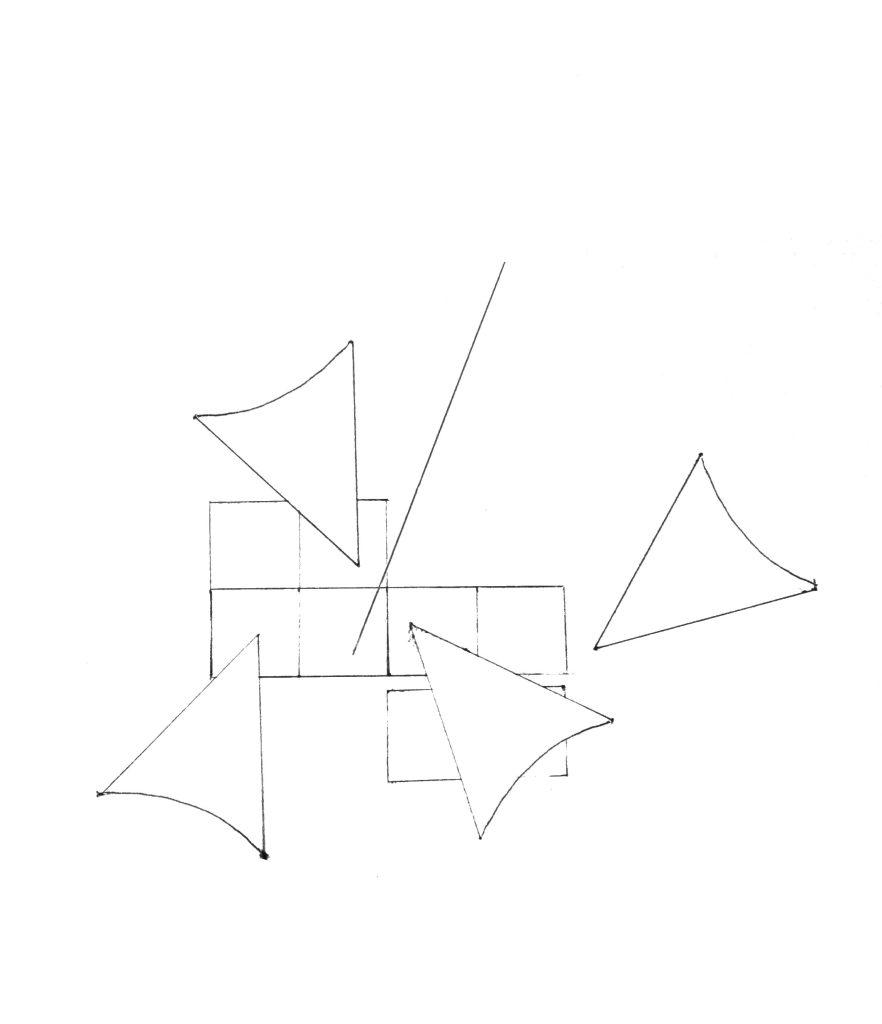
When we think about the fall of a lightning bolt, most people imagine a storm and we don’t expect it to fall on a clear day. However, it is possible that the unlikely event could happen on that day. Side by side, we will build an observatory from which to expect the unexpected and think about everything that falls from the sky or is given to us as a matter of course. At the end of the activity, we will try to draw a map with our observations.
Ale Granero (1992) is a researcher in artistic creation. His work reflects on the poetics of living and the tensions that operate in the field of critical outlooks. He holds a PhD in Art and Production from the Polytechnic University of Valencia. Sometimes his research takes the form of text. While at other times, it takes the form of artistic gestures. He currently lives in Barcelona, where he continues his studies in the University Masters in Comparative Studies of Art, Literature and Thought at Pompeu Fabra University.
30 sep. 2022
IVAM Centre Julio González
share
Sonia Tarazona and Marina González Guerreiro
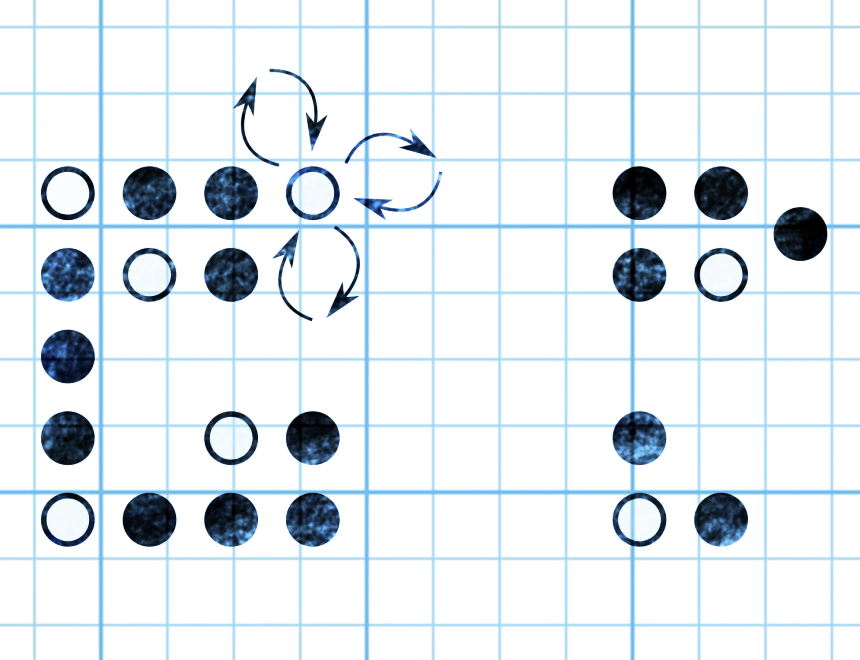
The proposal was born from the lack of space and time for oneself in cities, and outlines an exercise of automatic immersive writing on one of the public buses of Line C1 Centre Històric (Historic Quarter), starting from EMT bus stop 796 – IVAM. The activity is split into three parts: the collective reading of texts related with the topic and explanation of the activity; travel and writing from the logbook; anonymous reading from the logbook texts.
Sonia Tarazona (Castellón de la Plana, 1993) studied Fine Arts and the Masters in Artistic Production at the Polytechnic University of Valencia. After several years working in cultural management in Valencia, she emigrated to London where she worked in the film industry and came into contact with the city’s anarcha-feminism movement, organising festivals like By Any Zines Necessary or the meet-up group for Latin migrant women, Café Collective. However, the Covid-19 crisis meant a shift in her education and she had to abandon her Masters in Art Theory at Goldsmiths London University to return to Spain, where she studied the Masters in Teaching at the University of Valencia. She is currently in charge of the La Figuera community teaching space at Escuela Meme and is in charge of the Gata Negra feminist fanzine, while also teaching comics and video games classes at the Ciclope Centre. Academy of Digital Arts, and she also prepares the publishing of Transmitiendo entusiasmo. Guía práctica para introducir el fanzine en las aulas.
27 sep. 2022
IVAM Centre Julio González
share
Raúl Lorenzo and Marina González Guerreiro
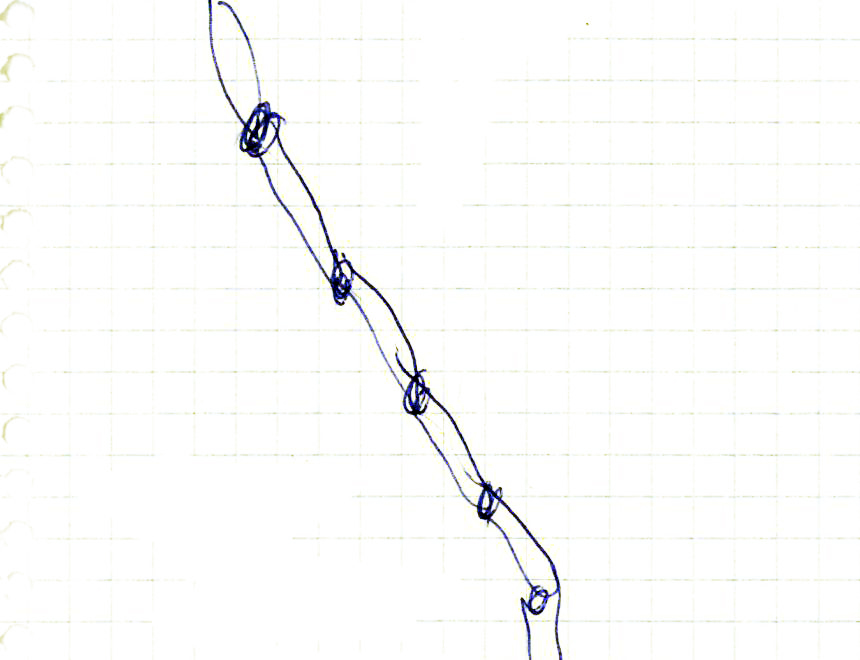
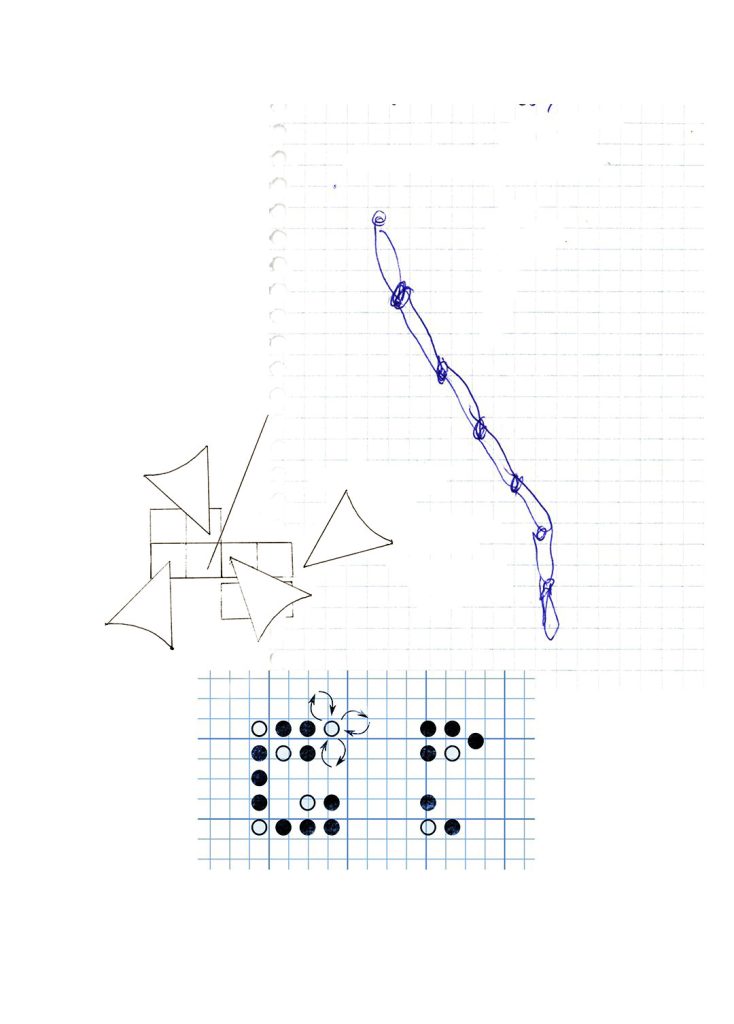
From the belief that a question can travel towards an answer like water towards thirst (Antropología del agua, Anne Carson), we propose a free walk through the mouth of the Carraixet ravine where each participant will take care of a question asked by another person, in the form of an invisible friend. Without falling into the urgency imposed on doubt by an immediate resolution, in this exercise on correspondence and interpretations, we will allow the question to show us its own pace.
Raúl Lorenzo (Zamora, 1985) is a Fine Arts graduate from the University of Salamanca and holds a Masters in Artistic Production from the Polytechnic University of Valencia. He has been a resident at the Bilbaoarte foundation (Bilbao) and Residencias a Quemarropa (Alicante), and rewarded with support in the creation of the Villalar de castile and Leon Foundation. He has collaborated with institutions like the Valencia Museum of Fine arts or the Provincial Museum of Zamora and, since 2022, he has been the founder and curator of Saceca, an independent art space situated in the province of Valencia.
27 and 30 sep. 2022
IVAM Centre Julio González
share
Raúl Lorenzo, Sonia Tarazona, Ale Granero and Marina González Guerreiro
Marina González Guerreiro proposes a plural activity as part of her research in the Art and Context Programme at the IVAM. Although it is possible to sign up separately to each of the exercises, we recommend taking part in all three activities.
Ale, Sonia, Raúl and Marina suggest three writing exercises, three short trips to try and escape time. Understanding writing in its broadest sense, as a record or desire to record, we will distance ourselves from the linear, chronological, productivist and alienating time that reigns, to enable dynamics such as the pause, waiting, observation and digression to emerge. Without any tricks of escapism, off we go.
Tuesday 27th September, 18.30.
Raúl Lorenzo and Marina González Guerreiro
From the belief that a question can travel towards an answer like water towards thirst (Antropología del agua, Anne Carson), we propose a free walk through the mouth of the Carraixet ravine where each participant will take care of a question asked by another person, in the form of an invisible friend. Without falling into the urgency imposed on doubt by an immediate resolution, in this exercise on correspondence and interpretations, we will allow the question to show us its own pace.
Friday 30th September, 18.30.
Own seat. Writing from a logbook on an urban boat.
Sonia Tarazona and Marina González Guerreiro
Own seat. Writing from a logbook on an urban boat was born from the lack of space and time for oneself in cities, and outlines an exercise of automatic immersive writing on one of the public buses of Line C1 Centre Històric (Historic Quarter), starting from EMT bus stop 796 – IVAM. The activity is split into three parts: the collective reading of texts related with the topic and explanation of the activity; travel and writing from the logbook; anonymous reading from the logbook texts.
Friday 30th September, 18.30.
Observatory of the unexpected.
Ale Granero and Marina González Guerreiro
When we think about the fall of a lightning bolt, most people imagine a storm and we don’t expect it to fall on a clear day. However, it is possible that the unlikely could happen on that day. Side by side, we will build an observatory from which to expect the unexpected and think about everything that falls from the sky or is given to us as a matter of course. At the end of the activity, we will try to draw a map with our observations.
05 oct. 2022
IVAM Centre Julio González
share
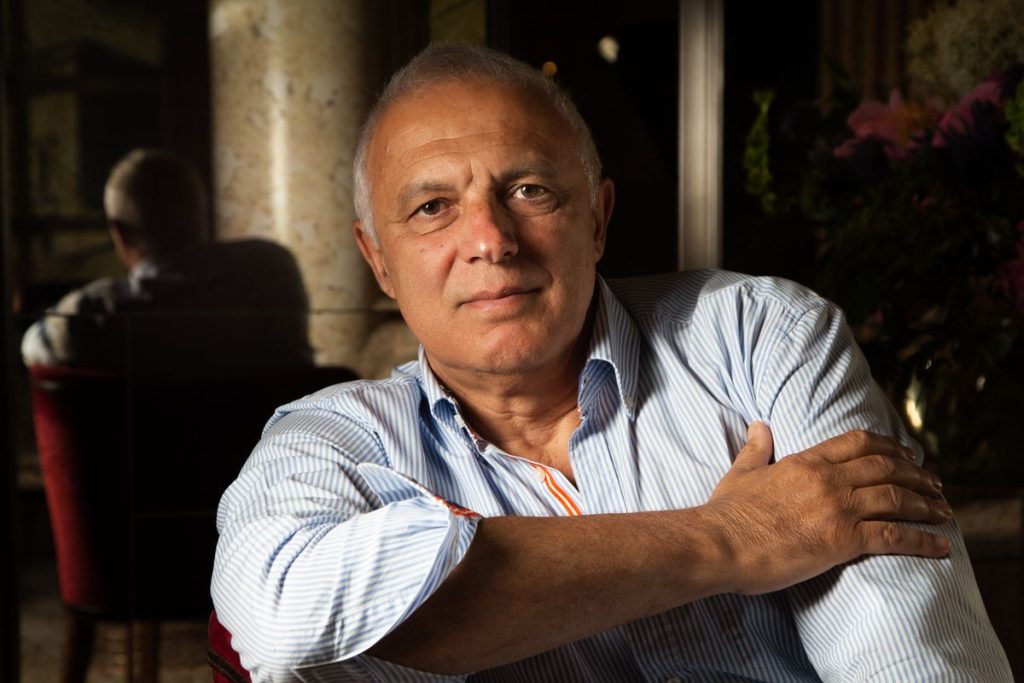
Nuccio Ordine is a world-renowned, and one of the most respected on a European level, essayist and intellectual. He defines himself as a staunch defender of humanities in the education system and is the author of memorable works such as The Usefulness of the Useless, an editorial phenomenon which has triumphed all over the world. He will talk to the publisher and journalist, Manolo Gil, about the death of humanities, literature and human solidarity, and will reveal that classics that have influenced him the most.
01 sep. 2022 – 15 sep. 2022
IVAM Centre Julio González
Territory
share
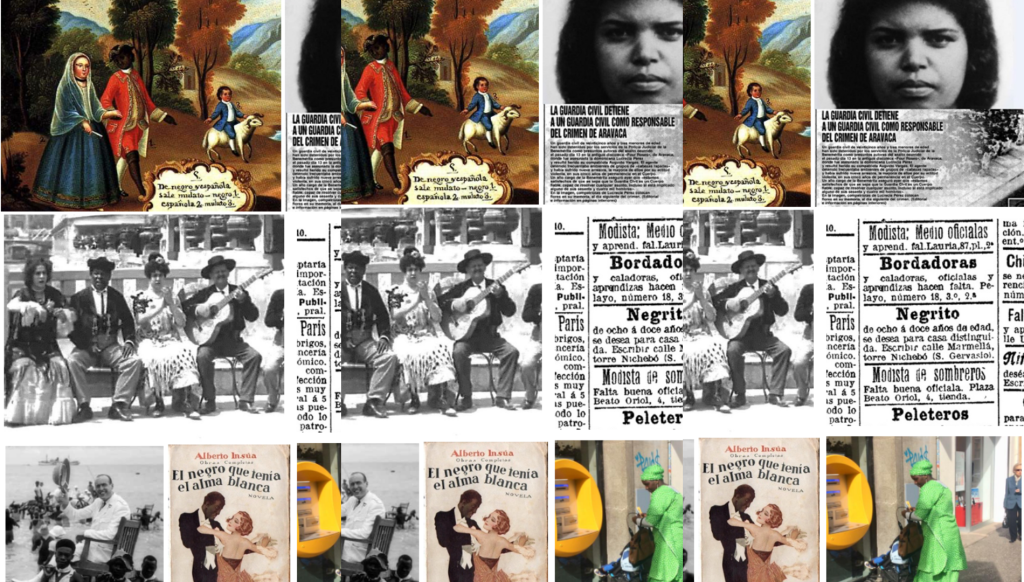
“Black Spain” – EN- is a group and situated research, a proposal from the Diaspora LAB from Radio Africa, at a time of awakening from the blackness in Spain. The main goal of the EN project is to build a common cultural background about black experience and thought in Spain, from the first traces of “Blackness” to the modern day, passing through the most famous facts and those that have been ignored, hidden or deleted. In the current context, we start from a fragmented knowledge, dispersed in the academic world, in African studies, in art, in museums, in music, in activism or historiography, which have generated disjointed and partial views, often enclosed in their own bubble of knowledge or buried in a hidden silence. That’s why, EN proposes this piece of research in order to trace, reunite and weave these snippets and link them together in a rich written and visual narrative, which is rigorous and creative, based on nosologies and epistemes belonging to experience and black thought, and working with methodologies of Black Studies that are still non-existent in the country today. All, over time, to build a specific story of Iberian blackness, always connected to the Black Atlantic and with a strong protagonism of its diaspora throughout history. This recognition of a shared path with black people in Spain will enable the complexity of the relationships with and between blackness to be dealt with, in addition to re-evaluation of its contribution to black thought in modern day society.
In order to cover multiple realities, the Black Spain project, coordinated by Africa Radio, builds its structure of work on a network of museums in different regions of the country in the years 2022, 2023 and 2024. IVAM will accompany the research in the Valencian Community and Murcia.
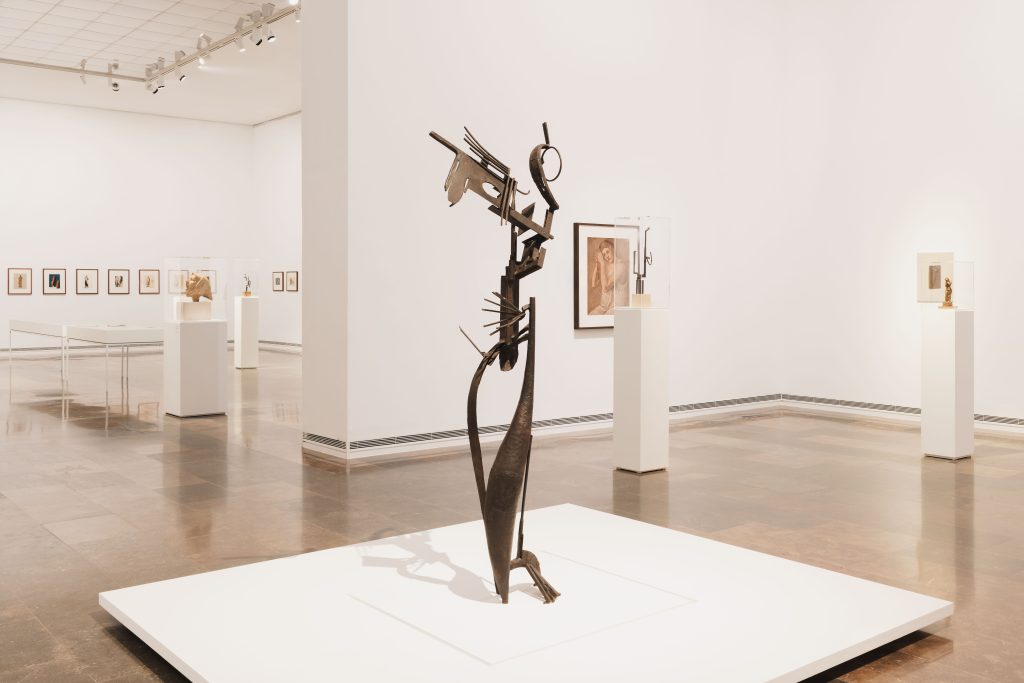
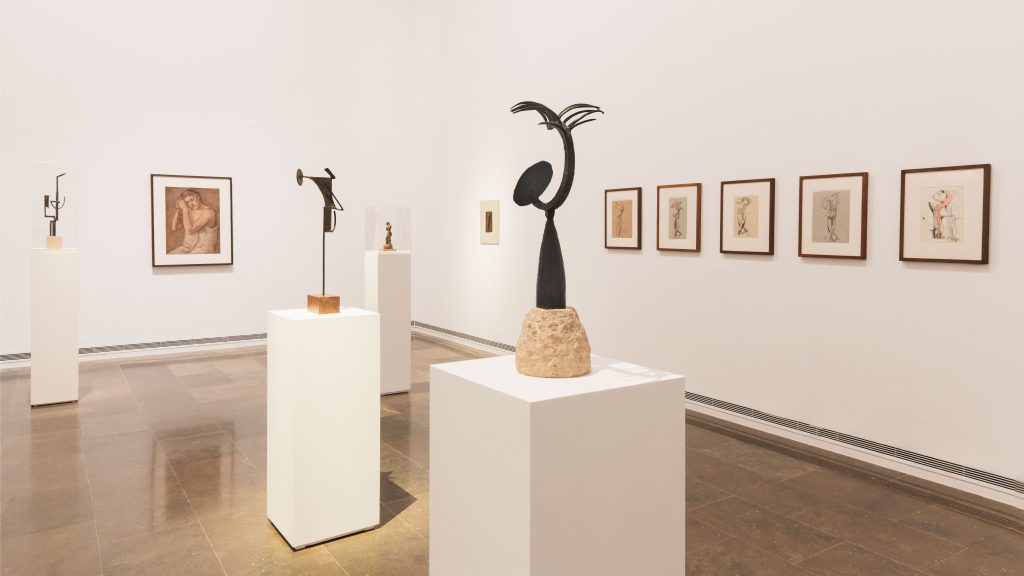
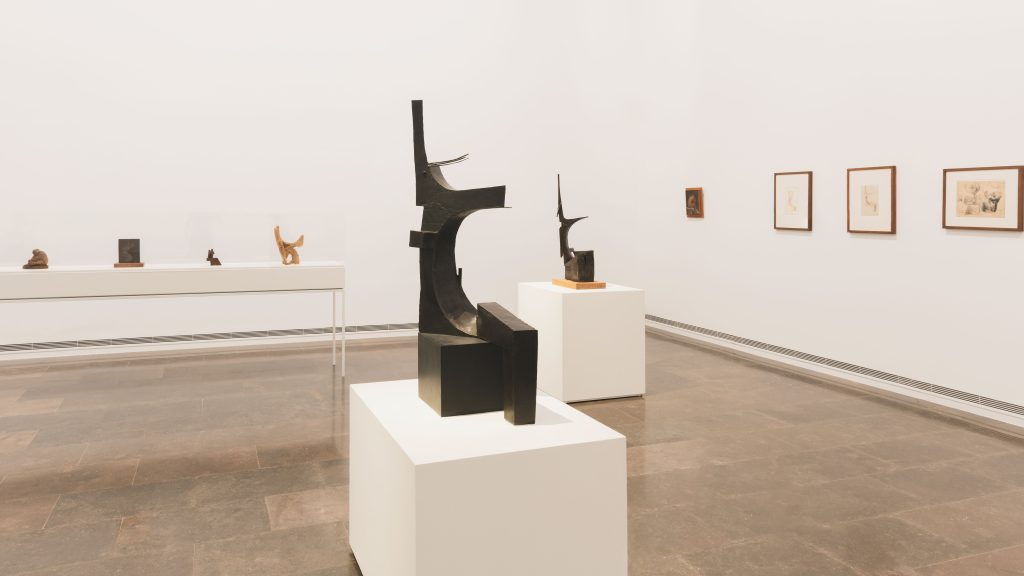
28 oct. 2022 – 22 feb. 2026
IVAM Centre Julio González
floor B, G2
share
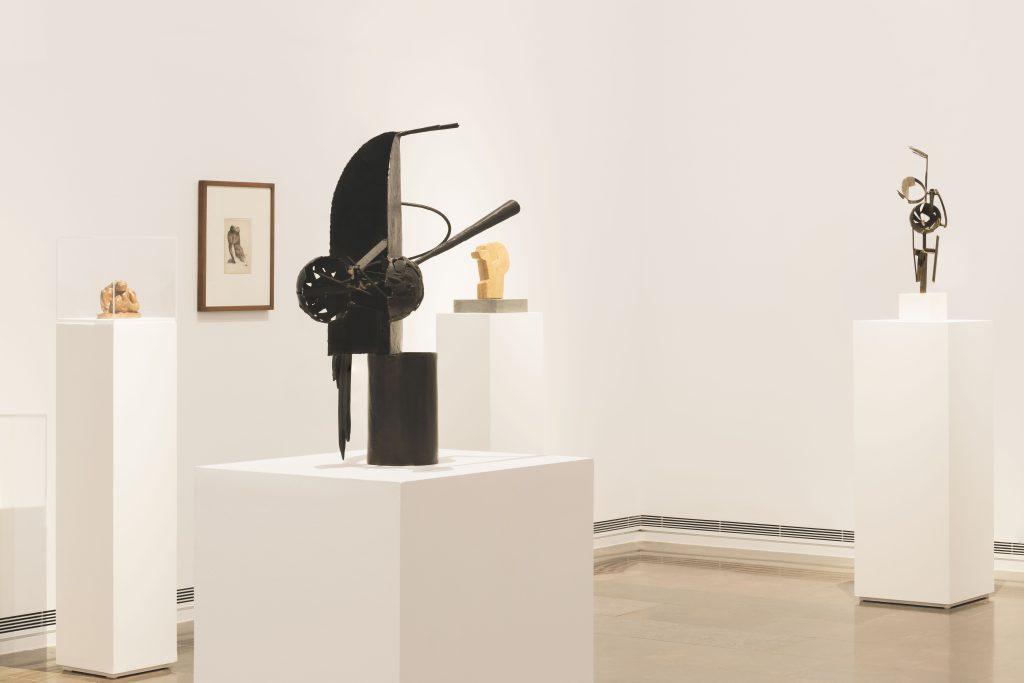
The historian and art and architecture critic, Juan José Lahuerta, will be the specialist in charge of reviewing the Julio González resources from the IVAM Collection to cast new light on this great artist’s work, moving away from certain myths about his life and his works that have persisted since the middle of the last century.
As the curator has said: “You just need to take a look at the books and manuals that have been used to write the history of modern art since the 1930s – largely through the exhibitions that the MoMA systematically assigned to the vanguards, designed to build a history organised in clearly established categories and strict genealogies -, and the consequences of this process in 1950s ‘triumphant’ New York. This meant the decontextualization of the European vanguards of the 1920s and 30s, subjected to an exclusively formalist judgement which has a single redemptive purpose: abstraction to which, necessarily, modern art tends towards in its culmination”.
According to Juan José Lahuerta, the work of Julio González falls victim to the historiographical construction of modern art and of the vanguards – or the Modern movement -, which is projected throughout his work, deforming it from the vantage point, firstly, of its supposedly (more) abstract era and, secondly, from its recovery in the 1950s, when the history of modern art was reviewed in terms of decontextualization, formalism and a command of the abstract. The life of Julio González and the supposed periods or stages of his work are written as a statement on these topics.
Hence, this new presentation of his work will be based on a study of the collection without the prejudice of operational history: forgetting González to discover its complexity, as a piece of art and as a collection. Considering all of the “stages”, all of the “themes” and all of the “arts” as equal, in the contexts given to us by the extraordinary archive materials (documents, photographs, etc.), and the history of their eras.

01 aug. 2022 – 31 aug. 2022
IVAM Centre Julio González
share
Can you imagine reading reviews of the must-read books of this summer, asking friends for recommendations and/or loans of books, looking on the shelves for the suggested novels, reviewing essays pending on the internet…We would also like to recommend some good reads to you, texts that we think are worth rescuing from last year, others that are easy-reading, in case you want to visit the exhibitions, or literature published about them.