27 dec. 2016 – 30 dec. 2016
IVAM Centre Julio González
share


27 dec. 2016 – 30 dec. 2016
IVAM Centre Julio González
share
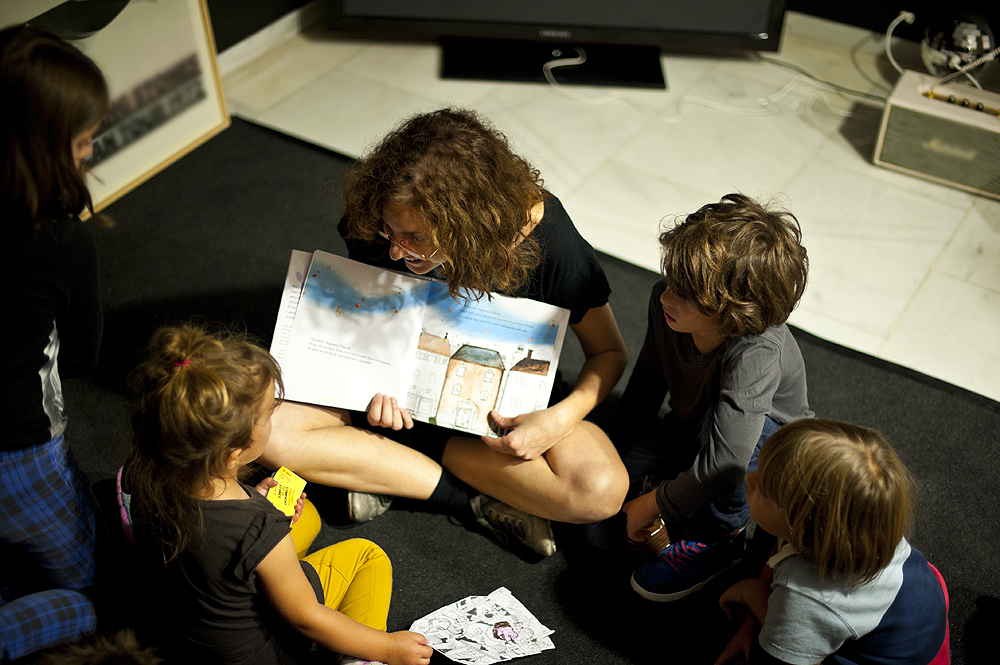
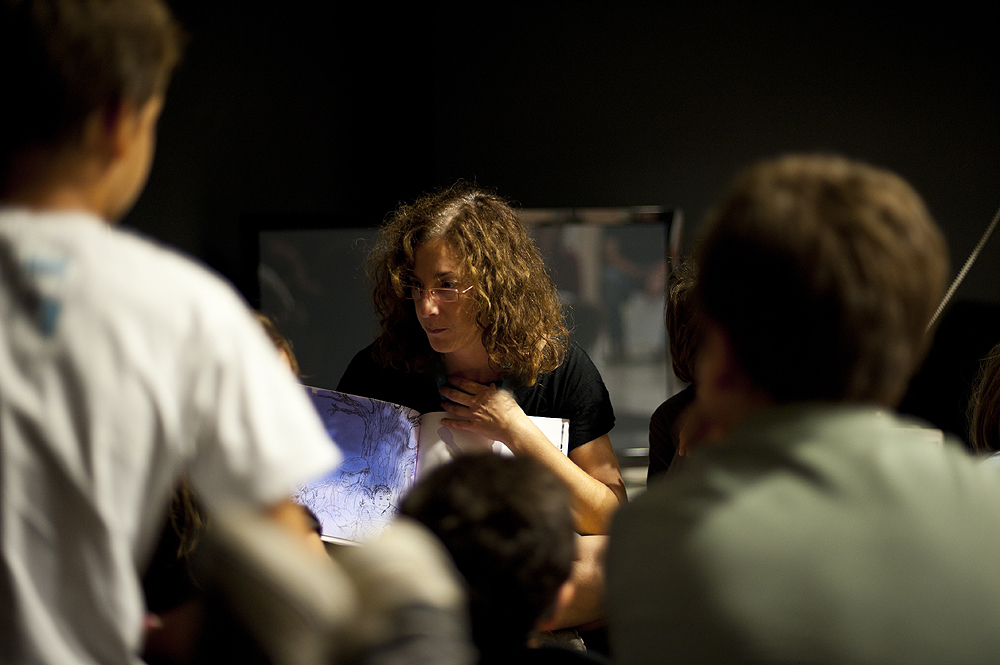
Todas las tardes a las 18:00 h. del 27 al 30 de diciembre, disfrutaremos de imágenes cargadas de intención, de cuento y de narración. Cuentos ilustrados que serán narrados y acompañados de sencillos talleres para conocer diferentes movimientos artísticos.
27 de diciembre
Realismo mágico. Cuentos fantásticos, extraños y maravillosos que podrían pasar en cualquier momento de nuestras cotidianas vidas. Hipérboles, exageraciones y anacronismos que nos llevarán a disfrutar de maravillosas historias sobrenaturales.
28 y 29 de diciembre
El baile de las mariposas. Fábulas y cuentos del siglo XIX que nos mostrarán sus refinados y ornamentados grabados. Cuentos de Perrault y fábulas de La Fontaine serán la literatura perfecta para conocer la técnica de ilustración más utilizada en los inicios de la literatura infantil a través de una sencilla manualidad.
30 diciembre
La rebelión de los cuentos. Manchas de colores, líneas, formas abstractas o figuras geométricas que conseguirán contarnos una historia. Cubismo, expresionismo, dadaísmo y otras vanguardias nos mostrarán que existen muchas otras formas de expresarnos y de contar historias.
Datos de interés:
¿Para qué edad está recomendado? De 3 a 12 años.
¿Qué vamos a hacer allí?
Escuchar cuentos y trabajar estilos artísticos.
¿Quién lo imparte? Elisa M. Matallín, narradora y mediadora cultural.
¿Cuándo? A las 18 h. todos los días del 27 al 30 de diciembre de 2016.
¿Cuánto dura? Una hora y media.
¿Hay qué inscribirse? Sí, es necesario inscribirse 15 minutos antes del comienzo en el mostrador situado en el vestíbulo de entrada del IVAM. Plazas limitadas (se seguirá el orden de inscripción).
Más información:
963 17 66 53- 963 17 66 00
02 dec. 2016
IVAM Centre Julio González
share
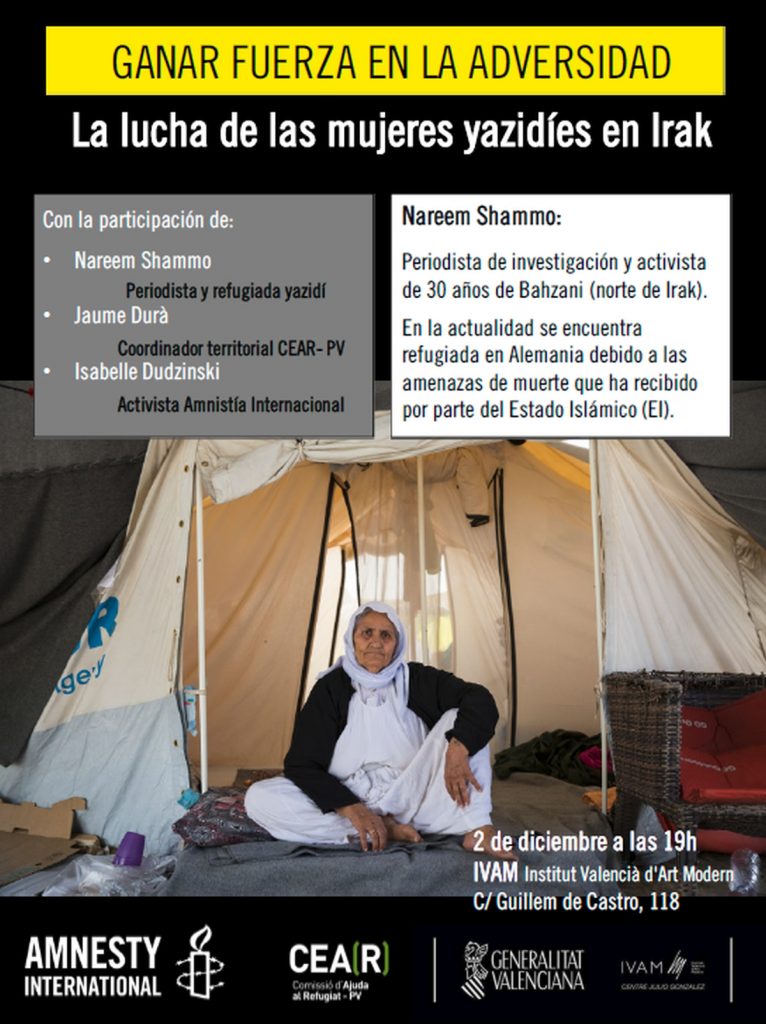
Talk-Colloquium “Gain strength in adversity. The struggle of Yazid women in Iraq” organized by Amnesty International.
Participants:
09 nov. 2016
IVAM Centre Julio González
share
Among the activities organized by Chair of Art Studies. Centuries XX / XXI, the Professor of Communication Studies at the University of Valencia, Vicente Sánchez Biosca will offer the lecture: “Miradas de perpetrador, ojos de víctima. Sobre las imágenes de un genocidio”.
CHAIR OF ARTISTIC STUDIES. 20th/21st CENTURIES
IVAM-UV-UPV (Institut Valencià d’Art Modern-Universitat de València-Universitat Politècnica de València)
Directors: Juan Vicente Aliaga / Vicente Sánchez-Biosca
The life in images of contemporary culture outruns the (material and immaterial) traditional spaces in which they were entrapped in the past, even the recent past. Their genres and registers, their ambits of circulation, their ceaseless migrations give the impression of offering a previously unknown experience of the real at the same time as, in an apparent paradox, they display a not in the least feigned technological pride.
Nevertheless, however much studies of the History of Art, Fine Arts, Journalism and Audiovisual Communication have attempted to adapt to the demands of this state of affairs, the lability of the borders between creation and reflection, technology and art, the media and the collective imaginary, among others, requires more ductile ambits of reflection and debate than those to be found in university studies and traditional research. On the other hand, unlike classical philology, palaeography, the exegesis of written texts and the image still presents an imbalance between its (emotional, conceptual, political, memory-based) impact and the instruments provided to analyse it.
The aim of Cátedra Estudios Artísticos, arising from the collaboration between the University of Valencia, the Polytechnic University of Valencia and the IVAM, will consist in encouraging this reflection about the life of images both in the world of art and in social life, including imaginary. It will do so broadmindedly, avoiding academic, artistic or technological restrictions, but, nevertheless, thriving on and taking advantage of all the academic, museum-based and institutional aids at its disposal. For that reason, the fact that it is held at the IVAM is propitious because it can enrich its activities with the reflection about exhibitions, installations or lectures, and also the series of projections.


06 oct. 2016 – 02 apr. 2017
IVAM Centre Julio González
share
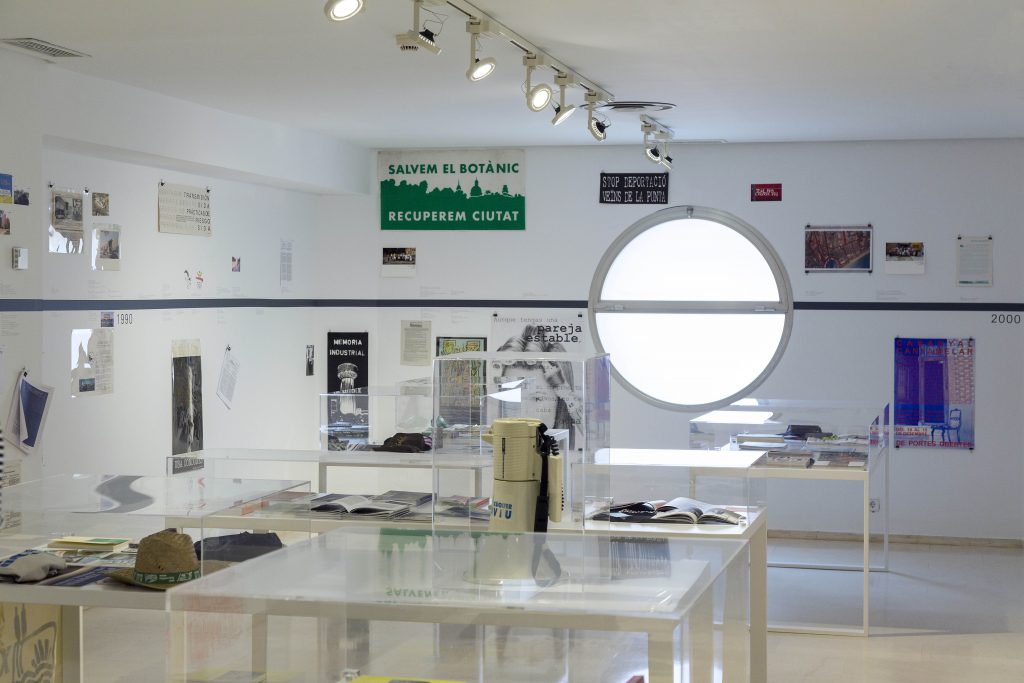
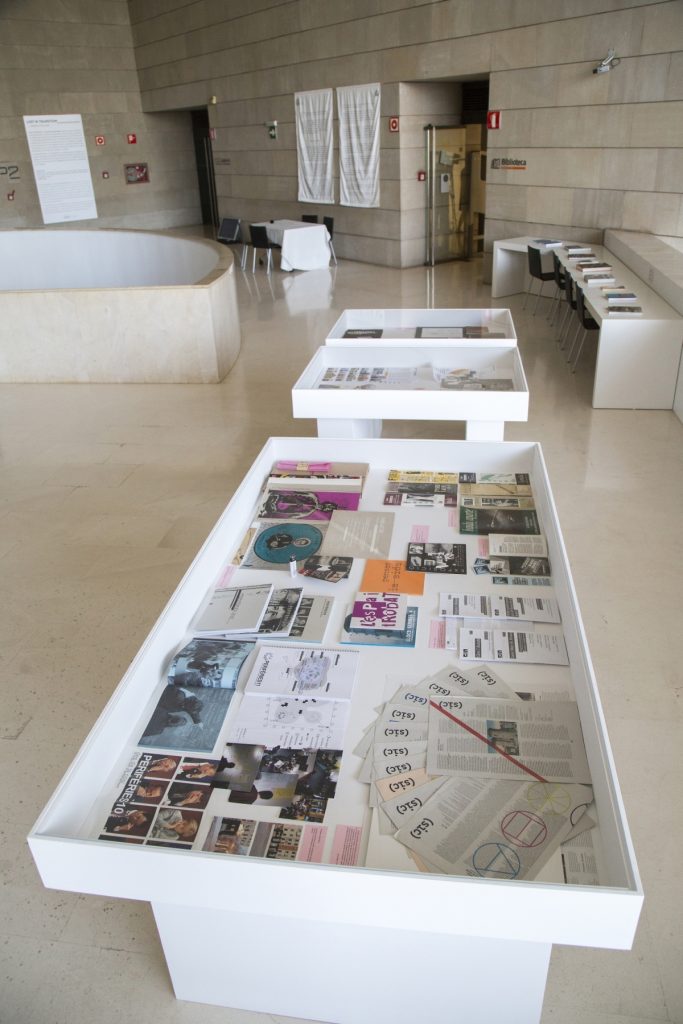
Curatorial statement_Witnesses of the City
The certainly of witness is that they have seen and experienced GAT they tell. Social, political and cultural activists are well aware of this kind of testimony and credible evidence. They have fought against much more powerful mechanisms that have tried from different power dimensions to deny, deter, pre-empt, join their critical and transformative proposals. In many cases, these changes tried to prevent an unnecessary, untimely and, almost always, impertinent change, that would hide other interests away from their visible approaches. That is, they have symbolized a direct confrontation between what is experienced as the reality by citizens and institutional parapet built as fictitious and generated by leaders.
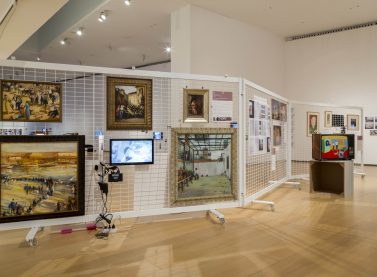
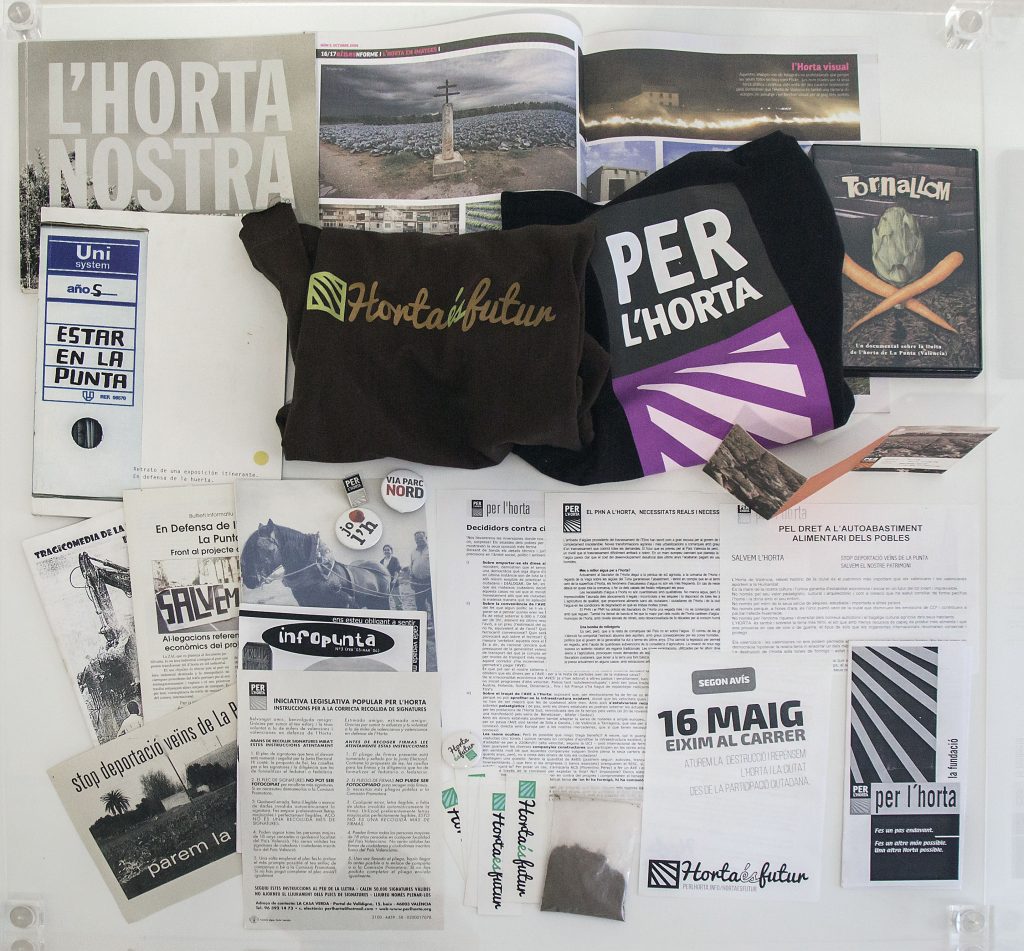
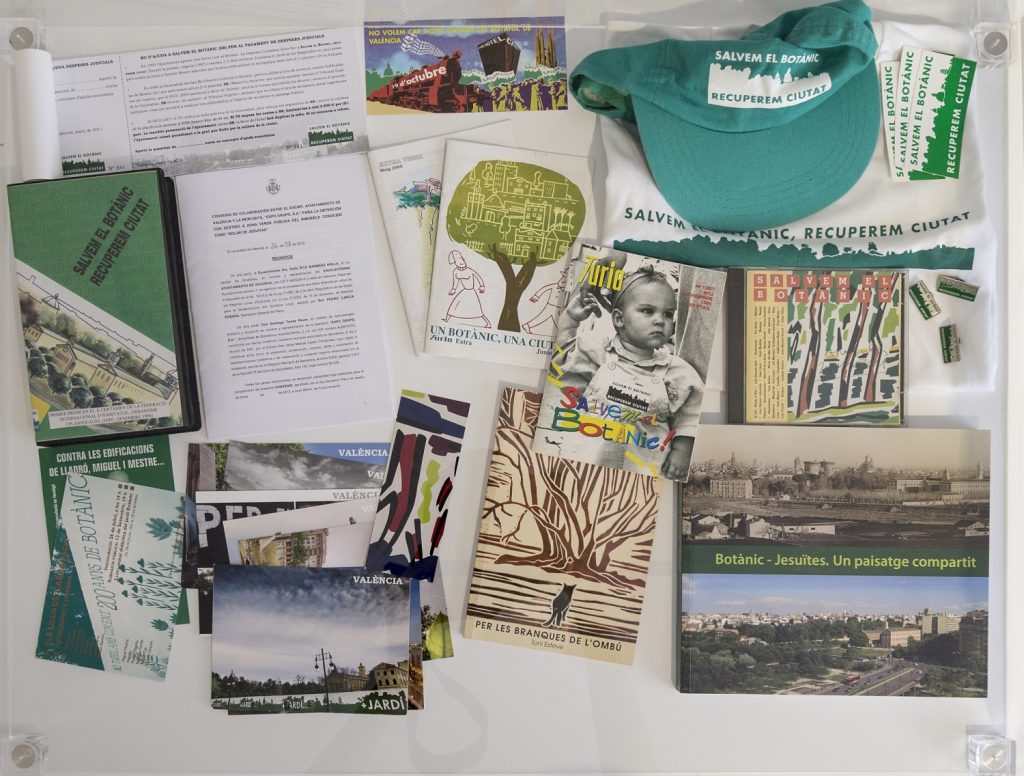
This documentary exhibition is displayed at Library’s exhibition room at the IVAM. It try to extract some of the most significant examples of activist society, politics and culture with the aim of drawing a timeline, inextricably linked to stories constructed by themselves, along these more than forty years. It brings together posters, brochures, documents and photographs of demands groups such as El llit del Túria ES Nostre i el volem VERD, El Saler per al Poble, Salvem el Botànic, El Casal de la Dona, Per l’horta de La Punta, Salvem Cabanyal-Canyamelar, Abusos Urbanísticos No, Xúquer viu, the birth of Colectivo Lambda or Asociación de Víctimas del metro de Valencia del 3 de julio de 2006.

16 oct. 2016
IVAM Centre Julio González
share
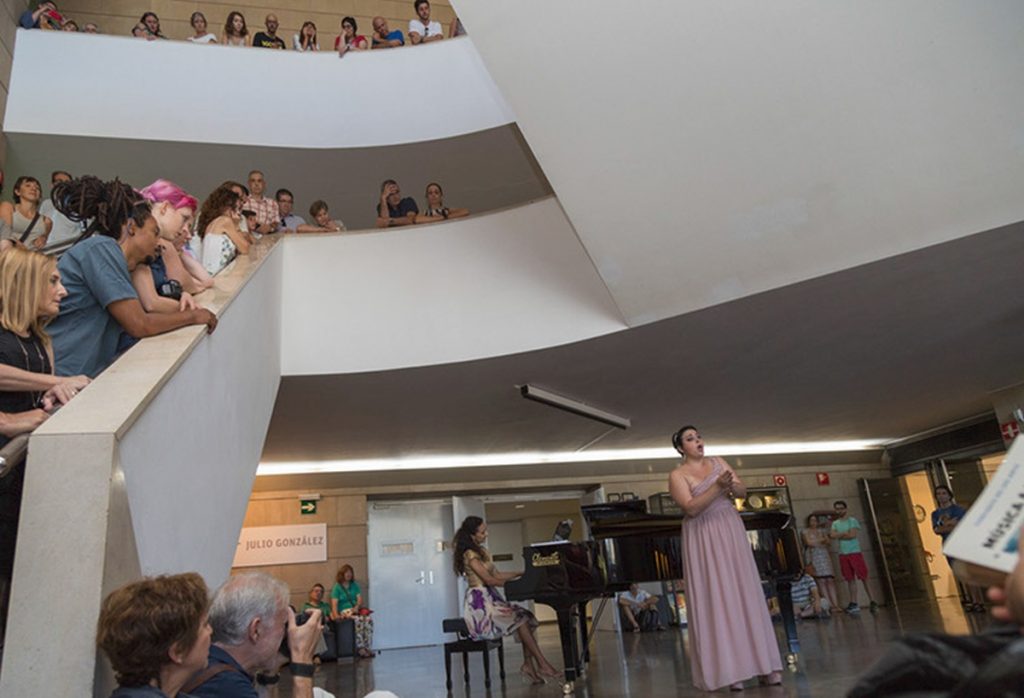
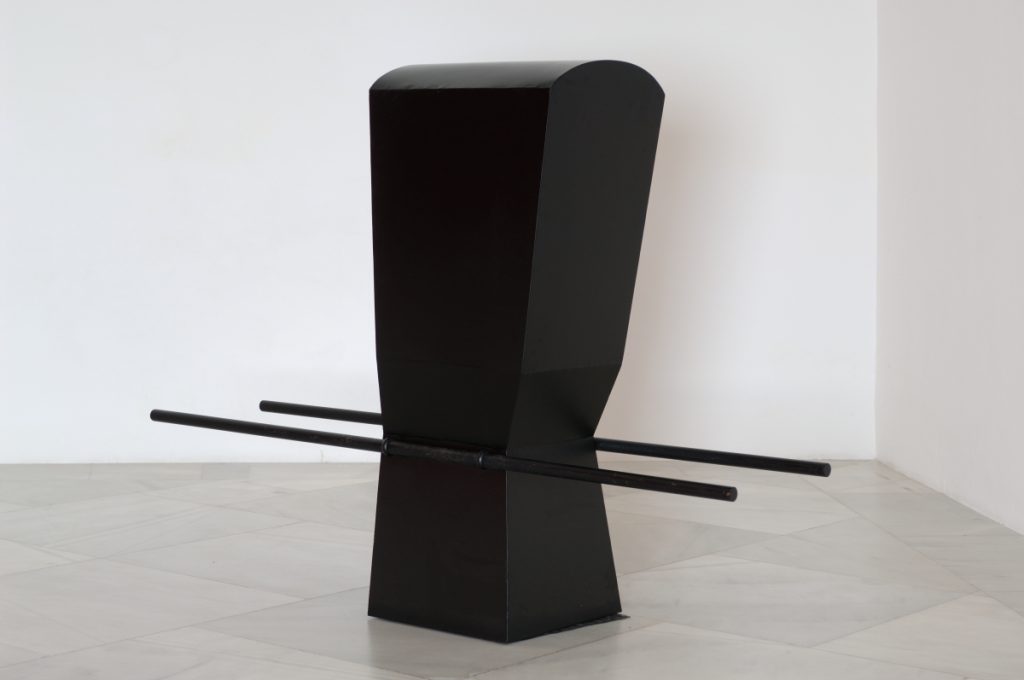
The IVAM and the Centre Perfeccionament Palau de les Arts Reina Sofia, continue with the series of musical performances that will take place between October 2016 to July 2017.
02 dec. 2016
IVAM Centre Julio González
share
Guided tour of the exhibition “Intimate circle. The world of Pepe Espaliú” by José Miguel G. Cortes, curator of the exhibition.
Free activity. Priority for Honorary Members and Friends of the IVAM. A
Application must be made 15 minutes before the start of the tour at the counter in the IVAM entrance hall. Places limited (allocated by order of application).
11 nov. 2016
IVAM Centre Julio González
share
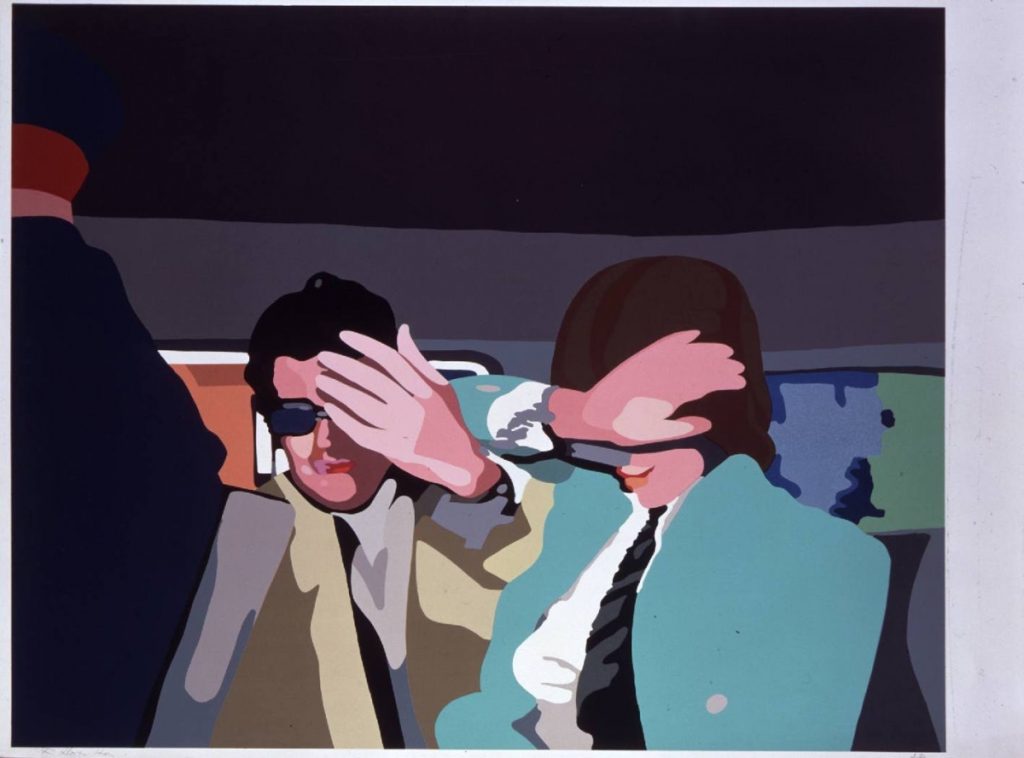
Tour carried out by Teresa Millet, curator of the exhibition.
This activity is free of charge. Priority for Honorary Members and Friends of the IVAM.
It is necessary to sign up 15 minutes before the start of the visit at the desk in the Hall of the IVAM. Limited places (first-come, first-served).
27 sep. 2016
IVAM Centre Julio González
share
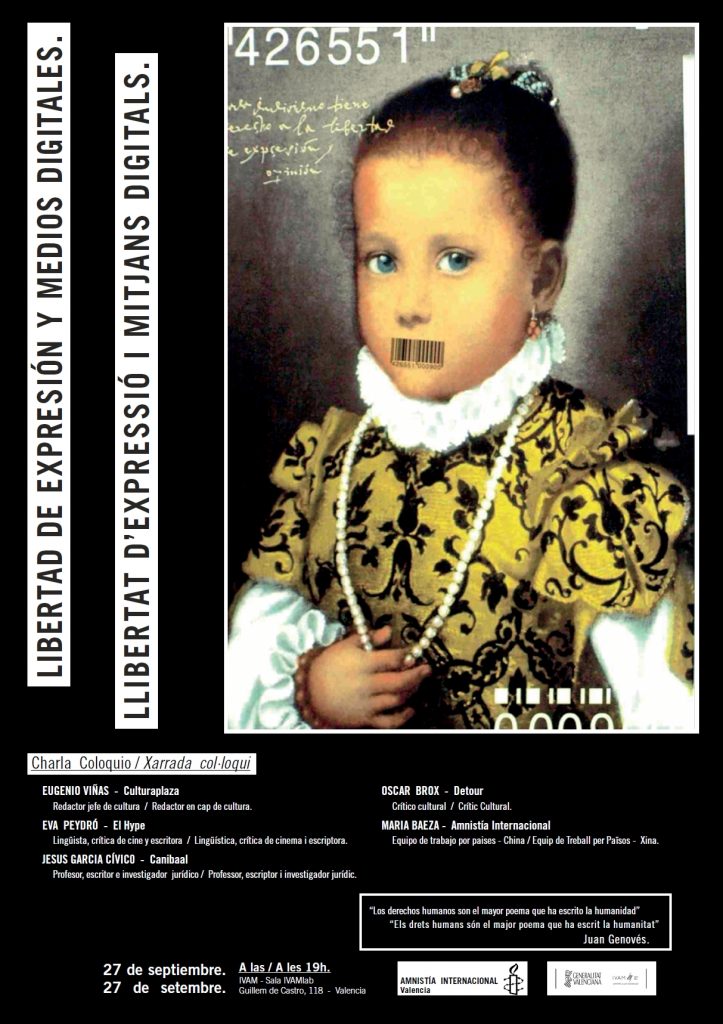
Talk-Colloquium “Freedom of expression and digital media” organized by Amnesty International.
Participants:
27 oct. 2016
IVAM Centre Julio González
share
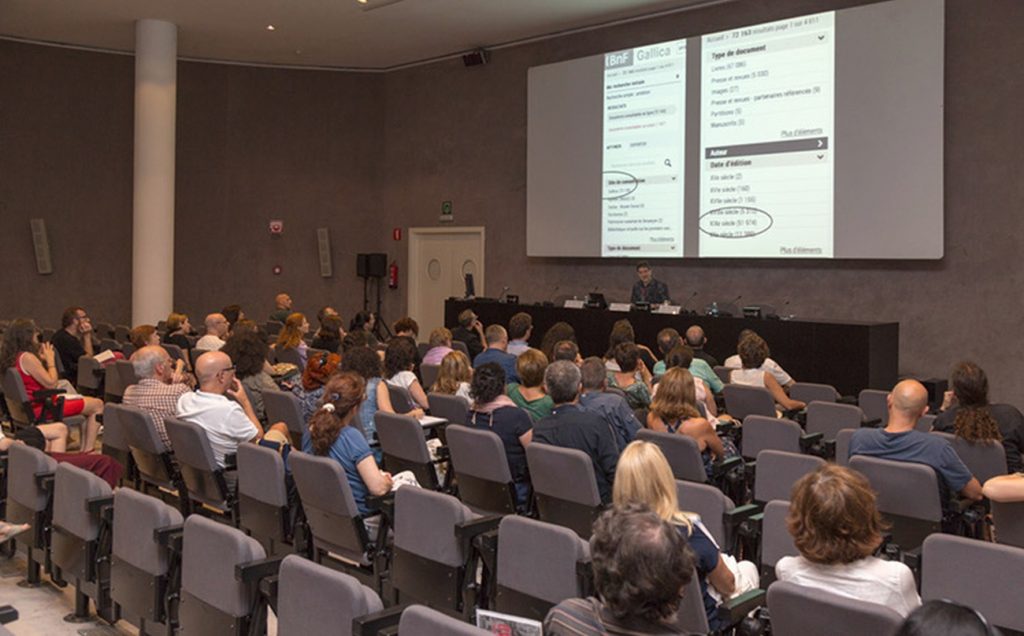
Among the activities organized by Chair of Art Studies. Centuries XX / XXI teachers Carme Manuel and Rebecca Romero will offer a conference.
19:00 h. Lecture of Carme Manuel, professor of American literature of the Department of Filologia Anglesa i Alemanya of Faculty of Philology, Comunicació i Traducció of the University of Valencia since 1992.
20:00 h. Lecture of Rebecca Romero, degree in Journalism and Communication Studies, and European PhD from the University of Valencia (UV).
CHAIR OF ARTISTIC STUDIES. 20th/21st CENTURIES
IVAM-UV-UPV (Institut Valencià d’Art Modern-Universitat de València-Universitat Politècnica de València)
Directors: Juan Vicente Aliaga / Vicente Sánchez-Biosca
The life in images of contemporary culture outruns the (material and immaterial) traditional spaces in which they were entrapped in the past, even the recent past. Their genres and registers, their ambits of circulation, their ceaseless migrations give the impression of offering a previously unknown experience of the real at the same time as, in an apparent paradox, they display a not in the least feigned technological pride.
Nevertheless, however much studies of the History of Art, Fine Arts, Journalism and Audiovisual Communication have attempted to adapt to the demands of this state of affairs, the lability of the borders between creation and reflection, technology and art, the media and the collective imaginary, among others, requires more ductile ambits of reflection and debate than those to be found in university studies and traditional research. On the other hand, unlike classical philology, palaeography, the exegesis of written texts and the image still presents an imbalance between its (emotional, conceptual, political, memory-based) impact and the instruments provided to analyse it.
The aim of Cátedra Estudios Artísticos, arising from the collaboration between the University of Valencia, the Polytechnic University of Valencia and the IVAM, will consist in encouraging this reflection about the life of images both in the world of art and in social life, including imaginary. It will do so broadmindedly, avoiding academic, artistic or technological restrictions, but, nevertheless, thriving on and taking advantage of all the academic, museum-based and institutional aids at its disposal. For that reason, the fact that it is held at the IVAM is propitious because it can enrich its activities with the reflection about exhibitions, installations or lectures, and also the series of projections.
20 oct. 2016
IVAM Centre Julio González
share
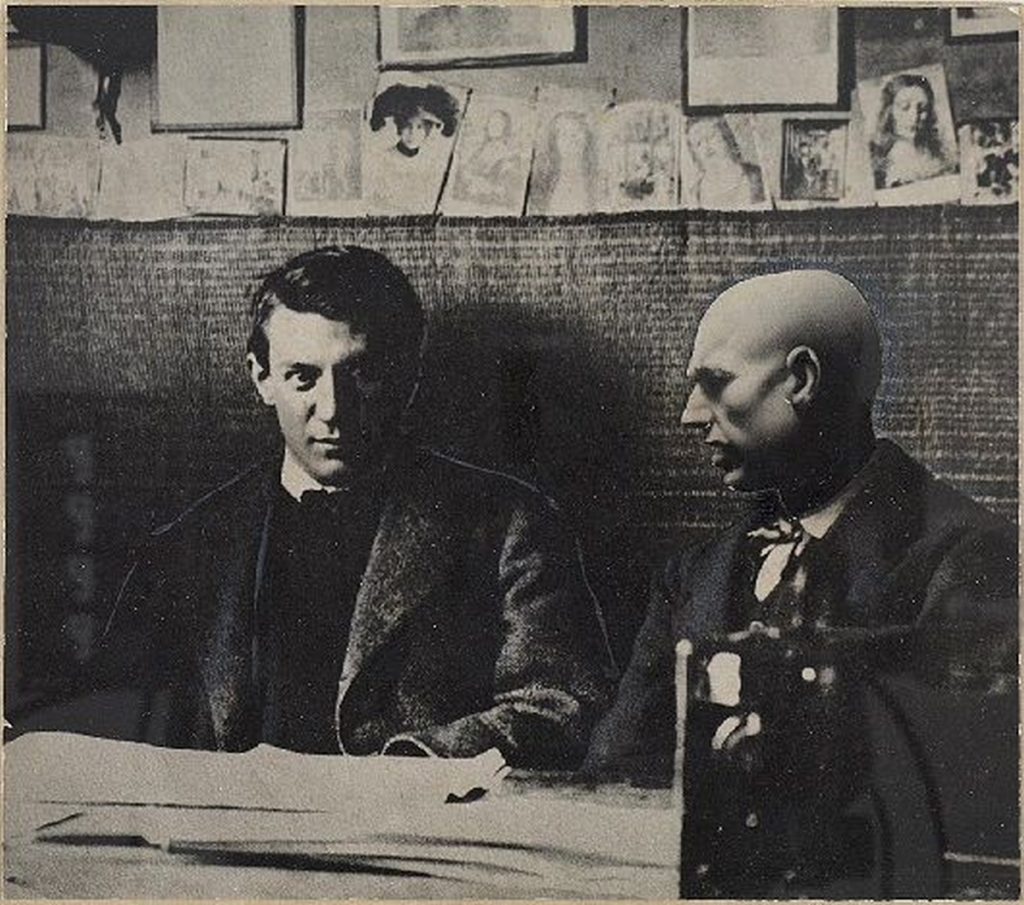
Conversation between artist Joan Fontcuberta and Jorge Luis Marzo, curator of the exhibition “Fake. It’s not true, it’s not false”.
Picasso’s quote that “Art is the lie that enables us to realize the truth” is still valid today. Fake, that parasitical and concealed format that seems to be what it’s not, has become through many artists, and by endorsing the techniques of the enemy, a weapon that aims to short-circuit the massive manipulation of reality. But unlike the mere deceit, typical of commercial, political and, why not also, aesthetic marketing, the fake does not seek to perpetuate the appearance, but to quickly reveal the mechanisms and myths that make credibility possible, that is to ultimately question the linguistic forms of authority in the media, in museums, in the academic discourse, in the moral gossip mills. But there’s an added problem: fake often also becomes a part of the critical show as an authority format.
FAKE exhibition. It’s not true, it’s not false. The Art of Faking reviews some of the camouflages, infiltrations and sabotages undertaken by many artists around the world, since Orson Welles faked an alien invasion in order to prove the manipulative power of the media in a society which is increasingly constrained to certain formats of veracity.
08 sep. 2016
IVAM Centre Julio González
share
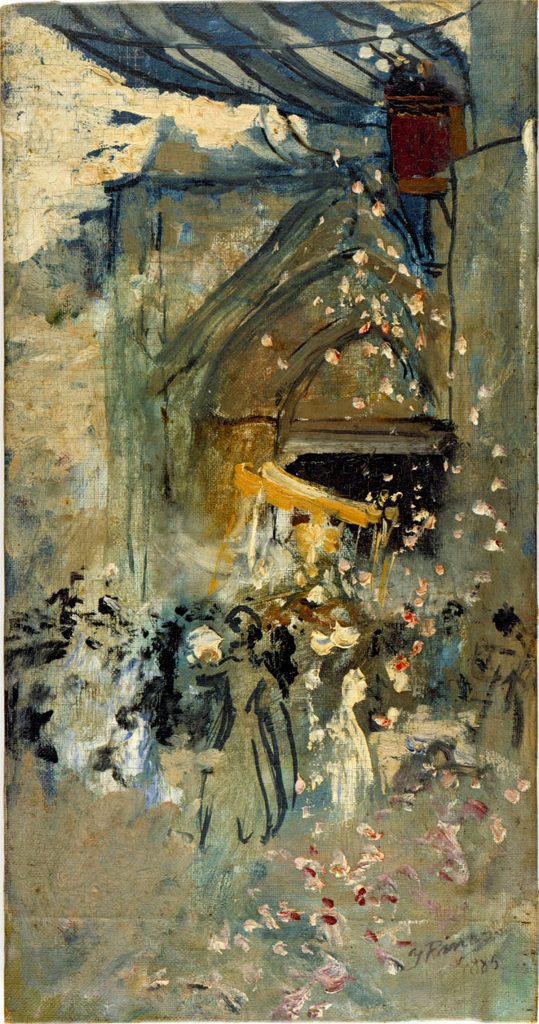
Conversation between Javier Pérez Rojas, curator of the exhibition and Jose Ignacio Casar Pinazo, Director of the Museum of Fine Arts of Valencia, on the occasion of the exhibition “Ignacio Pinazo and Avant-gardes. Elective affinities”.
The IVAM has scheduled one of the most special exhibitions to mark Ignacio Pinazo Carmarlench’s (1849-1916) centenary death, as homage to one of its most brilliant artists.
Pinazo’s work is widely represented in the IVAM’s Collection since its creation, and is, in fact, one of its foundations. Despite the artist significance, his works and presence have not always been understood and shared in a contemporary art museum’s permanent collection, with Julio González or other international avant-gardes representatives.
This exhibition breaks radically with those doubts, posing a new reading that notes the latent modernity signs in the paintings and drawings by Pinazo. The exhibition highlights a number of formal affinities and parallels with artists such as Julio González, Saura, Barceló, Bores, Cossío…, setting out new readings and stories that give value to IVAM’s Collection funds.
This exhibition reveals Pinazo’s potential and intuition, his capacity for abstraction and creative impulse, gestural expressive value and material element importance in many of his works, which fragments and details appear action painting premonitions.

27 oct. 2016
IVAM Centre Julio González
share
Literature Festival “La lletraferida/La letraherida”
Content al IVAM “Literature Art / The art of literature”
6:00 pm. Colloquium among writers Javier Montes and Carlos Marzal, moderator Geles Mit.
7:30 pm. Colloquium among designers Manuel Estrada and Pepe Gimeno, moderator Nacho Lavernia.