Between 1870 and 1920, Valencia emerged as one of the most prolific and influential artistic centres of its time. A remarkable number of painters were born and trained in the city, although today only a small number are remembered – those known as the great masters of the Valencian School – despite the fact that many of them lived and worked outside their native city.
From this vast group of painters active in the mid-nineteenth and early twentieth centuries, we know the biographies of only a few. One of the recurring questions is how they managed to make a living in such a competitive environment, crowded with professional artists. For many, the solution was to seek opportunities in other cities and countries, particularly across Europe and America. Teaching became a professional path for a significant number of artists, yet the careers of many of them can be described as nothing short of heroic, especially when their livelihoods depended on commissions or on the sale of their works in the art market.
In such a creative context as that of Valencia, one might say that artistic vocation was, in some cases, akin to a genetic trait, easily transmitted from parents to children. The Pinazo family is a notable example, alongside other artistic dynasties in the city such as the Capuz, López, Benlliure, Sorolla or Manaut Viglietti families, among others.
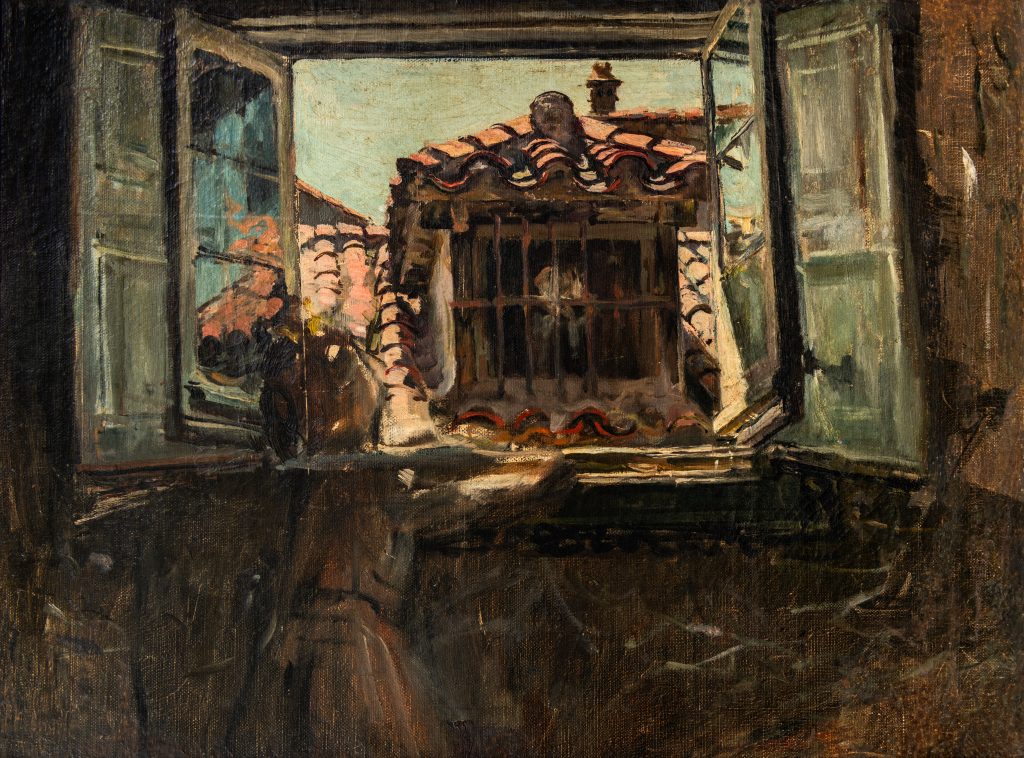
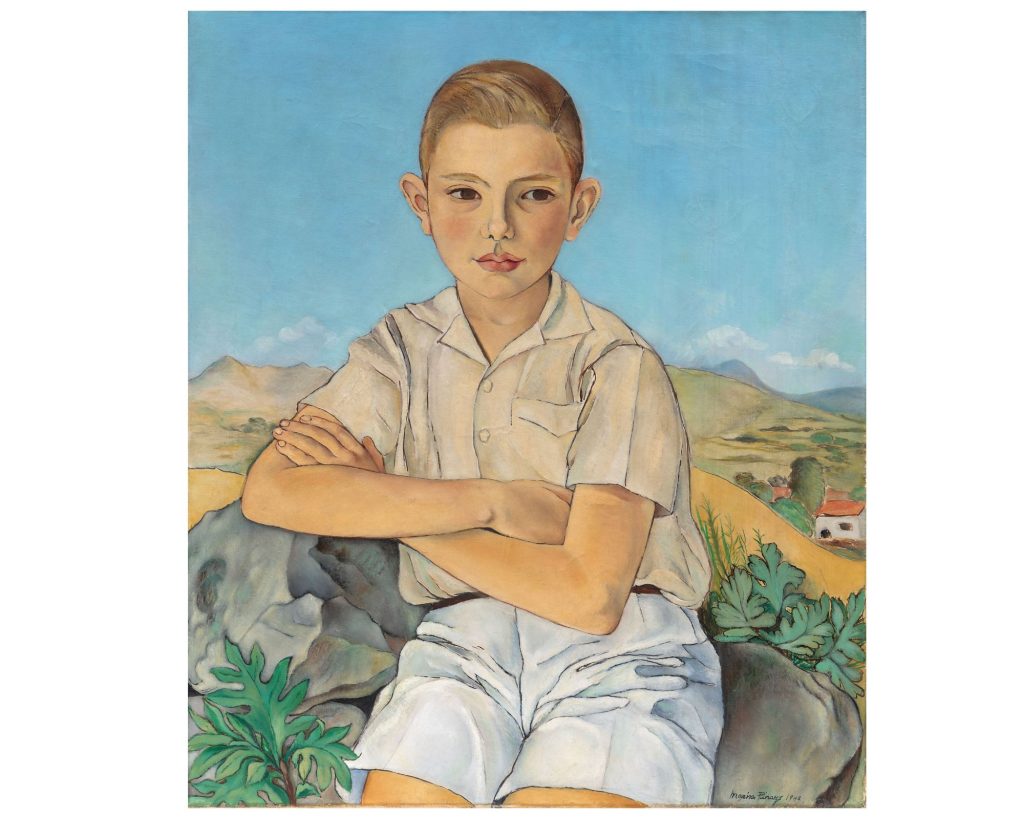
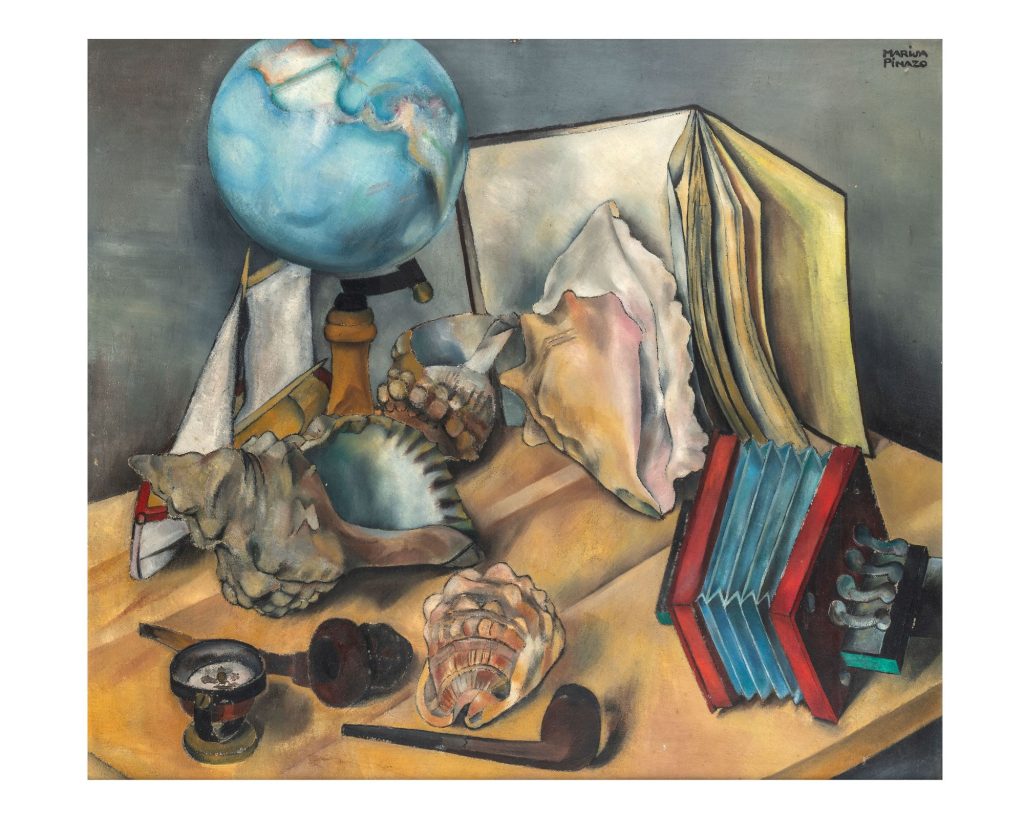
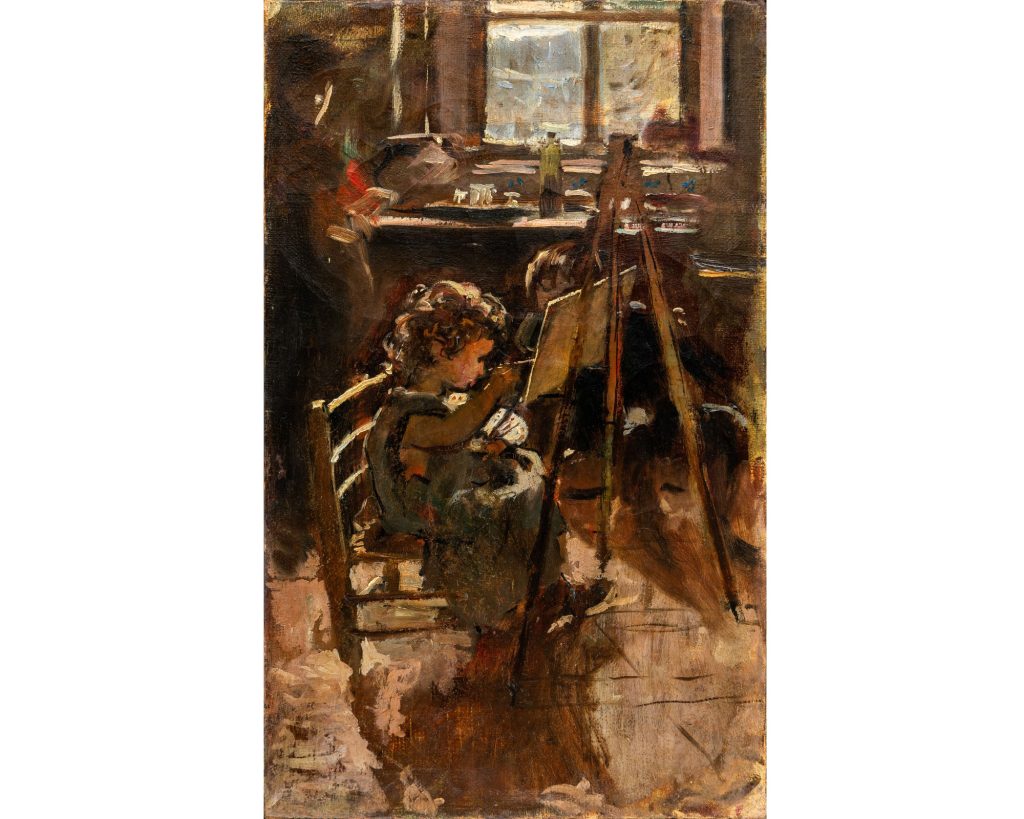
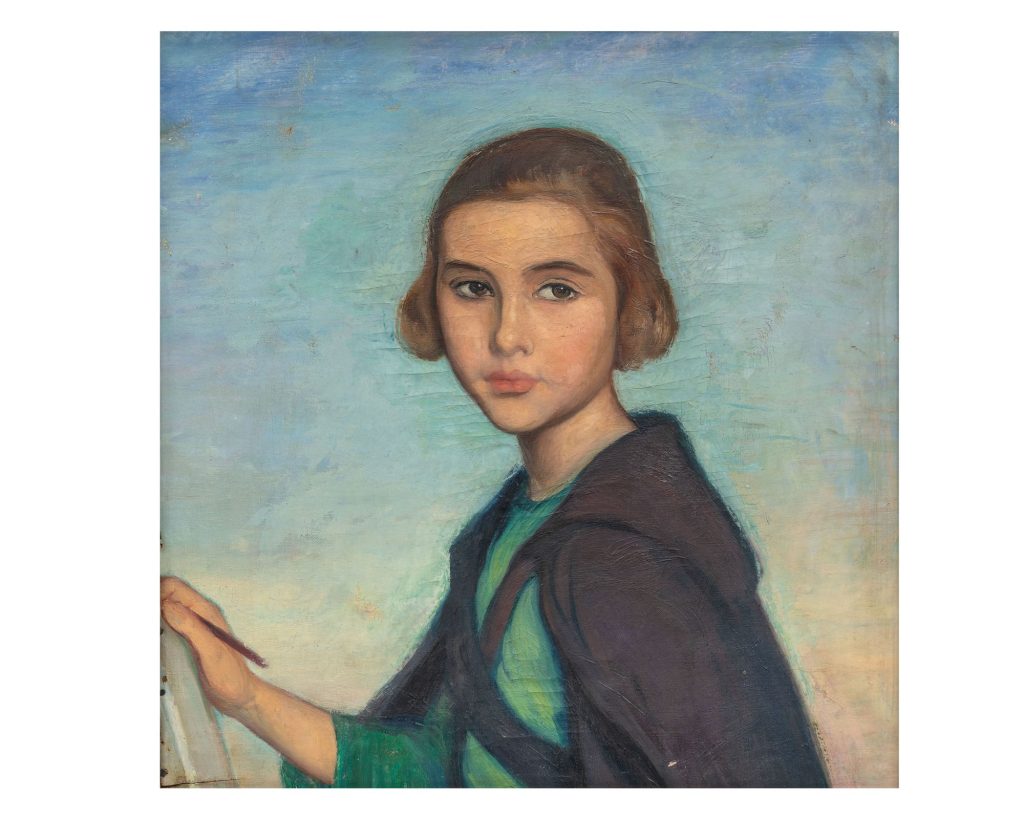
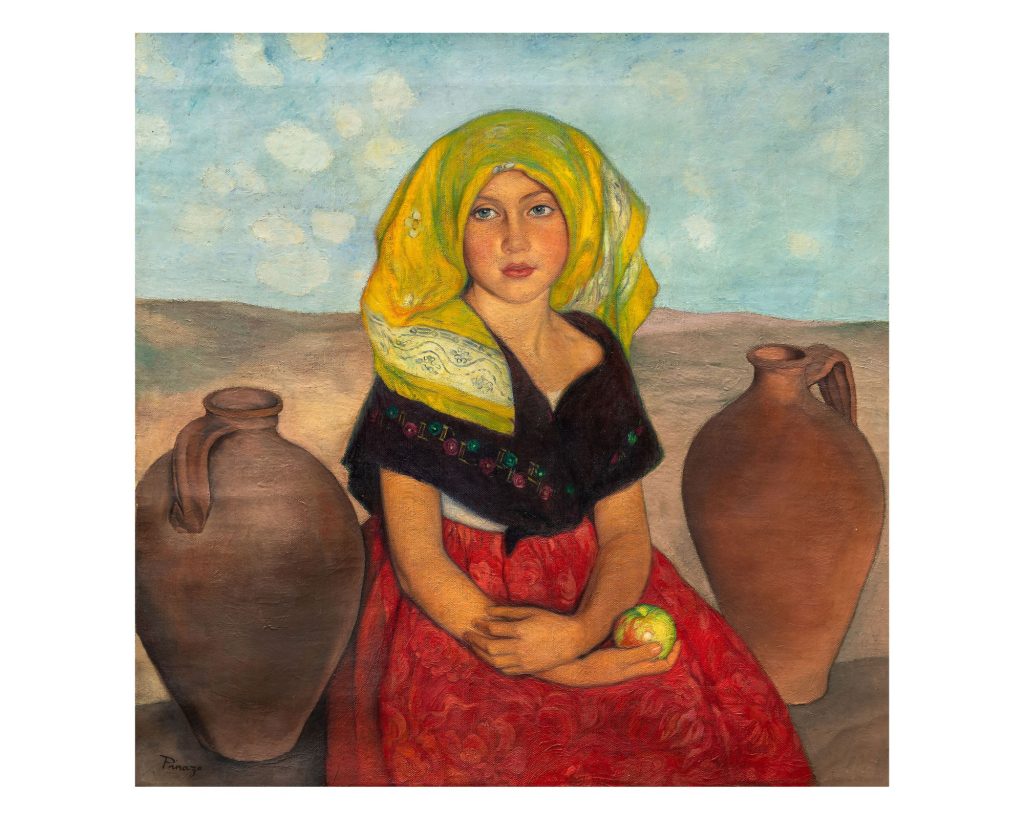
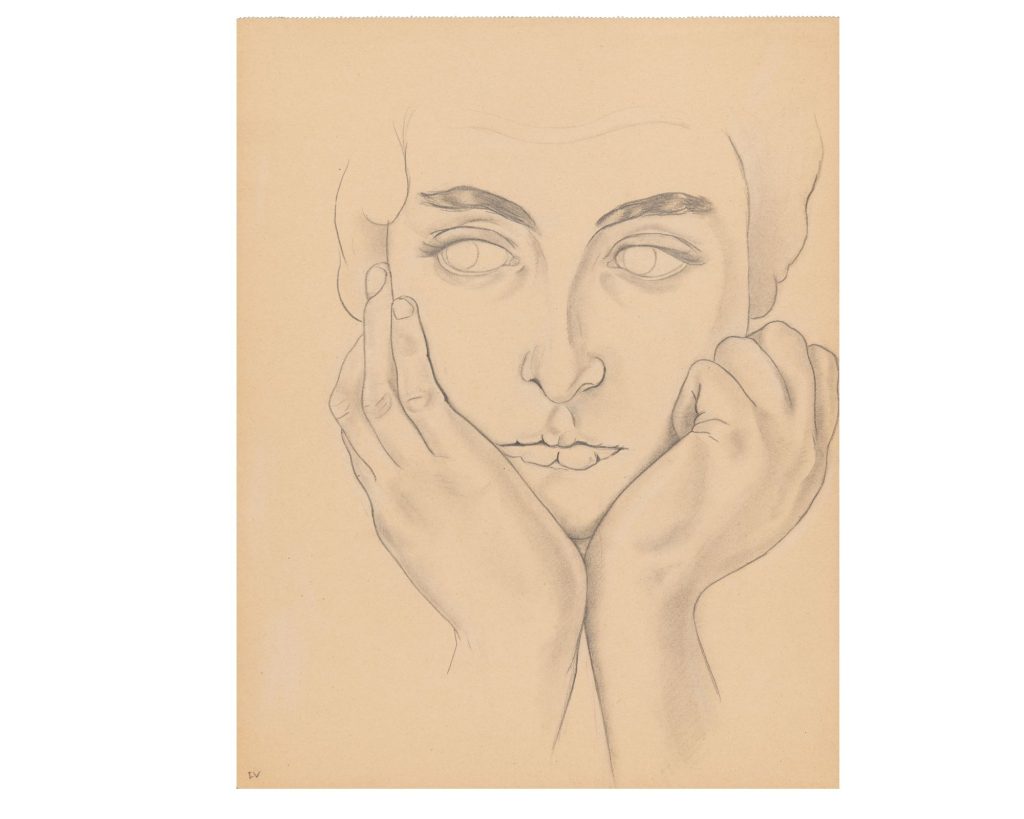
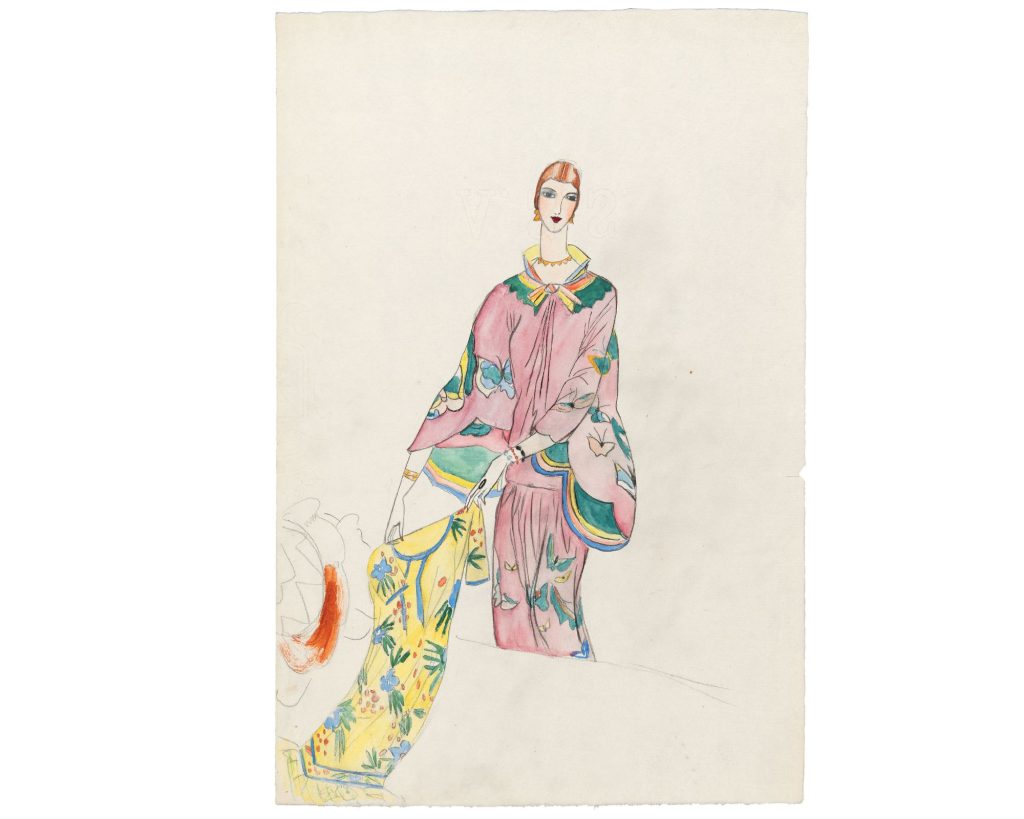
Within this phenomenon of professional transmission, there exists a practical dimension, a continuity or inheritance of tradition, and likewise a vocation. Early exposure to artistic practice fosters a familiarity that encourages the continuation of the craft – something clearly demonstrated by the Pinazo clan presented here. The great master Ignacio Pinazo Camarlench (1849–1916) had two sons who pursued an artistic career: José and Ignacio Pinazo Martínez. The former was a painter and the latter a sculptor, although he also painted and pursued a career as a singer. Although Ignacio Pinazo Martínez is an outstanding sculptor, the decision has been taken here to present the work of Marisa Pinazo Mitjans (1912-1990), daughter of José Pinazo Martínez (1879-1933), as she represents the continuation of painting within the family’s third generation.
To confront – or to display sequentially – the art of three generations we must interpret the connections that bind them, the gradual evolution of each artist, as well as the continuities that are naturally more pronounced between father and son than between grandfather and granddaughter. Although the powerful personality of the grandfather remains an object of admiration, each artist’s work follows its own path. The creations of the three reveal a gradual surpassing of established models and a series of stylistic developments which, taken together, offer a compelling journey that leads from Naturalism and Modernism to Art Deco.
The stimuli exerted by paternal models across generations give rise to affinities and links that can be clearly detected between the works of Ignacio Pinazo and José Pinazo in his early phase, just as they appear between certain paintings by Marisa Pinazo and works by José Pinazo. A concise selection and juxtaposition of works in different genres allow these correspondences to be appreciated with clarity.